Key takeaways
- Searchable is a legitimate AI visibility platform with built-in content generation, but it covers fewer AI engines than most competitors and lacks advanced analytics like crawler logs, prompt volume data, and traffic attribution.
- The GEO platform market has matured fast in 2026 — the gap between monitoring-only tools and full optimization platforms is now significant.
- Most platforms (Otterly.AI, Peec.ai, AthenaHQ, SE Visible) stop at tracking. Only a handful — including Promptwatch and Searchable — attempt to close the loop with content creation.
- Promptwatch is the only platform rated "Leader" across all categories in a 2026 comparison of 12 GEO platforms, with 1.1B+ citations analyzed and a complete action loop from gap analysis to content generation to traffic attribution.
- Your choice should come down to whether you need to monitor or optimize — they're different problems.
The AI search visibility market has grown up fast. Two years ago, most "GEO tools" were basically glorified keyword trackers with a ChatGPT integration bolted on. Now there are dozens of platforms competing for the same budget, each claiming to be the answer to your AI visibility problems.
Searchable sits somewhere in the middle of this pack. It's not a bare-bones tracker, and it's not an enterprise behemoth. But how does it actually compare when you put it next to the best platforms in 2026? That's what this guide breaks down.
We'll cover what Searchable does well, where it runs into limitations, and how it stacks up against the strongest alternatives — including platforms that go well beyond monitoring into actual optimization.
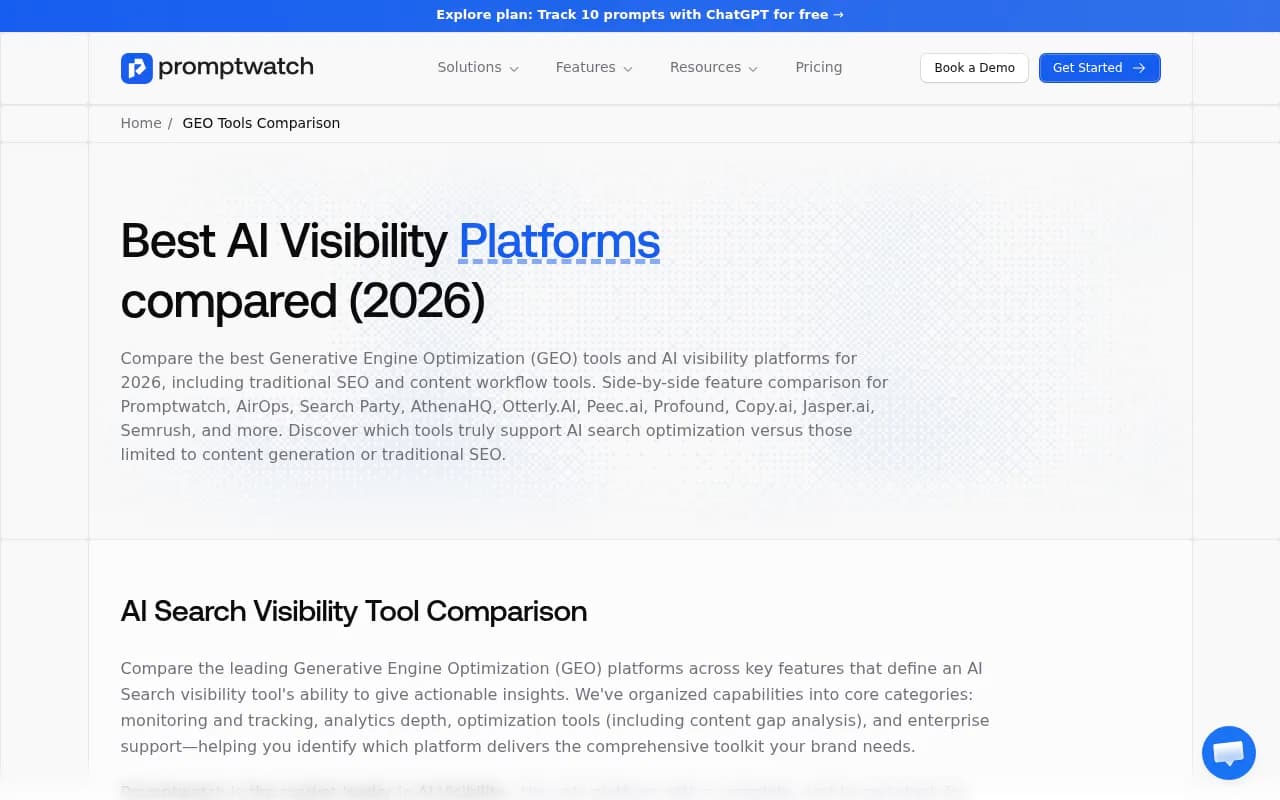
What Searchable actually does
Searchable positions itself as an AI Search Visibility Platform with built-in content generation. The pitch is that you can track how your brand appears across AI engines and then create content to improve that visibility — all in one place.
That's a reasonable value proposition. The monitoring side covers brand mentions across a handful of LLMs, and the content tools let you generate articles and landing pages designed to improve your AI presence. For teams that want a single tool without a lot of complexity, it's approachable.
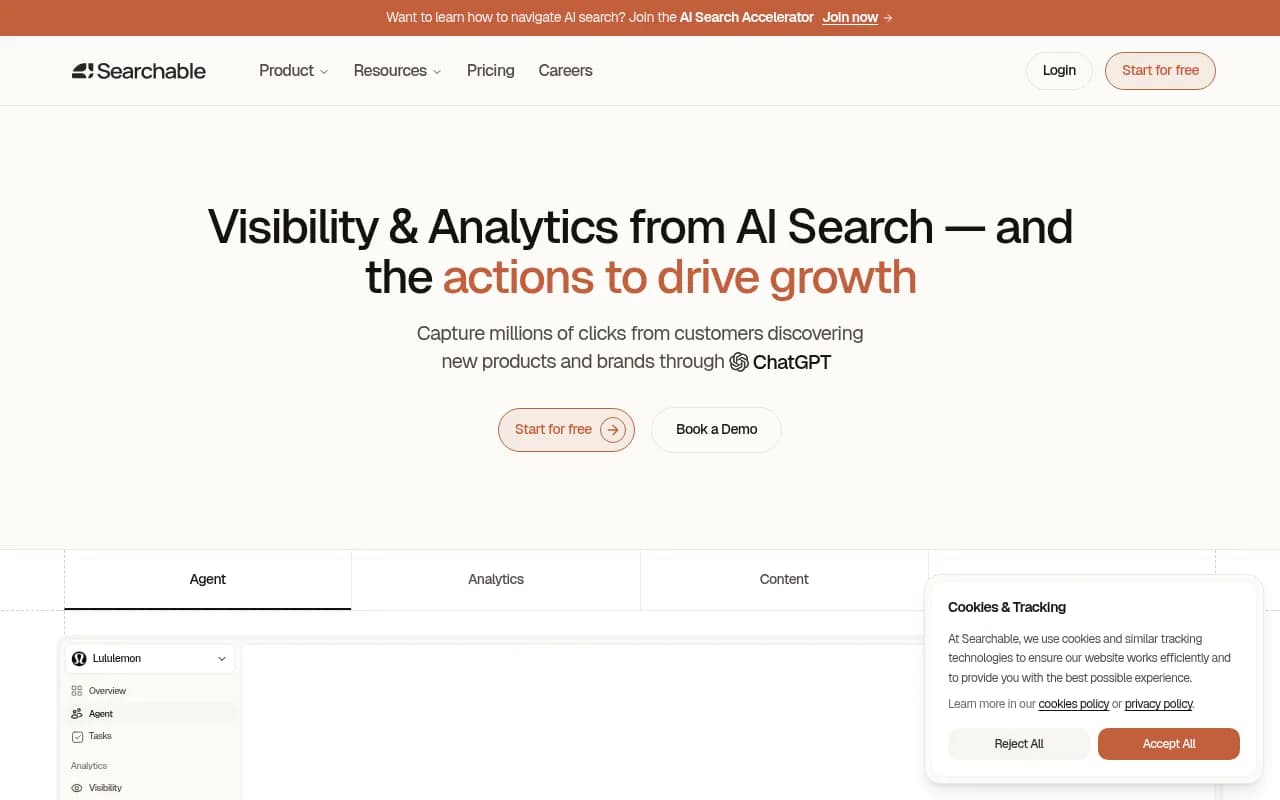
Where Searchable gets thinner: it covers fewer AI engines than the leading platforms, the analytics depth is limited compared to tools like Promptwatch or Profound, and there's no crawler log data, no prompt volume scoring, and no traffic attribution. You can see that you're being mentioned (or not), and you can create content — but the connective tissue between those two actions is sparse.
That's not a fatal flaw for every team. But it matters a lot if you're trying to understand why your visibility is changing, or if you want to prioritize which content to create based on actual prompt demand.
The GEO platform landscape in 2026
Before getting into the comparison, it helps to understand how the market is structured. There are roughly four types of platforms:
Monitoring-only tools track brand mentions, citation rates, and share of voice across LLMs. They show you data. They don't help you act on it. Otterly.AI, Peec.ai, SE Visible, and AthenaHQ largely fall here.
Content generation tools help you create AI-optimized content but don't have deep visibility tracking. AirOps, Copy.ai, and Jasper sit in this category.
Hybrid platforms try to do both — track visibility and help you create content. Searchable, Scrunch, and Profound attempt this with varying degrees of success.
Full optimization platforms close the entire loop: identify gaps, generate content grounded in citation data, track results, and connect visibility to revenue. Promptwatch is the clearest example of this in 2026.
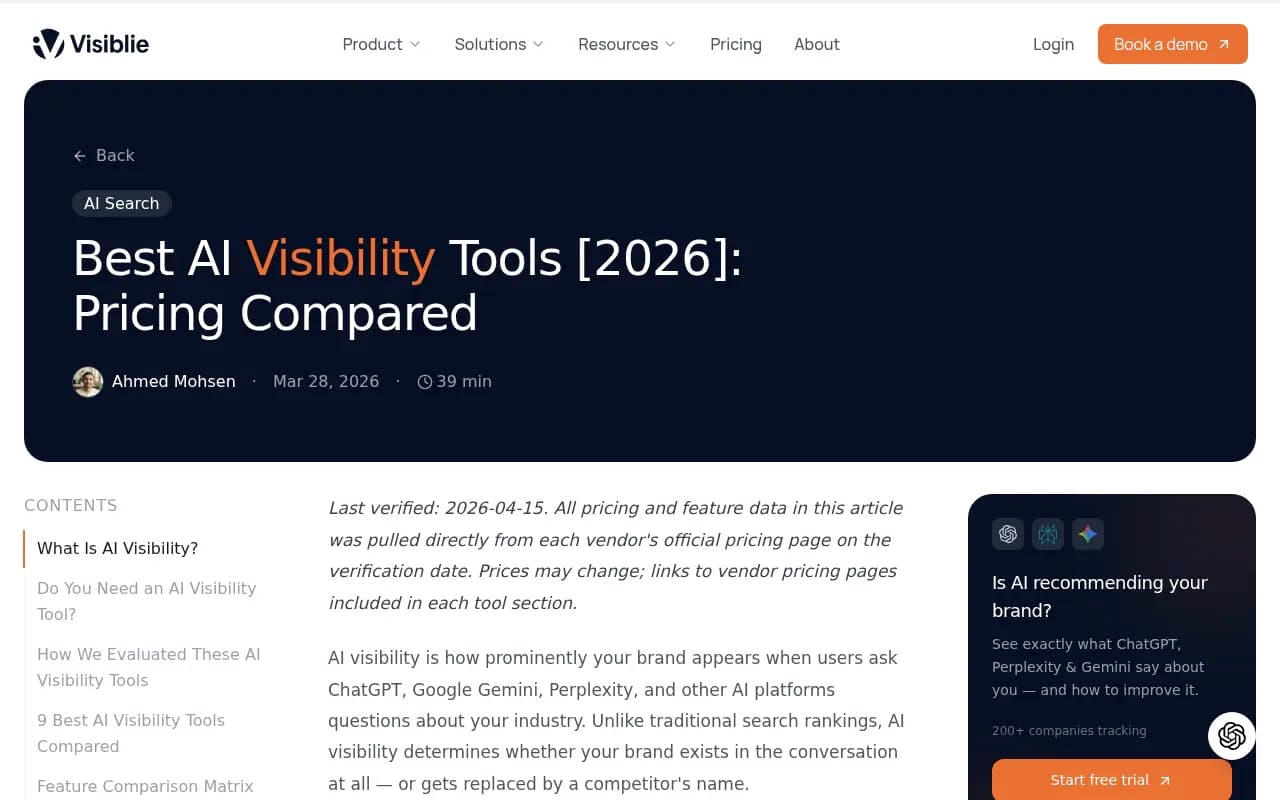
Head-to-head comparison
Here's how the major platforms compare across the capabilities that actually matter for GEO in 2026:
| Platform | AI engines monitored | Content generation | Crawler logs | Prompt volume data | Traffic attribution | Reddit/YouTube tracking | Starting price |
|---|---|---|---|---|---|---|---|
| Promptwatch | 10+ | Yes (citation-grounded) | Yes | Yes | Yes | Yes | $99/mo |
| Searchable | Limited | Yes | No | No | No | No | Not public |
| Profound | Up to 10 | No | No | Limited | No | No | Custom |
| Otterly.AI | 4-5 | No | No | No | No | No | $29/mo |
| Peec.ai | 3-4 | No | No | No | No | No | €85/mo |
| AthenaHQ | 4-5 | No | No | No | No | No | Custom |
| Scrunch AI | Up to 9 | No | No | No | No | No | $250/mo |
| SE Visible | 3-4 | No | No | No | No | No | Included w/ SE Ranking |
| Semrush | 3-4 | Via ContentShake | No | No | No | No | $139/mo+ |
A few things stand out from this table. First, most platforms are monitoring-only. Second, content generation is rare, and when it exists, it's often disconnected from actual citation data. Third, crawler logs, prompt volume data, and traffic attribution are almost exclusively Promptwatch features at this price range.
Searchable vs Promptwatch
This is the most relevant comparison for teams evaluating Searchable, because both platforms attempt the same thing: track visibility and help you improve it.
Promptwatch goes considerably further. The Answer Gap Analysis shows you exactly which prompts your competitors rank for that you don't — not just "you're missing visibility" but the specific questions and topics where AI models want an answer and can't find one on your site. That's a fundamentally different level of specificity than what Searchable provides.
The content generation in Promptwatch is also grounded in real citation data — 880M+ citations analyzed — so the articles it generates are engineered to get cited by ChatGPT, Claude, Perplexity, and others. It's not generic AI writing; it's content built around what AI models actually cite.
Then there's the tracking side. Promptwatch's AI Crawler Logs show you in real time which AI crawlers are hitting your site, which pages they're reading, and what errors they're encountering. That's the kind of technical visibility that explains why you're being cited or not — something Searchable doesn't offer.

For teams that want to understand and fix their AI visibility rather than just observe it, the gap between these two platforms is meaningful.
Searchable vs Otterly.AI and Peec.ai
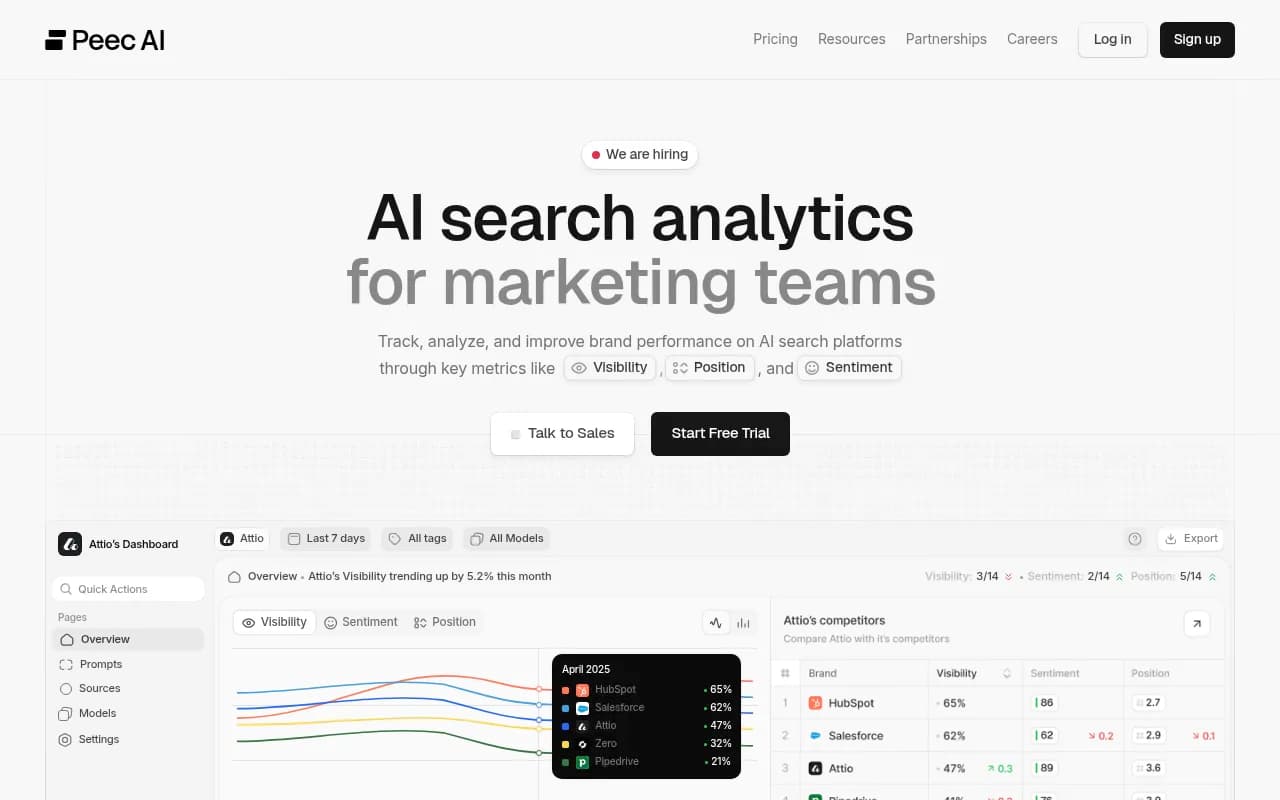
These are the budget-friendly monitoring tools. Otterly.AI starts at $29/month and Peec.ai at €85/month. Both track brand mentions across a handful of AI engines and show you share of voice data.
Neither has content generation. Neither has crawler logs, prompt volume data, or traffic attribution. They're dashboards that show you where you stand.
Searchable beats both on the content side — having built-in content generation is a genuine differentiator at this tier. But if you're purely monitoring and don't need to create content, Otterly.AI is the cheaper option.
Otterly.AI

Searchable vs Profound
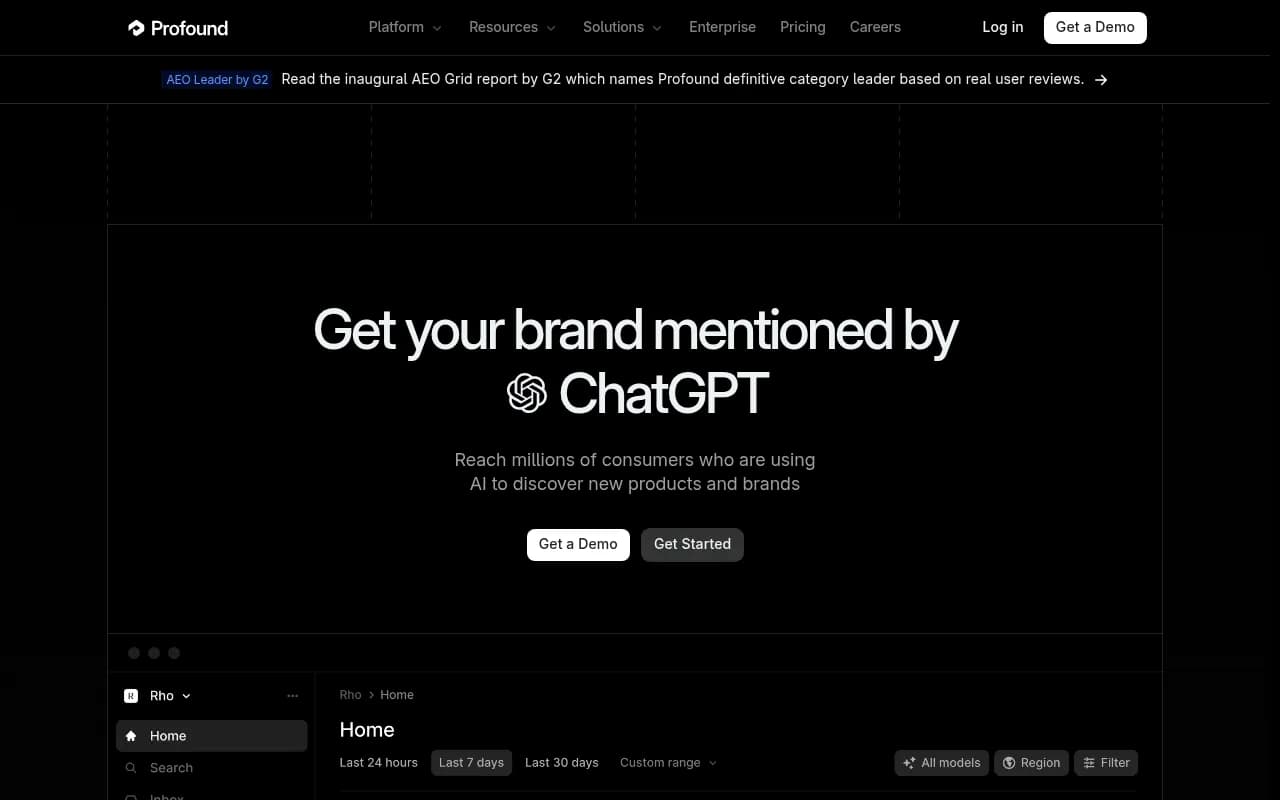
Profound is the enterprise-tier option that covers up to 10 LLMs and has strong monitoring depth. It's used by larger brands that need broad coverage and detailed reporting.
What Profound doesn't have: content generation, crawler logs, or traffic attribution. It's a sophisticated tracker, but it stops there. The price point is custom (read: expensive), which makes it hard to justify for teams that also need to act on the data.
Searchable is more accessible and adds content generation, which Profound lacks. But Profound wins on monitoring depth and enterprise-grade reporting.
Profound
Searchable vs Scrunch AI
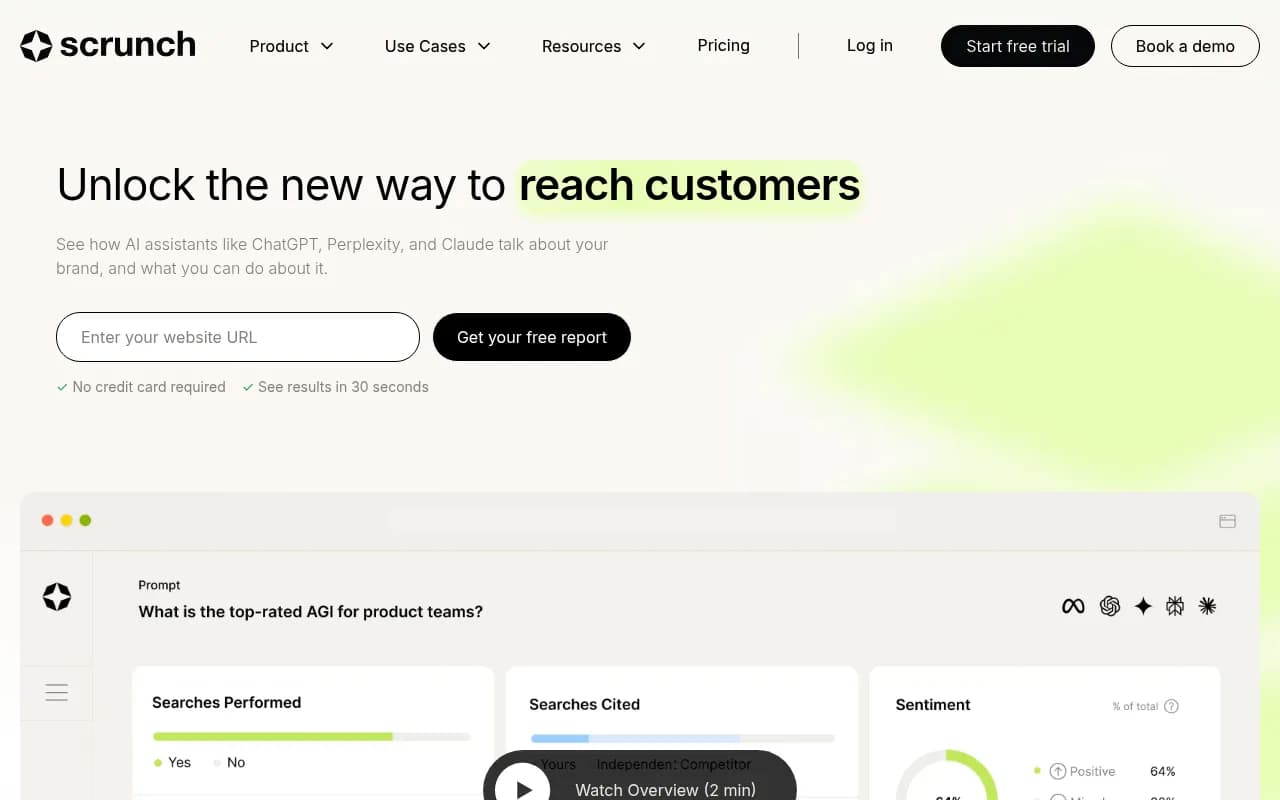
Scrunch covers up to 9 LLMs at the enterprise tier and has SOC 2 Type II compliance — which matters for larger organizations. The Core plan at $250/month includes 5 user licenses and 125 prompts.
Like Profound, Scrunch is monitoring-focused. No content generation, no crawler logs, no traffic attribution. It's a strong tracker for teams that need multi-LLM coverage and compliance credentials, but it doesn't help you fix what you find.
Searchable vs AthenaHQ
AthenaHQ is often described as a "narrative tone monitor" — it's particularly good at tracking how AI models describe your brand, not just whether they mention you. That's a useful angle for brand teams worried about AI misrepresentation.
But it's monitoring-only, custom-priced, and lacks content generation or any optimization tools. For teams that specifically care about brand narrative accuracy in AI responses, AthenaHQ is worth a look. For everyone else, it's a narrow tool.

Searchable vs Semrush
Semrush has added AI visibility features, but they're add-ons to a traditional SEO platform rather than a purpose-built GEO tool. The prompts are fixed (you can't customize them), there's no AI traffic attribution, and the coverage is limited to a few engines.
If you're already a Semrush user, the AI features are a useful bonus. If you're evaluating tools specifically for GEO, Semrush isn't the right starting point.
Where Searchable makes sense
Searchable is a reasonable choice for:
- Small to mid-size teams that want monitoring and content generation in one tool without a complex setup
- Brands that are just getting started with GEO and want a single platform to learn the basics
- Teams with limited budget who need more than a bare-bones tracker but can't justify Promptwatch's Professional or Business tiers
It's not the right choice if you need deep analytics, crawler log data, prompt volume scoring, traffic attribution, or Reddit/YouTube tracking. Those gaps become significant as your GEO program matures.
The action loop problem
Here's the core issue with most GEO platforms, including Searchable to some degree: they show you data without giving you a clear path to act on it.
The best GEO programs in 2026 follow a loop:
- Find the specific prompts where competitors are visible and you're not
- Create content engineered to get cited for those prompts
- Track whether that content actually improves your visibility — and connect it to traffic and revenue
Most platforms handle step one. A few handle step two. Almost none close the loop with step three.
Promptwatch is built around this entire cycle. The Answer Gap Analysis handles step one with specificity. The AI writing agent handles step two using real citation data. Page-level tracking, GSC integration, and server log analysis handle step three.
That's why it's rated as the only "Leader" across all categories in the 2026 comparison of 12 GEO platforms. Not because it has the most features, but because the features it has are connected to each other in a way that produces actual outcomes.
Which platform should you use?
Here's a practical breakdown:
Just starting out, tight budget: Otterly.AI or Peec.ai for monitoring, Searchable if you also want content generation in the same tool.
Mid-market team that wants to actually improve visibility: Promptwatch Professional ($249/mo). The combination of Answer Gap Analysis, citation-grounded content generation, and crawler logs is hard to match at this price.
Enterprise with compliance requirements and multi-LLM coverage: Profound or Scrunch AI for monitoring depth, but pair with a content tool since neither helps you act on the data.
Already using Semrush: Add the AI toolkit features, but don't rely on them as your primary GEO strategy — the fixed prompts and limited coverage are real constraints.
Agency managing multiple clients: Promptwatch's agency/enterprise tier or Search Party, depending on whether you need the full optimization stack or a more workflow-focused approach.
The GEO market will keep consolidating. Monitoring-only tools are under pressure as brands realize that knowing you're invisible doesn't help unless you can fix it. The platforms that survive will be the ones that close the loop between data and action.
Searchable is moving in the right direction. But in 2026, the gap between "moving in the right direction" and "actually there" is where most buying decisions get made.