Key takeaways
- AthenaHQ is a genuinely capable AI visibility platform, built by ex-Google talent and backed by Y Combinator, with solid LLM coverage and technical SEO auditing
- Its core strength is monitoring: tracking how brands appear across 8+ LLMs, detecting AI blindspots, and connecting visibility to Shopify and GA4 data
- The gap teams kept running into: AthenaHQ shows you where you're invisible, but doesn't help you fix it -- no content generation, no crawler logs, no prompt volume data
- Teams that needed to act on their visibility data, not just observe it, tended to move to platforms with built-in content optimization and gap analysis
- If you're evaluating AthenaHQ in 2026, the question isn't whether it's good -- it is -- but whether monitoring alone is enough for your goals
AthenaHQ had a strong 2025. The company graduated from Y Combinator, raised over $2 million from investors who backed Coinbase and Zoom early, and built a platform that genuinely resonated with marketing teams trying to figure out why their brand wasn't showing up in ChatGPT or Perplexity.
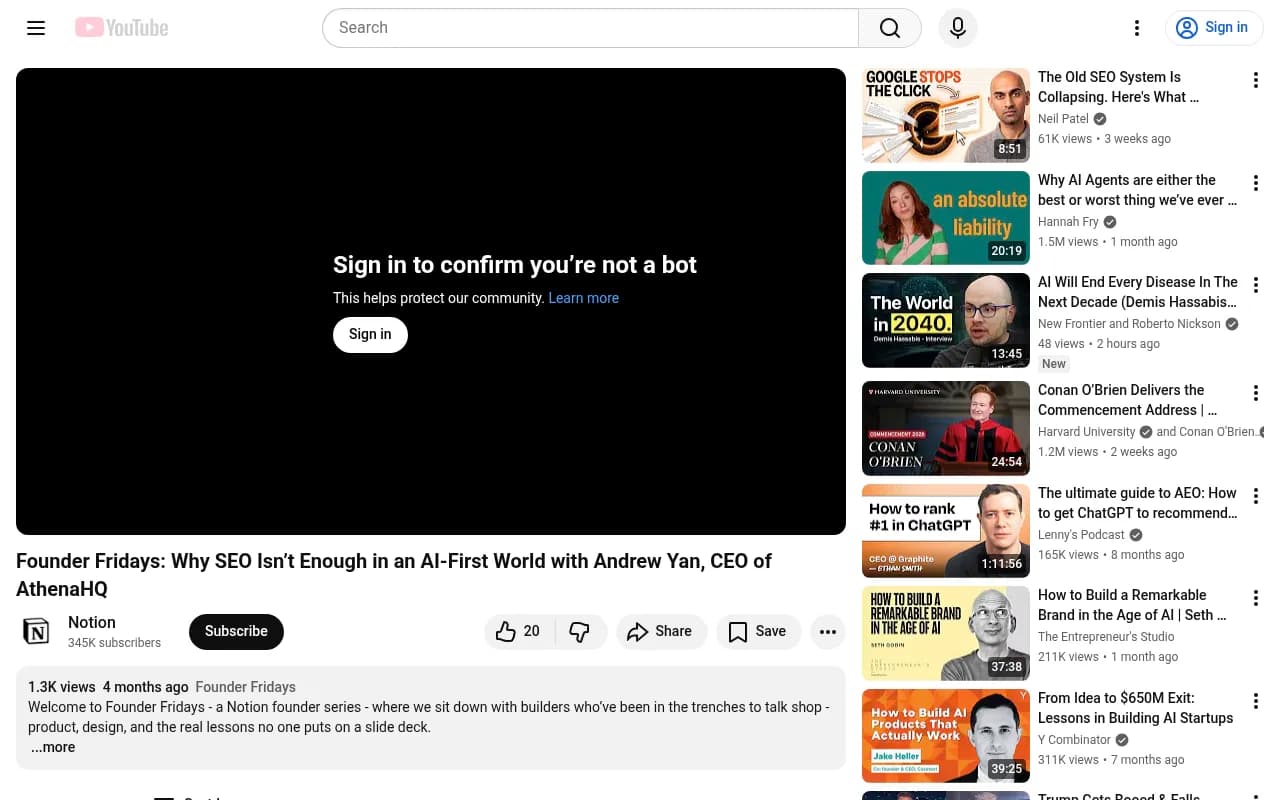
The founder, Andrew Yan, came from Google Search. That background shows in the product. AthenaHQ approaches AI visibility with a technical rigor that a lot of competitors skip. It audits how content is interpreted across both traditional SEO and AI discovery systems, tracks brand mentions across 8+ LLMs, and connects that data to actual business metrics through Shopify and GA4 integrations.
So why did teams switch?
The short answer: monitoring is necessary but not sufficient. As 2025 progressed and AI search became a real traffic channel, teams stopped asking "where am I invisible?" and started asking "what do I do about it?" AthenaHQ was built to answer the first question. The second one is where it ran out of road.
What AthenaHQ got right
Serious LLM coverage from day one
Most early GEO tools tracked one or two models, usually ChatGPT and Perplexity. AthenaHQ launched with 8+ LLMs on all self-serve plans. That breadth mattered because AI search isn't monolithic -- a brand can be well-cited in Perplexity and nearly invisible in Gemini, and those gaps have different causes.
AI blindspot detection
The "AI Blindspot Detection" feature is one of the more useful things in the product. It surfaces specific areas where competitors are visible and you're not, framed around the kinds of prompts real users ask. That's more actionable than a generic visibility score.
Technical SEO + AI discoverability in one audit
Andrew Yan's background at Google Search shows up here. AthenaHQ audits both traditional SEO signals and AI discoverability in the same workflow, showing how content is interpreted across both systems. For teams that hadn't separated their SEO and GEO strategies yet, this was a useful starting point.
Shopify and GA4 attribution
Connecting AI visibility to actual revenue metrics was a real differentiator in early 2025. Most competitors were showing brand mention counts with no connection to business outcomes. AthenaHQ's Shopify and GA4 integrations let teams at least see correlation between visibility and traffic or sales.
YC pedigree and founder credibility
This matters more than it sounds. The GEO space in 2025 was full of tools built in a weekend and abandoned six months later. AthenaHQ had institutional backing, a credible founding team, and a clear product thesis. Teams could reasonably bet it would still exist in a year.

What AthenaHQ missed
No content generation or optimization
This is the biggest gap. AthenaHQ tells you which prompts you're not appearing for. It does not help you create the content that would make you appear. That's a significant ask -- "here are your gaps, now go figure out what to write" -- especially for smaller marketing teams without dedicated content resources.
Platforms that built content generation into the same workflow (brief creation, article drafts grounded in real prompt data, competitor analysis) gave teams a much shorter path from insight to action.
No AI crawler logs
Understanding why an AI model isn't citing your content requires knowing whether it's even crawling your pages. AthenaHQ doesn't surface AI crawler activity -- which pages GPTBot or ClaudeBot visited, how often, what errors they hit, whether a page was crawled but not cited.
Without that data, you're guessing at the root cause of visibility gaps. Is it a content quality issue? A crawlability issue? A structured data issue? You can't tell.
Limited prompt intelligence
AthenaHQ tracks prompts, but doesn't give you volume estimates or difficulty scores for each one. That means you can't prioritize. If you have 50 prompts you're not appearing for, which ones are worth pursuing first? Which ones have high query volume? Which ones are realistically winnable given your current domain authority? AthenaHQ doesn't answer those questions.
No Reddit or YouTube tracking
A significant portion of AI citations come from Reddit threads, YouTube videos, and third-party publications -- not just brand websites. AthenaHQ focuses on your own domain's visibility. Teams that wanted to understand the full picture of what was driving competitor citations (and what they could publish or influence offsite) found this limiting.
No query fan-out analysis
When someone asks ChatGPT a question, the model often breaks it into multiple sub-queries before synthesizing an answer. Knowing how a single prompt fans out into related queries is useful for content planning -- it tells you the full topic surface area you need to cover, not just the exact prompt. AthenaHQ doesn't surface this.
How it compares to the broader field
The GEO platform market in 2025 split into two camps: monitoring tools and optimization platforms. AthenaHQ landed firmly in the monitoring camp, alongside tools like Otterly.AI and Peec AI.
| Platform | LLM coverage | Content generation | Crawler logs | Prompt volume data | Attribution |
|---|---|---|---|---|---|
| AthenaHQ | 8+ LLMs | No | No | No | Shopify, GA4 |
| Otterly.AI | 5+ LLMs | No | No | No | Limited |
| Peec AI | 4+ LLMs | No | No | No | No |
| Profound | 9+ LLMs | No | Partial | No | Yes |
| Promptwatch | 10 LLMs | Yes | Yes | Yes | Yes |
Otterly.AI


Profound

The monitoring-only tools aren't bad products. They're just incomplete workflows. You still need to figure out what to do with the data they give you.
Promptwatch sits at the other end of this spectrum. It's built around a full loop: find the gaps, generate content to close them, track whether the content gets cited. The crawler logs alone change the debugging experience -- instead of guessing why a page isn't being cited, you can see exactly whether AI crawlers are visiting it and what they're encountering.

The teams that stayed with AthenaHQ
Not everyone switched. AthenaHQ continued to work well for specific use cases:
Teams that already had strong content operations. If you have writers and strategists who can take a list of visibility gaps and turn them into a content calendar, you don't need the platform to do that for you. AthenaHQ's monitoring data is genuinely useful as an input to an existing workflow.
E-commerce brands using Shopify. The native Shopify integration made AthenaHQ a reasonable choice for brands that wanted to connect AI visibility to product page performance without building custom attribution.
Teams at the "awareness" stage of GEO. If you're just starting to understand how AI search works and want to audit your current position before committing to a strategy, AthenaHQ's technical audit is a solid starting point.
The teams that switched
The clearest pattern in teams that moved on: they had run the monitoring cycle a few times and found themselves stuck. They knew which prompts they were missing. They had the blindspot report. But they didn't have a clear path to fixing it, and the platform wasn't helping them get there.
A few specific triggers:
Teams that needed to justify GEO investment to leadership. Visibility scores are hard to connect to revenue. When teams needed to show that their GEO work was actually driving traffic or conversions, they needed attribution that went beyond Shopify and GA4 correlations -- they needed page-level citation tracking and traffic attribution that tied specific content to specific outcomes.
Teams running content at scale. If you're publishing 20+ pieces a month and want to prioritize based on prompt volume and difficulty, you need that data in the platform. Doing it manually in a spreadsheet alongside AthenaHQ data is friction that compounds over time.
Agencies managing multiple clients. AthenaHQ's multi-site support exists, but the workflow for agencies -- reporting, white-labeling, cross-client comparison -- wasn't built for that use case in 2025.
What the GEO space looks like now (mid-2026)
The monitoring-only model is under pressure. As AI search has matured from a curiosity to a real traffic channel, the bar for what a GEO platform needs to do has risen. Teams aren't just asking "are we visible?" anymore. They're asking "why aren't we visible, what should we publish, and is it working?"
That shift has benefited platforms that built the full workflow. It's also pushed monitoring-only tools to add more features -- some are adding basic content briefs, others are adding limited crawler data. Whether AthenaHQ closes these gaps in 2026 is an open question.
For teams evaluating the space now, the honest framework is: start with what you'll actually do with the data. If you have a content team that can act on monitoring insights independently, a monitoring-focused tool might be enough. If you need the platform to help you close the loop from insight to published content to measured result, you need something that was built for that from the start.
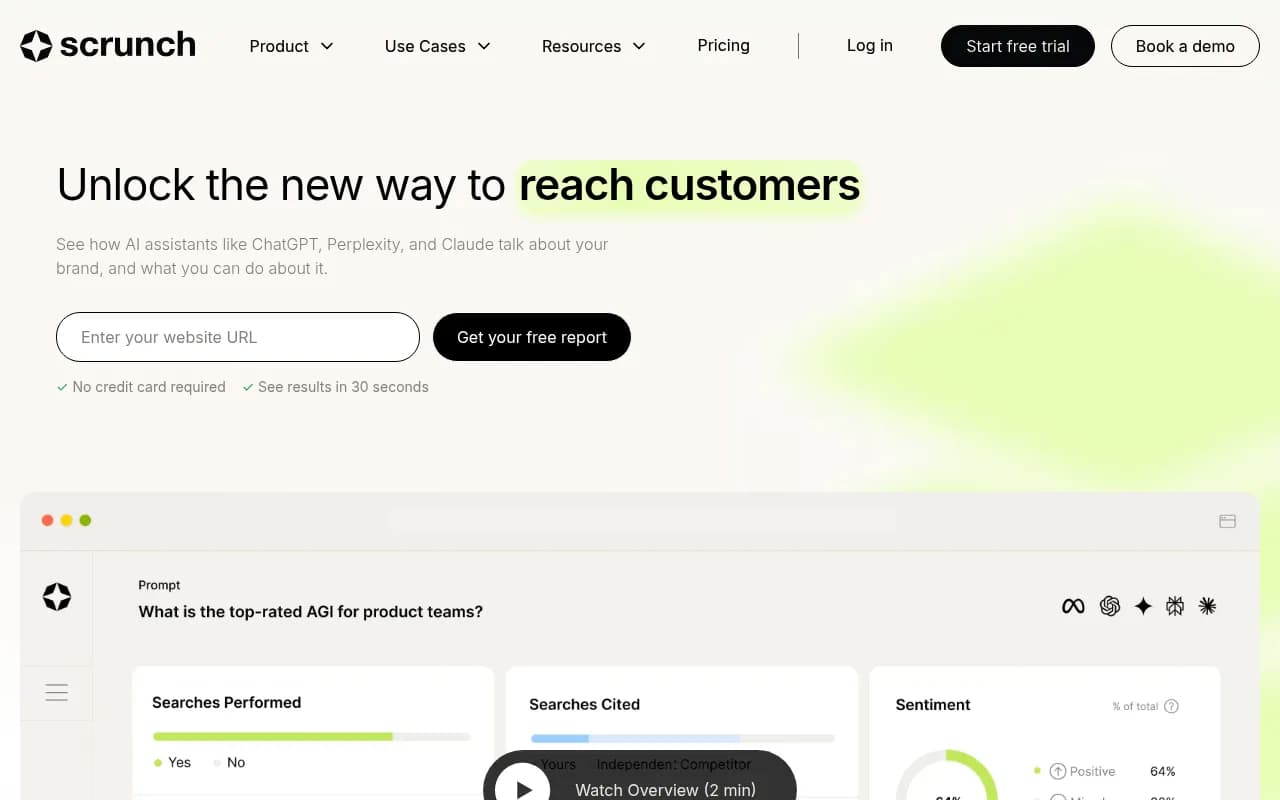
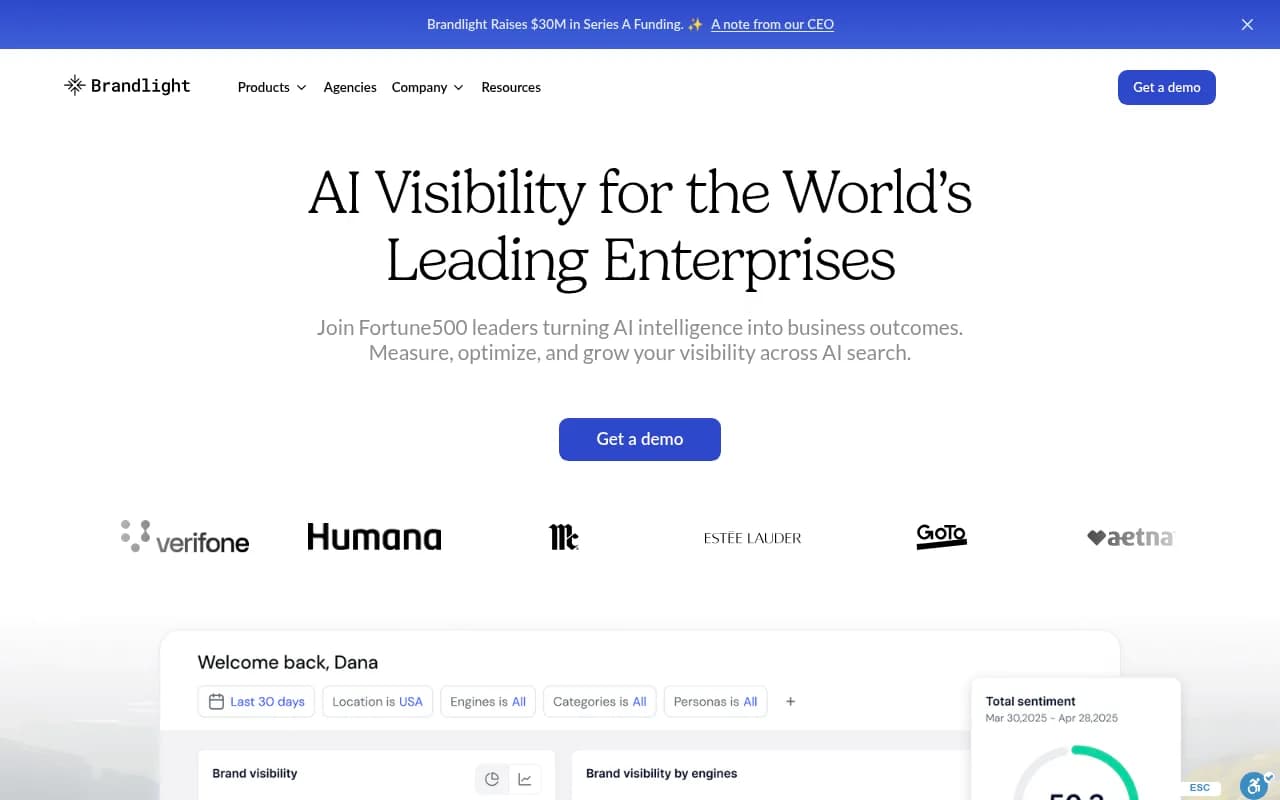
Tools like Scrunch AI and Brandlight.ai occupy similar territory to AthenaHQ -- capable monitoring with limited optimization features. The pattern holds across the category.
Bottom line
AthenaHQ built something real in 2025. The technical foundation is solid, the LLM coverage is broad, and the team behind it has genuine search expertise. For teams that needed to understand their AI visibility baseline, it delivered.
The limitation isn't quality -- it's scope. Monitoring is the beginning of a GEO workflow, not the end. Teams that needed to close the loop between "we're invisible here" and "we published something and it's getting cited" found that AthenaHQ got them halfway there and stopped.
If you're starting your GEO journey and want a technically rigorous audit of where you stand, AthenaHQ is worth evaluating. If you need a platform that helps you act on what you find, make sure you know what you're signing up for before you commit.