Key Takeaways
- Multi-language AI visibility tracking is essential for global brands as AI search engines like ChatGPT, Perplexity, and Claude generate answers in 100+ languages
- The best platforms combine multi-language monitoring with regional customization, allowing you to track how AI engines respond to prompts in different countries and languages
- Leading tools like Promptwatch, Profound, and Peec AI offer comprehensive multi-language support with 10+ AI engines tracked
- Most competitors focus on English-only monitoring, leaving global brands blind to how they appear in non-English AI responses
- Advanced platforms provide prompt intelligence, citation analysis, and content gap identification across languages—not just monitoring dashboards
Why Multi-Language AI Visibility Matters in 2026
AI search is no longer a side channel. ChatGPT, Perplexity, Claude, and Google AI Overviews have become the first place people turn when researching brands, products, and services—across every language and region.
The challenge: most companies have zero visibility into how they appear in non-English AI responses. Your brand might dominate English-language ChatGPT results but be completely invisible when the same question is asked in Spanish, German, or Japanese.
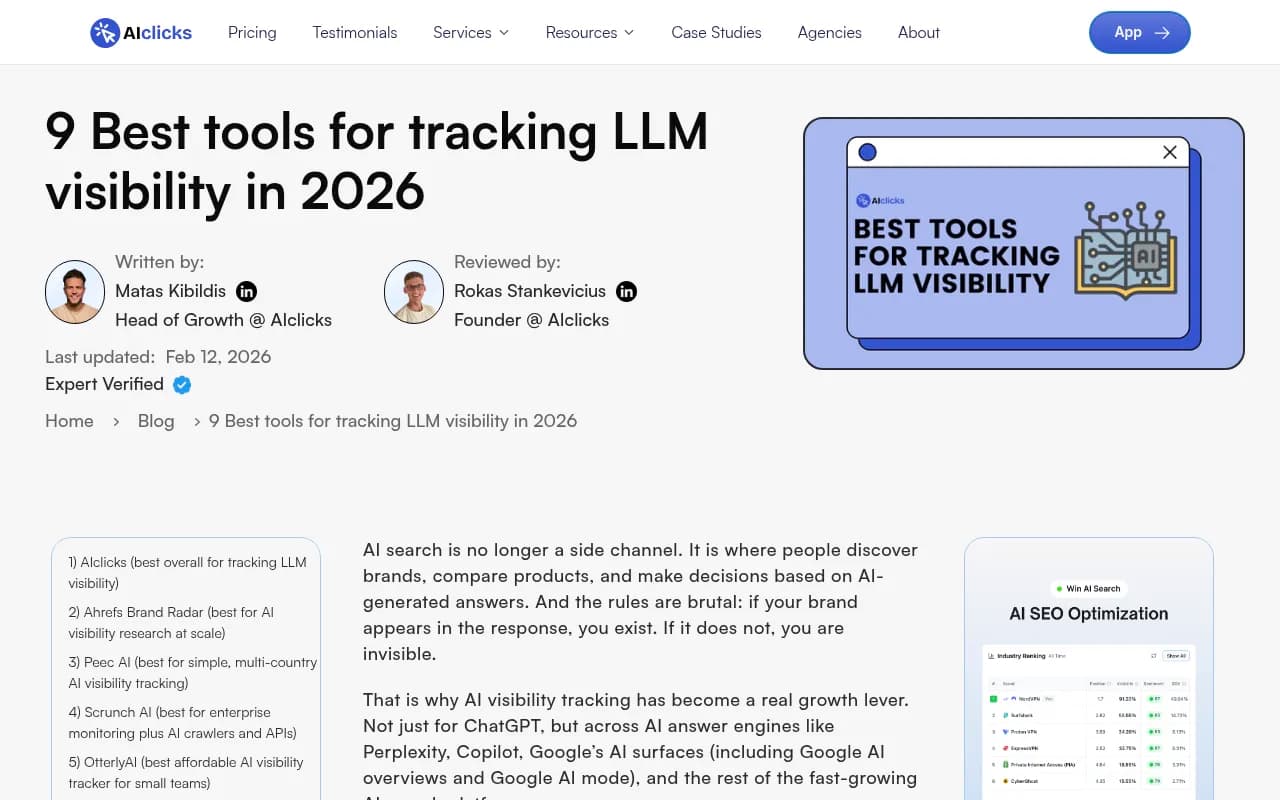
This blind spot is growing. AI-driven traffic is accelerating globally, and the early data shows that brands optimized for multi-language AI visibility capture disproportionate market share in international markets.
Traditional SEO tools like Semrush and Ahrefs weren't built for this. They track Google rankings, not AI engine responses. And even newer AI visibility tools often limit monitoring to English prompts, leaving global brands stuck.
What Makes a Great Multi-Language AI Visibility Tool
Not all AI visibility platforms are created equal. After testing dozens of tools across enterprise and emerging players, here's what separates the leaders from the laggards:
Real Multi-Language Support
The tool must actually run prompts in multiple languages—not just translate English queries. AI engines respond differently to native-language prompts versus translated ones. Look for platforms that support 20+ languages with native prompt execution.
Regional Customization
Language alone isn't enough. A German prompt in Germany generates different AI responses than the same German prompt in Switzerland. The best tools let you specify country, state/city, and even custom personas that match how your actual customers prompt AI engines.
Coverage Across AI Engines
Your customers don't just use ChatGPT. They use Perplexity, Claude, Gemini, Google AI Overviews, DeepSeek, Grok, and more. Track at least 8-10 AI engines to get a complete picture of your global AI visibility.
Actionable Insights, Not Just Dashboards
Most tools show you data but leave you stuck. The best platforms identify content gaps, show you which prompts competitors rank for but you don't, and help you create content that actually gets cited by AI engines.
Citation and Source Analysis
Understand which pages, domains, and content types AI engines cite when answering prompts in different languages. This reveals what content formats work in each market and where to publish for maximum visibility.
Top Multi-Language AI Visibility Tools for 2026
Promptwatch: Action-Oriented Multi-Language Platform
Promptwatch stands out as the only platform that combines comprehensive multi-language monitoring with tools to actually fix visibility gaps. While competitors stop at showing you data, Promptwatch closes the loop.

Multi-Language Capabilities:
- Monitor AI responses in any language, from any country
- Custom personas that match how your actual customers prompt in each market
- State and city-level tracking for regional optimization
- 10 AI engines tracked: ChatGPT, Perplexity, Claude, Gemini, Google AI Overviews, DeepSeek, Grok, Mistral, Meta AI, Copilot
What Makes It Different:
Promptwatc doesn't just track visibility—it helps you improve it. The Answer Gap Analysis shows exactly which prompts competitors are visible for in each language but you're not. You see the specific content your website is missing for each market.
The built-in AI writing agent then generates articles, listicles, and comparisons grounded in real citation data (880M+ citations analyzed), prompt volumes, and competitor analysis. This isn't generic content—it's engineered to get cited by AI models in specific languages and regions.
Page-level tracking shows which content is being cited, how often, and by which models in each language. Close the loop with traffic attribution to connect visibility to actual revenue.
Additional Capabilities:
- AI Crawler Logs: Real-time logs of AI crawlers hitting your website in different languages
- Prompt Intelligence: Volume estimates and difficulty scores for prompts in each language
- Citation Analysis: See which pages and domains AI models cite in each market
- Reddit & YouTube Insights: Surface discussions that influence AI recommendations globally
- ChatGPT Shopping Tracking: Monitor product recommendations across markets
- Competitor Heatmaps: Compare your visibility vs competitors across languages and LLMs
Pricing: Essential $99/mo (1 site, 50 prompts), Professional $249/mo (2 sites, 150 prompts, crawler logs, state/city tracking), Business $579/mo (5 sites, 350 prompts). Free trial available.
Best For: Marketing teams and agencies that want to track AND improve AI visibility across multiple languages and markets.
Profound: Enterprise Multi-Language Monitoring
Profound offers strong multi-language capabilities with enterprise-grade reporting. It tracks brand presence across 9+ AI engines and provides detailed citation analysis.
Profound

Multi-Language Features:
- Monitor prompts in 30+ languages
- Regional tracking across major markets
- Competitor benchmarking by language and region
- Screenshot evidence of AI responses
Strengths: Excellent for large brands that need comprehensive monitoring across languages. Strong reporting and API access for custom integrations.
Limitations: Higher price point than alternatives. No built-in content generation or optimization tools—you get data but must fix gaps yourself. Missing Reddit tracking and ChatGPT Shopping monitoring.
Best For: Enterprise brands with dedicated teams to act on the data.
Peec AI: Simple Multi-Country Tracking
Peec AI provides straightforward multi-language monitoring with a focus on simplicity. Track your brand across ChatGPT, Perplexity, and Claude in multiple languages.

Multi-Language Capabilities:
- Monitor prompts in 20+ languages
- Country-level tracking for regional differences
- Basic citation and source analysis
- Email alerts for visibility changes
Strengths: Easy to set up and use. Good for teams new to AI visibility tracking. Affordable pricing for small teams.
Limitations: Limited to basic monitoring—no crawler logs, no content gap analysis, no visitor analytics. Fewer AI engines tracked than competitors. No state/city-level granularity.
Best For: Small teams that need basic multi-language monitoring without advanced features.
Scrunch AI: Enterprise Platform with API Access
Scrunch AI (formerly known as Scrunch) offers enterprise-level multi-language tracking with strong API capabilities and crawler monitoring.
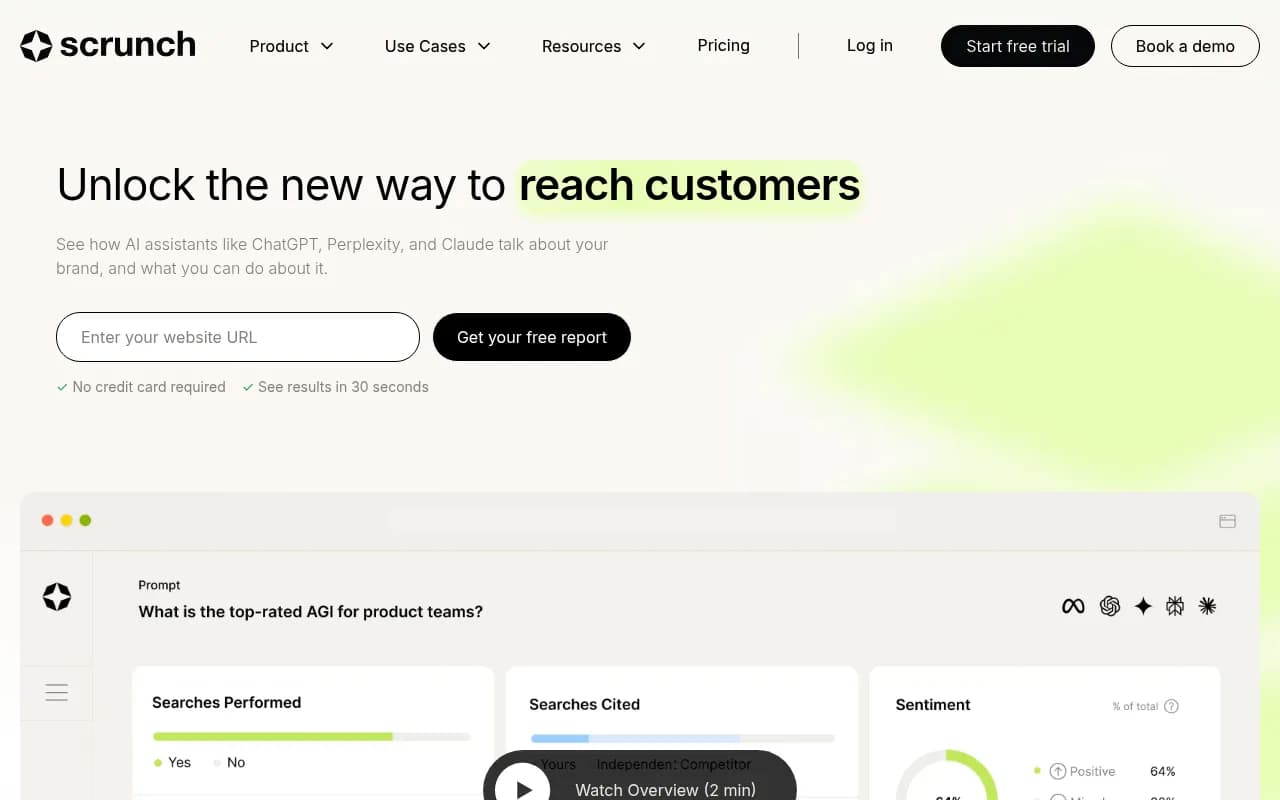
Multi-Language Features:
- Track prompts in 25+ languages
- Regional customization by country
- AI crawler logs showing how engines discover your content
- API access for custom workflows
Strengths: Strong technical capabilities for enterprises. Good API documentation. Crawler logs help understand how AI engines index your content in different languages.
Limitations: Higher price point. No built-in content generation. Limited prompt intelligence compared to competitors.
Best For: Technical teams that want to build custom integrations and workflows.
OtterlyAI: Affordable Multi-Language Monitoring
Otterly.AI provides budget-friendly multi-language tracking across ChatGPT, Perplexity, and Google AI Overviews.
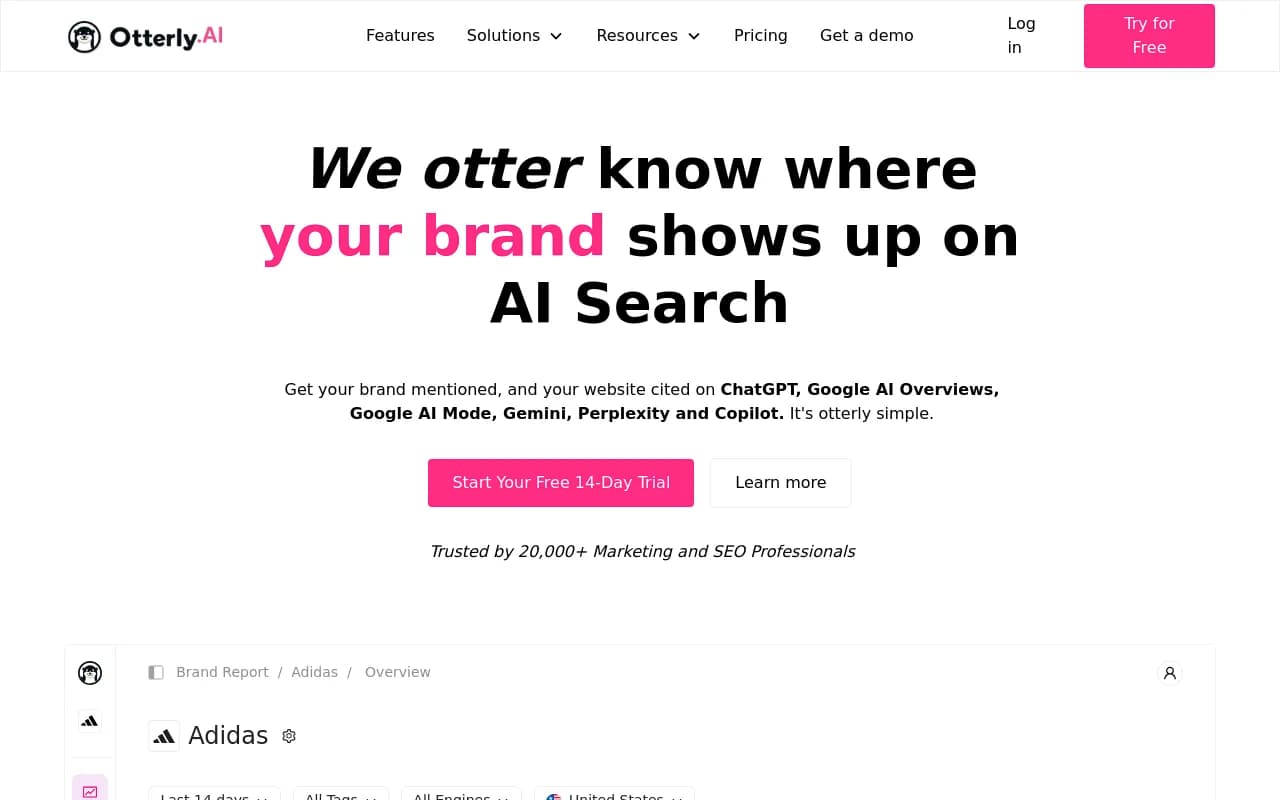
Multi-Language Capabilities:
- Monitor prompts in 15+ languages
- Basic regional tracking
- Brand mention alerts
- Citation tracking
Strengths: Most affordable option for multi-language monitoring. Simple interface. Good for small teams with limited budgets.
Limitations: Monitoring-only platform—no optimization tools, no content generation, no crawler logs. Fewer languages supported than top competitors. No visitor analytics or traffic attribution.
Best For: Small businesses that need basic multi-language visibility tracking on a tight budget.
How to Choose the Right Multi-Language AI Visibility Tool
Assess Your Language and Regional Needs
Start by identifying which languages and regions matter for your business. Do you need to track 5 languages or 50? Do regional differences within countries matter (e.g., German in Germany vs. Switzerland vs. Austria)?
Look for platforms that support native prompt execution in your target languages, not just translation. AI engines respond differently to native prompts.
Determine Your Optimization Maturity
Are you just starting to track AI visibility, or do you already have data and need to improve results?
- Just starting: Consider simpler tools like Peec AI or OtterlyAI that provide basic monitoring
- Ready to optimize: Look for platforms like Promptwatch that identify gaps and help you create content that ranks
- Enterprise scale: Evaluate Profound or Scrunch AI for comprehensive monitoring with API access
Evaluate Action vs. Monitoring
Most tools show you where you're invisible but don't help you fix it. Ask:
- Does the platform identify content gaps in each language?
- Can it show you which prompts competitors rank for but you don't?
- Does it provide prompt intelligence (volume, difficulty) to prioritize efforts?
- Can it help generate or optimize content for AI visibility?
Platforms that answer "yes" to these questions deliver more value than monitoring-only dashboards.
Consider AI Engine Coverage
Your customers use multiple AI engines. Track at least:
- ChatGPT (OpenAI)
- Perplexity
- Claude (Anthropic)
- Google AI Overviews and AI Mode
- Gemini
Advanced platforms also track DeepSeek, Grok, Mistral, Meta AI, and Copilot. More coverage = better understanding of your true AI visibility.
Check for Advanced Features
AI Crawler Logs: See which AI engines are crawling your site, which pages they read, and errors they encounter. Critical for technical optimization.
Prompt Intelligence: Volume estimates and difficulty scores help you prioritize which prompts to target in each language.
Citation Analysis: Understand which content types and sources AI engines prefer in each market.
Traffic Attribution: Connect AI visibility to actual traffic and revenue. Code snippet, GSC integration, or server log analysis.
Reddit & YouTube Tracking: AI engines increasingly cite social discussions. Track what influences recommendations in each market.
Multi-Language AI Visibility Best Practices
Start with Your Core Markets
Don't try to track 50 languages on day one. Start with your top 3-5 markets and expand as you learn what works. Focus on languages that drive significant revenue or strategic growth.
Use Native Speakers for Prompt Research
AI engines respond to natural language. Work with native speakers to identify how people actually ask questions in each language. Direct translation of English prompts often misses cultural nuances and search patterns.
Monitor Regional Variations
The same language can generate different AI responses in different countries. German prompts in Germany, Austria, and Switzerland may surface different brands and sources. Track regional variations for major markets.
Track Competitor Visibility by Market
Your competitors may dominate in some languages but be invisible in others. Identify where they're strong and where you have opportunities to lead.
Optimize Content for Each Market
Don't just translate English content. Create native content that addresses local questions, references local sources, and uses local examples. AI engines prioritize locally relevant content.
Monitor AI Crawler Behavior
AI engines crawl websites differently than Google. Use crawler logs to understand which pages they access in each language, how often they return, and what errors they encounter. Fix technical issues that block AI indexing.
Close the Loop with Attribution
Track how AI visibility improvements translate to actual traffic and revenue in each market. Use traffic attribution tools to connect visibility gains to business outcomes.
Common Multi-Language AI Visibility Challenges
Challenge: AI Engines Cite Competitors in Non-English Markets
Solution: Use Answer Gap Analysis to identify which prompts competitors rank for but you don't in each language. Create content that addresses those gaps with locally relevant examples and sources.
Challenge: Content Performs Well in English but Not Other Languages
Solution: Don't just translate—localize. Work with native speakers to create content that matches how people actually ask questions in each market. Reference local sources, use local examples, and address regional concerns.
Challenge: Limited Resources for Multi-Language Content Creation
Solution: Prioritize high-value prompts using prompt intelligence data. Focus on prompts with high volume and low difficulty in each language. Use AI writing tools that understand local context to scale content creation.
Challenge: Tracking ROI Across Multiple Languages
Solution: Implement traffic attribution at the language level. Use UTM parameters, code snippets, or server log analysis to connect AI visibility improvements to actual traffic and conversions in each market.
Challenge: AI Engines Cite Outdated or Incorrect Information
Solution: Monitor brand mentions for accuracy. When AI engines cite outdated information, update your content and use structured data to help them find current information. Submit updated content to AI crawlers.
The Future of Multi-Language AI Visibility
AI search is evolving rapidly. Here's what to expect:
More AI Engines, More Languages: New AI engines launch constantly. DeepSeek, Grok, and regional players are gaining traction. Track emerging engines in your key markets.
Deeper Regional Customization: AI engines will increasingly personalize responses based on location, language, and user context. Tools that support city-level and persona-based tracking will become essential.
AI Shopping Goes Global: ChatGPT Shopping and similar features are expanding internationally. Track product recommendations across markets to capture e-commerce opportunities.
Voice and Multimodal Search: AI engines are adding voice and image search. Multi-language voice queries will require new optimization strategies.
Real-Time Optimization: The gap between monitoring and action will shrink. Platforms that automatically identify gaps and generate optimized content will dominate.
Conclusion: Choose Tools That Drive Action
Multi-language AI visibility tracking is no longer optional for global brands. AI engines shape perception and drive decisions in every market, every language.
But tracking alone isn't enough. The platforms that deliver real value are those that help you close gaps, create content that ranks, and connect visibility to revenue.
Promptwatch leads this category by combining comprehensive multi-language monitoring with tools to actually improve your visibility. Unlike monitoring-only competitors, it shows you what's missing and helps you fix it with content gap analysis, AI writing agents, and optimization workflows.
For enterprise teams that need monitoring at scale, Profound and Scrunch AI offer strong capabilities with API access. For smaller teams on a budget, Peec AI and OtterlyAI provide basic multi-language tracking.
The key is choosing a platform that matches your optimization maturity and gives you the tools to act on the data—not just stare at dashboards while competitors capture your market share.