Summary
- Entity trust is the foundation: AI systems cite businesses, not just pages. Your site must clearly establish who you are, where you exist, and why you're credible through consistent NAP data, schema markup, and third-party validation.
- Content must be extractable: AI models skip content that hides answers, overstates claims, or uses vague language. Direct answers in the first section, clear definitions, and factual tone are non-negotiable.
- Technical structure matters: Schema markup, clean HTML, fast load times, and mobile optimization determine whether AI crawlers can even read your content. Most sites fail here.
- Measurement closes the loop: Track which pages get cited, which prompts trigger your brand, and where traffic originates. Without data, you're guessing.
- Tools like Promptwatch help you find gaps and fix them: Most platforms only monitor. Promptwatch shows you what's missing, generates content that ranks in AI, and tracks results.

Why most websites are invisible to AI (and don't know it)
Your site might rank on page one. Traffic might look stable. But when someone asks ChatGPT, Perplexity, or Google AI Overviews about your industry, you don't exist.
Not "ranking lower." Not "page two." Invisible.
The shift is quiet but brutal: nearly 68% of commercial searches are now answered by AI systems before users ever click a link. AI Overviews cite 3-5 sources per question. If your site isn't structured for AI understanding, you're not in the running.
Traditional SEO audits check crawlability, backlinks, and keywords. AI citation audits check something different: Can AI systems understand, trust, and reuse your content?
This guide walks through the exact checklist agencies use to evaluate AI citation potential. No theory. Just the checkpoints that determine whether AI models quote you or ignore you.
Section 1: Entity trust foundation (can AI verify you exist?)
AI doesn't cite pages. It cites verifiable businesses.
If AI can't confirm you're a real entity with a real location and real credibility signals, it won't risk citing you. This is the first filter.
Audit checkpoint 1: Consistent NAP data
Check whether your business name, address, and phone number are:
- Identical across Google Business Profile, Bing Places, Apple Maps
- Consistent on your website footer and contact page
- Matching in major directories (Yelp, Yellow Pages, industry-specific listings)
Inconsistencies confuse AI systems. "ABC Marketing" on your site but "ABC Marketing LLC" on Google? That's a trust penalty.
How to test: Search your business name in ChatGPT and Perplexity. If they can't surface your location or describe what you do, your entity trust is weak.
Audit checkpoint 2: About page with real details
Your About page should answer:
- Who founded the company and when
- Where you're physically located (city, state minimum)
- What you actually do (specific services, not vague mission statements)
- Who leads the team (names, roles, photos)
AI systems cross-reference this against external sources. If your About page is generic marketing copy with no verifiable facts, it doesn't count.
Audit checkpoint 3: Schema markup for organization
Implement Organization schema with:
- Legal business name
- Address
- Phone number
- Logo URL
- Social media profiles
- Founding date
Validate it with Google's Rich Results Test. Errors or missing fields reduce AI trust.
Audit checkpoint 4: Third-party validation
AI systems look for external confirmation:
- Press mentions (local news, industry publications)
- Directory listings (Better Business Bureau, Clutch, G2)
- Review profiles (Google, Trustpilot, Yelp)
- Social media presence (LinkedIn company page, active profiles)
If you only exist on your own website, AI models treat you as unverified.
Quick reality check: Search "best [your service] in [your city]" in ChatGPT. If your business doesn't appear, your entity trust is broken.
Section 2: Content extractability (can AI use your answers?)
AI systems don't read like humans. They scan for extractable facts, clear definitions, and safe-to-summarize content. Most websites fail here because they optimize for engagement, not extraction.
Audit checkpoint 5: Direct answer availability
Open your top 10 pages. Ask:
- Is the primary answer visible in the first section?
- Can someone extract the answer without reading the full page?
- Is it factual, neutral, and unambiguous?
Pages that hide answers behind storytelling, marketing fluff, or "scroll to learn more" patterns get skipped by AI.
Example of what works:
"What is Generative Engine Optimization (GEO)? GEO is the practice of optimizing content to appear in AI-generated search results like ChatGPT, Perplexity, and Google AI Overviews. It focuses on entity clarity, structured data, and answer-first content."
Example of what fails:
"In today's rapidly evolving digital landscape, businesses are discovering new ways to connect with audiences. One emerging trend is transforming how brands think about visibility..."
The second example forces AI to guess. It won't.
Audit checkpoint 6: Content summarization safety
AI avoids content that:
- Overstates claims ("revolutionary," "game-changing," "best in the world")
- Uses vague language ("innovative solutions," "cutting-edge approach")
- Mixes opinions with facts without clear attribution
Auditors look for:
- Clear definitions with scope boundaries
- Explicit sources for claims ("According to X study...")
- Absence of exaggerated promises
If AI can't summarize your content safely, it won't cite it.
Audit checkpoint 7: Question-based headings
AI systems match user queries to content. Headings structured as questions improve extractability.
Instead of: "Our Approach to Digital Marketing"
Use: "How does content marketing generate leads?"
Scan your top pages. Count how many headings are formatted as questions. If it's fewer than 30%, you're missing citation opportunities.
Audit checkpoint 8: Factual density
AI prefers content with high fact-to-fluff ratio. Audit a sample page:
- Count verifiable facts (numbers, dates, specific processes, named entities)
- Count filler phrases ("it's important to note," "in today's world," "as we all know")
If filler exceeds facts, rewrite.
Section 3: Technical foundations (can AI crawlers read your site?)
Content quality doesn't matter if AI crawlers can't access it. Technical issues are the silent killers of AI citation potential.
Audit checkpoint 9: Schema markup coverage
Beyond Organization schema, implement:
Articleschema for blog postsFAQPageschema for Q&A contentHowToschema for instructional contentProductschema for product pagesLocalBusinessschema if you serve local markets
Validate each schema type with Google's Rich Results Test. Errors reduce AI trust.
Audit checkpoint 10: Mobile optimization
AI crawlers prioritize mobile-first indexing. Test:
- Mobile page speed (target: under 3 seconds)
- Text readability without zooming
- Tap target spacing (buttons at least 48x48px)
- No horizontal scrolling
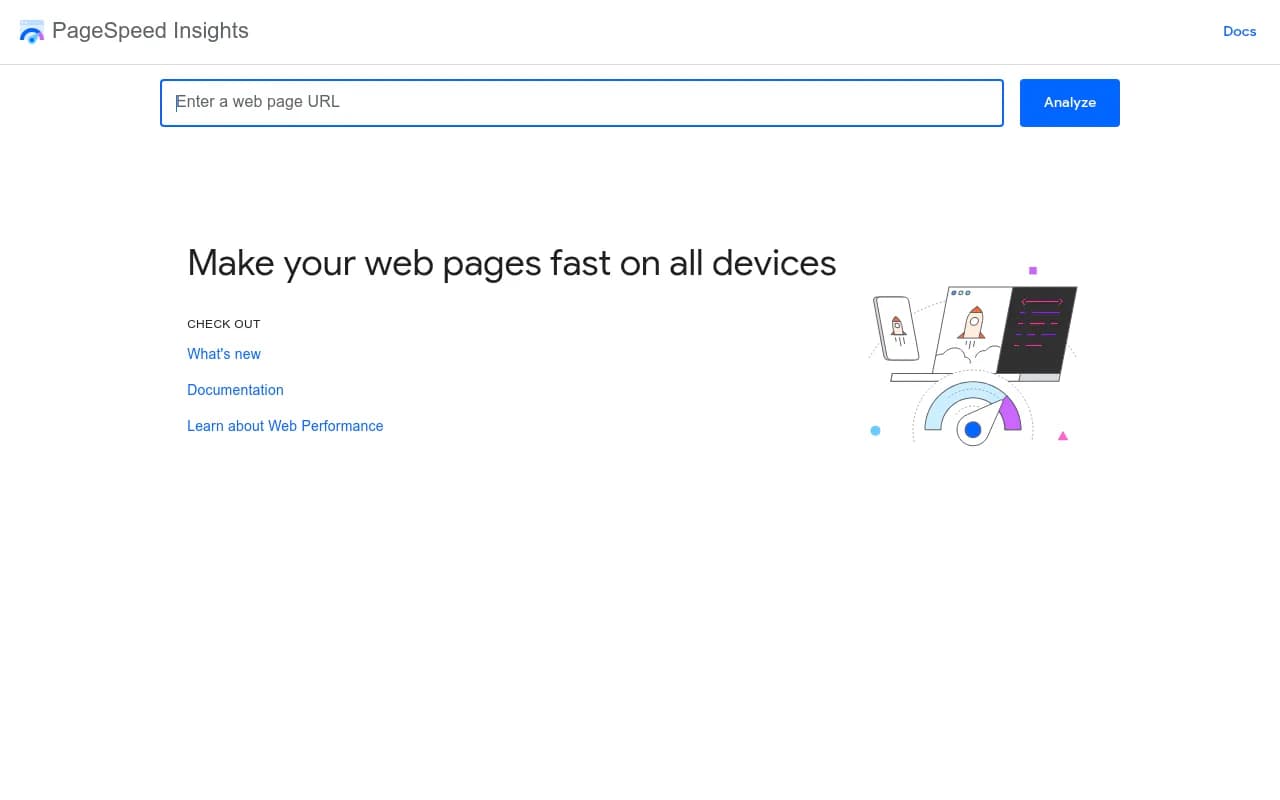
Use Google's Mobile-Friendly Test and PageSpeed Insights. Failing mobile tests tanks AI citation potential.
Audit checkpoint 11: Clean HTML structure
AI crawlers parse HTML directly. Check:
- Proper heading hierarchy (single H1, logical H2-H6 nesting)
- Semantic HTML tags (
<article>,<section>,<nav>) - Alt text on all images
- No broken internal links
Use Screaming Frog or similar crawlers to audit structure at scale.
Audit checkpoint 12: JavaScript rendering
If your site relies on JavaScript to render content, AI crawlers might see blank pages. Test:
- Disable JavaScript in your browser and reload key pages
- Check if content is still visible
- If not, implement server-side rendering or prerendering
Tools like Prerender.io or LovableHTML solve this for JavaScript-heavy sites.
Audit checkpoint 13: Robots.txt and crawl budget
Check your robots.txt file:
- Are you blocking AI crawlers? (GPTBot, CCBot, PerplexityBot, Google-Extended)
- Are you blocking important pages by accident?
- Is your sitemap.xml referenced and up to date?
Most sites accidentally block AI crawlers or waste crawl budget on low-value pages.
Audit checkpoint 14: Page speed and Core Web Vitals
AI systems deprioritize slow sites. Audit:
- Largest Contentful Paint (target: under 2.5s)
- First Input Delay (target: under 100ms)
- Cumulative Layout Shift (target: under 0.1)
Use PageSpeed Insights and fix the biggest offenders first.
Section 4: Content structure for AI citation
Beyond extractability, content needs specific structural patterns that AI systems recognize as citation-worthy.
Audit checkpoint 15: Answer-first paragraphs
The first paragraph of every page should:
- State the answer immediately
- Define key terms
- Provide context in 2-3 sentences
No preamble. No "In this article, we'll explore..." Just the answer.
Audit checkpoint 16: Bulleted lists and tables
AI systems extract structured data more reliably than prose. Audit your top pages:
- How many use bulleted or numbered lists?
- How many include comparison tables?
- Are lists formatted with clear labels?
If fewer than 50% of your pages use lists or tables, you're leaving citations on the table.
Audit checkpoint 17: Internal linking with descriptive anchors
AI systems follow internal links to understand topic relationships. Check:
- Are anchor texts descriptive? ("learn about keyword research" beats "click here")
- Do related pages link to each other?
- Is your most important content linked from multiple pages?
Use Screaming Frog to audit internal link structure.
Audit checkpoint 18: Content freshness signals
AI systems prefer recently updated content. Audit:
- When was each page last updated?
- Do you display publish and update dates?
- Are dates marked up with schema?
Pages older than 12 months without updates get deprioritized.
Section 5: Topical authority and content gaps
AI systems cite brands that demonstrate depth on a topic, not breadth across unrelated areas.
Audit checkpoint 19: Topic cluster completeness
Map your content to core topics:
- Do you have pillar pages for each main topic?
- Do you have supporting content covering subtopics?
- Are all related pages interlinked?
If you have 5 articles on "SEO" but none on "technical SEO," "local SEO," or "SEO tools," your topical authority is weak.
Audit checkpoint 20: Competitor content gap analysis
Identify prompts where competitors get cited but you don't:
- Search your main keywords in ChatGPT, Perplexity, and Google AI Overviews
- Note which competitors appear
- Analyze what content they have that you don't
Tools like Promptwatch automate this with Answer Gap Analysis—showing exactly which prompts competitors rank for and what content your site is missing.
Audit checkpoint 21: Content depth vs. fluff
AI systems prefer comprehensive content over shallow overviews. Audit your top pages:
- Word count (target: 1500+ for pillar content)
- Number of subtopics covered
- Depth of explanation (do you answer follow-up questions?)
Shallow content gets cited less often.
Section 6: Measurement and tracking (are you actually getting cited?)
You can't fix what you don't measure. Most sites guess at AI citation performance instead of tracking it.
Audit checkpoint 22: AI citation monitoring
Manually test your target keywords across:
- ChatGPT
- Perplexity
- Google AI Overviews
- Claude
- Gemini
Record:
- Does your brand appear?
- Which pages get cited?
- What context surrounds the citation?
Do this monthly for your top 20 keywords.
For scale, use tools like Promptwatch, which tracks citations across 10+ AI models automatically and shows you exactly which pages are being cited and how often.
Alternatives include:
| Tool | AI models tracked | Content generation | Crawler logs | Price |
|---|---|---|---|---|
| Promptwatch | 10+ | Yes | Yes | $99/mo |
| Otterly.AI | 3 | No | No | $97/mo |
| Peec.ai | 3 | No | No | $79/mo |
| AthenaHQ | 5+ | No | No | $199/mo |
Otterly.AI



Audit checkpoint 23: AI crawler log analysis
Check your server logs for AI crawler activity:
- GPTBot (OpenAI)
- CCBot (Common Crawl, used by many AI models)
- PerplexityBot
- Google-Extended (Gemini)
- ClaudeBot
Are they visiting your site? How often? Which pages?
If AI crawlers aren't visiting, they can't cite you. Promptwatch provides real-time AI crawler logs showing exactly which pages AI engines read, errors they encounter, and how often they return.
Audit checkpoint 24: Traffic attribution
Connect AI visibility to actual traffic:
- Install tracking code to identify AI referrers
- Integrate Google Search Console to see AI Overview impressions
- Analyze server logs for AI crawler patterns
Without attribution, you can't prove ROI.
Audit checkpoint 25: Page-level citation tracking
Identify which specific pages get cited:
- Run your top 50 pages through AI systems
- Track citation frequency per page
- Correlate page structure with citation rate
Pages with high citation rates reveal what works. Replicate their structure.
Section 7: Fixing what's broken (prioritization framework)
You've audited. Now what?
Priority 1: Entity trust (fix first)
If AI can't verify you exist, nothing else matters. Fix:
- NAP consistency across directories
- Organization schema
- About page with verifiable details
Timeline: 1-2 weeks.
Priority 2: Technical foundations (fix second)
If AI crawlers can't read your site, your content is invisible. Fix:
- Schema markup errors
- Mobile optimization issues
- JavaScript rendering problems
- Robots.txt blocks
Timeline: 2-4 weeks.
Priority 3: Content extractability (fix third)
Rewrite your top 10 pages to:
- Lead with direct answers
- Use question-based headings
- Add bulleted lists and tables
- Remove vague language and overstatements
Timeline: 4-6 weeks.
Priority 4: Content gaps (ongoing)
Use Answer Gap Analysis to identify missing content:
- Which prompts do competitors rank for?
- What topics are you not covering?
- What questions are users asking that you don't answer?
Generate content to fill gaps. Tools like Promptwatch automate this—showing you the exact content your site is missing, then generating articles grounded in real citation data and competitor analysis.
Timeline: Ongoing.
Tools that actually help (vs. tools that just monitor)
Most AI visibility platforms are dashboards. They show you data but leave you stuck.
Here's what you actually need:
- Gap identification: Which prompts are you missing? What content do competitors have that you don't?
- Content generation: How do you create content that AI systems will cite?
- Tracking and attribution: Are your fixes working? Which pages get cited? Where does traffic come from?
Promptwatch is the only platform rated as a "Leader" across all three categories in a 2026 comparison of 12 GEO platforms. It shows you what's missing, helps you fix it with AI content generation, and tracks results with page-level citation data and traffic attribution.
Alternatives:
- Otterly.AI: Basic monitoring, no content generation or crawler logs
- Peec.ai: Monitoring-focused, lacks optimization tools
- AthenaHQ: Tracks citations but doesn't help you create content
- Semrush: Traditional SEO tool with limited AI search support
Otterly.AI
For content optimization:
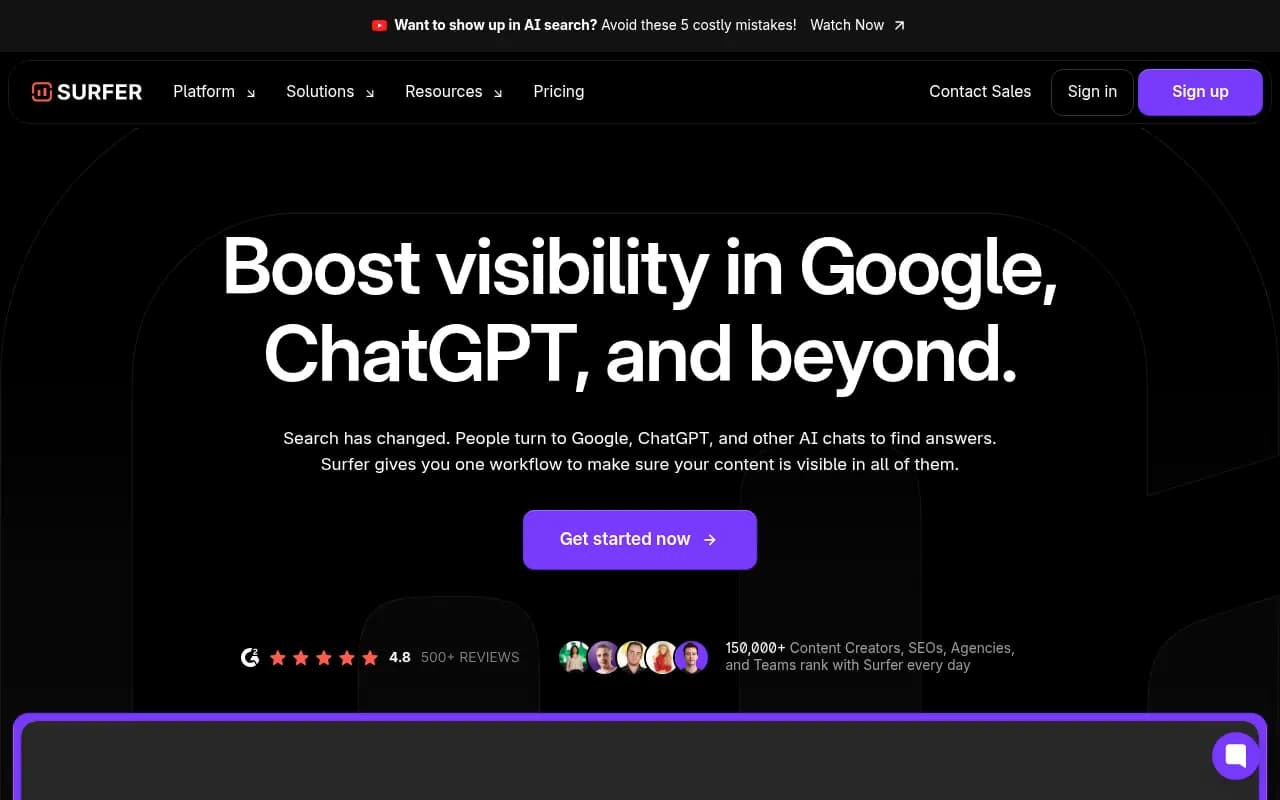
- Surfer SEO: Optimizes for traditional search, not AI citation
- Clearscope: Content briefs for SEO, not GEO
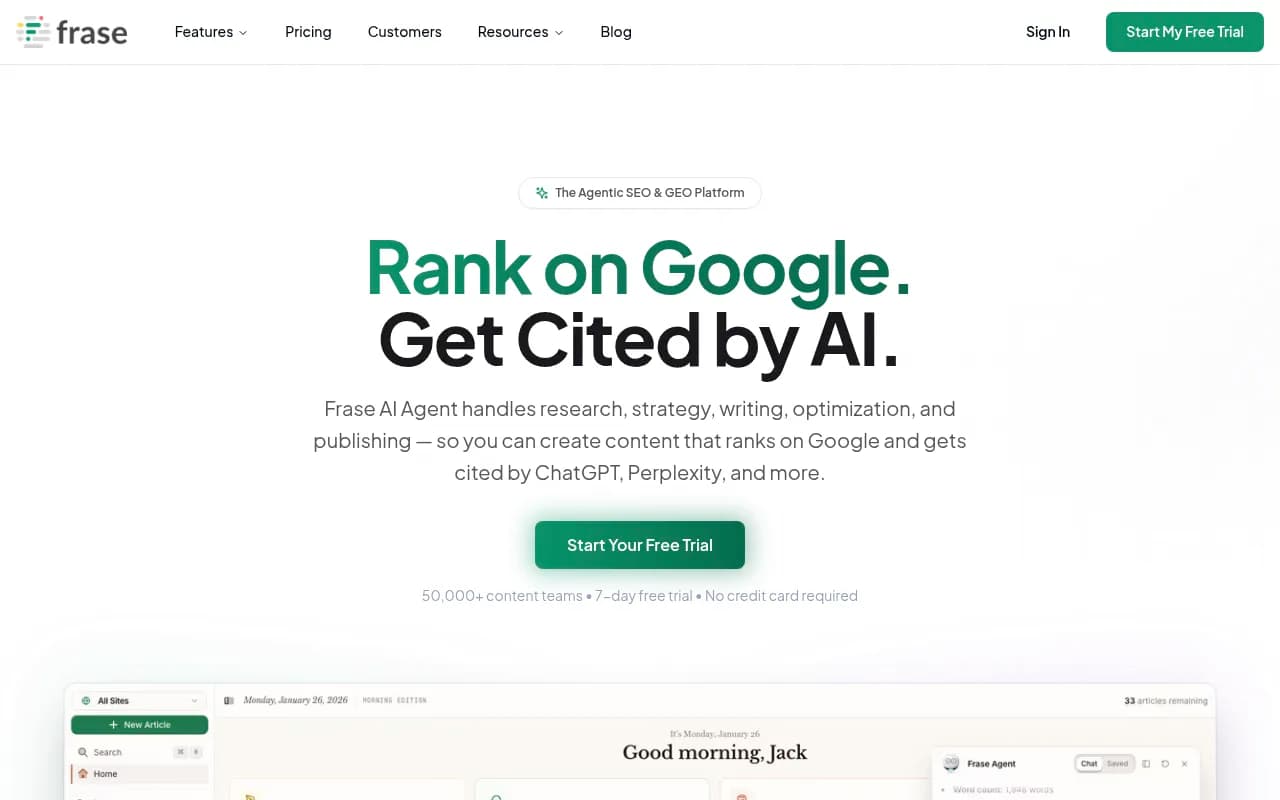
- Frase: Research and writing, but no AI citation tracking

The audit checklist (printable version)
Entity Trust Foundation
- NAP consistency across directories
- About page with verifiable details
- Organization schema implemented and validated
- Third-party validation (press, directories, reviews)
Content Extractability
- Direct answers in first section of top pages
- Content summarization safety (no overstatements)
- Question-based headings on 30%+ of pages
- High factual density (facts > filler)
Technical Foundations
- Schema markup for Article, FAQPage, HowTo, Product
- Mobile optimization (speed, readability, tap targets)
- Clean HTML structure (headings, semantic tags, alt text)
- JavaScript rendering tested
- Robots.txt allows AI crawlers
- Page speed and Core Web Vitals passing
Content Structure
- Answer-first paragraphs on all key pages
- Bulleted lists and tables on 50%+ of pages
- Internal linking with descriptive anchors
- Content freshness signals (dates, schema)
Topical Authority
- Topic clusters complete (pillar + supporting content)
- Competitor content gap analysis completed
- Content depth (1500+ words for pillar pages)
Measurement and Tracking
- AI citation monitoring (manual or automated)
- AI crawler log analysis
- Traffic attribution setup
- Page-level citation tracking
What happens if you skip this
Your competitors are auditing. They're fixing entity trust, rewriting content for extractability, and filling content gaps.
AI systems cite them. Not you.
You keep ranking in traditional search. Traffic looks stable. But the upstream decision-making—the moment when users form opinions and choose vendors—happens in AI conversations where you don't exist.
By the time users reach your website, they've already decided.
The audit isn't optional. It's the difference between being cited and being invisible.