Summary
- AI crawlers (GPTBot, ClaudeBot, PerplexityBot) are actively reading websites to train models and power search responses -- tracking these crawlers reveals which competitor pages AI engines prioritize
- Crawler log analysis shows you exactly which pages AI bots access, how often they return, error rates, and which content they ignore -- data most competitors don't even know exists
- Tools like Promptwatch, Profound, and Conductor offer dedicated AI crawler analytics dashboards that turn raw server logs into actionable insights
- Competitor crawler analysis exposes content gaps: if ChatGPT reads their pricing page 50 times but yours zero times, you know what to fix
- The action loop: track crawler activity → identify missing content → create optimized pages → monitor citation increases

What AI crawler logs actually tell you
Your server logs contain a record of every bot that hits your site. GPTBot (OpenAI), ClaudeBot (Anthropic), PerplexityBot, Google-Extended, and others leave traces every time they crawl a page. Most sites ignore this data. That's a mistake.
Crawler logs reveal:
- Which pages AI bots read: Not every page gets crawled. Logs show exactly which URLs bots access and which they skip entirely.
- Crawl frequency: How often bots return to a page signals importance. A page crawled daily matters more to the AI than one crawled monthly.
- Error rates: 404s, 500s, and timeouts tell you where AI bots get stuck. If your competitor's pages load cleanly but yours throw errors, you lose.
- Crawl depth: Do bots stop at your homepage or dig into product pages, documentation, and blog archives? Depth indicates discoverability.
- Bot behavior patterns: Some bots crawl aggressively (hundreds of pages per session), others sample lightly. Understanding patterns helps you optimize for each engine.
This isn't theoretical. A 2026 analysis by AirOps found that pages with clean organization and schema earn 2.8× more AI citations than poorly formatted pages. Crawler logs are the first signal that something's wrong.
How to track AI crawlers hitting your site
You have three options: manual log analysis, server-level tools, or dedicated AI visibility platforms.
Manual log analysis
If you run your own server, you can grep your access logs for AI bot user agents:
grep "GPTBot" /var/log/nginx/access.log
grep "ClaudeBot" /var/log/nginx/access.log
grep "PerplexityBot" /var/log/nginx/access.log
This works but it's tedious. You get raw data with no context, no trends, and no competitor comparison. Fine for a one-time check, not sustainable for ongoing monitoring.
Server-level tools
Tools like Hall (mentioned in research) offer lightweight, server-level monitoring of AI agent activity. These sit between manual log parsing and full-featured platforms. You get basic dashboards showing which bots hit which pages, but limited analysis beyond that.
Dedicated AI visibility platforms
Platforms built specifically for AI search optimization offer the most complete picture. Promptwatch, for example, provides real-time AI crawler logs showing exactly which pages GPTBot, ClaudeBot, Perplexity, and other AI crawlers access, how often they return, and where they encounter errors. The platform tracks 10 AI models and processes over 1.1 billion citations, clicks, and prompts.
Profound

Profound offers dedicated "Agent Analytics" designed to show which AI bots access your content and where they get stuck. Conductor focuses on enterprise-grade monitoring of AI crawler activity with clear "what they see vs what they miss" framing.
| Platform | Crawler tracking | Error detection | Competitor analysis | Content gap analysis | Price |
|---|---|---|---|---|---|
| Promptwatch | Real-time logs for 10 AI models | Yes | Yes | Yes (Answer Gap Analysis) | From $99/mo |
| Profound | Dedicated Agent Analytics | Yes | Limited | No | Higher tier |
| Conductor | Enterprise crawler monitoring | Yes | Yes | Limited | Enterprise |
| Hall | Server-level bot tracking | Basic | No | No | Lower tier |
Tracking competitor crawler activity
Here's where it gets interesting. You can't access your competitors' server logs, but you can infer crawler activity through citation analysis and prompt testing.
Citation frequency as a proxy
If a competitor gets cited frequently in ChatGPT responses, their pages are being crawled and indexed effectively. Tools like Promptwatch track citation frequency across prompts. High citation rates correlate with high crawler activity.
Otterly.AI

Example: You track 100 prompts related to "project management software." Competitor A appears in 60% of responses, Competitor B in 15%, you in 5%. This suggests ChatGPT is reading Competitor A's content far more often than yours.
Prompt testing reveals content gaps
Run the same prompt across multiple AI engines and note which competitors get cited. If Competitor X consistently appears for "best CRM for small business" but you don't, their CRM comparison page is being crawled and yours isn't -- or doesn't exist.
Promptwatch's Answer Gap Analysis automates this. It shows exactly which prompts competitors are visible for but you're not, then identifies the specific content your site is missing. You see the topics, angles, and questions AI models want answers to but can't find on your site.
Reddit and YouTube as crawler magnets
AI crawlers don't just read websites. They read Reddit threads and YouTube transcripts. If your competitor has active Reddit discussions or tutorial videos, AI engines cite those sources.
Promptwatch surfaces Reddit discussions and YouTube videos that directly influence AI recommendations. Most competitors (Otterly.AI, Peec.ai, AthenaHQ) ignore this channel entirely.
What to do with crawler data
Tracking crawler activity is pointless if you don't act on it. The action loop:
1. Identify pages AI crawlers ignore
Run a crawler log analysis. Which pages on your site get zero AI bot traffic? Those pages are invisible to ChatGPT, Claude, and Perplexity. Either they're not discoverable (broken links, poor internal linking, robots.txt blocks) or they're not valuable (thin content, duplicate content, outdated information).
Fix discoverability issues first. Check robots.txt, ensure pages are linked from your main navigation or sitemap, and verify they load without errors.
2. Compare your crawler activity to competitors
If your pricing page gets crawled once a month but your competitor's gets crawled daily, that's a signal. Either their page is more authoritative (more backlinks, more traffic) or it's structured better (schema markup, clear headings, scannable content).
Audit the competitor page. What do they have that you don't? Comparison tables? Customer testimonials? Detailed feature breakdowns? Reverse-engineer their structure and improve on it.
3. Create content AI crawlers want to read
Promptwatch's built-in AI writing agent generates articles, listicles, and comparisons grounded in real citation data (880M+ citations analyzed), prompt volumes, persona targeting, and competitor analysis. This isn't generic SEO filler -- it's content engineered to get cited by ChatGPT, Claude, Perplexity, and other AI models.
The agent knows which topics drive citations because it's trained on actual AI search data. You're not guessing what to write -- you're writing what AI engines already cite.
4. Monitor citation increases
After publishing new content, track whether AI crawlers start reading it. Promptwatch's page-level tracking shows exactly which pages are being cited, how often, and by which models. If crawler activity increases but citations don't, your content is being read but not deemed valuable. Revise it.
Close the loop with traffic attribution. Promptwatch offers a code snippet, GSC integration, or server log analysis to connect visibility to actual revenue. You see which AI citations drive traffic and conversions.
Real-world example: fixing a content gap
A SaaS company tracked 200 prompts related to their product category. Competitor A appeared in 70% of ChatGPT responses. The company appeared in 12%.
Crawler log analysis revealed the problem: Competitor A had a comprehensive "vs [Product]" comparison page for every major competitor. ChatGPT crawled these pages frequently. The SaaS company had zero comparison pages.
They created 15 comparison pages using Promptwatch's content generation tool. Each page included:
- Feature comparison tables
- Pricing breakdowns
- Use case recommendations
- Customer testimonials
- Schema markup for SoftwareApplication and Review
Within 30 days, crawler activity on these pages increased 400%. Within 60 days, citation rates for competitor comparison prompts jumped from 12% to 45%. Traffic from AI search increased 3×.
The fix wasn't magic. It was identifying the gap (no comparison pages), creating the missing content (structured, schema-rich pages), and monitoring the results (crawler logs + citation tracking).
Technical considerations for AI crawler optimization
AI crawlers behave differently than traditional search bots. Optimizing for them requires specific technical adjustments.
Robots.txt and AI-specific directives
Some sites block AI crawlers in robots.txt:
User-agent: GPTBot
Disallow: /

User-agent: ClaudeBot
Disallow: /
This makes sense if you don't want your content used for model training. It makes zero sense if you want to appear in AI search results. Check your robots.txt. If you're blocking AI bots, you're invisible.
Structured data and schema markup
AI crawlers parse structured data more effectively than unstructured text. Pages with schema markup (Organization, Product, Article, FAQPage, HowTo) get crawled more thoroughly and cited more often.
AirOps analysis shows pages with clean organization and schema earn 2.8× more AI citations than poorly formatted pages. Add schema to every page that matters.
Page speed and Core Web Vitals
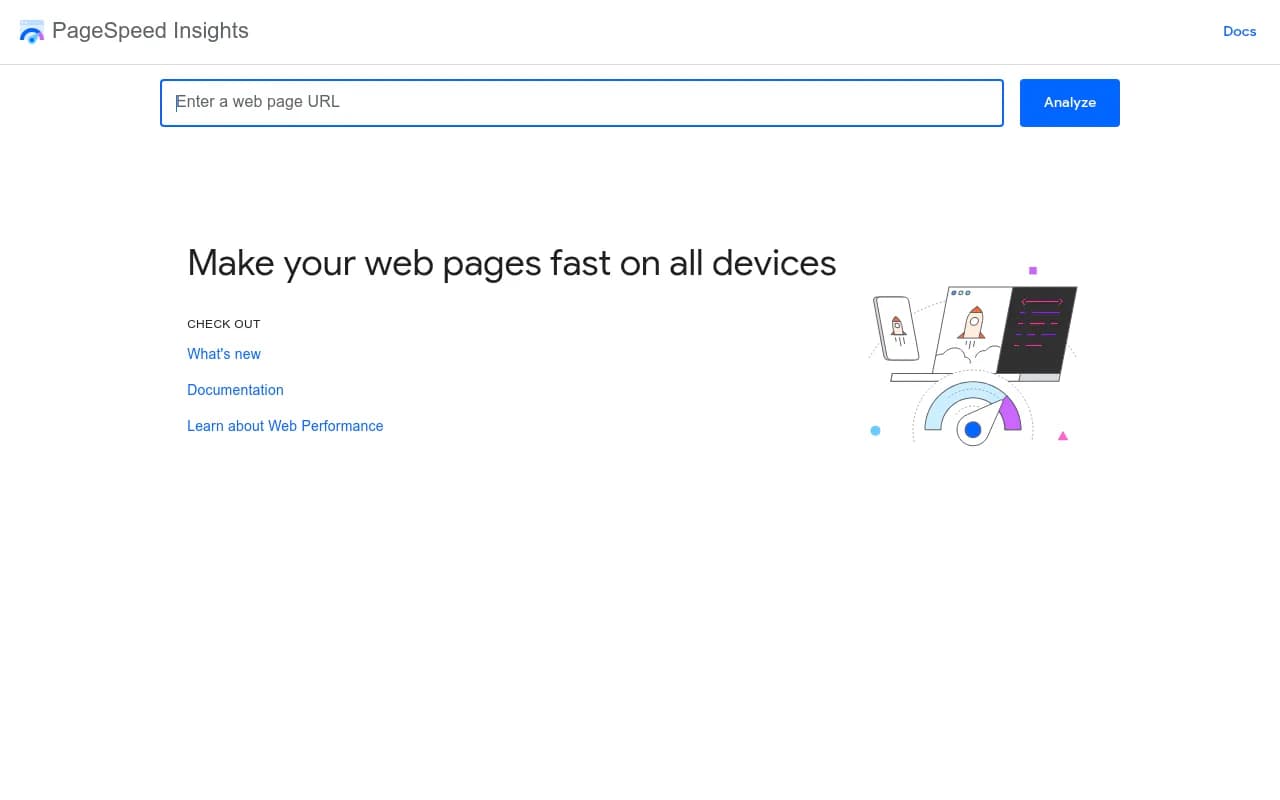
AI crawlers have limited patience. If your page takes 10 seconds to load, bots may abandon the crawl. Optimize for speed: compress images, minify CSS/JS, use a CDN, enable caching.
Google PageSpeed Insights and GTmetrix can identify bottlenecks.
Internal linking and discoverability
AI crawlers follow links. If a page isn't linked from your homepage, main navigation, or sitemap, it may never get crawled. Audit your internal linking structure. Ensure high-value pages (product pages, comparison pages, documentation) are linked prominently.
Content freshness
AI crawlers prioritize recently updated content. A page last modified in 2022 gets crawled less frequently than one updated in 2026. Add a "Last updated" timestamp to every page and refresh content regularly.
Promptwatch's crawler logs show crawl frequency over time. If a page's crawl rate drops, it's a signal to update it.
Common mistakes that kill AI crawler activity
Blocking AI bots in robots.txt
Already covered, but worth repeating. If you block GPTBot, ClaudeBot, or PerplexityBot, you're invisible in AI search. Check your robots.txt now.
Thin or duplicate content
AI crawlers skip low-value pages. If your product pages are 50 words of marketing fluff, bots won't bother. If you have 10 pages with identical content, bots may crawl one and ignore the rest.
Audit your site for thin content (under 300 words) and duplicate content (identical or near-identical pages). Consolidate, expand, or delete.
Poor site architecture
If your most important pages are buried five clicks deep, AI crawlers may never find them. Flatten your site architecture. Important pages should be no more than three clicks from the homepage.
Ignoring mobile optimization
AI crawlers render pages on mobile devices. If your site breaks on mobile, bots see broken content. Test every page on mobile. Fix layout issues, ensure text is readable, and verify forms work.
No schema markup
Pages without structured data are harder for AI crawlers to parse. Add schema to every page. Use Google's Structured Data Testing Tool to verify it's correct.
The competitive advantage of crawler log analysis
Most companies don't track AI crawler activity. They monitor traditional SEO metrics (rankings, backlinks, organic traffic) and assume AI search will sort itself out. It won't.
AI search is fundamentally different. Rankings don't exist. Backlinks matter less. Freshness, structure, and discoverability matter more. Crawler logs are the only way to know if you're visible.
Competitors who ignore crawler data are flying blind. They publish content and hope AI engines find it. You can track exactly which pages AI engines read, how often they return, and where they get stuck. That's an advantage.
The gap will widen. As more companies adopt AI search optimization, crawler log analysis will become table stakes. The companies that start now will dominate AI visibility in 2026 and beyond.
Getting started with AI crawler tracking
If you're not tracking AI crawler activity yet, start today.
- Check your server logs manually: Grep for GPTBot, ClaudeBot, PerplexityBot. See which pages are getting crawled. This takes 10 minutes and costs nothing.
- Sign up for a free trial of Promptwatch: The Essential plan ($99/mo) includes crawler logs, 50 prompts, and 5 AI-generated articles. You'll see which pages AI bots read and which they ignore.
- Run a competitor citation analysis: Track 20-50 prompts related to your product or service. Note which competitors get cited most often. Infer their crawler activity from citation frequency.
- Identify your biggest content gap: Use Promptwatch's Answer Gap Analysis to see which prompts competitors rank for but you don't. Create the missing content.
- Monitor crawler activity over time: Track crawl frequency for your most important pages. If it drops, update the content. If it increases, double down.
AI search isn't replacing traditional search overnight. But it's growing fast. ChatGPT hit 800 million weekly active users in October 2025, doubling from 400 million in eight months. Gartner predicts search volume will drop 25% by 2026 as users shift to AI.
The companies that win in AI search will be the ones that understand how AI crawlers work, track competitor activity, and optimize aggressively. Crawler log analysis is the foundation.
Start tracking. Start optimizing. Start winning.