Key takeaways
- A single check of ChatGPT Shopping tells you almost nothing. The feature is non-deterministic, so the same query can return different product cards an hour later.
- Weekly tracking is the realistic minimum for most brands; daily tracking only makes sense during launches, PR moments, or active competitive fights for a shopping slot.
- Consistency matters more than frequency. Checking ten times one week and once the next makes your data impossible to read as a trend.
- Track mention frequency and share of voice over time, not a single "rank" snapshot. ChatGPT Shopping isn't a stable SERP position.
- Manual spreadsheet checks work for a handful of prompts; once you're past 15-20 prompts across categories, a dedicated AI visibility tool pays for itself in time saved alone.
Why ChatGPT Shopping breaks the old idea of "checking rankings"
I'll admit my first instinct with ChatGPT Shopping was to treat it like a Google Shopping feed: check it, note the top three products, move on. That instinct is wrong, and it took about three days of re-running the same prompt to see why.
OpenAI's own announcement of shopping research describes it as a conversational process. ChatGPT asks clarifying questions, pulls from "high-quality sources," and factors in your memory and past chats before building a buyer's guide. That's a very different mechanism from a static product feed, and it means the output is shaped by context that changes every time: the user's history, the exact phrasing, the time of day, even which sources happened to be freshest when the model researched the answer.
So when someone tells you "we were the #1 recommendation in ChatGPT for cordless vacuums," the honest response is: for which prompt, on which account, at what time, and did you check again an hour later? Because research on how often shopping features even activate in a given query session is still shifting. Lumentir's ChatGPT Shopping Usage Report notes that activation frequency depends on the type of query, user behavior, and ongoing model updates, which is a polite way of saying there's no fixed rate you can bank on.
The non-determinism problem, in plain terms
If you've ever typed the same question into ChatGPT twice and gotten two different answers, you already understand the core issue. Generative engines don't return a fixed ranking the way Google Shopping does. Ellevate's guide on tracking brand visibility in AI responses puts it well: a single test is a snapshot, not a metric. One good mention this afternoon doesn't mean anything if you disappear from the same query two hours later.
This matters even more for shopping results, because product recommendations pull from live pricing, availability, and recently indexed reviews. A product that's cited today might be out of stock tomorrow and quietly dropped from the next research pass. Treating one lucky appearance as proof of "ranking #1" is the fastest way to build a strategy on sand.
So how often should you actually check?
There's no universal number, but there is a sensible default depending on what's happening in your category.
| Situation | Recommended frequency | Why |
|---|---|---|
| Stable, mature product category | Weekly | Enough to catch trend shifts without drowning in noise |
| Strategic dashboard / board reporting | Monthly | Smooths out day-to-day volatility into a readable trend |
| Product launch or seasonal push (e.g. holiday shopping) | Daily | Shopping activations spike around events; you want to catch the window while it's open |
| Active competitor is contesting your category | Daily to every other day | You need to know fast if a competitor's product card is displacing yours |
| PR crisis or pricing error affecting recommendations | Daily, sometimes multiple checks | Fast-moving situations need fast detection |
| Ongoing GEO/content optimization work | Weekly, tied to your publishing schedule | Lets you correlate content changes with visibility changes |
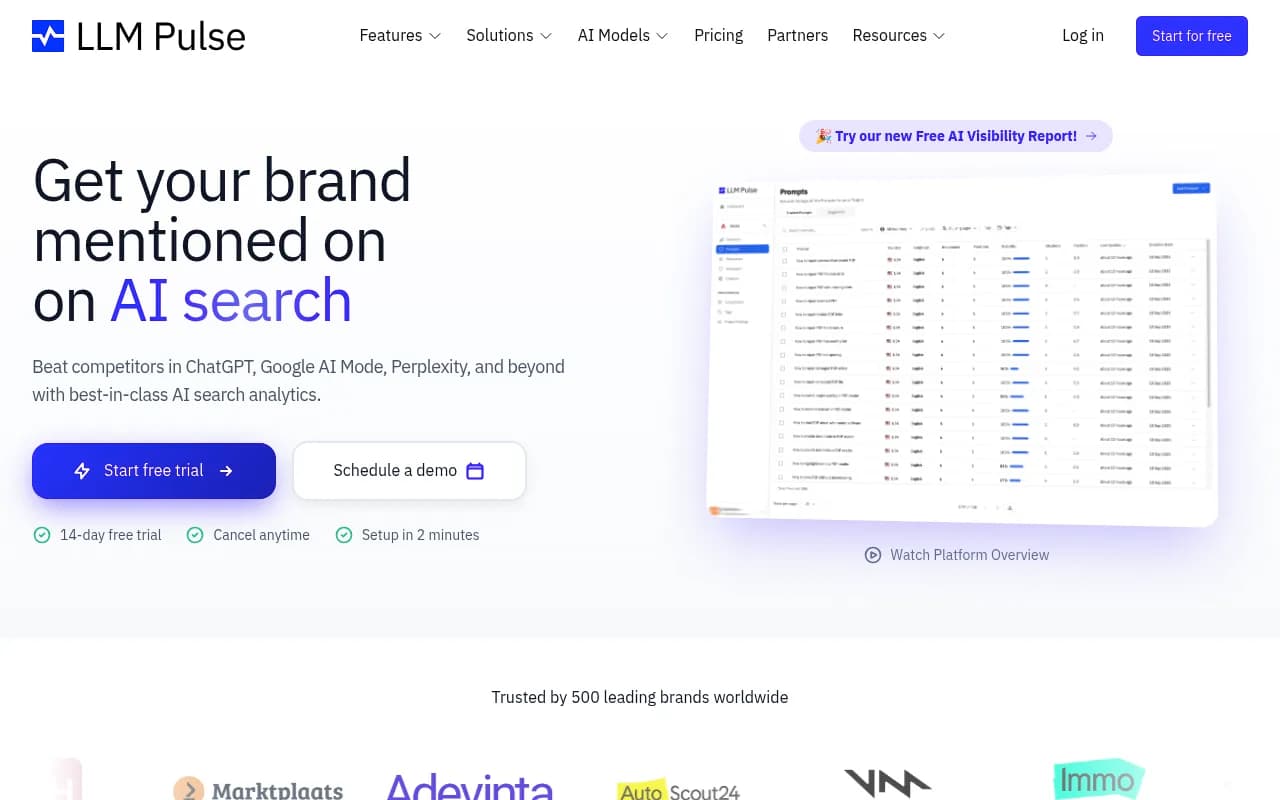
LLM Pulse's guide to ChatGPT tracking tools lands on a similar answer for general brand mentions: weekly review is sufficient for most brands, and it matches the refresh cadence most tracking tools use anyway. Daily monitoring is a premium option reserved for launches or crises, not a default setting.
The real rule, repeated across nearly every source I looked at, is this: pick a frequency and stick to it. Ellevate's piece is blunt about it: if you measure ten times one week, once the next month, and fifty times after a redesign, you've created a data series that can't be interpreted. Regularity beats raw frequency almost every time.
What to track at each check, not just "are we there"
A frequency without a method is just noise. Each time you check ChatGPT Shopping, log more than a yes/no:
- Which products appeared, in what order, for which exact prompt
- Which competitors showed up alongside you
- Which sources ChatGPT appeared to pull from (reviews, retailer pages, comparison articles)
- Whether the shopping experience activated at all, versus a plain text answer
- Price and availability as displayed, since this affects whether a product gets surfaced at all
Rankability's guide on tracking brand mentions in ChatGPT suggests segmenting by topic cluster and funnel stage, which applies directly to shopping: you want to know if you appear for broad discovery prompts ("best gaming laptop under $1000") but vanish for comparison prompts ("X vs Y, which is better"). Those are different problems requiring different fixes.
Manual tracking vs a dedicated tool
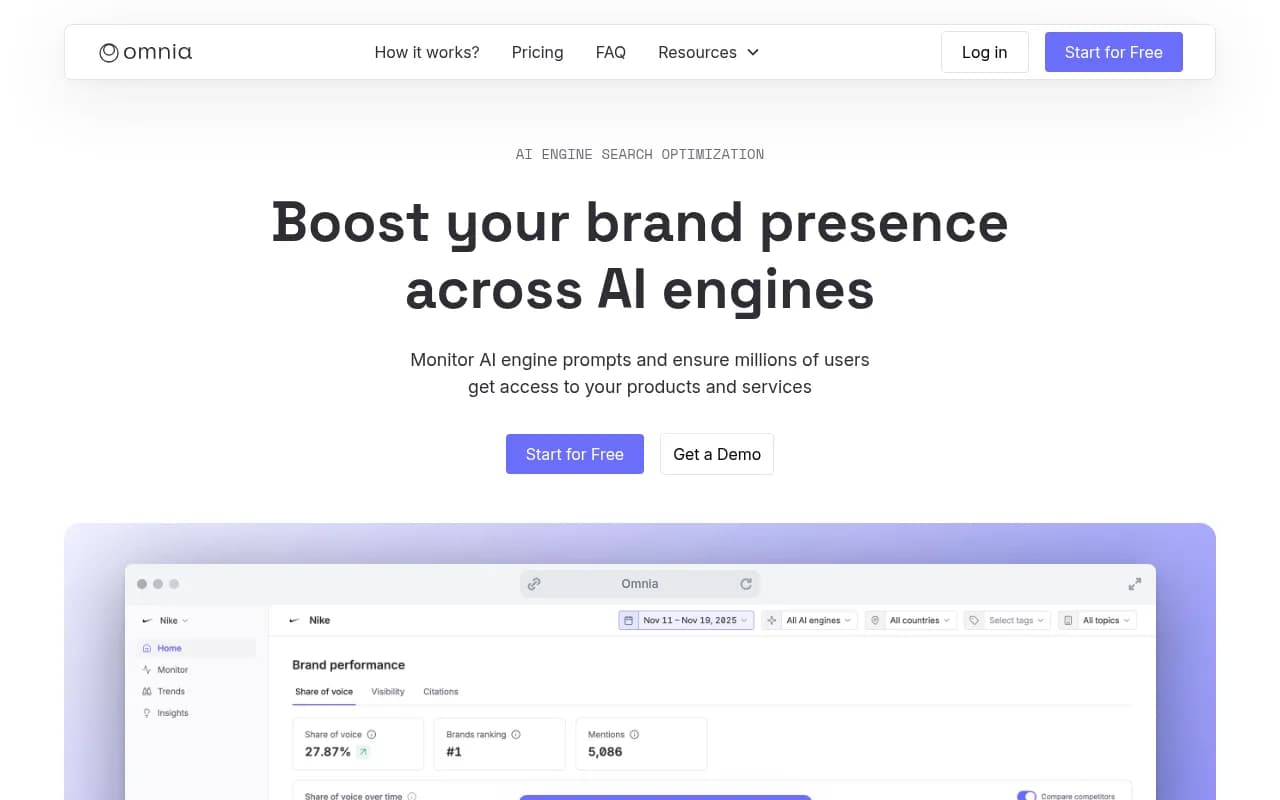
For a small set of products and a handful of prompts, a spreadsheet and a weekly calendar reminder genuinely works. Omnia's rank tracking guide lays out a realistic DIY baseline: roughly 45 minutes a week re-running the same prompts every Monday, logging results, and flagging anything that moved more than 10%.
Where that breaks down is scale. Once you're tracking multiple categories, multiple competitors, and multiple AI engines (ChatGPT isn't the only one doing shopping-style recommendations now), manual tracking eats hours. Omnia's own estimate is that once manual tracking exceeds two hours a week, you're paying $200-400/month in labor for data that's worse than what a $20-100/month tool produces automatically.
This is where purpose-built tracking tools earn their keep. A few worth knowing about:

If you're also thinking about the broader GEO picture, not just shopping cards, but how AI assistants cite your pages, log your crawler traffic, and drive actual visits, Promptwatch covers that wider stack: it tracks ChatGPT's shopping and ads placements specifically through its Shopping and Ads Radar, alongside prompt-level visibility, citation sources, and crawler logs across ChatGPT, Gemini, Perplexity, and Google AI Overviews.

Promptwatch's own data on how often ChatGPT shows ads in citation-enabled search responses is worth checking if you're trying to understand the broader commercial layer around shopping results, since sponsored placements and organic product recommendations now sit side by side in the same response.
Comparing your tracking options
| Approach | Time investment | Best for | Limitation |
|---|---|---|---|
| Manual spreadsheet, fixed prompt set | 30-60 min/week | Small catalogs, 5-20 prompts | Doesn't scale, easy to skip a week |
| Lightweight rank tracker (e.g. Rankshift, LLM Pulse) | 5-10 min/week to review | Mid-size catalogs, single-category focus | Usually weekly refresh, not real-time |
| Full GEO platform with crawler logs and shopping tracking (Promptwatch) | 5-10 min/week to review, more for action items | Brands running active GEO/content work alongside tracking | Higher price point than a pure tracker |
| Ad hoc manual checks with no schedule | Varies, usually underestimated | Nobody, honestly | Produces data you can't trust |
Mistakes to avoid
Treating one good result as a permanent rank. "We're the top pick for noise-canceling headphones in ChatGPT" is a sentence that was true for one prompt, one time. Track appearance frequency across repeated runs instead of presenting a single lucky screenshot as your standing.
Changing your prompt wording between checks. If you swap "best budget laptop for gaming" for "affordable gaming laptop" halfway through your tracking period, you're not measuring the same thing anymore. Lock the exact wording and reuse it.
Ignoring the other AI engines. ChatGPT isn't the only assistant building shopping-style answers. If you only watch ChatGPT, you'll miss shifts happening in Perplexity or Google's AI Mode that affect the same purchase decisions.
Checking irregularly and then panicking at noise. A drop from three mentions to zero over a single check could be nothing. Wait for the pattern across several regularly spaced checks before reacting.
FAQ
How often should I check ChatGPT Shopping results for my brand? Weekly is the realistic default for most brands. Move to daily only during a launch, a pricing change, a PR situation, or an active fight with a competitor for a shopping placement.
Can I track this manually, or do I need a tool? Manual tracking with a fixed prompt list and a spreadsheet works fine for a small number of products and queries. Once you're past roughly 15-20 prompts or tracking multiple AI engines, a dedicated tool saves more time than it costs.
How long before I can trust the trend I'm seeing? Give it at least a few weeks of consistent, regularly spaced checks before drawing conclusions. A couple of good or bad checks in isolation don't tell you much; a steady pattern across a month does.
Does ChatGPT Shopping activate for every query, or only some? Only some. Activation depends on the query type, the user's history, and ongoing changes to the underlying model, which is exactly why a single test can't tell you how often you'll actually show up over time.
If you want to go deeper on the broader category of AI visibility tools beyond shopping specifically, the directory at bestgeosoftware.com is a reasonable place to compare options side by side.