Key takeaways
- Google AI Mode has no numbered ranking list, so "tracking rank" really means tracking inclusion, mention, citation, and share of voice across repeated prompt probes.
- Query intent changes everything: informational prompts trigger AI Mode/AI Overviews far more often than transactional ones, and the content types that win citations shift accordingly (how-tos and docs for informational, product pages and comparisons for transactional, third-party mentions for local).
- Local queries are the odd one out. Simple local-intent searches like "tacos san francisco" barely trigger AI Overviews (about 15% of the time) and instead return local packs, while informational-local hybrids ("average cost of dental implants in phoenix") trigger AI summaries over 95% of the time.
- No vendor has a public AI Mode API. Every tool, including the ones below, samples via repeated automated browser probes. Trust the trend line, not a single day's reading.
- For a platform that goes beyond tracking and actually helps close the gaps it finds, segmented by query type, Promptwatch is worth a look alongside the dedicated trackers covered here.
Why query type changes how you have to track AI mode
I'll say the quiet part out loud: most "AI Mode rank tracker" reviews treat every prompt the same way. Run 50 prompts, check if your brand shows up, call it a day. That approach misses the actual mechanics of how AI Mode decides what to show.
Google's AI Mode is a separate full-page conversational surface, reachable through its own udm=50 parameter, distinct from the AI Overview block that sits above classic search results. It fans a single query out into multiple sub-searches, synthesizes an answer from Gemini, and lets the user keep asking follow-ups in the same thread. There's no position #1 through #10 the way there is in blue-link search. So "ranking" in AI Mode really breaks down into four separate things worth measuring: whether your brand is included at all, whether it's named in the text, whether it's actually cited as a clickable source (the only thing that drives traffic), and what share of the answer space you command relative to named competitors across a whole set of prompts.
Now layer query intent on top of that, and the picture gets messier in a useful way.
Informational queries
Definitional and how-to queries trigger AI Overviews and AI Mode responses at the highest rates of any intent category, somewhere in the 35-50% range depending on the vertical, according to a Q1 2026 analysis of over 200,000 keywords. Health and symptom-related informational queries run even higher. The content that wins these citations skews toward how-to guides and documentation pages rather than product pages. Promptwatch's content-type breakdown for ChatGPT shows how-to guides rising to 10.7% of citations on informational prompts (versus 8.7% baseline) and documentation pages climbing to 8.5%, while product pages drop from their usual lead position down to 19.1%. That's a meaningful shift: informational intent rewards explanatory depth over sales pages.
Transactional and commercial queries
Promptwatch's citation-type data tells a different story here. On commercial prompts like "best CRM for small businesses," product pages jump to 26% of citations, landing pages to 20.6%, listicles to 15%, and comparisons nearly double their baseline share to 7.9%. Put those four formats together and they account for roughly 70% of all commercial citations. Meanwhile, high-CPC transactional queries trigger AI Overviews far less often than informational ones, in the single digits by some estimates, and when they do trigger, the organic traffic hit is smaller. Product comparison pages lose only about 8% of clicks when an AIO appears, compared to 30-45% drops for pure informational "what is" and "how to" queries.
Local queries
Local is the category most trackers get wrong because it behaves almost opposite to what you'd expect. Whitespark's benchmark study found AI Overviews triggering in 68% of local searches overall, which sounds high, but that number hides massive intent variance. Simple local-intent searches ("tacos san francisco") only pull an AI Overview about 15% of the time, because Google prefers to show a local pack instead, which appears for 90%+ of those same queries. Flip the intent slightly, to something informational-local like "how long does an eye exam take near me," and AI Overview appearance jumps to 92%. Hybrid queries mixing cost and location ("average cost of dental implants in phoenix") trigger at 97%. Local AI Mode answers also lean heavily on third-party citations, Reddit threads, Yelp listings, individual business pages blended together, so owned-site SEO alone won't get you there. You need unstructured mentions too.
What an AI mode tracker should actually measure
Before comparing tools, it's worth being blunt about the measurement problem. Since AI Mode has no public API, every vendor on this list is running automated browser sessions that mimic a real user typing a query, then scraping what comes back. That means the numbers are modeled estimates from repeated sampling, not census-level data pulled from Google's backend. A single day's reading can swing for reasons that have nothing to do with your SEO, so judge tools by whether they show trend lines over weeks, not by whether today's snapshot looks good.
The four things worth tracking, regardless of query type:
- Inclusion: did the response mention your category at all, or did it skip straight to competitors
- Mention: is your brand named in the generated text
- Citation: is your brand linked as a clickable source (this is the only one that produces real traffic)
- Share of voice: what percentage of the answer space you occupy across a full prompt set, versus named competitors
Comparison: AI mode tracking tools by query-type strength
| Tool | AI Mode coverage | Query-type / intent segmentation | Local tracking depth | Starting price |
|---|---|---|---|---|
| Promptwatch | Yes, plus ChatGPT, Gemini, Claude, Perplexity, Grok, Copilot, DeepSeek, and more | Prompt-level volumes, difficulty, and citation rate per prompt; query fan-out breakdowns | State/city-level tracking on Professional tier and above | $95/mo |
| KIME | Yes, plus 8 other AI engines | Prompts organized by country, language, category, model | Multi-market via country/language segmentation | €99/mo |
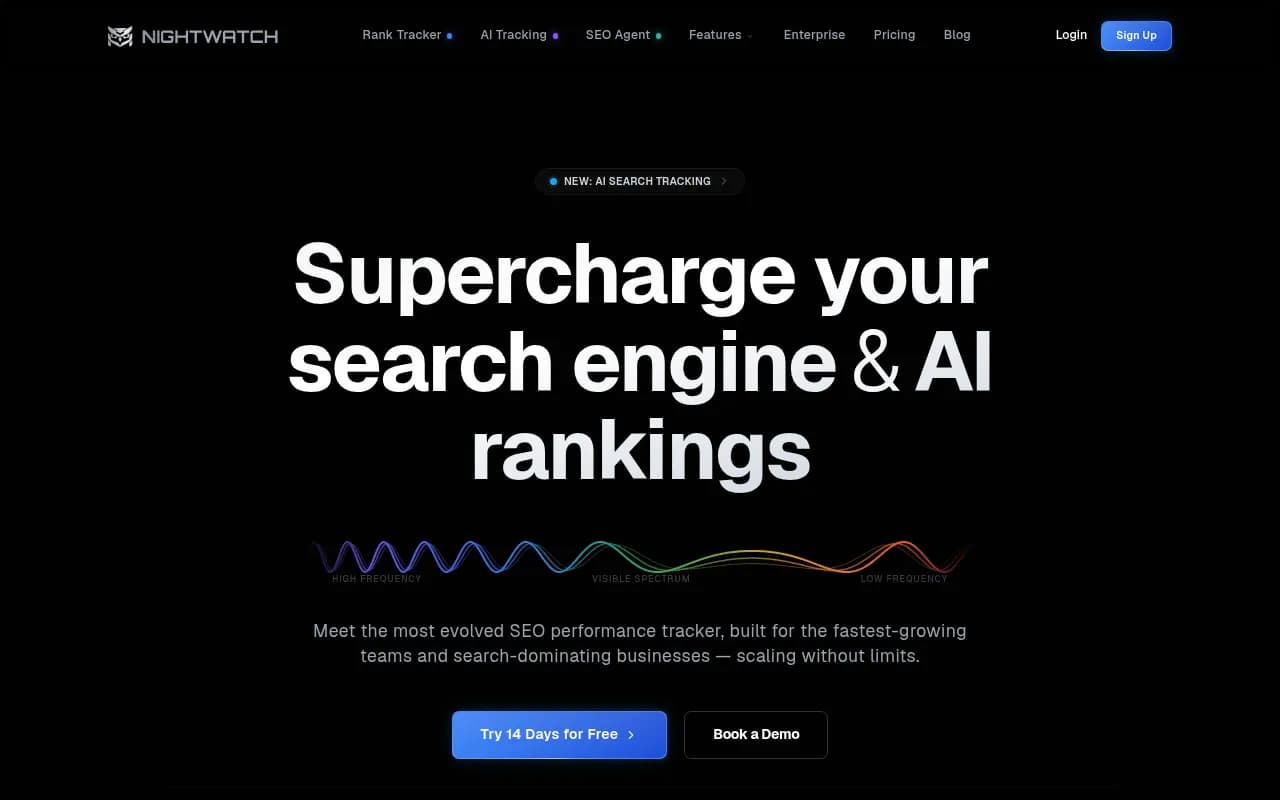
| Nightwatch | Yes (add-on) | Basic | "Most precise local tracking in the industry," neighborhood-level AI Mode answer tracking | €99/mo |
| Peec AI | Yes | Prompt sets by project/country | Multi-country at no extra cost, but local-grid detail is limited | $95/mo |
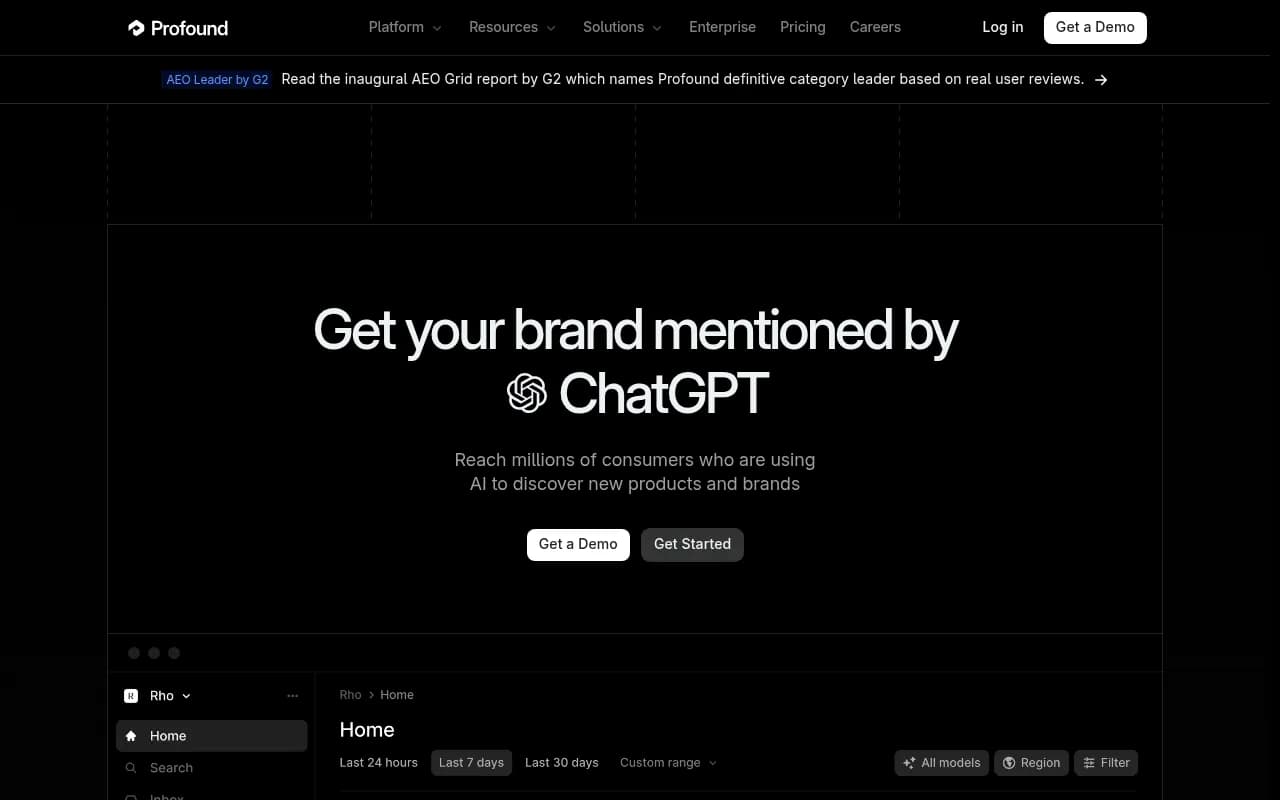
| Profound | Yes (Enterprise tier) | Enterprise-level segmentation | Limited at entry tier | $99/mo |
| Otterly.AI | Add-on, not default | Basic prompt/mention tracking | Minimal | $29/mo |
| SE Ranking (AI Search add-on) | Yes | Cached answer snapshots alongside organic rank data | Bundled with its broader local SEO toolset | $129/mo + $89/mo add-on |
Picking by intent: which tool fits which query type
For informational-heavy content programs
If most of your prompt set is "how does X work" or "what is X," you want a tool that breaks citations down by content type, not just by domain. Promptwatch tracks citation rate per prompt alongside query fan-out data, showing how a single informational prompt splits into multiple sub-searches, which is directly useful when you're deciding whether to build one comprehensive guide or several focused pages mapped to each sub-intent.

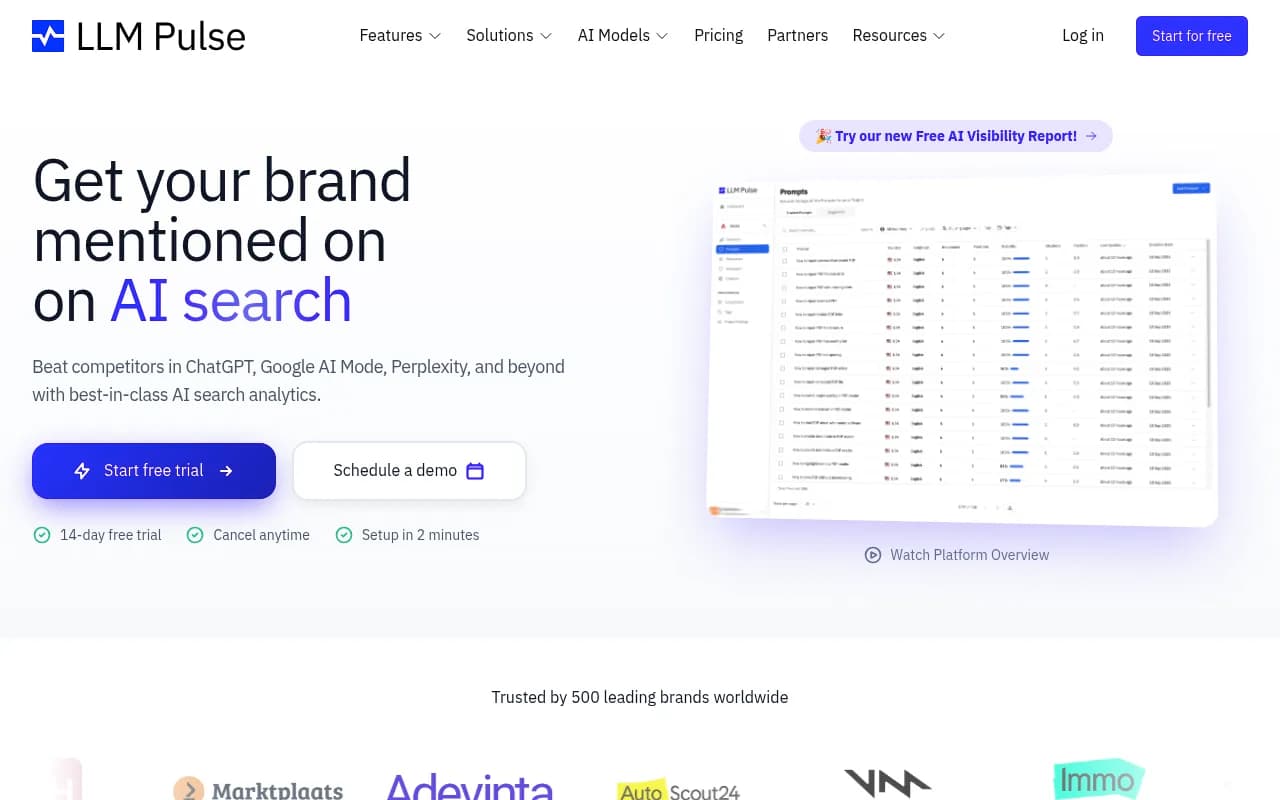
LLM Pulse is another reasonable option here, positioned around brand recommendations and sentiment tracking, though its AI Mode coverage specifically is limited compared to its ChatGPT and Perplexity tracking.
For transactional and commercial intent
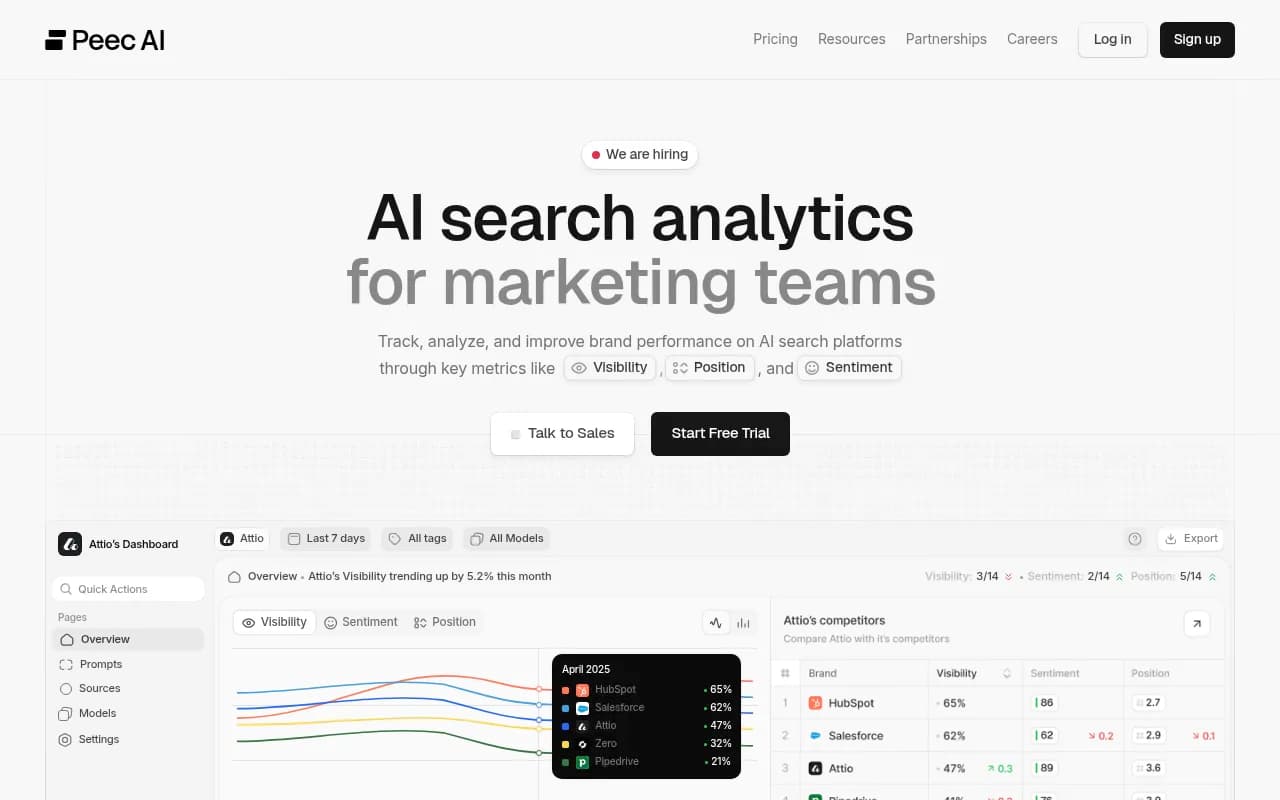
Comparison and "best X for Y" prompts behave almost like a different product entirely, with product pages, comparison tables, and listicles dominating citations. Peec AI and Profound both build around SaaS and B2B/ecommerce use cases where commercial intent is the bulk of the prompt set.
Profound
For local and multi-location brands
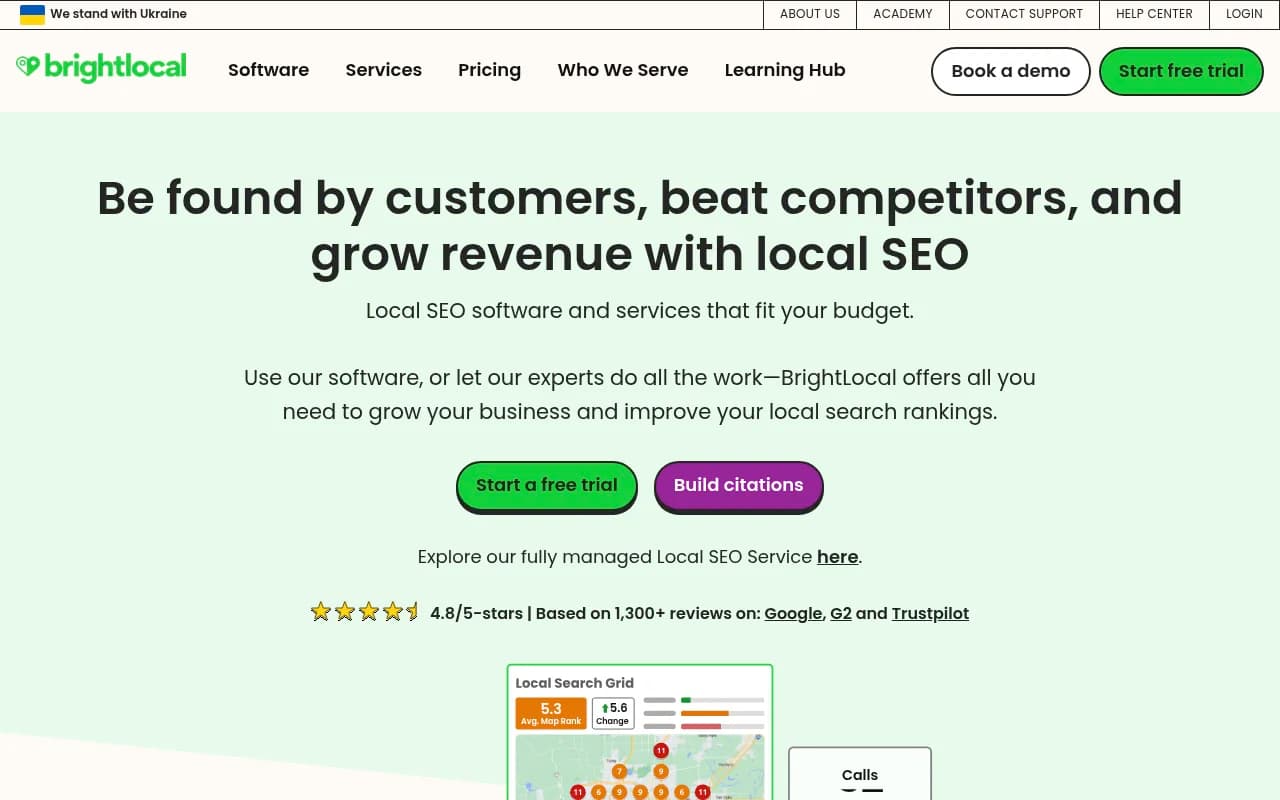
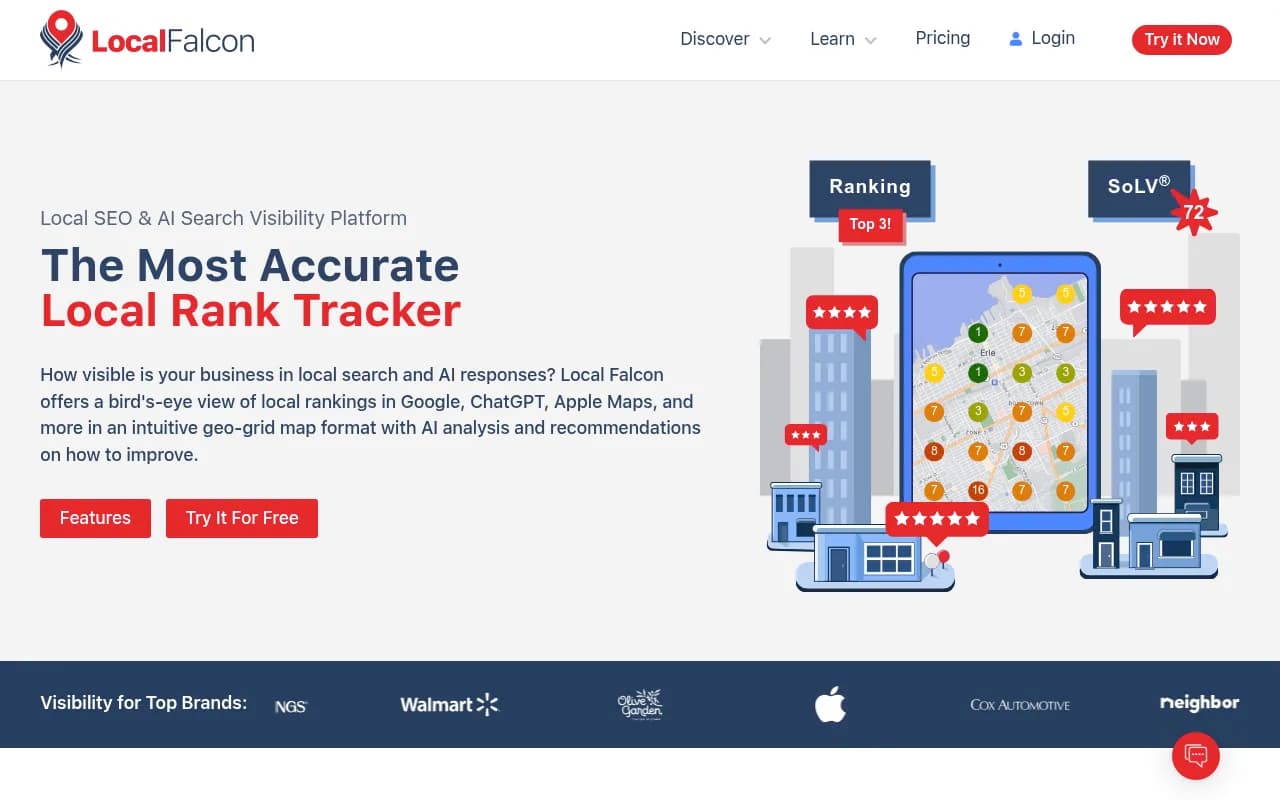
This is where generic AI visibility tools tend to fall short, because they weren't built with geography in mind. Nightwatch specifically markets neighborhood-level precision for how AI Mode answers shift by location, which matters if you're a multi-location retailer or service business. BrightLocal and Local Falcon are worth pairing with an AI Mode tracker for the traditional local-pack side of the equation, since local intent queries still favor the pack over AI summaries most of the time.
Common mistakes when tracking by query type
A few things trip people up repeatedly, based on how Otterly.AI and other practitioners describe the pitfalls:
First, people assume a Search Console impression at "position #1" means they rank first organically. It doesn't. When your content gets cited inside an AI Overview, the impression inherits the AIO block's rank, which Google always marks as position #1 regardless of where you'd actually rank organically. That's misleading if you're trying to measure real competitive position.
Second, teams track trigger rate (did an AI Overview or AI Mode response appear at all) without tracking citation presence (were you actually named inside it). Those are not the same metric, and only citation drives clicks. You can have a 90% trigger rate on your target keyword set and still get zero traffic if a competitor owns every citation slot.
Third, and this is the big one for this whole guide: treating all keywords the same. Trigger rates, winning content formats, and CTR impact vary enormously between informational, transactional, and local queries, so a tool or a strategy built around one intent type will systematically misread performance on another.
Fourth, confusing AI Mode with AI Overviews or classic search. They're three separate surfaces. AI Mode is its own tab with fan-out sub-queries and no ranked list; AI Overviews is a block bolted onto a normal results page; classic search is still ten blue links. A tracker built for one can be blind to the others, so check what a tool actually samples before assuming it covers