Key Takeaways
- Page-level citation tracking reveals which specific pages AI engines like ChatGPT, Perplexity, and Claude cite most often—helping you double down on what works and fix what doesn't
- Citations ≠ mentions: A citation links directly to your content; a mention just names your brand. Citations drive traffic and authority; mentions build awareness
- Google Search Console and Bing Webmaster Tools now include AI citation data, but they don't show the full picture across all AI engines
- Dedicated AI visibility platforms like Promptwatch, Ahrefs, and Conductor offer page-level tracking across multiple AI models, plus content gap analysis and optimization tools
- Server logs and analytics can reveal AI crawler activity and traffic patterns, but require technical setup and careful interpretation
AI search engines are rewriting the rules of content discovery. When someone asks ChatGPT, Perplexity, or Claude a question, these models don't just generate an answer—they cite sources. Those citations are the new currency of visibility.
But here's the problem: most brands have no idea which pages are being cited, how often, or by which AI engines. They're flying blind.
Page-level citation tracking solves this. It shows you exactly which URLs AI models reference in their responses, how frequently they appear, and which prompts trigger those citations. With this data, you can identify your highest-performing content, replicate what works, and fix what's broken.
This guide walks you through the methods, tools, and strategies for tracking AI citations at the page level—so you can stop guessing and start optimizing.
What Is Page-Level Citation Tracking?
Page-level citation tracking measures how often AI search engines cite specific URLs from your website in their generated responses. It's the AI equivalent of backlink analysis: instead of tracking which sites link to you, you're tracking which AI models reference you—and which pages they choose.
Citations vs. Mentions: What's the Difference?
This distinction matters:
- A citation is a direct link to your content in an AI-generated response. Example: ChatGPT answers a question about SEO tools and links to your comparison article.
- A mention is when an AI model names your brand without linking to your site. Example: Claude recommends your product in a list but doesn't cite your website.
Citations drive traffic and signal authority. Mentions build awareness but don't send clicks. Both matter, but citations are the metric that directly impacts your bottom line.
Why Page-Level Tracking Matters More Than Domain-Level Metrics
Most AI visibility tools show domain-level data: "Your site was cited 47 times this month." That's useful, but it doesn't tell you which pages are winning or why.
Page-level tracking reveals:
- Your top-performing content: Which articles, guides, or product pages AI engines cite most often
- Content gaps: Topics where competitors get cited but you don't—because you're missing the content AI models want
- Optimization opportunities: Pages that get mentioned but not cited, or pages that rank in Google but not in AI search
- Traffic attribution: Which pages drive actual clicks from AI engines, not just visibility
Without page-level data, you're optimizing in the dark. You might know your brand is "doing okay" in AI search, but you don't know what to do next.
Method 1: Use Native Platform Tools (Google Search Console & Bing Webmaster Tools)
Both Google and Microsoft now offer AI citation tracking inside their webmaster tools. These are free, authoritative, and worth checking first.
Google Search Console: AI Overviews and AI Mode
Google Search Console includes AI Overview and AI Mode data in its Performance report. You can filter by:
- Search appearance: Select "AI Overview" or "AI Mode" to see impressions and clicks from AI-generated results
- Landing page + query string: Add this dimension to see which specific pages are being cited and for which queries
The limitation: Google blends AI Overview data with traditional search results, making it hard to isolate pure AI citation performance. You also can't see data from non-Google AI engines like ChatGPT or Perplexity.
Bing Webmaster Tools: AI Performance Dashboard
Microsoft's AI Performance dashboard (launched February 2026) is more granular. It tracks:
- Total citations: How many times Copilot cited your site
- Average cited pages per day: Frequency of citation activity
- Page-level citation activity: A ranked list of your most-cited URLs
- Grounding queries: The exact prompts that triggered citations to your content
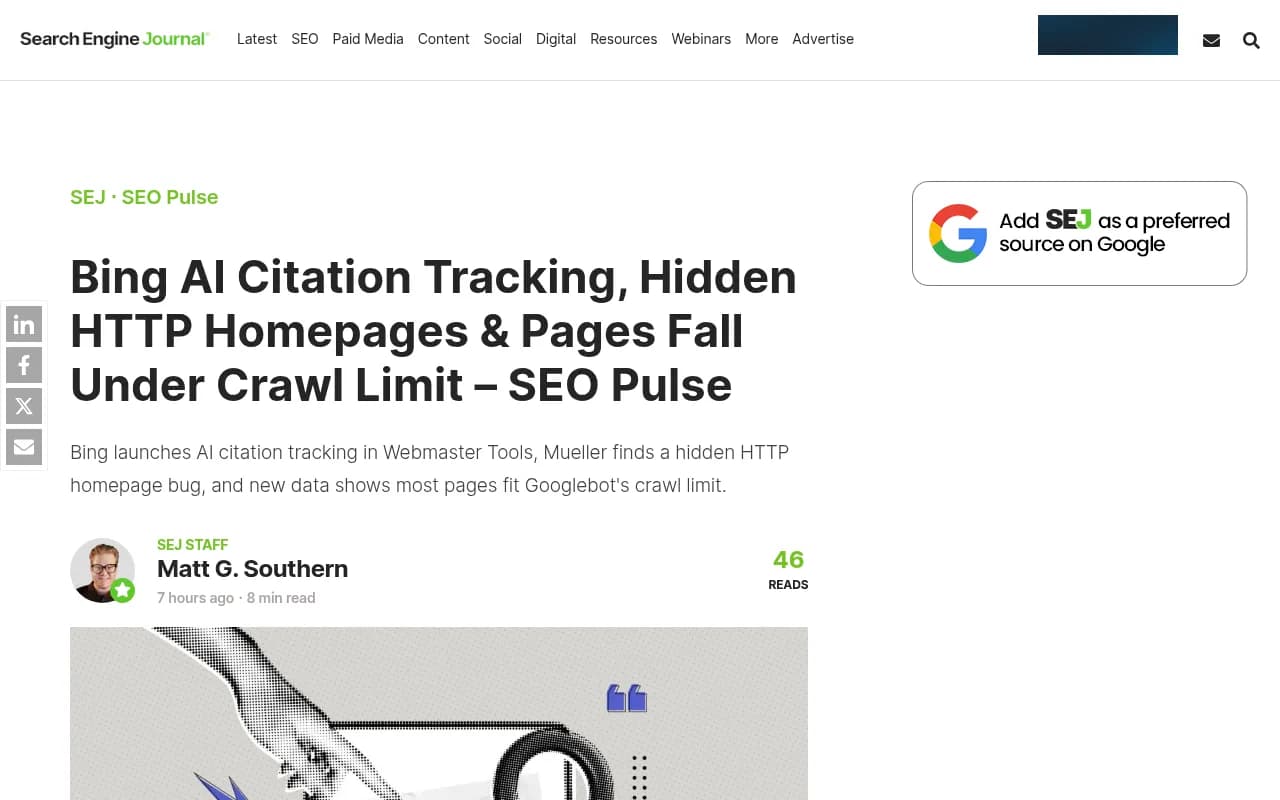
This is the most detailed free tool available for page-level AI citation tracking. If you're on Bing, start here.
Method 2: Track AI Citations with Dedicated Visibility Platforms
Native tools like GSC and Bing Webmaster Tools only show data from their own ecosystems. To track citations across ChatGPT, Perplexity, Claude, Gemini, and other AI engines, you need a dedicated platform.
What to Look for in an AI Citation Tracking Tool
Not all tools are created equal. Here's what separates monitoring dashboards from optimization platforms:
- Multi-engine coverage: Tracks citations across ChatGPT, Perplexity, Claude, Gemini, Google AI Overviews, and others
- Page-level granularity: Shows which specific URLs are being cited, not just domain-level totals
- Prompt intelligence: Reveals which questions and prompts trigger citations to your content
- Content gap analysis: Identifies topics where competitors get cited but you don't
- Traffic attribution: Connects AI citations to actual website traffic and conversions
Top Tools for Page-Level Citation Tracking
Promptwatch is the only platform rated as a "Leader" across all GEO categories in 2026 comparisons. It tracks citations across 10 AI engines, shows page-level citation data, and includes Answer Gap Analysis—a feature that reveals exactly which prompts competitors rank for but you don't. The built-in AI writing agent then generates content grounded in real citation data to close those gaps.

Ahrefs added AI citation tracking to Site Explorer in 2026. Enter your domain, click the "AI citations" module, and you'll see every AI Overview keyword you've claimed. The limitation: it only tracks Google AI Overviews, not ChatGPT, Perplexity, or other engines.
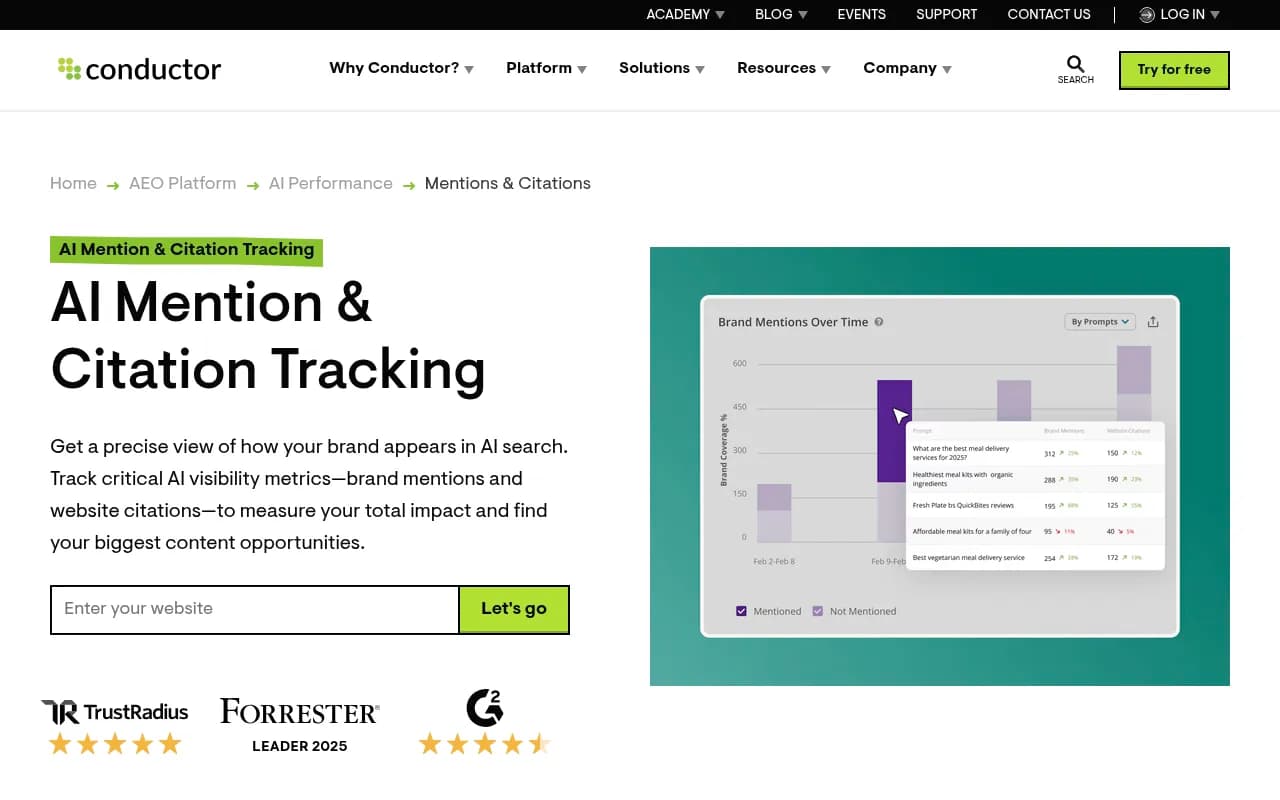
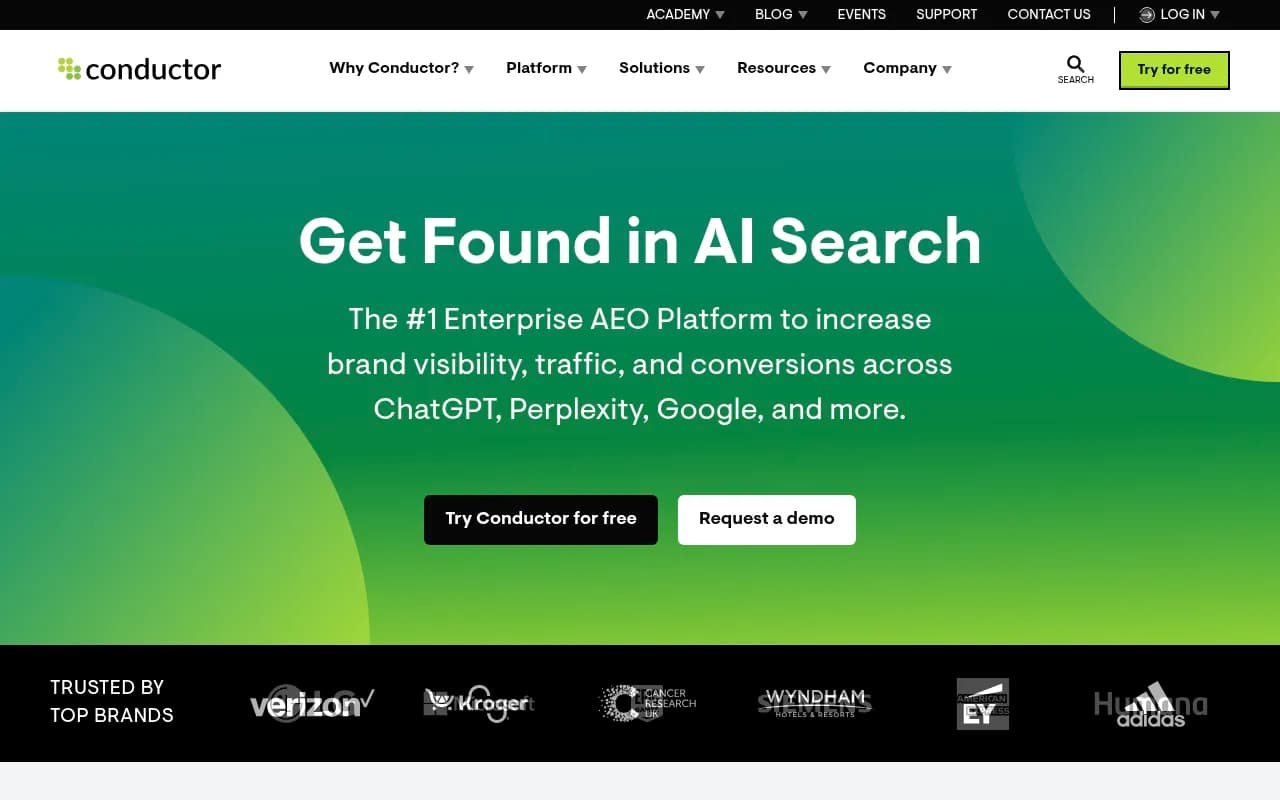
Conductor tracks both brand mentions and website citations across major AI engines. Its Mention & Citation Tracking feature measures conversational share of voice (mentions) and content authority (citations), helping you identify the gap between awareness and attribution.
Other tools like Otterly.AI, Peec.ai, and AthenaHQ offer monitoring-only dashboards—they show you where you're cited but don't help you fix gaps or generate optimized content.
Method 3: Analyze Server Logs for AI Crawler Activity
AI engines send crawlers to your website before they can cite your content. Tracking these crawlers reveals:
- Which AI engines are reading your site: ChatGPT, Claude, Perplexity, and others all have distinct user agents
- Which pages they access: See exactly which URLs AI crawlers visit most often
- Crawl frequency: How often AI engines return to check for updates
- Errors and blocks: Identify pages that AI crawlers can't access due to robots.txt rules, server errors, or paywalls
This is advanced but powerful. Most competitors ignore crawler logs entirely.
How to Track AI Crawlers
Look for these user agents in your server logs:
- ChatGPT:
ChatGPT-User - Claude:
Claude-Web - Perplexity:
PerplexityBot - Google AI:
Google-Extended
Tools like Promptwatch include real-time AI crawler logs as a built-in feature—no manual log parsing required. You see which pages AI engines read, when they visited, and any errors they encountered.
Method 4: Use Google Analytics and UTM Parameters to Track AI Traffic
Citations only matter if they drive traffic. To measure this, you need proper attribution.
Set Up AI Traffic Tracking in Google Analytics
- Add a dimension for "Landing page + query string" in GA4 to see which pages receive traffic from AI sources
- Filter by referrer: Look for traffic from
chat.openai.com,perplexity.ai,claude.ai, and other AI engines - Use UTM parameters: If you control the links (e.g., in AI training data or partnerships), add UTM tags to track AI-driven sessions
The challenge: most AI engines don't pass clean referrer data, making attribution messy. Some platforms solve this with JavaScript snippets or server-side tracking.
Traffic Attribution Tools
Promptwatch offers three methods for tracking AI traffic:
- Code snippet: Embed a tracking script to capture AI referrals
- Google Search Console integration: Pull GSC data directly into the platform
- Server log analysis: Parse logs to identify AI-driven sessions
This closes the loop: you see which pages get cited and how much traffic those citations generate.
Method 5: Identify Content Gaps with Competitor Citation Analysis
Page-level tracking isn't just about celebrating wins—it's about finding gaps. The most valuable insight: which prompts competitors rank for but you don't.
How to Find Content Gaps
- Track competitor citations: See which pages from competing sites AI engines cite for relevant prompts
- Compare to your own coverage: Identify prompts where competitors appear but you're invisible
- Analyze the content: What topics, angles, or formats are competitors using that you're missing?
- Create optimized content: Fill the gaps with articles, guides, or comparisons designed to get cited
Promptwatch's Answer Gap Analysis automates this process. It shows you the exact prompts where competitors win, the content your site is missing, and generates AI-optimized articles to close those gaps. Most competitors (Otterly.AI, Peec.ai, AthenaHQ) stop at step one—they show you the data but leave you stuck.
Method 6: Track Citations by AI Engine to Optimize for Each Model
Not all AI engines cite the same content. ChatGPT might prefer long-form guides, while Perplexity favors data-heavy reports. Tracking citations by engine reveals these preferences.
AI Engine Breakdown
Most platforms let you filter citation data by model:
- ChatGPT: High volume, conversational queries, favors authoritative long-form content
- Perplexity: Research-focused, cites academic papers and data sources
- Claude: Detailed, nuanced responses, prefers structured content with clear headings
- Google AI Overviews: Prioritizes featured snippet-style content and list formats
- Gemini: Multimodal, cites visual content and infographics
If you're getting cited by ChatGPT but not Perplexity, it's a signal to adjust your content strategy—add more data, research, or citations to authoritative sources.
Method 7: Monitor Reddit and YouTube Citations
AI engines don't just cite traditional websites—they also pull from Reddit threads, YouTube videos, and other platforms. If your brand has a presence on these channels, track them separately.
Why Reddit and YouTube Matter
AI models like ChatGPT and Perplexity frequently cite:
- Reddit discussions: User-generated advice, product recommendations, and troubleshooting threads
- YouTube videos: Tutorials, reviews, and explainer content
If you're not tracking these, you're missing a significant chunk of your AI visibility. Promptwatch includes Reddit and YouTube insights as a core feature—most competitors ignore these channels entirely.
Method 8: Track ChatGPT Shopping Recommendations
ChatGPT now includes shopping features—product recommendations and carousels that appear when users ask for buying advice. If you sell products, this is a new citation channel worth monitoring.
How to Track ChatGPT Shopping
Look for:
- Product mentions: When ChatGPT recommends your product in a list
- Shopping carousel placements: Visual product cards with images and links
- Comparison citations: When your product is cited in "X vs. Y" queries
Promptwatch tracks ChatGPT Shopping activity as part of its platform. Most competitors don't support this yet.
Best Practices for Page-Level Citation Tracking
1. Track Consistently Over Time
AI citation data fluctuates. A page that gets cited 50 times this month might drop to 10 next month if a competitor publishes better content. Track weekly or monthly to spot trends.
2. Prioritize High-Value Prompts
Not all citations are equal. A citation for a high-volume, high-intent prompt (e.g., "best CRM software 2026") is worth more than a citation for a niche, low-volume query. Use prompt intelligence tools to prioritize.
3. Optimize for Citation-Worthy Formats
AI engines prefer:
- Structured content: Clear headings, bullet points, numbered lists
- Data and statistics: Concrete numbers, research findings, and citations
- Authoritative sources: Links to credible references and original research
- Comprehensive guides: Long-form content that answers multiple related questions
4. Close the Loop with Traffic Attribution
Citations are vanity metrics if they don't drive traffic. Always connect citation data to actual website visits, leads, and conversions.
5. Test and Iterate
AI search is evolving fast. What works today might not work in six months. Use page-level tracking to test new content formats, topics, and optimization strategies—then double down on what drives results.
Common Mistakes to Avoid
Tracking Domain-Level Metrics Only
Domain-level data ("Your site was cited 100 times") is too vague. You need page-level granularity to know what's working.
Ignoring Non-Google AI Engines
Google AI Overviews are important, but ChatGPT, Perplexity, and Claude drive significant traffic too. Track all major engines.
Focusing on Mentions Instead of Citations
Mentions build awareness, but citations drive traffic. Prioritize citations.
Not Tracking Competitor Citations
Your biggest opportunities are the prompts where competitors get cited but you don't. Competitor analysis is essential.
Skipping Traffic Attribution
Citations without traffic data are incomplete. Always measure the downstream impact.
The Action Loop: Find Gaps, Create Content, Track Results
Page-level citation tracking is most powerful when it's part of a closed loop:
- Find the gaps: Use Answer Gap Analysis to see which prompts competitors rank for but you don't
- Create optimized content: Generate AI-friendly articles, guides, and comparisons that fill those gaps
- Track the results: Monitor page-level citations, traffic, and conversions to measure impact
This is the difference between a monitoring dashboard and an optimization platform. Tools like Promptwatch, Ahrefs, and Conductor help you close this loop. Most competitors (Otterly.AI, Peec.ai, AthenaHQ, Search Party) stop at step one.
Final Thoughts
Page-level citation tracking is the foundation of AI search optimization. It tells you which content works, which prompts to target, and where you're losing to competitors. Without it, you're optimizing blind.
Start with the free tools—Google Search Console and Bing Webmaster Tools—to get a baseline. Then graduate to a dedicated platform if you need multi-engine tracking, content gap analysis, and traffic attribution.
The brands that win in AI search aren't the ones with the most content—they're the ones with the most cited content. Track your citations at the page level, identify your highest performers, and replicate what works. That's how you turn AI visibility into real traffic and revenue.