
Key takeaways
- Peec AI is a solid monitoring tool for small teams that want straightforward AI visibility tracking with flexible model selection and unlimited seats on every plan.
- Dageno AI goes further with a full workflow: monitoring, strategy, content generation, and result attribution — making it more useful if you want to act on the data, not just read it.
- For most small businesses on tight budgets, Peec AI's lower entry price is attractive, but you'll hit its limits quickly once you want to do something with the data.
- If your goal is to actually improve your AI search visibility (not just measure it), Dageno AI or a platform like Promptwatch will take you further.
- Neither tool is perfect. The right choice depends on your team size, budget, and how much you plan to act on what you find.
AI search is no longer a niche concern. When someone asks ChatGPT "what's the best project management tool for a 10-person team?" or asks Perplexity to compare accounting software, those answers shape buying decisions. If your brand isn't in those responses, you're invisible to a growing slice of your audience.
That's why AI visibility tools have become a real category in 2026. And two names that come up frequently for small businesses are Peec AI and Dageno AI. They're both positioned as accessible options — not the enterprise-tier platforms charging thousands per month — but they work quite differently under the hood.
This guide breaks down what each tool actually does, where each one falls short, and which one makes more sense depending on what you're trying to accomplish.
What Peec AI does
Peec AI is a Berlin-based platform built specifically for tracking brand visibility across AI search engines. The pitch is clean: connect your brand, set up your prompts, and see where you appear (or don't) across models like ChatGPT, Perplexity, Gemini, and others.
A few things stand out about Peec AI's approach:
- Flexible AI model selection, so you can choose which engines to track rather than being locked into a fixed set
- Unlimited seats on every plan, which is genuinely useful for small teams where multiple people need access
- A relatively low entry price compared to enterprise platforms
What Peec AI is less strong on is the "now what?" question. Once you see that you're not being cited for a particular prompt, Peec AI doesn't have built-in tools to help you fix that. It's a diagnostic tool. You get the data, and then you're on your own to figure out what content to create, which gaps to close, and whether your changes are working.

What Dageno AI does
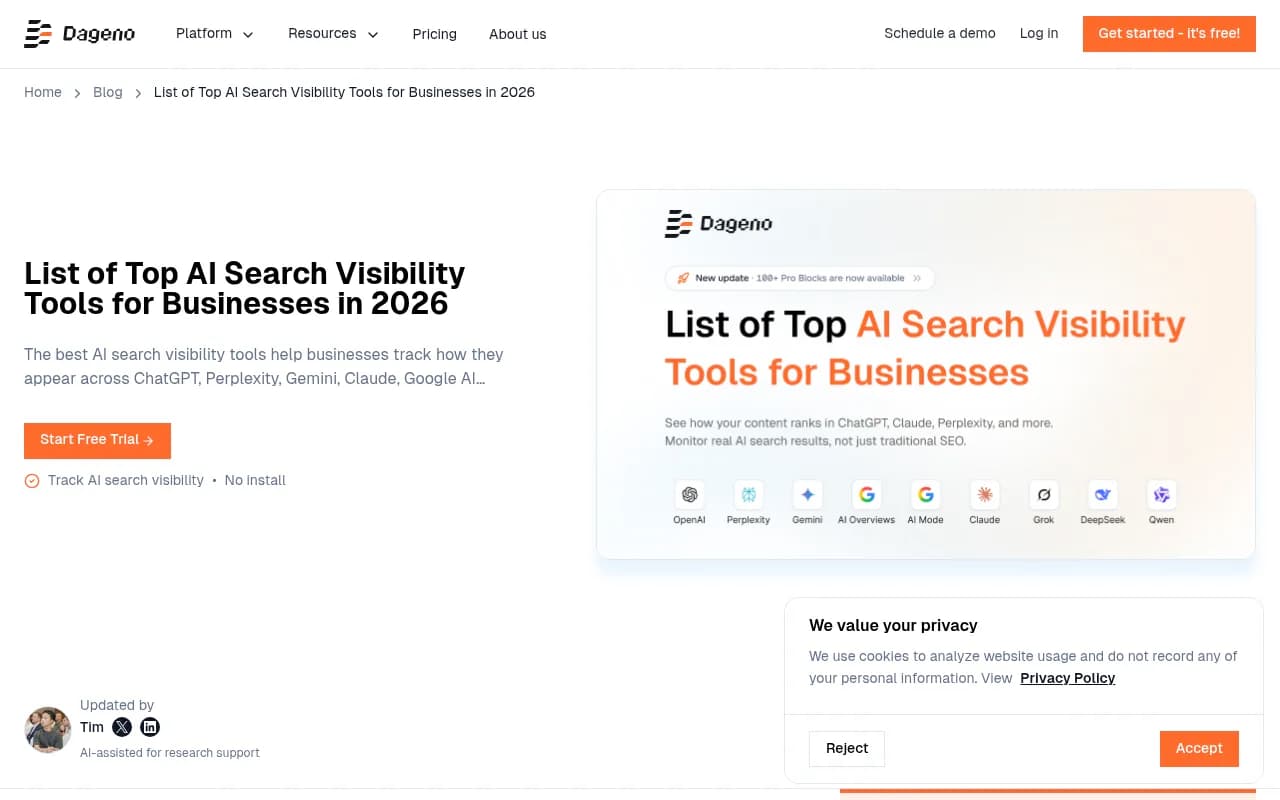
Dageno AI takes a different philosophy. Rather than positioning itself purely as a monitoring dashboard, it's built around a workflow: data monitoring → strategy → content generation → result attribution.
In practice, this means:
- You track where your brand appears across AI engines (similar to Peec AI)
- You get strategic recommendations on which gaps to prioritize
- You can generate content directly within the platform to address those gaps
- You track whether that content actually improved your visibility over time
The research from Dageno's own blog (yes, a biased source, but the workflow description is accurate) frames it this way: most AI visibility tools are diagnostic. Dageno tries to be prescriptive and executable.
For mid-market companies, a Reddit thread from someone who spent nine months testing AI visibility tools noted that Dageno AI offers "the best balance of features and usability" for teams with dedicated marketing budgets. Small businesses with leaner resources will want to weigh whether that extra workflow depth is worth the higher price.
Head-to-head comparison
Here's how the two platforms stack up across the dimensions that matter most to small businesses:
| Feature | Peec AI | Dageno AI |
|---|---|---|
| AI model coverage | Flexible selection | Multi-engine (ChatGPT, Perplexity, Gemini, Claude, others) |
| Prompt tracking | Yes | Yes |
| Competitor tracking | Yes | Yes |
| Citation analysis | Basic | More detailed |
| Content generation | No | Yes |
| Strategy recommendations | No | Yes |
| Result attribution | No | Yes |
| Seat limits | Unlimited on all plans | Varies by plan |
| Entry price | Lower | Higher |
| Best for | Monitoring-focused teams | Teams that want to act on data |
| Setup complexity | Low | Moderate |
| Crawler/agent logs | Not available | Limited |
The table makes the core trade-off obvious: Peec AI is simpler and cheaper to get started with. Dageno AI costs more but gives you more tools to actually do something with what you find.
Where Peec AI works well
Peec AI makes sense if:
- You're just getting started with AI visibility and want to understand the landscape before investing heavily
- Your team is small and you need multiple people to have access without paying per seat
- You already have a content team or agency that can act on the data independently
- Your budget is tight and you need the most affordable entry point into AI monitoring
The unlimited seats feature is genuinely useful. A lot of platforms charge per user, which gets expensive fast when your marketing manager, content writer, and agency contact all need to log in. Peec AI sidesteps that friction.
The flexible model selection is also worth noting. Some platforms lock you into tracking a fixed set of AI engines. Peec AI lets you choose, which matters if your audience is concentrated on specific platforms (say, Perplexity for a tech-savvy B2B audience).
Where Dageno AI works well
Dageno AI makes sense if:
- You want a single platform that takes you from "we're invisible" to "here's what we published and here's how it moved the needle"
- You don't have a separate content strategy team and need the tool to guide you
- You're willing to pay more for a platform that reduces the manual work between insight and action
- You want to track whether your GEO efforts are actually working over time
The attribution piece is particularly valuable. Most monitoring tools tell you your visibility score went up. Dageno's result attribution tries to connect specific content changes to specific visibility improvements — which is the kind of data that justifies continued investment in GEO.
The gap both tools share
Here's something worth saying directly: both Peec AI and Dageno AI are relatively newer platforms, and neither has the depth of data infrastructure that larger platforms have built up.
If you need things like:
- Real-time AI crawler logs showing when ChatGPT or Perplexity actually visits your pages
- Prompt volume estimates and difficulty scoring to prioritize which prompts are worth targeting
- Reddit and YouTube citation tracking (because AI models cite these sources heavily)
- ChatGPT Shopping tracking if you sell products
- Multi-region and multi-language monitoring
...then you'll hit the ceiling of both tools fairly quickly.
Platforms like Promptwatch are built specifically around this kind of depth — tracking over 4.5 billion citations, offering AI crawler logs, and including content generation tools that are grounded in real prompt data rather than generic SEO logic. It's worth knowing that option exists, especially as your AI visibility program matures.

Pricing reality for small businesses
Neither Peec AI nor Dageno AI publishes fully transparent pricing in a way that makes direct comparison easy, which is a frustration common across this category. Based on available information:
- Peec AI's Starter and Pro plans are positioned as accessible for small teams, with the unlimited seats feature making the per-user math work out better than competitors
- Dageno AI sits at a higher price point, more appropriate for teams with a dedicated marketing budget
For a small business spending carefully, Peec AI's lower entry cost is real. But the hidden cost of a monitoring-only tool is the time your team spends figuring out what to do with the data. If you're paying for Peec AI and then spending hours each month trying to turn insights into content strategy, the total cost of that workflow might exceed what Dageno charges.
That's not an argument to automatically pick Dageno — it's an argument to be honest about what you'll actually do with the tool before you buy it.
What other tools in this space offer
Peec AI and Dageno AI aren't the only options worth knowing about. A few others that come up in the small business context:
Otterly.AI is another monitoring-focused platform, similar in positioning to Peec AI. Good for tracking, limited for acting on what you find.
Otterly.AI

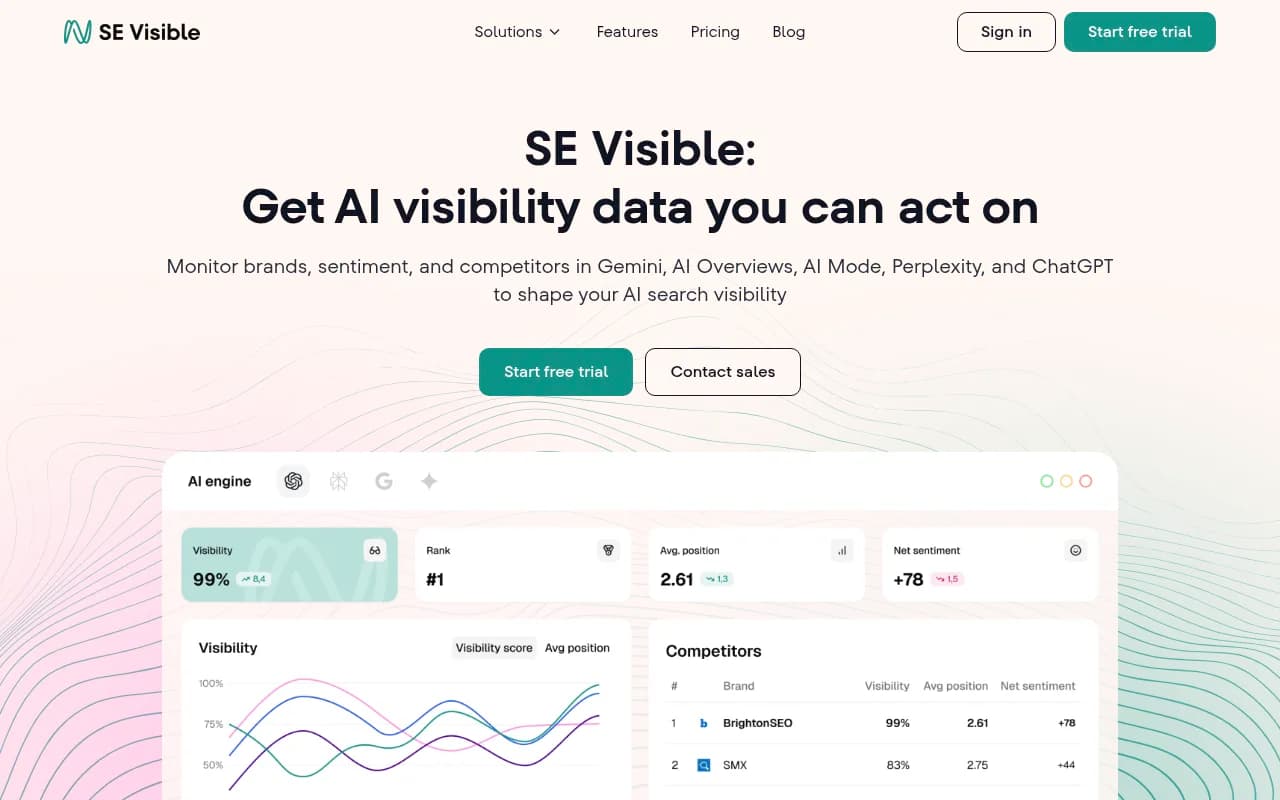
SE Visible (from SE Ranking) is worth a look if you're already using SE Ranking for traditional SEO and want to add AI monitoring without switching platforms.
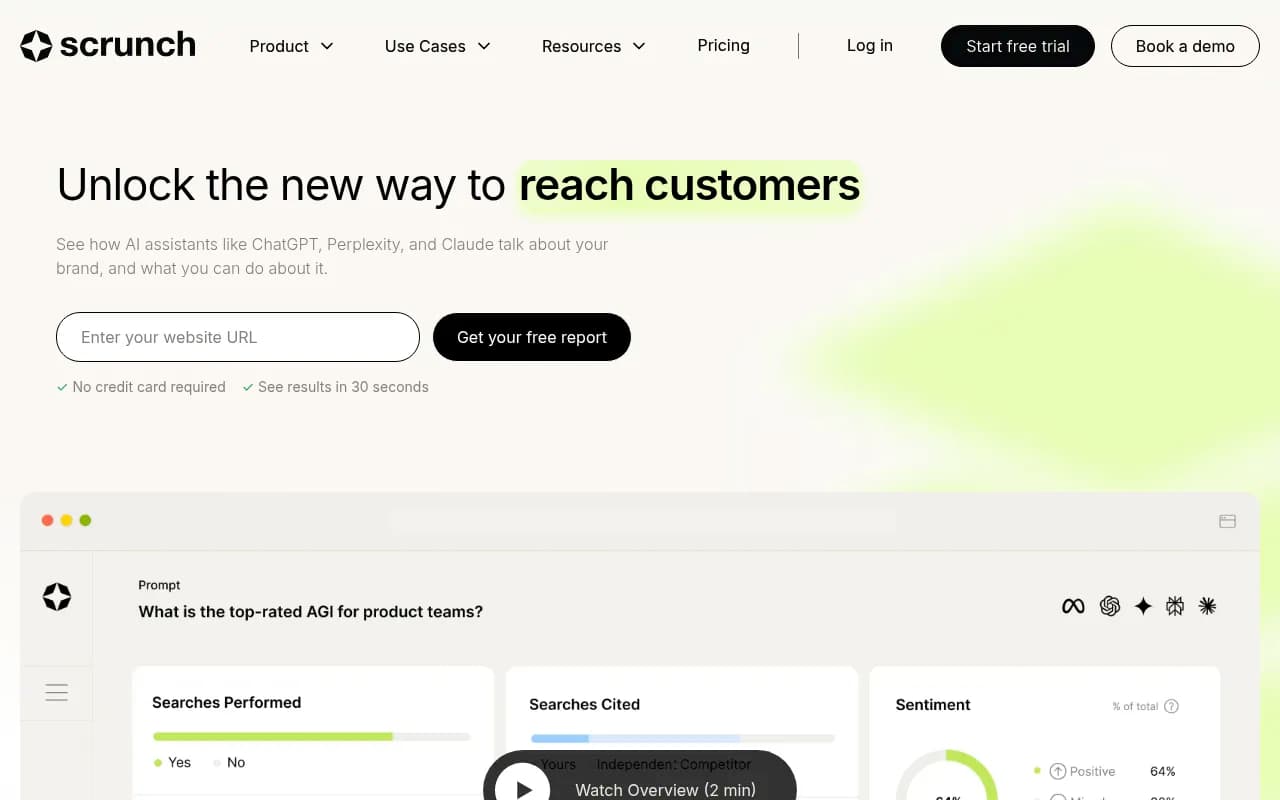
Scrunch AI has been mentioned alongside Dageno as a platform that balances features and usability for mid-market teams.
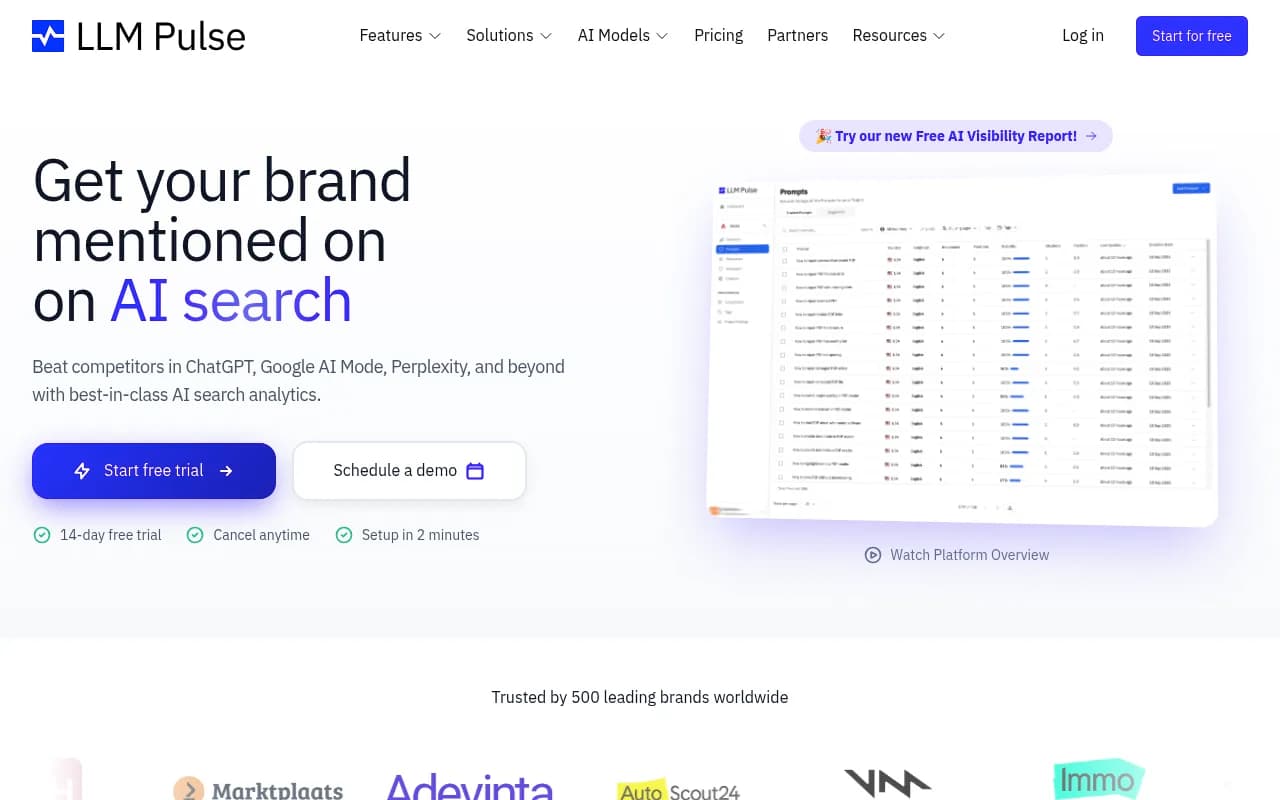
For small businesses that want to start simple and scale up, LLM Pulse and Rankshift are lighter-weight options worth exploring before committing to a more expensive platform.

How to decide
Ask yourself these three questions:
1. What will I actually do with the data?
If you have a content team or agency that can take monitoring data and run with it, Peec AI's lower price and unlimited seats make it a reasonable starting point. If you don't have that infrastructure, you'll need a tool that guides you through the "now what" — which points toward Dageno or a more full-featured platform.
2. How many AI engines matter to my audience?
If your customers are concentrated on one or two platforms (ChatGPT and Google AI Overviews, for example), simpler monitoring tools work fine. If you need broad coverage across ChatGPT, Perplexity, Gemini, Claude, Grok, DeepSeek, and others, make sure the tool you choose actually tracks all of them.
3. Do you need to prove ROI?
If you're a solo marketer or small team where "I can see we're being cited more" is enough, Peec AI works. If you need to show a boss or client that your GEO investment is driving traffic or revenue, you need attribution — which Dageno offers and Peec AI doesn't.
The bottom line
Peec AI is a clean, accessible monitoring tool that works well for small businesses that want to understand their AI search visibility without a big upfront investment. The unlimited seats and flexible model selection are genuine advantages.
Dageno AI is the better choice if you want a platform that takes you from data to action — but it costs more and requires more from your team to get full value from it.
Neither tool is a complete solution for businesses that want to seriously compete in AI search. For that, you'll eventually want crawler logs, prompt intelligence, content generation grounded in real citation data, and attribution that connects visibility to revenue. That's a different category of platform entirely — and worth knowing about before you outgrow your first tool.
Start with what matches your current workflow and budget. Just don't mistake "we can see our visibility score" for "we're doing GEO." Measurement is the beginning, not the goal.