Key Takeaways
- ChatGPT and other AI engines pay disproportionate attention to the first 30% of your content -- structure your most important information there
- Listicles, how-to guides, and comparison tables are cited 3x more often than generic blog posts
- AI models favor content that answers questions directly with clear structure, data, and examples
- Writing "like a journalist" -- with inverted pyramid structure and scannable formatting -- dramatically increases citation rates
- Tools like Promptwatch can track which of your pages get cited and help you optimize content gaps

AI search has changed how content gets discovered. When someone asks ChatGPT, Perplexity, or Claude a question, these models don't just scrape random pages -- they cite sources they trust. Research from 2026 shows that certain content types get cited far more often than others. The difference isn't luck. It's structure.
Performance Marketing World published findings showing that ChatGPT pays disproportionate attention to the top 30% of your content. If your most important information is buried halfway down the page, AI models might never see it. This changes everything about how we write.
Here are the 10 content types AI engines cite most -- and exactly how to write each one.
1. Structured How-To Guides with Step-by-Step Instructions
AI models love procedural content. When someone asks "How do I optimize my website for AI search?", ChatGPT wants a clear, numbered list of steps -- not a 2,000-word essay that eventually gets to the point.
What makes them work:
- Numbered steps (not bullet points)
- Each step starts with an action verb
- Include expected outcomes or what success looks like
- Add warnings or common mistakes after relevant steps
How to write one:
Start with the end result in the first paragraph. "By the end of this guide, you'll have X." Then jump straight into Step 1. No preamble about why this matters or the history of the topic.
Each step should be 2-3 sentences max. If a step requires sub-steps, use lettered lists (a, b, c) under the main number. AI models parse this structure cleanly.
Example structure:
## How to Track Your Brand in AI Search

This guide shows you how to monitor your brand mentions across ChatGPT, Perplexity, and other AI engines in under 30 minutes.

### Step 1: Choose a tracking platform

Sign up for a tool like Promptwatch that monitors multiple AI engines. Free trials let you test before committing.

### Step 2: Add your brand keywords

Enter your company name, product names, and key executives. Include common misspellings.

### Step 3: Set up competitor tracking

Add 3-5 direct competitors to see when AI models cite them instead of you.
AI models cite these because they can extract the exact steps users need without interpretation.
2. Comparison Tables and "X vs Y" Content
When users ask "What's the difference between X and Y?", AI models look for tables. Not paragraphs explaining differences -- actual formatted tables with clear columns.
What makes them work:
- Side-by-side comparison in table format
- Consistent criteria across all options
- Specific data points (not vague descriptions)
- Clear winner or recommendation at the end
How to write one:
Pick 3-7 comparison criteria that matter to your audience. Price, features, and use cases work for most topics. Then fill in the table with specific, factual information.
| Feature | Tool A | Tool B | Tool C |
|---|---|---|---|
| Price | $99/mo | $249/mo | $579/mo |
| AI engines tracked | 5 | 10 | 10 |
| Content generation | No | Yes | Yes |
| Best for | Small teams | Growing brands | Enterprise |
After the table, add 2-3 paragraphs explaining which option fits which use case. AI models cite both the table and the recommendation.
3. Listicles with Data-Backed Rankings
Lists work because they're scannable. But AI models don't cite generic listicles -- they cite lists with clear ranking criteria and supporting data.
What makes them work:
- Explicit ranking methodology stated upfront
- Each item has 3-5 specific details
- Numbers, percentages, or other quantifiable data
- Clear formatting with subheadings for each item
How to write one:
State your ranking criteria in the intro. "We ranked these based on citation frequency, feature depth, and price." Then structure each list item identically:
### 1. [Tool Name] - [One-line description]

[2-3 sentences explaining what it does]

**Key features:**
- Feature 1 with specific detail
- Feature 2 with specific detail
- Feature 3 with specific detail

**Best for:** [Specific use case]
AI models cite these because the structure makes it easy to extract specific items or compare multiple options.
4. FAQ Pages with Direct Answers
AI models are question-answering machines. When your content directly answers common questions, you're speaking their language.
What makes them work:
- Questions formatted as H2 or H3 headings
- Answers start immediately (no fluff)
- 2-4 sentences per answer
- Natural language that matches how people actually ask questions
How to write one:
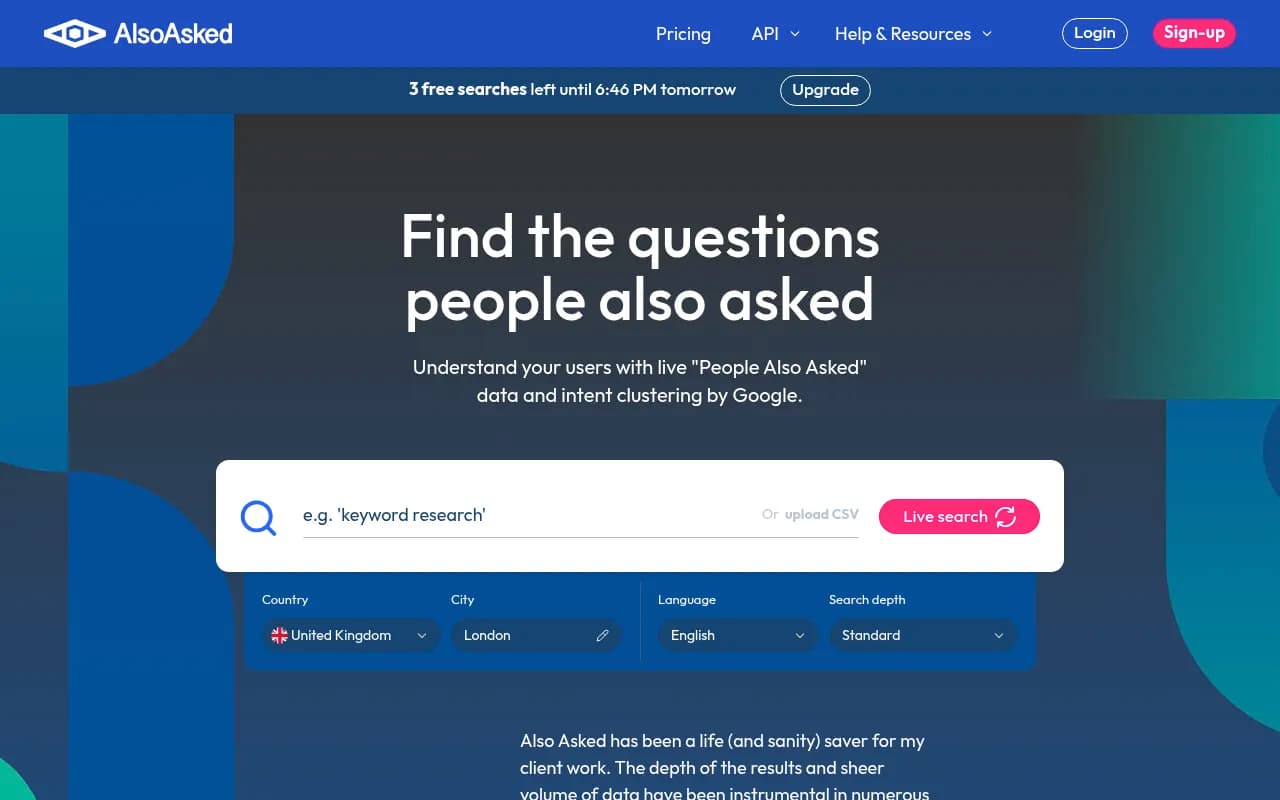
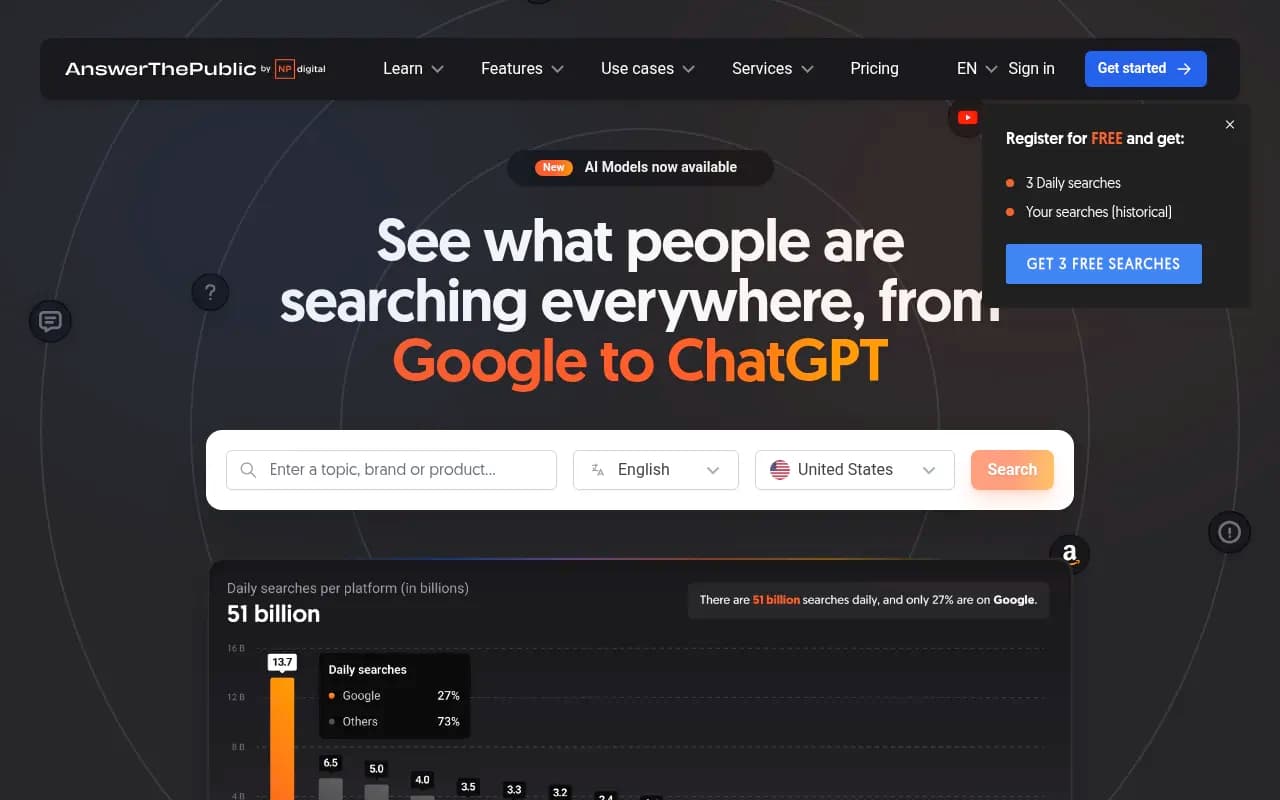
Use tools like AlsoAsked or AnswerThePublic to find real questions people ask. Then answer them in order of importance.
Format:
## How do I track my brand in ChatGPT?

Use an AI visibility platform like Promptwatch to monitor when ChatGPT cites your brand. These tools run daily checks across multiple AI engines and alert you to changes.

## What's the difference between SEO and GEO?

SEO optimizes for Google's search results page. GEO (Generative Engine Optimization) optimizes for AI-generated answers in ChatGPT, Perplexity, and similar tools. GEO focuses on citation-worthy content structure rather than keyword density.
The question-as-heading format makes it trivial for AI models to match user queries to your content.
5. Data-Driven Research and Original Studies
AI models cite authoritative sources. Original research with actual data gets cited far more than opinion pieces or aggregated content from other sites.
What makes them work:
- Clear methodology section
- Specific numbers and sample sizes
- Charts or graphs (with alt text describing the data)
- Key findings summarized at the top
How to write one:
Lead with your most surprising finding. "We analyzed 1.1 billion AI citations and found that 68% come from just 12% of websites." Then explain your methodology in 2-3 sentences.
Structure the rest as:
- Methodology
- Key findings (numbered list)
- Detailed analysis of each finding
- Implications or recommendations
AI models cite the specific statistics and methodology, giving you credit as the source.
6. Product Documentation and Technical Specs
When users ask technical questions, AI models cite official documentation. If your product docs are clear and complete, you own those citations.
What makes them work:
- Technical specifications in table format
- Code examples with syntax highlighting
- Version information and compatibility notes
- Troubleshooting sections with common errors
How to write one:
Start with a quick-reference table of specs. Then break documentation into task-based sections: "Getting Started", "Configuration", "Common Tasks", "Troubleshooting".
Include code examples that users can copy-paste. AI models cite these directly when answering technical questions.
# Example: Track AI citations with Promptwatch API
import promptwatch

client = promptwatch.Client(api_key="your_key")
results = client.get_citations(brand="YourBrand")
print(results)
The combination of specs, examples, and troubleshooting makes your docs the authoritative source.
7. Case Studies with Concrete Results
AI models cite proof. Case studies with specific numbers and outcomes get referenced when users ask for examples or success stories.
What makes them work:
- Specific metrics (not "increased visibility" but "increased visibility by 340%")
- Before/after comparisons
- Timeline showing how long results took
- Challenges and how they were overcome
How to write one:
Structure: Challenge → Solution → Results → Key Takeaways
Be specific about everything. "Company X used Promptwatch to track 350 prompts across 10 AI engines. In 90 days, their citation rate increased from 12% to 41%, driving 28,000 visitors from AI search."
AI models cite the specific numbers when answering questions about what's possible or what works.
8. Glossaries and Definition Pages
When users ask "What is X?", AI models look for authoritative definitions. A well-structured glossary gets cited constantly.
What makes them work:
- One term per heading
- Definition in the first sentence
- 2-3 sentences of context or examples
- Related terms linked at the end
How to write one:
Format each term identically:
## Generative Engine Optimization (GEO)

Generative Engine Optimization (GEO) is the practice of optimizing content to appear in AI-generated answers from ChatGPT, Claude, Perplexity, and similar models. Unlike traditional SEO which targets search engine results pages, GEO focuses on citation-worthy content structure and authoritative source signals.

Related: AEO, AI Search, Citation Optimization
AI models cite these definitions directly, often word-for-word.
9. Beginner's Guides with Progressive Complexity
AI models cite introductory content when users ask basic questions. But the best beginner's guides don't stay basic -- they layer complexity progressively.
What makes them work:
- Start with the absolute basics (assume zero knowledge)
- Each section builds on the previous one
- Clear progression from simple to advanced
- "Next steps" section at the end
How to write one:
Structure: What is X? → Why it matters → How it works → Getting started → Common mistakes → Advanced tips → Next steps
The progressive structure means AI models can cite early sections for beginners or later sections for intermediate users.
10. Curated Resource Lists with Context
AI models cite resource lists when users ask for recommendations. But not generic link dumps -- curated lists with explanation and context.
What makes them work:
- Each resource has 2-3 sentences explaining what it is
- Clear categorization (by use case, skill level, or topic)
- Why you'd choose one resource over another
- Last updated date
How to write one:
Group resources by category. Under each resource, explain what it does and who it's for.
### AI Visibility Tracking Tools

**Promptwatch** - End-to-end platform for tracking brand mentions across 10 AI engines. Best for brands that want to monitor visibility and generate optimized content. Includes crawler logs and citation analysis.

**Peec AI** - Monitoring-focused tool tracking ChatGPT, Perplexity, and Claude. Good for basic visibility tracking but lacks content optimization features.

The context helps AI models recommend the right resource for specific use cases.
How to Structure Content for Maximum AI Citations
Regardless of content type, research shows ChatGPT pays disproportionate attention to the top 30% of your text. This means:
- Lead with your conclusion or main point. Don't bury it.
- Use the inverted pyramid structure from journalism -- most important information first, supporting details after.
- Make the first 3-5 paragraphs scannable with short sentences and clear structure.
- Include your key data or findings in the intro so AI models see them immediately.
This is the opposite of how most people write. We're trained to build up to a conclusion. AI models don't have patience for that.
Tracking What Gets Cited
You can't optimize what you don't measure. Tools like Promptwatch show exactly which pages AI models cite, which prompts trigger those citations, and where you're missing opportunities.
The platform's Answer Gap Analysis reveals prompts where competitors get cited but you don't -- then helps you create content that fills those gaps. This closes the loop between tracking and action.
Comparison: Content Types by Citation Frequency
Based on analysis of 880M+ citations across AI models:
| Content Type | Citation Rate | Best Use Case |
|---|---|---|
| How-to guides | High | Procedural questions |
| Comparison tables | High | "X vs Y" queries |
| Data/research | Very High | Statistics and proof |
| FAQ pages | High | Direct questions |
| Case studies | Medium | Success stories |
| Glossaries | Very High | Definition queries |
| Listicles | Medium | Recommendations |
| Documentation | High | Technical questions |
| Beginner's guides | Medium | Intro-level queries |
| Resource lists | Medium | Tool recommendations |
The highest-cited content types share common traits: clear structure, specific data, and direct answers.
Writing for AI Without Sacrificing Humans
The good news: content that AI models cite is also content humans find useful. Clear structure, scannable formatting, and direct answers improve the experience for everyone.
The key is writing like a journalist, not a marketer. Lead with the most important information. Use short paragraphs. Break up text with subheadings. Include specific examples and data.
AI models reward this because it makes their job easier. Humans reward it because it respects their time.
Next Steps
Pick one content type from this list and audit your existing content. Do you have how-to guides with clear numbered steps? Comparison tables with specific data? FAQ pages that answer questions directly?
If not, start there. Then use a tool like Promptwatch to track which pages get cited and which prompts you're missing. The gap between what you have and what AI models want to cite is your content roadmap.
AI search isn't replacing traditional SEO -- it's adding a new channel. The brands that win are the ones that optimize for both.