Key takeaways
- Rankshift is a solid AI visibility monitoring tool with clean dashboards and multi-LLM tracking across ChatGPT, Perplexity, Gemini, and others.
- It's best suited to teams who want a dedicated, focused tracker rather than an all-in-one GEO platform.
- The core limitation: like most monitoring tools, Rankshift shows you where you're invisible but doesn't help you fix it. No content generation, no gap analysis, no crawler logs.
- Pricing starts around the mid-market range, making it accessible but worth comparing against alternatives before committing.
- If you need to go beyond tracking into actual optimization, you'll want to look at platforms with built-in content and gap analysis capabilities.
What is Rankshift?
Rankshift is an AI visibility tracking platform built specifically to measure how brands appear inside AI-generated answers. The pitch is straightforward: as more people use ChatGPT, Perplexity, Gemini, and similar tools to research products and services, traditional rank tracking stops telling the full story. Rankshift fills that gap by querying these AI models with prompts relevant to your brand and recording whether you show up, how often, and in what context.
The tool positions itself as a "leading AI visibility tracking and brand monitoring tool" in the GEO space. That's a crowded claim in 2026, with dozens of platforms making similar promises. So the real question isn't whether Rankshift does what it says. It's whether what it does is actually enough.

What Rankshift actually tracks
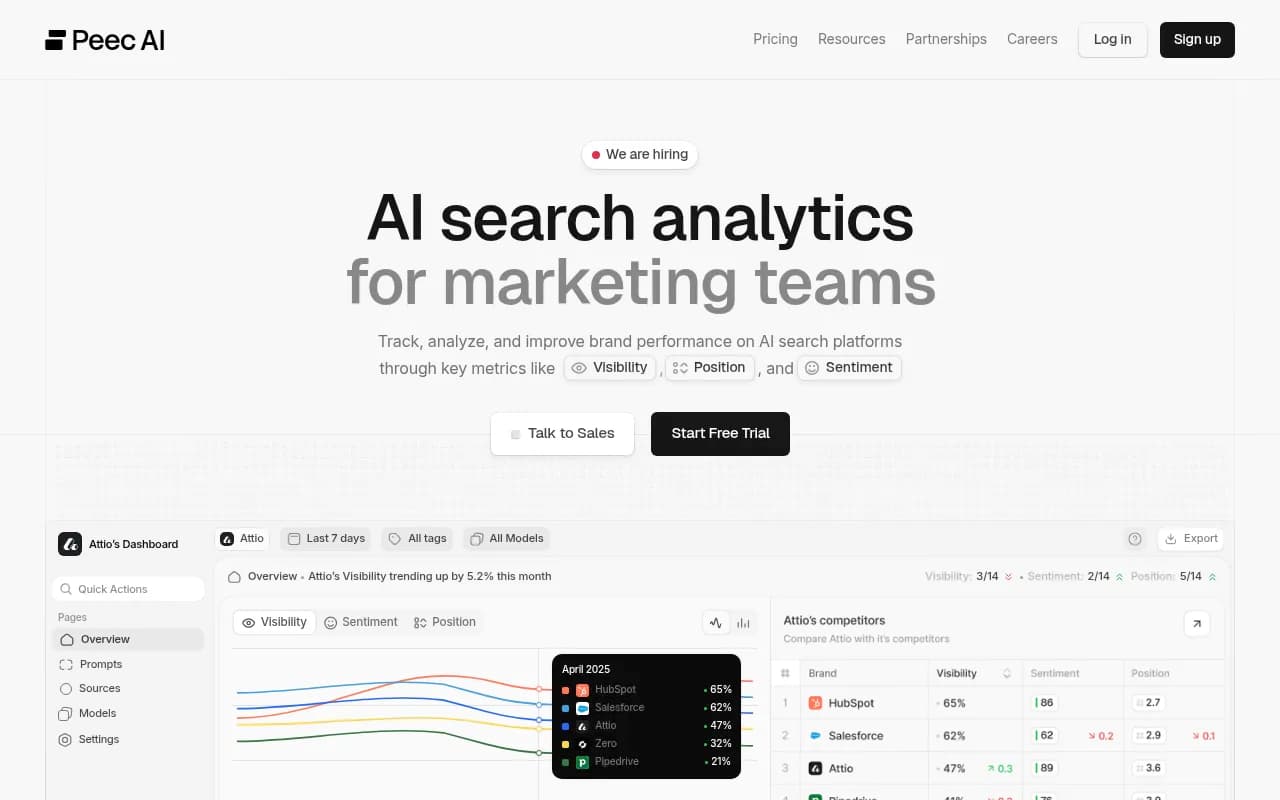
At its core, Rankshift runs your configured prompts through multiple LLMs and captures the outputs. You get visibility scores, brand mention rates, and comparisons against competitors for the same prompts. The interface is clean and the data is reasonably easy to interpret.
Here's what the monitoring covers:
- Brand mention detection across ChatGPT, Perplexity, Gemini, and other major AI models
- Prompt-level visibility scores showing how often your brand appears in responses
- Competitor comparisons for the same prompt sets
- Trend tracking over time so you can see if visibility is improving or declining
- Share of voice metrics across AI engines
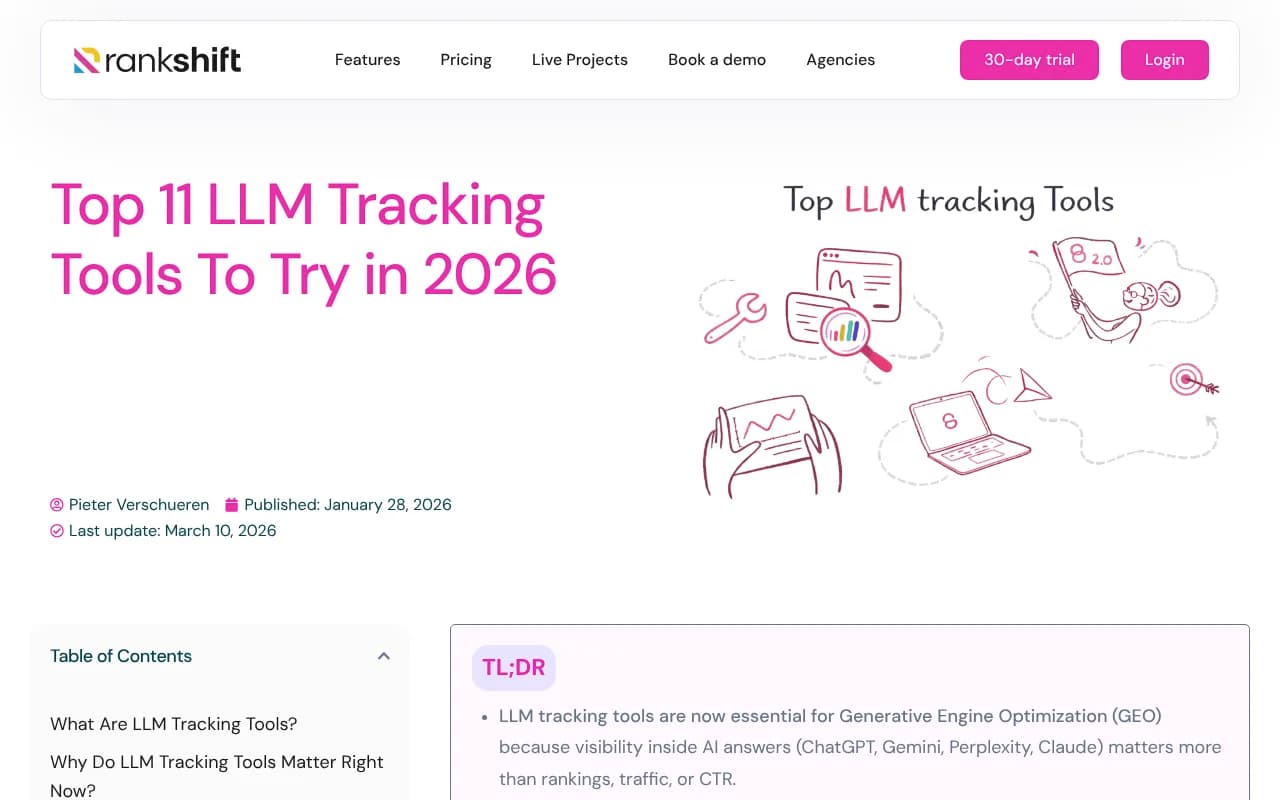
The setup process is fairly standard for this category. You define your brand, add competitor names, configure a set of prompts that represent how your target customers might search for you, and let the platform run. Results start populating within hours.
Where Rankshift performs well
Clean, focused interface
One thing Rankshift gets right is not overcomplicating the experience. The dashboard surfaces the metrics that matter most without burying you in noise. If you're a marketing manager who needs to report on AI visibility to stakeholders, the charts and scores are easy to screenshot and share.
Multi-LLM coverage
Rankshift tracks across the major AI engines, which matters because visibility isn't uniform. A brand might rank well in Perplexity responses but barely appear in ChatGPT answers. Seeing this breakdown by model helps you understand where to focus.
Competitor benchmarking
The side-by-side competitor view is genuinely useful. Knowing that a competitor appears in 68% of relevant AI responses while you appear in 23% is the kind of concrete data that makes GEO a priority in budget conversations.
Trend data
Longitudinal tracking is where monitoring tools earn their keep. Rankshift shows you whether your visibility is moving in the right direction over weeks and months, which helps you connect content and PR efforts to actual AI visibility changes.
Where Rankshift falls short
It monitors. It doesn't optimize.
This is the central tension with Rankshift and most tools in this category. The platform tells you that you're invisible for a set of prompts. It doesn't tell you why, and it doesn't help you fix it.
There's no answer gap analysis showing which specific topics or angles your content is missing. There's no built-in content generation to help you create pages that AI models are more likely to cite. There's no AI crawler log showing which of your pages the bots are actually reading and which ones they're ignoring.
You get the diagnosis. The treatment is up to you.
No traffic attribution
Knowing your AI visibility score is one thing. Knowing whether that visibility is driving actual traffic and revenue is another. Rankshift doesn't connect the dots between AI mentions and site visits or conversions. You'd need to layer in other analytics tools and do that correlation manually.
Prompt volume and difficulty data is limited
When you're deciding which prompts to prioritize, you want to know how many people are actually asking them and how competitive the landscape is. Rankshift's prompt intelligence is basic compared to platforms that offer volume estimates, difficulty scores, and query fan-outs that show how one prompt branches into related searches.
No Reddit or YouTube tracking
A significant portion of what AI models cite comes from Reddit discussions, YouTube videos, and forum content. Rankshift focuses on your own brand visibility but doesn't surface the third-party sources that are influencing AI recommendations about your category. That's a meaningful blind spot for teams trying to understand the full picture.
Rankshift vs. the competition
The GEO tool landscape in 2026 has split into two camps: monitoring-only dashboards and full optimization platforms. Rankshift sits firmly in the first camp. That's not a knock on the product, but it's important context when evaluating whether it's the right fit.
| Tool | LLM monitoring | Content generation | Crawler logs | Traffic attribution | Reddit/YouTube tracking |
|---|---|---|---|---|---|
| Rankshift | Yes | No | No | No | No |
| Otterly.AI | Yes | No | No | No | No |
| Peec AI | Yes | No | No | No | No |
| AthenaHQ | Yes | No | No | No | No |
| Promptwatch | Yes | Yes | Yes | Yes | Yes |
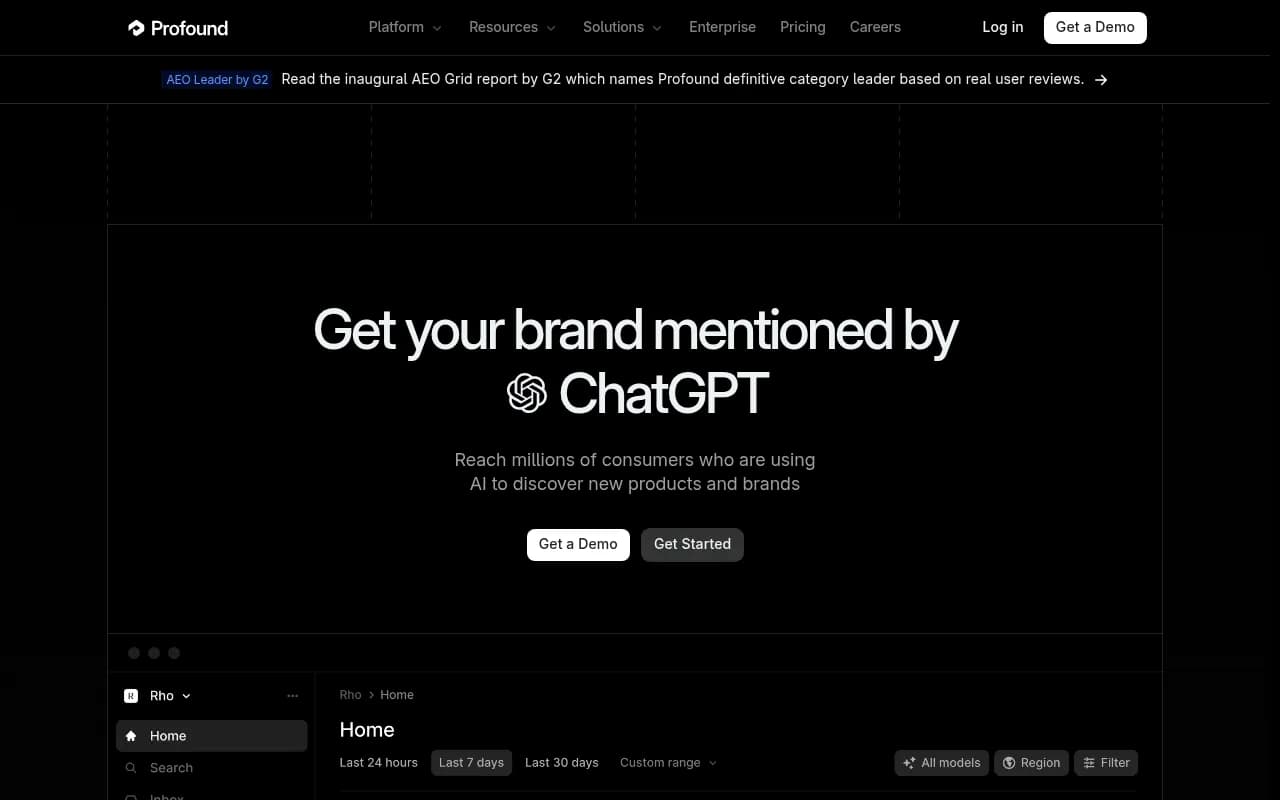
| Profound | Yes | Limited | No | No | No |
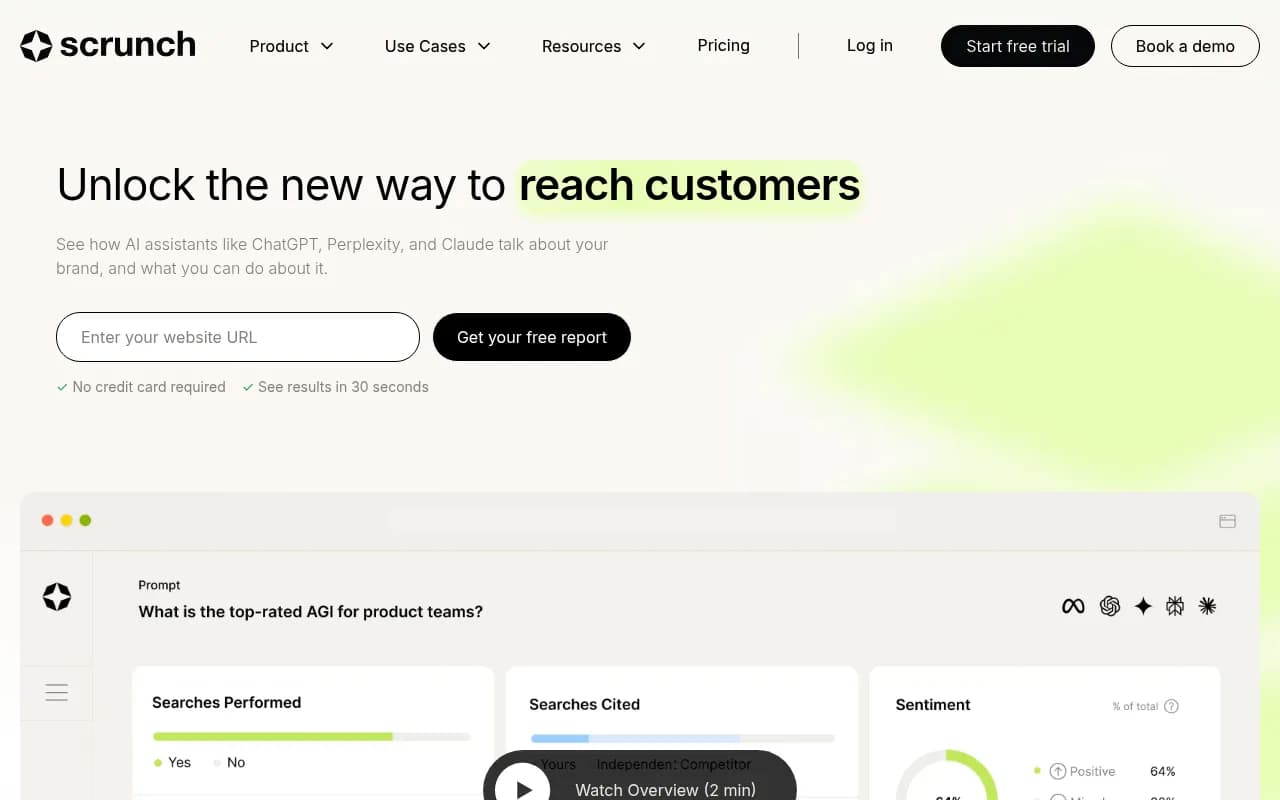
| Scrunch AI | Yes | Limited | No | No | No |
Otterly.AI


Profound
The monitoring-only tools (Rankshift, Otterly.AI, Peec AI) are cheaper and simpler to get started with. They're fine for teams that just need visibility data to report upward or validate that GEO efforts are working. The problem is that most teams using these tools eventually hit a wall: they know they're invisible, but the tool doesn't help them become visible.
Promptwatch takes a different approach. It's built around an optimization loop rather than just a monitoring loop. The Answer Gap Analysis shows exactly which prompts competitors rank for that you don't, and the built-in AI writing agent generates content specifically engineered to get cited by AI models. That's a fundamentally different value proposition.

Who should use Rankshift?
Rankshift makes sense for a specific type of user:
- Teams that are just starting with GEO and want a simple, dedicated tracker to establish baseline visibility data
- Brands that already have strong content operations and just need monitoring to verify their GEO efforts are working
- Agencies that need a lightweight, affordable option to add AI visibility reporting to client dashboards without a major platform investment
It's less suited to teams that need to actively improve their AI visibility, not just measure it. If your visibility scores are low and you need to do something about it, Rankshift will confirm the problem but leave you to figure out the solution elsewhere.
Alternatives worth considering
If Rankshift's monitoring-only approach isn't enough, here are a few alternatives depending on what you need:
For full optimization (not just tracking): Promptwatch is the most complete option in 2026, with content gap analysis, AI content generation, crawler logs, and traffic attribution all in one platform. It's more expensive than Rankshift but does significantly more.
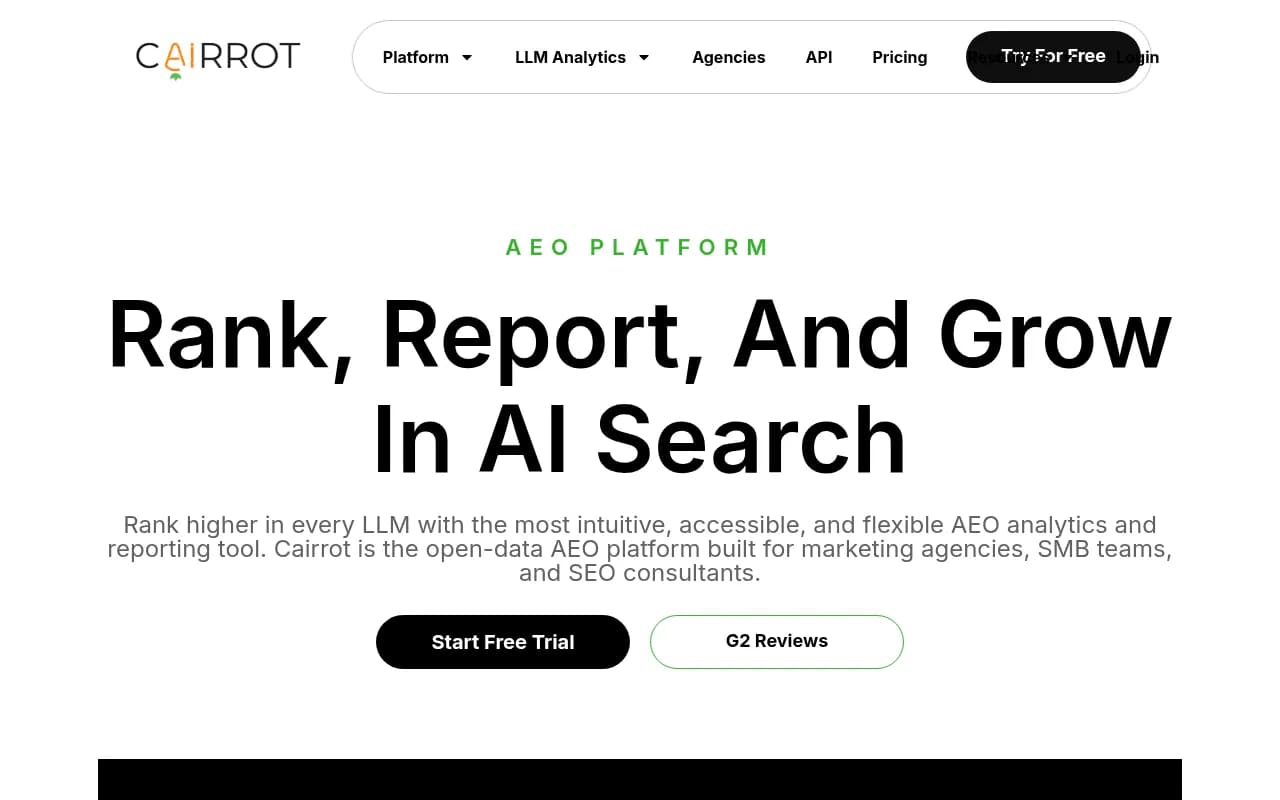
For agency-focused tracking: Cairrot offers multi-brand management at competitive pricing and is worth a look for agencies managing several clients.
For enterprise-scale monitoring: Profound and Scrunch AI have stronger enterprise features and deeper integrations, though at higher price points.
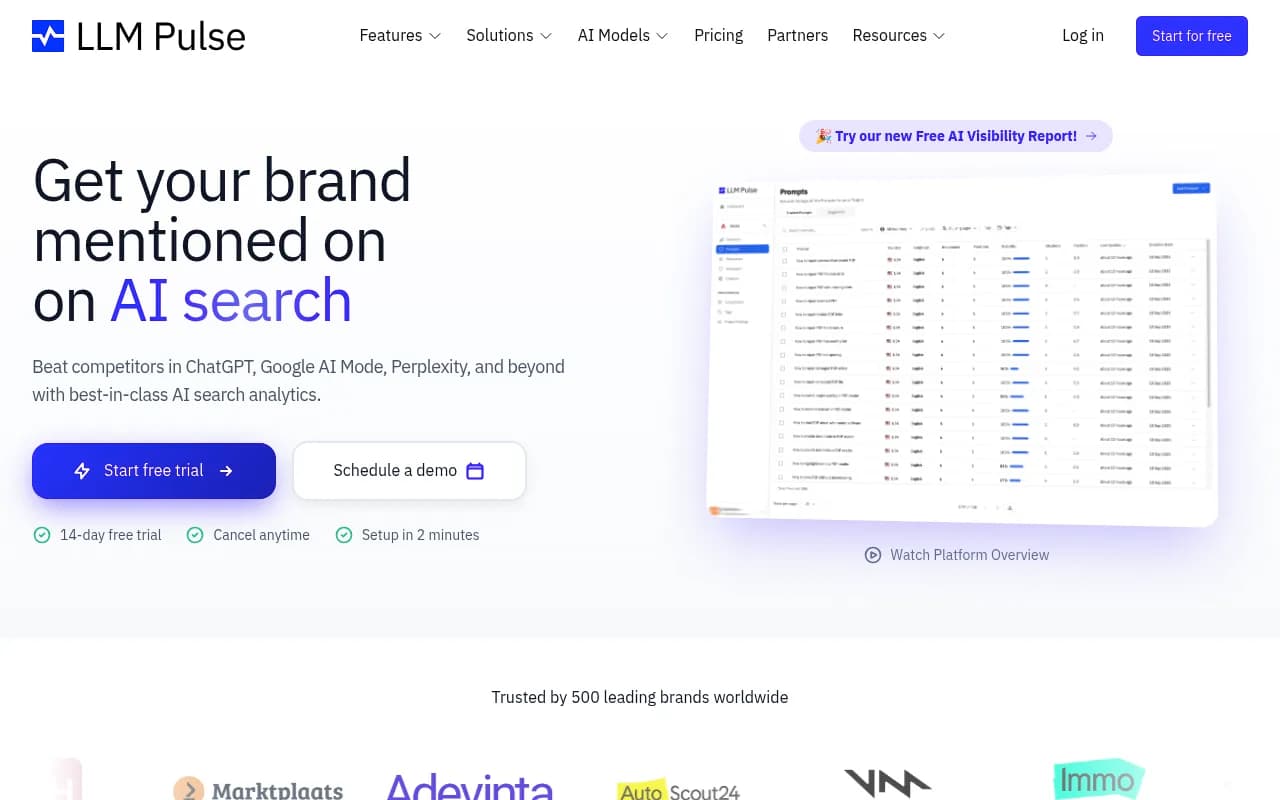
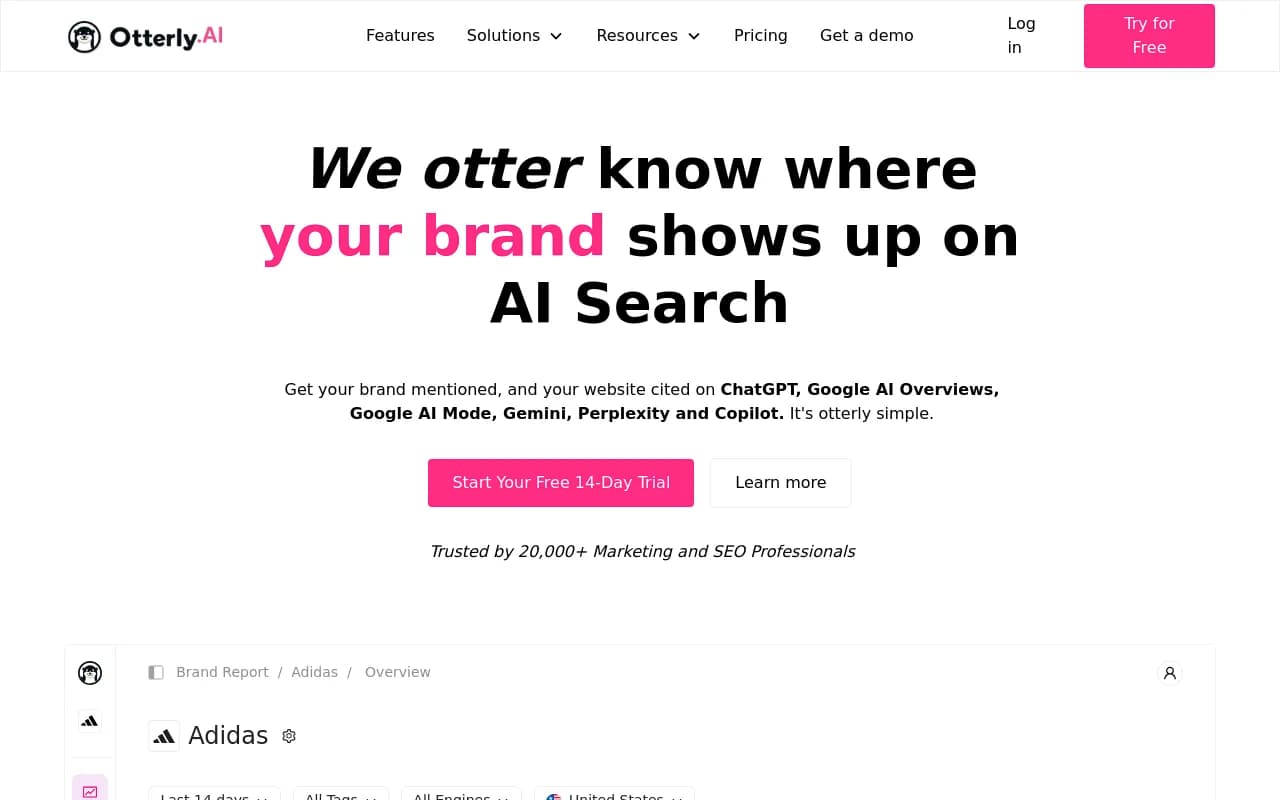
For budget-conscious teams: LLM Pulse and Otterly.AI are in the same monitoring-only category as Rankshift but may have pricing structures that work better depending on your prompt volume needs.
Pricing context
Rankshift offers a 30-day free trial with no credit card required, which is a low-friction way to test whether the data is useful for your specific situation. Paid plans scale based on the number of prompts and brands tracked.
Without getting into specific numbers that may have changed, Rankshift sits in the mid-market range for this category. It's more expensive than the cheapest monitoring tools but less expensive than full optimization platforms. Whether that's good value depends entirely on whether monitoring data alone is enough for your team.
The honest verdict
Rankshift does what it says. The tracking is reliable, the interface is clean, and the competitor benchmarking is genuinely useful. If you want a dedicated AI visibility tracker that doesn't require a steep learning curve, it's a reasonable choice.
But "useful data" and "just another dashboard" aren't mutually exclusive. Rankshift gives you useful data inside a dashboard that can't act on that data for you. For teams that need to move from knowing they're invisible to actually becoming visible, that gap matters.
The GEO tools that will win in 2026 aren't the ones with the prettiest visibility charts. They're the ones that close the loop between measurement and action. Rankshift measures well. Whether that's enough depends on what your team does next.