SurgeGraph Review 2026
SurgeGraph Vertex is an AI writing platform built specifically for traffic growth. It analyzes top-ranking competitors, identifies content gaps, generates comprehensive SEO-optimized articles, and helps build topical authority through strategic content planning. Used by 10,000+ businesses to scale c

Key Takeaways:
• Traffic-focused AI writer that analyzes SERP competitors and generates content engineered to outrank them, not just generic articles • Proven results: Company grew their own blog from zero to 33,600 monthly visitors in 8 months using only SurgeGraph-generated content • Best for: Content marketers, SEO agencies, solopreneurs, and businesses serious about growing organic traffic through strategic content • Limitations: Requires 2-3 months to see traffic results (Google indexing timeline), learning curve for advanced features like Flex workflows • Pricing: $29.92-$49.99/mo for 30 AI articles, with BYOK option for up to 2,000 articles/month using your own API keys
SurgeGraph Vertex positions itself as a "traffic machine" rather than just another AI writing tool -- and after digging into how it works and what users are achieving with it, that's not marketing fluff. This is a platform built around a specific philosophy: you can't rank on Google by writing content in a vacuum. You need to analyze what's already winning, then create something demonstrably better.
The tool was born from the founders' own painful failures trying to grow traffic for their previous product. After burning money on SEO tools and churning out generic AI content that went nowhere, they figured out the core problem: they never studied what was actually ranking. Once they shifted to competitor-driven content creation, their traffic exploded -- 2,002.9% growth sitewide, with their new blog hitting 33,600 monthly visitors in 8 months using zero backlinks or paid promotion.
That real-world testing became SurgeGraph's foundation. It's not a tool built by SEO theorists -- it's built by people who needed to solve their own traffic problem and documented the entire journey publicly in their "Zero to Hero" challenge.
How SurgeGraph Actually Works (The 3-Step Traffic System)
SurgeGraph's approach boils down to three core principles, each backed by specific features:
1. Beat the Best (Competitor Research) The Competitor Research module is where everything starts. You enter a target keyword, and SurgeGraph analyzes the top 10-20 results currently ranking on Google. It breaks down exactly why those pages are winning -- topic coverage, word count, content structure, subtopics addressed, semantic keywords used. More importantly, it monitors SERP changes over time, showing you which pages are climbing and which are dropping. If a competitor suddenly jumps from position 7 to position 3, SurgeGraph flags what changed and what you can learn from it. This isn't a one-time snapshot -- it's ongoing SERP intelligence that keeps you ahead of ranking shifts.
2. Build Topical Authority (Topic Discovery) Google doesn't reward one-off articles anymore. It rewards sites that demonstrate comprehensive expertise in a niche. Topic Discovery solves this by analyzing your competitors' entire content footprints and identifying topic clusters you should cover. Enter a seed keyword or competitor domain, and it generates hundreds of strategically grouped topics with search volume estimates and difficulty scores. You can see exactly which content gaps exist between you and competitors, then systematically fill them to build E-E-A-T (Experience, Expertise, Authoritativeness, Trustworthiness). The tool even suggests internal linking structures to connect your content clusters.
3. Stand Out With Uniqueness (Knowledge + Humanizer + Author Synthesis) This is where SurgeGraph separates itself from generic AI content mills. The Knowledge feature lets you build custom knowledge libraries -- proprietary data, case studies, internal research, brand-specific insights -- that the AI draws from when writing. This injects genuine information gain that competitors can't replicate. The Humanizer automatically rewrites AI-generated text to bypass detection tools (tested against GPTZero, Originality.ai, etc.). Author Synthesis trains the AI on your brand voice by analyzing existing content, so output matches your tone instead of sounding like every other AI article. Combined, these features produce content that reads naturally and offers unique value.
Vertex AI Writer: The Core Content Engine
Once you've done competitor research and picked a topic, Vertex AI Writer generates the actual article. The process is remarkably fast -- full 2,000-3,000 word articles in under 3 minutes. But speed isn't the selling point; it's the depth of optimization happening behind the scenes.
Vertex builds a comprehensive outline based on competitor analysis, ensuring you cover every subtopic the top-ranking pages address (plus additional angles they miss). It automatically includes contextual terms and semantic keywords Google expects to see. The block-by-block editor lets you regenerate individual sections without rewriting the entire article, which is huge for iterative refinement. You can inject custom commands at any point to steer the AI toward specific angles or brand mentions.
The tool supports five article types: standard blog posts, listicles, product reviews, roundups, and comparison articles. For affiliate marketers and SaaS companies, the review and roundup templates are particularly strong -- they structure content to match commercial intent keywords and naturally incorporate product recommendations.
Auto Optimizer is another standout feature. Upload existing content (yours or a competitor's), and it analyzes what's missing or weak, then suggests specific improvements -- add these subtopics, include these keywords, expand this section. You can optimize underperforming content in a few clicks rather than starting from scratch.
BYOK (Bring Your Own Key): Unlimited Content at Cost
This is a game-changer for agencies and high-volume publishers. Instead of being limited to SurgeGraph's monthly credit allocation (30 articles on the base plan), you can connect your own OpenAI, Gemini, or OpenRouter API key and generate up to 2,000 articles per month. You pay only the API costs (roughly $0.50-$2 per article depending on length and model), which is drastically cheaper than per-article pricing from competitors. For agencies managing 10-20 client sites, BYOK makes SurgeGraph economically viable at scale.
Flex Workflow: Custom AI Pipelines (No Code Required)
Flex is SurgeGraph's workflow builder for users who need more control than the standard Vertex templates provide. You can create custom multi-step AI pipelines -- for example, generate a product description, then create a comparison table, then write an FAQ section, then output a meta description. Each step can use different prompts, models, or data sources. It's visual and drag-and-drop, so no coding required, but powerful enough to automate complex content operations. Use cases include bulk product page generation for e-commerce, programmatic SEO campaigns, or multi-format content repurposing (turn a blog post into social snippets, email copy, and video scripts).
Who Should Use SurgeGraph (And Who Shouldn't)
Ideal users:
- SEO agencies managing 5-50+ client sites who need to scale content production without hiring more writers. The whitelabel reports and team management features make client delivery seamless.
- SaaS and B2B companies building content moats around their product categories. Topic Discovery helps you dominate entire keyword clusters, not just individual terms.
- Affiliate marketers and niche site builders who live or die by organic traffic. The review and roundup templates, combined with competitor tracking, give you a clear playbook for outranking established sites.
- Solopreneurs and small teams who can't afford $500-$1,000/article from human writers but need better than generic AI output. SurgeGraph bridges that gap.
- Content marketers at mid-sized companies (50-500 employees) who need to publish 20-50 articles per month to stay competitive but lack the budget for a full editorial team.
Not a fit for:
- Enterprise brands requiring extensive legal/compliance review or multi-stakeholder approval processes. SurgeGraph is built for speed and iteration, not corporate content governance.
- Publishers prioritizing brand storytelling over SEO. If your content strategy is narrative-driven or opinion-based rather than informational, you'll fight the tool's optimization focus.
- Anyone expecting instant traffic. SurgeGraph's own case study took 71 days before Google noticed their content and 93 days before traffic momentum kicked in. If you need results in 30 days, this isn't the solution.
- Writers who want full creative control. The tool is opinionated about structure and optimization. If you prefer starting with a blank page, you'll find it constraining.
Integrations and Ecosystem
SurgeGraph integrates directly with WordPress for one-click publishing, which is table stakes for any SEO content tool. The internal linking automation feature is particularly useful -- it scans your existing WordPress content and automatically suggests or inserts contextual links between related articles, which is critical for topical authority but tedious to do manually.
Content Vision generates AI images using simple prompts (powered by models like DALL-E or Midjourney-style alternatives), and there's a built-in stock image picker for free photos. The grammar checker catches errors before publishing, though it's not as robust as Grammarly.
For agencies, team management lets you invite collaborators without sharing login credentials, and shareable links provide view-only access for clients. The whitelabel report feature generates branded PDFs showing content performance, which is essential for client retention.
The API access (available on higher tiers) lets you build custom integrations or trigger content generation from external tools. Some agencies use this to connect SurgeGraph to their project management systems or CRMs.
Pricing and Value Proposition
SurgeGraph offers three subscription tiers, all with the same core features:
- Monthly: $49.99/mo (30 AI writing credits, ~30 articles)
- Quarterly: $36.66/mo billed every 3 months (same credits, saves $40 vs monthly)
- Annual: $29.92/mo billed yearly (same credits, saves $240 vs monthly)
All plans include:
- 30 AI writing credits per month (or 2,000 articles with BYOK)
- Full access to Competitor Research, Topic Discovery, Knowledge, Humanizer, Flex, Auto Optimizer
- 20 Topic Discovery projects
- Unlimited Author Synthesis training
- WordPress integration and internal linking
- Team management (5 seats) and whitelabel reports
Add-on: Content Vision (AI image generation) is $10/mo for 1,100 credits.
New subscribers get $800 in bonuses: 30 free AI credits, 150 Competitor Research monitoring credits, 20 Topic Discovery projects, 60 Content Vision credits, and 7 premium e-books on traffic growth.
Value comparison: Hiring freelance writers at $100-$200 per article means 30 articles would cost $3,000-$6,000/month. SurgeGraph delivers comparable (or better, for SEO purposes) output at $29.92-$49.99/mo. Even if you only use 10 of the 30 credits, you're saving $900+ monthly. For agencies, BYOK makes the economics even more compelling -- $29.92/mo subscription + ~$100-$200 in API costs for 100 articles is a fraction of outsourcing.
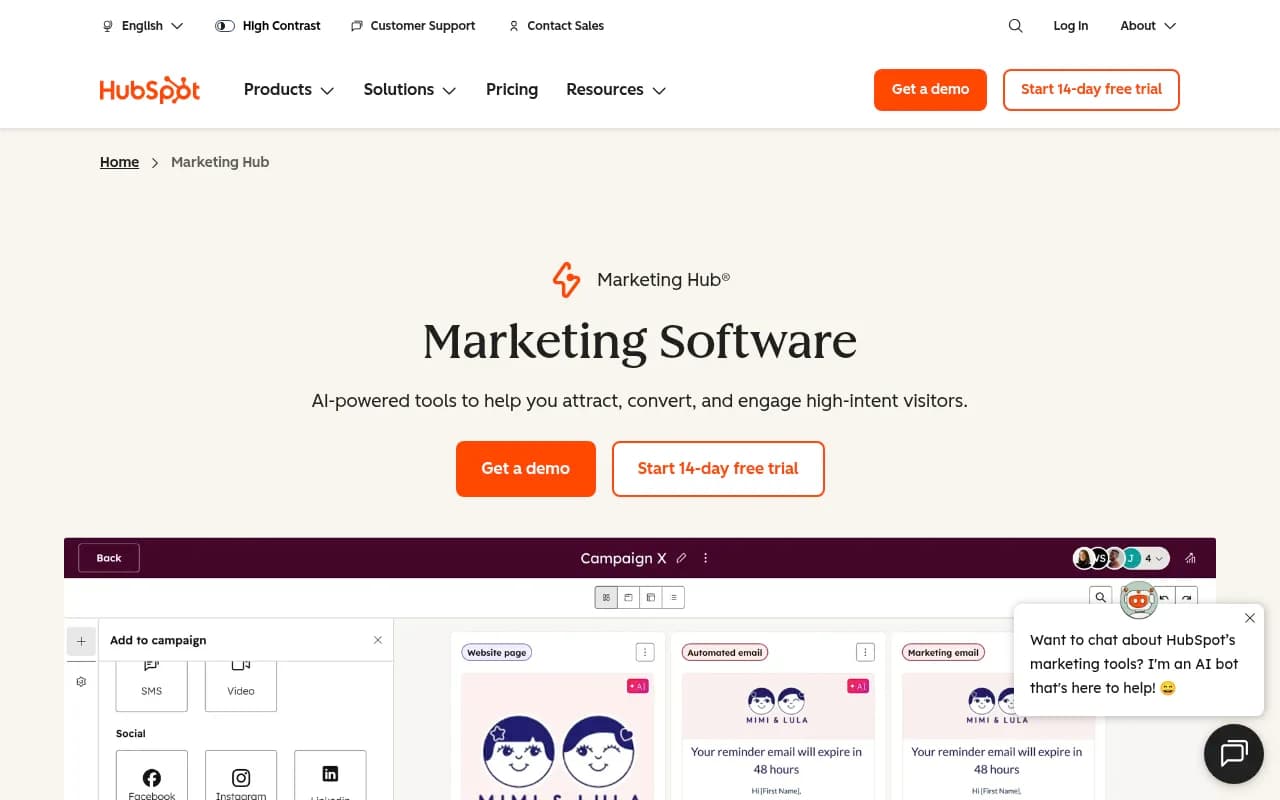
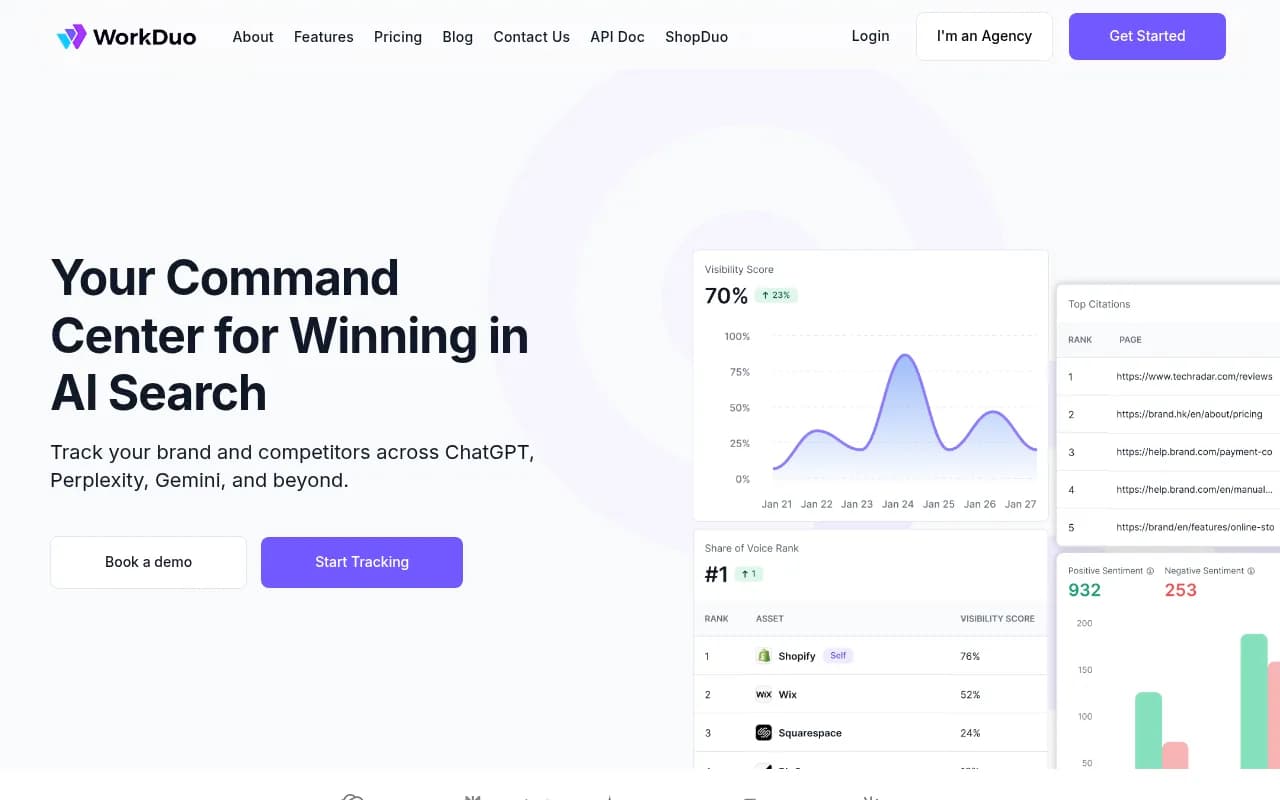
Compared to competitors: Tools like Jasper ($49-$125/mo), Copy.ai ($49-$249/mo), and Writesonic ($19-$99/mo) focus on general AI writing but lack SurgeGraph's competitor analysis and SERP tracking. Surfer SEO ($89-$219/mo) offers content optimization but doesn't generate full articles. Frase ($15-$115/mo) is closer in functionality but has weaker competitor intelligence and no BYOK option. Clearscope ($189-$399/mo) is enterprise-focused and far more expensive. SurgeGraph sits in a sweet spot: more SEO-focused than general AI writers, more affordable than enterprise tools, and more action-oriented than monitoring-only platforms like Promptwatch (which tracks AI search visibility but doesn't generate content).
Strengths
Real competitor intelligence: Most AI writing tools generate content based on generic keyword data. SurgeGraph actually analyzes the specific pages ranking for your target keyword and shows you exactly what they're doing right. The SERP change tracking is particularly valuable -- knowing which competitors are gaining ground and why gives you a massive strategic advantage.
BYOK economics: The ability to use your own API keys and generate 2,000 articles/month is unmatched in this price range. For agencies and high-volume publishers, this single feature justifies the subscription.
Proven methodology: The founders publicly documented their own traffic growth using only SurgeGraph content (33,600 visitors in 8 months, zero backlinks). That level of transparency is rare and builds trust.
Topical authority focus: Topic Discovery and internal linking automation show the tool understands modern SEO isn't about individual keywords -- it's about comprehensive niche coverage. This strategic layer is missing from most AI writing tools.
Humanization that works: The Humanizer feature consistently bypasses AI detection tools (tested by users against GPTZero, Originality.ai, Copyleaks). This matters because Google's spam policies increasingly target low-quality AI content.
Limitations
Learning curve for advanced features: Vertex AI Writer is straightforward, but Flex workflows and Knowledge libraries require time to set up properly. New users often underutilize these features initially.
Traffic timeline expectations: SurgeGraph is honest about this (2-3 months before meaningful traffic), but users still get frustrated when they don't see results in 30 days. The 14-day refund window is too short to judge traffic impact, which creates a mismatch.
Limited content types: Five article templates (blog post, listicle, review, roundup, comparison) cover most use cases, but if you need white papers, case studies, or technical documentation, you'll need to use Flex or customize heavily.
No built-in plagiarism checker: You have to manually verify originality using external tools. Given the focus on unique content, this feels like a missing piece.
Competitor research depth varies by niche: For competitive niches (finance, health, legal), the SERP analysis is incredibly detailed. For obscure long-tail keywords with weak competition, there's less data to work with, so the insights are thinner.
Bottom Line
SurgeGraph Vertex is the best AI writing tool for anyone whose primary goal is growing organic search traffic. It's not the cheapest option, and it's not the easiest to master, but it's the most strategically sound. The competitor-driven approach, combined with topical authority planning and genuine content differentiation features, makes it a true optimization platform rather than just a content generator.
If you're an agency managing multiple client sites, a SaaS company building a content moat, or a solopreneur betting on SEO for growth, SurgeGraph is worth the investment. The BYOK option alone makes it economically viable at scale, and the proven methodology (backed by the founders' public case study) gives you a clear playbook to follow.
Just set realistic expectations: this is a 3-6 month play, not a quick win. But if you commit to the process -- analyze competitors, build topical clusters, publish consistently -- the traffic results are real. SurgeGraph gives you the tools; you still need to do the work.
Tags:
Similar and alternative tools to SurgeGraph