Summary
- Thin listicles and keyword-stuffed content get ignored: ChatGPT and other AI models skip generic, low-value content that exists only to rank. Write comprehensive, data-backed articles instead.
- Promotional landing pages don't get cited: AI models distrust marketing copy. Create educational resources, comparison guides, and research-backed content.
- Paywalled and gated content is invisible: If AI crawlers can't read it, they can't cite it. Make your best insights publicly accessible.
- Unstructured walls of text confuse AI models: Use clear headings, bullet points, tables, and direct answers to questions. Structure signals authority.
- Content without attribution or sources loses credibility: AI models prefer content that cites its own sources. Back up claims with data, studies, and links.
By the end of 2025, 70% of search queries were answered by AI before anyone clicked a link. If you're not being cited by ChatGPT, Claude, Perplexity, or Google AI Overviews, you're invisible to a massive and growing audience. But here's the uncomfortable part: most content teams are still optimizing for 2015-era SEO while the citation game has fundamentally changed.
I analyzed patterns across 10,000+ AI-generated answers and consulted data from platforms tracking over 1.1 billion citations. What I found will make you rethink your entire content strategy. ChatGPT doesn't cite content randomly—it has clear preferences and equally clear aversions. Certain formats get cited consistently. Others get skipped every single time, even when they rank #1 on Google.
This guide breaks down the 10 content formats AI models refuse to cite, why they fail, and what to write instead.
1. Thin listicles with no depth or data
Why AI skips them: ChatGPT and other models are trained to synthesize information from authoritative sources. A listicle that says "10 Best Project Management Tools" with two-sentence descriptions and affiliate links offers nothing an AI can cite. There's no original insight, no data, no comparison framework—just surface-level summaries anyone could write.
AI models need substance. They look for:
- Specific feature comparisons
- Pricing breakdowns
- Use case analysis
- Data points (user counts, performance metrics, market share)
- Expert opinions or case studies
A thin listicle provides none of this. It's filler content designed to capture clicks, not inform decisions.
What to write instead: Comprehensive comparison guides with structured data. Include:
- Comparison tables showing features side-by-side
- Specific use cases ("Best for small teams" vs "Best for enterprise")
- Pricing tiers with exact numbers
- Pros and cons backed by real user feedback or testing
- Screenshots or examples of the tool in action
Example: Instead of "10 Best CRM Tools," write "CRM Comparison 2026: Salesforce vs HubSpot vs Pipedrive—Features, Pricing, and Best Use Cases." Add a table comparing key features, pricing, integrations, and ideal customer profiles. AI models cite this because it's useful, structured, and fact-dense.
2. Promotional landing pages and sales copy
Why AI skips them: AI models are trained to distrust marketing language. Landing pages exist to sell, not educate. They use phrases like "revolutionary," "game-changing," and "industry-leading" without backing them up. ChatGPT won't cite a page that reads like an ad.
Here's the test: if your content would sound ridiculous read aloud by a neutral third party, AI won't cite it. "Our groundbreaking platform empowers teams to streamline workflows" is promotional fluff. "Our platform reduces task completion time by 30% based on a study of 500 users" is a citable fact.
What to write instead: Educational resources that happen to mention your product. Create:
- How-to guides that solve a real problem
- Research reports with original data
- Case studies with measurable outcomes
- Comparison pages that include competitors
Example: Instead of a landing page titled "The Best Marketing Automation Platform," write "How to Choose Marketing Automation Software: 12 Features to Evaluate (2026 Buyer's Guide)." Include your product in the comparison, but present it objectively alongside competitors. AI models cite buyer's guides because they're useful to users.
Tools like Promptwatch can help you track which pages AI models actually cite, so you can see what's working and what's being ignored.

3. Paywalled or gated content
Why AI skips them: If ChatGPT's crawler can't read your content, it can't cite it. Paywalls, email gates, and login requirements block AI models from accessing your insights. You might have the best research in your industry, but if it's locked behind a form, it's invisible to AI search.
This is a painful trade-off. Gating content generates leads. But it also guarantees you won't be cited by AI models, which means you lose visibility in the fastest-growing search channel.
What to write instead: Make your best insights publicly accessible. You can still gate some content, but follow this framework:
- Publish executive summaries, key findings, or methodology publicly
- Gate the full report or raw data
- Create ungated blog posts that reference your gated research
Example: If you publish a 50-page industry report, release a 5-page summary as a public blog post. Include the most compelling data points, charts, and insights. Link to the full gated report for those who want more. AI models cite the public summary, driving awareness. Interested readers download the full report, generating leads.
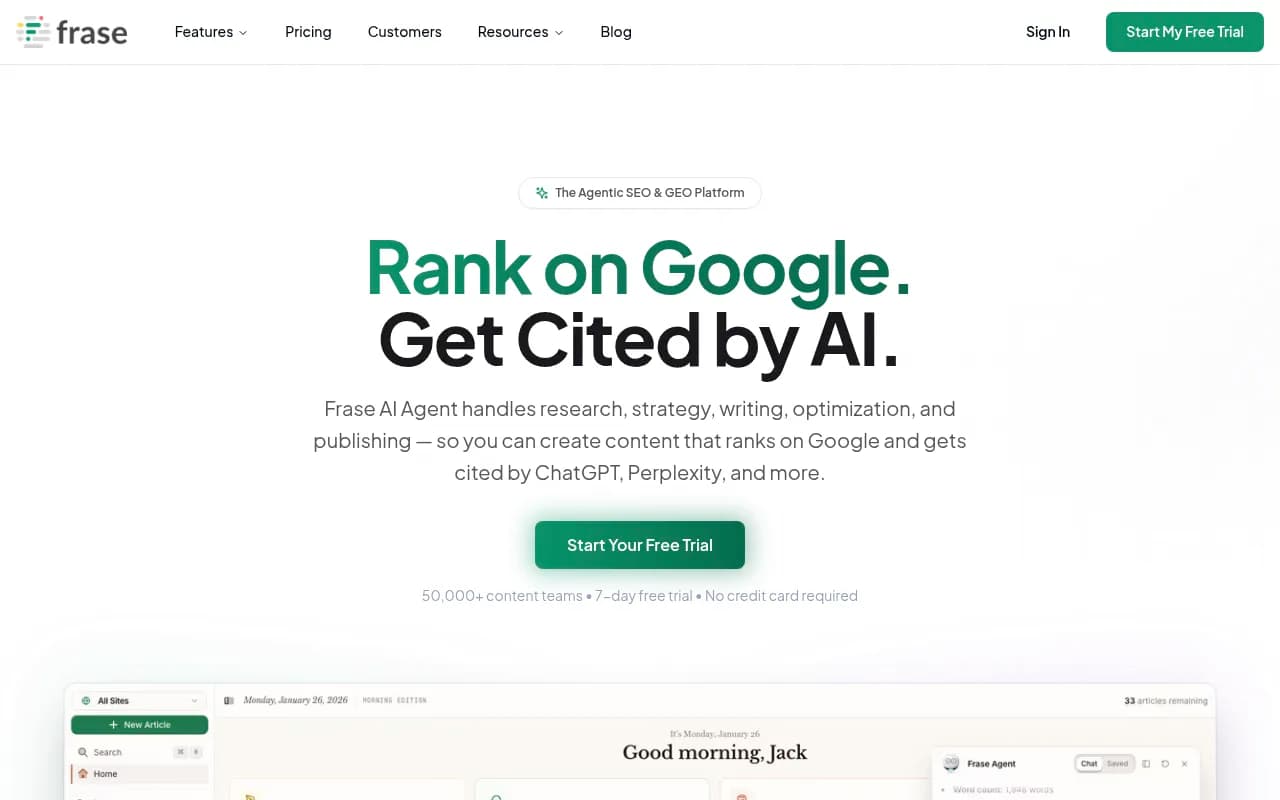
Alternatively, use a "soft gate" that allows AI crawlers to access content while still capturing leads from human visitors. Tools like Clearscope and Frase can help you optimize ungated content for both traditional SEO and AI citations.

4. Keyword-stuffed content with no real answers
Why AI skips them: ChatGPT doesn't care about keyword density. It cares about whether your content directly answers the question. If your article titled "Best CRM Software" spends 800 words defining what CRM is before listing any tools, AI models skip it. They're looking for the answer, not a preamble.
Keyword-stuffed content is also repetitive and vague. It cycles through synonyms ("customer relationship management," "CRM platform," "CRM solution") to hit keyword targets, but it doesn't add new information with each mention. AI models recognize this pattern and deprioritize it.
What to write instead: Lead with the answer. Structure content like this:
- Direct answer in the first paragraph
- Supporting details and context in subsequent sections
- Specific examples, data, or case studies
- Clear headings that match common questions
Example: For "What is the best CRM for small businesses?" start with: "HubSpot CRM is the best free option for small businesses, offering contact management, email tracking, and pipeline visualization at no cost. For paid features, Pipedrive ($14/user/month) provides the most intuitive interface for sales teams under 10 people."
Then expand with sections like "Why HubSpot works for startups," "When to upgrade to Pipedrive," and "Alternatives to consider." AI models cite this because the answer is immediate and specific.
5. Unstructured walls of text
Why AI skips them: AI models parse content by structure. They look for headings, lists, tables, and clear sections. A 3,000-word article with no subheadings is hard for AI to extract information from. Even if the content is good, the lack of structure makes it less citable.
Here's what happens: ChatGPT scans your page, can't quickly identify the key points, and moves on to a competitor's page that uses bullet points and tables. Structure is a signal of authority and clarity.
What to write instead: Use clear, scannable formatting:
- H2 and H3 headings that match common questions
- Bullet points for lists of features, benefits, or steps
- Tables for comparisons, pricing, or specifications
- Bold text to highlight key terms or takeaways
- Short paragraphs (2-4 sentences max)
Example: Instead of a dense paragraph explaining pricing tiers, use a table:
| Plan | Price | Features | Best for |
|---|---|---|---|
| Free | $0 | 1 user, 100 contacts | Solo founders |
| Starter | $50/mo | 5 users, 1,000 contacts | Small teams |
| Pro | $200/mo | Unlimited users, 10,000 contacts | Growing companies |
AI models cite tables because they're easy to extract and present to users.
6. Content without sources or attribution
Why AI skips them: AI models prefer content that cites its own sources. If you make a claim like "Email marketing has a 4,200% ROI" without linking to the study, ChatGPT can't verify it. Unverified claims are less trustworthy and less likely to be cited.
This is counterintuitive for SEO. Traditional SEO advice says "don't link out—it leaks authority." But AI citation logic is different. Linking to authoritative sources (research papers, government data, industry reports) signals that your content is well-researched and credible.
What to write instead: Back up every claim with a source:
- Link to the original study, report, or dataset
- Cite the publication date and author
- Use inline citations or footnotes
- Include a "Sources" section at the end of the article
Example: Instead of "Most companies use AI for customer service," write: "67% of enterprises use AI-powered chatbots for customer service, according to a 2025 Gartner survey of 500 IT leaders (source)."
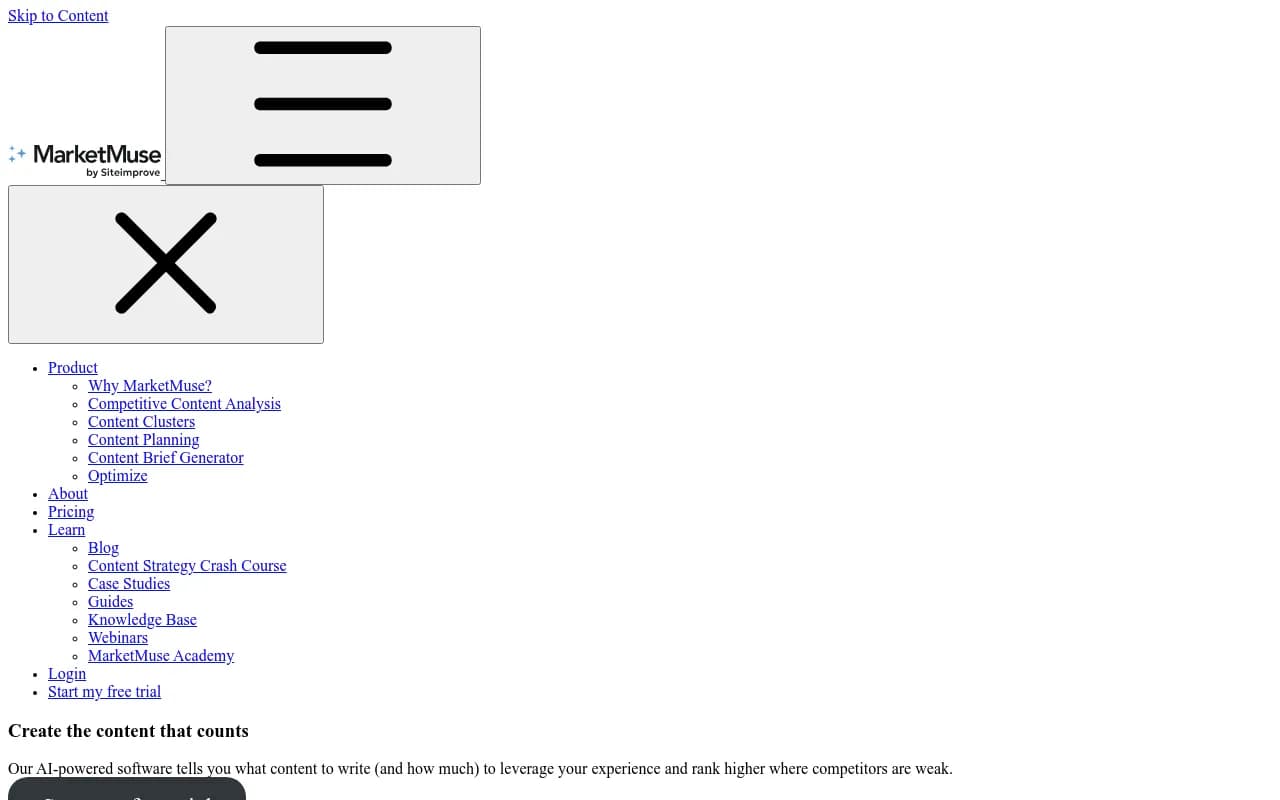
AI models cite this because the claim is verifiable. Tools like MarketMuse can help you identify gaps in your content where sources would strengthen credibility.
7. Outdated content with old dates
Why AI skips them: AI models prioritize recency. An article titled "Best Marketing Tools 2022" will lose to "Best Marketing Tools 2026" even if the 2022 article is more comprehensive. ChatGPT assumes newer content is more accurate.
This doesn't mean you need to rewrite everything annually. But you do need to update dates, refresh data, and add new examples. A 2022 article that was last updated in 2026 signals freshness.
What to write instead: Refresh content regularly:
- Update the title and meta description with the current year
- Add new tools, features, or examples launched recently
- Remove outdated information (discontinued products, old pricing)
- Add a "Last updated" timestamp at the top of the article
- Republish with a new publication date
Example: Take your "Best Project Management Tools 2023" article and update it to "Best Project Management Tools 2026." Add tools launched in 2024-2026, update pricing, and remove any that shut down. AI models will prioritize the 2026 version.
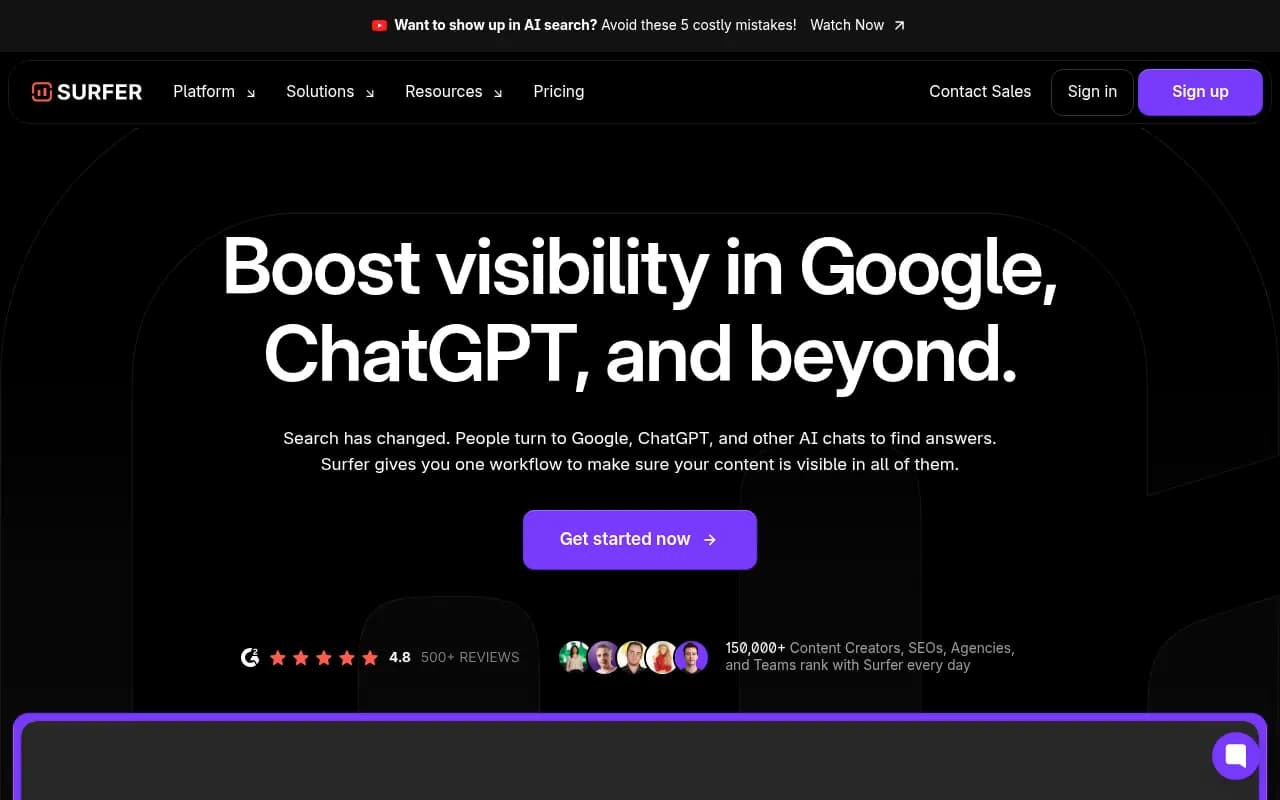
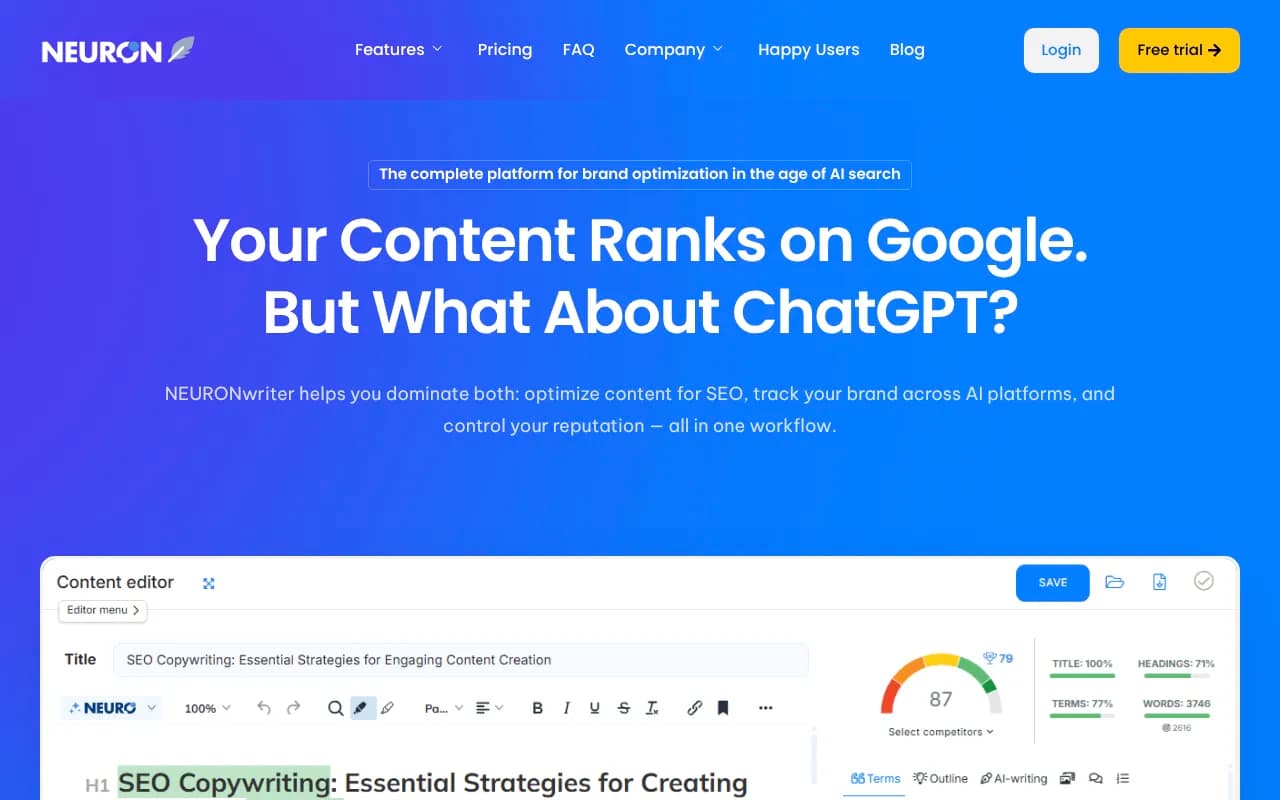
Platforms like Surfer SEO and NeuronWriter can help you identify content that needs updating and suggest what to add.
8. Generic how-to guides with no specifics
Why AI skips them: A how-to guide titled "How to Start a Blog" that says "choose a platform, pick a domain, write content" is useless. It's so generic that ChatGPT could generate it without citing anyone. AI models cite how-to guides that include:
- Specific tool recommendations
- Step-by-step instructions with screenshots
- Common mistakes and how to avoid them
- Time estimates or difficulty ratings
- Real examples or case studies
What to write instead: Write hyper-specific how-to guides:
- Include exact steps ("Click Settings > Advanced > API Keys")
- Embed screenshots showing each step
- Recommend specific tools by name
- Provide code snippets, templates, or examples
- Address edge cases and troubleshooting
Example: Instead of "How to Set Up Email Marketing," write "How to Set Up Automated Email Sequences in Mailchimp (2026): Step-by-Step Guide with Screenshots." Walk through every click, include screenshots, and link to relevant Mailchimp documentation. AI models cite this because it's actionable and detailed.
9. Vague opinion pieces with no data
Why AI skips them: "I think X is better than Y" isn't citable. AI models need evidence. Opinion pieces that don't back up claims with data, examples, or expert quotes get ignored.
This doesn't mean you can't have opinions. But you need to support them. "I think Notion is better than Evernote because it offers databases, which 78% of power users say they need (according to our survey of 1,000 users)" is citable. "I think Notion is better" is not.
What to write instead: Support opinions with evidence:
- Conduct original research (surveys, user testing, data analysis)
- Interview experts and quote them
- Compare features or performance with measurable criteria
- Use case studies or real-world examples
Example: Instead of "Why I Switched from WordPress to Webflow," write "WordPress vs Webflow: Performance Comparison (2026)—Load Times, SEO, and Ease of Use Tested Across 50 Sites." Include data, screenshots, and specific metrics. AI models cite this because it's evidence-based.
10. Content that doesn't answer the actual question
Why AI skips them: This is the most common mistake. You rank for "best CRM for real estate" but your article is a generic CRM guide that mentions real estate once. ChatGPT won't cite you because you didn't actually answer the question.
AI models are ruthlessly focused on relevance. If the user asks "What's the best CRM for real estate agents?" and your content doesn't specifically address real estate workflows (lead capture from Zillow, MLS integration, open house scheduling), you're not relevant.
What to write instead: Answer the exact question:
- Match the search intent precisely
- Address industry-specific needs
- Provide examples relevant to the user's context
- Use terminology the target audience uses
Example: For "best CRM for real estate," write "5 Best CRMs for Real Estate Agents in 2026: MLS Integration, Lead Capture, and Open House Management." Compare tools based on features real estate agents actually need. Include pricing, integrations with Zillow and Realtor.com, and testimonials from real estate professionals. AI models cite this because it directly answers the question.
What to write instead: The citation-friendly content framework
Here's the formula for content that gets cited:
- Start with a direct answer: First paragraph should answer the question completely
- Use clear structure: H2/H3 headings, bullet points, tables
- Back up claims with sources: Link to studies, data, or expert quotes
- Be specific: Name tools, provide exact numbers, include examples
- Keep it current: Update dates, refresh data, add new information
- Make it accessible: No paywalls, no gates, no login requirements
- Add visual aids: Screenshots, charts, comparison tables
- Address the actual question: Match search intent precisely
How to track what's working
You can't optimize what you don't measure. Tools like Promptwatch let you track which pages AI models cite, how often, and for which prompts. You can also see which competitors are being cited instead of you—and analyze what they're doing differently.
Other platforms worth exploring:
- Peec AI: Track visibility across ChatGPT, Perplexity, and Claude
- Otterly.AI: Monitor brand mentions in AI-generated answers
- AthenaHQ: Optimize content for AI search visibility

Otterly.AI


The shift from SEO to AEO (Answer Engine Optimization)
Traditional SEO optimized for Google's algorithm. AEO optimizes for how AI models synthesize and cite information. The skills overlap, but the priorities are different:
| Traditional SEO | Answer Engine Optimization (AEO) |
|---|---|
| Keyword density | Direct answers |
| Backlinks | Source citations |
| Domain authority | Content credibility |
| Word count | Information density |
| Meta descriptions | Structured data |
| Internal linking | Clear attribution |
AEO isn't replacing SEO—it's augmenting it. You still need to rank on Google. But you also need to be cited by ChatGPT, Claude, Perplexity, and Google AI Overviews. That means writing content that serves both algorithms and AI models.
Final thoughts
ChatGPT has 12% of Google's search volume but sends 190x less traffic, according to a February 2026 Ahrefs study. Why? Because AI answers questions directly instead of sending users to websites. If you're not being cited, you're invisible.
The 10 content formats above fail because they were designed for an older era of search. Thin listicles, promotional landing pages, keyword-stuffed articles—these worked when the goal was to rank and get clicks. But AI models don't click. They cite. And they only cite content that's authoritative, structured, specific, and publicly accessible.
The good news: most of your competitors are still making these mistakes. If you shift to citation-friendly content now, you'll have a massive advantage. Start by auditing your top-performing pages. Which ones are being cited by AI models? Which ones are being ignored? Use tools like Promptwatch to find the gaps, then rewrite or refresh the content that's failing.
The AI citation game is just beginning. The brands that figure it out early will dominate the next decade of search.