Summary
- Manufacturing brands have low AI visibility: only 21% of B2B companies appear frequently in AI-generated answers, and most industrial firms score even lower
- AI engines cite sources that answer specific technical questions with structured data, not generic product catalogs or press releases
- The content that gets cited: implementation case studies, technical deep-dives, comparison guides, and FAQ pages built around real buyer questions
- Tools like Promptwatch help track which prompts competitors rank for, then generate content engineered to get cited by AI models
- Manufacturing companies that publish answers before the question gets asked are building AI visibility while competitors wait

Search has changed. ChatGPT, Perplexity, Google AI Overviews — these tools no longer return a list of links and step back. They answer directly. For industrial companies, that shift creates a real problem: if a brand doesn't appear in AI-generated answers, it's effectively invisible to a growing slice of the target audience.
Most manufacturers are still operating on 2015 SEO logic. Websites that looked outdated in 2018, PDF brochures as the main content format, maybe a quarterly press release. The problem is that AI search has pushed into the mainstream faster than most comms departments expected.
Why manufacturing brands got left behind
The industry has never been an early mover in digital marketing. "If it ain't broke" was the operating philosophy for years. But AI search engines pull citations based on a specific set of signals: source credibility, content structure, and how well a piece of content actually answers a specific question. A product catalog and a factory opening announcement score poorly on all three.
Companies that provide comprehensive IT solutions for manufacturing (DXC Technology, Capgemini, Accenture, Infosys) figured this out early. They publish technical deep-dives, implementation case studies, and explainers written around the exact questions procurement managers and plant engineers ask AI assistants. Publishing answers before the question gets asked: that's the core mechanic of AI visibility strategy.
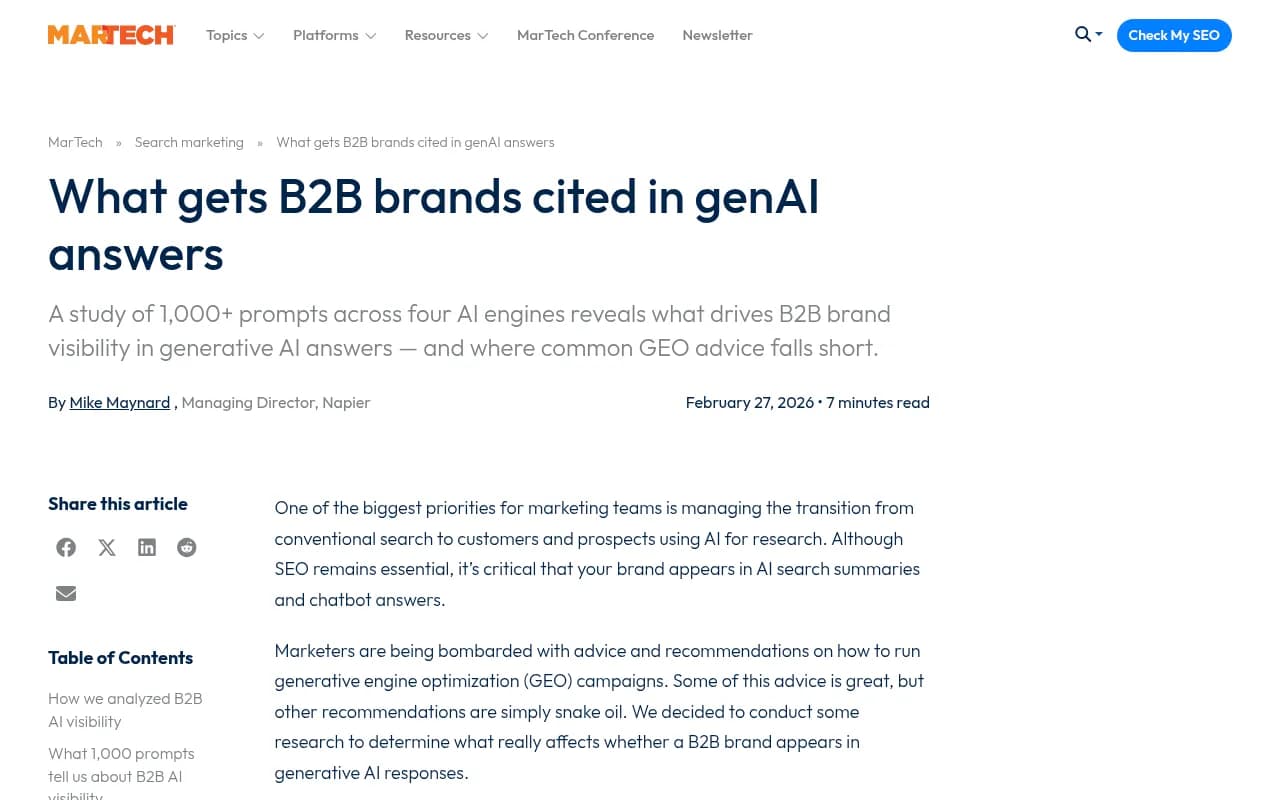
A study of 1,000+ prompts across four AI engines (ChatGPT, Perplexity, Grok, Google AI Mode) revealed that only one-fifth of B2B brands have meaningful visibility in AI-generated answers. Manufacturing companies — with their technical jargon, complex product specs, and legacy content strategies — score even lower.
What AI engines actually cite in manufacturing
AI models don't cite brands because they're big or well-known. They cite sources that directly answer the prompt with structured, credible information. Here's what that looks like in practice for industrial B2B:
Technical documentation that solves real problems
When a plant engineer asks ChatGPT "How do I reduce downtime in a CNC machining center?", the AI doesn't cite your homepage. It cites a technical guide that walks through diagnostic steps, common failure modes, and preventive maintenance schedules. The content needs to be specific, actionable, and structured with clear headings.
Implementation case studies with measurable outcomes
AI engines love case studies because they provide concrete proof. But not the marketing fluff version — the kind that includes actual data: "Reduced cycle time by 23% using X approach" beats "Our solution streamlines operations." Include the problem, the technical approach, the results, and ideally some numbers.
Comparison content that positions your solution
When buyers ask "What's the difference between servo motors and stepper motors for this application?", they want a straight answer. If your content provides that comparison objectively (even if it means acknowledging trade-offs), AI models will cite it. This is where manufacturers can build authority without sounding like a sales pitch.
FAQ pages built around real questions
Not the generic "What industries do you serve?" questions. The specific technical questions your sales engineers answer every week: "Can this sensor operate in Class 1 Div 2 environments?" or "What's the maximum flow rate at 3000 PSI?" These questions map directly to how buyers prompt AI assistants.
The B2B AI visibility gap: what the data shows
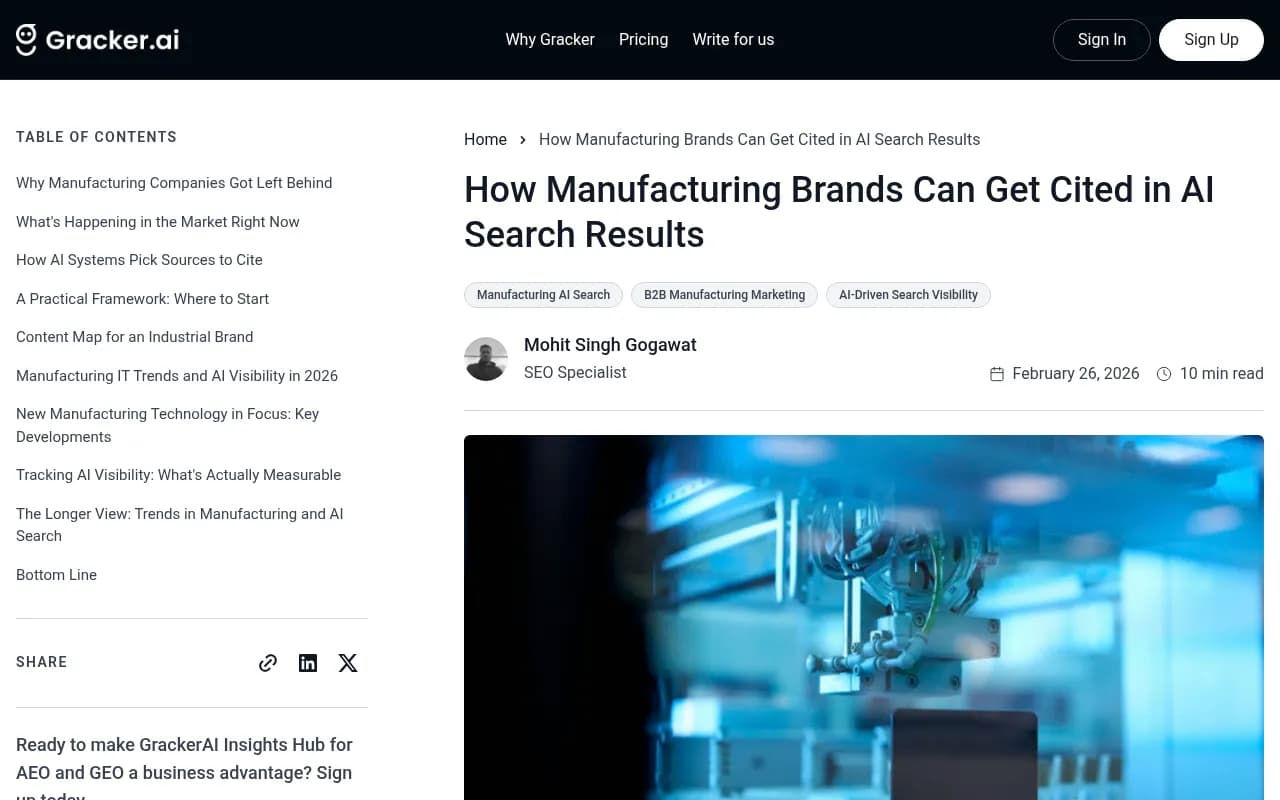
Research tracking 29 B2B brands across electronic components, semiconductors, industrial automation, software, logistics, and engineering revealed several patterns:
| Factor | Impact on citations | Why it matters |
|---|---|---|
| Content depth | High | AI models prefer comprehensive answers over surface-level content |
| Structured data | High | Schema markup helps AI engines parse technical specs and comparisons |
| Question-answer format | Medium-High | Maps directly to how users prompt AI assistants |
| Brand size | Low | Smaller brands with better content outrank larger competitors |
| Domain authority (traditional SEO) | Medium | Helps but doesn't guarantee AI visibility |
The surprise: traditional SEO metrics like domain authority don't predict AI citations as strongly as expected. A midsize automation supplier with detailed technical content can outrank a Fortune 500 manufacturer with generic marketing pages.
How to build AI visibility for industrial brands
Step 1: Find the content gaps
You need to know which prompts your competitors are visible for but you're not. This is where most manufacturers get stuck — manually testing prompts across multiple AI engines is impractical at scale.
Promptwatch solves this with Answer Gap Analysis: it shows exactly which prompts competitors are cited for, then surfaces the specific content your website is missing. Not vague topic suggestions — the actual questions, angles, and technical details AI models want answers to but can't find on your site.
Step 2: Create content engineered for AI citations
Once you know the gaps, you need content that fills them. But not generic blog posts — content grounded in real citation data, prompt volumes, and competitor analysis.
The built-in AI writing agent in Promptwatch generates articles, listicles, and comparisons specifically engineered to get cited by ChatGPT, Claude, Perplexity, and other AI models. It's trained on 880M+ citations analyzed across AI engines, so it knows what structure, depth, and technical detail actually drives visibility.
For manufacturing brands, this means:
- Technical guides that answer specific implementation questions
- Comparison pages that position your solution against alternatives
- Case studies structured around measurable outcomes
- FAQ content built from real buyer questions
Step 3: Track what's working
Publishing content is step one. Knowing whether it's getting cited is step two. Page-level tracking shows exactly which pages AI models are citing, how often, and by which models (ChatGPT, Perplexity, Claude, etc.).
You can close the loop with traffic attribution — code snippet, Google Search Console integration, or server log analysis — to connect AI visibility to actual revenue. Most manufacturers skip this step and wonder why leadership doesn't care about "AI search."
Step 4: Optimize based on AI crawler behavior
AI models discover your content through crawlers (ChatGPT-User, ClaudeBot, PerplexityBot). If they can't read your pages, you won't get cited.
AI Crawler Logs show real-time data on which pages AI crawlers are hitting, errors they encounter, and how often they return. This is critical for manufacturers with technical documentation behind logins, PDFs that aren't indexed, or JavaScript-heavy sites that don't render properly for bots.
Content formats that drive manufacturing citations
Not all content performs equally in AI search. Here's what actually works for industrial B2B:
Technical specification comparisons
Create tables comparing your product specs against alternatives. AI models love structured data they can parse and present directly in answers.
Example: "Industrial Ethernet Protocols Comparison: EtherNet/IP vs PROFINET vs Modbus TCP"
| Protocol | Max nodes | Cycle time | Best for |
|---|---|---|---|
| EtherNet/IP | 65,000 | 1-10ms | Process automation |
| PROFINET | 512 per subnet | 250μs-512ms | Motion control |
| Modbus TCP | 247 | 100ms+ | Legacy integration |
Implementation guides with step-by-step instructions
Walk through a specific technical process. Use numbered lists, clear headings, and avoid marketing language.
Example: "How to Commission a Variable Frequency Drive in a Pump Application"
- Verify input voltage and motor nameplate data
- Set acceleration and deceleration ramps
- Configure PID parameters for pressure control
- Test under load and adjust as needed
Troubleshooting content
When something breaks, engineers ask AI how to fix it. If your content provides the answer, you get cited.
Example: "Why Your Servo Motor is Faulting: 7 Common Causes and Fixes"
Application notes and use cases
Show how your product solves a specific problem in a specific industry. Be concrete.
Example: "Using Ultrasonic Sensors for Level Measurement in Chemical Tanks: Considerations for Corrosive Environments"
Structured data and schema markup for manufacturing
AI engines parse structured data more effectively than unstructured text. For manufacturing content, this means:
- Product schema: Technical specs, dimensions, operating ranges
- HowTo schema: Step-by-step instructions for installation, configuration, troubleshooting
- FAQ schema: Common technical questions and answers
- Article schema: Publication date, author, category
You don't need to be a developer to implement this. Tools like Yoast SEO and Rank Math add schema markup automatically if you're on WordPress.
The role of Reddit and YouTube in industrial AI visibility
AI models don't just cite manufacturer websites. They cite Reddit threads where engineers discuss real problems and YouTube videos that show equipment in action.
For manufacturing brands, this means:
- Monitor Reddit discussions in r/PLC, r/engineering, r/manufacturing, and industry-specific subreddits
- Participate authentically (not as a brand account) when you can add technical value
- Create YouTube content that demonstrates installation, troubleshooting, or application examples
- Embed videos on your website so AI models can cite your domain
Promptwatch surfaces Reddit threads and YouTube videos that directly influence AI recommendations — a channel most manufacturers ignore entirely.
AI visibility tools: what to look for
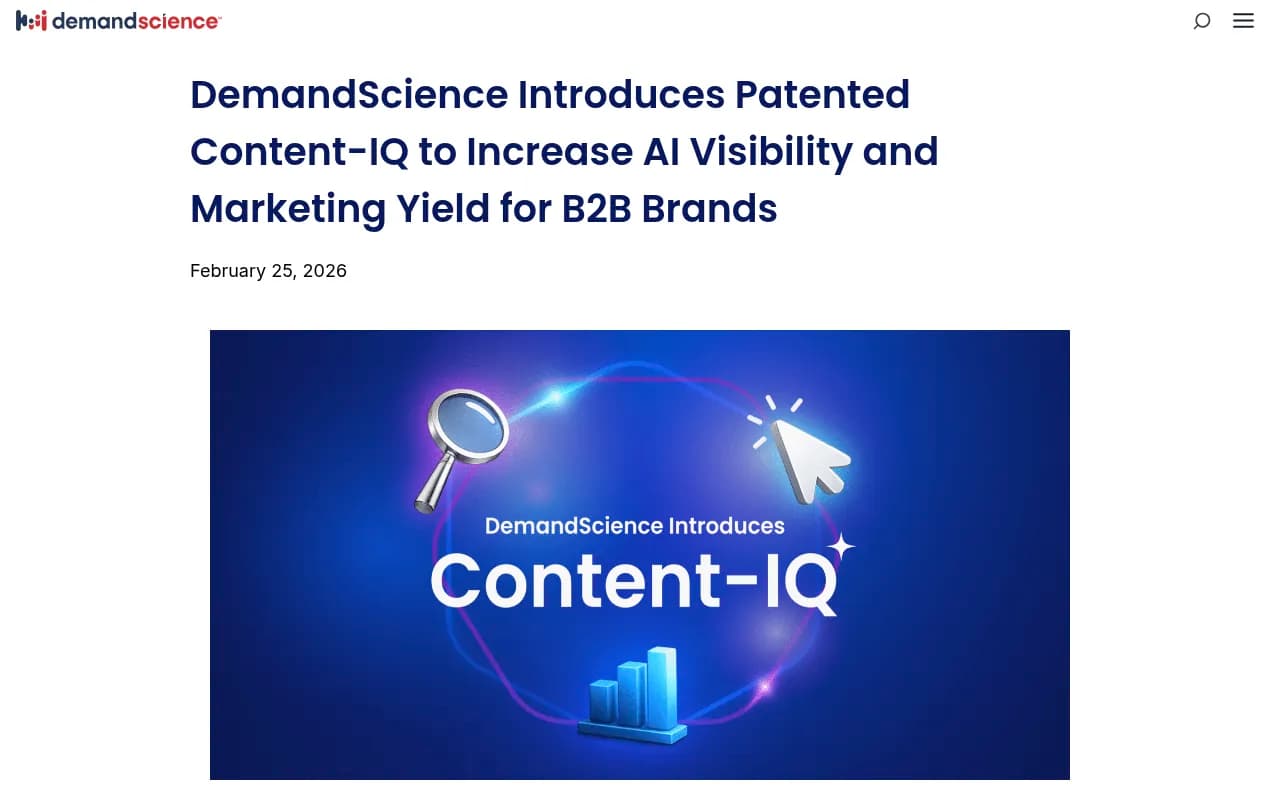
Not all AI visibility tools are built the same. Most are monitoring-only dashboards that show you data but leave you stuck. Here's what manufacturing brands actually need:
| Capability | Why it matters | Tools that have it |
|---|---|---|
| Multi-engine tracking | ChatGPT, Perplexity, Claude, Gemini all cite differently | Promptwatch, Profound, Otterly.AI |
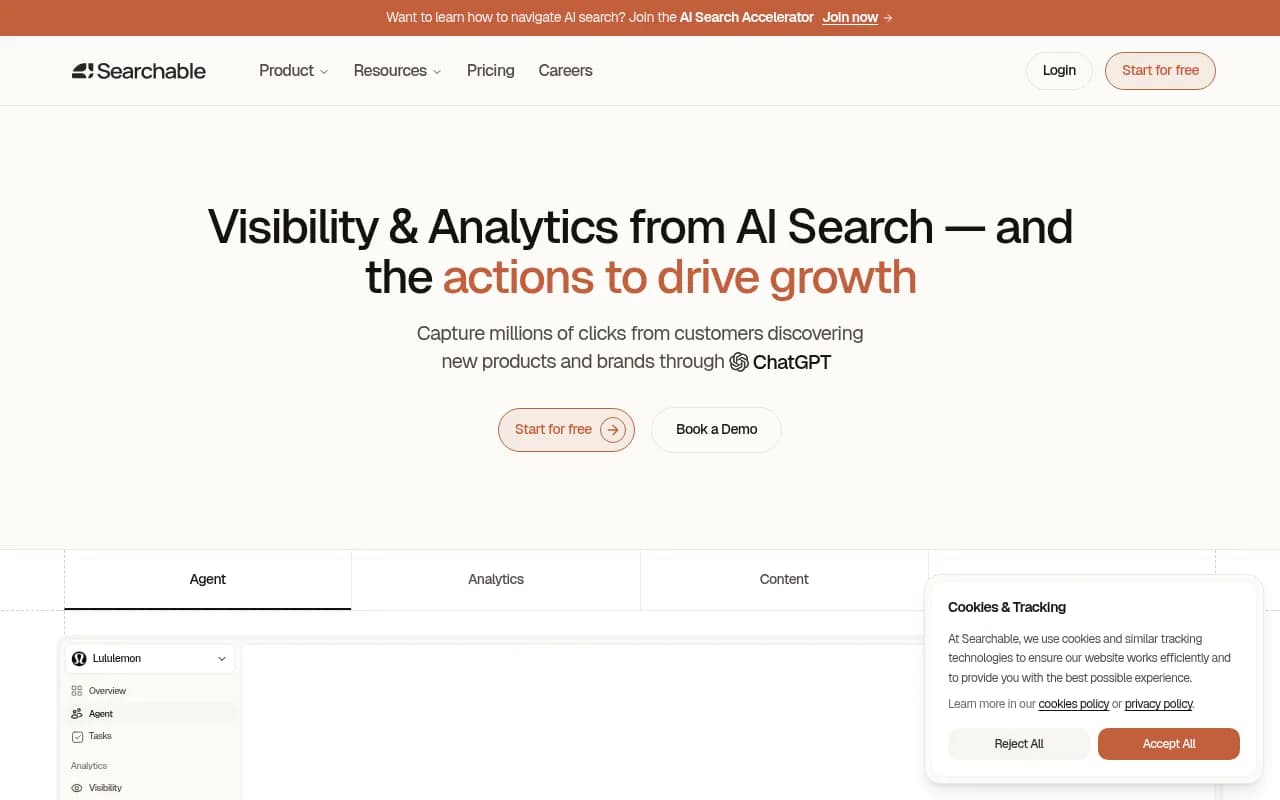
| Content gap analysis | Know what to write, not just what's missing | Promptwatch, Searchable |
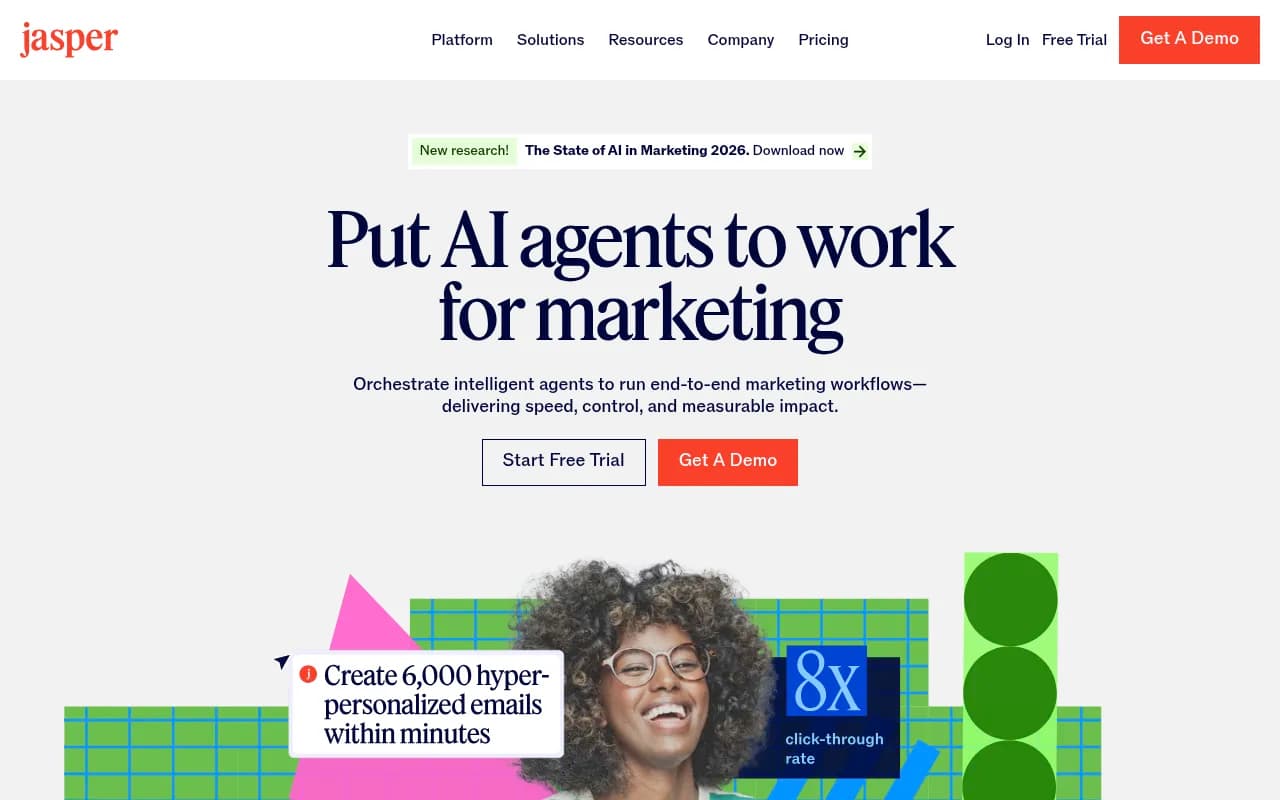
| AI content generation | Create content engineered for citations | Promptwatch, Jasper, Searchable |
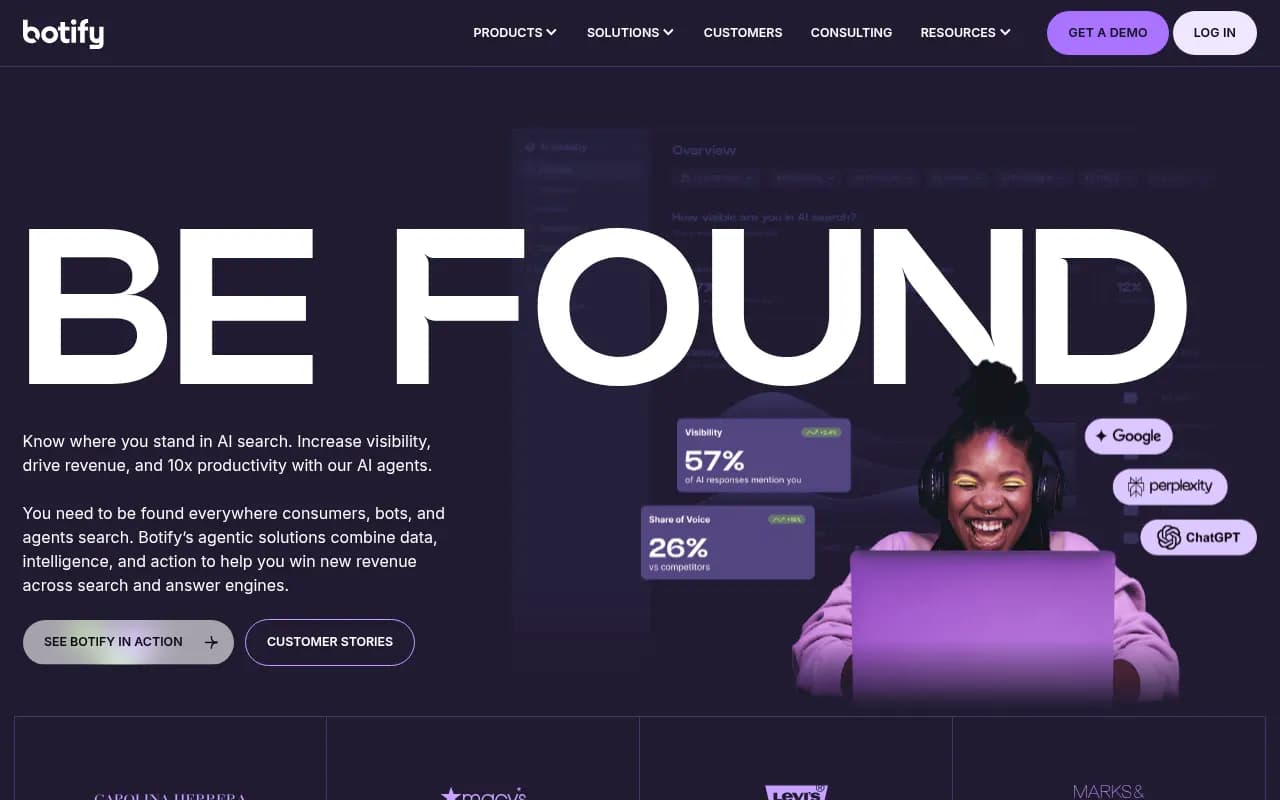
| Crawler log monitoring | See if AI bots can read your pages | Promptwatch, Botify |
| Page-level tracking | Know which pages get cited | Promptwatch, Profound, Evertune |
| Traffic attribution | Connect visibility to revenue | Promptwatch, Analyze AI |
Profound

Otterly.AI

Common mistakes manufacturing brands make
Mistake 1: Treating AI search like traditional SEO
Keyword density and backlinks don't drive AI citations. Direct answers to specific questions do.
Mistake 2: Publishing generic content
"5 Benefits of Automation" won't get cited. "How to Size a Servo Motor for a Vertical Load Application" will.
Mistake 3: Ignoring structured data
AI models parse schema markup more effectively than unstructured text. If your technical specs aren't marked up, you're invisible.
Mistake 4: Waiting for leadership buy-in
Your competitors are building AI visibility now. By the time your VP approves a strategy, they'll have a six-month head start.
Mistake 5: Focusing only on brand mentions
Getting cited for "best CNC machine manufacturers" is nice. Getting cited for "how to reduce tool wear in aluminum machining" is better — that's where buying intent lives.
What's next for manufacturing AI visibility
AI search is moving fast. ChatGPT Shopping launched in late 2025, letting users buy products directly through the chat interface. Perplexity is testing product recommendations. Google AI Overviews are expanding to more commercial queries.
For manufacturing brands, this means:
- Product data feeds will matter (not just content)
- E-commerce integration will become critical (even for B2B)
- Real-time inventory and pricing data will influence citations
- Customer reviews and ratings will factor into recommendations
The brands building AI visibility now — with technical content, structured data, and optimization tools — will have a massive advantage when AI-driven commerce scales in industrial B2B.
Getting started: a 30-day plan
Week 1: Audit your current AI visibility
- Sign up for Promptwatch or another AI visibility tool
- Track 20-30 prompts relevant to your products and solutions
- Identify which competitors are getting cited and for what
Week 2: Find content gaps
- Use Answer Gap Analysis to see which prompts competitors rank for but you don't
- Prioritize prompts with high volume and buying intent
- Map gaps to existing content that could be expanded or new content that needs to be created
Week 3: Create and publish content
- Write 3-5 pieces of technical content targeting high-priority gaps
- Use question-answer format, structured headings, and schema markup
- Include comparison tables, step-by-step instructions, or troubleshooting guides
Week 4: Monitor and iterate
- Check AI Crawler Logs to confirm bots are reading your new pages
- Track citation changes over the next 2-4 weeks
- Double down on what's working, adjust what isn't
AI search visibility isn't a one-time project. It's an ongoing cycle: find gaps, create content, track results, repeat. The manufacturers who start now will dominate AI-driven discovery in 2026 and beyond.