Summary
- Prompt volume forecasting is the practice of predicting which AI search queries will trend before they peak -- giving you time to create content that ranks in ChatGPT, Perplexity, and other AI engines while competitors are still reacting.
- Gartner predicts 25% of traditional search volume will shift to AI chatbots by the end of 2026 -- making early visibility in AI search a competitive advantage, not a nice-to-have.
- The forecasting method combines three data sources: search autocomplete patterns, Reddit/forum discussion velocity, and existing AI citation trends to predict what people will ask next.
- Tools like Promptwatch surface prompt volume estimates and difficulty scores -- showing you which queries are winnable before they become saturated.
- The goal is not to chase every trend, but to identify the 10-20 prompts in your niche that will drive the most qualified traffic in the next 6-12 months and own them before anyone else does.

Why prompt volume forecasting matters in 2026
By the end of 2026, up to 25% of traditional search volume will shift to AI chatbots and virtual agents, according to Gartner. That's not a small migration -- it's a quarter of the search market moving to platforms where your brand either gets cited or doesn't exist.
The shift is already visible. Google's AI Overviews reach more than 2 billion monthly users. ChatGPT serves 800 million users each week. Perplexity processes hundreds of millions of queries every month. These aren't experimental features anymore -- they're how people find information.
Here's the problem: most brands are still optimizing for yesterday's search behavior. They're chasing keywords with high search volume in Google, not realizing that the queries people type into ChatGPT look completely different. "Best project management software" is a Google query. "What's the easiest project management tool for a remote team of 5 with no technical background?" is a ChatGPT prompt. The second one is longer, more specific, and harder to predict -- unless you have a system.
Prompt volume forecasting gives you that system. Instead of reacting to trends after they peak, you identify which prompts will trend in the next 6-12 months and create content that ranks before the competition even notices.
The three data sources that predict prompt trends
Predicting which prompts will trend isn't guesswork. It's pattern recognition across three data sources that signal rising interest before it shows up in traditional keyword tools.
1. Search autocomplete patterns
Google Autocomplete, Bing Autocomplete, and even ChatGPT's search suggestions reveal what people are starting to ask. When a new phrase appears in autocomplete, it means enough people have typed it that the algorithm considers it worth suggesting. That's an early signal.
Example: In early 2025, "AI search visibility" barely appeared in Google Autocomplete. By mid-2025, it was auto-completing with variations like "AI search visibility tracking" and "AI search visibility tools." That pattern told you the topic was gaining traction before keyword volume tools caught up.
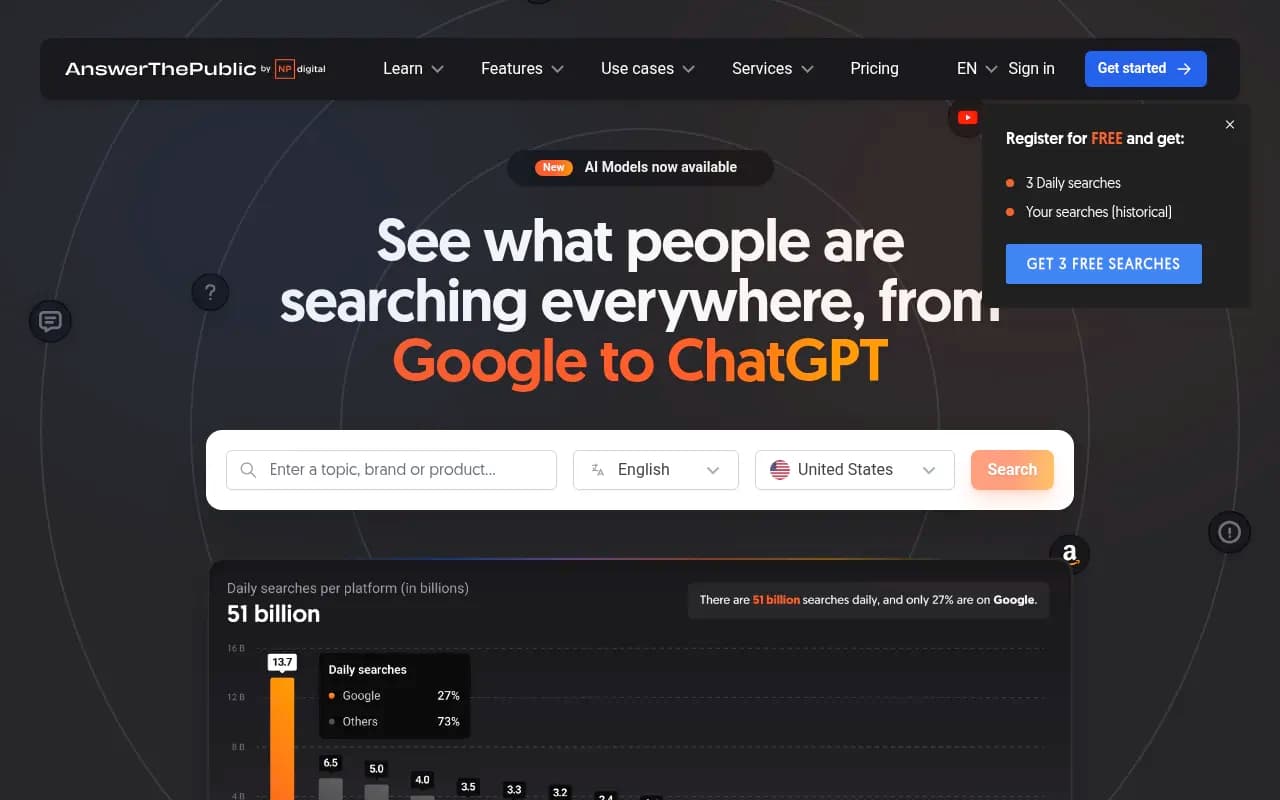
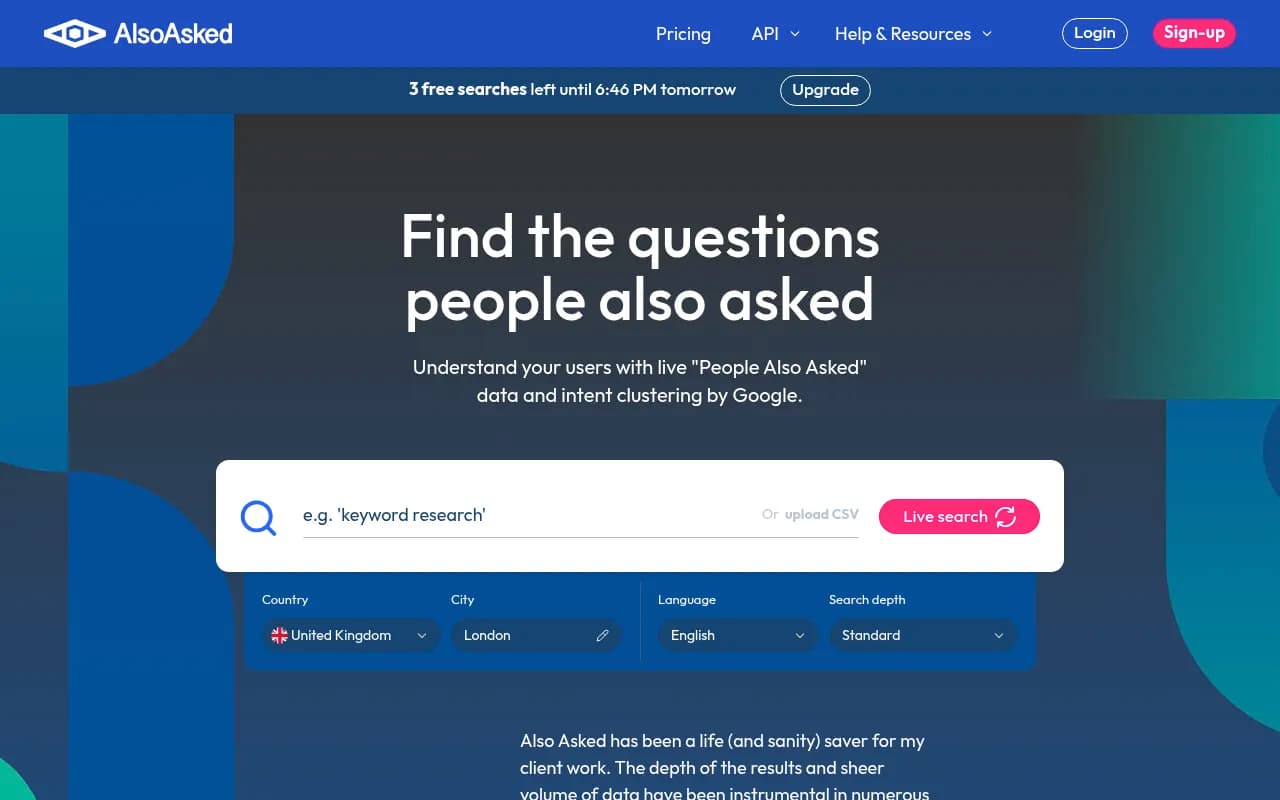
Tools like AnswerThePublic and AlsoAsked scrape autocomplete data and visualize it, making it easier to spot emerging patterns.
2. Reddit and forum discussion velocity
Reddit threads and niche forums are where people ask questions before they become mainstream search queries. A spike in Reddit posts about a specific problem or tool is a leading indicator that the topic will trend in AI search.
Example: In Q3 2025, multiple Reddit threads in r/SEO and r/marketing started asking "How do I track if ChatGPT recommends my brand?" Within two months, that exact phrasing started appearing in ChatGPT prompts, and brands that had already published guides on the topic were getting cited.
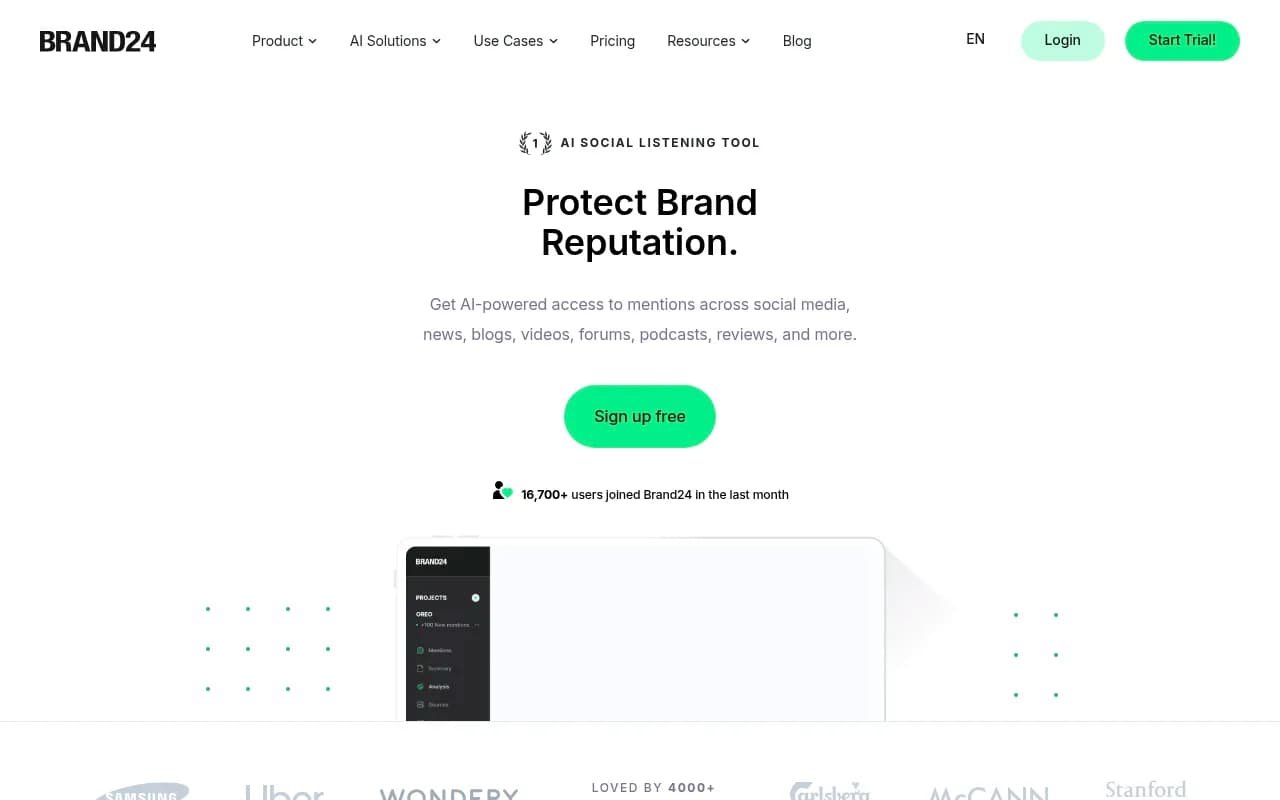
You can track discussion velocity manually by monitoring relevant subreddits, or use tools like Brand24 to automate it.
3. Existing AI citation trends
AI engines cite sources when they generate answers. If a specific type of content is getting cited more frequently across multiple prompts, that's a signal that similar prompts will trend.
Example: If you notice that ChatGPT and Perplexity are citing "comparison guides" more often than "how-to articles" for software-related prompts, you can predict that comparison-focused prompts will increase in volume.
Promptwatch tracks citation patterns across 10 AI models and surfaces which content types, domains, and topics are gaining traction. That data tells you what to create next.
The prompt volume forecasting framework
Here's the step-by-step process for identifying which prompts will trend before your competitors do.
Step 1: Map your core topics to prompt clusters
Start by listing the 5-10 core topics your brand owns. For each topic, brainstorm 10-20 variations of how someone might ask about it in a conversational AI interface.
Example: If your core topic is "email marketing automation," prompt variations might include:
- "What's the best email marketing tool for e-commerce stores?"
- "How do I automate abandoned cart emails?"
- "Which email platform integrates with Shopify?"
- "What's the cheapest email automation tool for small businesses?"
Don't filter yourself at this stage. Write down every variation you can think of, even if it feels too specific or niche.
Step 2: Check autocomplete for rising patterns
Take your list of prompt variations and run them through Google Autocomplete, Bing Autocomplete, and ChatGPT's search bar. Look for:
- Phrases that auto-complete with multiple variations (signals rising interest)
- New modifiers that weren't appearing 3-6 months ago (signals emerging trends)
- Specific use cases or industries being added to generic queries (signals niche demand)
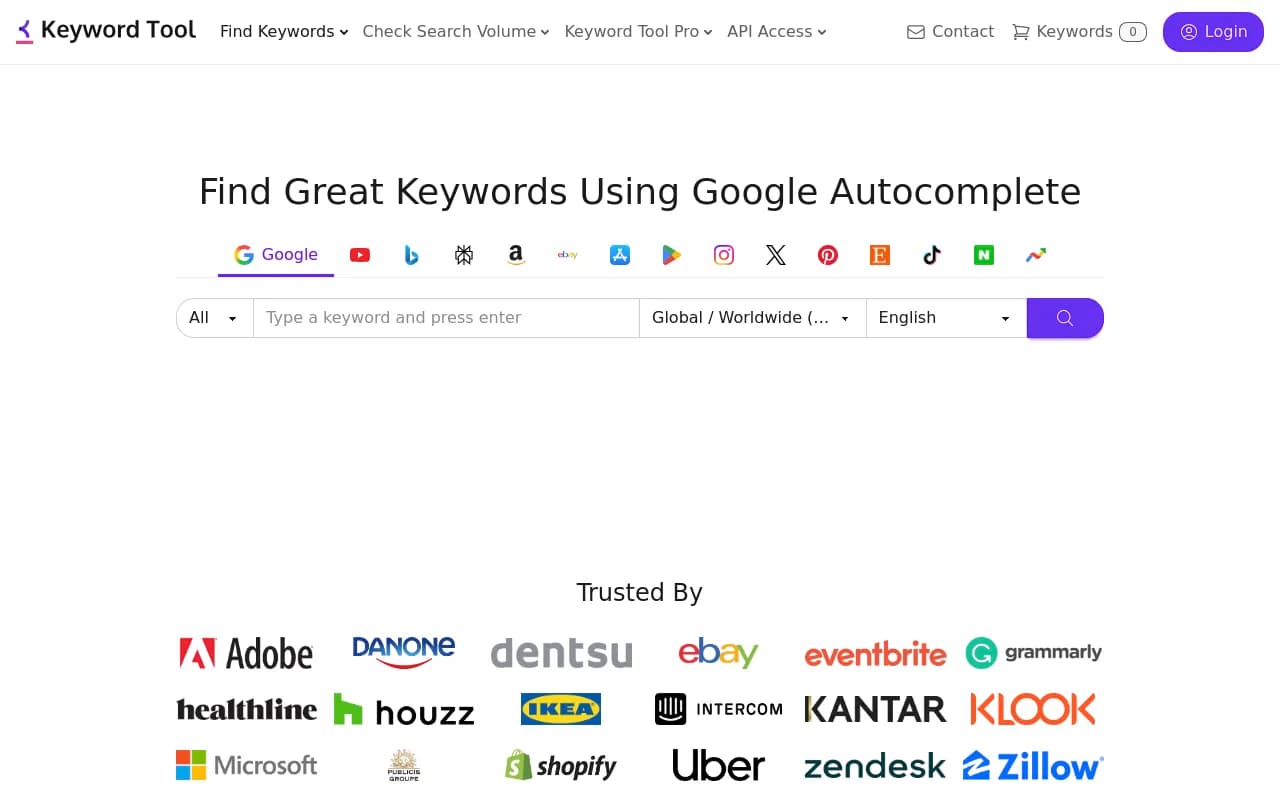
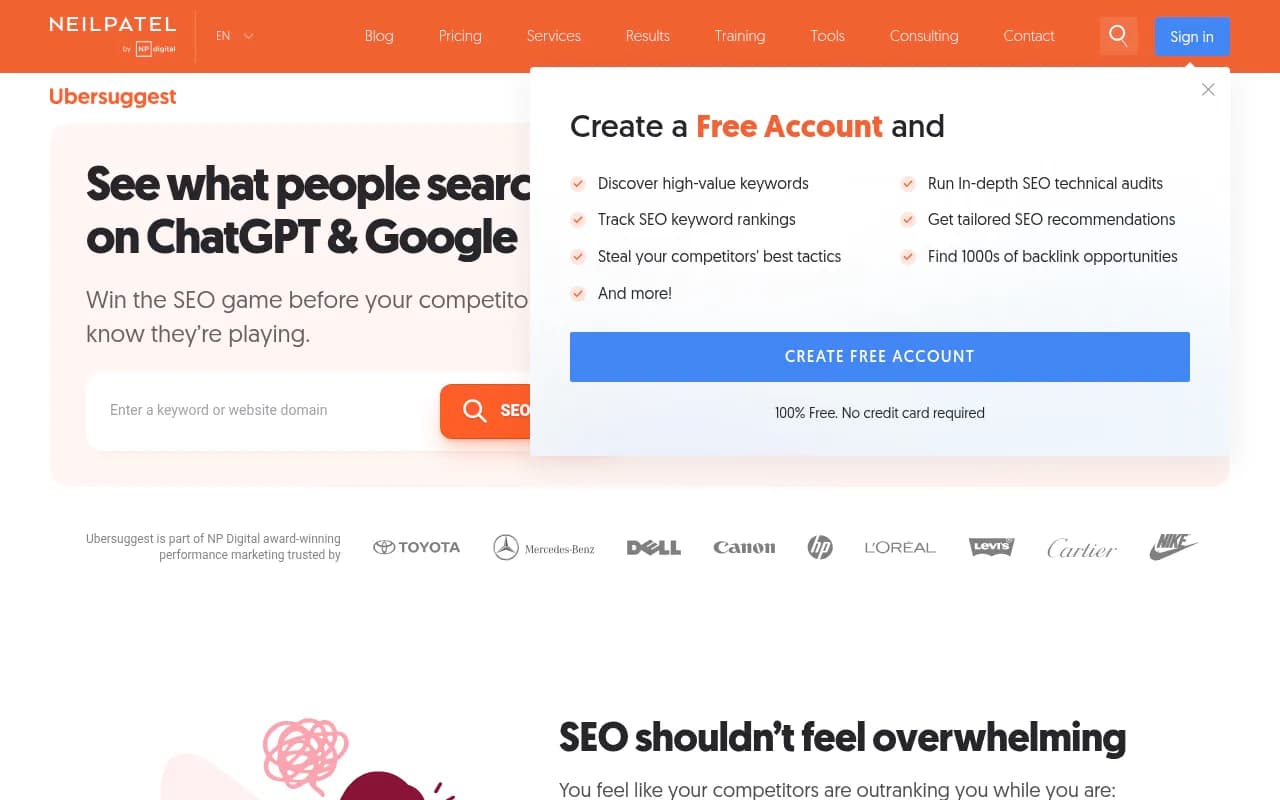
Tools like KeywordTool.io and Ubersuggest automate this process by pulling autocomplete data at scale.
Step 3: Track Reddit and forum discussion velocity
Search Reddit, Quora, and niche forums for your core topics. Sort by "new" and look for:
- Questions being asked repeatedly in the last 30-60 days
- Threads with high engagement (comments, upvotes) on specific sub-topics
- New terminology or phrasing that wasn't common 6 months ago
If you see the same question asked 5+ times in different subreddits within a month, that's a strong signal it will trend in AI search.
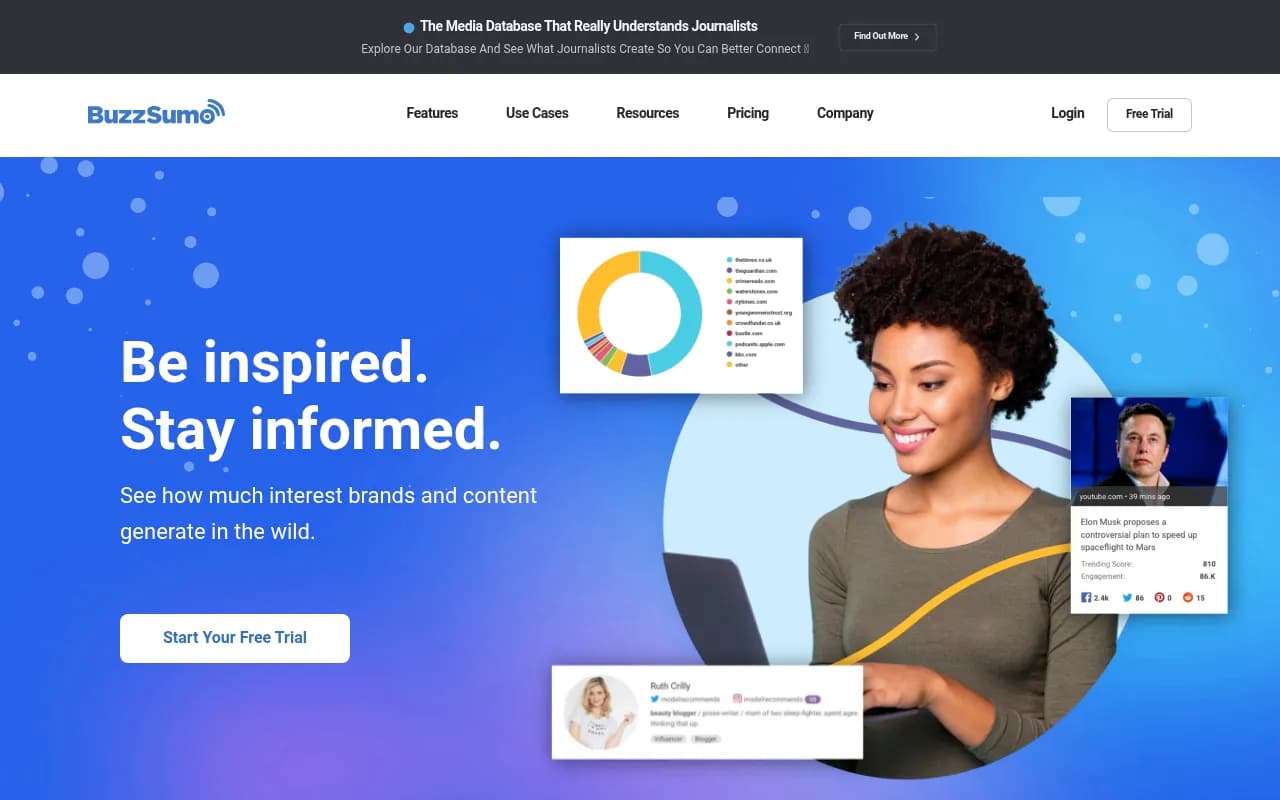
You can automate this with Brand24 or BuzzSumo, which track mentions and discussion volume across social platforms.
Step 4: Analyze AI citation trends in your niche
Use an AI visibility tool to see which prompts in your niche are already getting traction and which content types AI engines prefer.
Promptwatch shows you:
- Prompt volume estimates (how many people are asking this)
- Difficulty scores (how hard it is to rank for this prompt)
- Citation patterns (which domains and content types are being cited)
- Query fan-outs (how one prompt branches into sub-queries)
Look for prompts with rising volume but low difficulty -- those are the opportunities. If a prompt has 500 monthly queries and only 3 brands are being cited, you can own it before it scales to 5,000 queries.
Step 5: Prioritize prompts by volume, difficulty, and strategic fit
Not every trending prompt is worth chasing. Prioritize based on:
- Volume potential: Will this prompt scale to thousands of queries, or is it a one-time spike?
- Difficulty: Can you realistically rank for this, or is it dominated by authoritative brands?
- Strategic fit: Does this prompt attract your ideal customer, or is it too broad?
Create a spreadsheet with three columns: Prompt, Estimated Volume (in 6 months), and Difficulty Score. Rank them and focus on the top 10-20.
How to create content that ranks for forecasted prompts
Once you've identified which prompts will trend, you need content that AI engines will cite. Here's what works.
Write for conversational queries, not keywords
AI prompts are longer and more specific than Google keywords. Your content needs to match that specificity.
Bad: "Email Marketing Tools" (generic keyword)
Good: "What's the best email marketing tool for e-commerce stores with under 5,000 subscribers?" (specific prompt)
Structure your content to answer the exact question in the first 100 words, then expand with details, comparisons, and examples.
Use structured data and clear headings
AI engines parse content by scanning headings, lists, and structured data. If your content is a wall of text, it won't get cited.
Use:
- H2 and H3 headings that mirror common prompt variations
- Bulleted lists for features, pros/cons, and comparisons
- Tables for side-by-side tool comparisons
- Schema markup for FAQs, reviews, and how-tos
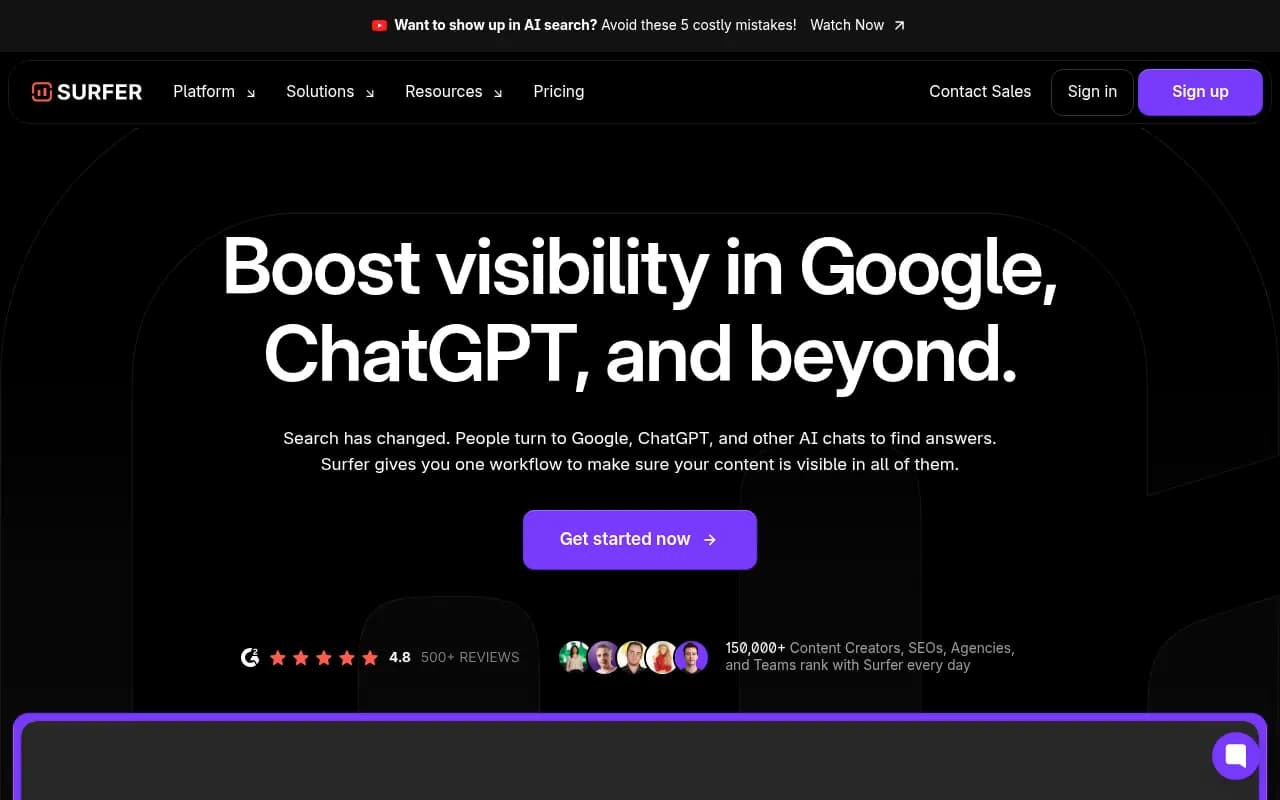
Tools like Surfer SEO and Clearscope analyze top-ranking content and suggest structure improvements.

Embed tool cards and screenshots
AI engines prefer content with visual context and embedded resources. If you're writing about tools, embed tool cards (like the ones on this site) and include screenshots from official documentation or dashboards.
Example: If you're writing "Best AI visibility tools in 2026," embed [tool:promptwatch], [tool:otterly-ai], and [tool:peec-ai] cards directly in the article.
Otterly.AI


Publish before the trend peaks
Timing matters. If you publish content after a prompt has already trended, you're competing with dozens of other brands. Publish 3-6 months before the trend peaks, and you'll own the citations before anyone else shows up.
This is why forecasting works -- it gives you lead time.
Tools for prompt volume forecasting
Here's a comparison of tools that help you identify and track trending prompts.
| Tool | Autocomplete data | Reddit tracking | AI citation analysis | Prompt volume estimates | Best for |
|---|---|---|---|---|---|
| Promptwatch | No | Yes | Yes | Yes | End-to-end forecasting and optimization |
| AnswerThePublic | Yes | No | No | No | Visualizing autocomplete patterns |
| Brand24 | No | Yes | No | No | Tracking Reddit and forum discussions |
| BuzzSumo | No | Yes | No | No | Content research and social listening |
| KeywordTool.io | Yes | No | No | No | Bulk autocomplete scraping |
| Semrush | Yes | No | Limited | No | Traditional SEO with basic AI tracking |
Promptwatch is the only platform that combines all three data sources -- autocomplete patterns, Reddit tracking, and AI citation analysis -- in one place. It also surfaces prompt volume estimates and difficulty scores, so you know which prompts are worth targeting.
Common mistakes to avoid
Here's what doesn't work.
Chasing every trend
Not every trending prompt is relevant to your business. If you're a B2B SaaS company, a trending prompt about "best AI tools for students" might have high volume, but it won't convert. Focus on prompts that attract your ideal customer.
Ignoring difficulty scores
Some prompts are dominated by authoritative brands (Wikipedia, Forbes, official documentation). If you're a startup, you won't outrank them. Focus on prompts with lower difficulty scores where you have a realistic chance.
Publishing generic content
AI engines cite specific, detailed content. A 500-word blog post titled "Email Marketing Tips" won't get cited. A 2,000-word guide titled "How to Automate Abandoned Cart Emails in Shopify Using Klaviyo" will.
Waiting for keyword volume tools to catch up
By the time a prompt shows up in Google Keyword Planner or Ahrefs with meaningful volume, it's already trending. Use autocomplete and Reddit as leading indicators, not lagging ones.
What to do next
Start with one core topic. Map it to 10-20 prompt variations. Check autocomplete, scan Reddit, and analyze AI citation trends. Identify the 3-5 prompts with the highest volume potential and lowest difficulty. Create content for those prompts in the next 30 days.
If you want to track prompt volume estimates, citation patterns, and difficulty scores in one place, Promptwatch is built for this. It shows you which prompts are trending before they peak, which content types AI engines prefer, and which competitors are already ranking -- so you can move faster than they do.
The brands that win in AI search in 2026 won't be the ones with the biggest budgets. They'll be the ones that saw the trends coming and created content before anyone else did. That's what forecasting gives you -- time.