Summary
- Subscription box companies are reducing customer acquisition costs (CAC) by 40-60% through AI search visibility strategies that intercept high-intent buyers before they hit paid ads
- AI-powered predictive models now identify at-risk subscribers before they cancel, enabling proactive retention that costs 5-7x less than new acquisition
- Answer engine optimization (AEO) and generative engine optimization (GEO) are replacing traditional SEO as the primary organic discovery channel for subscription brands
- Zero-party data collection combined with real-time AI personalization is driving conversion rates up 75% while simultaneously lowering paid media dependency
- Tools like Promptwatch help subscription brands track and optimize their visibility across ChatGPT, Perplexity, Claude, and other AI search engines where buyers now start their research

The subscription box CAC crisis
Subscription box companies face a brutal reality in 2026: customer acquisition costs have climbed to unsustainable levels. Facebook CPMs are up 40% year-over-year. Google Shopping costs per click have doubled since 2024. The old playbook of throwing money at paid ads and hoping for positive unit economics doesn't work anymore.
The subscription ecommerce market is growing at 14% CAGR through 2030, but that growth comes with complexity. Brands that relied on cheap Facebook traffic in 2020-2022 are now spending $80-150 to acquire a customer who might churn after two months. The math doesn't work.
What changed? Two things. First, privacy regulations (Apple's App Tracking Transparency, Chrome's cookie deprecation) broke the targeting precision that made paid social profitable. Second, buyer behavior shifted. People don't click ads anymore -- they ask ChatGPT, Perplexity, and Claude for recommendations.
How AI search is rewriting acquisition economics
The brands winning in 2026 aren't spending more on ads. They're getting discovered in AI search engines before buyers ever see an ad.
When someone asks ChatGPT "best subscription boxes for coffee lovers" or Perplexity "which meal kit service has the most vegetarian options," the AI models cite specific brands in their responses. Those citations drive traffic that converts at 3-4x the rate of paid social clicks, because the buyer already trusts the recommendation.
This is answer engine optimization (AEO) and generative engine optimization (GEO) in action. Instead of optimizing for Google's algorithm, subscription brands are optimizing to be cited by AI models.
The ROI difference is stark. A subscription box company spending $100k/month on Facebook ads might acquire 800 customers at $125 CAC. That same company investing $20k in GEO content and AI visibility tracking can acquire 600 customers at $33 CAC from organic AI search traffic. The unit economics flip from break-even to profitable overnight.
Traffic from generative AI is exploding
According to Adobe, traffic to U.S. ecommerce sites driven by generative AI tools surged 4,700% year-over-year in 2025. That's not a typo. Buyers are replacing Google searches with ChatGPT prompts, and the brands that show up in those AI responses are capturing demand at near-zero marginal cost.
Subscription box companies are particularly well-positioned for this shift because buyers ask comparison questions: "Which subscription box is best for X?" "What are the top-rated meal kits for families?" "Compare coffee subscription services." These are exactly the queries AI models answer with specific brand recommendations.
The predictive AI retention advantage
Acquiring a new subscriber costs 5-7x more than retaining an existing one. That's always been true, but AI has made retention dramatically more effective.
Advanced analytics platforms now use AI-powered predictive modeling to identify at-risk subscribers before they cancel. The system analyzes engagement signals (box customization frequency, login patterns, customer service interactions, social media sentiment) and flags subscribers likely to churn in the next 30 days.
What happens next is where the CAC reduction comes in. Instead of losing that subscriber and paying $100+ to replace them, the brand triggers a personalized retention offer at exactly the right moment. Maybe it's a discount on the next box. Maybe it's a free upgrade. Maybe it's a pause option instead of cancellation.
The intervention costs $5-15 in margin. The saved subscriber continues generating $30-50/month in revenue. The avoided acquisition cost is $100+. The ROI is obvious.
One meal kit company reduced churn by 23% using AI-driven retention triggers. That single improvement lowered their effective CAC by $18 per customer, because they stopped having to replace subscribers who would have stayed with a small nudge.
Zero-party data and real-time personalization
The death of third-party cookies forced subscription brands to get creative about data collection. Zero-party data (information customers intentionally share) became the foundation of personalization.
Subscription boxes are perfect for zero-party data collection. During signup, brands ask about preferences, dietary restrictions, style choices, interests. Customers willingly provide this information because it improves their box contents.
AI systems now use that zero-party data to personalize every touchpoint in real time. The homepage shows different products based on stated preferences. Email subject lines reference specific interests. Box contents adapt to feedback from previous shipments.
The result: conversion rates up 75% compared to generic experiences. A beauty subscription box that asks about skin type and concerns during signup can show relevant products immediately, increasing trial-to-paid conversion from 12% to 21%. That's a 43% reduction in effective CAC just from better personalization.
Content gap analysis: finding the prompts you're missing
Most subscription box companies have no idea which AI search queries they're invisible for. A coffee subscription brand might rank well for "best coffee subscriptions" but be completely absent when someone asks "subscription boxes for espresso lovers" or "monthly coffee delivery for French press."
This is where content gap analysis becomes critical. Platforms like Promptwatch show exactly which prompts competitors are visible for but you're not. You see the specific content your website is missing -- the topics, angles, and questions AI models want answers to but can't find on your site.
The action loop looks like this:
- Identify gaps: Answer Gap Analysis shows which prompts drive visibility for competitors but not you
- Create content: AI writing tools generate articles, comparison pages, and guides grounded in real citation data
- Track results: Monitor visibility scores across ChatGPT, Perplexity, Claude, and other AI models
- Measure traffic: Connect visibility improvements to actual revenue with traffic attribution
A pet subscription box company used this approach to identify 47 high-volume prompts they were missing. They created targeted content for each gap over 90 days. AI search traffic increased 340%, and CAC from organic channels dropped from $62 to $23.
Dynamic pricing and AI-driven offers
Subscription brands are using AI to optimize pricing and promotional offers in real time. Instead of static discount ladders (10% off first box, 15% off if you prepay 3 months), AI systems adjust offers based on individual propensity to convert.
A high-intent visitor who arrived from an AI search citation might see no discount at all, because they're likely to subscribe anyway. A low-intent visitor from a generic ad might see 25% off to overcome hesitation. The AI model predicts conversion probability and adjusts the offer accordingly.
This dynamic pricing reduces unnecessary discounting (which erodes margin and increases effective CAC) while maintaining conversion rates. One meal kit service reduced promotional spend by 31% while keeping signup rates flat, effectively lowering CAC by $19 per customer.
Comparison tables: AI visibility platforms for subscription brands
If you're serious about reducing CAC through AI search visibility, you need a platform that tracks your brand mentions across AI engines and helps you optimize. Here's how the leading options compare:
| Platform | AI engines tracked | Content generation | Crawler logs | Starting price | Best for |
|---|---|---|---|---|---|
| Promptwatch | 10 (ChatGPT, Perplexity, Claude, Gemini, etc.) | Yes, AI writing agent | Yes | $99/mo | Brands that want action, not just monitoring |
| Otterly.AI | 3 (ChatGPT, Perplexity, Google AI) | No | No | $99/mo | Basic monitoring only |
| Peec.ai | 5 | No | No | $149/mo | Simple tracking |
| AthenaHQ | 7 | No | No | $199/mo | Mid-market monitoring |
| Profound | 9+ | No | No | $499/mo | Enterprise tracking |
Otterly.AI



Profound

The key difference: most platforms stop at showing you data. Promptwatch is built around taking action. It shows you what's missing, then helps you fix it with content gap analysis, AI content generation, and optimization tools.
Reddit and YouTube: the hidden influence channels
AI models don't just cite brand websites. They pull heavily from Reddit discussions and YouTube reviews when answering questions about subscription boxes.
When someone asks ChatGPT "is HelloFresh worth it," the model often references Reddit threads where real customers share experiences. If your brand has negative sentiment on Reddit or lacks presence entirely, you're invisible in those AI responses.
Smart subscription brands are monitoring Reddit discussions and YouTube content that influences AI recommendations. They're engaging authentically in communities, addressing concerns, and creating content that AI models cite as authoritative sources.
One beauty subscription box tracked Reddit mentions across 15 relevant subreddits. They identified common complaints (shipping delays, product quality issues) and addressed them publicly with transparency. AI models started citing those responses when users asked about the brand, turning negative sentiment into proof of responsive customer service.
ChatGPT Shopping: the new discovery channel
ChatGPT's shopping features are changing how people discover subscription boxes. When users ask for product recommendations, ChatGPT now shows shopping carousels with specific products and brands.
Subscription box companies that optimize for ChatGPT Shopping visibility are capturing high-intent buyers at the exact moment of decision. The traffic converts at rates comparable to branded search, but the acquisition cost is near zero.
Tracking your brand's presence in ChatGPT Shopping recommendations is critical. Platforms like Promptwatch monitor when your brand appears in shopping carousels and which prompts trigger those appearances.
Multi-language and multi-region optimization
Subscription boxes are global businesses, but most brands only optimize for English-language AI search in the U.S. That's leaving money on the table.
AI models respond differently based on language and region. A German user asking Claude about meal kits gets different recommendations than a U.S. user asking the same question in English. If you're not monitoring and optimizing for those regional variations, you're invisible in international markets.
One coffee subscription brand expanded to the UK and Germany by creating localized content optimized for AI search in those markets. They tracked visibility across languages and regions, identified gaps, and filled them with targeted content. International CAC was 40% lower than U.S. CAC because they built AI visibility before launching paid ads.
Lifecycle marketing with AI decisioning
AI decisioning platforms are transforming lifecycle marketing for subscription brands. Instead of static email sequences, AI agents make real-time decisions about which message to send, when to send it, and through which channel.
The system analyzes subscriber behavior (engagement with previous emails, box customization activity, customer service interactions) and decides the optimal next action. Maybe it's a re-engagement email. Maybe it's an SMS with a personalized offer. Maybe it's nothing, because the subscriber is already highly engaged.
This AI-driven lifecycle marketing increases retention rates (lowering the need for replacement acquisition) and improves monetization (increasing lifetime value, which makes higher CAC sustainable).
Measuring the impact: connecting AI visibility to revenue
The final piece of the puzzle is attribution. You need to connect AI search visibility to actual traffic and revenue, or you're optimizing blind.
There are three ways to track AI search traffic:
- Code snippet: Add a tracking parameter to your site that identifies visitors from AI search engines
- Google Search Console integration: Monitor referral traffic from ChatGPT, Perplexity, and other AI platforms
- Server log analysis: Parse server logs to identify AI crawler activity and visitor patterns
Once you have attribution in place, you can calculate the true CAC from AI search channels and compare it to paid media. Most subscription brands find that AI search traffic has 60-80% lower CAC than paid social, with comparable or better lifetime value.
The 2026 playbook: putting it all together
Here's the step-by-step approach subscription box companies are using to reduce CAC through AI search:
- Audit current visibility: Use a platform like Promptwatch to see where you currently appear (or don't appear) in AI search results across ChatGPT, Perplexity, Claude, and other models
- Identify content gaps: Run Answer Gap Analysis to find high-volume prompts where competitors are visible but you're not
- Create optimized content: Generate articles, comparison pages, and guides that answer those prompts with AI-powered writing tools grounded in citation data
- Monitor crawler activity: Track AI crawler logs to see which pages AI models are reading and identify indexing issues
- Optimize for citations: Ensure your content is structured to be easily cited by AI models (clear answers, authoritative tone, specific data points)
- Track visibility improvements: Monitor your visibility scores across AI engines and see which content is driving citations
- Measure traffic and revenue: Connect visibility improvements to actual traffic and conversions with attribution tracking
- Iterate and scale: Double down on what works, create more content in high-performing topic areas, and expand to new AI platforms
The brands executing this playbook are seeing CAC reductions of 40-60% within 6 months. That's the difference between a subscription business that struggles to break even and one that scales profitably.
Tools to consider
Beyond AI visibility tracking, subscription box companies need a full stack of tools to optimize acquisition and retention:
AI visibility and GEO:
- Promptwatch for tracking and optimizing AI search visibility
- Surfer SEO for traditional SEO content optimization
- Clearscope for content briefs and optimization

Content creation:

Analytics and attribution:
- Google Analytics for web analytics
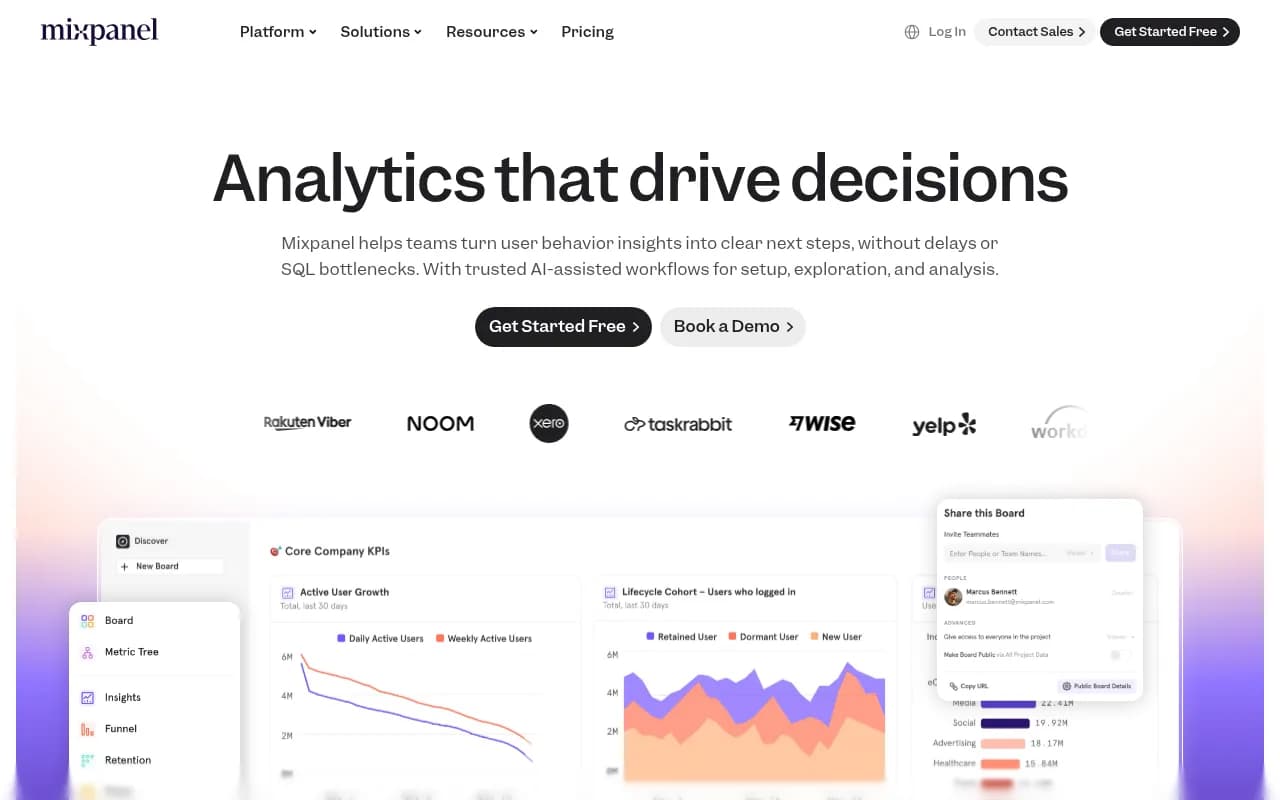
- Mixpanel for product analytics
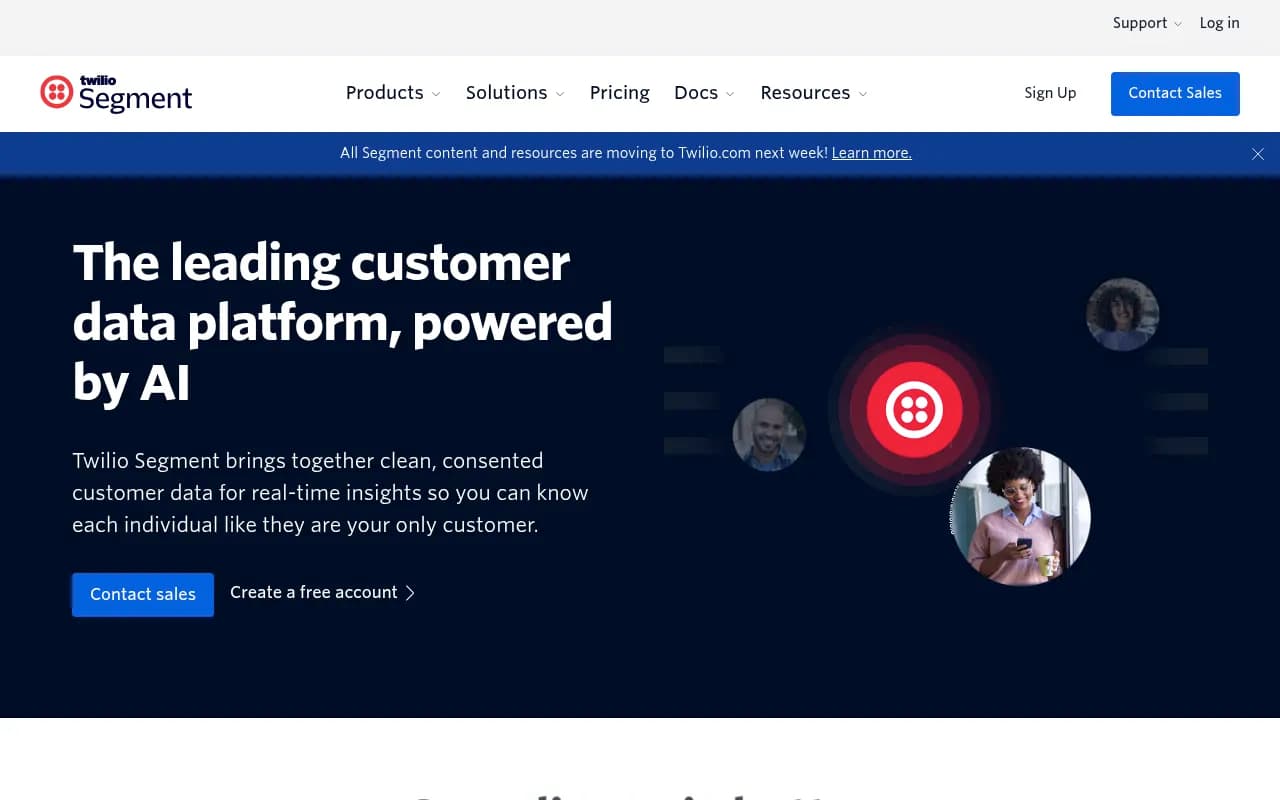
- Segment for unified customer data
Email and lifecycle marketing:
- Klaviyo for ecommerce email automation (not in catalog, but worth mentioning)
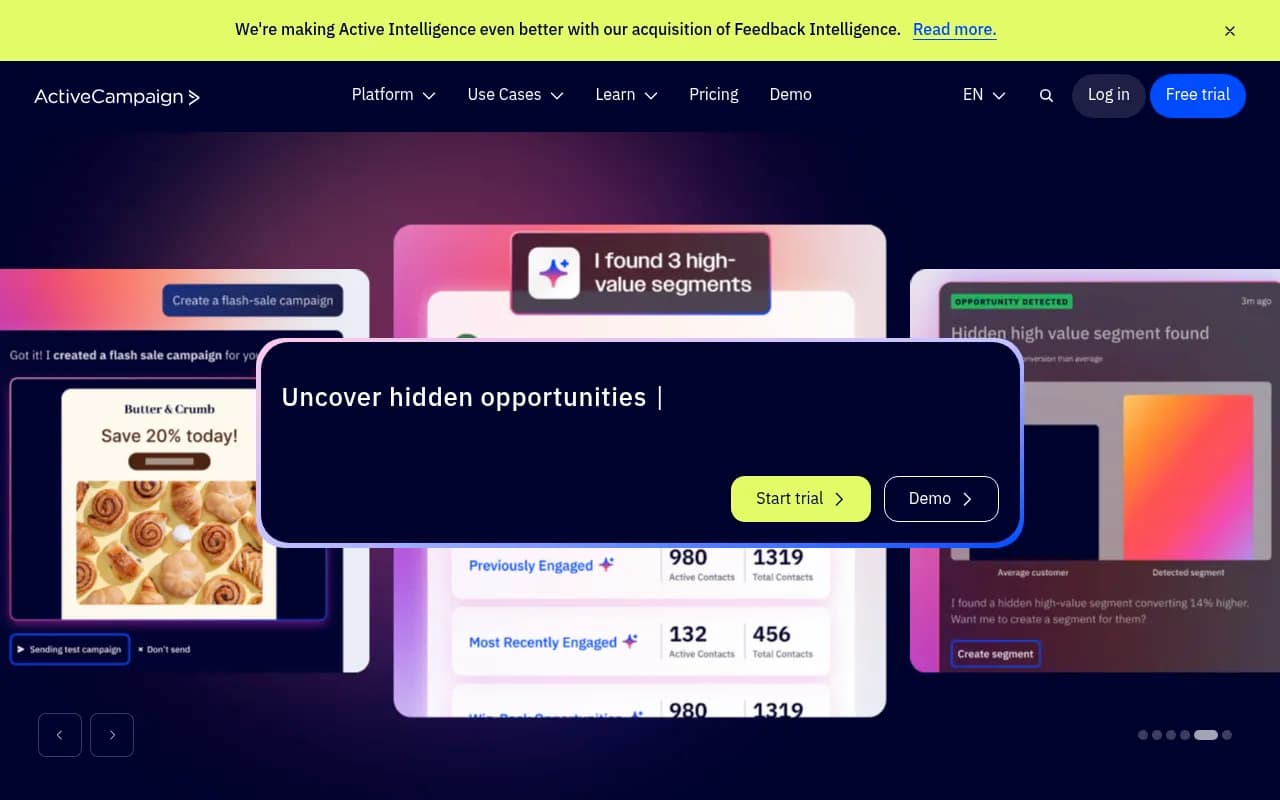
- ActiveCampaign for advanced automation
- Mailchimp for simple email marketing
The future: AI agents as acquisition channels
Looking ahead, subscription box companies will need to optimize for AI agents that make purchase decisions on behalf of users. Imagine a future where someone's AI assistant automatically subscribes them to a meal kit service based on dietary preferences, budget, and schedule.
The brands that win in that world will be the ones that are visible and trusted by AI models today. Building that visibility now -- through content optimization, citation tracking, and strategic presence in AI search results -- is the foundation for future acquisition channels that don't exist yet.
The economics are clear: AI search visibility reduces CAC, improves conversion rates, and builds a moat against competitors still dependent on paid ads. The subscription box companies investing in GEO and AI visibility today will have sustainably lower acquisition costs and higher profitability for years to come.