Key Takeaways
- AI visibility matters as much as traditional SEO: With LLM-driven traffic up 800% year-over-year for leading sites, tracking how your brand appears in ChatGPT, Claude, Gemini, and Perplexity is now essential
- Most tools only monitor, few help you optimize: The majority of AI visibility platforms show you where you're invisible but leave you stuck -- look for tools that identify content gaps and help you create optimized content
- Core features to prioritize: Multi-LLM tracking (10+ models), prompt volume data, citation analysis, competitor benchmarking, and AI crawler logs that show how models discover your content
- Action beats dashboards: The best platforms combine tracking with content generation, gap analysis, and optimization workflows -- not just pretty charts
- Start with your goals: If you need basic monitoring, simple tools work. If you want to improve AI visibility, choose platforms with content optimization and generation capabilities
Search is being transformed by AI-powered tools and large language models. Today, brands must both rank well in conventional web searches and become authoritative sources that AI engines cite in their responses.
When someone asks ChatGPT "What are the best project management tools?" or prompts Claude with "Which CRM should I use for my startup?", the brands mentioned in those responses gain visibility, credibility, and traffic. The brands left out lose all three.
Traditional SEO metrics like Google rankings don't reveal this picture. You need AI visibility tracking -- the ability to monitor when, where, and how your brand appears across LLM-generated answers.
This guide explains what AI brand monitoring tools do, which features actually matter, and how to choose the right platform for your needs.
What AI Visibility Tools Actually Track
AI visibility tools monitor how your brand, products, and content appear in responses generated by large language models and AI search engines. They run queries across platforms like ChatGPT, Claude, Gemini, Perplexity, Google AI Overviews, and others -- then analyze the results to show you where you're visible and where you're not.
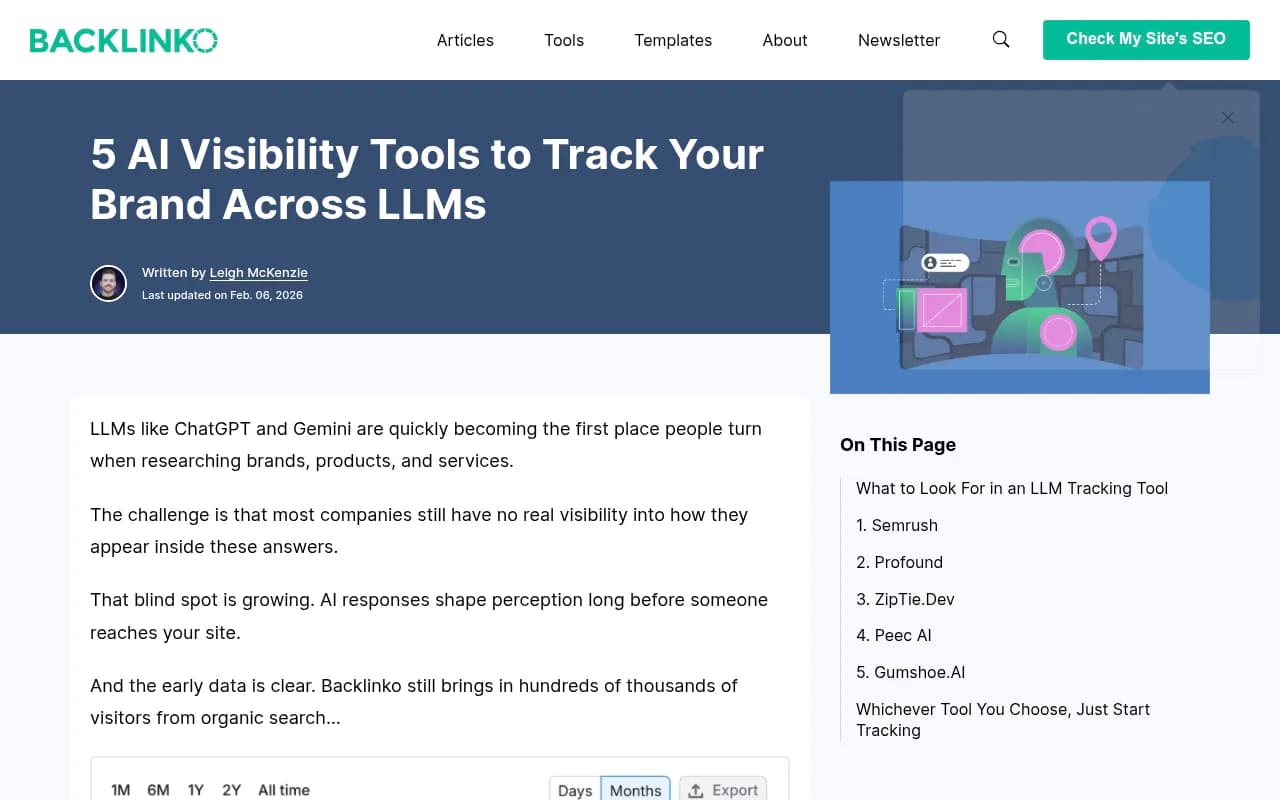
The best platforms track several dimensions:
Brand Mention Monitoring
These tools search for direct mentions of your brand name in AI-generated responses. They track frequency, context (positive, neutral, negative), and position within answers. You see which prompts trigger mentions of your brand and which competitors appear alongside you.
Citation and Source Analysis
When AI models cite sources, these tools identify which of your URLs appear in citations, how often, and in what context. This reveals which pages AI engines consider authoritative and which topics you're being referenced for.
Competitive Visibility Benchmarking
The strongest platforms let you track competitors' brands and compare visibility scores. You can see who's winning for specific prompts, which brands dominate certain categories, and where gaps exist that you can exploit.
Multi-LLM Coverage
Different AI models have different training data, retrieval mechanisms, and citation behaviors. Tools that track 10+ models (ChatGPT, Claude, Gemini, Perplexity, DeepSeek, Grok, Meta AI, Mistral, Copilot, Google AI Overviews) give you the complete picture.
AI Search Ranking Metrics
Some platforms create "AI ranking" scores that quantify your visibility across prompts, similar to how traditional SEO tools track keyword rankings. These scores help you measure progress over time and prioritize optimization efforts.
Core Features That Actually Matter
Not all AI visibility tools are built the same. Many look impressive in demos but fall short when you need to take action. Here's what separates monitoring-only dashboards from true optimization platforms:
1. Prompt Intelligence and Volume Data
Knowing that your brand appears for a prompt is useful. Knowing how many people are actually asking that prompt is essential.
The best tools provide:
- Estimated search volumes for each prompt across different LLMs
- Difficulty scores that indicate how hard it is to rank for specific queries
- Query fan-outs showing how one prompt branches into related sub-queries
- Trend data revealing which prompts are growing or declining in popularity
This intelligence helps you prioritize high-value, winnable prompts instead of optimizing blindly.
2. Answer Gap Analysis
This is where most tools fail. They show you where competitors are visible but don't tell you why or what to do about it.
Look for platforms that:
- Identify specific prompts where competitors rank but you don't
- Analyze what content angles, topics, and information AI models are looking for
- Show exactly what's missing from your website that would make you citeable
- Provide actionable recommendations, not just data dumps
Answer gap analysis transforms visibility tracking from passive monitoring into strategic content planning.
3. AI Crawler Logs and Indexing Insights
AI models discover your content through web crawlers -- just like Google, but with different behaviors. Understanding how ChatGPT, Claude, and Perplexity crawl your site is critical.
Advanced platforms provide:
- Real-time logs of AI crawler activity on your website
- Which pages AI models are reading and how often they return
- Errors and blocked resources that prevent proper indexing
- Crawl frequency patterns that reveal content freshness signals
Most competitors lack this capability entirely. It's a major blind spot.
4. Citation and Source Attribution
When AI models cite sources, you need to know:
- Which specific pages are being cited and for what topics
- How citation frequency correlates with content characteristics
- What other domains (competitors, Reddit threads, YouTube videos) appear alongside you
- Whether citations lead to actual traffic and conversions
The best tools connect visibility data to real business outcomes through traffic attribution (code snippets, Google Search Console integration, or server log analysis).
5. Content Optimization and Generation
This is the feature that separates leaders from followers. Monitoring tools show you problems. Optimization platforms help you solve them.
Look for:
- AI writing agents that generate content grounded in citation data, prompt volumes, and competitor analysis
- Content gap recommendations that tell you exactly what to write about
- Optimization suggestions for existing pages to improve AI citability
- Structured data and schema markup guidance that helps AI models understand your content
Tools like Promptwatch build this action loop directly into the platform -- find gaps, generate optimized content, track results. Most competitors (Otterly.AI, Peec.ai, AthenaHQ, Search Party) stop at step one.

6. Reddit and YouTube Tracking
AI models frequently cite Reddit discussions and YouTube videos in their responses. These channels directly influence recommendations, yet most visibility tools ignore them entirely.
Platforms that surface relevant Reddit threads and YouTube content give you:
- Insight into what real users are saying about your category
- Opportunities to participate in high-value discussions
- Content angles that resonate with actual customer questions
- Competitive intelligence from unfiltered user feedback
7. Multi-Language and Multi-Region Support
AI responses vary by language, location, and user persona. A tool that only tracks English prompts from the US misses the global picture.
Look for:
- Support for multiple languages and regional variations
- Customizable personas that match how your actual customers prompt AI models
- Location-based tracking (state, city, country level)
- Cultural and linguistic nuance in prompt analysis
8. API Access and Data Export
If you want to build custom reports, integrate with your existing analytics stack, or automate workflows, you need programmatic access.
The best platforms offer:
- RESTful APIs for querying visibility data
- Webhooks for real-time alerts
- CSV/JSON export for custom analysis
- Integrations with tools like Looker Studio, Google Sheets, and data warehouses
What to Avoid: Red Flags in AI Visibility Tools
Not every platform delivers on its promises. Watch out for:
Fixed Prompt Lists
Some tools (including Semrush's AI visibility features and Ahrefs Brand Radar) use fixed, predefined prompt lists. You can't add custom queries or track the specific questions your customers are asking. This severely limits usefulness.
Monitoring-Only Dashboards
Many platforms show you pretty charts but offer zero optimization capabilities. They tell you where you're invisible but provide no path to improvement. These tools are useful for reporting but won't move the needle on actual visibility.
Limited LLM Coverage
Tools that only track 2-3 AI models miss the broader landscape. ChatGPT and Perplexity are important, but Claude, Gemini, DeepSeek, Grok, and others matter too. Different audiences use different models.
No Traffic Attribution
Visibility metrics are vanity metrics if you can't connect them to real traffic and revenue. Platforms that don't offer traffic attribution (via code snippet, GSC integration, or server logs) leave you guessing about ROI.
Fragile Scraping Infrastructure
Some tools rely on brittle scraping setups that break frequently or provide inconsistent data. Look for platforms with robust infrastructure, transparent data collection methods, and clear uptime guarantees.
Lack of Competitive Intelligence
If a tool can't show you how competitors are performing, you're flying blind. Competitive benchmarking is essential for understanding where opportunities exist and what strategies are working.
How to Choose the Right AI Visibility Tool
Your choice depends on your goals, budget, and team capabilities:
For Basic Brand Monitoring
If you just want to know when your brand is mentioned in AI responses, simpler tools work fine. Look for:
- Multi-LLM coverage (at least 5+ models)
- Brand mention tracking with sentiment analysis
- Basic competitive benchmarking
- Affordable pricing (under $200/month)
Tools like Otterly.AI and Peec.ai fit this category. They're monitoring-focused but cover the basics.
Otterly.AI


For Content Optimization and Growth
If your goal is to improve AI visibility -- not just track it -- you need a platform with optimization capabilities:
- Answer gap analysis that identifies missing content
- AI content generation grounded in citation data
- Prompt intelligence with volume and difficulty scores
- AI crawler logs and indexing insights
- Page-level tracking and traffic attribution
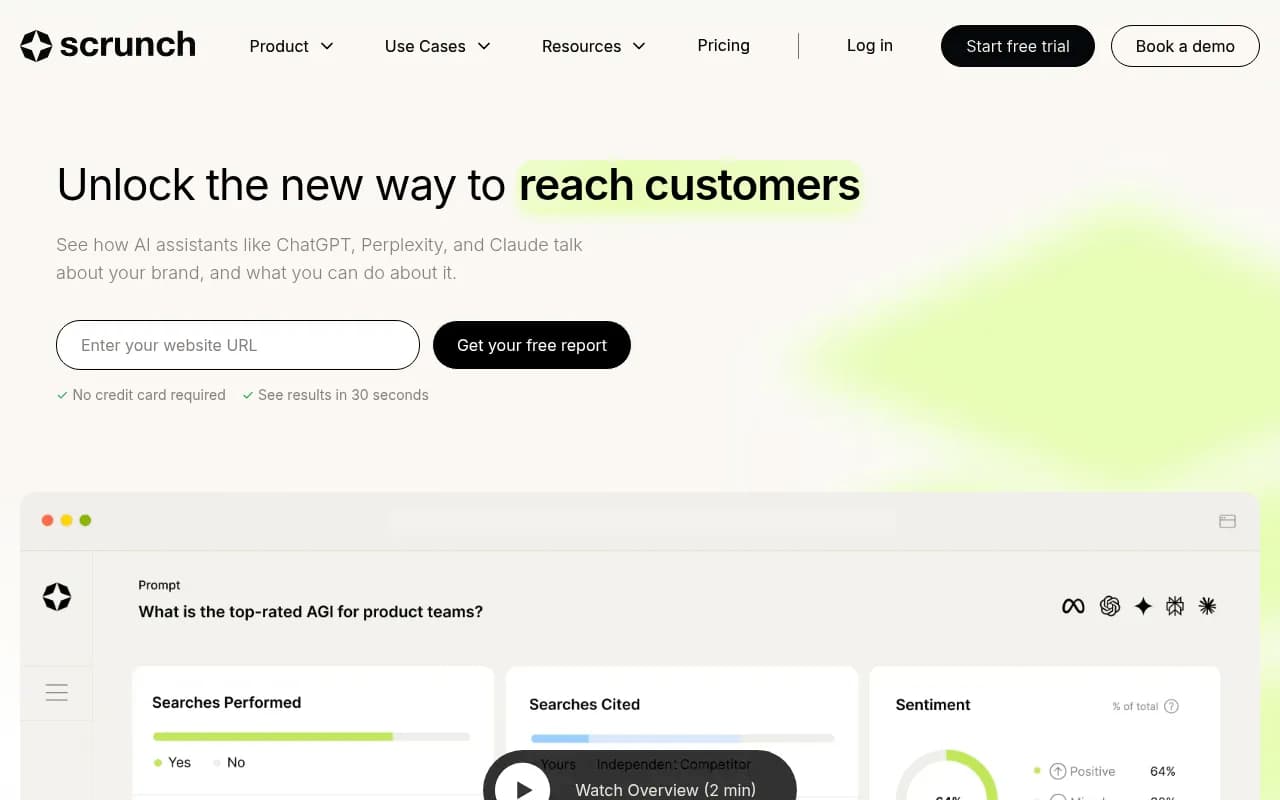
Platforms like Promptwatch, Profound, and Scrunch AI offer these features. Promptwatch is the only one rated as a "Leader" across all categories in 2026 comparisons.
Profound

For Enterprise and Agency Use
Large organizations and agencies need:
- Multi-site support with client management features
- White-label reporting and custom dashboards
- API access for custom integrations
- Advanced competitive intelligence
- Dedicated support and onboarding
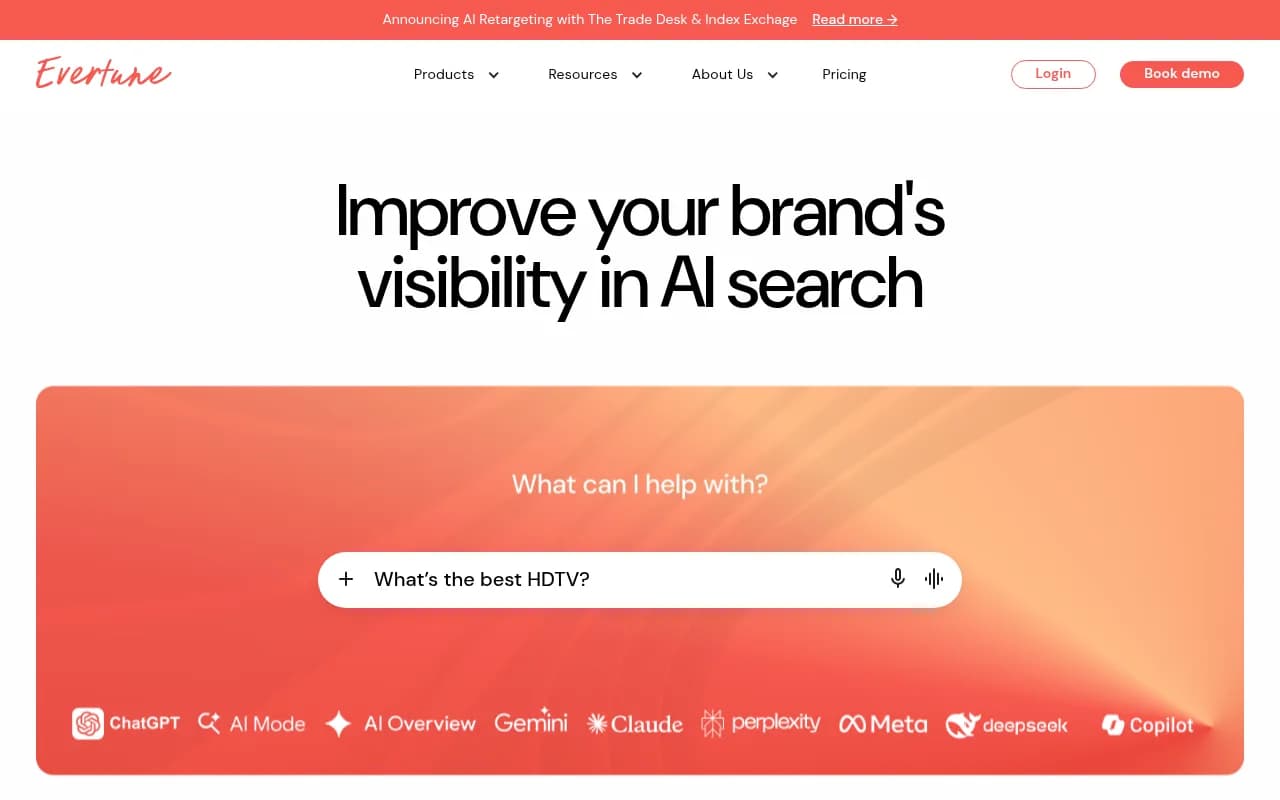
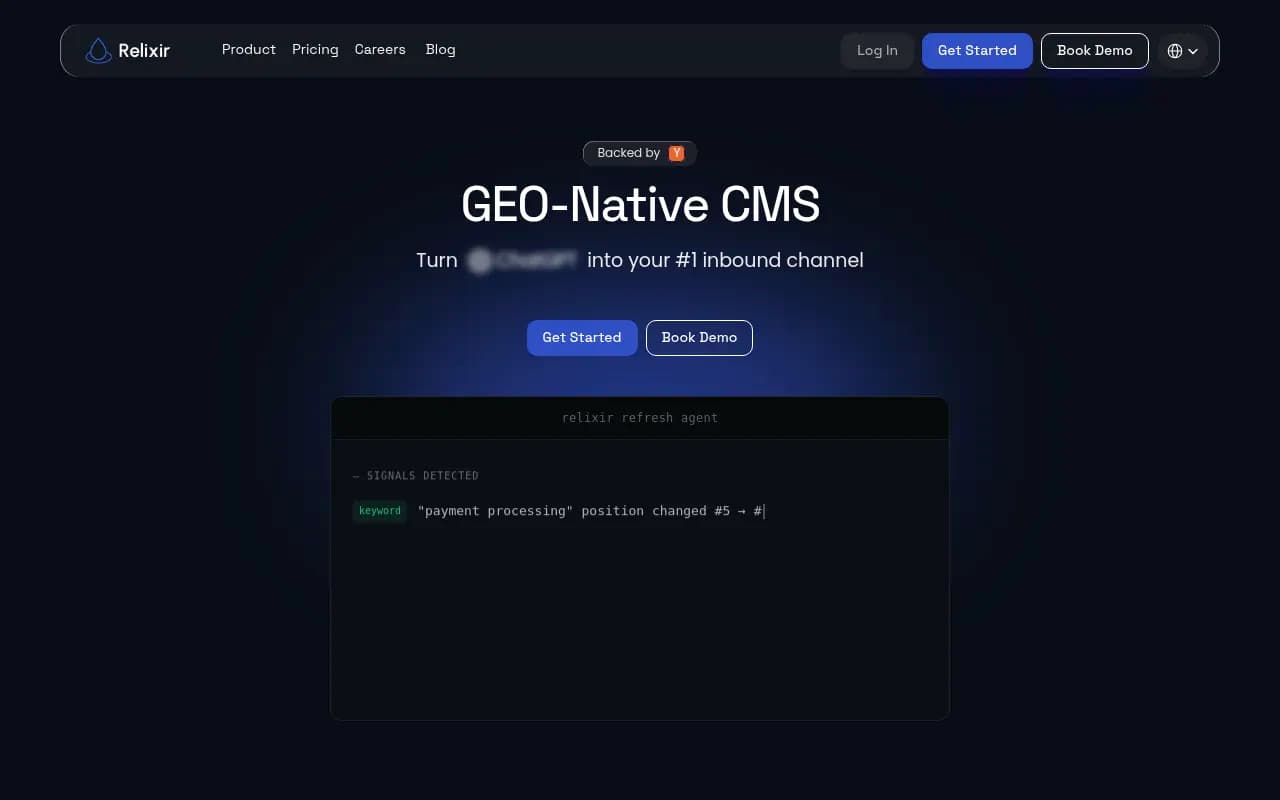
Platforms like Evertune, Relixir, and Promptwatch's Business/Enterprise plans are built for this scale.
For E-Commerce and Product Brands
If you sell products, look for:
- ChatGPT Shopping tracking (product recommendations and carousels)
- E-commerce-specific prompt libraries
- Product mention tracking across LLMs
- Integration with product feeds and catalogs
Promptwatch offers ChatGPT Shopping tracking. Most competitors don't.
The Action Loop: From Monitoring to Optimization
The most effective approach to AI visibility isn't just tracking -- it's a continuous optimization cycle:
Step 1: Find the Gaps
Use answer gap analysis to identify prompts where competitors are visible but you're not. See exactly what content your website is missing -- the topics, angles, and questions AI models want answers to but can't find on your site.
Step 2: Create Optimized Content
Generate articles, listicles, and comparisons grounded in real citation data, prompt volumes, persona targeting, and competitor analysis. This isn't generic SEO filler -- it's content engineered to get cited by AI models.
Platforms with built-in AI writing agents (like Promptwatch) make this step seamless. You're not starting from scratch -- you're working from data-driven templates that know what AI models are looking for.
Step 3: Track Results
Monitor your visibility scores as AI models start citing your new content. Page-level tracking shows exactly which pages are being cited, how often, and by which models. Close the loop with traffic attribution to connect visibility to actual revenue.
Step 4: Iterate and Improve
AI models update frequently. New prompts emerge. Competitors publish new content. The optimization cycle never ends. The best platforms make iteration easy with automated alerts, trend tracking, and continuous gap analysis.
Pricing Expectations
AI visibility tools range from free checkers to enterprise platforms:
- Free tools: Limited to basic brand checks, no ongoing tracking
- $50-150/month: Basic monitoring, 1-2 sites, limited prompts, no optimization features
- $150-300/month: Multi-LLM tracking, competitive benchmarking, basic gap analysis, 2-5 sites
- $300-600/month: Full optimization features, content generation, crawler logs, 5+ sites, advanced analytics
- $600+/month: Enterprise features, white-label, API access, unlimited sites, dedicated support
Most teams find the $200-400/month range offers the best balance of features and value. This tier typically includes the optimization capabilities that actually move the needle.
Common Mistakes to Avoid
Treating AI Visibility Like Traditional SEO
AI search is fundamentally different from Google search. Keyword rankings don't translate directly to LLM visibility. You need to think in terms of prompts, citations, and conversational queries -- not just keywords.
Optimizing for One Model Only
ChatGPT is the biggest player, but Claude, Gemini, Perplexity, and others have significant user bases. Different audiences use different models. Track them all.
Ignoring Content Gaps
Monitoring without action is pointless. If you're not using visibility data to inform content strategy, you're wasting time and money.
Focusing Only on Brand Mentions
Brand mentions are important, but citation analysis reveals more. Which of your pages are being cited? For what topics? What's the context? This deeper analysis drives better optimization decisions.
Neglecting AI Crawler Health
If AI crawlers can't access your content properly, you'll never be visible -- no matter how good your content is. Monitor crawler logs and fix indexing issues proactively.
The Future of AI Visibility Tracking
The AI visibility space is evolving rapidly. Expect these trends in 2026 and beyond:
Deeper Integration with Content Workflows
Tools will move beyond standalone dashboards to integrate directly with CMS platforms, content calendars, and publishing workflows. Optimization will become part of the content creation process, not an afterthought.
Predictive Visibility Scoring
AI models will predict how likely a piece of content is to be cited before you publish it. You'll be able to test different angles, formats, and structures to maximize citability.
Voice and Multimodal Tracking
As AI assistants become more voice-centric and multimodal (text, image, video), visibility tools will track how brands appear in voice responses, image results, and video recommendations.
Real-Time Optimization Feedback
Instead of waiting days or weeks to see results, platforms will provide real-time feedback on content changes. You'll know immediately if a page update improves AI citability.
Tighter Attribution and ROI Measurement
Expect better tools for connecting AI visibility to revenue. Platforms will integrate with CRM systems, e-commerce platforms, and analytics tools to show the full funnel impact of AI search optimization.
Getting Started
If you're new to AI visibility tracking:
- Start with a free checker to get a baseline understanding of your current visibility
- Choose a paid tool based on your goals (monitoring vs optimization)
- Track 3-5 competitors to understand the competitive landscape
- Focus on high-value prompts with good volume and winnable difficulty
- Create optimized content to fill gaps identified by your tool
- Monitor results and iterate based on what works
The brands that master AI visibility in 2026 will have a significant advantage over those still focused exclusively on traditional SEO. The shift is happening now. The tools exist. The question is whether you'll act before your competitors do.
Final Thoughts
AI visibility tools are no longer optional for brands that want to stay competitive. With LLM-driven traffic growing 800% year-over-year and AI search engines becoming the default way people research products and services, tracking how you appear in these systems is essential.
The best tools don't just show you where you're invisible -- they help you fix it. Look for platforms that combine monitoring with content optimization, gap analysis, and generation capabilities. Monitoring-only dashboards are useful for reporting, but they won't improve your visibility.
Choose a tool that matches your goals, budget, and team capabilities. Start with the basics, then expand as you see results. And remember: AI visibility is a continuous process, not a one-time project. The brands that win are those that commit to ongoing optimization, not just periodic check-ins.