Key takeaways
- Brandlight.ai is built around brand sentiment and narrative monitoring inside AI answers — strong for enterprise reputation tracking, weaker on content optimization.
- Relixir positions itself as an end-to-end GEO engine with content generation built in, but it's a newer entrant with less proven scale.
- Neither platform has the breadth of a full-stack GEO solution: Brandlight lacks content creation tools, and Relixir's monitoring depth is still catching up.
- For brands that need the full loop — find gaps, create content, track results — platforms like Promptwatch cover more ground than either.
- The right choice depends on whether your primary need is brand narrative monitoring (Brandlight) or content-driven AI visibility growth (Relixir or alternatives).
The GEO platform market has gotten crowded fast. Two years ago, most brands were still debating whether AI search was worth tracking. Now there are dozens of platforms competing for the same budget, and the pitch from most of them sounds identical: "We help you appear in ChatGPT, Perplexity, and Google AI Overviews."
Brandlight.ai and Relixir both make that pitch. But they're genuinely different products aimed at different problems, and the gap between them matters if you're trying to make a real buying decision.
This comparison breaks down what each platform actually does well, where each one falls short, and how they stack up against the broader market.
What Brandlight.ai actually is
Brandlight is an enterprise-focused AI visibility platform. Its core proposition is monitoring how your brand appears across AI search engines — not just whether you're cited, but how you're described, what sentiment surrounds your brand in AI-generated answers, and whether the narrative AI models tell about you matches what you want customers to hear.
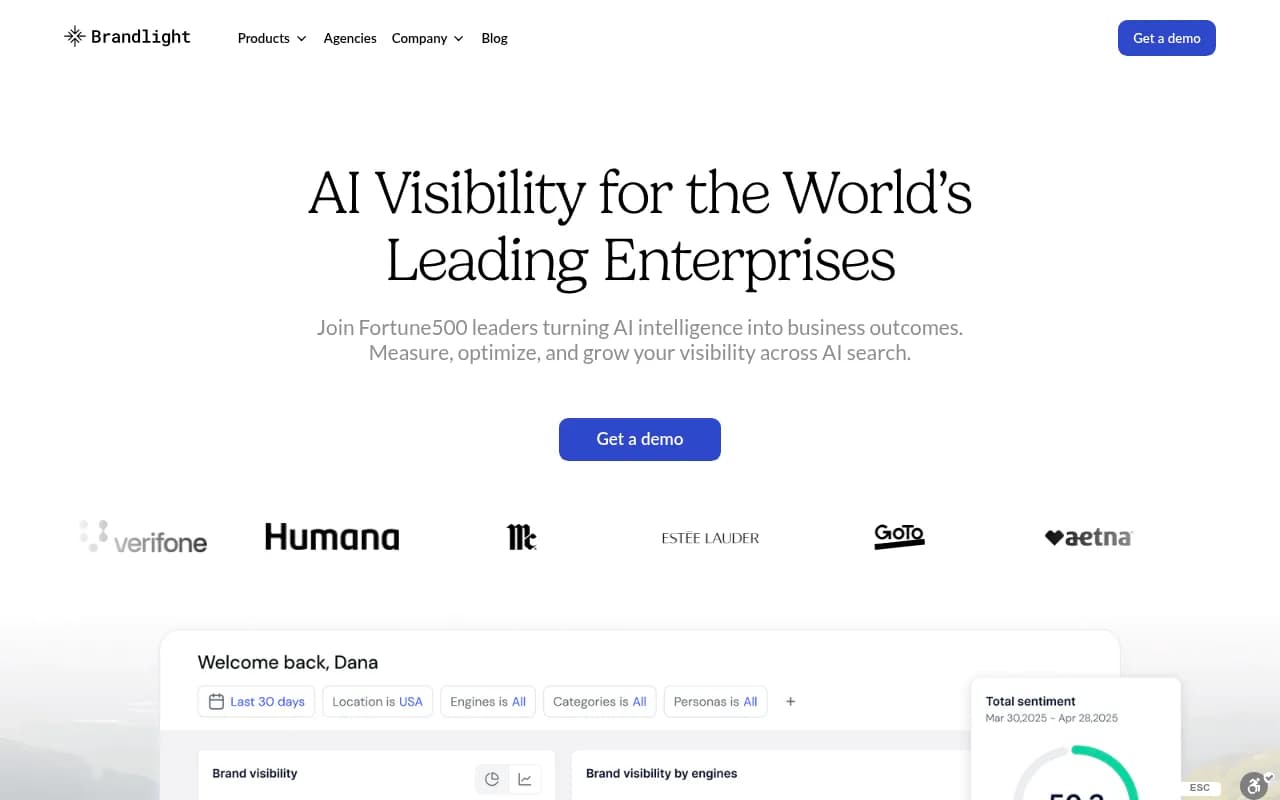
That's a meaningful distinction. Most GEO tools treat brand visibility as a binary: you're cited or you're not. Brandlight goes a layer deeper by asking: when AI mentions your brand, is it saying the right things? This makes it particularly useful for large consumer brands — think Humana, Estée Lauder, Kimberly-Clark — where brand narrative inside AI answers is as important as raw citation frequency.
The platform covers major AI engines (ChatGPT, Gemini, Perplexity, Claude, and others) and gives teams a dashboard view of brand mentions, sentiment trends, and competitive positioning across those engines.
Where Brandlight gets complicated is on the optimization side. It's primarily a monitoring and measurement tool. If you discover that ChatGPT is describing your brand inaccurately or that a competitor is consistently cited where you aren't, Brandlight surfaces that information — but the actual work of fixing it happens outside the platform. There's no content generation, no content brief builder, no crawler log analysis. You get the diagnosis without the treatment.
What Relixir actually is
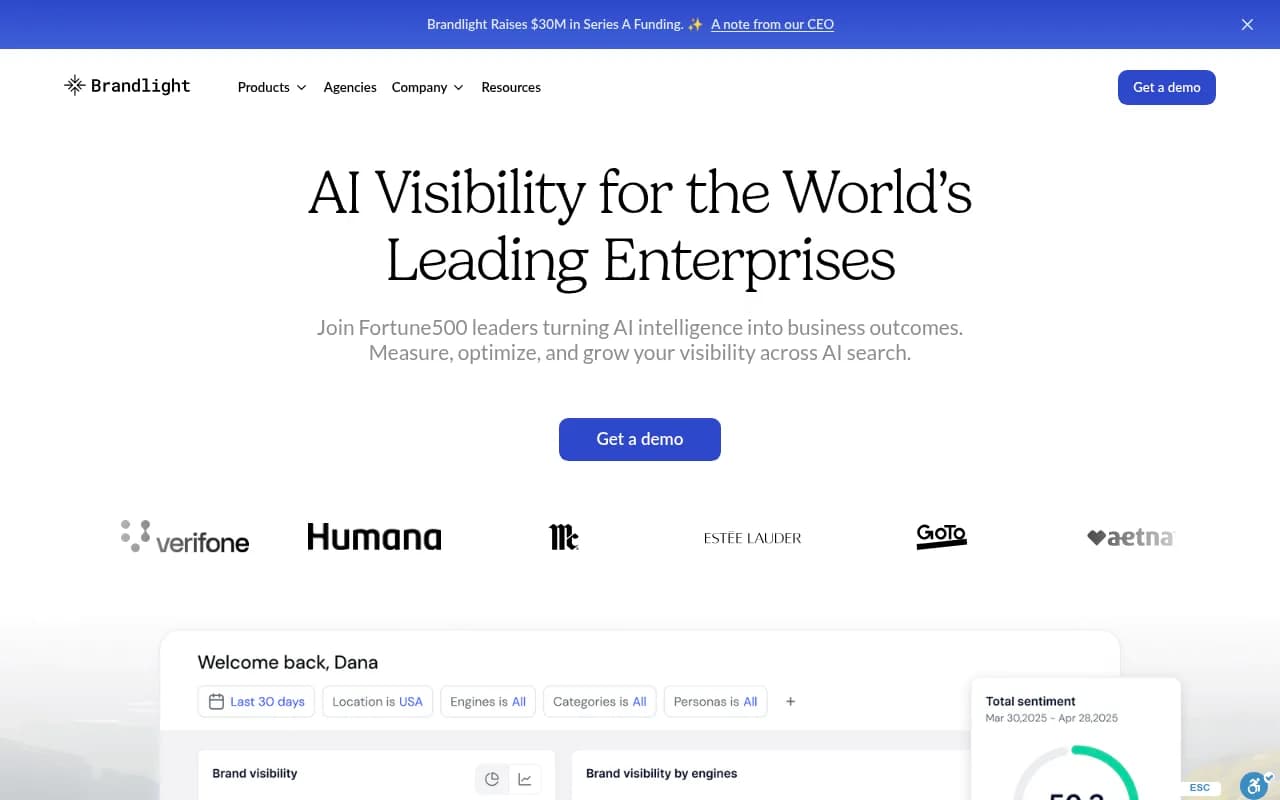
Relixir markets itself as an end-to-end GEO engine. The pitch is that it doesn't just track your AI visibility — it helps you improve it through content generation and optimization workflows built into the platform.
In practice, Relixir is a newer entrant that's trying to solve the same problem that most monitoring-only tools leave open: you see the gap, but now what? The platform includes tools for identifying which prompts competitors rank for, generating content to close those gaps, and tracking whether that content moves the needle in AI search results.
That's the right idea. The monitoring-to-action loop is exactly what separates useful GEO tools from expensive dashboards. The question is execution and scale. Relixir is still building out its data infrastructure, and its coverage of AI models and prompt volume data is thinner than more established platforms.
Feature-by-feature comparison
| Feature | Brandlight.ai | Relixir |
|---|---|---|
| AI model coverage | Broad (ChatGPT, Gemini, Perplexity, Claude, others) | Moderate (core models covered) |
| Brand sentiment analysis | Yes — core differentiator | Limited |
| Citation tracking | Yes | Yes |
| Competitor benchmarking | Yes | Yes |
| Content gap analysis | No | Yes (basic) |
| Content generation | No | Yes |
| AI crawler logs | No | No |
| Prompt volume/difficulty data | Limited | Limited |
| Reddit/YouTube tracking | No | No |
| ChatGPT Shopping tracking | No | No |
| Traffic attribution | No | Limited |
| Enterprise-grade security/compliance | Yes | Not confirmed |
| Free trial | Demo-only | Available |
| Target market | Fortune 500 / large enterprise | Mid-market to enterprise |
A few things stand out from this table. Brandlight's sentiment analysis is genuinely differentiated — no other platform in this category puts as much emphasis on the quality and tone of AI-generated brand mentions, not just the presence of them. That matters for brands where reputation is the product.
Relixir's content generation capability is also real, not just a marketing claim. But "content generation" covers a wide range of quality levels, and the depth of Relixir's content tools — whether they're grounded in actual prompt data, citation analysis, and competitor research — is harder to verify from the outside.
What both platforms share is a gap in the infrastructure layer: neither offers AI crawler logs (which show you exactly when and how AI bots are crawling your site), neither tracks Reddit or YouTube as citation sources, and neither connects AI visibility to actual revenue attribution.
Who Brandlight is actually for
Brandlight makes the most sense for large enterprise brands where the primary concern is brand narrative control inside AI answers. If you're a CMO at a Fortune 500 company and your worry is "what is ChatGPT saying about us, and is it accurate?" — Brandlight is built for that question.
The platform's enterprise positioning is genuine. The customer list (Humana, Aetna, Estée Lauder, Kimberly-Clark) suggests it's selling into large organizations with dedicated brand teams, not growth marketers trying to drive traffic from AI search.
The limitation is that monitoring brand narrative and improving AI visibility are related but different jobs. Brandlight does the first well. For the second, you need a different tool or a different team.
Who Relixir is actually for
Relixir fits better for marketing teams that have already accepted the monitoring problem and want to move into optimization. If you've been using a basic tracking tool, you know you're invisible for certain prompts, and you want a platform that helps you create content to fix that — Relixir is worth evaluating.
The end-to-end framing is the right instinct. The risk is that "end-to-end" can mean different things, and a platform that generates content without deep prompt intelligence, citation data, or crawler monitoring is still leaving gaps in the loop.
The broader context: what the GEO market looks like in 2026
It's worth stepping back. The comparison between Brandlight and Relixir is really a comparison between two different theories of what a GEO platform should do.
Brandlight's theory: the most important thing is understanding how AI models perceive and describe your brand. Fix the narrative, and visibility follows.
Relixir's theory: the most important thing is closing content gaps. Create the content AI models want to cite, and both visibility and narrative improve.
Both theories have merit. The problem is that neither platform fully executes on the complete picture, which includes:
- Knowing which prompts matter (volume, difficulty, competitor presence)
- Understanding why you're not being cited (content gaps, crawler issues, offsite citation problems)
- Creating content that actually closes those gaps
- Tracking whether that content gets crawled, cited, and drives traffic
That full loop is what separates a monitoring dashboard from an optimization platform. Most tools in this space — including Brandlight and Relixir — cover parts of it. Platforms like Promptwatch are built around the complete cycle, from answer gap analysis through AI-grounded content generation to page-level citation tracking and traffic attribution.

Other platforms worth considering
If you're evaluating Brandlight and Relixir, you're probably also looking at a few other options. Here's where some of the other notable platforms fit:
For enterprise brands that need deep monitoring:
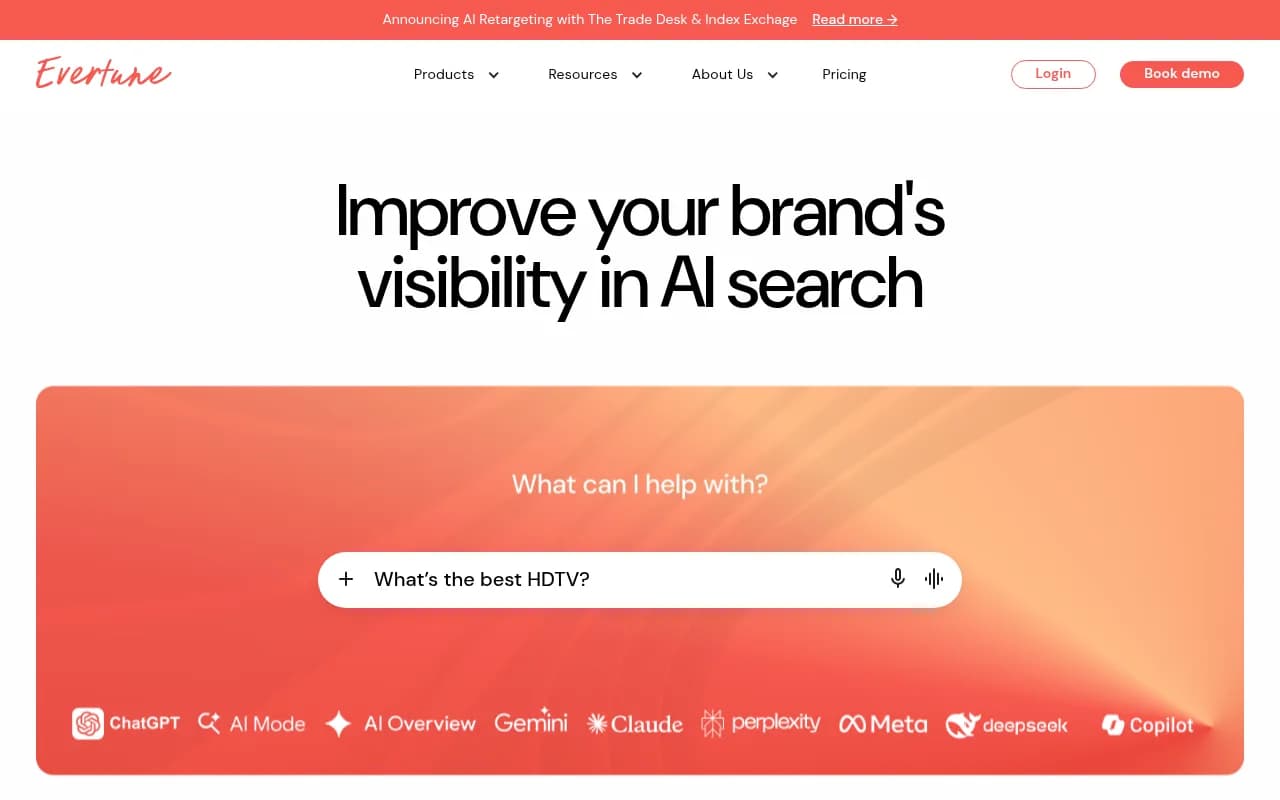
Evertune is another enterprise-focused platform with strong Fortune 500 positioning. Like Brandlight, it leans heavily on monitoring and measurement, though it's been building out more optimization features.
For monitoring-focused teams on a smaller budget:
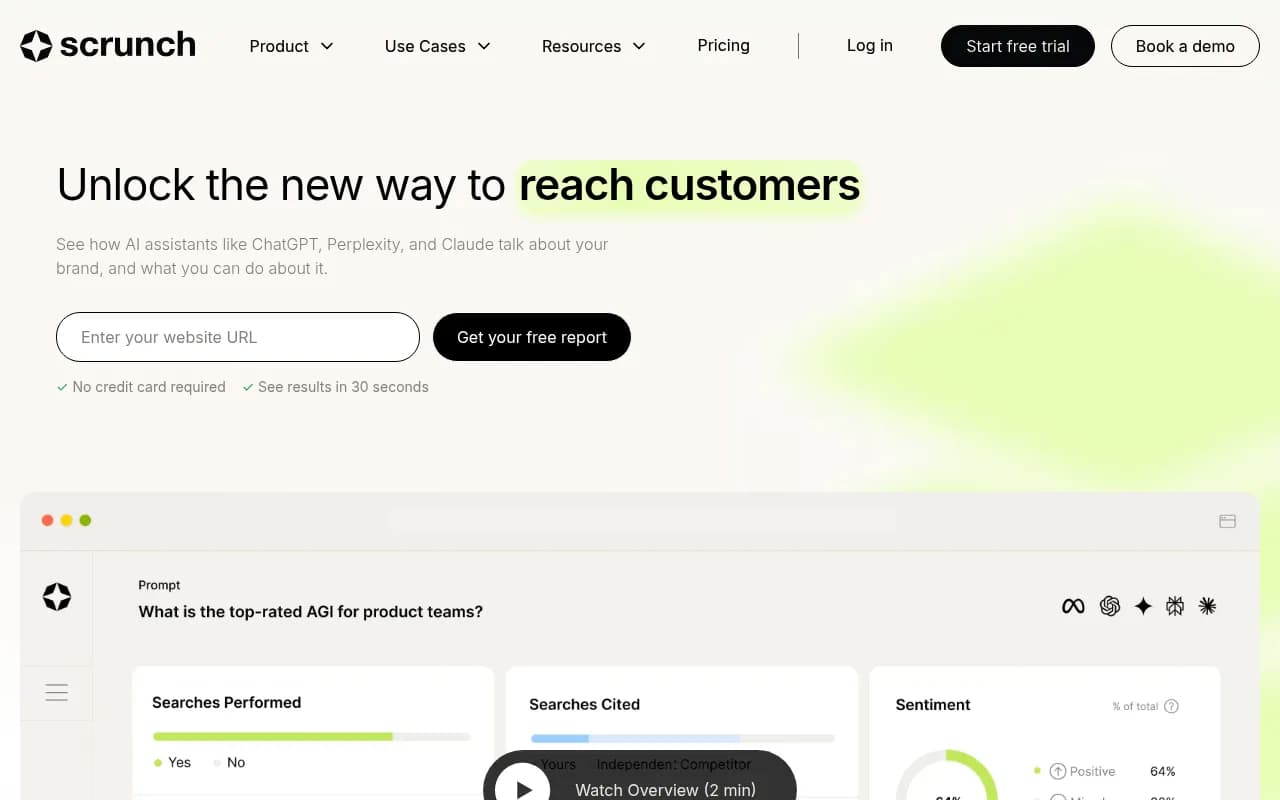
ScrunchAI covers the core monitoring use case at a lower price point than Brandlight, though it lacks the sentiment depth.
Otterly.AI

Otterly.AI is a solid basic tracker — good for teams that just need to know if they're being cited across ChatGPT, Perplexity, and Google AI Overviews, without needing deeper analysis.
For teams that want monitoring plus content optimization:

AthenaHQ sits between monitoring and optimization, with competitive analysis and some content guidance. It doesn't generate content directly but gives teams clearer direction on what to create.
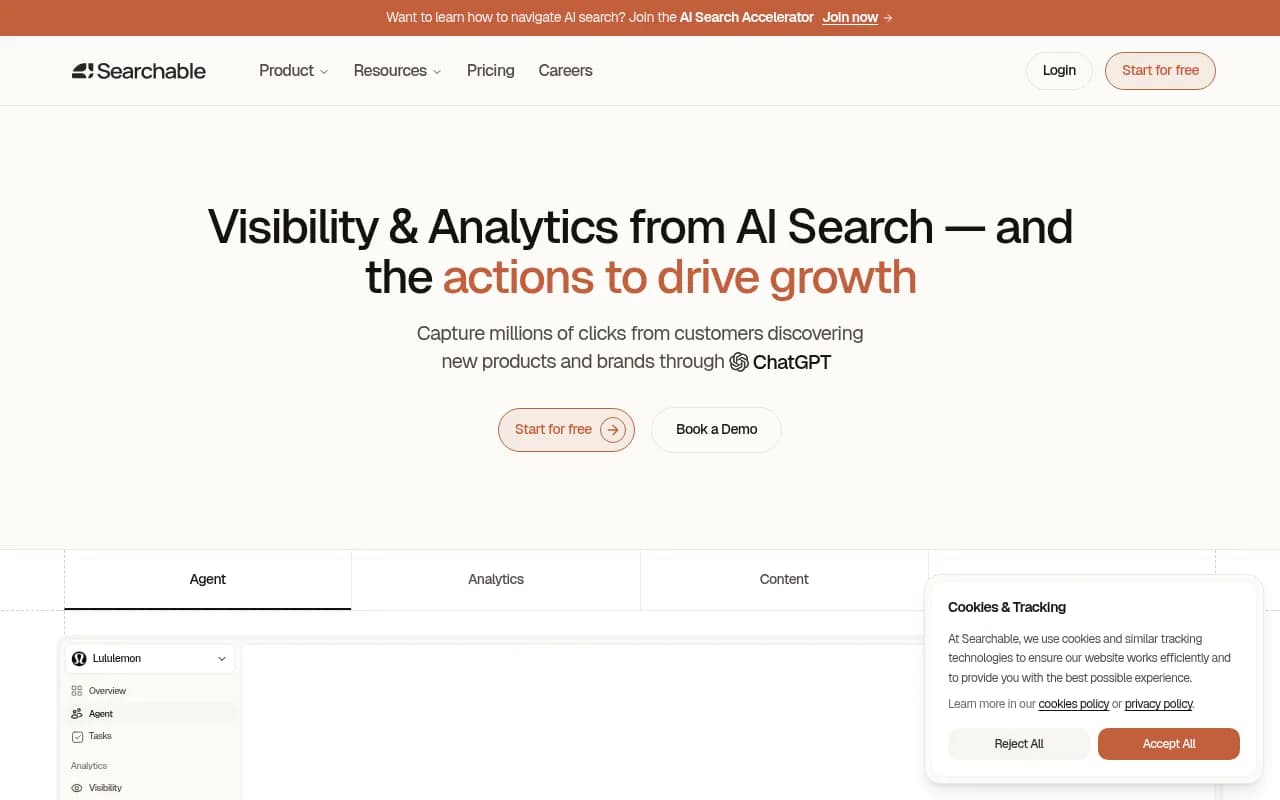
Searchable combines AI search visibility tracking with content generation, similar to Relixir's positioning.
Pricing reality
Brandlight doesn't publish pricing publicly — it's demo-only, which is typical for enterprise software targeting Fortune 500 buyers. Expect custom contracts and pricing that reflects the enterprise customer base.
Relixir has more accessible pricing, though exact tiers aren't widely published. It's positioned for mid-market to enterprise, which suggests it's trying to be more accessible than Brandlight without going downmarket.
For context, most mid-tier GEO platforms in 2026 run between $200-600/month for meaningful feature access. Enterprise platforms like Brandlight likely start significantly higher.
The honest verdict
Choose Brandlight if: You're at a large enterprise brand where the primary concern is brand narrative and sentiment inside AI answers. You have a dedicated team that can act on monitoring insights, and you're not expecting the platform to generate content or close gaps for you.
Choose Relixir if: You want a single platform that attempts to cover both monitoring and content optimization, and you're willing to work with a newer entrant that's still building out its data depth.
Look elsewhere if: You need the full optimization loop — prompt intelligence, content gap analysis, AI content generation grounded in real citation data, crawler monitoring, and traffic attribution all in one place. Neither Brandlight nor Relixir delivers that complete picture today.
The GEO market is still maturing. Most platforms are strong in one area and weak in others. The brands that win in AI search in 2026 are the ones that treat it as an ongoing optimization problem, not a one-time monitoring exercise — and they need tools that support the entire cycle, not just the measurement part.