Key takeaways
- Most Hall AI alternatives fall into two camps: lightweight trackers that take under 30 minutes to set up, and enterprise platforms that require onboarding calls and weeks of configuration.
- Tools like Otterly.AI, LLMrefs, and Peec AI get you tracking in under an hour with minimal setup friction.
- Platforms like Profound and Scrunch AI offer deeper features but have longer ramp times.
- Promptwatch sits in a middle ground: setup takes roughly 30-60 minutes, but it's the only option here that goes beyond monitoring to actually help you fix visibility gaps with content generation and crawler analytics.
- Speed of setup matters, but so does what you can do once you're inside. A tool that takes 20 minutes to configure but only shows you a dashboard is less useful than one that takes an hour and tells you what to do next.
Hall AI has carved out a niche as a conversational AI tracking tool, but it's not the right fit for every team. Some find it too lightweight. Others want more AI engine coverage, better prompt data, or content tools that help them act on what they find. Whatever the reason you're looking for alternatives, one question comes up fast: how long is this going to take to set up?
That's not a trivial question. If you're a marketing team that needs visibility data this week, a tool that requires a two-week enterprise onboarding is effectively useless right now. On the other hand, if you're running a serious brand visibility program, a tool that takes five minutes to set up probably isn't going deep enough.
This guide ranks the main Hall AI alternatives by how quickly you can realistically go from signup to seeing meaningful tracking data. We've also noted what you actually get once you're up and running, because speed without depth is just a fast path to a shallow dashboard.
How we defined "onboarding speed"
Onboarding speed here means the time from account creation to having at least one tracked prompt returning real AI visibility data. We're not counting the time to read documentation or watch tutorials -- just the practical time to get something working.
We grouped tools into three tiers:
- Under 30 minutes: Enter your brand name, add some prompts, see data. No calls, no configuration files, no waiting for a crawl.
- 30-60 minutes: Requires some setup (connecting a domain, configuring personas, adding competitor names) but still self-serve.
- 60+ minutes or sales-assisted: Requires a demo call, custom configuration, or significant technical setup before you see anything useful.
Tier 1: Under 30 minutes
Otterly.AI
Otterly.AI is probably the fastest way to start monitoring AI search visibility. You sign up, enter your brand name and a handful of prompts, and within minutes you're seeing whether ChatGPT, Perplexity, or Google AI Overviews mention you. The interface is clean and the learning curve is close to zero.
The tradeoff is depth. Otterly.AI is a monitoring tool -- it shows you what's happening but doesn't tell you why or what to do about it. There's no content generation, no crawler logs, no prompt volume data. For teams that just want a quick pulse check, that's fine. For teams trying to actually improve their AI visibility, it runs out of road quickly.
Otterly.AI

LLMrefs
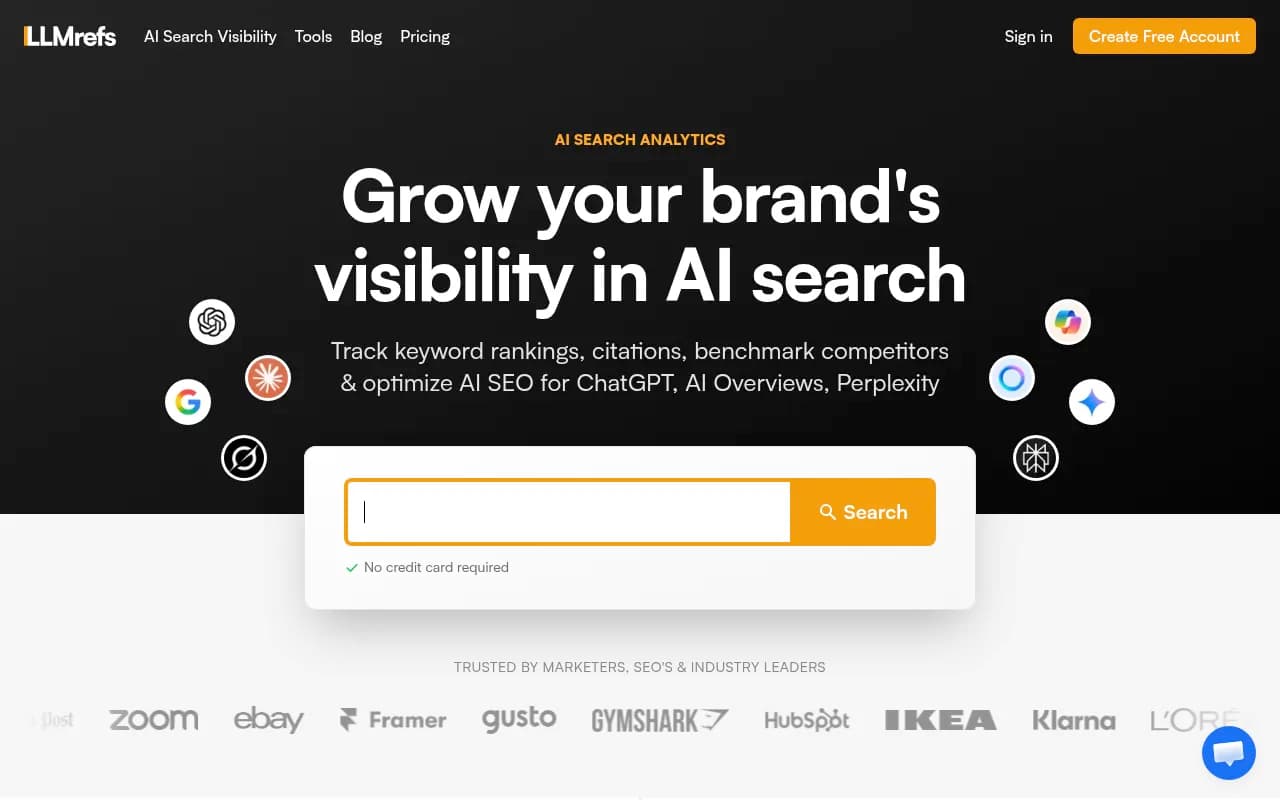
LLMrefs takes a similar approach: enter your brand, set up prompts, get data fast. It covers a solid range of AI engines and the onboarding flow is genuinely self-serve. You can be tracking within 20 minutes of signing up.
Coverage across models is decent, and the interface doesn't require any technical knowledge. Like Otterly.AI, though, it's primarily a tracker. The data is useful for understanding your current position; it won't tell you how to change it.
LLMrefs
Peec AI
Peec AI is another quick-start option that's popular with marketing teams who want AI visibility data without a steep setup process. The prompt configuration is straightforward, and the dashboard gives you a clear view of brand mentions across major LLMs.
It's worth noting that Peec AI is monitoring-focused. Teams that have used it report it's good for tracking trends over time but limited when it comes to diagnosing why visibility is low or generating content to fix it.

Goodie AI
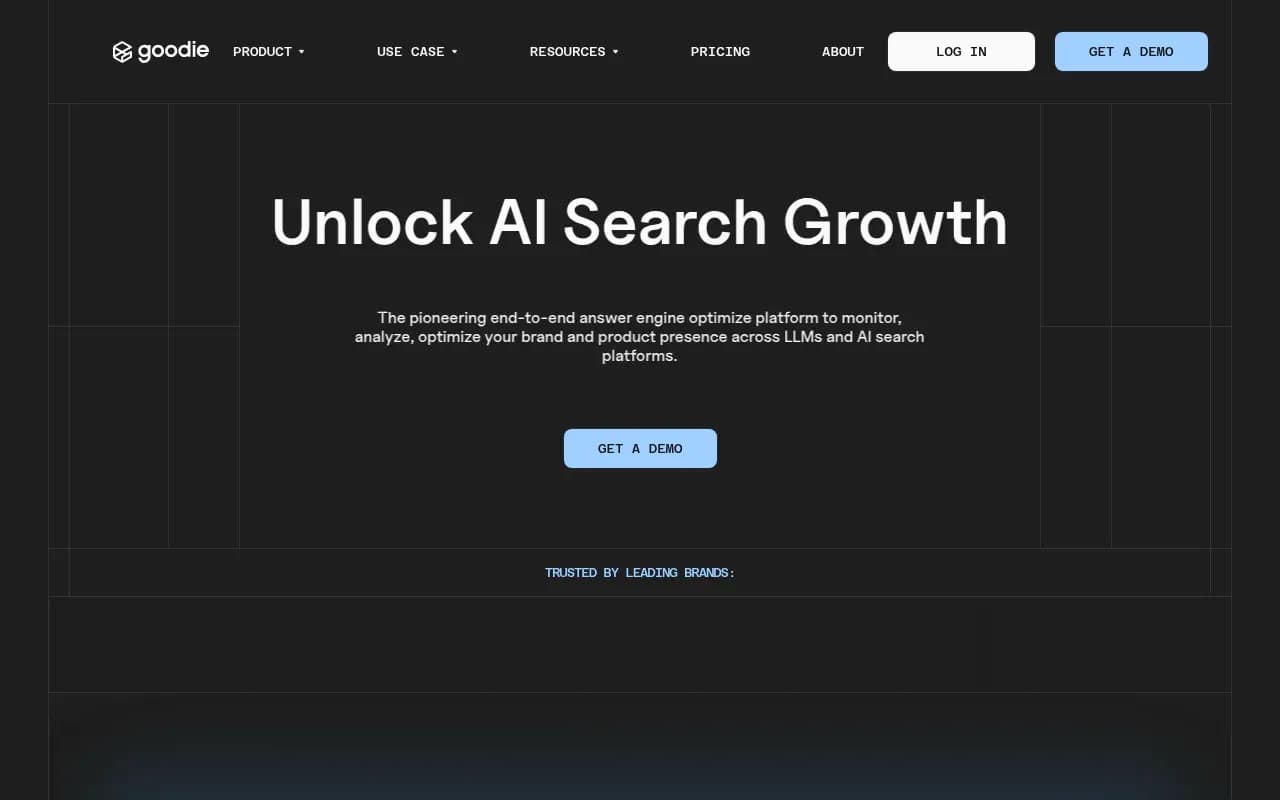
Goodie AI is one of the simpler tools in this space. Setup is fast -- you're essentially just registering your brand and defining a few prompts. It's a reasonable starting point for smaller teams or individuals who want to understand the basics of AI search visibility without committing to a more complex platform.
The feature set is basic by design. Don't expect competitor heatmaps or content gap analysis here.
Tier 2: 30-60 minutes
Promptwatch
Promptwatch lands in this tier because setup is self-serve but there's enough to configure that you'll want to spend 30-60 minutes doing it properly. You'll connect your domain (via Cloudflare, Vercel, server logs, or a tracking snippet), define your prompts, set up competitor tracking, and configure personas that reflect how your actual customers search.
That extra setup time pays off. Promptwatch is the only platform in this comparison that closes the loop between finding gaps and fixing them. Once you're tracking, the Answer Gap Analysis shows you exactly which prompts competitors appear in but you don't -- and the Content Agents generate articles, listicles, and briefs grounded in that real prompt data to help you close those gaps. You also get AI crawler logs showing which pages ChatGPT, Claude, and Perplexity are actually reading on your site, and page-level citation tracking that connects visibility to traffic.
For teams that want to move fast but also want to actually improve their position (not just observe it), Promptwatch is the most complete option in the market right now.

Scrunch AI
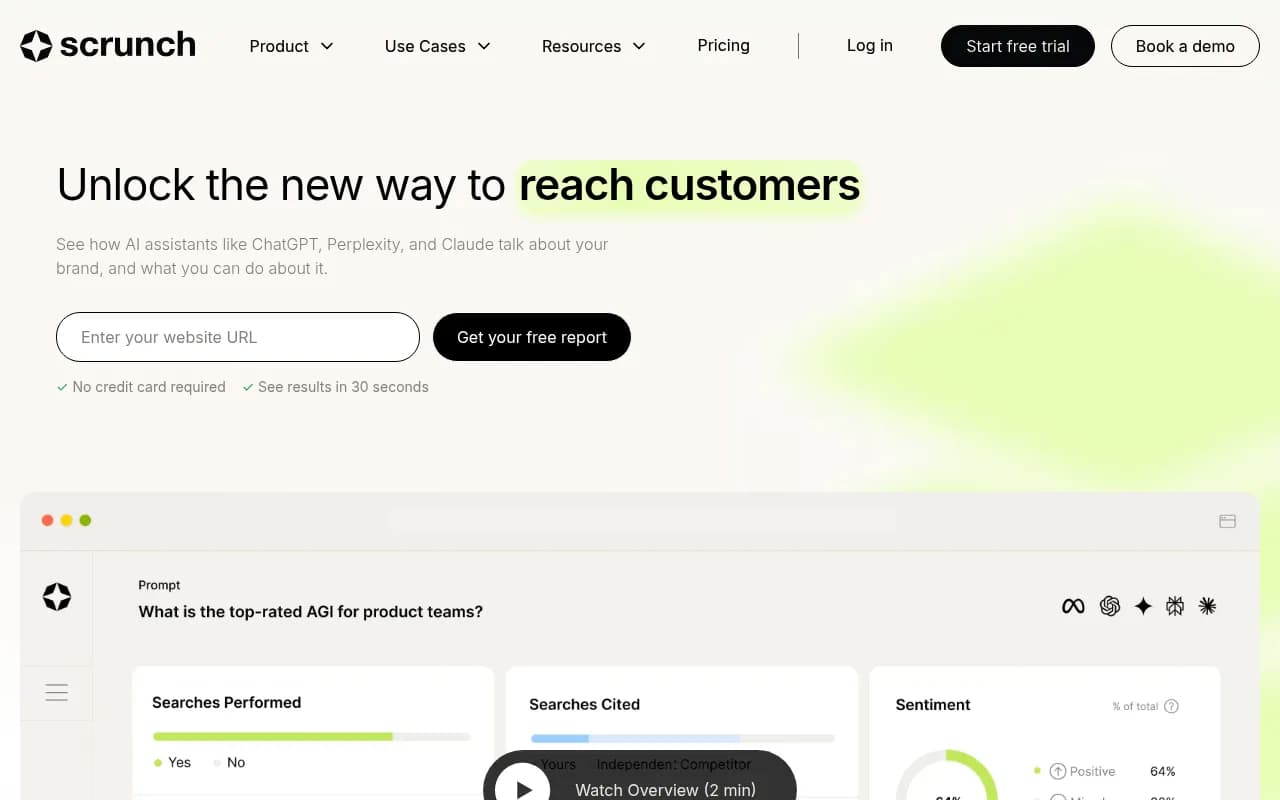
Scrunch AI has a more involved setup than the Tier 1 tools but is still largely self-serve. You'll spend time configuring your brand profile, adding competitors, and defining the prompt categories you want to track. The platform covers multiple AI engines and provides more structured reporting than simpler trackers.
Scrunch AI is a solid mid-market option. It's more capable than Otterly.AI or LLMrefs, but it's still primarily a monitoring and reporting tool. Content optimization features are limited compared to what you get with Promptwatch.
AthenaHQ
AthenaHQ is a monitoring-focused platform with a reasonably smooth self-serve setup. You can get tracking configured in under an hour if you know what prompts you want to monitor. The interface is clean and the data is well-organized.
The gap here is on the action side. AthenaHQ shows you where you stand but doesn't provide tools to help you improve. Teams that have outgrown basic monitoring often find themselves needing to pair it with separate content tools.

Profound
Profound is a more enterprise-oriented platform, and while it's possible to get basic tracking running in under an hour, you'll get more out of it with proper configuration -- which takes longer. The feature set is strong: good AI engine coverage, solid reporting, and useful competitive data.
Pricing is on the higher end, and the platform is clearly built for larger organizations. If you're a mid-market team, the setup investment might be more than you need.
Profound

Brandlight.ai
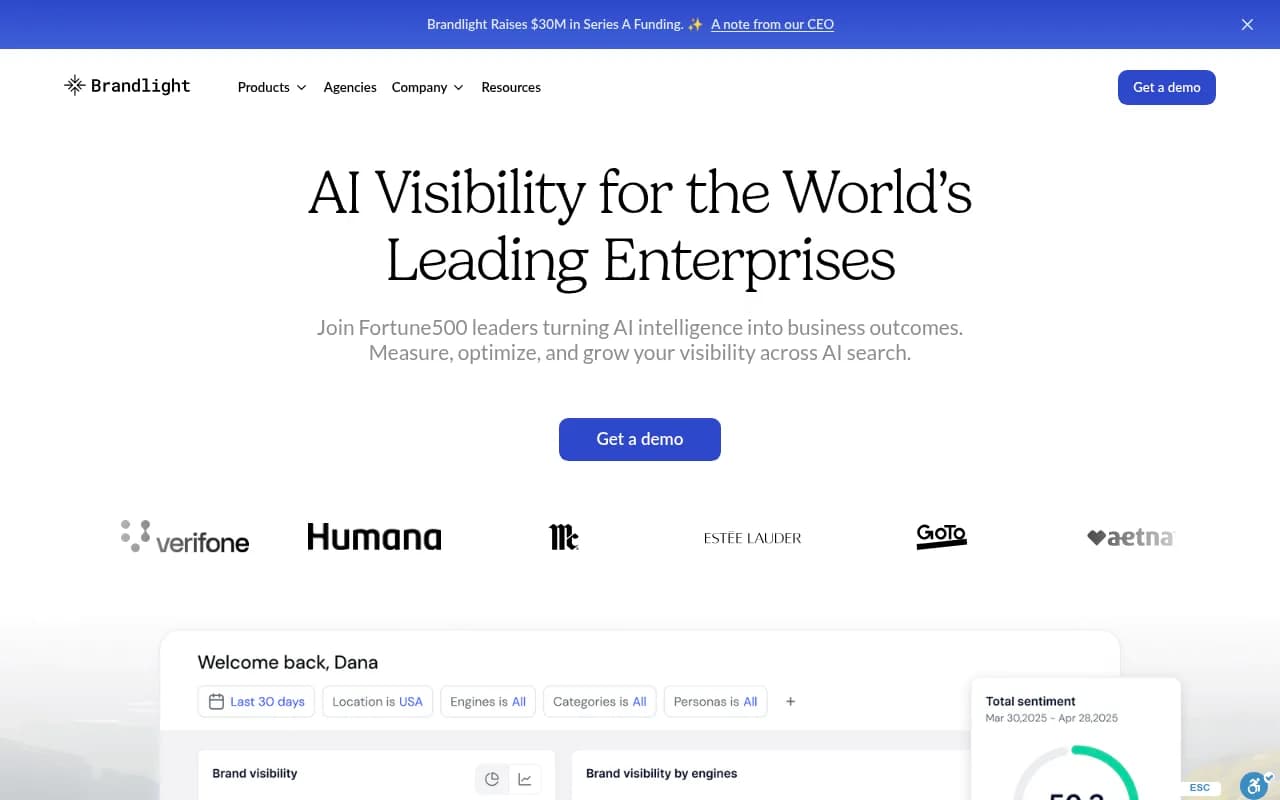
Brandlight.ai focuses on tracking how AI engines discover and recommend your brand. Setup is self-serve and takes roughly 30-45 minutes to configure properly. The platform is particularly strong on the monitoring side, with good coverage across major LLMs.
Like most tools in this space, Brandlight.ai is stronger on observation than action. It's a good fit for brand teams that want visibility data but aren't necessarily running a content optimization program.
Tier 3: 60+ minutes or sales-assisted
Search Party
Search Party positions itself as an AI automation consultancy more than a self-serve platform. Getting started typically involves a conversation with their team to understand your needs and configure the right workflows. That's not necessarily a bad thing -- you get a more tailored setup -- but it means you won't be tracking anything in the first hour.
Search Party
Bluefish AI
Bluefish AI targets enterprise and Fortune 500 brands, and the onboarding reflects that. Expect a sales-assisted process, custom configuration, and a longer ramp time before you're seeing meaningful data. The platform is built for scale, not speed.
Comparison table
| Tool | Onboarding time | Self-serve? | Content generation | Crawler logs | Prompt volume data | AI engines covered |
|---|---|---|---|---|---|---|
| Otterly.AI | <20 min | Yes | No | No | No | 4-5 |
| LLMrefs | <20 min | Yes | No | No | No | 9+ |
| Peec AI | <25 min | Yes | No | No | No | 5-6 |
| Goodie AI | <20 min | Yes | No | No | No | 3-4 |
| Promptwatch | 30-60 min | Yes | Yes | Yes | Yes | 10+ |
| Scrunch AI | 30-45 min | Yes | Limited | No | No | 6+ |
| AthenaHQ | 30-45 min | Yes | No | No | No | 5-6 |
| Profound | 45-60 min | Mostly | No | No | Limited | 9+ |
| Brandlight.ai | 30-45 min | Yes | No | No | No | 5-6 |
| Search Party | 60+ min | No | Limited | No | No | Varies |
| Bluefish AI | 60+ min | No | No | No | No | Enterprise |
What actually matters beyond setup speed
Getting tracking running in 20 minutes is great. But here's the thing: if all you can do with that data is look at it, you've just added another dashboard to your stack.
The more useful question is: what happens after you see that a competitor is appearing in AI responses and you're not? Most tools in this space stop there. They show you the gap but leave you to figure out what to do about it.
That's the real differentiator in 2026. Tools like Otterly.AI and LLMrefs are genuinely useful for teams that are just starting to understand AI visibility and want a quick read on where they stand. But teams that are serious about improving their position -- not just tracking it -- need something that connects monitoring to action.
Promptwatch's Content Agents, for example, generate articles and briefs based on the actual prompts where you're invisible. The crawler logs show you which pages AI engines are reading and which ones they're ignoring. The Answer Gap Analysis maps competitor visibility against yours at the prompt level. That's a different kind of tool, and it takes a bit longer to set up for a reason.
The broader AI onboarding software landscape in 2026 has split into monitoring-only tools and full-cycle optimization platforms. The same pattern applies to AI visibility tools.
Which tool should you pick?
It depends on where you are and what you need to do next.
If you're new to AI visibility tracking and want to understand the basics quickly, start with Otterly.AI or LLMrefs. Both are fast to set up, free or cheap to start, and will give you a clear picture of whether you're showing up in AI responses. They're good for a first look.
If you're past the "what is AI search visibility" stage and you're trying to actually improve your position, Promptwatch is the most complete option. The setup takes a bit longer, but you get monitoring, content generation, crawler analytics, and competitive gap analysis in one place. That's the difference between knowing you have a problem and having the tools to fix it.
If you're at an enterprise scale and need custom configuration and white-glove support, Profound or Bluefish AI are worth the longer onboarding process.
The one thing to avoid: picking a tool purely because it's fast to set up, then being stuck with a monitoring-only dashboard six months later when you actually need to move the needle.
Final thought
Onboarding speed matters, but it's a means to an end. The goal isn't to have a dashboard running -- it's to show up when your customers ask AI engines for recommendations. The tools that get you there fastest aren't always the ones that get you there best.
Pick the tool that matches where you are right now, but keep an eye on whether it has room to grow with you. A 20-minute setup that hits a ceiling in month two isn't actually saving you time.