Key takeaways
- Hall AI is shutting down, which means any visibility data, benchmarks, and prompt tracking you stored there could disappear permanently
- Export everything you can before the shutdown date -- historical data is irreplaceable once the platform goes offline
- Benchmark your current AI visibility scores across ChatGPT, Perplexity, Google AI Overviews, and other models before you lose your baseline
- Migrating to a new platform is not just about finding a "similar" tool -- it's an opportunity to upgrade to one that actually helps you fix visibility gaps, not just monitor them
- The AI search landscape has shifted significantly in 2026, with Google's I/O updates introducing AI agents directly into Search, making visibility tracking more important than ever
When a tool you depend on shuts down, the instinct is to panic. Don't. There's a clear sequence of actions that will protect your data, preserve your benchmarks, and get you back to tracking AI visibility without losing momentum. This guide walks through exactly that.
What the Hall AI shutdown means for your data
Platform shutdowns in the AI tools space are becoming more common. The market is consolidating fast -- smaller monitoring tools that raised early rounds are running out of runway, and brands that built workflows around them are left scrambling.
The specific risk with Hall AI going offline isn't just losing a dashboard. It's losing:
- Historical citation data showing how your brand performed over time
- Prompt-level tracking records you may have used to report to stakeholders
- Competitor benchmarks you built up over months
- Any custom prompt lists or configurations you set up
None of that comes back once the servers go dark. So the clock matters here.
Step 1: Export every piece of data you can, right now
This is the most time-sensitive action. Before anything else, log into Hall AI and download everything the platform lets you export.
Specifically, look for:
- CSV or Excel exports of your prompt tracking history
- Citation reports showing which AI models cited your pages and when
- Competitor visibility comparisons
- Any custom dashboards or saved reports
If Hall AI offers an API, pull raw data from it programmatically if you have the technical resources. Even a rough JSON dump is better than nothing.
Store these exports in at least two places -- a cloud folder and a local backup. This data becomes your historical baseline when you move to a new platform. Without it, you're starting from zero and can't demonstrate whether your AI visibility improved or declined after the migration.
One practical tip: screenshot your current dashboard views as well. Even if the underlying data isn't exportable, having visual records of your visibility scores, top-cited pages, and competitor standings gives you something to reference.
Step 2: Document your current AI visibility baseline
Before the platform goes offline, record your current state across every dimension you were tracking. This is your "before" snapshot.
Write down or export:
- Your overall visibility score (or equivalent metric) for each AI model you were tracking
- Which pages on your site were being cited most frequently
- Which prompts or queries you were ranking for
- Which competitors were outranking you, and for which prompts
This baseline matters because when you move to a new tool, the numbers will look different. Different platforms calculate visibility scores differently, sample different prompt sets, and weight citations differently. Without your Hall AI baseline documented separately, you won't be able to make an apples-to-apples comparison or explain to your team why the numbers changed.
Step 3: Understand what you actually need from a replacement
Not all AI visibility tools are the same. Hall AI was primarily a monitoring tool. Before you pick a replacement, be honest about whether monitoring alone is what you actually need -- or whether you need something that helps you act on what you find.
Here's the real question: when Hall AI showed you that a competitor was getting cited for a prompt you weren't, what did you do with that information? If the answer was "not much, because the tool didn't help with that part," then a like-for-like replacement isn't an upgrade.
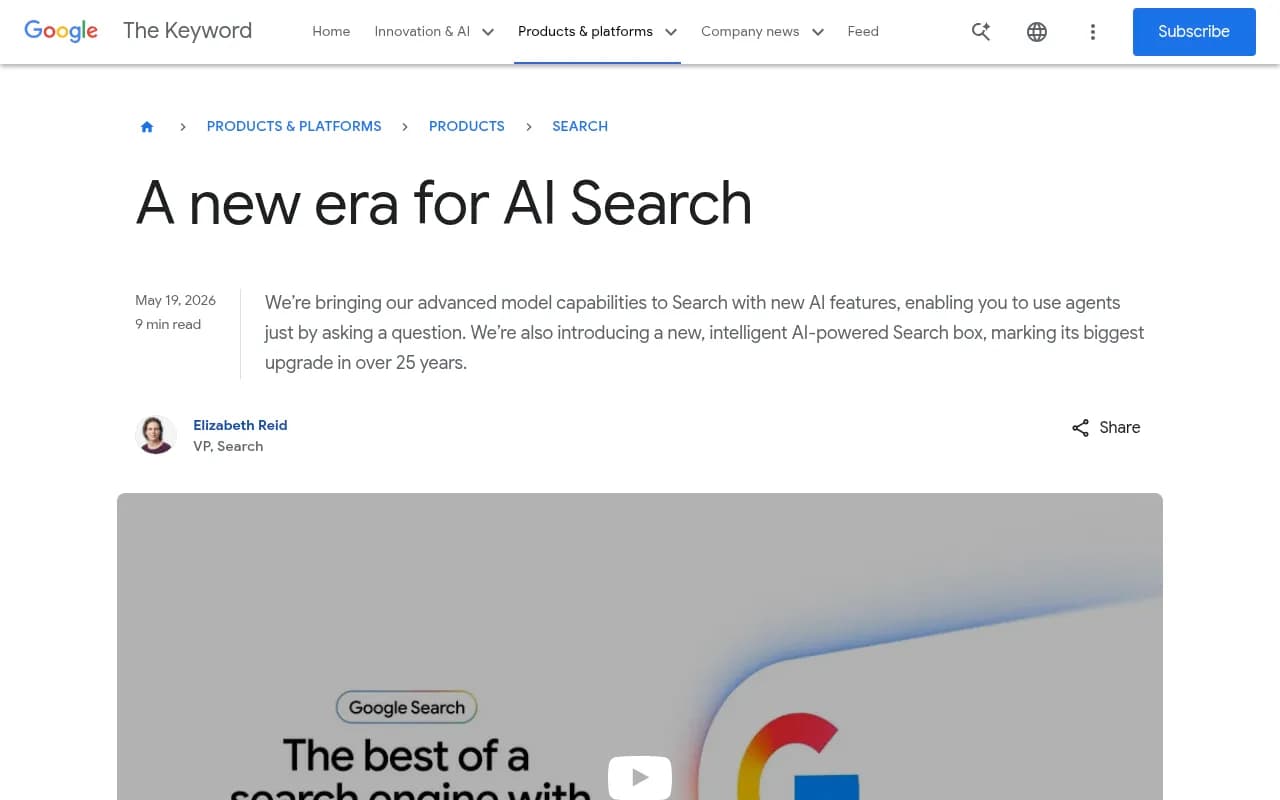
The AI search landscape in 2026 is more competitive than it was even a year ago. Google's I/O 2026 updates introduced AI agents directly into Search, meaning the way users get answers -- and the way brands get cited -- has changed again. Perplexity, ChatGPT, and Gemini are all handling more complex, multi-step queries. Visibility in this environment requires more than a dashboard that refreshes weekly.
The features worth prioritizing in a replacement:
- Tracks real user-facing AI responses, not just API outputs (these can differ significantly)
- Covers the models that matter to your audience: ChatGPT, Perplexity, Google AI Overviews, Gemini, Claude, Grok
- Shows you which specific pages are being cited and why
- Identifies gaps -- prompts where competitors appear but you don't
- Helps you create content to fill those gaps, not just flag them
Step 4: Pick a replacement platform and migrate your prompt list
Once you know what you need, pick a platform and get your prompt list migrated before Hall AI goes offline. Your custom prompts are often the hardest thing to recreate -- they represent months of refinement about what your actual customers are asking AI models.
Here's a comparison of the main options available in 2026:
| Platform | Monitoring | Content generation | Crawler logs | Prompt volume data | ChatGPT Shopping | Best for |
|---|---|---|---|---|---|---|
| Promptwatch | Yes (10 models) | Yes (Content Agents) | Yes | Yes | Yes | Full-cycle optimization |
| Profound | Yes (9+ models) | No | No | Limited | No | Enterprise monitoring |
| Otterly.AI | Yes | No | No | No | No | Basic monitoring |
| AthenaHQ | Yes | No | No | No | No | Monitoring-focused teams |
| Scrunch AI | Yes | No | No | No | No | Brand tracking |
| Semrush | Partial | No | No | No | No | Traditional SEO teams |
Promptwatch is the platform I'd point most teams toward, and not just because it covers the most AI models. The core difference is that it's built around a complete loop: find gaps, create content to fill them, then track whether that content gets cited. Most alternatives stop at the first step.

For teams that were using Hall AI purely for monitoring and have a separate content workflow, tools like Profound or Otterly.AI will cover the basics.
Profound

Otterly.AI

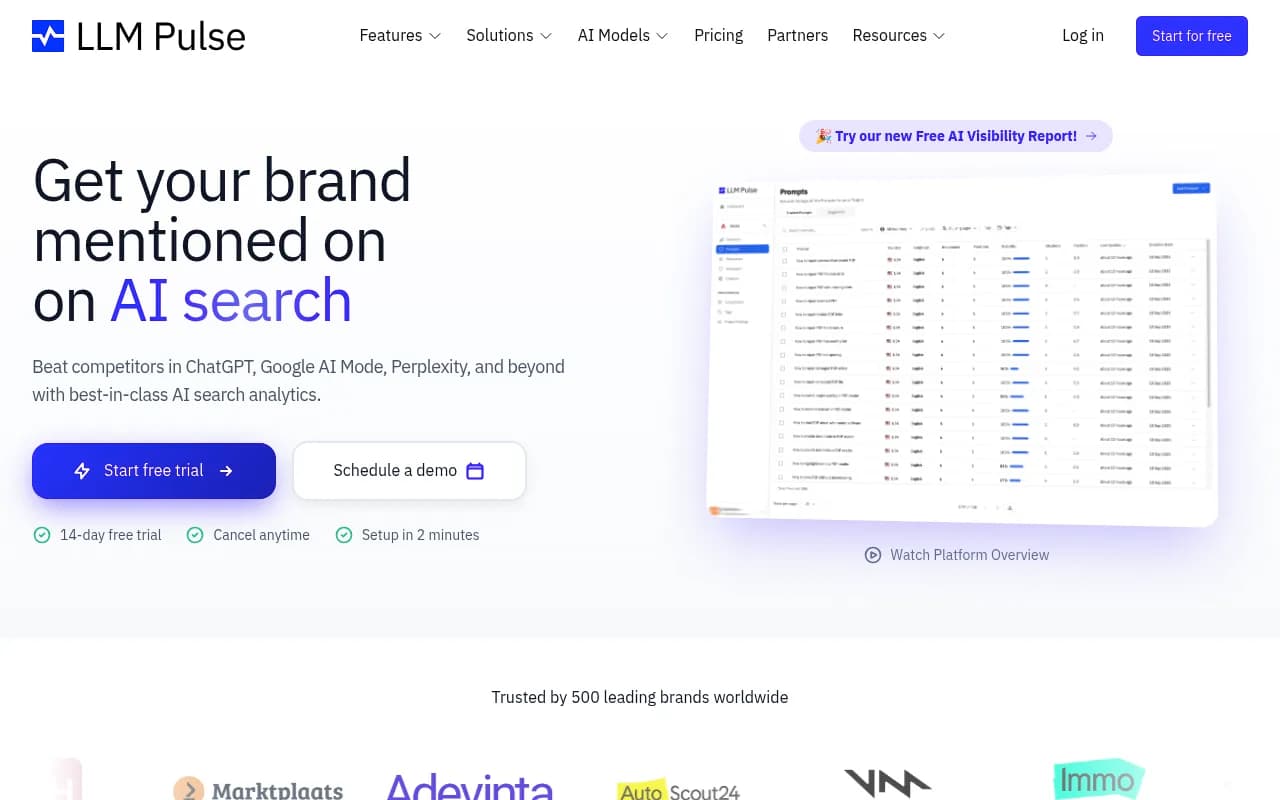
For smaller teams or those with tighter budgets, options like LLM Pulse or Rankshift offer lighter-weight monitoring at lower price points.

When migrating your prompt list, don't just copy it wholesale. Use the transition as a chance to audit which prompts actually matter. Focus on:
- High-intent prompts where a citation leads to a real business outcome
- Prompts where competitors are consistently cited but you're not
- Prompts that map to your highest-converting pages
Step 5: Re-establish your benchmarks and set up alerts
Once you're live on a new platform, your first job is to re-establish the baseline you documented in Step 2. Run your full prompt list, record the initial scores, and save them somewhere outside the platform (a spreadsheet, a Notion doc, anything durable).
Then set up monitoring alerts so you're not checking the dashboard manually. Most platforms let you configure notifications for:
- Significant drops in visibility score
- New competitor citations for prompts you're tracking
- New pages on your site getting cited (positive signal)
This is also the moment to think about what you'll actually do when you get an alert. The teams that get the most out of AI visibility tools are the ones that have a content workflow attached. When Promptwatch's Answer Gap Analysis shows you a prompt where a competitor is being cited and you're not, the next step is creating content that answers that prompt better than what's currently out there.
That loop -- track, identify gaps, create content, track again -- is what separates brands that are growing their AI visibility from those that are just watching it.
A note on the broader 2026 context
The Hall AI shutdown is happening at a moment when AI search visibility matters more than it did even six months ago. Google's AI Mode, launched at I/O 2026, is now handling a significant share of complex queries. ChatGPT's user base continues to grow. Perplexity is expanding its shopping and product recommendation features.
The brands that are winning in AI search right now are the ones that treated the shift seriously early -- they built content specifically designed to answer the questions AI models are fielding, they tracked which pages were getting cited, and they iterated. The brands that are losing are the ones that assumed their traditional SEO rankings would carry over automatically. They often don't.
If you're moving off Hall AI, you're already in the mindset of taking AI visibility seriously. Use this transition to upgrade your approach, not just swap one monitoring dashboard for another.
Quick-reference checklist
Before Hall AI goes offline:
- Export all historical data (CSV, API, screenshots)
- Document your current visibility baseline by model and prompt
- Save your full custom prompt list
When choosing a replacement:
- Confirm it tracks the specific AI models your audience uses
- Check whether it covers real user-facing responses, not just API outputs
- Decide whether you need content generation capabilities or monitoring only
After migrating:
- Re-run your prompt list and record initial scores
- Set up alerts for significant visibility changes
- Connect your content workflow to the gap analysis output
The shutdown is an inconvenience, but it's also a forcing function to build a more durable AI visibility practice. The tools are better now than they were a year ago, and the platforms that survived the first wave of consolidation are the ones worth building on.