Key takeaways
- AEO (Answer Engine Optimization) is now a real channel — AI search engines like ChatGPT, Perplexity, and Google AI Overviews are sending traffic, and solo marketers can compete for citations without a big team.
- The biggest mistake solo marketers make is picking an enterprise-grade monitoring tool that shows data but leaves them stuck — what you actually need is a tool that helps you act on what you find.
- For most freelancers and solo operators, the right stack is: one AI visibility tracker, one content optimization tool, and optionally one lightweight SEO tool for traditional coverage.
- Budget matters. Several solid AEO tools start under $50/month, and a few free options are worth using for initial audits.
- The action loop — find gaps, create content, track results — is the same whether you're a solo marketer or a 50-person team. The difference is which tools make that loop fast enough for one person to run.
Why solo marketers can't ignore AEO anymore
Here's the uncomfortable truth: if you've been doing SEO for clients or your own brand, a chunk of the traffic you used to get from Google is now going to AI-generated answers. Not all of it, not overnight, but enough that it's showing up in analytics.
A 2025 Ahrefs study found that only 12% of URLs cited by ChatGPT, Gemini, and Copilot also rank in Google's top 10 for the same prompt. The two surfaces have genuinely decoupled. That means your existing SEO work doesn't automatically translate into AI citations — and if you're not paying attention to AEO, you're probably invisible in the places where a growing share of your audience is looking.
The good news for solo marketers: AI search doesn't reward budget, it rewards relevance. A well-structured, clearly written page from a one-person consultancy can outrank a Fortune 500 company's content in ChatGPT's responses. The playing field is more level than traditional SEO ever was.
The bad news: most AEO tools are priced and designed for teams. Enterprise platforms with five-figure annual contracts, agency dashboards built for managing 50 clients at once, and feature sets so broad that a solo operator would use maybe 20% of what they're paying for.
This guide is specifically for the solo marketer, the freelancer, the consultant running their own brand — people who need to do AEO without a full team and without an enterprise budget.
What AEO actually requires (and what it doesn't)
Before picking tools, it helps to be clear about what the job actually is.
AEO is the work of getting your content cited inside AI answer engines. That means ChatGPT, Perplexity, Google AI Overviews, Claude, Gemini, and a handful of others. When someone asks one of these systems a question relevant to your niche, you want your content to be the source they pull from.
To do that, you need to:
- Know which prompts and questions your audience is actually asking AI engines
- Know whether you're currently being cited for those prompts (and who is, if not you)
- Identify what content you're missing that would make you citable
- Create that content in a format AI engines can actually parse and use
- Track whether it's working over time
That's the full loop. As a solo marketer, you don't need to do all of this with separate specialized tools for each step. You need a lean stack that covers the loop without overwhelming you with data you can't act on.
The solo marketer's AEO tool criteria
When evaluating any AEO tool as a solo operator, run it through these four questions:
Can I set it up and get value in under an hour? If the onboarding requires a sales call, a dedicated implementation consultant, or three weeks of configuration, it's not built for you.
Does it tell me what to do, not just what's happening? A dashboard showing your citation share is interesting. A tool that shows you which specific content gaps are costing you citations — and helps you fill them — is useful.
Can one person realistically act on the output? Some tools generate 200-page reports. That's fine for a team with a content strategist, a writer, and an SEO analyst. For a solo operator, you need prioritized, actionable output.
Is the pricing honest? Watch out for tools that bury key features behind enterprise tiers or charge per-prompt at rates that make real-world monitoring unaffordable.
The best AEO tools for solo marketers in 2026
For AI visibility tracking
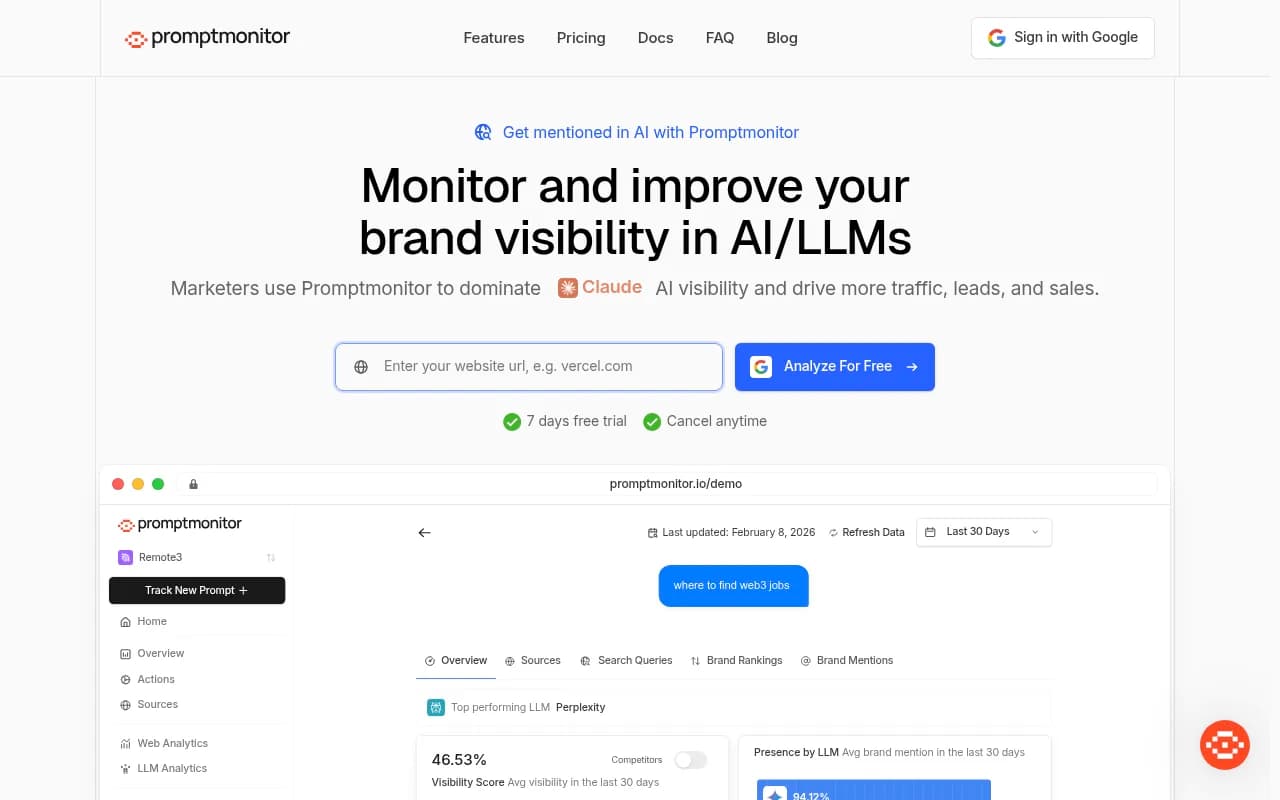
Promptmonitor is a lightweight option for solo operators who just want to start tracking brand mentions across ChatGPT, Perplexity, and a few other models without committing to a big platform. Setup is fast and the interface is clean. It's a monitoring-first tool, so don't expect it to tell you how to fix what you find — but as a starting point for understanding your current AI visibility, it works.
Otterly.AI covers brand mention tracking across ChatGPT, Perplexity, and Google AI Overviews. It's one of the more accessible entry points in the category — the interface is approachable and the pricing is reasonable for a solo operator. Like most monitoring tools, it shows you where you stand but stops short of helping you improve. Good for weekly check-ins on a handful of tracked prompts.
Otterly.AI

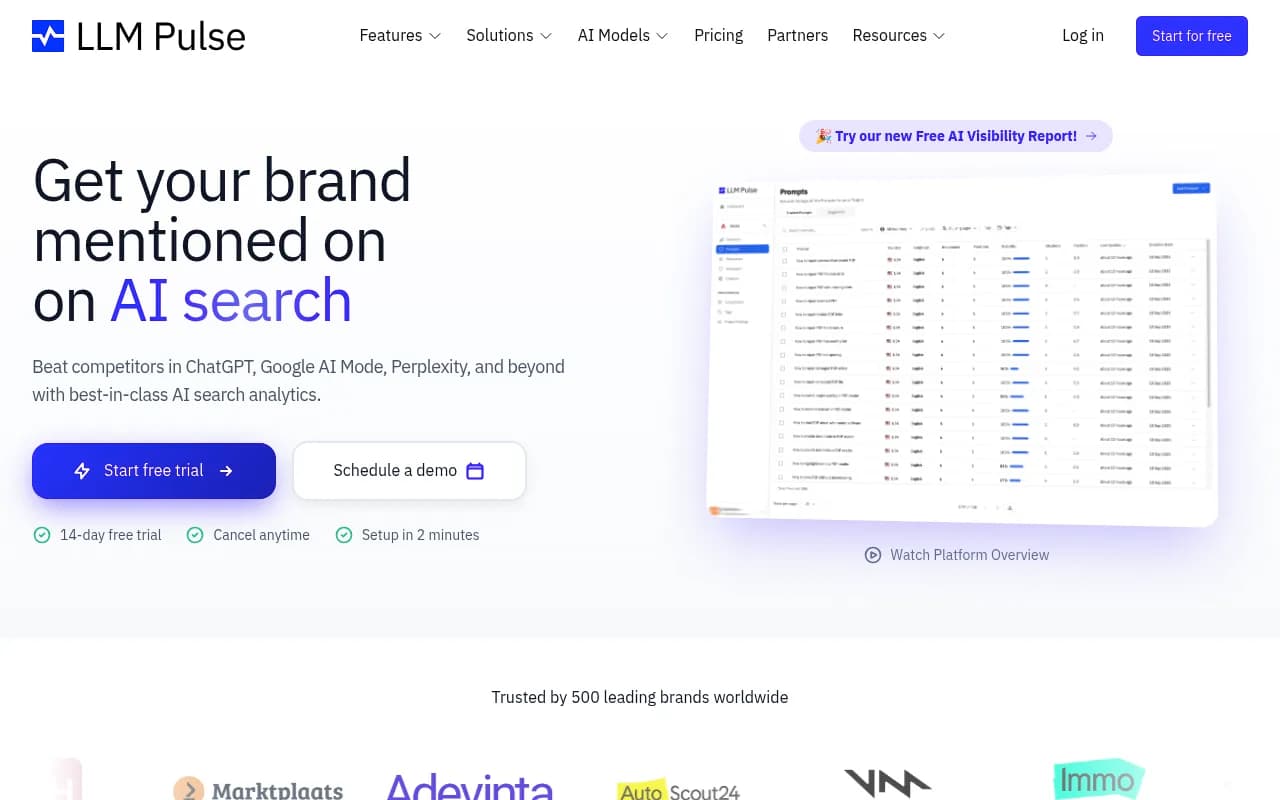
LLM Pulse is worth a look if you want cross-model visibility tracking without paying enterprise prices. It tracks your brand across ChatGPT, Perplexity, and several other models, and the reporting is clean enough to share with clients if you're a freelancer managing a brand's AI presence.
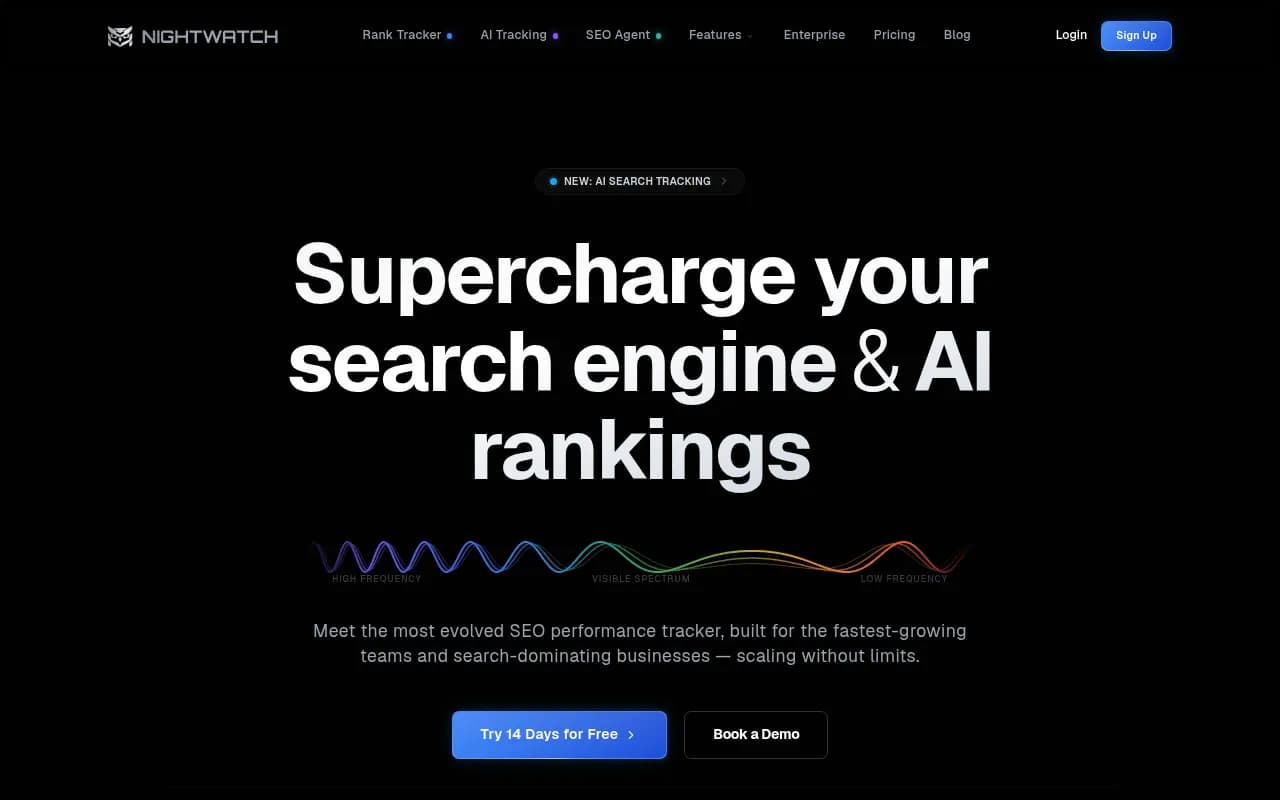
Nightwatch takes a different angle — it combines traditional rank tracking with AI search monitoring. If you're a solo marketer who still cares about Google rankings alongside AI citations, Nightwatch's hybrid approach means you're not running two separate tools. The AI monitoring add-on is $99/month on top of the base plan, which adds up, but the unified view is genuinely useful.
For solo marketers who want to go deeper — not just track mentions but understand why you're being cited or not, see which content gaps competitors are exploiting, and actually generate content to close those gaps — Promptwatch is the most complete option in the category. The Essential plan at $99/month covers one site with 50 tracked prompts and 5 AI-generated articles per month, which is a realistic workload for a solo operator. It's the only platform that closes the full loop from gap detection to content creation to citation tracking.

For content optimization (making your content citable)
Tracking citations is only half the job. The other half is making sure your content is actually structured in a way that AI engines can parse, extract from, and cite.
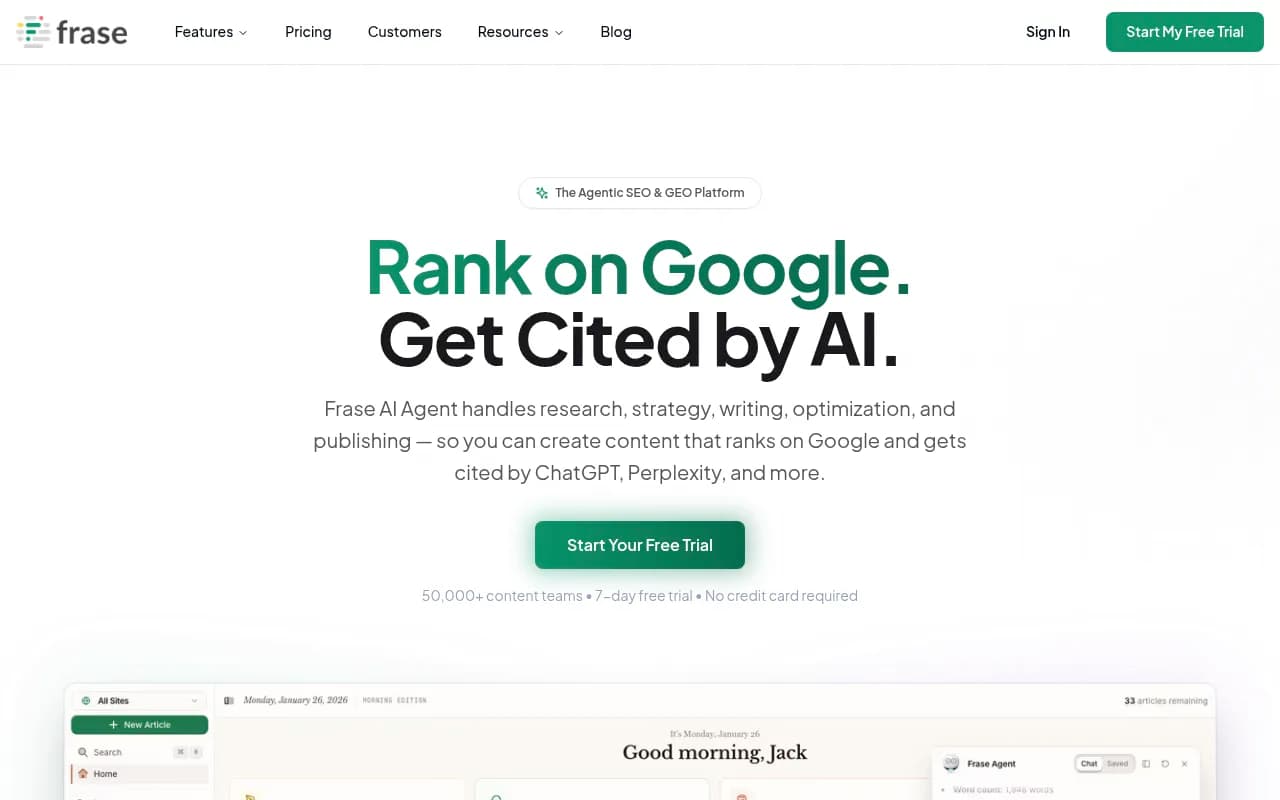
Frase has been a staple for SEO content research for years, and in 2026 it's added AEO-specific workflows. It's particularly good at helping you understand what questions your content should be answering and how to structure answers in a way that AI engines prefer. For solo content creators, the research and brief-generation features save a lot of time.
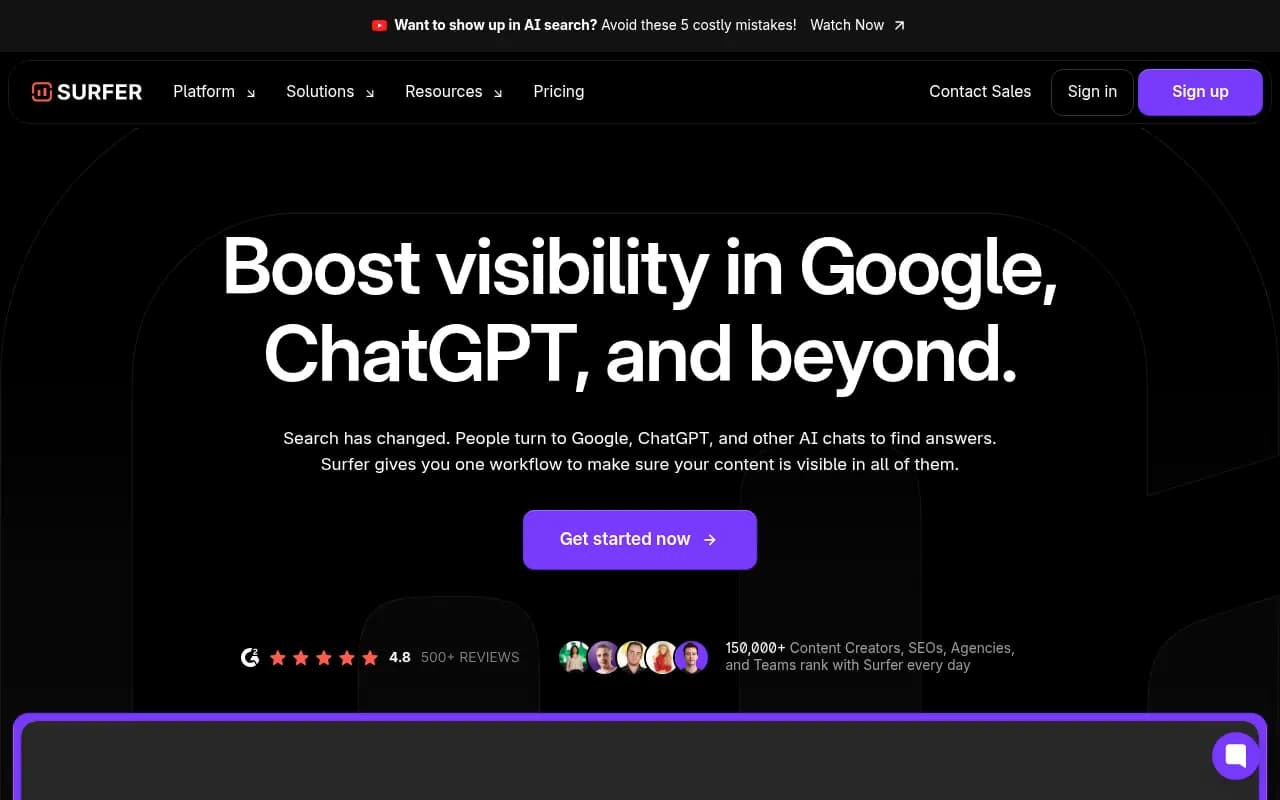
Surfer SEO is still one of the best tools for optimizing content against what's currently ranking and being cited. The Content Score feature gives you a clear target to hit, and the editor integrates well into a solo workflow. It won't tell you about AI-specific citations, but it helps you produce the kind of well-structured, comprehensive content that tends to get cited.
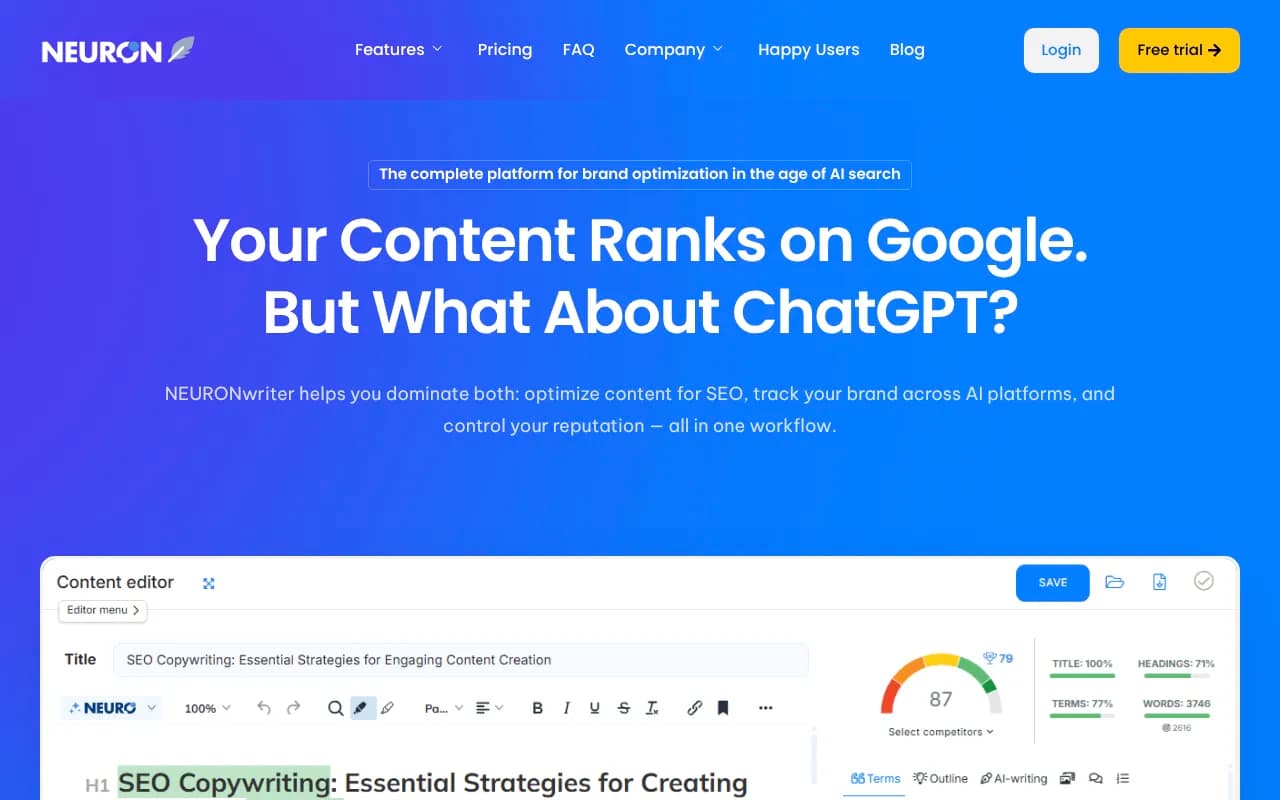
NeuronWriter is a more affordable alternative to Surfer for solo operators on tighter budgets. It uses SERP data and NLP analysis to suggest what your content needs to cover, and the lifetime deal pricing (when available) makes it particularly attractive for freelancers who don't want recurring tool costs stacking up.
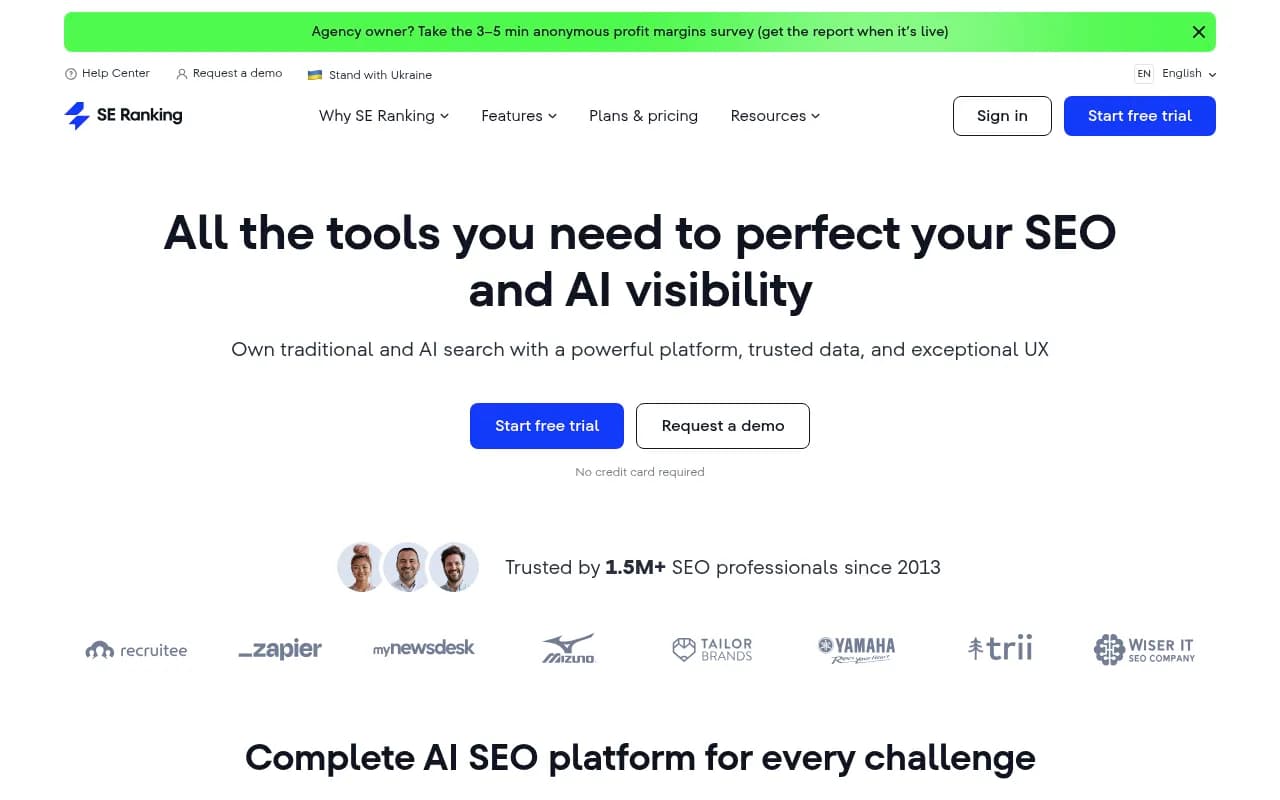
SE Ranking deserves a mention here because its AI Visibility module (via SE Visible) gives you a combined view of traditional SEO performance and AI search visibility. For a solo marketer who wants one platform instead of two, it's a reasonable compromise — though the AI tracking features are more monitoring-focused than optimization-focused.
For content creation (writing what AI engines want to cite)
Once you know what content gaps exist, you need to fill them. A few tools make this faster for solo operators:
Writesonic has built out GEO-specific workflows that go beyond generic AI writing. It combines visibility tracking with in-platform content generation, which means you can identify a gap and start drafting a response in the same tool. The $199/month price point is on the higher end for a solo operator, but if content creation is a core part of your service, it's worth evaluating.

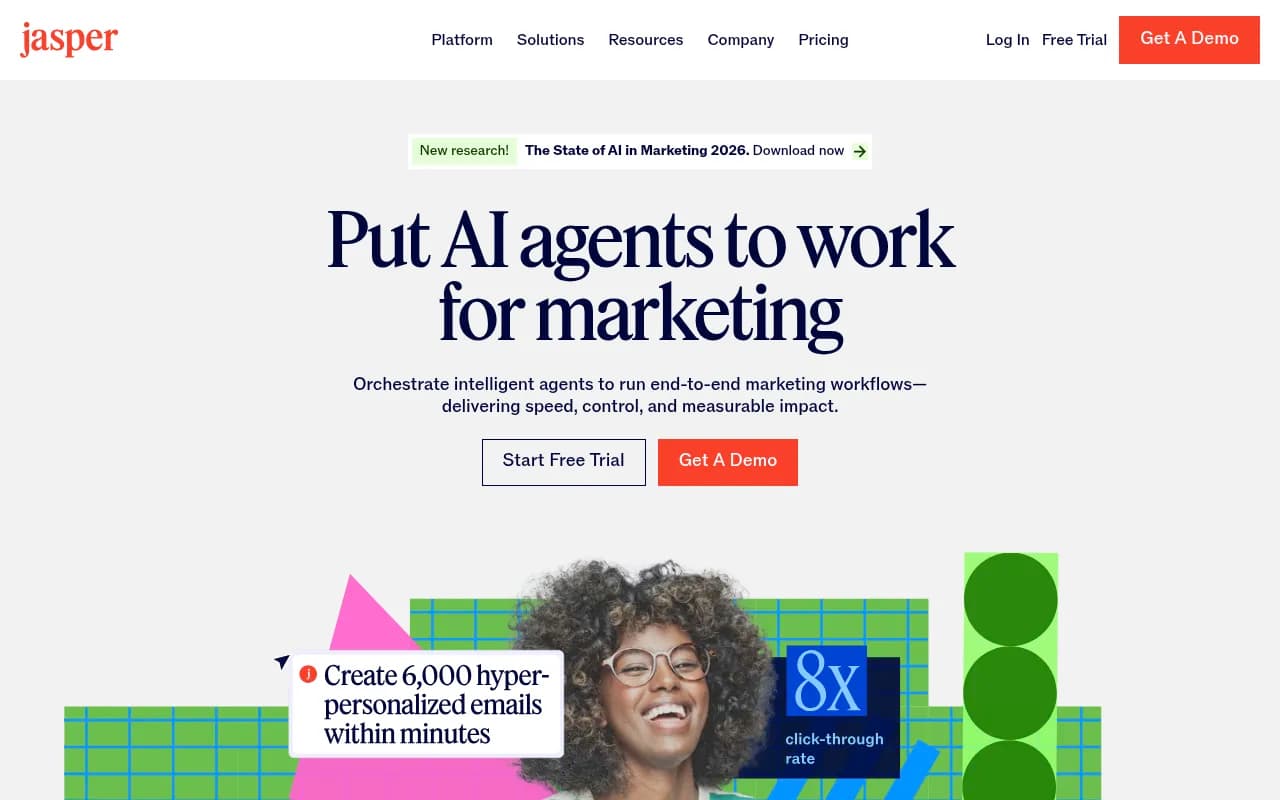
Jasper is the more established option for marketing-focused AI writing. It's better for brand-consistent content at scale and has solid template coverage for the types of content that tend to get cited (comparison pages, FAQ content, how-to guides). The learning curve is low enough for a solo operator to get productive quickly.
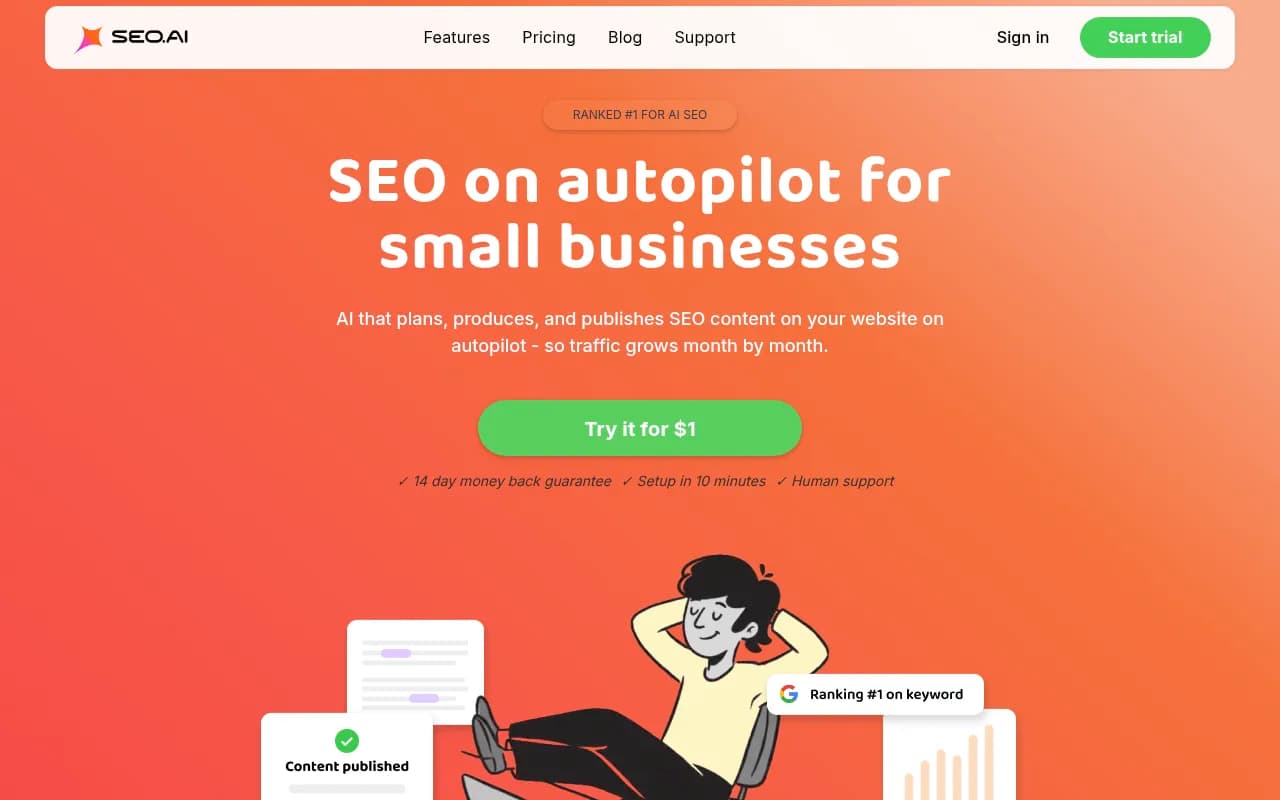
SEO.ai combines keyword research with AI-assisted writing in a way that's well-suited to solo operators who want to produce SEO-optimized content without switching between five different tools.
Comparison: AEO tools for solo marketers
| Tool | Best for | AI models tracked | Content help | Solo-friendly pricing |
|---|---|---|---|---|
| Promptwatch | Full AEO loop (track + fix + create) | 10+ models | Yes — content agents | From $99/mo |
| Otterly.AI | Basic mention monitoring | ChatGPT, Perplexity, AI Overviews | No | Affordable |
| Promptmonitor | Lightweight tracking | ChatGPT, Perplexity, others | No | Budget-friendly |
| LLM Pulse | Cross-model visibility | ChatGPT, Perplexity, others | No | Mid-range |
| Nightwatch | SEO + AI hybrid tracking | ChatGPT, AI Overviews, Copilot, Perplexity, Claude | No | $39/mo + $99 add-on |
| Frase | Content research + AEO briefs | N/A (content tool) | Yes — research & briefs | From ~$15/mo |
| Surfer SEO | Content optimization | N/A (content tool) | Yes — Content Score | From $89/mo |
| Writesonic | GEO content creation | ChatGPT, Gemini, Perplexity, others | Yes — full workflow | From $199/mo |
| SE Ranking | SEO + AI visibility combo | AI Overviews, AI Mode, Gemini, ChatGPT, Perplexity | Limited | From $65/mo |
What to skip (and why)
A few categories of tools that look relevant but aren't worth your time or money as a solo operator:
Enterprise-only platforms. Tools like Profound, AthenaHQ, and Bluefish are built for large marketing teams and agencies. They have strong feature sets, but the pricing, onboarding complexity, and minimum contract sizes make them impractical for solo operators. If you're running a one-person shop, you'll pay for capabilities you'll never use.
Profound


Monitoring-only dashboards with no action path. There are a lot of tools that will show you a citation share percentage and a list of prompts where competitors appear but you don't. That's useful data, but if the tool stops there, you're left doing all the hard work yourself. For a solo operator with limited time, you need tools that help you close the loop, not just open it.
Generic AI writing tools with no SEO or AEO grounding. Tools that generate content without any grounding in actual prompt data, citation patterns, or search intent tend to produce content that sounds fine but doesn't get cited. The content that AI engines cite is specific, well-structured, and directly answers questions people are actually asking. Generic AI writing tools don't help you hit that bar.
A practical AEO workflow for one person
Here's how a solo marketer can run a realistic AEO workflow without burning out:
Week 1: Audit your current visibility. Set up tracking in Promptwatch or Otterly.AI for 10-20 prompts that are relevant to your niche. Don't try to track everything — start with the prompts that represent your highest-value topics. See where you're being cited and where competitors are showing up instead of you.
Week 2: Identify your biggest gaps. Look at the prompts where competitors are cited but you're not. What content do they have that you don't? What questions are being asked that your site doesn't directly answer? This is your content priority list.
Week 3-4: Create one piece of content per gap. Don't try to close every gap at once. Pick the highest-value prompt you're missing and write one well-structured piece of content that directly answers it. Use Frase or Surfer SEO to make sure the content is comprehensive. Use a clear Q&A structure — AI engines love extractable answers.
Ongoing: Track, iterate, repeat. Check your citation tracking weekly. As new content gets crawled and cited, you'll see your visibility scores move. Double down on what's working and keep filling gaps.
This is a sustainable pace for one person. You're not trying to publish 50 articles a month — you're trying to be the best answer for the specific questions your audience is asking AI engines.
Free tools worth using before you pay for anything
Before committing to a paid AEO stack, a few free tools can help you understand the landscape:
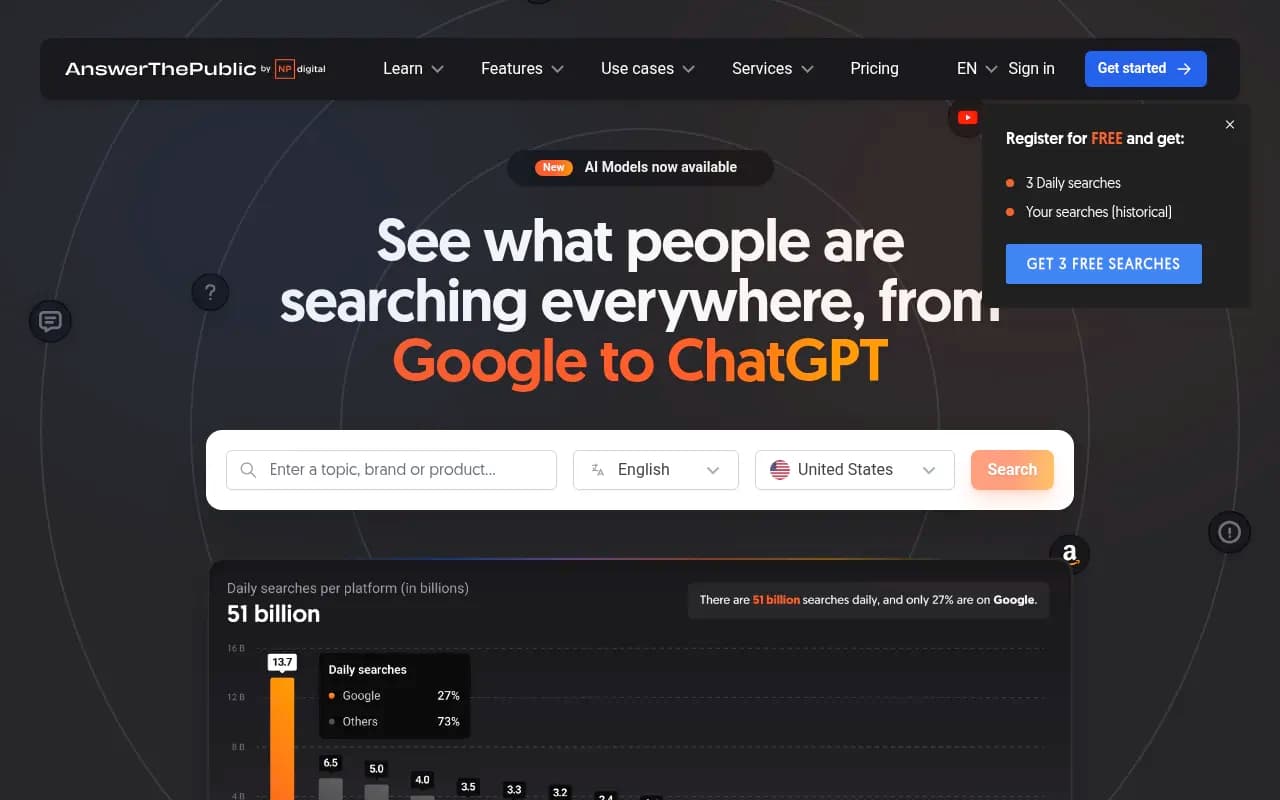
AnswerThePublic is still one of the best ways to discover the questions people are asking around any topic. The question clusters it generates are a solid starting point for identifying which prompts you should be tracking.
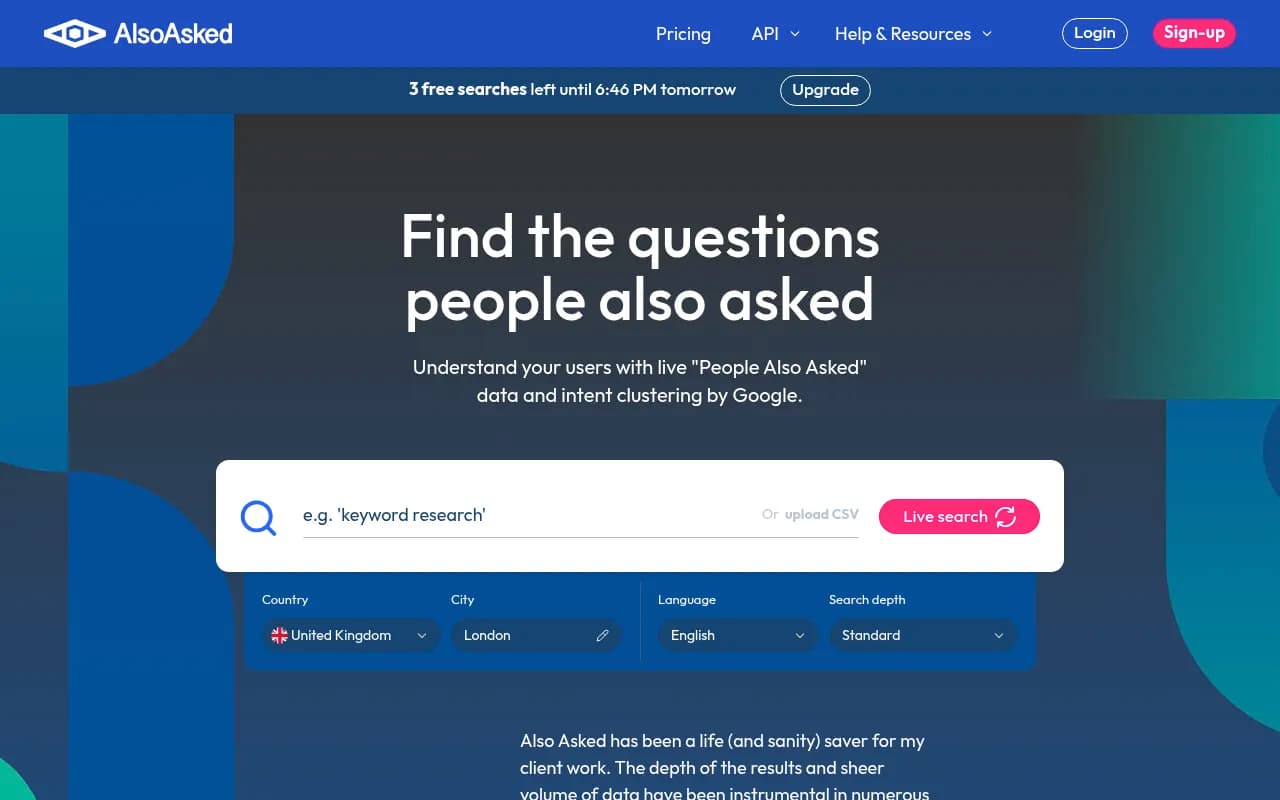
AlsoAsked gives you live People Also Ask data, which is a reasonable proxy for the kinds of questions AI engines are being asked. Good for prompt research before you set up formal tracking.
Google Search Console won't tell you about AI citations directly, but it will show you which queries are driving traffic to your site — and comparing that against your AI visibility data reveals where the two surfaces are diverging.
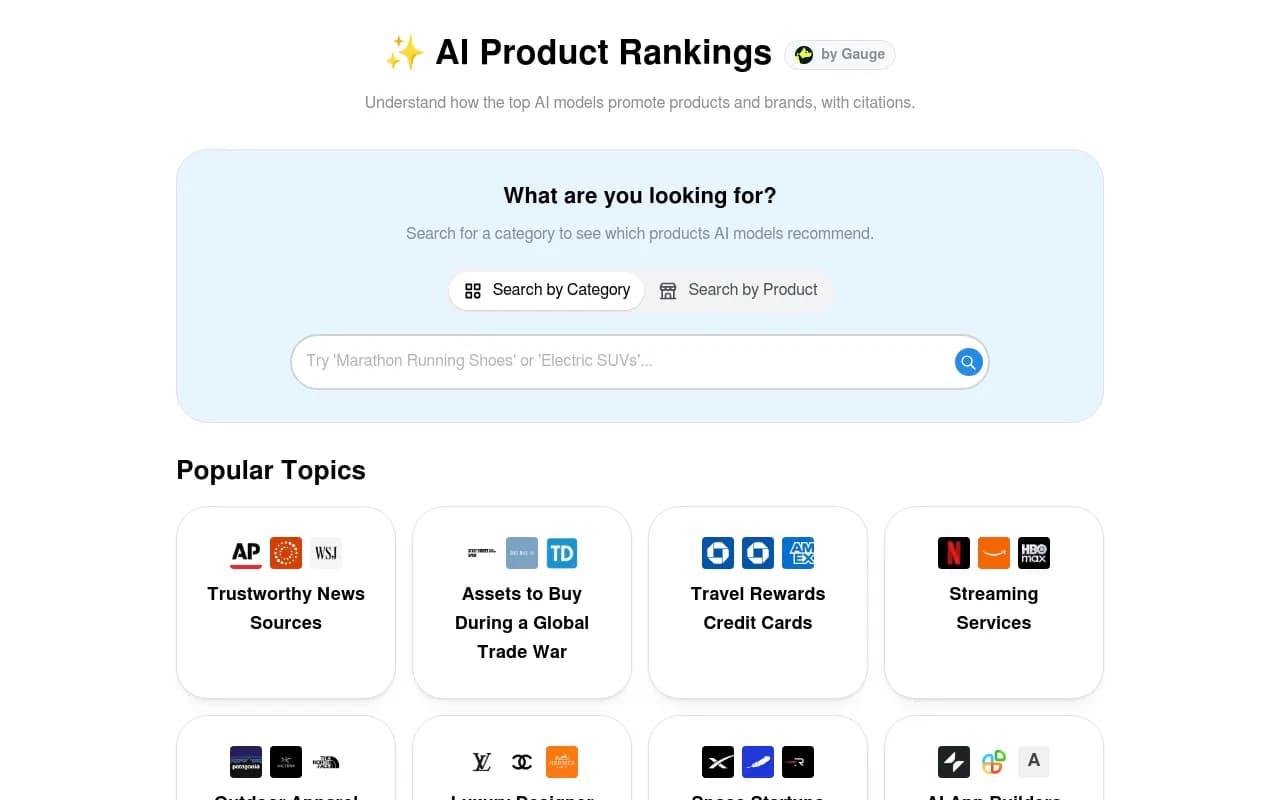
ProductRank and PromptReach are free entry-level tools for checking whether your brand appears in AI search results. They're limited in scope, but useful for a quick sanity check before investing in paid tracking.
The honest reality of AEO for solo operators
AEO is not a silver bullet, and it's not a replacement for everything else you're doing. It's an additional channel that's growing in importance, and the solo marketers who start paying attention to it now will have a meaningful head start over those who wait.
The tools in this guide range from free to a few hundred dollars a month. You don't need all of them. A realistic starting stack for a solo marketer is: one AI visibility tracker (Promptwatch or Otterly.AI), one content optimization tool (Frase or Surfer SEO), and Google Search Console for baseline traffic data. That's it.
The most important thing isn't which tools you pick — it's whether you actually close the loop. Tracking your citations without ever creating content to fill the gaps is just expensive monitoring. The value comes from the full cycle: find what's missing, create content that answers it, watch the citations come in.
For a solo operator, that cycle can run on a few hours a week. It doesn't require a team. It just requires picking the right tools and actually using them.