Key takeaways
- ChatGPT Shopping recommendations are dynamic, not static — ranking today doesn't guarantee ranking tomorrow
- Stale product data, crawl errors, and missing structured markup are the most common reasons products disappear
- Amazon's decision to block GPTBot shows that platform dependency is a real risk for sellers
- Staying visible requires active monitoring, fresh catalog data, and content that answers the specific questions AI models are trying to resolve
- Tools that track ChatGPT Shopping appearances specifically — not just general AI mentions — are worth the investment
Getting your product into ChatGPT's shopping recommendations feels like a win. And it is. But a lot of brands discover the hard way that it's not a permanent state. One week you're appearing for "best cordless vacuum under $300," the next week you're gone — and you have no idea why.
This guide explains what's actually happening under the hood, why products fall out of AI shopping results, and what you can do to hold your position.
How ChatGPT Shopping actually works
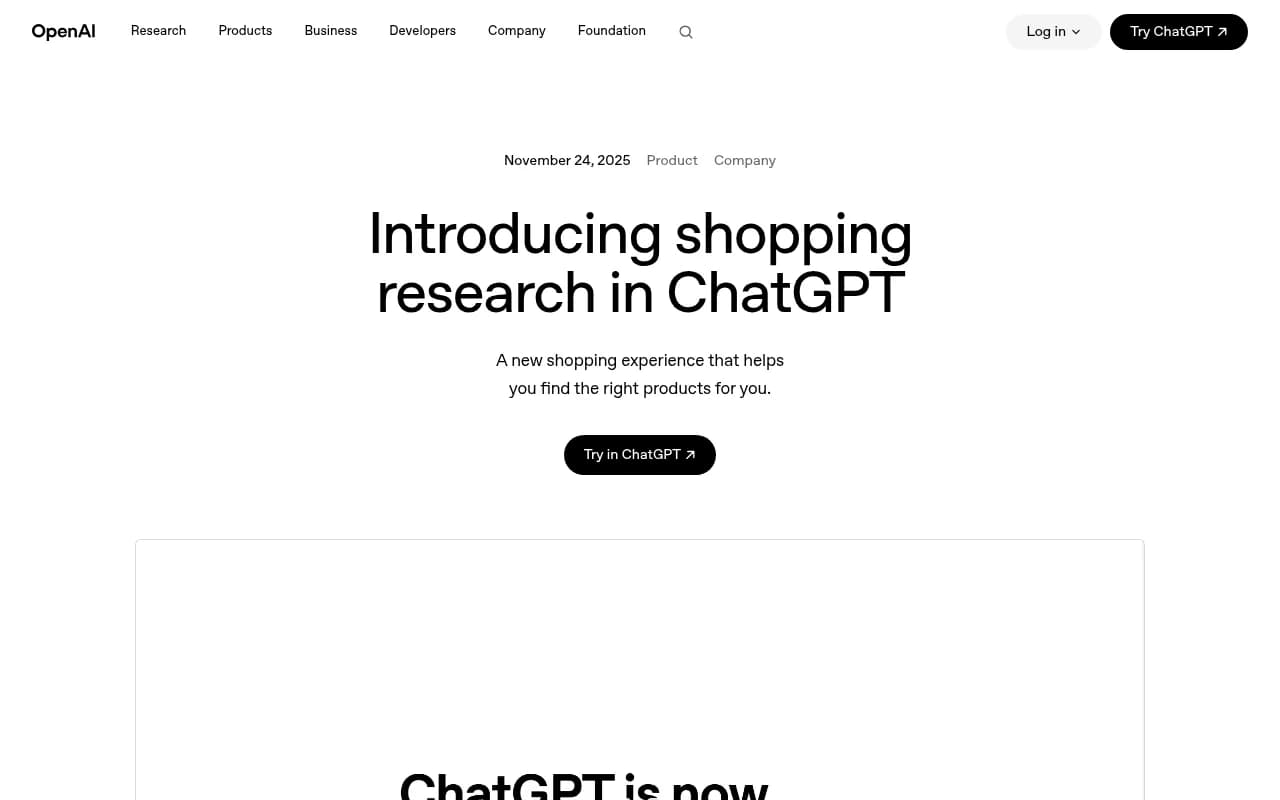
OpenAI launched shopping research in November 2025, framing it as a "thoughtful buyer's guide" experience. Instead of just listing links, ChatGPT asks clarifying questions, pulls from multiple sources, and synthesizes a recommendation. It performs especially well in categories like electronics, beauty, home and garden, and kitchen appliances.
What's less obvious is how ChatGPT decides which products to surface. It's not a simple product feed. The system pulls from a combination of:
- Web crawling (GPTBot visiting product pages and review sites)
- Third-party data sources (review aggregators, comparison sites, editorial coverage)
- Structured data on product pages (schema markup, pricing, availability)
- Signals from sources like Reddit discussions and YouTube reviews
This means your visibility isn't controlled by a single switch. It's the output of multiple overlapping signals — and any one of them breaking can knock you out of recommendations.
The main reasons products disappear
Your product data went stale
ChatGPT won't recommend products with missing or outdated information. If your price changed and the crawled version still shows the old price, or if your product went out of stock and the page wasn't updated, the AI may simply stop surfacing it.
This is probably the most common cause of sudden disappearances. Product catalogs are living things — prices fluctuate, stock levels change, variants get discontinued. If your site isn't reflecting those changes quickly, you're creating gaps that AI models interpret as unreliable data.
The fix is boring but important: keep your product pages current. Automate price and availability updates. Don't let product pages sit with stale information for weeks.
Structured data is missing or broken
ChatGPT's shopping feature leans heavily on structured data to understand product details. Schema markup for Product, Offer, AggregateRating, and Review gives AI crawlers clean, machine-readable signals about what you're selling, what it costs, and how customers rate it.
If that markup breaks — say, a site update removes the schema, or a template change corrupts the JSON-LD — the AI loses its clean signal. It might still crawl the page but struggle to extract reliable product details. That's often enough to drop you from recommendations.
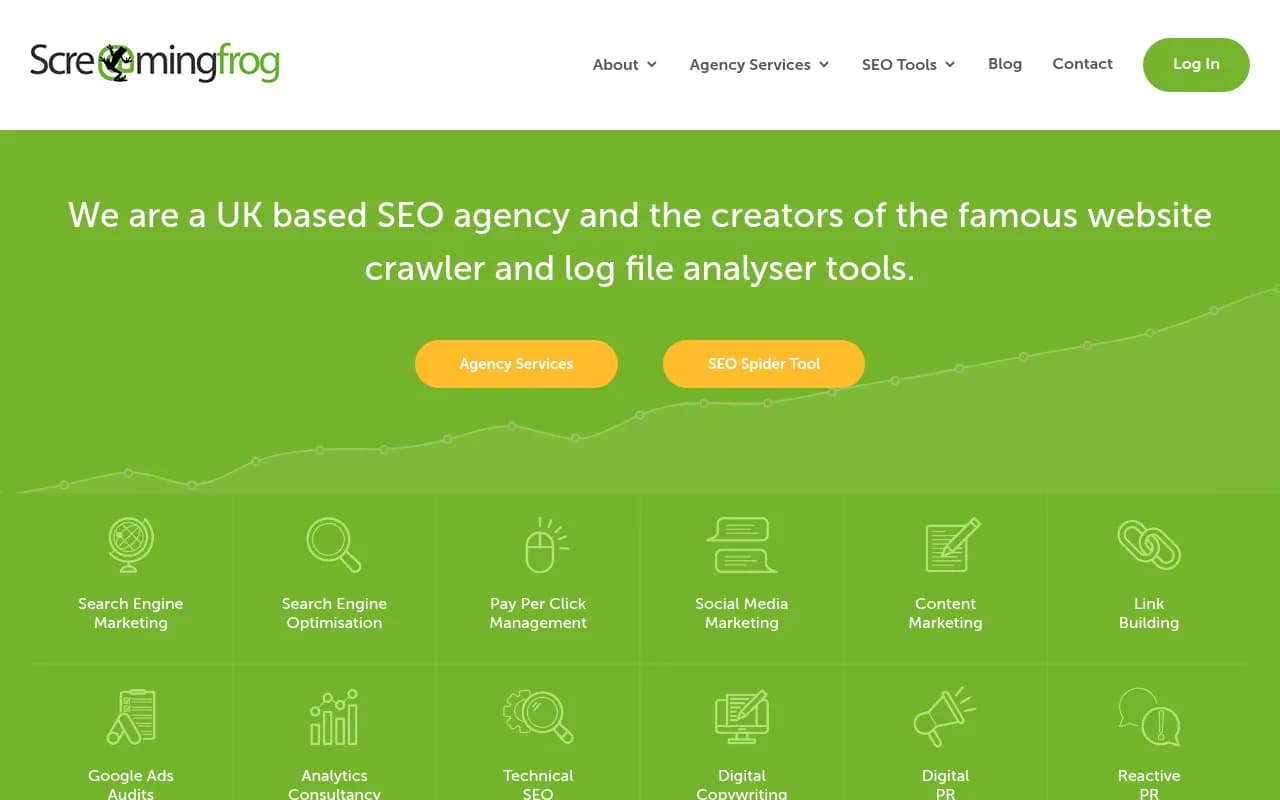
Run regular schema audits. Tools like Screaming Frog SEO Spider can catch broken structured data before it costs you visibility.
GPTBot can't access your pages
OpenAI's crawler is called GPTBot. If your robots.txt file blocks it — intentionally or accidentally — ChatGPT can't read your product pages at all.
This became a high-profile issue when Amazon blocked GPTBot entirely, effectively making Amazon listings invisible to ChatGPT's shopping feature. For sellers who relied on Amazon as their primary storefront, this was a serious problem. The lesson: if you don't control the platform your products live on, you don't control your AI visibility.
For brands with their own websites, check your robots.txt and server-side blocking rules. Make sure GPTBot (and other AI crawlers like ClaudeBot, PerplexityBot, and Google's AI crawler) have access to your product pages.
You're not being cited by the sources ChatGPT trusts
ChatGPT doesn't just crawl your product page in isolation. It also looks at what third-party sources say about your product. Review sites, editorial roundups, Reddit threads, YouTube videos — these all influence whether your product gets recommended.
Research from Semrush found that ChatGPT's product recommendations heavily favor sources that Google Shopping and established review domains already trust. If your product isn't mentioned in those places, you're essentially invisible to the AI regardless of how good your own product page is.
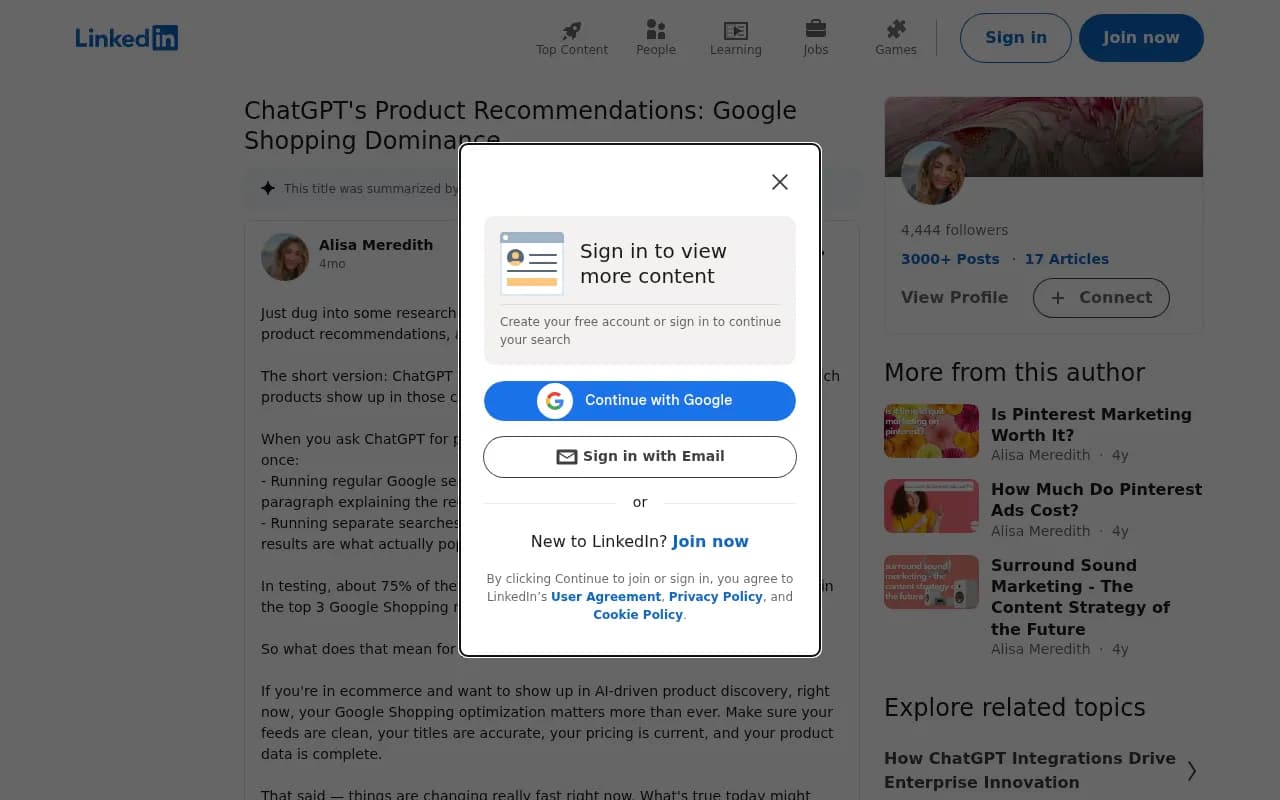
This is the part most brands underestimate. Getting into AI shopping isn't just an on-site optimization problem — it's an off-site presence problem too.
The query type stopped triggering shopping results
Profound tracked 2 million ChatGPT prompts and found that shopping results don't appear for every query. Shopping triggers when the prompt describes a product need — but brand-direct queries (someone asking about your brand by name) don't always trigger the shopping UI.
This means your visibility is partly a function of how people are prompting. If the queries you were ranking for shifted in phrasing or intent, the shopping feature may simply not be activating for those prompts anymore.
Your competitors improved
AI models update their recommendations as new information becomes available. If a competitor published a detailed comparison page, got featured in a major review roundup, or started showing up in Reddit discussions, they may have displaced you — not because you did anything wrong, but because they did something right.
This is why monitoring is ongoing work, not a one-time setup.
What "ranking" in ChatGPT Shopping actually means
It's worth being precise here. There's no stable "position 1" in ChatGPT Shopping the way there is in Google's traditional search results. ChatGPT generates responses dynamically, and the same prompt can produce different results depending on:
- The user's conversation history and memory
- The time of day (fresh crawl data vs. cached data)
- The specific phrasing of the prompt
- The user's stated preferences and constraints
So when people say they "ranked" in ChatGPT Shopping, they usually mean their product appeared in responses to a specific prompt during a specific window. That's real, but it's not a fixed position you can point to and defend.
This is why tracking needs to be ongoing and systematic, not a one-off check.
How to stay visible: the practical playbook
Keep your product catalog fresh
Set up automated processes to sync pricing, availability, and product details across your site. If you're on Shopify, WooCommerce, or another e-commerce platform, there are feed management tools that can push updates in near real-time. Don't let product pages drift.
Fix and maintain structured data
Implement Product schema with Offer, AggregateRating, and Review markup on every product page. Test it with Google's Rich Results Test and schedule regular audits. When you push site updates, include schema validation in your QA process.
Build off-site presence where AI looks
Get your products mentioned in the places ChatGPT actually cites. That means:
- Editorial review sites in your category
- Comparison roundups ("best X for Y" articles)
- Reddit threads where your target customers ask for recommendations
- YouTube reviews and unboxings
This isn't just traditional PR. It's specifically about getting into the sources that AI models treat as authoritative. Think about which publications, subreddits, and YouTube channels cover your product category — and make sure your product is represented there.
Don't rely on a single platform
The Amazon/GPTBot situation is a warning. If your products only exist on a marketplace that blocks AI crawlers, you have no AI shopping visibility. Even if you primarily sell on Amazon, having a direct-to-consumer site with crawlable product pages gives you a fallback.
Monitor your ChatGPT Shopping appearances
You can't fix what you can't see. Manually checking ChatGPT for your product category every week is better than nothing, but it doesn't scale. Purpose-built tools that track when and how your products appear in AI shopping results are worth the investment.
Promptwatch tracks ChatGPT Shopping appearances specifically — not just general brand mentions, but product-level visibility in shopping contexts. It shows you which prompts trigger your products, which competitors are appearing alongside you, and when your visibility changes. That kind of granular data makes it much easier to diagnose why you dropped and what to fix.

For broader AI visibility monitoring, a few other tools are worth knowing about:
Profound


Answer the questions AI is trying to resolve
ChatGPT Shopping works best when it can build a "thoughtful buyer's guide." That means it's looking for content that answers comparison questions, explains tradeoffs, and addresses specific use cases.
If your product pages only contain basic specs and marketing copy, you're not giving the AI much to work with. Add content that addresses real buyer questions: "Who is this best for?", "How does it compare to [competitor]?", "What are the limitations?". This kind of content makes your pages more useful to AI models trying to synthesize a recommendation.
A comparison of approaches to ChatGPT Shopping visibility
| Approach | What it addresses | Effort | Impact |
|---|---|---|---|
| Structured data / schema | Crawlability, data accuracy | Low-medium | High |
| Fresh product data | Stale listings, availability | Low (if automated) | High |
| Off-site citations | Third-party trust signals | Medium-high | High |
| Direct-to-consumer site | Platform dependency risk | High | Medium-high |
| AI visibility monitoring | Knowing when you drop | Low (tool-based) | Medium |
| Buyer-guide content on product pages | AI synthesis quality | Medium | Medium |
The monitoring question
A lot of brands treat ChatGPT Shopping visibility as something they set up once and forget. That's the wrong mental model. The signals that drive AI recommendations change constantly — new crawl data, updated third-party sources, competitor activity, prompt pattern shifts.
The brands that maintain consistent AI shopping visibility are the ones that treat it like any other channel: with regular monitoring, a feedback loop between data and action, and someone whose job it is to pay attention.
That doesn't have to be complicated. Even a weekly prompt audit — running your key product queries through ChatGPT and noting what appears — gives you a baseline. Combine that with a tool that tracks appearances systematically, and you'll catch drops early enough to diagnose them before they affect revenue.
The disappearing act isn't mysterious once you understand the mechanics. Products fall out of AI recommendations for concrete, fixable reasons. The brands that stay visible are the ones that treat AI shopping as an ongoing optimization problem, not a one-time win.