Key Takeaways
- AI search engines now influence 40%+ of product discovery: ChatGPT, Perplexity, Claude, and Google AI Overviews are replacing traditional search for product research and recommendations
- E-commerce brands need a complete optimization loop: Track where you're invisible → create content that gets cited → measure the revenue impact
- Most brands are monitoring but not optimizing: Tracking visibility is step one, but you need tools that help you close content gaps and generate AI-friendly product content
- Product pages alone won't rank in AI search: You need comparison guides, buying guides, use case content, and FAQ pages that answer the questions AI models are trained to surface
- AI crawler access is critical: If ChatGPT, Claude, and Perplexity can't crawl your site, you're invisible—check your robots.txt and server logs
Why E-Commerce Brands Must Optimize for AI Search in 2026
Traditional SEO focused on ranking product pages for keywords like "buy running shoes" or "best coffee maker." AI search works differently. When someone asks ChatGPT "What's the best espresso machine under $500?", the AI doesn't return a list of links—it generates a direct answer, citing 2-4 brands it trusts.
If your brand isn't one of those citations, you're invisible.
Here's what's changed:
- Conversational queries dominate: Users ask full questions ("What's the best laptop for video editing under $1500?") instead of typing keywords
- AI models cite fewer sources: Traditional search shows 10 blue links per page. AI search cites 2-4 sources in a single answer
- Content depth matters more than keywords: AI models prioritize pages that thoroughly answer questions, not pages stuffed with product keywords
- Trust signals are critical: Reviews, comparisons, expert opinions, and structured data help AI models determine which brands to recommend
For e-commerce brands, this means your product pages need to be surrounded by content that helps AI models understand why your products are worth recommending.
The AI Search Optimization Workflow: A Complete System
Building an AI search optimization workflow means creating a repeatable system that tracks visibility, identifies gaps, creates content, and measures results. Here's the framework:
Step 1: Track Your AI Search Visibility
You can't optimize what you don't measure. Start by monitoring how often your brand appears in AI-generated answers across multiple platforms.
What to track:
- Brand mentions: How often does ChatGPT, Perplexity, Claude, or Gemini mention your brand when users ask product-related questions?
- Product recommendations: Does your product appear in AI-generated shopping lists or comparison tables?
- Citation frequency: Which pages on your site are being cited, and how often?
- Competitor visibility: Which competitors are being recommended instead of you, and for which prompts?
How to track it:
Platforms like Promptwatch help you monitor brand visibility across 10+ AI models, including ChatGPT, Perplexity, Google AI Overviews, Claude, Gemini, and DeepSeek. You can see exactly which prompts trigger mentions of your brand, which pages are being cited, and where competitors are winning.

Other options include Otterly.AI for basic monitoring or Profound for enterprise-scale tracking, but most competitors stop at showing you data—they don't help you fix the gaps.
Step 2: Identify Content Gaps with Answer Gap Analysis
Once you know where you're visible, the next step is finding where you're invisible—and why.
Answer Gap Analysis shows you the specific prompts where competitors are being cited but you're not. More importantly, it reveals the content your website is missing.
For example:
- If competitors rank for "best espresso machines for beginners" but you don't, you likely need a beginner's buying guide
- If AI models cite competitor comparison pages ("Breville vs Gaggia"), you need your own comparison content
- If your product pages exist but aren't being cited, you may be missing structured data, reviews, or detailed specs
What to look for:
- High-volume prompts where you have zero visibility
- Prompts where competitors are cited 80%+ of the time
- Content types you're missing (guides, comparisons, FAQs, use case pages)
- Specific questions your product pages don't answer
Tools like Promptwatch's Answer Gap Analysis surface these opportunities automatically, showing you exactly which topics to prioritize based on prompt volume, difficulty, and competitor dominance.
Step 3: Create AI-Optimized Content That Gets Cited
Now comes the hard part: creating content that AI models actually want to cite.
Here's what works in 2026:
Content types that rank in AI search:
- Buying guides: "Best X for Y" (e.g., "Best espresso machines for small kitchens")
- Comparison pages: "X vs Y" (e.g., "Breville Barista Express vs Gaggia Classic")
- Use case content: "How to choose X for Y" (e.g., "How to choose a coffee grinder for espresso")
- FAQ pages: Answer common questions directly and concisely
- Product pages with depth: Specs, reviews, use cases, and structured data
How to structure AI-friendly content:
- Lead with a direct answer: AI models scan for concise answers in the first 100 words
- Use clear headings: H2 and H3 tags help AI models extract specific information
- Include structured data: Schema markup (Product, Review, FAQ, HowTo) signals authority
- Add comparison tables: AI models love structured data they can parse and cite
- Embed real reviews and ratings: User-generated content adds trust signals
- Link to authoritative sources: Citing studies, reviews, or expert opinions boosts credibility
The content generation challenge:
Writing this content manually is slow and expensive. Most e-commerce brands need dozens (or hundreds) of guides, comparisons, and FAQ pages to compete.
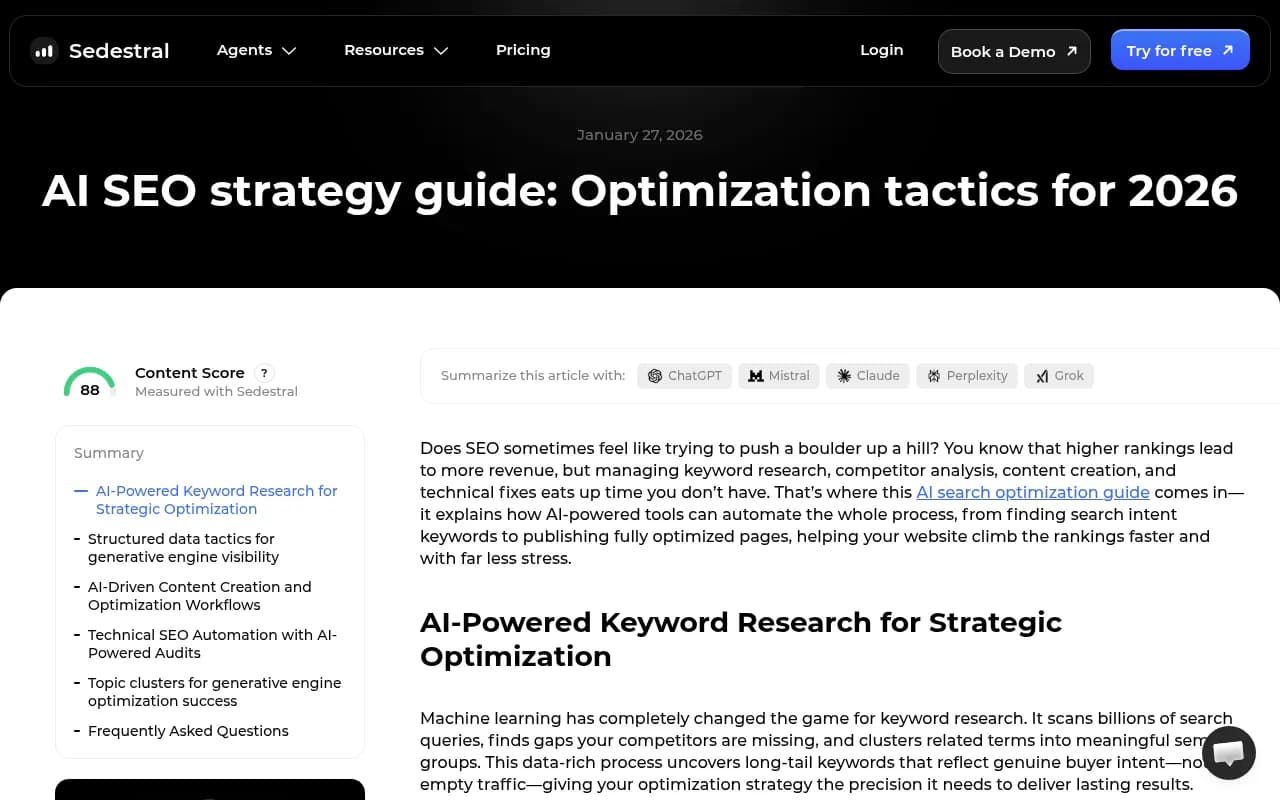
This is where AI-powered content generation comes in. Platforms like Promptwatch include a built-in AI writing agent that generates articles, listicles, and comparisons grounded in real citation data (880M+ citations analyzed), prompt volumes, and competitor analysis. This isn't generic SEO filler—it's content engineered to get cited by ChatGPT, Claude, and Perplexity.
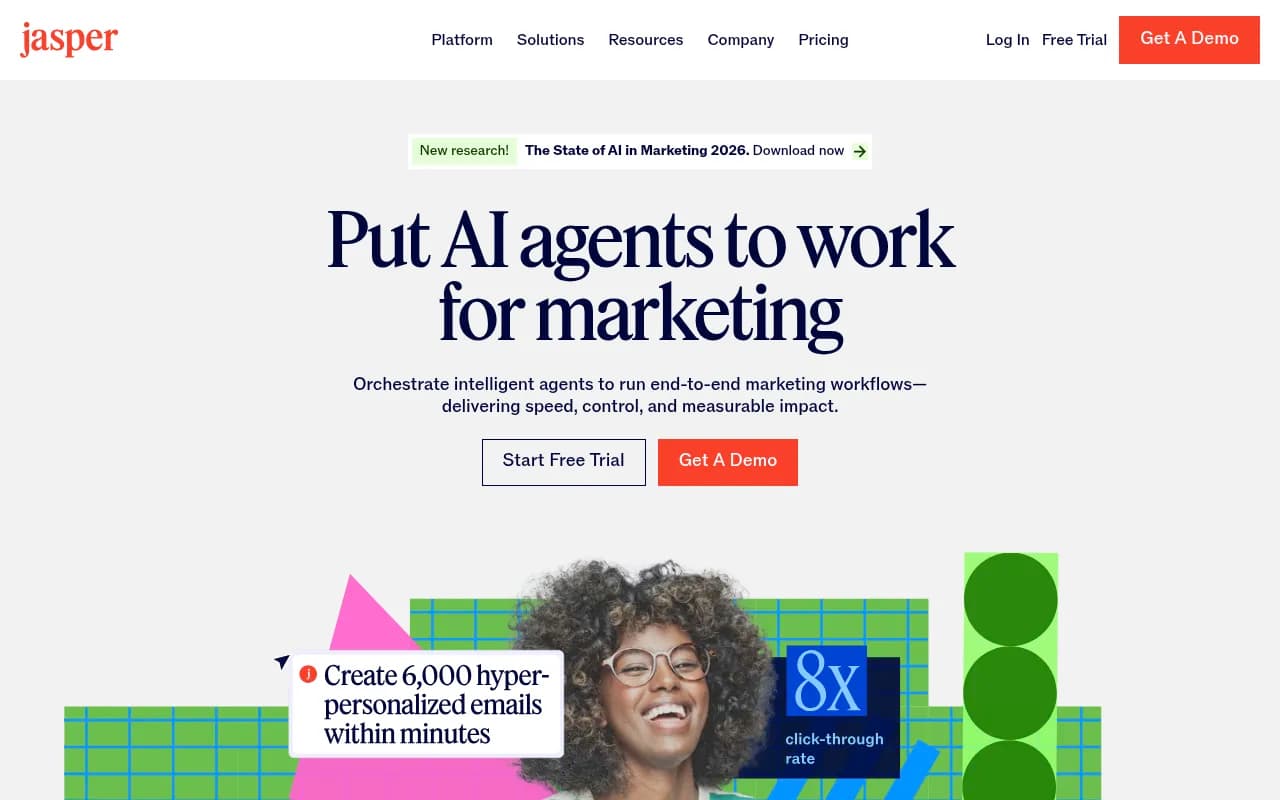
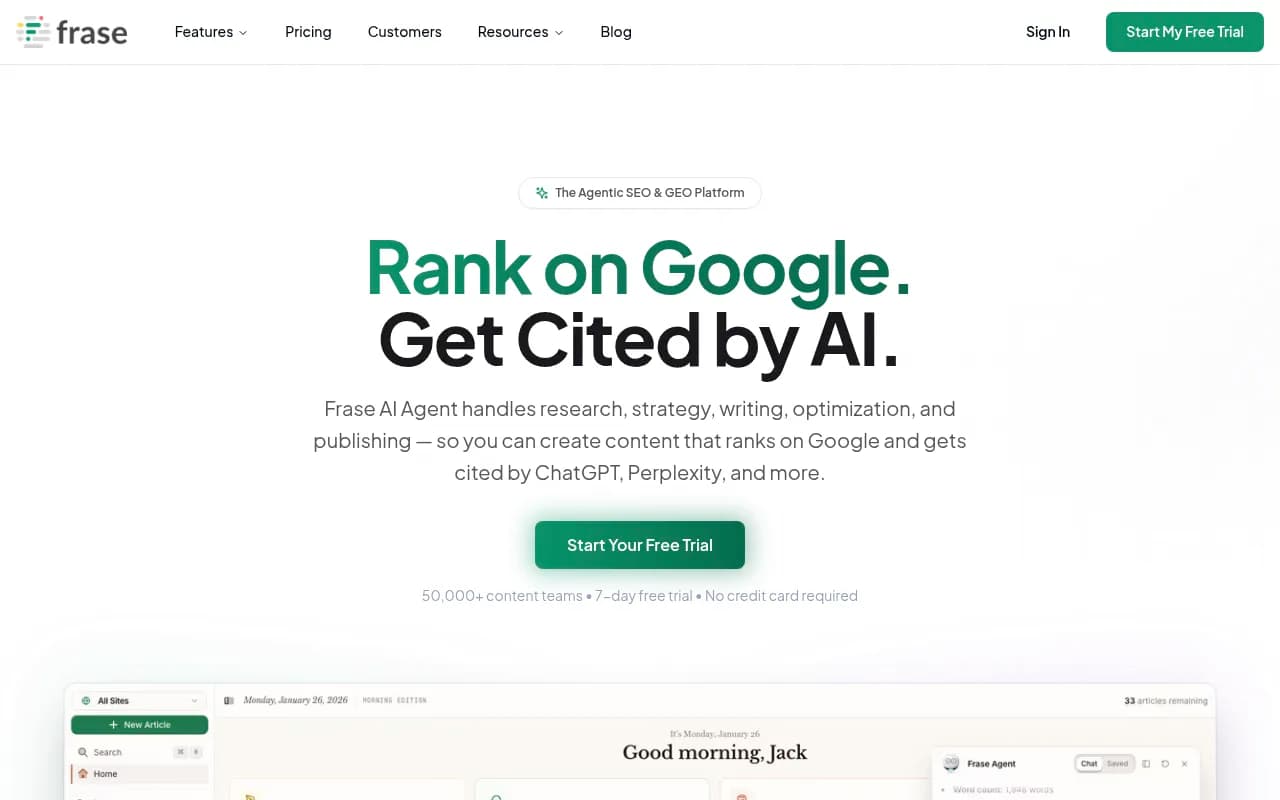
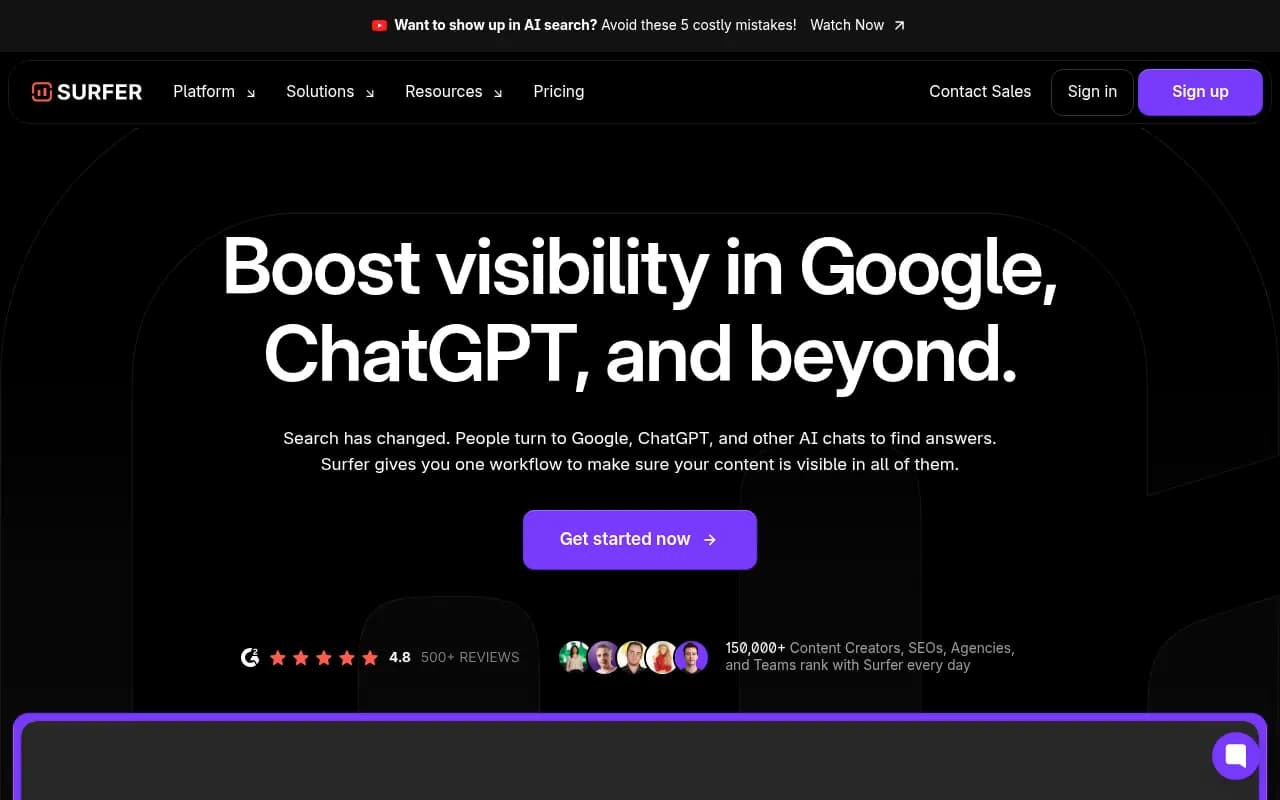
Other tools like Jasper, Frase, or Surfer SEO can help with content creation, but they're not built specifically for AI search optimization.
Step 4: Ensure AI Crawlers Can Access Your Site
Even the best content won't rank if AI crawlers can't access it.
Check your robots.txt file:
Many e-commerce sites accidentally block AI crawlers. Make sure your robots.txt file allows:
ChatGPT-User(OpenAI)Claude-Web(Anthropic)PerplexityBot(Perplexity)Google-Extended(Google AI)
Monitor AI crawler activity:
Use server logs or a platform like Promptwatch's AI Crawler Logs to see which AI crawlers are hitting your site, which pages they're reading, and whether they're encountering errors.
If ChatGPT hasn't crawled your site in weeks, you're invisible in ChatGPT search results—no matter how good your content is.
Step 5: Optimize Product Pages for AI Search
Your product pages are the foundation. Here's how to make them AI-friendly:
Add structured data:
Use Schema.org markup for:
Product(name, image, description, SKU, brand)Offer(price, availability, currency)AggregateRating(average rating, review count)Review(individual customer reviews)
Write detailed descriptions:
AI models prefer pages with 500+ words of unique, descriptive content. Include:
- Product specs and features
- Use cases and benefits
- Comparison to similar products
- Common questions and answers
Embed customer reviews:
User-generated content is a massive trust signal. Display reviews prominently and use structured data to mark them up.
Optimize images:
Use descriptive alt text and file names. AI models can't "see" images, but they can read alt text.
Step 6: Build Topical Authority with Content Clusters
AI models prioritize brands that demonstrate expertise in a specific domain. This is called topical authority.
For example, if you sell coffee equipment, you should have:
- A pillar page on "Espresso Machines" (comprehensive guide)
- Supporting pages on "Best Espresso Machines for Beginners," "How to Choose an Espresso Machine," "Espresso Machine Maintenance," etc.
- Comparison pages ("Breville vs Gaggia," "Manual vs Automatic Espresso Machines")
- FAQ pages answering common questions
Internal linking between these pages signals to AI models that you're an authority on the topic.
Step 7: Track AI Traffic and Attribution
Visibility is great, but revenue is what matters. You need to know whether AI search is actually driving traffic and conversions.
How to track AI traffic:
- UTM parameters: If AI platforms support clickable links (like Perplexity), use UTM tags to track referrals
- Referrer data: Check your analytics for referrals from
chat.openai.com,perplexity.ai,claude.ai, etc. - Code snippet tracking: Some platforms (like Promptwatch) offer a tracking snippet that identifies AI-driven visitors
- Google Search Console integration: Track AI Overviews traffic separately from traditional search
- Server log analysis: Parse server logs to identify AI crawler activity and correlate it with traffic spikes
What to measure:
- AI referral traffic: How many visitors come from AI search engines?
- Conversion rate: Do AI-driven visitors convert at a higher or lower rate than traditional search traffic?
- Revenue attribution: How much revenue can you tie back to AI search visibility?
- Page-level performance: Which pages are driving the most AI traffic?
Platforms like Promptwatch close this loop by connecting visibility tracking to actual traffic and revenue, so you can see which content investments are paying off.
Advanced Tactics for E-Commerce AI Search Optimization
Once you've built the foundation, here are advanced tactics to stay ahead:
Monitor Reddit and YouTube for AI Citation Opportunities
AI models frequently cite Reddit threads and YouTube videos when answering product questions. If your brand is mentioned positively in these channels, you're more likely to be recommended.
What to do:
- Monitor Reddit discussions in relevant subreddits (e.g., r/espresso, r/BuyItForLife)
- Engage authentically (don't spam)
- Create YouTube content that answers common product questions
- Track which Reddit threads and YouTube videos AI models are citing
Promptwatch includes Reddit and YouTube insights that surface discussions directly influencing AI recommendations—a channel most competitors ignore entirely.
Optimize for ChatGPT Shopping and Product Carousels
ChatGPT now includes shopping features that recommend products directly in the chat interface. If your products appear in these carousels, you're getting prime real estate.
How to optimize:
- Ensure your product pages have complete structured data (Product, Offer, AggregateRating)
- Get listed on major e-commerce platforms (Amazon, eBay, Etsy) that ChatGPT pulls from
- Build brand authority through reviews, comparisons, and expert mentions
Tools like Promptwatch track when your brand appears in ChatGPT Shopping recommendations, so you can see what's working.
Use Prompt Intelligence to Prioritize High-Value Queries
Not all prompts are created equal. Some have high search volume but low commercial intent. Others have low volume but high conversion rates.
Prompt Intelligence helps you prioritize by showing:
- Volume estimates: How often is this prompt being asked?
- Difficulty scores: How hard is it to rank for this prompt?
- Query fan-outs: How does one prompt branch into sub-queries?
This lets you focus on high-value, winnable prompts instead of guessing.
Track Competitor Heatmaps to Find Gaps
See where competitors are winning and where they're weak. Competitor heatmaps show you:
- Which prompts competitors dominate (80%+ citation rate)
- Which prompts are wide open (no clear leader)
- Which AI models favor which competitors
This helps you identify quick wins—prompts where you can realistically compete.
Tools to Build Your AI Search Optimization Workflow
Here's a practical toolkit for e-commerce brands:
AI Visibility Tracking:
- Promptwatch: End-to-end platform with tracking, content gap analysis, AI content generation, and traffic attribution
- Otterly.AI: Basic monitoring for ChatGPT, Perplexity, and AI Overviews
- Profound: Enterprise-scale tracking across 9+ AI engines
Content Creation:
- Promptwatch AI Writing Agent: Generates AI-optimized content grounded in citation data
- Jasper: General-purpose AI writing platform
- Frase: SEO content research and writing
- Surfer SEO: Content optimization with competitor analysis
Technical SEO:
- Screaming Frog: Website crawler for technical audits
- Google Search Console: Track AI Overviews traffic
- Schema.org: Structured data markup
Analytics:
- Google Analytics: Track referral traffic from AI platforms
- Promptwatch Traffic Attribution: Code snippet or server log analysis to identify AI-driven visitors
Common Mistakes E-Commerce Brands Make with AI Search Optimization
- Only optimizing product pages: Product pages alone won't rank. You need guides, comparisons, and FAQs.
- Ignoring AI crawler access: If your robots.txt blocks AI crawlers, you're invisible.
- Focusing only on Google: ChatGPT, Perplexity, and Claude are just as important as Google AI Overviews.
- Not tracking results: Visibility without traffic attribution is just vanity metrics.
- Using generic content: AI models prefer specific, detailed, expert content—not thin affiliate pages.
- Skipping structured data: Schema markup is critical for AI models to understand your products.
- Not monitoring competitors: If you don't know where competitors are winning, you can't compete.
The Future of AI Search for E-Commerce
AI search is still evolving, but here's where it's heading:
- More direct purchases: AI platforms will integrate checkout directly into chat interfaces
- Personalized recommendations: AI models will tailor product suggestions based on user history and preferences
- Voice and visual search: AI search will expand beyond text to voice queries and image-based product discovery
- Multi-modal content: AI models will start citing video, audio, and interactive content—not just text
Brands that build AI search optimization workflows now will have a massive advantage as these trends accelerate.
Final Thoughts: Build the Loop, Don't Just Monitor
Most e-commerce brands are stuck at step one—monitoring their AI search visibility but not doing anything about it. The brands that win in 2026 are the ones that close the loop:
- Track visibility across ChatGPT, Perplexity, Claude, Gemini, and Google AI Overviews
- Identify content gaps with Answer Gap Analysis
- Create AI-optimized content that gets cited (guides, comparisons, FAQs)
- Ensure AI crawlers can access your site (robots.txt, server logs)
- Measure the revenue impact with traffic attribution
This isn't a one-time project—it's an ongoing workflow. The brands that treat AI search optimization as a system (not a checklist) will dominate product discovery in 2026 and beyond.
If you're serious about building this workflow, tools like Promptwatch can help you track visibility, find gaps, generate content, and measure results—all in one platform. Most competitors only do step one.