Key Takeaways
- Buffer is the best choice for creators, small businesses, and teams prioritizing simplicity and affordability ($0-$120/month)
- Hootsuite excels at enterprise-scale social media management with robust team workflows and social listening ($99-$739/month)
- Sprout Social delivers the most powerful analytics and reporting capabilities but comes at a premium price ($249-$499/month per user)
- All three platforms now integrate AI features for content generation, scheduling optimization, and sentiment analysis
- Your choice depends on team size, budget, and whether you prioritize ease of use (Buffer), enterprise features (Hootsuite), or deep analytics (Sprout Social)
Managing social media at scale in 2026 means juggling content creation, scheduling, analytics, team collaboration, and increasingly -- AI-powered optimization. The right social media management tool can save hours every week and dramatically improve your results across platforms.
This guide compares three industry leaders: Buffer, Hootsuite, and Sprout Social. We'll examine their AI capabilities, core features, pricing, and ideal use cases to help you choose the platform that fits your needs.
Platform Overview: What Each Tool Does Best
Buffer: Simplicity Meets Affordability
Buffer has built its reputation on being the most user-friendly social media scheduler on the market. In 2026, it remains the go-to choice for creators, small businesses, and lean marketing teams who need powerful features without enterprise complexity.
Core strengths:
- Clean, intuitive interface that requires minimal training
- Generous free tier (3 channels, 10 scheduled posts)
- AI-powered content suggestions and caption generation
- Visual content calendar with drag-and-drop scheduling
- Strong Instagram and TikTok support with first-comment scheduling
Best for: Solo creators, small businesses (1-5 people), agencies managing multiple client accounts on a budget
Hootsuite: Enterprise-Grade Social Command Center
Hootsuite pioneered social media management software in 2008 and has evolved into a comprehensive platform built for mid-sized to enterprise organizations. Its strength lies in team workflows, social listening, and managing high volumes of content across dozens of accounts.
Core strengths:
- Unified inbox for managing messages across all platforms
- Advanced team permissions and approval workflows
- Social listening and brand monitoring across the web
- Integration with 150+ apps including Salesforce, HubSpot, and Slack
- Bulk scheduling and content library management
Best for: Mid-sized businesses (10-50 people), enterprises, agencies with complex approval processes

Sprout Social: Analytics Powerhouse
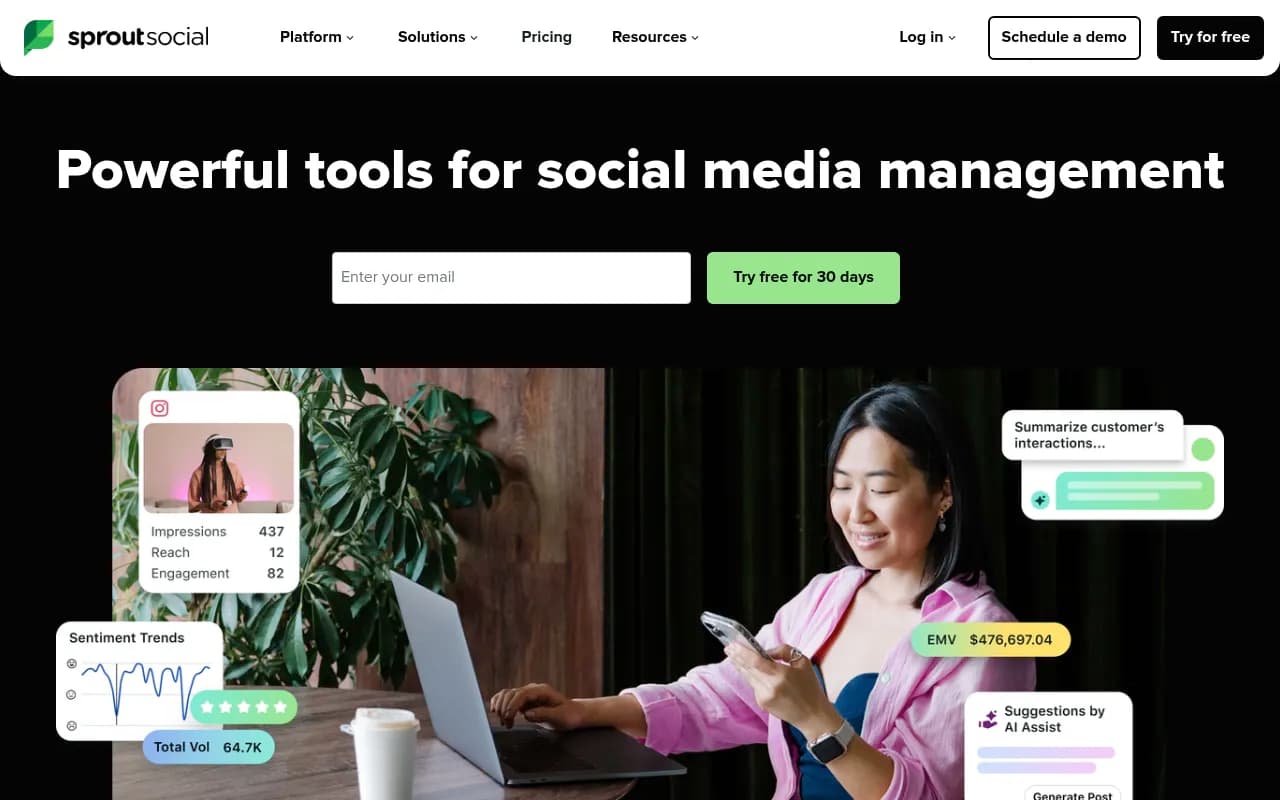
Sprout Social positions itself as the premium option, delivering enterprise-level analytics, reporting, and social CRM capabilities that justify its higher price point. Marketing teams that need to prove ROI and track detailed performance metrics choose Sprout.
Core strengths:
- Industry-leading analytics and custom reporting
- Competitive analysis and benchmarking tools
- Social CRM with customer relationship tracking
- AI-powered sentiment analysis and trend detection
- Advanced listening tools that monitor keywords, hashtags, and brand mentions
Best for: Data-driven marketing teams, enterprises requiring detailed reporting, agencies serving Fortune 500 clients
AI Capabilities Compared
All three platforms have integrated AI features in 2026, but their implementations differ significantly.
Buffer's AI Assistant
Buffer's AI focuses on making content creation faster without overwhelming users. The "AI Assistant" generates post ideas, writes captions, and suggests hashtags based on your content and audience engagement history.
Key AI features:
- One-click caption generation with brand voice customization
- Content idea suggestions based on trending topics
- Optimal posting time recommendations using engagement data
- Automatic image resizing for each platform
Limitation: Buffer's AI is designed for speed and simplicity, not deep customization. You won't find advanced prompt engineering or multi-step content workflows.
Hootsuite's OwlyWriter AI
Hootsuite's OwlyWriter AI goes deeper, offering content repurposing, tone adjustment, and multi-language support. It's built for teams managing high content volumes who need to maintain consistency across channels.
Key AI features:
- Repurpose existing content into platform-specific formats
- Generate post variations for A/B testing
- Translate content into 20+ languages
- AI-powered sentiment analysis in social listening
- Smart inbox prioritization using engagement prediction
Strength: Hootsuite's AI shines in workflow automation -- it can suggest responses to common customer questions and prioritize urgent messages.
Sprout Social's AI Assist
Sprout Social's AI Assist focuses on analytics and insights rather than just content creation. It analyzes your data to surface actionable recommendations and predict content performance.
Key AI features:
- Predictive analytics for content performance
- Automated insight generation from engagement data
- AI-powered response suggestions for customer messages
- Sentiment trend analysis across conversations
- Competitive intelligence with AI-driven benchmarking
Strength: Sprout's AI helps you understand why content performs, not just what to post. It identifies patterns in audience behavior and suggests strategic adjustments.
Feature Comparison: Core Capabilities
Content Scheduling & Publishing
Buffer:
- Supports 8 platforms: Facebook, Instagram, Twitter/X, LinkedIn, Pinterest, TikTok, Mastodon, Google Business Profile
- Queue-based scheduling with customizable time slots
- First-comment scheduling for Instagram
- Story scheduling for Instagram and Facebook
- Browser extension for easy content sharing
Hootsuite:
- Supports 20+ platforms including YouTube, Reddit, and WhatsApp Business
- Calendar view with drag-and-drop rescheduling
- Bulk upload via CSV (up to 350 posts at once)
- Content library with tagging and search
- Auto-scheduling based on best times
Sprout Social:
- Supports 10 major platforms with deep integrations
- ViralPost® technology for optimal send times
- Asset library with advanced organization
- Approval workflows with multi-level permissions
- Queue pausing and emergency post deletion
Winner: Hootsuite for volume and platform coverage, Buffer for ease of use, Sprout Social for enterprise workflows.
Analytics & Reporting
Buffer:
- Basic metrics: reach, engagement, clicks, top posts
- Comparison reports across date ranges
- Exportable PDF reports with custom branding
- Instagram Stories analytics
- Limited competitive analysis
Hootsuite:
- 200+ metrics across all platforms
- Custom dashboards with real-time data
- Team performance reports
- Social ROI tracking with UTM parameters
- Integration with Google Analytics
Sprout Social:
- 300+ metrics with cross-network reporting
- Competitive analysis with up to 20 competitors
- Custom report builder with 50+ templates
- Presentation-ready reports with data visualization
- Trend analysis and predictive insights
- Message tagging for campaign tracking
Winner: Sprout Social by a significant margin. Its analytics capabilities justify the premium pricing for data-driven teams.
Team Collaboration
Buffer:
- Unlimited team members on paid plans
- Basic approval workflows (draft → approved → published)
- Internal notes on posts
- Client access with limited permissions
Hootsuite:
- Unlimited team members on Business and Enterprise plans
- Advanced approval workflows with multiple approval levels
- Task assignment and notifications
- Team performance analytics
- Role-based permissions (admin, editor, viewer, custom)
Sprout Social:
- User-based pricing (per seat)
- Sophisticated approval workflows
- Task management with due dates and assignments
- Internal collaboration tools with @mentions
- Audit logs for compliance tracking
Winner: Hootsuite for large teams with complex workflows, Sprout Social for enterprises requiring detailed permissions and audit trails.
Social Listening & Monitoring
Buffer:
- No native social listening features
- Basic engagement tracking on published posts
- Mentions visible in engagement tab
Hootsuite:
- Streams for monitoring keywords, hashtags, mentions
- Sentiment analysis on monitored terms
- Geo-location filtering
- Competitor tracking
- Integration with Brandwatch for advanced listening (additional cost)
Sprout Social:
- Advanced listening across social platforms and web
- Sentiment analysis with trend detection
- Topic clustering and theme identification
- Competitive intelligence
- Crisis detection and alerts
- Message spike notifications
Winner: Sprout Social for comprehensive listening, Hootsuite for mid-tier monitoring needs, Buffer not competitive in this category.
Pricing Breakdown (2026)
Buffer Pricing
Free Plan: $0/month
- 3 channels
- 10 scheduled posts per channel
- 1 user
- Basic analytics
Essentials: $6/month per channel
- Unlimited scheduled posts
- 1 user
- Landing page builder
- Basic analytics
Team: $12/month per channel
- Unlimited team members
- Unlimited scheduled posts
- Approval workflows
- Advanced analytics
Agency: $120/month (10 channels)
- Client management tools
- Custom reporting
- Priority support
Value proposition: Buffer's per-channel pricing makes it extremely affordable for small teams. A typical small business managing 5 channels pays $60-$120/month.
Hootsuite Pricing
Professional: $99/month
- 1 user
- 10 social accounts
- Unlimited scheduling
- Basic analytics
- 30-day free trial
Team: $249/month
- 3 users
- 20 social accounts
- Advanced analytics
- Team workflows
- Social listening (limited)
Business: $739/month
- 5 users
- 35 social accounts
- Advanced listening
- Custom analytics
- Priority support
Enterprise: Custom pricing
- Unlimited users and accounts
- Dedicated account manager
- Custom integrations
- Advanced security features
Value proposition: Hootsuite's pricing scales with team size and account volume. Mid-sized teams (3-5 people) typically pay $249-$739/month.
Sprout Social Pricing
Standard: $249/month per user
- 5 social profiles per user
- All publishing tools
- Unified inbox
- Basic analytics
Professional: $399/month per user
- Competitive reports
- Custom workflows
- Helpdesk integration
- Message spike alerts
Advanced: $499/month per user
- Social listening
- Advanced analytics
- Chatbot builder
- Digital asset library
Enterprise: Custom pricing
- Unlimited profiles
- Premium listening
- Advocacy tools
- Dedicated support
Value proposition: Sprout's per-user pricing makes it expensive for larger teams but competitive for small teams requiring enterprise features. A 3-person team pays $747-$1,497/month.

Use Case Scenarios: Which Tool Fits Your Needs?
Scenario 1: Solo Creator or Small Business (1-2 People)
Best choice: Buffer
Why: You need simplicity, affordability, and core scheduling features without enterprise complexity. Buffer's free plan lets you test the platform, and paid plans start at just $6/month per channel.
What you get:
- Easy content scheduling across major platforms
- AI-powered caption generation
- Basic analytics to track what's working
- Landing page builder for link-in-bio
What you miss: Advanced analytics, social listening, team workflows (but you don't need them yet).
Scenario 2: Growing Marketing Team (5-15 People)
Best choice: Hootsuite
Why: You need team collaboration features, approval workflows, and the ability to manage multiple brands or clients. Hootsuite's Team or Business plans provide the structure growing teams require.
What you get:
- Approval workflows to maintain brand consistency
- Social listening to monitor brand mentions
- Team performance analytics
- Integration with your existing marketing stack
What you miss: The most advanced analytics and reporting (Sprout Social territory), but Hootsuite's analytics are sufficient for most teams.
Scenario 3: Enterprise Marketing Team (15+ People)
Best choice: Sprout Social or Hootsuite Enterprise
Why: You need sophisticated analytics, competitive intelligence, and enterprise-grade security. Both platforms offer the depth required, but Sprout Social edges ahead on analytics while Hootsuite leads on platform coverage.
Choose Sprout Social if:
- Analytics and reporting are mission-critical
- You need to prove social media ROI to executives
- Your team requires advanced listening and sentiment analysis
Choose Hootsuite Enterprise if:
- You manage 50+ social accounts
- Platform coverage matters more than analytics depth
- You need custom integrations with proprietary systems
Scenario 4: Digital Agency Managing Client Accounts
Best choice: Buffer (budget agencies) or Hootsuite (full-service agencies)
Why: Agencies need client management features, white-label reporting, and the ability to scale up or down as clients come and go.
Choose Buffer if:
- You manage 5-20 client accounts
- Clients are small businesses with modest budgets
- Simplicity and ease of onboarding matter
Choose Hootsuite if:
- You manage 20+ client accounts
- Clients require detailed reporting and listening
- You need advanced team permissions and workflows
Integration Ecosystem
All three platforms integrate with popular marketing tools, but the depth and breadth vary significantly.
Buffer Integrations
Native integrations:
- Canva (design)
- Unsplash (stock photos)
- Giphy (GIFs)
- Feedly (content discovery)
- Zapier (workflow automation)
Limitation: Buffer's integration ecosystem is smaller than competitors, focusing on content creation rather than marketing automation.
Hootsuite Integrations
Native integrations (150+):
- Salesforce (CRM)
- HubSpot (marketing automation)
- Slack (team communication)
- Google Analytics (web analytics)
- Mailchimp (email marketing)
- Shopify (e-commerce)
- Adobe Creative Cloud (design)
- Brandwatch (advanced listening)
Strength: Hootsuite's App Directory offers the most comprehensive integration ecosystem, making it the hub of your marketing stack.
Sprout Social Integrations
Native integrations (50+):
- Salesforce (CRM)
- HubSpot (marketing automation)
- Zendesk (customer support)
- Google Analytics (web analytics)
- Microsoft Dynamics (CRM)
- Shopify (e-commerce)
- Dropbox (file storage)
Strength: Sprout focuses on deep, two-way integrations rather than breadth. Its Salesforce integration syncs social data into CRM records, enabling true social selling.
Mobile App Experience
All three platforms offer mobile apps for iOS and Android, but the experience varies.
Buffer Mobile:
- Clean, intuitive interface matching web app
- Full scheduling and publishing capabilities
- Push notifications for engagement
- Mobile-optimized analytics
- Camera integration for quick posting
Rating: 4.5/5 — Best mobile experience for content creators on the go.
Hootsuite Mobile:
- Comprehensive feature set matching desktop
- Streams for monitoring multiple feeds
- Bulk scheduling and content library access
- Team collaboration and approvals
- Can feel cluttered on smaller screens
Rating: 4/5 — Powerful but complex, better suited for tablets.
Sprout Social Mobile:
- Smart Inbox for managing messages
- Publishing and scheduling
- Real-time notifications
- Analytics dashboard
- Limited listening features on mobile
Rating: 4.5/5 — Excellent for managing engagement, less focused on content creation.
Customer Support Comparison
Buffer:
- Email support on all plans
- Live chat on Team and Agency plans
- Extensive help center and video tutorials
- Active community forum
- Response time: 4-24 hours
Hootsuite:
- Email support on all plans
- Live chat on Team and above
- Phone support on Business and Enterprise
- Dedicated account manager on Enterprise
- Response time: 2-12 hours
Sprout Social:
- Email and live chat on all plans
- Phone support on Professional and above
- Dedicated account manager on Advanced and Enterprise
- Premium onboarding and training
- Response time: 1-4 hours
Winner: Sprout Social for responsiveness and support quality, though Buffer's help center is excellent for self-service.
Limitations & Drawbacks
Buffer Limitations
- No native social listening or monitoring
- Limited analytics compared to competitors
- Fewer integrations with marketing tools
- No built-in image editing (relies on Canva integration)
- Instagram auto-publishing requires business account
Hootsuite Limitations
- Steeper learning curve than Buffer
- Analytics can be overwhelming for beginners
- Mobile app feels cluttered
- Advanced listening requires Brandwatch add-on
- Pricing scales quickly with team size
Sprout Social Limitations
- Expensive per-user pricing model
- Overkill for small businesses and solo creators
- Some features locked behind higher tiers
- Learning curve for advanced features
- Limited free trial (30 days, requires credit card)
Making Your Decision: Key Questions to Ask
Before committing to a platform, answer these questions:
1. What's your team size and growth trajectory?
- 1-5 people → Buffer
- 5-20 people → Hootsuite
- 20+ people → Sprout Social or Hootsuite Enterprise
2. What's your monthly budget?
- Under $100 → Buffer
- $100-$500 → Hootsuite or Buffer (depending on needs)
- $500+ → Sprout Social or Hootsuite
3. How important are analytics and reporting?
- Basic metrics sufficient → Buffer
- Mid-level analytics needed → Hootsuite
- Advanced analytics required → Sprout Social
4. Do you need social listening?
- No → Buffer
- Basic monitoring → Hootsuite
- Advanced listening → Sprout Social
5. How many social accounts do you manage?
- 3-10 accounts → Buffer
- 10-30 accounts → Hootsuite
- 30+ accounts → Hootsuite or Sprout Social
Alternative Tools Worth Considering
While Buffer, Hootsuite, and Sprout Social dominate the market, several alternatives deserve consideration:
Later: Visual-first scheduling platform ideal for Instagram-focused brands. Stronger visual planning tools than Buffer but weaker analytics than Hootsuite.

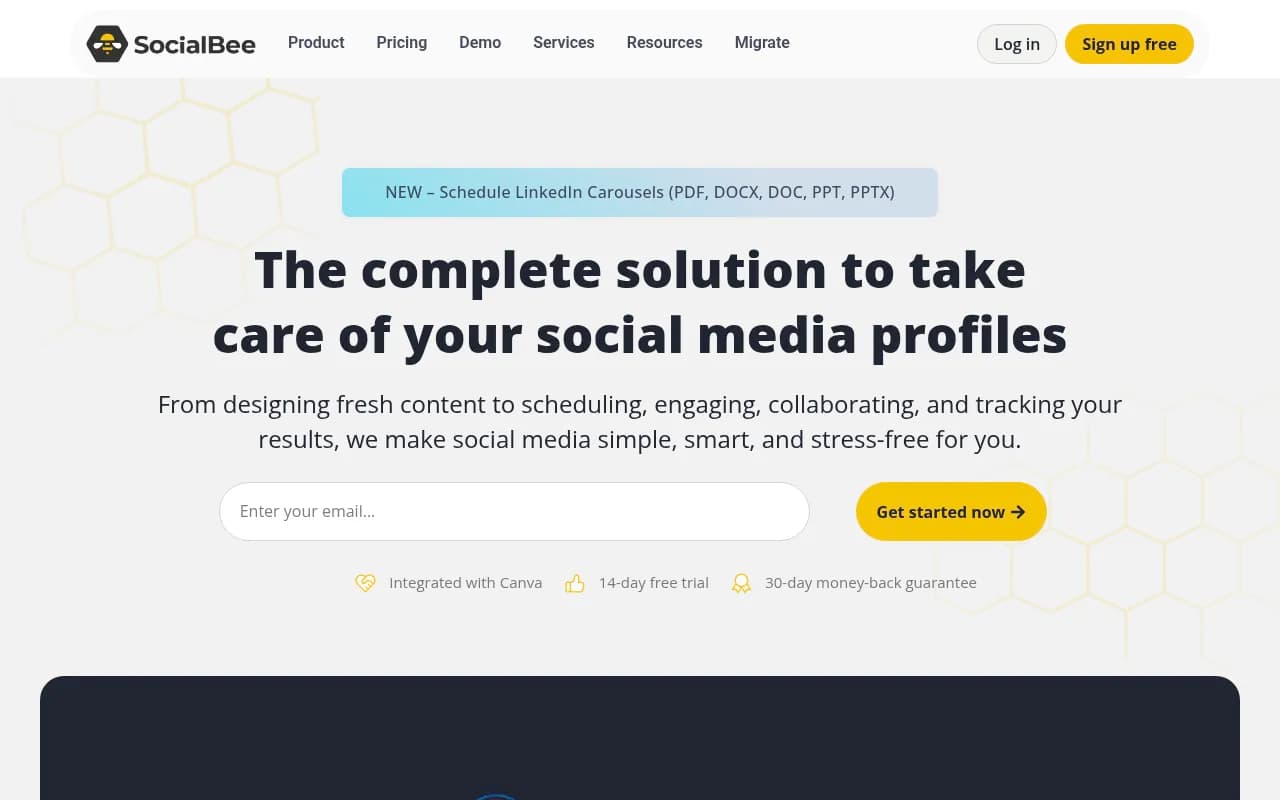
SocialBee: Content categorization and recycling features make it excellent for evergreen content strategies. More affordable than Hootsuite with similar scheduling power.
Planable: Collaboration-focused platform built for agencies and teams that need approval workflows. Better collaboration than Buffer, more affordable than Sprout Social.

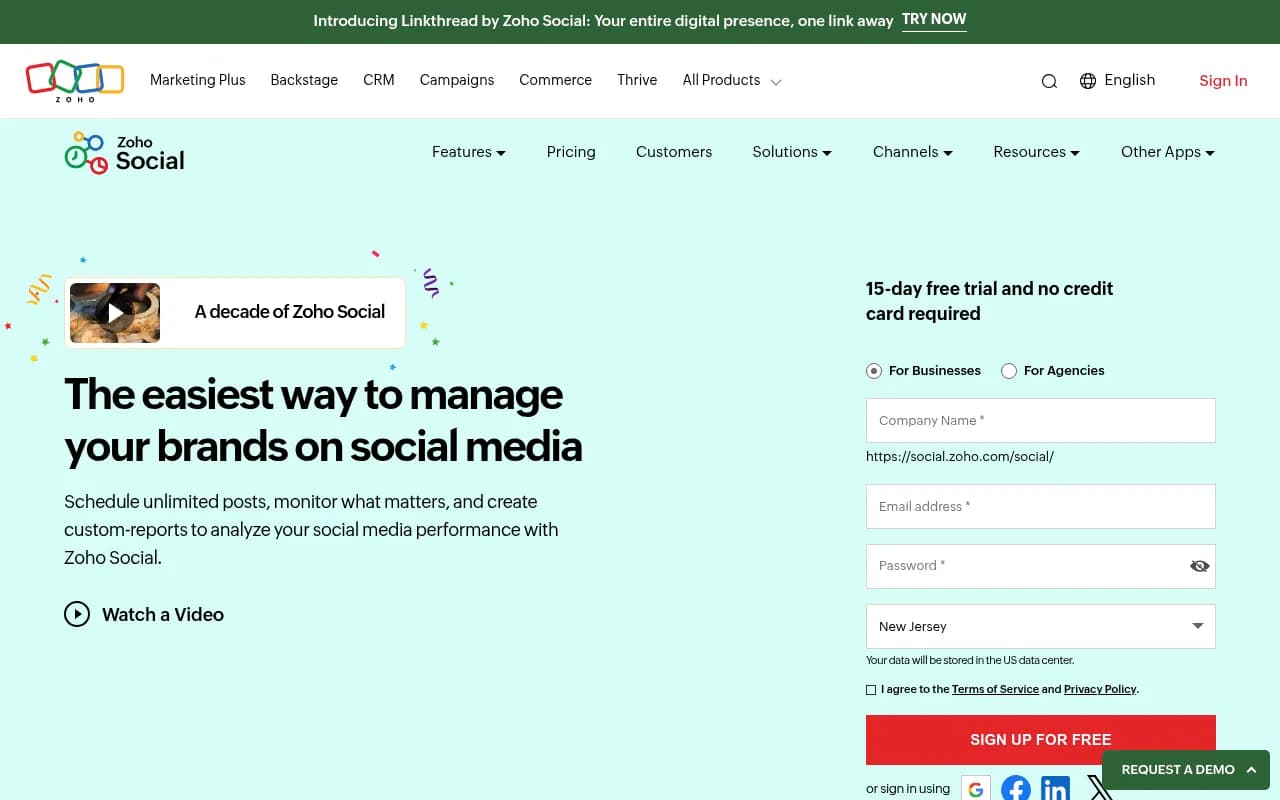
Zoho Social: Best for businesses already using Zoho's suite of tools. Tight CRM integration and competitive pricing.
The Verdict: Which Platform Wins?
There's no universal winner — the best platform depends on your specific needs:
Choose Buffer if:
- You're a creator, small business, or lean marketing team
- Simplicity and ease of use matter more than advanced features
- Budget is a primary concern
- You need solid core features without enterprise complexity
Choose Hootsuite if:
- You're a mid-sized business or agency
- You need social listening and monitoring
- Team workflows and approvals are essential
- Platform coverage matters (20+ networks)
- You want the most integrations with other marketing tools
Choose Sprout Social if:
- Analytics and reporting are mission-critical
- You need to prove social media ROI to executives
- Advanced listening and sentiment analysis matter
- Budget allows for premium pricing
- You require enterprise-grade security and compliance
Final Thoughts
The social media management landscape in 2026 offers powerful tools at every price point. Buffer democratizes social media management for small teams, Hootsuite provides enterprise scale and flexibility, and Sprout Social delivers unmatched analytics depth.
Most teams start with Buffer's free plan, graduate to Hootsuite as they grow, and consider Sprout Social when analytics become a competitive advantage. There's no shame in switching platforms as your needs evolve — all three offer migration support and reasonable onboarding.
The key is matching the tool to your current reality, not your aspirational future. A solo creator doesn't need Sprout Social's $249/month analytics, and an enterprise team will quickly outgrow Buffer's basic features. Be honest about your needs, test the platforms (all offer free trials), and choose the one that makes your team more effective.
For teams serious about understanding how their brand appears not just in social media but across AI search engines like ChatGPT, Perplexity, and Google AI Overviews, tools like Promptwatch can complement your social media management platform by tracking AI visibility and helping you optimize content for AI search results.
