Key takeaways
- AirOps is built around content operations and workflow automation for AI search -- it's closer to a GEO content engine than a writing tool
- Jasper is a mature AI writing platform with brand voice controls and marketing templates, but it has limited visibility into how that content performs in AI search
- Neither tool is a complete AI search visibility solution on its own -- they both lack the monitoring, citation tracking, and gap analysis that GEO requires
- If your goal is to rank in ChatGPT, Perplexity, or Google AI Overviews, you need a dedicated visibility layer on top of either tool
- The right choice depends on whether your bottleneck is content production or content strategy
There's a question that keeps coming up in marketing Slack channels and LinkedIn threads in 2026: "Are AI writing tools still useful for SEO?" The answer is yes -- but with a significant asterisk. The real question isn't whether to use AI writing tools. It's whether the tool you're using is built for the world we're actually in, where AI search engines like ChatGPT, Perplexity, and Google AI Overviews are eating into traditional search traffic.
AirOps and Jasper are two of the most talked-about platforms in this space, but they're genuinely different products. Comparing them head-to-head requires understanding what each one is actually trying to do.
What AirOps actually is
AirOps started as a workflow automation tool and has evolved into what it calls an "end-to-end content engineering platform for AI search visibility." That's a meaningful distinction. The platform is built around the idea that content operations -- the process of planning, producing, optimizing, and publishing content at scale -- needs to be engineered, not just written.
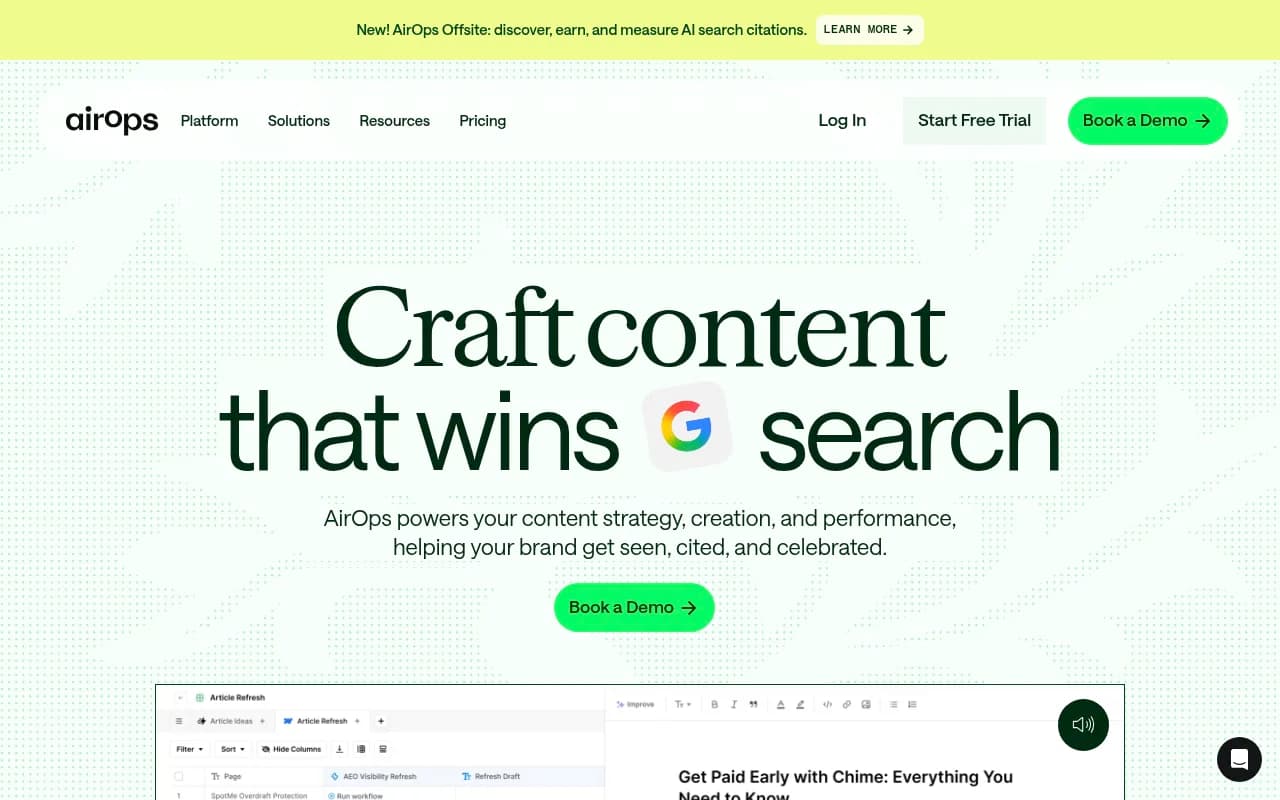
In practice, AirOps lets you build content workflows that pull from multiple data sources (keyword data, competitor analysis, brand guidelines), run them through AI models, and produce structured outputs. It's particularly strong for programmatic SEO use cases -- think generating hundreds of location pages, comparison pages, or product descriptions from a template and a data source.
Where AirOps has been expanding is in the AI search direction. The platform has added features around AEO (Answer Engine Optimization) and LLM visibility, including content gap analysis and the ability to generate content specifically designed to answer the prompts AI models are being asked. According to a Medium review by Josh Spilker, AirOps can help teams "take actions on AEO and LLM visibility" -- meaning it's trying to be more than just a content factory.
What AirOps does less well: it's primarily a content production and workflow tool. It doesn't give you real-time visibility into how your brand is actually appearing (or not appearing) in AI search results. You can create content optimized for AI search, but you're somewhat flying blind on whether it's working.
What Jasper actually is
Jasper is one of the older names in AI writing -- it launched in 2021 and has gone through several evolutions. In 2026, Jasper positions itself as an "AI-powered marketing platform with agents and content pipelines." It's moved beyond the simple text generator it once was.
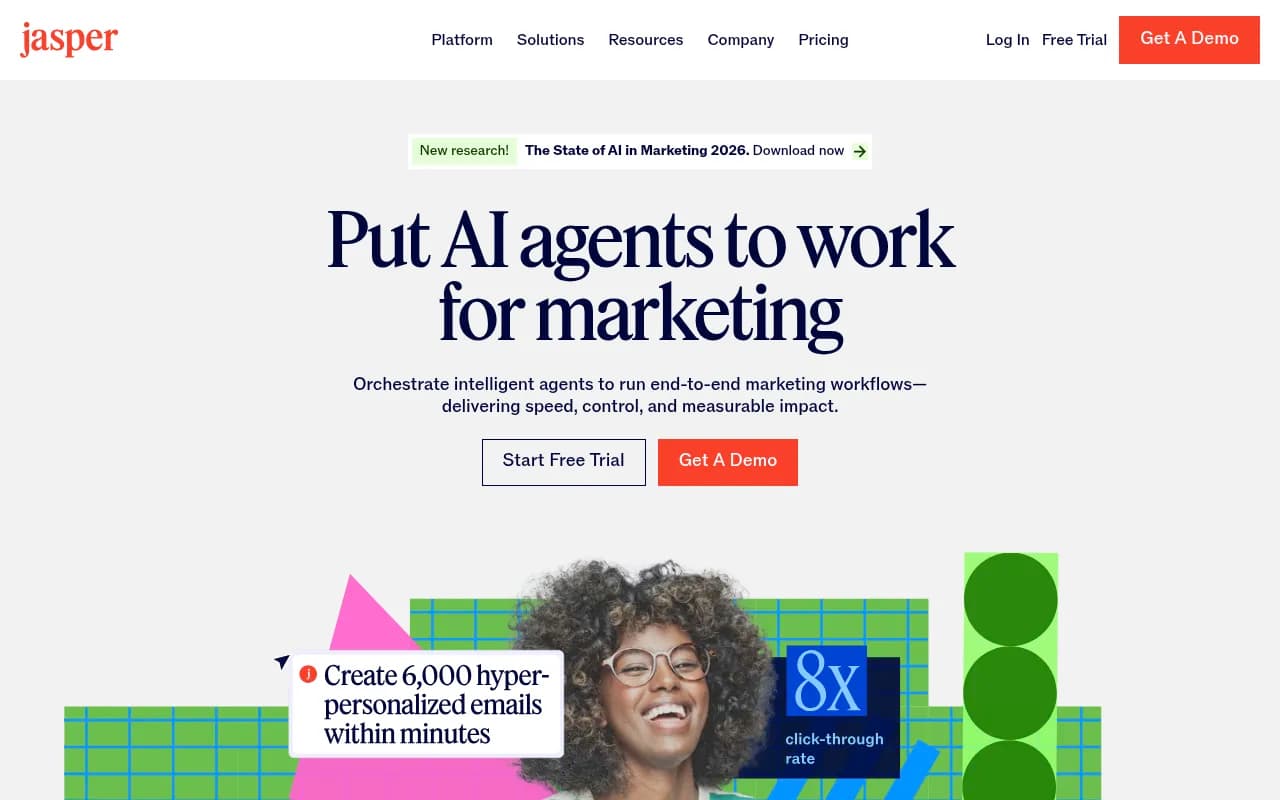
Jasper's strengths are in brand consistency and marketing content at scale. Its Brand Voice feature lets you train the system on your company's tone, style, and messaging, and it does a genuinely good job of maintaining that voice across different content types. For marketing teams producing blog posts, social copy, email campaigns, and landing pages, Jasper is fast and relatively easy to use.
The platform also has a decent SEO integration -- it connects with tools like Surfer SEO to give you on-page optimization guidance while you write. But here's the honest limitation: Jasper's SEO features are built around traditional search. Keyword density, heading structure, content length -- these matter for Google's traditional index, but they don't directly address how AI models decide what to cite.
A Reddit thread from the r/AskMarketing community captures the sentiment well: "We haven't used Jasper in a while. But ClaudeAI and ChatGPT for writing are still effective with the right prompting." That's not a ringing endorsement for Jasper specifically, but it reflects a broader shift -- teams are increasingly going direct to foundation models rather than paying for a wrapper.
The core difference: production vs. visibility
This is the crux of the comparison. AirOps and Jasper are both content production tools, but AirOps has made a more deliberate push toward AI search optimization as a workflow. Jasper remains primarily a writing and brand consistency platform.
Neither of them, however, is a true AI search visibility platform. That's a different category entirely -- one that involves monitoring what AI models are actually saying about your brand, tracking which pages are being cited, identifying gaps where competitors are visible and you're not, and measuring whether your content changes are actually moving the needle.
A YouTube comparison from Infrasity (published June 2026) made this point clearly when contrasting AirOps with visibility-focused tools: AirOps has "strong AI-powered content workflow automation" and is "useful for scaling content production across large topic sets," but it has "limited visibility into how brands perform across AI search platforms" and "no prompt cluster analysis for AI citation opportunities."
That's not a knock on AirOps -- it's just a different product category. The same gap applies to Jasper.
Feature comparison
| Feature | AirOps | Jasper |
|---|---|---|
| AI content generation | Yes, workflow-based | Yes, template and agent-based |
| Brand voice controls | Basic | Strong (dedicated Brand Voice feature) |
| Programmatic SEO / bulk content | Strong | Limited |
| Content workflow automation | Core feature | Partial (via pipelines) |
| SEO integration | Yes (keyword data) | Yes (Surfer SEO integration) |
| AI search gap analysis | Partial | No |
| LLM citation tracking | No | No |
| AI crawler monitoring | No | No |
| Prompt volume / difficulty data | No | No |
| Reddit / YouTube insights | No | No |
| Multi-model AI search monitoring | No | No |
| Pricing (entry level) | Custom / higher-end | ~$49/mo (individual) |
| Best for | Content ops teams, programmatic SEO | Marketing teams, brand content |
Who should use AirOps
AirOps makes the most sense for teams that have a content operations problem. If you're managing a large website with hundreds or thousands of pages, running programmatic SEO campaigns, or trying to systematize how content gets produced and published, AirOps's workflow builder is genuinely powerful.
It's also a reasonable choice if you're building toward AI search visibility and want a platform that at least acknowledges GEO as a goal -- even if the monitoring and tracking capabilities aren't fully there yet. The content gap analysis features give you a starting point for identifying what to write.
Where AirOps falls short is for teams that want to understand their current AI search performance before deciding what to create. If you don't know which prompts your competitors are winning, which AI models are citing your pages, or whether your content changes are having any effect, you're optimizing somewhat blindly.
Who should use Jasper
Jasper is the better fit for marketing teams that need to produce a high volume of on-brand content across multiple formats. If you have a defined brand voice, a content calendar, and a team that needs to move fast without going off-message, Jasper's brand controls and template library are genuinely useful.
It's also worth considering if you're already in the HubSpot or Salesforce ecosystem -- Jasper has integrations that make it easier to push content directly into your existing workflows.
The honest limitation is that Jasper doesn't help you understand AI search at all. It's a writing tool, not a visibility tool. If your goal is to show up in ChatGPT's answers or Perplexity's citations, Jasper won't tell you whether you're succeeding.
The missing layer: AI search visibility
Both tools share the same fundamental gap. They help you create content, but they don't help you understand how that content is performing in AI search -- or what you need to create next based on actual AI search data.
This is where a dedicated GEO platform becomes necessary. Tools like Promptwatch are built specifically for this layer: tracking how your brand appears across ChatGPT, Perplexity, Google AI Overviews, Claude, Gemini, and other AI models, identifying which prompts competitors are winning that you're not, and generating content briefs grounded in real prompt data rather than guesswork.

The workflow that actually works in 2026 looks something like this: use a visibility platform to find the gaps and understand what AI models want to cite, then use a content production tool (AirOps, Jasper, or even a foundation model directly) to create that content, then track whether your visibility scores improve. Skipping the first step means you're creating content without knowing whether it addresses the actual prompts driving AI search traffic.
What practitioners are saying
The LinkedIn discourse around AI writing platforms in 2026 is notably skeptical. One post from Jane Haynie put it bluntly: "The leading AI platforms (Jasper, Writer, WriteSonic, AirOps etc) suck. They pretty much just took [foundation models] and wrapped them." That's a harsh take, but it reflects a real tension -- if the underlying models are available directly, what's the value-add of the platform?
The honest answer is workflow, consistency, and integration. For teams that need to produce content at scale without every writer going rogue on brand voice or format, platforms like Jasper and AirOps provide guardrails that matter. But the criticism lands when it comes to AI search visibility -- neither platform has built a compelling answer to "how do I know if my content is actually being cited by AI models?"
A Profound blog post comparing AI visibility providers noted that AirOps "creates decent AI-generated content -- you can feed it your brand guidelines and it'll write or refresh content following those to a T." That's a fair summary: solid execution on content production, limited on the visibility side.
Alternatives worth considering
If you're evaluating AirOps and Jasper, it's worth knowing what else is in the market.
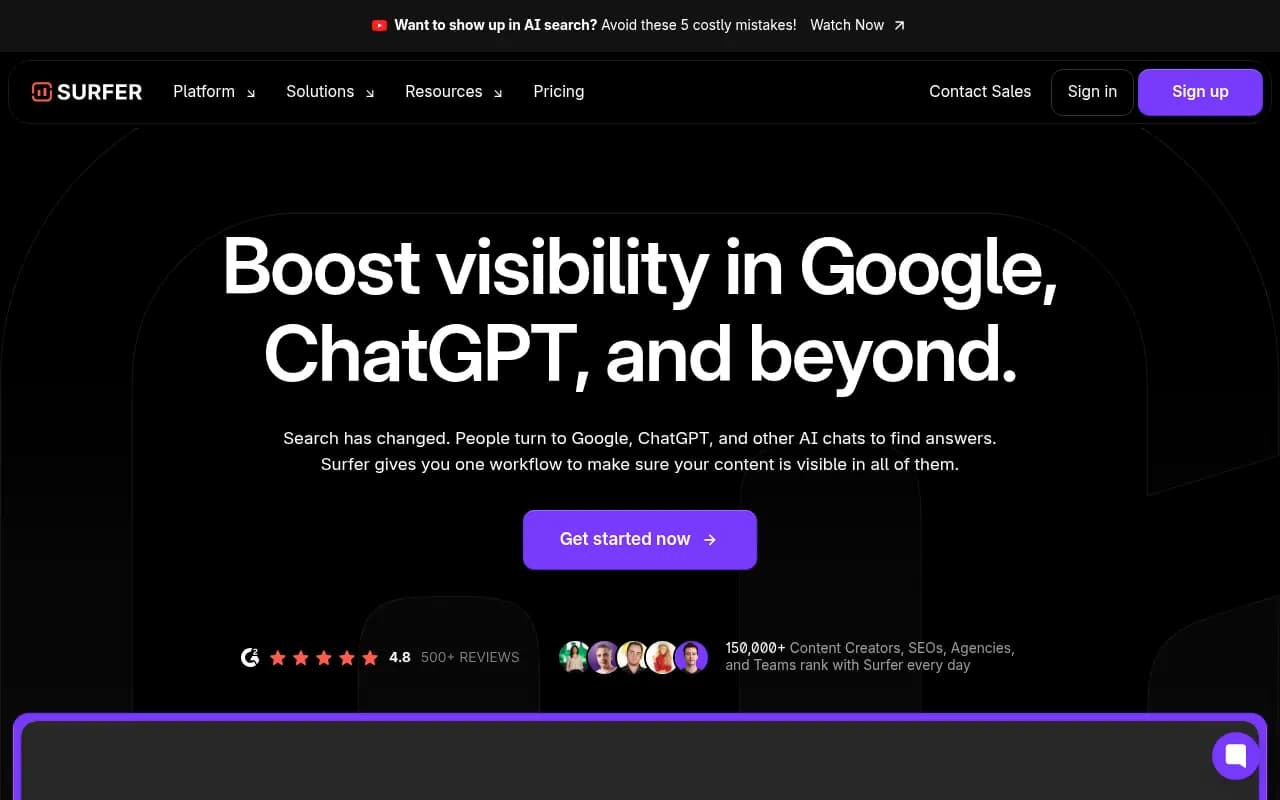
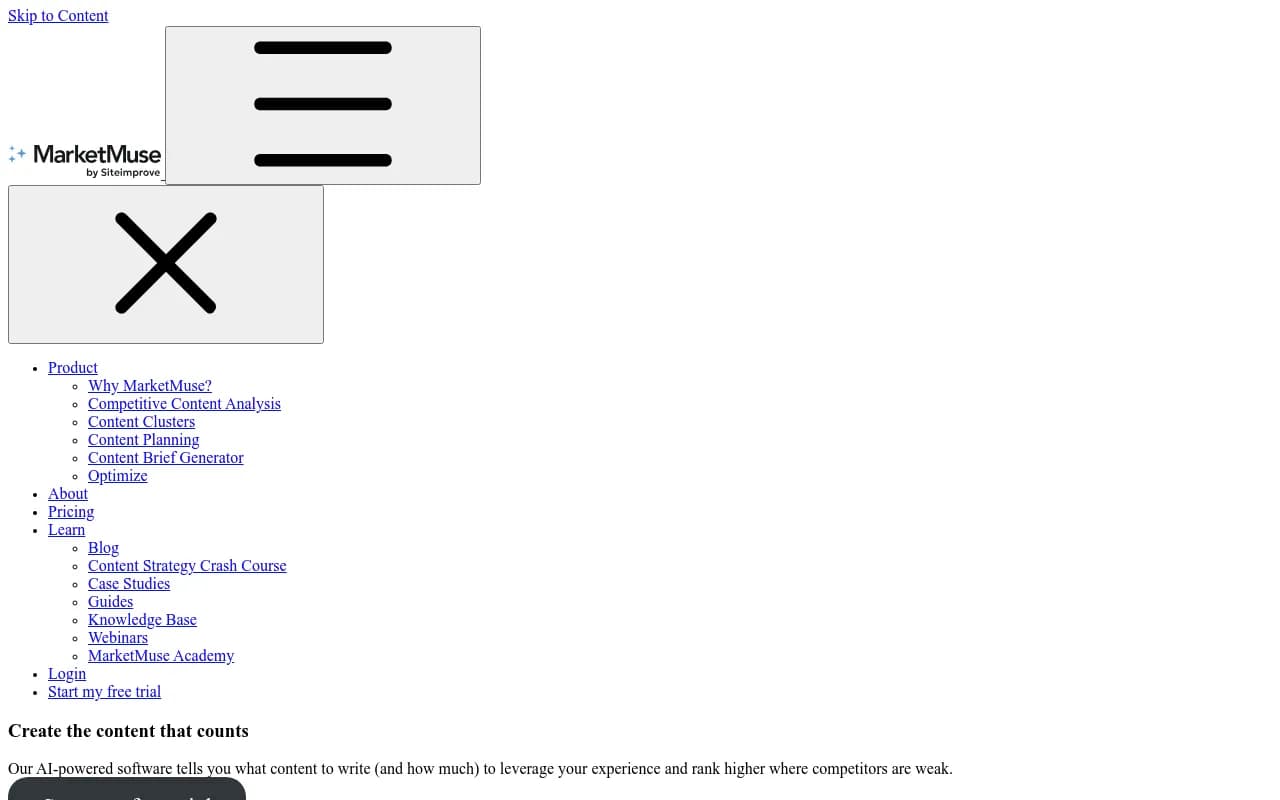
For content production with stronger SEO grounding:

For AI search visibility and GEO (the layer neither AirOps nor Jasper covers well):
Profound


For teams that want content generation specifically engineered for AI search citations:

The verdict
AirOps and Jasper are solving real problems, just not the same one -- and neither is solving the full AI search visibility problem.
If your team's bottleneck is content production and you need to scale output with consistent brand voice, Jasper is the more mature and accessible option. If you're running content operations at scale and want programmatic workflows that can incorporate AI search signals, AirOps is the more powerful choice.
But if your actual goal is to improve how your brand appears in AI-generated answers -- to show up when someone asks ChatGPT for a recommendation in your category -- you need a visibility platform that can tell you where you stand, what's missing, and whether your efforts are working. That's a different tool category, and it's the one that's increasingly determining whether content investment pays off in 2026.
The teams getting the most out of AI content tools right now are the ones using them in combination with visibility data, not as standalone solutions.