Key Takeaways
- Multi-location brands need GEO platforms that handle location-specific AI visibility, not just corporate-level tracking
- Promptwatch leads with Answer Gap Analysis and AI content generation to fix visibility gaps at scale
- Yext, Uberall, and SOCi offer multi-location infrastructure but lack GEO-specific optimization tools
- State/city-level tracking and location-specific content creation are critical for franchise visibility in AI search
- Most traditional local marketing platforms monitor AI mentions but don't help you rank better

Why Multi-Location Brands Need Different GEO Platforms
If you're running 50 franchise locations, you're not just optimizing one brand -- you're optimizing 50 local entities that AI models need to understand, differentiate, and recommend correctly. When someone asks ChatGPT "best pizza near downtown Austin" or Perplexity "top HVAC companies in Phoenix," your brand needs to show up for the right location with the right context.
Traditional GEO platforms built for single-location brands fall apart at scale. You can't manually track 500 prompts across 100 locations. You need automation, location-specific insights, and tools that generate content for each market without copy-pasting the same template 100 times.
That's the gap this guide addresses. We're comparing platforms that claim to solve multi-location AI visibility -- some actually do, most just monitor.
The Multi-Location AI Visibility Problem
AI models don't think in terms of "locations." They think in terms of entities, context, and relevance. When Claude generates an answer about "best dental clinics in Seattle," it's pulling from:
- Your corporate website (if it mentions Seattle)
- Individual location pages (if they exist and are crawlable)
- Third-party citations (Google Maps, Yelp, healthcare directories)
- Reddit threads and YouTube videos discussing Seattle dentists
- News articles, press releases, and local business coverage
If your Seattle location page is thin, uncrawlable, or missing key information, the AI model ignores it. If your competitors have better location-specific content, they get cited instead. If your brand appears inconsistently across directories, the model gets confused and defaults to safer recommendations.
Multi-location visibility isn't just about having 100 location pages. It's about making each one discoverable, authoritative, and contextually relevant to the prompts people actually ask in that market.
What to Look for in a Multi-Location GEO Platform
Before diving into specific tools, here's what actually matters for franchise and multi-location AI visibility:
Location-level tracking: Can you see which locations are visible for which prompts? If your Dallas franchise ranks in ChatGPT but your Houston one doesn't, you need to know.
State and city filtering: Tracking "best pizza in Texas" is useless if you can't drill down to Austin, Dallas, Houston, and San Antonio separately.
Scalable content generation: Writing 500 unique location pages by hand isn't realistic. You need AI content tools that generate location-specific articles grounded in real citation data.
Answer Gap Analysis: Which prompts are your competitors visible for that you're not? What content are you missing in each market?
Crawler log visibility: Are AI models actually crawling your location pages? If GPTBot hits your corporate site but ignores /locations/seattle, you have an indexing problem.
Multi-location listing management: Your NAP (name, address, phone) data needs to be consistent across Google, Apple Maps, Yelp, and 200+ other directories. Inconsistent data confuses AI models.
Local citation tracking: Which local directories, review sites, and community pages are influencing AI recommendations in each market?
Most platforms check one or two of these boxes. Very few check all of them.
Promptwatch: The Only Platform Built for Multi-Location GEO Optimization
Promptwatch is the only GEO platform that combines multi-location tracking with the tools to actually fix visibility gaps. It's not just a dashboard -- it's an action loop.
How Promptwatch Handles Multi-Location Visibility
State and city tracking: Professional and Business plans include state-level and city-level tracking. You can monitor "best HVAC companies in Phoenix" separately from "best HVAC companies in Scottsdale" and see which locations rank for each.
Answer Gap Analysis for each location: See which prompts competitors are visible for in Dallas that you're not. Promptwatch shows you the exact content gaps -- the topics, angles, and questions AI models want answers to but can't find on your Dallas location page.
AI content generation grounded in citation data: The built-in AI writing agent generates location-specific articles, listicles, and comparisons based on 880M+ citations analyzed. It's not generic filler -- it's content engineered to get cited by ChatGPT, Claude, and Perplexity in that specific market.
AI Crawler Logs: Real-time logs show which location pages GPTBot, ClaudeBot, and PerplexityBot are crawling. If your Seattle page isn't being indexed, you'll know immediately.
Page-level citation tracking: See exactly which location pages are being cited, how often, and by which AI models. Connect visibility to actual traffic with GSC integration or server log analysis.
Prompt volumes and difficulty scores: Prioritize high-value, winnable prompts in each market instead of guessing.
Reddit and YouTube insights: Surface local discussions that influence AI recommendations -- a channel most competitors ignore entirely.
Promptwatch Pricing for Multi-Location Brands
- Professional ($249/mo): 2 sites, 150 prompts, 15 articles/month, state/city tracking, crawler logs
- Business ($579/mo): 5 sites, 350 prompts, 30 articles/month, full location tracking
- Agency/Enterprise: Custom pricing for 10+ locations, white-label reporting, API access
For a 50-location franchise, you'd likely need a custom Enterprise plan. The key difference: Promptwatch doesn't just show you the problem -- it helps you fix it with content gap analysis and AI-generated articles for each market.
Yext: Multi-Location Listings Infrastructure with Basic AI Monitoring
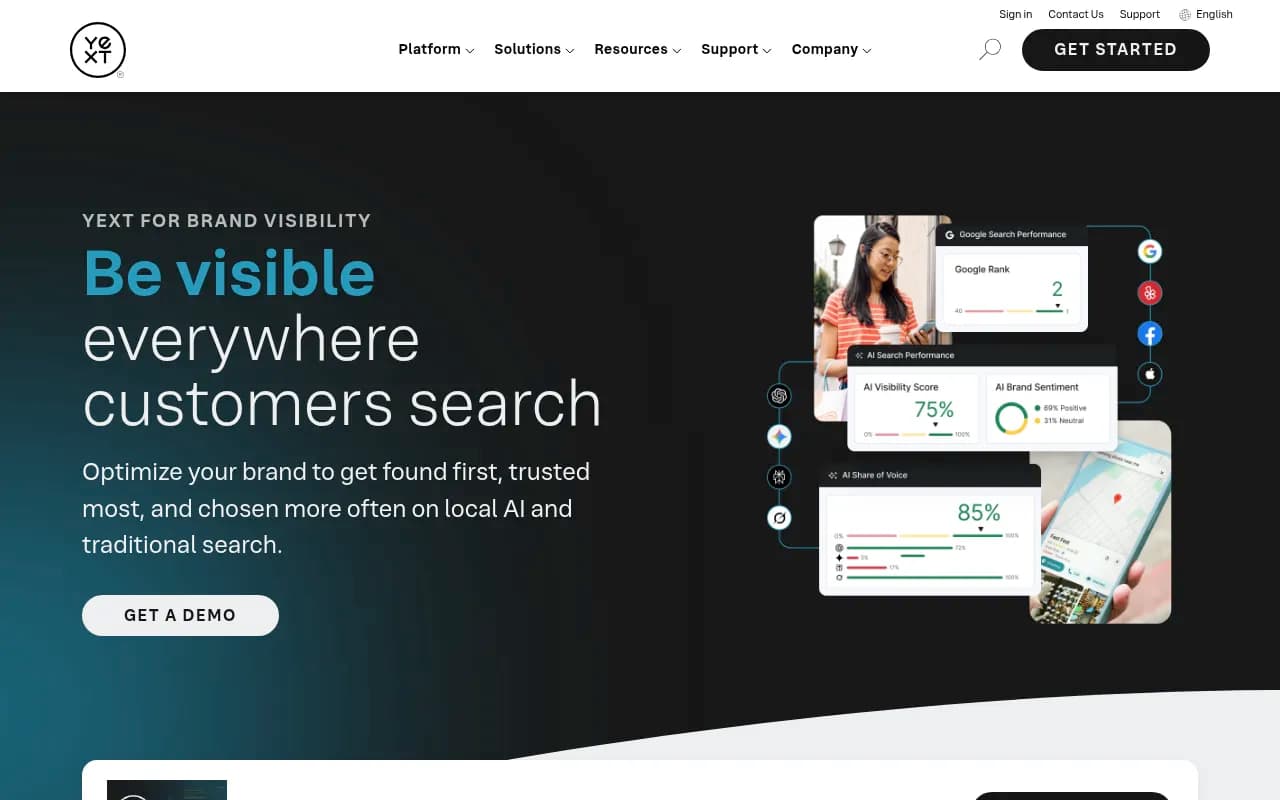
Yext is the 800-pound gorilla of multi-location marketing. It's been around since 2006, manages listings for thousands of enterprise brands, and has deep integrations with Google, Apple Maps, Bing, and 200+ directories.
What Yext Does Well
Centralized knowledge graph: Yext's core strength is structuring and synchronizing location data at scale. One update in the dashboard propagates to every publisher instantly.
Publisher network: 200+ integrations including Google Business Profile, Apple Maps, Yelp, Facebook, Amazon Alexa, and industry-specific directories.
Dynamic location pages: Yext Pages generates SEO-optimized landing pages that auto-update with real-time data (hours, services, reviews).
Reviews management: Aggregate reviews from multiple sources, respond from one dashboard, and surface insights.
Where Yext Falls Short for GEO
Yext added AI search monitoring in 2025, but it's bolted on -- not core to the platform. You can see if your brand appears in ChatGPT or Perplexity, but you can't:
- Track location-specific AI visibility (it's corporate-level only)
- See which prompts competitors rank for that you don't
- Generate content to fix visibility gaps
- Monitor AI crawler logs to understand indexing issues
- Get prompt volumes or difficulty scores
Yext is infrastructure. It ensures your NAP data is consistent everywhere, which helps AI models trust your information. But it doesn't optimize for AI search visibility.
Best for: Enterprise brands that need multi-location listing management and are willing to layer a dedicated GEO platform (like Promptwatch) on top.
Pricing: Starts around $4/location/month, but enterprise contracts typically run $50K-$200K+ annually depending on location count and features.
Uberall: European Multi-Location Platform with Limited GEO Features
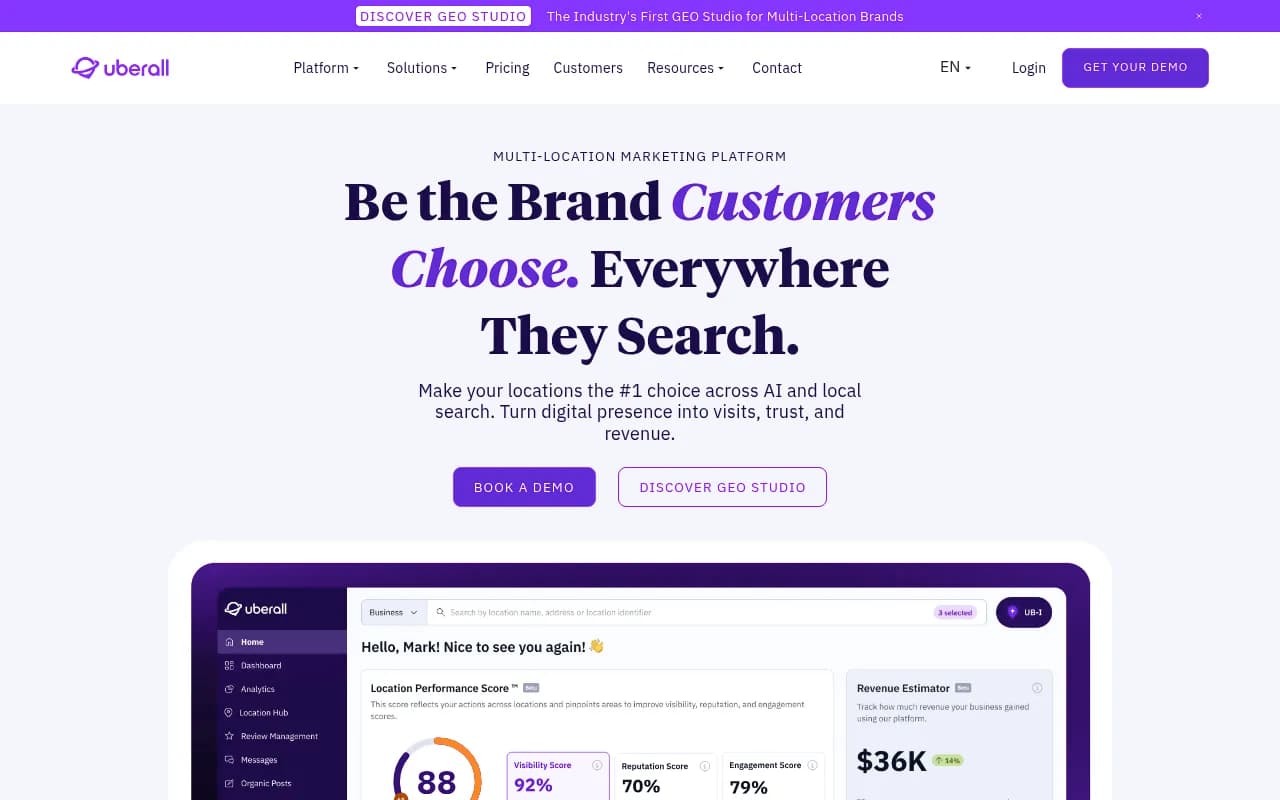
Uberall is a German multi-location marketing platform that competes directly with Yext. It's strong in Europe, growing in North America, and recently added basic AI search monitoring.
What Uberall Does Well
Location data management: Centralized dashboard for managing listings, hours, photos, and services across 150+ directories.
Reputation management: Review aggregation, sentiment analysis, and response workflows.
Social media management: Schedule posts, manage comments, and track engagement across locations.
Local SEO insights: Rank tracking for traditional Google search at the location level.
Where Uberall Falls Short for GEO
Uberall's AI search monitoring is even more basic than Yext's. You get visibility into whether your brand appears in AI-generated answers, but:
- No location-specific tracking (corporate-level only)
- No content gap analysis or optimization tools
- No AI crawler log visibility
- No prompt intelligence (volumes, difficulty, fan-outs)
- No Reddit/YouTube citation tracking
Uberall is a solid local marketing platform. It's not a GEO optimization platform.
Best for: European multi-location brands that need listing management and social media tools in one place.
Pricing: Custom enterprise pricing, typically comparable to Yext.
SOCi: Social-First Multi-Location Platform with AI Monitoring Add-On
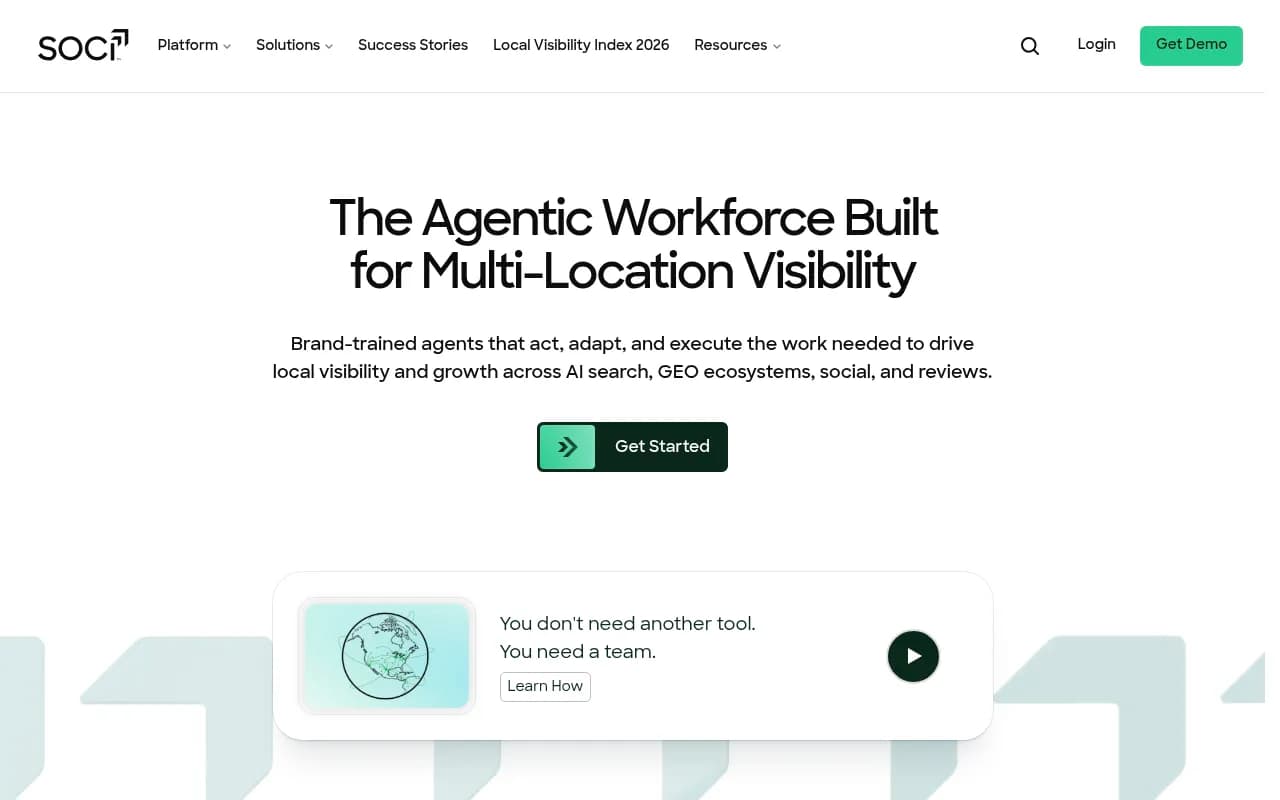
SOCi positions itself as the social media management platform for multi-location brands. It's used by franchises, retail chains, and healthcare systems to manage social presence at scale.
What SOCi Does Well
Social media automation: Centralized content calendar, localized post variations, and automated publishing across locations.
Reputation management: Review monitoring, response automation, and sentiment tracking.
Localized campaigns: Create corporate campaigns with location-specific variations (different images, CTAs, offers).
Workflow automation: Approval workflows, compliance checks, and role-based permissions for franchise networks.
Where SOCi Falls Short for GEO
SOCi added AI search monitoring in late 2025 as an add-on feature. It's not integrated into the core platform. You can see brand mentions in ChatGPT and Perplexity, but:
- No location-level AI visibility tracking
- No content optimization or generation tools
- No Answer Gap Analysis
- No crawler log monitoring
- No prompt intelligence
SOCi is built for social media management, not AI search optimization. The GEO features feel like an afterthought.
Best for: Multi-location brands that prioritize social media management and want basic AI visibility monitoring as a bonus.
Pricing: Custom enterprise pricing, typically $500-$2,000/month depending on location count and features.
Platform Comparison: What Each Tool Actually Does
| Platform | Location-level AI tracking | Content gap analysis | AI content generation | Crawler logs | Prompt intelligence | Reddit/YouTube tracking | Best for |
|---|---|---|---|---|---|---|---|
| Promptwatch | Yes (state/city) | Yes | Yes (grounded in citation data) | Yes | Yes | Yes | Multi-location GEO optimization |
| Yext | No (corporate only) | No | No | No | No | No | Listing management + basic AI monitoring |
| Uberall | No (corporate only) | No | No | No | No | No | European listing management |
| SOCi | No (corporate only) | No | No | No | No | No | Social media + basic AI monitoring |
The pattern is clear: Yext, Uberall, and SOCi are multi-location infrastructure platforms that added AI monitoring as a checkbox feature. Promptwatch is a GEO optimization platform that understands multi-location complexity.
Real-World Scenario: 50-Location HVAC Franchise
Let's say you run a 50-location HVAC franchise across Texas, Arizona, and Nevada. Someone in Phoenix asks ChatGPT "best HVAC companies near me." What happens?
With Yext/Uberall/SOCi: You can see that your brand appeared in ChatGPT's response (or didn't). That's it. You don't know which Phoenix location was cited, what content influenced the recommendation, or how to improve.
With Promptwatch: You see that your Scottsdale location ranked but your Phoenix location didn't. Answer Gap Analysis shows that competitors have content about "emergency AC repair in Phoenix" and "HVAC maintenance plans" that you're missing. The AI writing agent generates a Phoenix-specific article about emergency AC repair, grounded in citation data from 880M+ analyzed responses. You publish it, and two weeks later your Phoenix location starts appearing in ChatGPT responses for "emergency AC repair Phoenix."
That's the difference between monitoring and optimization.
Other Multi-Location Platforms to Consider
BrightLocal
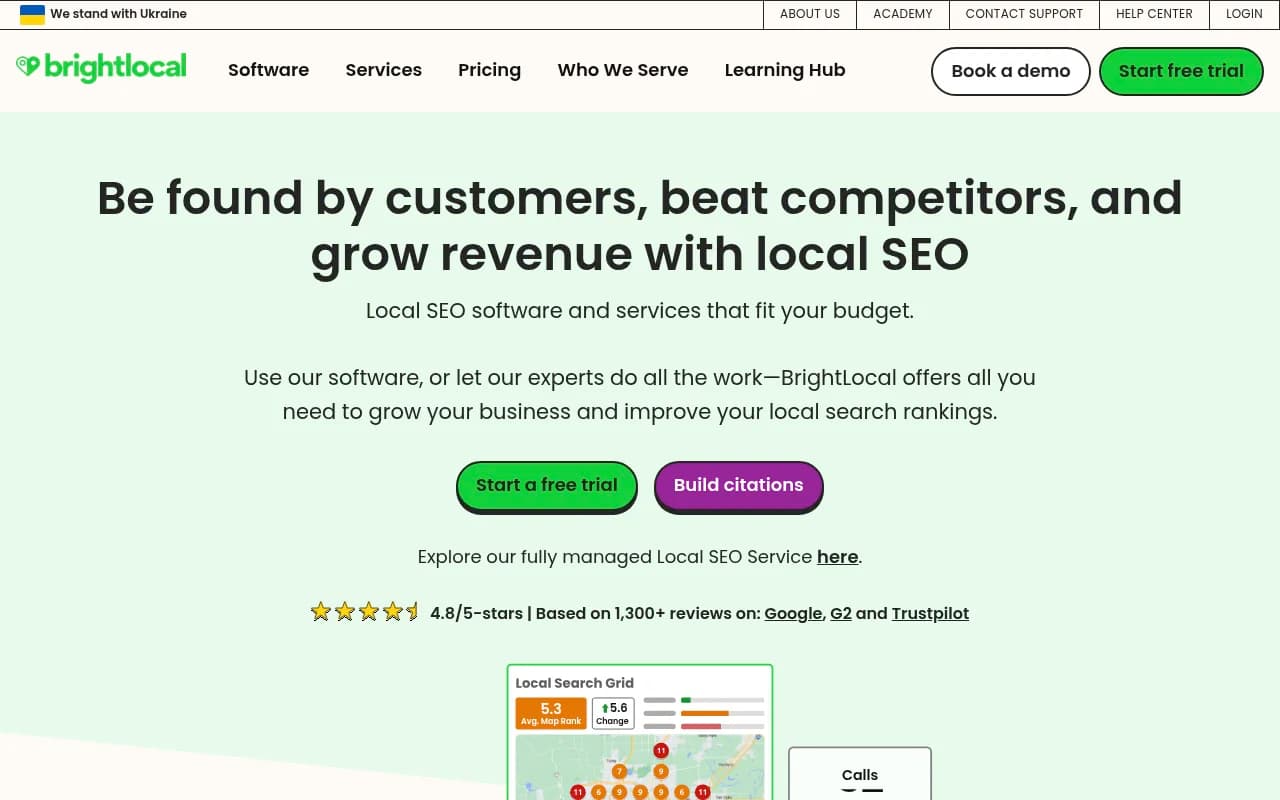
BrightLocal is a local SEO platform with multi-location features. It's strong for traditional Google search (rank tracking, citation building, review management) but has no AI search capabilities. Good for small franchises (5-20 locations) that need affordable local SEO tools.
Chatmeter
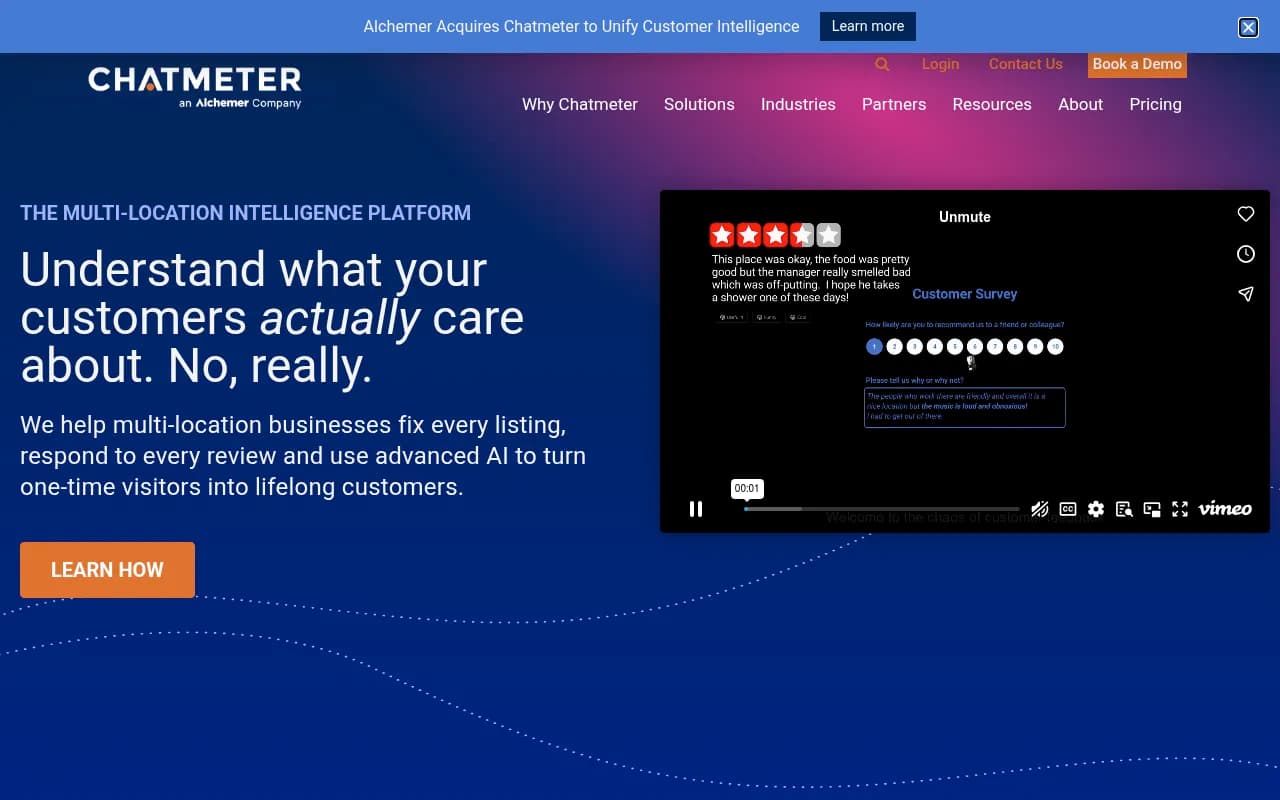
Chatmeter focuses on reputation management and local search visibility. It recently added basic AI search monitoring but lacks optimization tools. Best for brands that prioritize review management and want AI visibility as a secondary feature.
Reputation
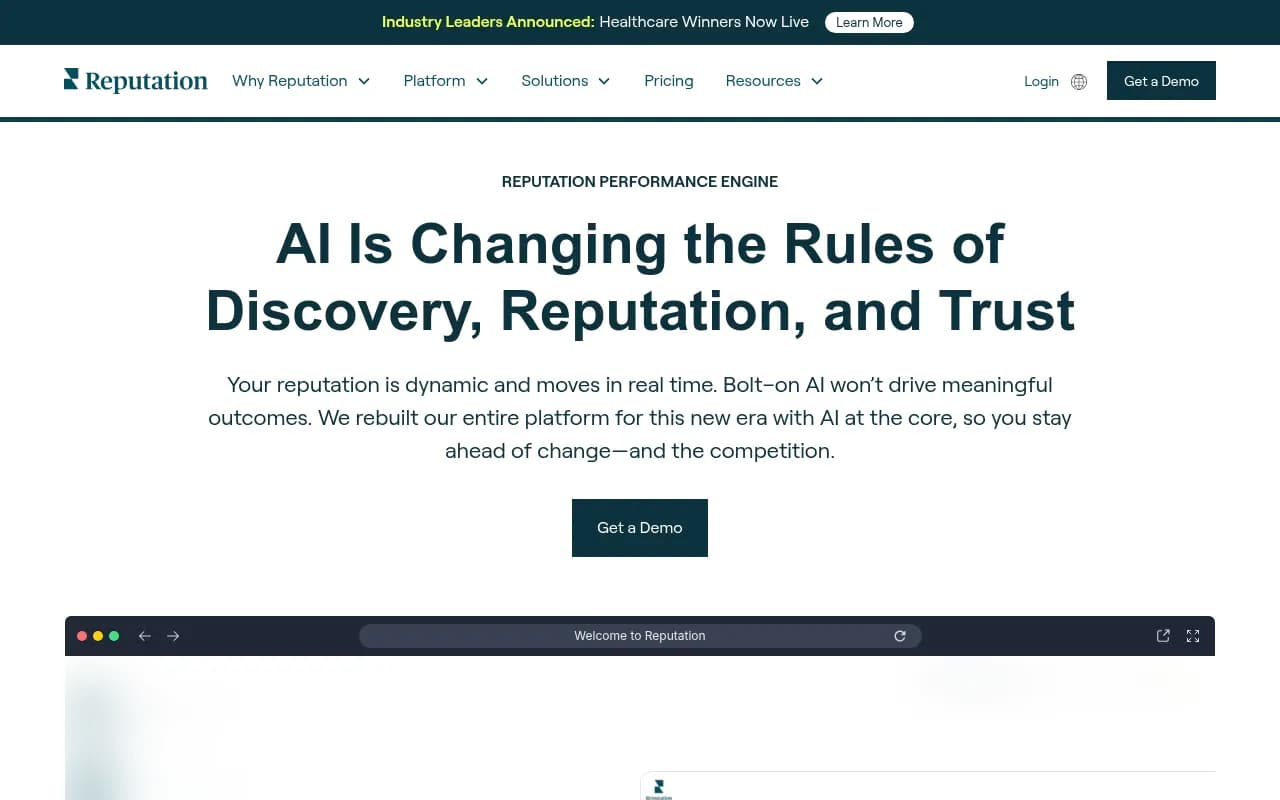
Reputation (formerly Reputation.com) is an enterprise reputation management platform with multi-location capabilities. It added AI search monitoring in 2025 but doesn't offer content optimization or generation. Best for large enterprises that need comprehensive reputation management across locations.
Synup
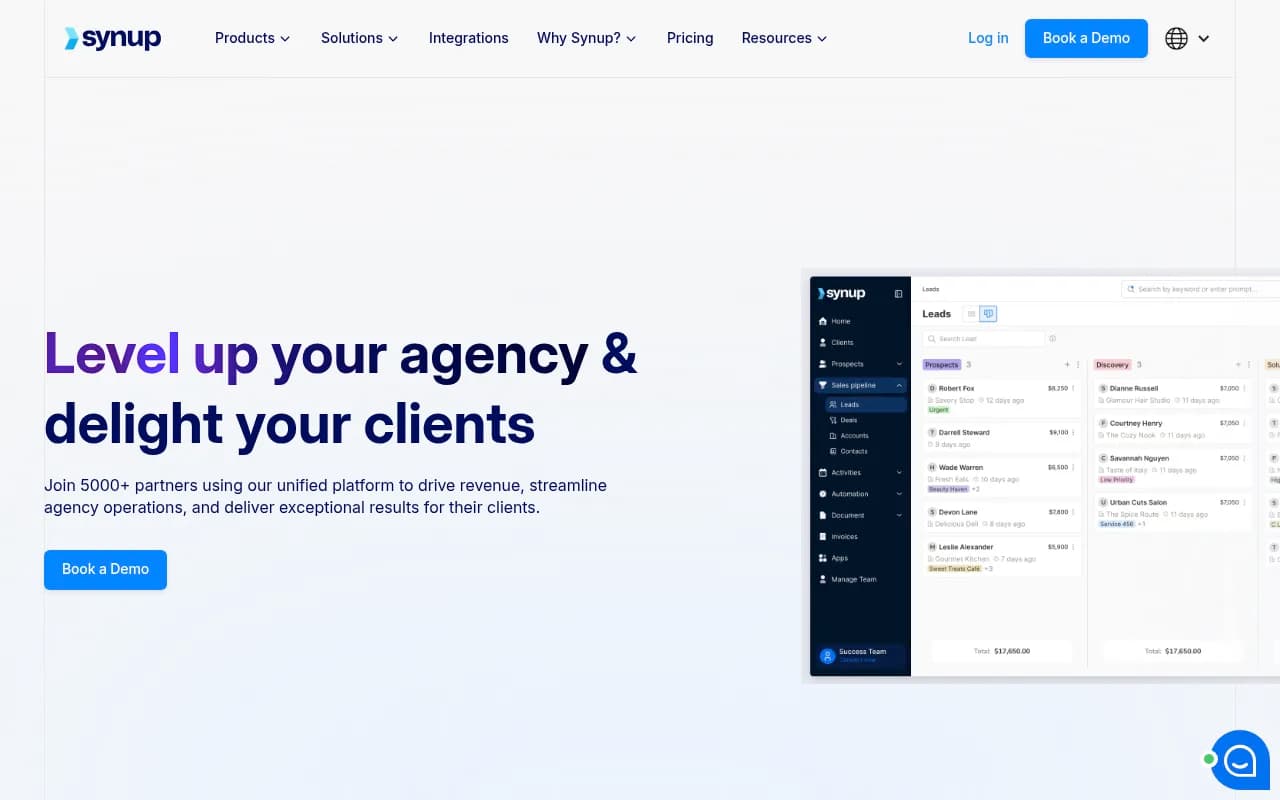
Synup is an agency-focused multi-location platform with listing management, review monitoring, and social media tools. No AI search features yet. Good for agencies managing 10-50 client locations.
How to Choose the Right Platform for Your Franchise
Here's a decision framework based on what you actually need:
If your priority is AI search visibility: Choose Promptwatch. It's the only platform built for multi-location GEO optimization with Answer Gap Analysis, AI content generation, and location-level tracking.
If you need listing management infrastructure: Choose Yext or Uberall. They excel at synchronizing NAP data across 150-200 directories. Layer Promptwatch on top for GEO optimization.
If social media management is your main focus: Choose SOCi. It's built for franchise social media at scale. Add Promptwatch separately for AI visibility.
If you're a small franchise (5-20 locations) on a budget: Start with BrightLocal for traditional local SEO, then add Promptwatch when you're ready to tackle AI search.
If you're an agency managing multiple franchise clients: Promptwatch's Agency/Enterprise plan includes white-label reporting and API access. Yext and SOCi also offer agency programs.
The Reality of Multi-Location AI Visibility in 2026
AI search engines are getting better at understanding location context, but they're not perfect. ChatGPT still confuses nearby cities. Perplexity sometimes cites outdated location data. Claude defaults to corporate-level information when location pages are thin.
The brands winning multi-location AI visibility in 2026 are doing three things:
- Ensuring NAP consistency across every directory (Yext/Uberall handle this)
- Creating location-specific content that answers real questions people ask in each market (Promptwatch's AI writing agent does this)
- Tracking location-level visibility and fixing gaps systematically (only Promptwatch offers this)
You can't do #2 and #3 with traditional multi-location platforms. They weren't built for it.
Final Recommendation
For multi-location brands serious about AI search visibility, the answer is clear: Promptwatch for GEO optimization, layered on top of Yext or Uberall for listing management infrastructure.
Promptwatch is the only platform that combines location-level tracking, Answer Gap Analysis, AI content generation, and crawler log monitoring. Yext, Uberall, and SOCi are solid infrastructure platforms, but they don't optimize for AI search -- they just monitor it.
If you're managing 10+ locations and AI search matters to your business, start with Promptwatch's Professional plan ($249/mo) to test state/city tracking and content generation. Scale to Business or Enterprise as you add more locations.
The brands that figure out multi-location AI visibility in 2026 will dominate local search for the next decade. The ones that treat it as an afterthought will watch competitors take market share, one location at a time.