Summary
- AI-generated content is stealing citations: Competitors are using AI tools to produce high volumes of content that gets cited by ChatGPT, Perplexity, and other LLMs instead of your original work
- Detection requires multiple signals: No single tool catches everything -- you need to combine AI detection software, citation tracking platforms, and manual analysis of content patterns
- Citation theft happens in three ways: Direct plagiarism of your research, AI rewrites that strip attribution, and synthetic content that ranks for your target prompts
- Track where you're losing ground: Use AI visibility platforms like Promptwatch to monitor which prompts competitors are winning and what content is getting cited instead of yours
- Fix it with better content: The best defense is creating content AI models actually want to cite -- original research, concrete examples, real expertise, and proper citations
Why competitor AI content is a real problem in 2026
Here's what changed: AI search engines now answer 40-60% of queries without sending users to websites. ChatGPT, Perplexity, Gemini, and Google AI Overviews synthesize answers from multiple sources and cite the ones they trust. If a competitor's AI-generated content gets cited instead of yours, you lose visibility, traffic, and authority.
The scale is what makes this dangerous. A single competitor can now publish 50-100 articles per week using tools like Jasper, Copy.ai, or Claude. Most of that content is shallow, but some of it ranks. And when it does, it pulls citations away from your original work.

E-commerce sites reported a 22% drop in search traffic in 2025 due to AI-generated suggestions replacing traditional search clicks. Brands that don't monitor AI visibility are flying blind -- they see traffic declining but don't know which competitors are stealing their citations or what content is winning.
The three types of citation theft
1. Direct plagiarism with AI laundering
A competitor scrapes your research, runs it through an AI rewriter, and publishes it under their name. The rewritten version is different enough to pass plagiarism checks but similar enough that LLMs cite it instead of your original.
Example: You publish a guide on "How to optimize product pages for AI search" with original data from 500 A/B tests. A competitor feeds your article into ChatGPT, asks it to rewrite with "fresh examples," and publishes the result. Perplexity now cites their version because it's newer and the AI can't tell it's derivative.
2. Synthetic content that ranks for your prompts
Competitors use AI to generate content targeting the exact prompts where you currently rank. They don't copy your work -- they just flood the zone with volume. LLMs start citing their content because it's optimized for AI readability patterns (short paragraphs, bullet lists, simple language) even if it's less accurate.
This is the most common form of citation theft in 2026. Tools like Surfer SEO, Frase, and NeuronWriter make it trivial to identify high-value prompts and generate content that matches AI citation patterns.
3. Attribution stripping through aggregation
Someone creates a "comprehensive guide" that synthesizes insights from 20 sources including yours, but the AI summary only cites the aggregator. Your original research gets buried in a listicle that ChatGPT treats as the authoritative source.
How to detect AI-generated competitor content
Use AI detection tools (but don't rely on them alone)
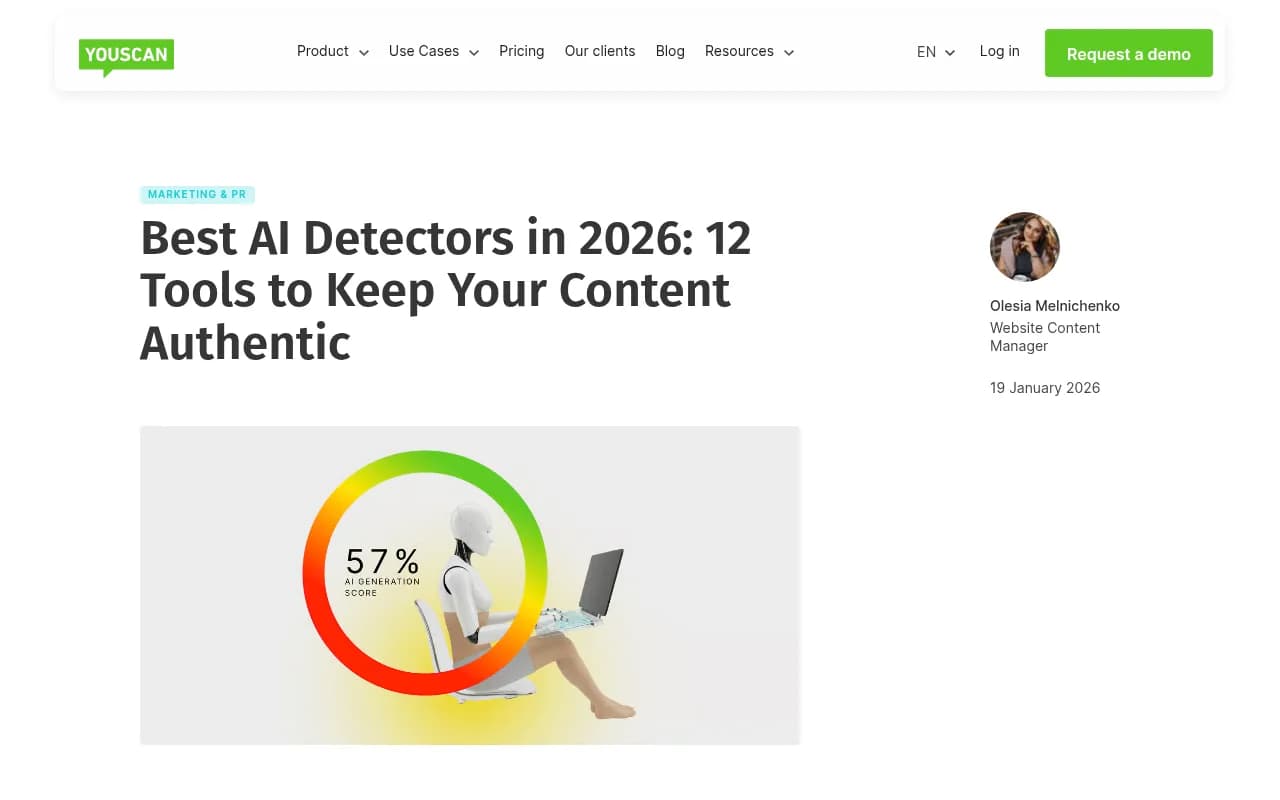
AI detectors analyze text patterns to identify machine-generated content. The best ones in 2026:
| Tool | Best for | Accuracy | Price |
|---|---|---|---|
| Copyleaks | Academic and enterprise use | 85-90% | $10-50/mo |
| GPTZero | Bulk detection | 80-85% | Free-$30/mo |
| Originality.AI | Content teams | 75-85% | $15-100/mo |
| Winston AI | Publishers | 80-85% | $12-30/mo |
The problem: AI detection tools flag 15-30% false positives and miss sophisticated rewrites. A competitor who runs AI output through Grammarly, adds a few personal anecdotes, and edits for flow will pass most detectors.
Better approach: Use detection tools as a first filter, then look for these manual signals:
- Generic structure: Every section follows the same pattern (intro, 3-5 bullet points, transition sentence, next section)
- Vague examples: "A leading SaaS company increased conversions by 40%" without naming the company or linking to a case study
- Synonym cycling: The article avoids repeating words by rotating through synonyms ("utilize" -> "leverage" -> "employ") in a way humans don't
- No original research: Every claim is either common knowledge or paraphrased from other sources
- Perfect but soulless: The writing is grammatically flawless but has no personality, opinions, or tangents
Track citation patterns across LLMs
The real question isn't "Is this AI-generated?" but "Is this stealing my citations?" You need to monitor what ChatGPT, Perplexity, Claude, and Gemini actually cite when users ask questions in your domain.
Promptwatch tracks your brand visibility across 10 AI models and shows you exactly which competitors are getting cited for prompts where you should rank. The platform's Answer Gap Analysis reveals the specific content your site is missing -- the topics, angles, and questions AI models want answers to but can't find on your pages.
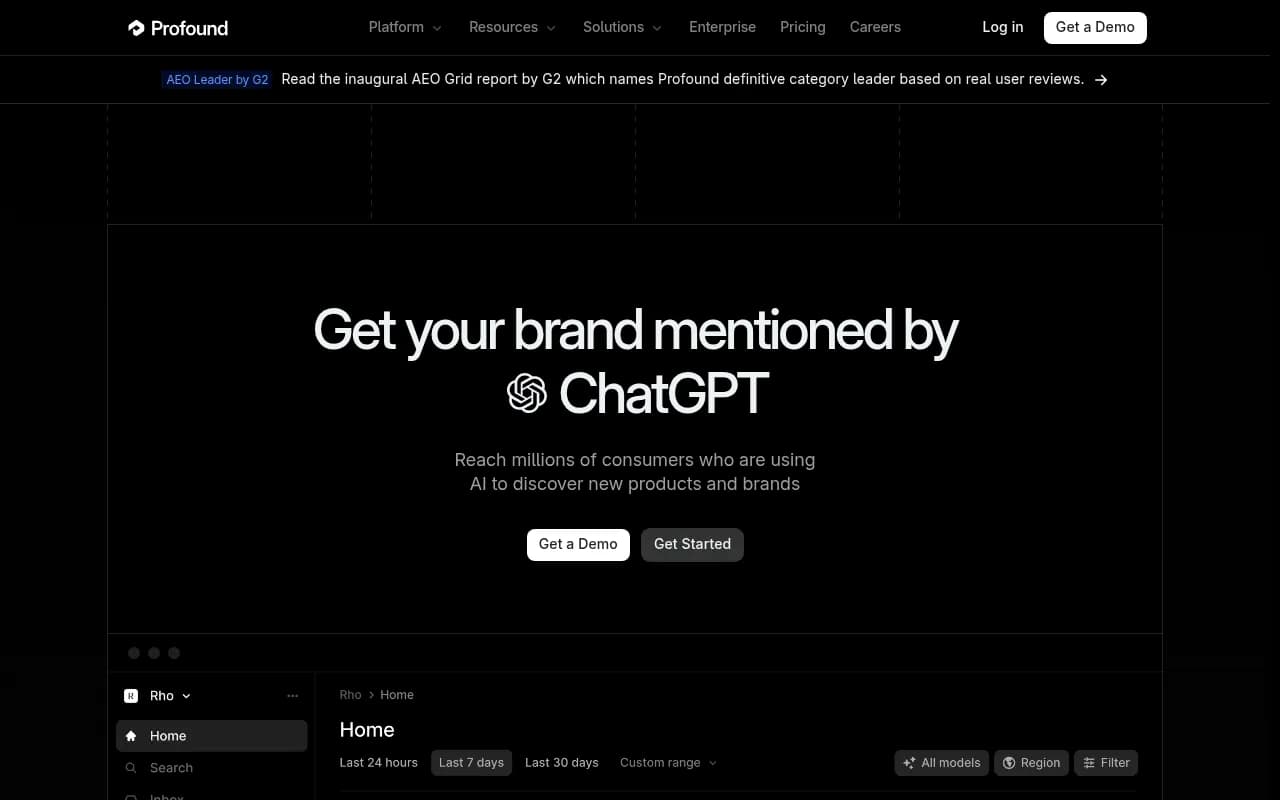
Other platforms that track AI citations:

Otterly.AI

Profound
What to look for:
- Prompts where you ranked last month but a competitor now appears
- New domains getting cited that weren't in the results 30-60 days ago
- Content published in the last 2-4 weeks that immediately starts getting citations (suggests AI optimization)
Analyze content velocity and publishing patterns
Humans can't publish 10-20 high-quality articles per week. If a competitor suddenly starts publishing at that pace, they're using AI. Check:
- Wayback Machine: Compare their publishing frequency over time
- Author bylines: Are articles attributed to real people with LinkedIn profiles and writing history?
- Content depth: Do articles cite original sources, include screenshots, or reference specific tools and data?
- Time between updates: AI-generated content often gets published in batches (5-10 articles on the same day)
Check for citation laundering
This is when a competitor cites your work in their article but structures it so LLMs cite them instead of you. The competitor becomes the middleman.
How to spot it:
- Search for your brand name or key research findings in quotes
- Look for articles that mention your work but don't link directly to it
- Check if those articles are getting cited by ChatGPT or Perplexity for prompts where you should rank
Example: You publish "The State of AI Search in 2026" with original survey data. A competitor writes "10 AI Search Trends Based on Recent Research" and mentions your survey in paragraph 8 without linking. Perplexity cites their listicle because it's more "comprehensive."
What to do when you find citation theft
1. Document the theft
Before you act, gather evidence:
- Screenshots of the competitor's content
- AI detection tool results
- Citation tracking data showing when they started ranking
- Side-by-side comparison of your original work and their version
- Archive.org snapshots proving your content was published first
2. File DMCA takedown notices (if applicable)
If the content is a direct copy or close paraphrase, file a DMCA complaint with:
- The competitor's hosting provider (find via WHOIS lookup)
- Google (to remove from search results)
- The LLM provider if they're directly citing plagiarized content
Most hosting providers respond within 48-72 hours. Google takes 1-2 weeks.
3. Outrank them with better content
The best long-term solution is creating content AI models prefer to cite. That means:
Add original research and data: AI models prioritize content with unique insights. If you're the only source for specific data, you'll get cited.
Use concrete examples with names and numbers: "Booking.com increased AI visibility by 47% using structured data" beats "A travel company saw significant improvements."
Cite authoritative sources: LLMs trust content that references credible sources. Link to academic papers, official documentation, and industry reports.
Include screenshots and visual proof: AI models can't verify claims, but they favor content that shows evidence. Embed screenshots of dashboards, configuration screens, and data visualizations.
Demonstrate real expertise: Write from experience. "I tested 12 AI detection tools over 3 months" is more credible than "AI detection tools are useful."
Update regularly: LLMs favor recent content. Refresh your articles every 60-90 days with new data, examples, and insights.
4. Build citation moats
Make your content harder to steal:
- Publish original research: Surveys, experiments, and case studies are difficult to replicate with AI
- Create proprietary frameworks: Name your methodologies so competitors can't claim them
- Build tools and calculators: Interactive content can't be easily copied
- Establish thought leadership: Regular speaking, podcasting, and social media presence makes you the go-to source
5. Monitor and iterate
Set up ongoing monitoring:
- Weekly citation tracking for your top 20-30 prompts
- Monthly competitor content audits
- Quarterly analysis of which content types are winning citations
Tools like Promptwatch automate most of this. The platform's crawler logs show you exactly when AI models visit your site, which pages they read, and how often they return. If a competitor starts outranking you, you'll see it in the visibility scores before it impacts traffic.
The bigger picture: AI search is changing the game
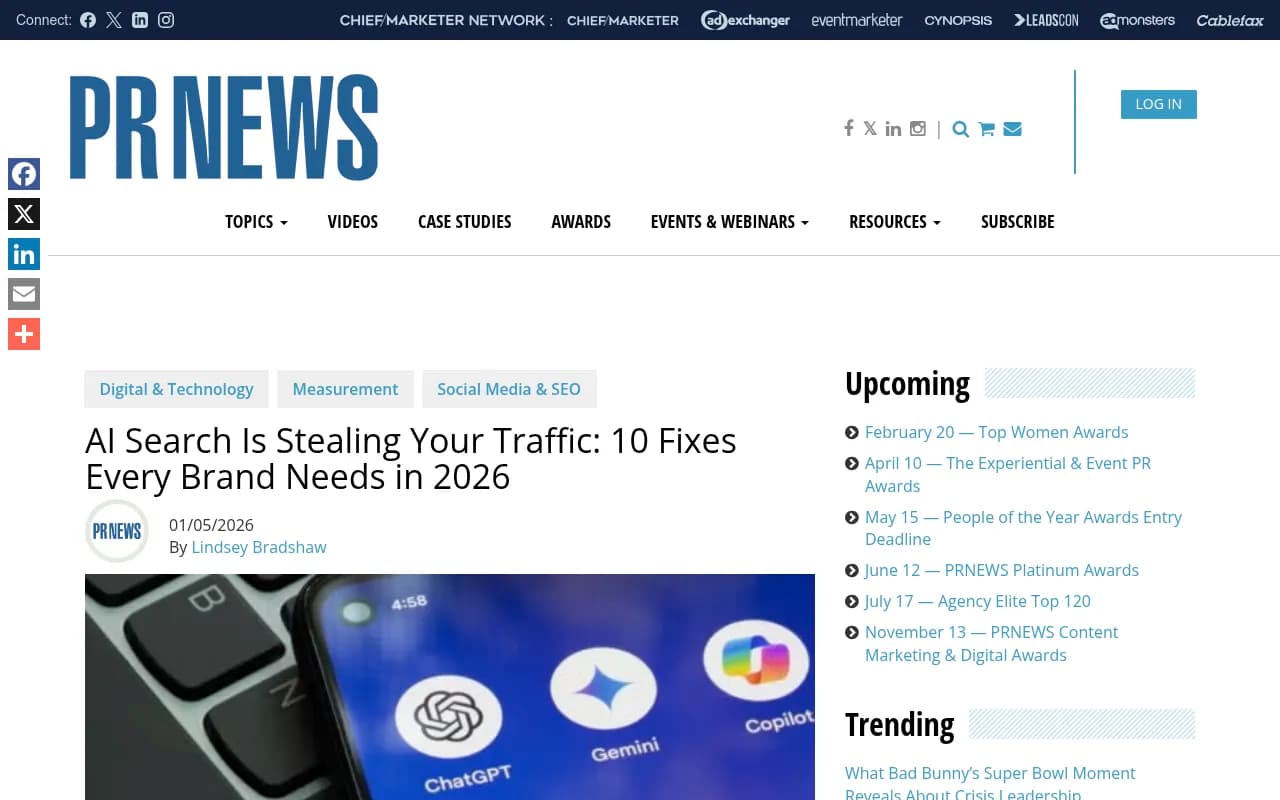
Citation theft is a symptom of a larger shift. Traditional SEO focused on ranking in the top 10 results. AI search focuses on being cited in the answer. The metrics that matter now:
- Share of voice: What percentage of AI responses mention your brand?
- Citation rate: How often do LLMs cite your content vs competitors?
- Prompt coverage: How many relevant prompts trigger mentions of your brand?
- Visibility score: Aggregate measure of your presence across ChatGPT, Perplexity, Claude, Gemini, and Google AI Overviews
Brands that optimize for these metrics see 150%+ increases in AI citations within 90 days. The ones that ignore AI search watch competitors steal their traffic.
Comparison: AI detection vs citation tracking
| Approach | What it tells you | What it misses | Best tools |
|---|---|---|---|
| AI detection tools | Whether content is machine-generated | Why it's ranking, what prompts it targets | Copyleaks, GPTZero, Originality.AI |
| Citation tracking | Which competitors are getting cited by LLMs | Whether their content is AI-generated | Promptwatch, AthenaHQ, Profound |
| Manual analysis | Content quality, originality, expertise signals | Scale -- can't analyze 100+ competitors | Your brain + spreadsheets |
| Combined approach | Full picture of who's stealing citations and how | Nothing -- this is the right way | All of the above |
Tools for fighting back
Here's what you need in your stack:
AI visibility tracking: Promptwatch for monitoring citations across 10 LLMs, identifying content gaps, and tracking competitor visibility. The platform's built-in AI writing agent generates articles optimized for AI citation based on real prompt data.

AI detection: Copyleaks or GPTZero for bulk scanning of competitor content.
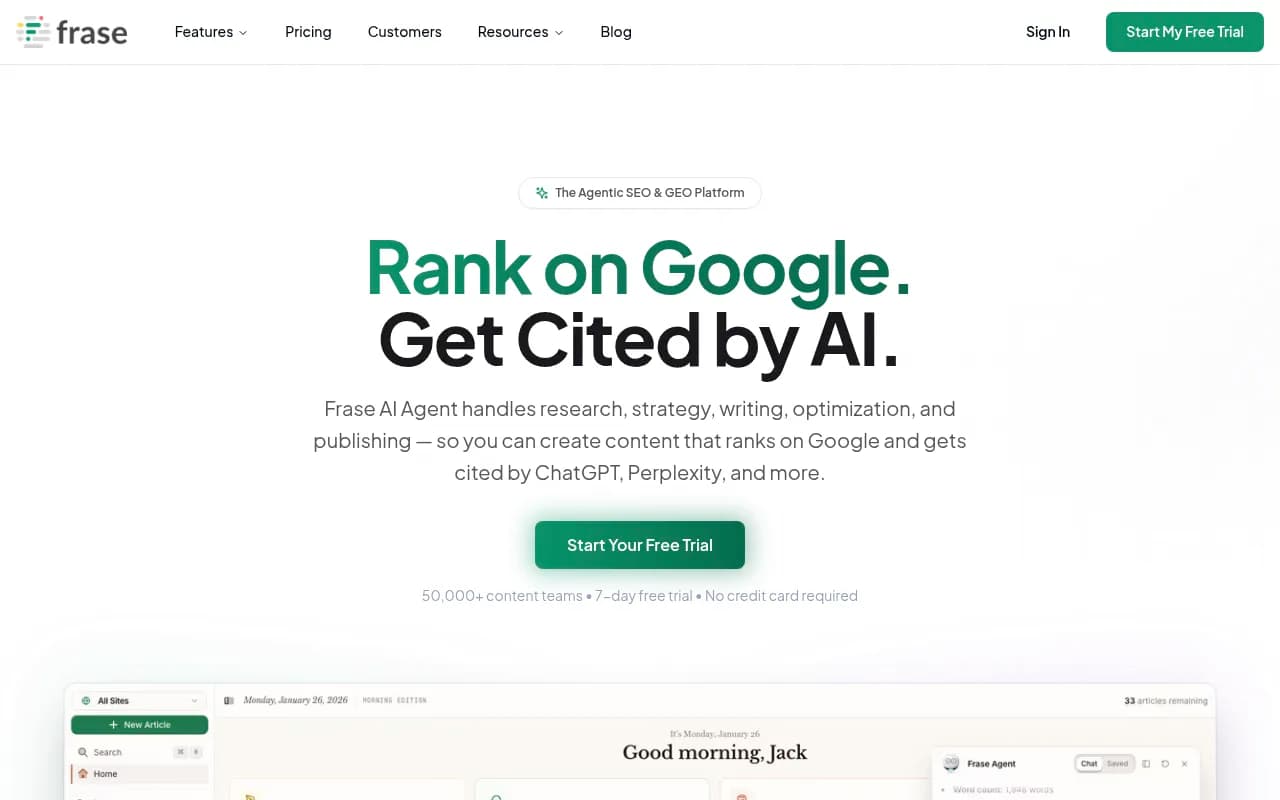
Content optimization: Tools like Surfer SEO, Clearscope, or Frase help you create content that ranks in both traditional search and AI answers.

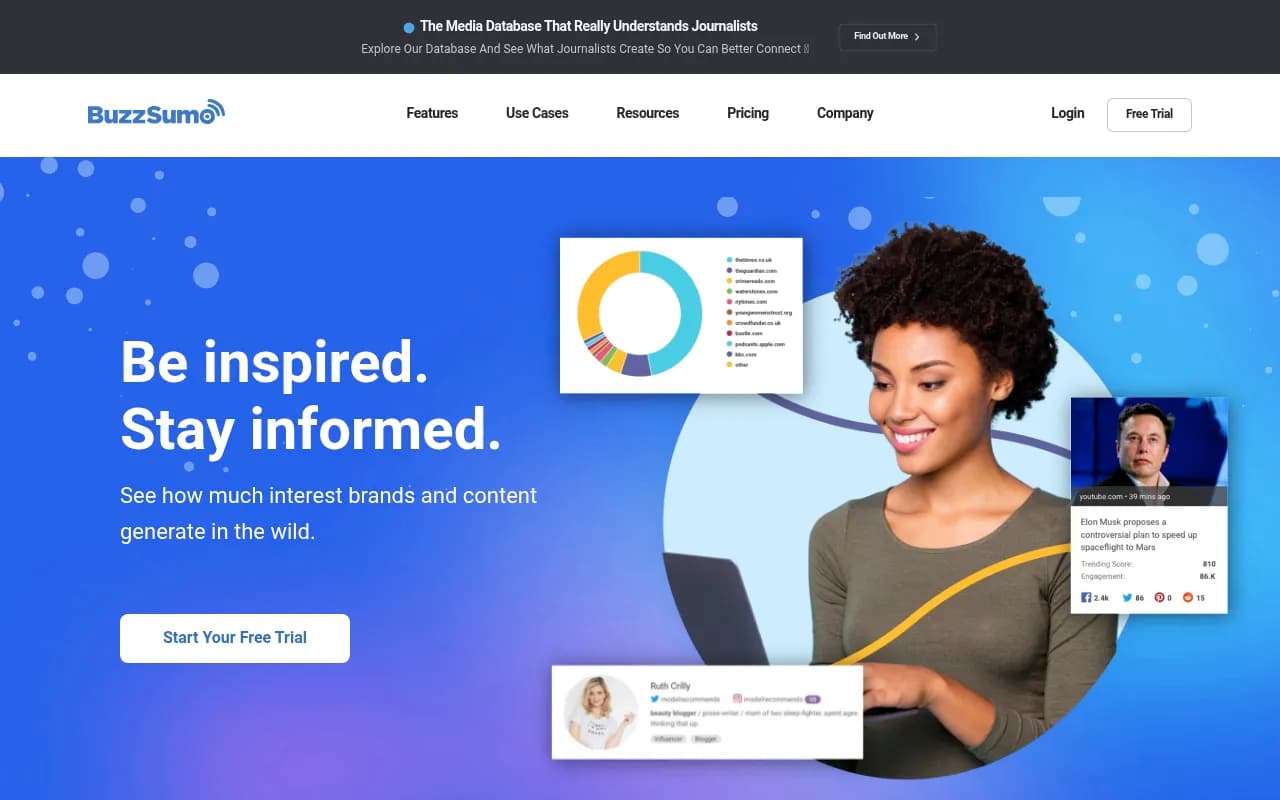
Citation analysis: BuzzSumo or Brand24 for tracking brand mentions across the web and social media.
The reality check
You can't stop competitors from using AI to create content. The tools are too accessible and the economics too compelling. What you can do:
- Monitor where you're losing citations
- Identify which competitor content is winning
- Create better content that AI models prefer to cite
- Track the results and iterate
The brands winning in AI search aren't the ones trying to detect and report every AI-generated competitor article. They're the ones building citation moats with original research, real expertise, and content that's genuinely more useful than anything an AI can generate in 30 seconds.
That's the game in 2026. Play it or watch your citations disappear.