Summary
- AI search now accounts for over 10% of all internet searches, with 800 million people using ChatGPT weekly and Google's market share dropping from 73% to 66.9% in just six months
- Only 12% of links cited by AI assistants also appear in Google's top 10 results for the same query -- ranking on search engines doesn't mean AI will cite you
- Small businesses face an existential threat: AI models recommend 3-5 businesses per query, and if you're not one of them, high-intent buyers make decisions without ever seeing your name
- Traditional SEO tactics (keyword density, meta descriptions, backlinks) are obsolete for AI search -- AI systems need structured data, entity recognition, and machine-readable content
- The fix requires a new approach: establish your brand as an entity in knowledge graphs, optimize for comprehension instead of crawlers, and track your visibility across ChatGPT, Perplexity, Claude, and other AI engines
The uncomfortable truth about your Google rankings
Your business ranks #1 on Google. You've spent years building backlinks, optimizing meta descriptions, and chasing keyword rankings. You check your analytics every morning and see steady organic traffic.
And you're about to become invisible.
Here's what's happening while you celebrate those Google rankings: 800 million people use ChatGPT every week. 43% of all searches now start with AI assistants rather than traditional search engines. Google's search market share dropped from 73% to 66.9% in just six months -- the steepest decline in company history.
When someone asks ChatGPT "What's the best accounting software for small businesses?" or Perplexity "Which local plumber should I hire?", these AI systems don't send clicks to websites. They give answers. Direct recommendations. A curated list of 3-5 businesses.
If you're not on that list, you don't exist.
Why 67% of businesses will be invisible by 2026
Ahrefs analyzed 15,000 AI prompts and found that only about 12% of links cited by ChatGPT, Gemini, and Copilot also appeared in Google's top 10 results for the same query. Read that again. Your #1 Google ranking gives you a 12% chance of being mentioned by AI.
The problem runs deeper than most businesses realize. AI search isn't just a new channel -- it's a fundamental shift in how information gets discovered and recommended. And the rules are completely different.
Traditional SEO optimizes for crawlers. You stuff keywords into your content, build backlinks, and hope Google's algorithm notices you. AI search optimizes for comprehension. ChatGPT doesn't care about your keyword density. It wants clear, definitive answers it can confidently cite.
SEO chases rankings. AI builds authority. When someone searches Google, they click through to your site. When someone asks ChatGPT, it synthesizes an answer and maybe -- maybe -- mentions you as a source. No click. No visit. Just a citation, if you're lucky.
SEO targets keywords. AI targets entities. Google thinks in keywords and phrases. AI systems think in entities and relationships. If you're not established as an entity in Wikidata and knowledge graphs, you're invisible to the systems making recommendations.
The five reasons your SEO strategy is failing in AI search
1. You're optimizing for crawlers, not comprehension
Your content is stuffed with keywords, optimized for Googlebot, and structured for traditional search rankings. AI models don't care. They're looking for content that's simultaneously engaging for humans and structured for instant extraction. Your keyword-dense paragraphs are noise.
2. You're building backlinks when you should be building knowledge graphs
You've spent thousands on link building campaigns. You have 500 backlinks from reputable sites. AI models don't see them. They query structured knowledge bases -- Wikidata, schema markup, entity relationships. If you're not in those knowledge graphs, your backlinks are worthless.
3. You're targeting search volume when AI measures user experience
Traditional SEO chases high-volume keywords. AI models increasingly measure user experience signals: dwell time, bounce rate, clarity, self-service capability. They use those signals to determine which businesses to recommend. Your traffic numbers don't matter if your actual user experience is terrible.
4. You're writing for humans (and tricking bots)
SEO content walks a line: readable for humans, optimized for bots. AI requires a different approach. Your content needs to be structured for machine comprehension -- clear headings, definitive statements, factual claims that can be extracted and verified. The old tricks don't work.
5. You're measuring the wrong metrics
You track Google rankings, organic traffic, and click-through rates. None of those metrics tell you if AI models are recommending you. You need to know: When someone asks ChatGPT about businesses like yours, do you get mentioned? When Perplexity answers industry questions, are you cited? You're flying blind.
What AI models actually want to see
AI assistants like ChatGPT, Claude, and Perplexity rely on the same raw ingredients as search engines -- crawled content, structured data, entity recognition -- but they process and prioritize information differently.
They want:
-
Entity recognition: Your business needs to be recognized as a distinct entity with clear attributes, relationships, and context. This means proper schema markup, consistent NAP (Name, Address, Phone) across the web, and presence in knowledge bases like Wikidata.
-
Structured data: AI models extract information from structured formats. If your content is just paragraphs of text, it's harder to parse. Use schema markup, clear headings, bulleted lists, and definitive statements that can be extracted cleanly.
-
Trust signals: AI models evaluate authority differently than Google. They look at domain age, SSL certificates, privacy policies, contact information, customer reviews, and whether you're mentioned in authoritative sources. A brand-new site with perfect SEO won't get cited if it lacks trust signals.
-
Clarity and directness: AI models prefer content that answers questions directly. No fluff, no keyword stuffing, no dancing around the topic. State your expertise clearly, answer questions definitively, and provide concrete information that can be cited with confidence.
-
Crawlability for AI bots: Traditional SEO focuses on Googlebot. AI search requires optimization for GPTBot (OpenAI), Claude-Web (Anthropic), PerplexityBot, and other AI crawlers. Check your robots.txt -- are you blocking the bots that matter?
How to fix your AI visibility crisis (step by step)
Step 1: Find out where you stand
You can't fix what you can't measure. Start by tracking your brand visibility across AI search engines. When someone asks ChatGPT, Perplexity, or Claude about businesses in your category, do you get mentioned?
Tools like Promptwatch can help you track this.

Promptwatch monitors 10 AI models (ChatGPT, Perplexity, Claude, Gemini, and more) and shows you exactly when your brand gets cited, which prompts trigger mentions, and which competitors are winning. The platform goes beyond monitoring -- it identifies content gaps (prompts where competitors appear but you don't) and includes an AI writing agent that generates articles engineered to get cited by AI models.
Other options include:
Otterly.AI



| Tool | AI engines tracked | Content gap analysis | Content generation | Best for |
|---|---|---|---|---|
| Promptwatch | 10 (ChatGPT, Perplexity, Claude, Gemini, etc.) | Yes | Yes (AI writing agent) | Businesses that want to fix visibility, not just monitor it |
| Otterly.AI | 3 (ChatGPT, Perplexity, Google AI) | No | No | Basic monitoring only |
| AthenaHQ | 5+ | Limited | No | Tracking and reporting |
| Peec.ai | 3 (ChatGPT, Perplexity, Claude) | No | No | Simple monitoring |
Step 2: Establish yourself as an entity
AI models think in entities, not keywords. If you're not recognized as a distinct entity with clear attributes and relationships, you're invisible.
Actions to take:
-
Create or claim your Wikidata entry: Wikidata is a structured knowledge base that AI models query. If you're not in it, you don't exist to them. Create an entry with your business name, location, industry, founding date, and key relationships.
-
Implement schema markup: Add structured data to your website using schema.org vocabulary. Mark up your business type, products, services, reviews, contact information, and key pages. This makes your content machine-readable.
-
Ensure NAP consistency: Your Name, Address, and Phone number must be identical across every platform -- your website, Google Business Profile, Yelp, industry directories, social media. Inconsistencies confuse entity recognition systems.
-
Build entity relationships: Get mentioned in authoritative sources that AI models trust. Industry publications, news sites, government databases, and established directories all help establish your entity in knowledge graphs.
Step 3: Optimize your content for AI comprehension
Your existing content is probably optimized for Google, not AI. Here's how to fix it:
-
Rewrite for directness: AI models prefer content that answers questions clearly and definitively. Remove fluff, eliminate keyword stuffing, and state your expertise upfront. Instead of "We might be able to help with your accounting needs," write "We provide small business accounting services in Denver, Colorado."
-
Structure for extraction: Use clear H2 and H3 headings that match common questions. Write in short paragraphs with one idea per paragraph. Use bulleted lists for features, steps, or comparisons. Make it easy for AI to extract and cite specific information.
-
Add factual claims with sources: AI models prefer content that makes verifiable claims and cites sources. Instead of "We're the best plumber in town," write "We've completed 1,200+ residential plumbing jobs in Austin since 2018, with a 4.9-star average rating across 300+ Google reviews."
-
Create FAQ pages: AI models love FAQ pages because they match the question-and-answer format of AI search. Create comprehensive FAQ pages that address every question your customers ask, with clear, direct answers.
Step 4: Fix your technical AI crawlability
AI crawlers are different from Googlebot. Check your robots.txt file and make sure you're not blocking:
- GPTBot (OpenAI/ChatGPT)
- Claude-Web (Anthropic/Claude)
- PerplexityBot (Perplexity)
- Google-Extended (Google Gemini)
- Applebot-Extended (Apple Intelligence)
If you're blocking these bots, AI models can't see your content. Unblock them.
Also check:
- Page speed: AI crawlers have limited budgets. Slow sites get crawled less frequently. Use Google PageSpeed Insights to identify and fix performance issues.
-
Mobile optimization: AI models prioritize mobile-friendly content. Test your site on mobile devices and fix any usability issues.
-
SSL certificate: HTTPS is a trust signal. If you're still on HTTP, upgrade immediately.
Step 5: Build trust signals AI models recognize
AI models evaluate authority differently than Google. They look for:
-
Customer reviews: Get more reviews on Google, Yelp, Trustpilot, and industry-specific platforms. Respond to every review, positive or negative. AI models see review volume and response rate as trust signals.
-
Contact information: Display your phone number, email, and physical address prominently on every page. AI models check for this.
-
Privacy policy and terms: These signal legitimacy. If you don't have them, create them.
-
About page: A detailed About page with your story, team, and credentials helps establish authority.
-
Press mentions: Get featured in local news, industry publications, or podcasts. AI models weight mentions in authoritative sources heavily.
Step 6: Create content that AI models want to cite
The content that ranks in AI search is different from SEO content. AI models prefer:
-
Comparison guides: "X vs Y" articles that objectively compare options. AI models cite these frequently when users ask for recommendations.
-
How-to guides: Step-by-step instructions that solve specific problems. Make them comprehensive, not keyword-stuffed.
-
Listicles with criteria: "10 Best X for Y" articles where you explain your selection criteria and evaluate each option fairly. AI models trust content that shows its reasoning.
-
Case studies: Real examples with specific numbers and outcomes. AI models prefer concrete evidence over vague claims.
-
Industry data: Original research, surveys, or data analysis. AI models cite sources that provide unique information.
Tools like Frase or Surfer SEO can help you research and optimize content for both traditional SEO and AI search.
Step 7: Monitor and iterate
AI search is evolving fast. What works today might not work in six months. Set up a monitoring system:
- Track your brand mentions across AI engines weekly
- Monitor which prompts trigger citations and which don't
- Watch competitor visibility and learn from their wins
- Test new content formats and measure AI citation rates
- Adjust your strategy based on what's working
Platforms like Promptwatch make this easier by automating the tracking and showing you trends over time. You can see which content improvements led to more AI citations and which didn't move the needle.
The tools you need to survive AI search
Here's a practical toolkit for small businesses tackling AI visibility:
For tracking AI visibility:
- Promptwatch -- monitors 10 AI engines, identifies content gaps, includes AI writing agent
- Peec.ai -- simple monitoring across ChatGPT, Perplexity, Claude
- Otterly.AI -- basic tracking for ChatGPT, Perplexity, Google AI
For entity and schema optimization:
- WordLift -- AI SEO tool for structured data and entity optimization
- Schema.org -- reference for implementing structured data markup
For content creation and optimization:
- Frase -- AI-powered SEO content research and writing
- Surfer SEO -- content optimization with AI-driven recommendations
- Clearscope -- content optimization for SEO teams

For technical SEO and crawlability:
- Screaming Frog -- website crawler for technical audits
- Google Search Console -- monitor Google crawling and indexing
For local businesses:
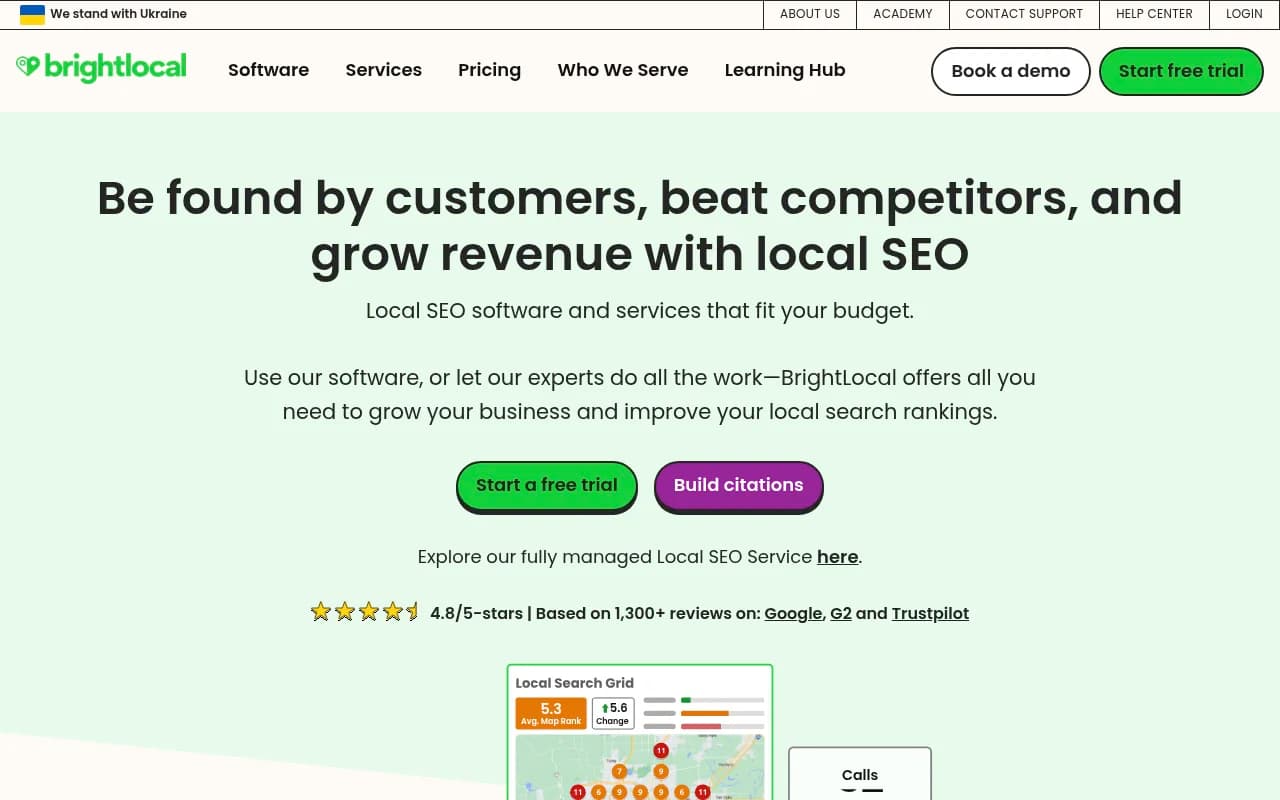
- BrightLocal -- local SEO platform for multi-location businesses
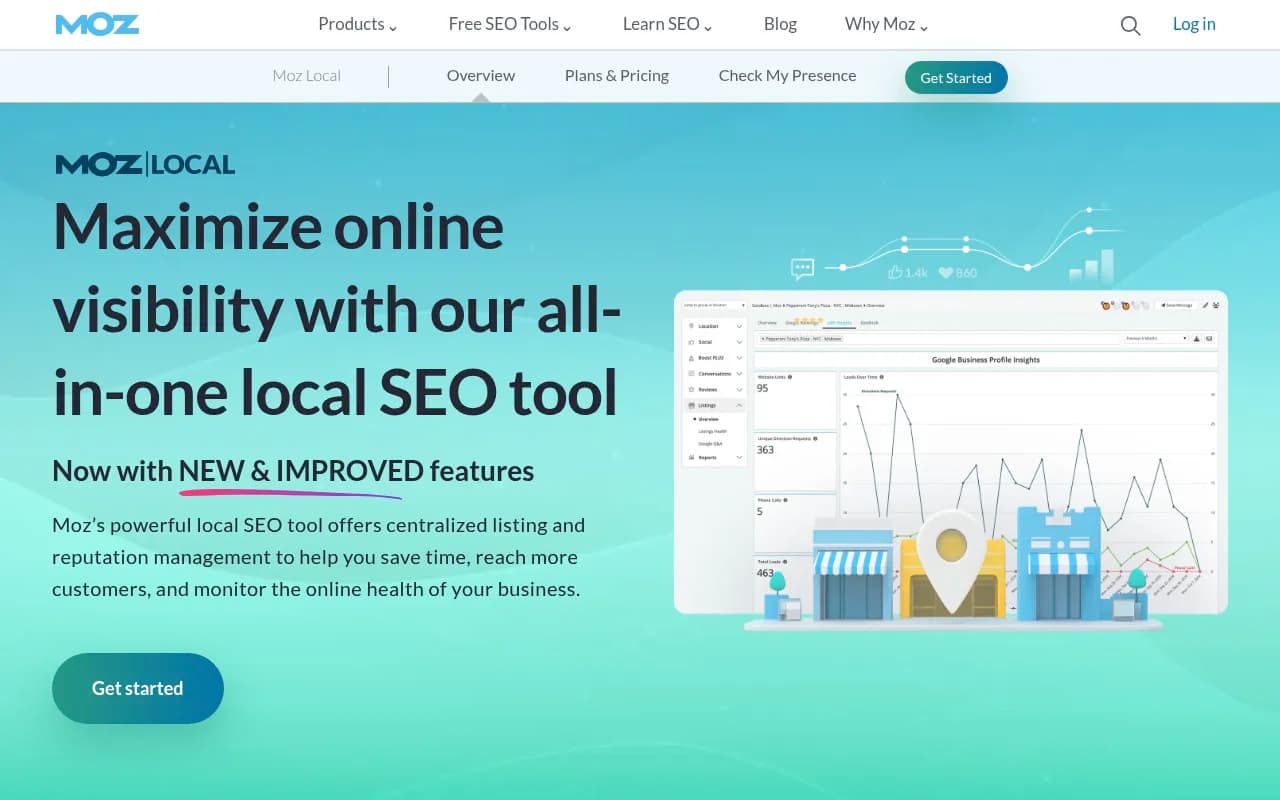
- Moz Local -- manage listings and reviews across platforms
What happens if you do nothing
Let's be clear about the stakes. This isn't a nice-to-have optimization. This is an existential threat.
AI search is projected to capture 60-80% of organic traffic over the next few years. Only 3-5 businesses get recommended per query. If you're not one of them, you're invisible to an entire generation of buyers who never learned to click through search results.
Your competitors are figuring this out. The ones who move first will establish themselves as entities in knowledge graphs, build trust signals AI models recognize, and create content that gets cited. By the time you catch up, they'll have a six-month head start and all the citations.
Small businesses are particularly vulnerable. You don't have the brand recognition of national chains. You don't have the content budgets of enterprise companies. You're competing on local expertise, customer service, and community trust -- all things that matter in AI search, but only if you know how to signal them.
The good news: most of your competitors are still optimizing for Google. They're celebrating their #1 rankings while ChatGPT recommends someone else. You have a window -- probably six to twelve months -- to get ahead of this shift before it becomes obvious to everyone.
Start today, not tomorrow
Here's your action plan for the next 30 days:
Week 1: Assess
- Sign up for an AI visibility tracking tool (Promptwatch, Otterly.AI, or Peec.ai)
- Run a baseline audit: which prompts mention you, which don't
- Check your robots.txt -- are you blocking AI crawlers?
- Audit your schema markup and NAP consistency
Week 2: Entity optimization
- Create or claim your Wikidata entry
- Implement schema markup on key pages
- Fix NAP inconsistencies across all platforms
- Add or update your Google Business Profile
Week 3: Content fixes
- Rewrite your homepage for AI comprehension
- Create or expand your FAQ page with 20+ questions
- Add structured data to product/service pages
- Write one comparison or how-to guide targeting a high-value prompt
Week 4: Trust signals
- Request reviews from recent customers
- Add or update your privacy policy and terms
- Improve your About page with team details and credentials
- Reach out to local press or industry publications for coverage
Then repeat. Track your progress weekly. Double down on what works. Adjust what doesn't.
The businesses that survive the AI search shift won't be the ones with the best Google rankings. They'll be the ones who adapted fastest, optimized for comprehension instead of crawlers, and established themselves as trusted entities in the knowledge graphs AI models query.
Your #1 Google ranking won't save you. But understanding how AI search works -- and acting on it now -- might.