Key takeaways
- Writesonic is primarily a content generation platform that has added GEO monitoring as a premium feature, not a dedicated AI visibility tool
- Scalenut is the strongest option for long-form SEO content with its Cruise Mode workflow, but its GEO features are locked behind higher-tier plans
- GetMint positions itself as the most accessible option for teams that need both content creation and AI search visibility without enterprise pricing
- None of these three platforms offers the full action loop (gap analysis → content generation → citation tracking) that dedicated GEO platforms provide
- For teams serious about AI search visibility, a dedicated GEO platform alongside a content tool is often a better stack than relying on an all-in-one that does neither deeply
Buyers are no longer just Googling for recommendations. They're asking ChatGPT which project management tool to use, asking Perplexity which CRM fits a 50-person team, asking Claude to compare SaaS pricing. If your brand isn't in those answers, you're invisible to a growing slice of your market.
That's the core problem Writesonic, Scalenut, and GetMint are all trying to solve -- just in very different ways. Each one combines AI content generation with some flavor of GEO (Generative Engine Optimization) or AI visibility tracking. But the depth, pricing, and workflow fit vary considerably.
This guide breaks down exactly what each platform does, where each one struggles, and which one makes sense for which kind of team.
What GEO actually means in this context
Before comparing tools, it's worth being precise about what "GEO features" means, because vendors use the term loosely.
At minimum, a GEO tool should show you whether AI engines (ChatGPT, Perplexity, Gemini, etc.) are citing your brand or content when users ask relevant questions. Beyond that, useful GEO platforms help you understand why you're being cited or ignored, and ideally help you fix it.
The most capable platforms close a full loop: find the prompts where competitors appear but you don't, generate content that fills those gaps, then track whether citations improve. That's the standard worth measuring these tools against.
Writesonic GEO

Writesonic started as an AI writing tool and has been adding GEO capabilities over the past couple of years. The company now markets itself as an "AI search visibility platform" -- though that framing is a stretch depending on which plan you're on.
What it does well
The content generation side is genuinely strong. Writesonic's Article Writer produces long-form drafts quickly, and the interface is polished enough that non-technical marketers can get up and running without much friction. If you're already using Writesonic for blog content, the GEO monitoring layer is a natural extension.
The platform tracks how often AI engines pick up and cite your content across several major models, and it surfaces some basic visibility data. For teams that want a single subscription covering both writing and monitoring, the appeal is obvious.
Where it falls short
The GEO features are locked behind the $249/month plan. That's a significant ask for what multiple reviewers describe as "limited analytics depth compared to dedicated GEO platforms." You're essentially paying a content tool's premium tier to get monitoring that a standalone GEO tracker would provide more thoroughly at a lower price.
The analytics also don't go deep. There's no AI crawler log access, no prompt volume data, no query fan-out analysis, and no content gap analysis that maps your pages against what AI models are actually citing. You can see that you're being cited -- but not why, and not what to do about it when you're not.
One reviewer on Rankability put it plainly: "The GEO features are a useful bolt-on for content teams already using Writesonic, but the analytics depth is limited compared to dedicated GEO platforms."
Best for
Teams that are already Writesonic subscribers and want basic AI visibility data without switching tools. Not the right choice if GEO is a primary goal rather than a nice-to-have.
Scalenut

Scalenut is the most direct competitor to Writesonic on the content side, and it's often cited as the most logical swap for teams that want stronger SEO depth alongside AI writing.
What it does well
Cruise Mode is Scalenut's standout feature -- a guided workflow that takes you from keyword to published article through a structured sequence of research, outline, and writing steps. For teams producing high-volume SEO content, this workflow reduces the back-and-forth that makes most AI writers feel chaotic.
The SEO scoring is more granular than Writesonic's. Scalenut pulls SERP data to show you what's ranking, which semantic terms you're missing, and how your draft compares to top competitors. That's genuinely useful for content teams trying to optimize for Google alongside AI search.
On the GEO side, Scalenut has introduced "GEO Watchtower" and "GEO Core" features that track AI search visibility. These are real additions, not just marketing language.
Where it falls short
The GEO features are gated. According to GetMint's comparison, GEO Watchtower and GEO Core only unlock on higher-tier plans, which means smaller teams or solo operators are effectively excluded from the AI visibility layer unless they pay up.
Like Writesonic, Scalenut's GEO monitoring is more dashboard than action engine. It shows you visibility data but doesn't help you systematically close the gaps. There's no content brief generation grounded in real prompt data, no crawler log analysis, and no citation-level tracking that shows which specific pages are being cited by which AI models.
The platform is also primarily built around Google SEO. The GEO layer feels like it was added to an existing SEO tool rather than designed from the ground up for AI search.
Best for
Content teams that need strong long-form SEO workflows and want basic AI visibility monitoring included. Good fit for agencies producing high volumes of Google-optimized content who want to dip into GEO without a separate subscription.
GetMint

GetMint takes a different angle. Rather than starting as an AI writer and adding GEO, GetMint was built with AI search visibility as a core concern from the start. The pitch is that you shouldn't have to pay enterprise prices to know whether your content is winning citations.
What it does well
GetMint's pricing is more accessible than Writesonic's GEO tier, which is a real differentiator for smaller teams. The platform combines content generation with visibility tracking in a way that's designed to work together rather than feeling bolted on.
The AI search monitoring covers multiple models and surfaces citation data in a format that's actionable for content teams. GetMint also surfaces competitor visibility data, so you can see where rivals are getting cited and you're not -- which is the starting point for any meaningful GEO strategy.
The content generation is solid for standard marketing use cases: blog posts, listicles, comparison pages. It's not as feature-rich as Writesonic's writing tools, but for teams whose primary goal is AI visibility rather than volume writing, that's an acceptable trade-off.
Where it falls short
GetMint is newer than the other two, and the platform depth shows it. The SEO features are lighter than Scalenut's, and the content generation doesn't have the same workflow maturity as Writesonic's Article Writer or Scalenut's Cruise Mode.
The GEO monitoring is more accessible but still doesn't close the full loop. You can see gaps, but the path from "I'm not being cited here" to "here's the content that will fix it" requires more manual work than a dedicated GEO platform would demand.
Best for
Teams that want AI visibility data without paying Writesonic's premium tier prices, and don't need the deepest SEO workflow features. Good entry point for marketers who are new to GEO and want to understand their current AI search presence before investing in a more specialized stack.
Head-to-head comparison
| Feature | Writesonic | Scalenut | GetMint |
|---|---|---|---|
| AI content generation | Strong | Strong (Cruise Mode) | Moderate |
| GEO/AI visibility monitoring | Yes (premium tier) | Yes (higher tiers) | Yes (core feature) |
| Prompt volume / difficulty data | No | No | Limited |
| Content gap analysis | No | Partial | Partial |
| AI crawler logs | No | No | No |
| Citation-level page tracking | No | No | No |
| Competitor visibility heatmap | No | No | Basic |
| Reddit/YouTube insights | No | No | No |
| Entry price for GEO features | ~$249/mo | Higher tiers | More accessible |
| Primary design philosophy | Writer + GEO bolt-on | SEO writer + GEO bolt-on | GEO-first + writing |
The pattern is consistent: all three platforms offer GEO as a layer on top of content generation, but none of them were designed from the ground up as optimization engines. You can see your visibility data, but the tools to systematically improve it are limited.
The gap these tools share
Here's the honest problem with all three platforms: they show you data but leave you doing the hard work yourself.
Knowing that Perplexity cited a competitor 47 times last month for "best CRM for startups" is useful. But what do you do with that? Which page on your site should you update? What angle is missing? What does the actual AI response look like, and what sources is it pulling from?
That's where dedicated GEO platforms pull ahead. Promptwatch, for example, is built around exactly this workflow: Answer Gap Analysis shows you the specific prompts where competitors appear and you don't, Content Agents generate articles grounded in real prompt data and citation analysis, and page-level tracking shows you when new content starts getting cited. It's a closed loop rather than a monitoring dashboard.

For teams that are serious about AI search visibility -- not just curious about it -- the right stack is often a strong content tool (Writesonic or Scalenut for the writing) plus a dedicated GEO platform for the strategy and tracking layer.
How to choose
Choose Writesonic if: You're already paying for it and want basic AI visibility data without adding another subscription. The content generation is excellent and the GEO layer is functional, just not deep.
Choose Scalenut if: Long-form SEO content is your primary output and you want structured workflows (Cruise Mode) with GEO monitoring included. Best for agencies producing Google-optimized content at volume.
Choose GetMint if: AI search visibility is your primary concern and you want it at a more accessible price point than Writesonic's premium tier. Accept that the content generation is lighter in exchange for a more GEO-native approach.
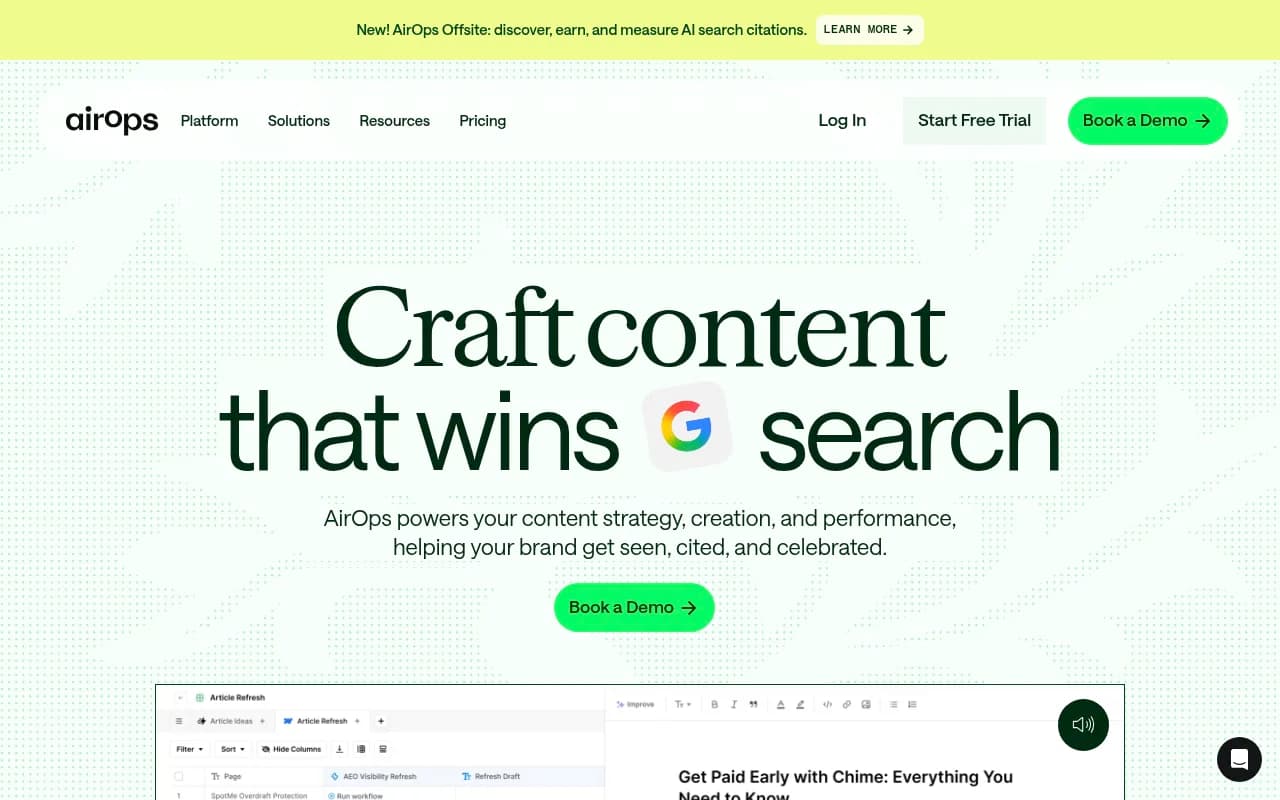
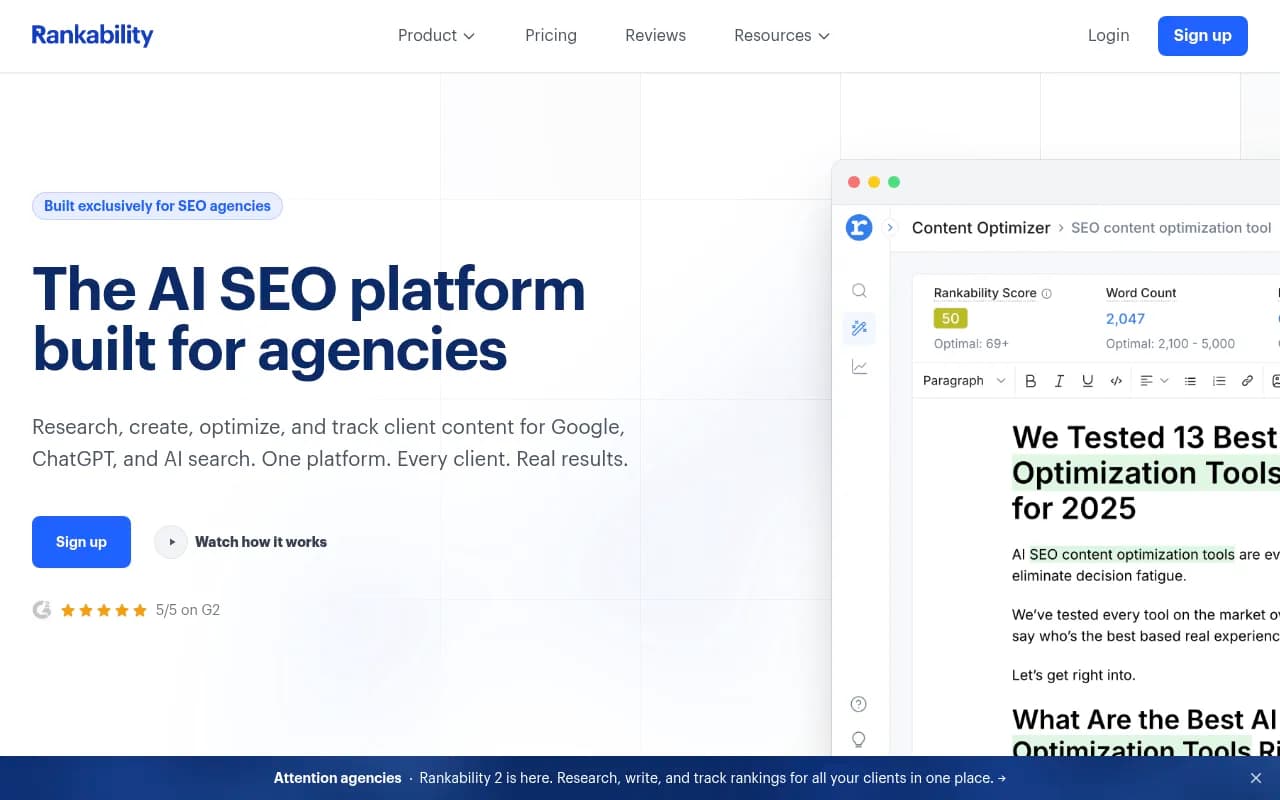
Consider a dedicated GEO platform if: You're managing multiple brands, running agency-scale campaigns, or need to go beyond monitoring into actual optimization. Tools like Promptwatch, AirOps, or Rankability are built for teams where AI search visibility is a strategic priority, not a dashboard metric.
The bottom line
Writesonic, Scalenut, and GetMint are all capable platforms, and any of them will give you more AI search visibility data than you had before. But they're content tools with GEO features, not GEO platforms with content tools. That distinction matters when you're trying to move the needle rather than just measure it.
If you're early in your GEO journey and want to understand your current AI search presence, any of these three will get you started. If you're ready to treat AI search as a real acquisition channel and want a systematic way to improve your citations, you'll likely outgrow them quickly.