Key takeaways
- False positives in GEO monitoring happen three ways: entity confusion (a competitor or unrelated company with a similar name), stale citations (AI repeating outdated info as current), and outright hallucination (the model invents a claim about your brand that no source supports).
- Tools that scrape the real chat UI (not just raw API calls) catch more genuine citations and fewer phantom ones, because user-facing answers sometimes differ from what the API returns.
- Entity disambiguation, source-level citation tracking, and sentiment verification are the three technical features that separate accurate GEO tools from noisy ones.
- Promptwatch, Profound, and Scrunch AI lead on disambiguation and crawler-verified citations; basic prompt trackers like Otterly.AI and Peec AI are decent for volume but weaker on verification.
- If you're a brand with a generic name (think "Atlas," "Nova," or "Apex"), prioritize tools with entity-level filtering over ones that just do keyword matching.
I've spent a chunk of this year watching GEO dashboards tell me things that weren't true. A "brand mention" that turned out to be a dog grooming company three states over with the same name. A "negative sentiment" flag on a quote that was actually sarcasm aimed at a competitor. This is the unglamorous part of AI visibility tracking nobody puts in the marketing copy, and it's exactly the part that determines whether your GEO reports are useful or just noise with a dashboard around it.
Why false positives are a bigger problem than they sound
Traditional rank tracking has one job: is this URL in position 3 or not. There's no ambiguity. GEO tools have a much messier job. They have to read a generative answer, figure out if your brand was actually referenced (not a lookalike), judge whether the tone is positive, neutral, or negative, and trace that mention back to a real source. Each of those steps is a place where errors creep in.
The stakes are real. If your dashboard says ChatGPT mentioned you 40 times last week with mostly positive sentiment, and 15 of those were actually about a different company, you're making content decisions based on garbage. Worse, if a tool flags negative sentiment on a mention that was really about your competitor, you might panic-publish a defensive article nobody needed.
AI answers also aren't static. Promptwatch's data on average sources cited per response shows how many citations a typical answer carries across ChatGPT, Claude, Perplexity, and Gemini, and that volume alone creates more surface area for misattribution. More citations per answer means more chances for a tool to misclassify one of them.
The three kinds of false positives, explained
Entity confusion
This is the most common one. Your brand name overlaps with another company, a person's name, a product line, or a generic term. "Clay" the sales tool versus clay the material. "Sage" the software versus the herb. If a GEO tool is just doing string matching against prompt responses, it will happily log every mention of the word, real or not.
Stale or outdated citations
AI models sometimes repeat something that used to be true, like an old pricing page or a discontinued feature, as if it's current. That's technically a real mention of your brand, but it's not a useful signal for optimization, and good tools flag it as outdated rather than just counting it as a win.
Hallucinated claims
The model states something about your brand with no basis in any source it cites or any content it crawled. This is the scariest category because it can include fabricated pricing, fake features, or invented negative claims. A tool that can trace a citation back to a specific crawled page is far better equipped to catch this than one that just parses the chat output.
How we'd rank GEO tools on false-positive handling
There's no universal "false positive score" published by vendors, so this ranking is based on the technical architecture each platform uses: does it scrape real UI output, does it do entity-level disambiguation, does it trace citations to crawled sources, and does it separate sentiment from mere mention.
| Tool | UI-scraped (not just API) | Entity disambiguation | Source-traced citations | Sentiment verification |
|---|---|---|---|---|
| Promptwatch | Yes | Yes, with brand aliases | Yes, via crawler logs | Yes, tracked over time |
| Profound | Partial | Yes | Partial | Yes |
| Scrunch AI | Partial | Yes | Partial | Yes |
| Peec AI | Yes | Limited | No | Basic |
| Otterly.AI | Yes | Limited | No | Basic |
| Ahrefs Brand Radar | API-based | Limited | No | Basic |
| Goodie AI | Partial | Yes (brand safety focus) | Limited | Yes |
| Bluefish AI | Partial | Limited | No | Basic |
A quick note on methodology here: none of these vendors publish raw false-positive rates, so this table reflects architectural capability, not a lab-tested accuracy percentage. Treat it as a guide to which features actually reduce false positives, then verify against your own brand's mention history.
Promptwatch: disambiguation built on a brand book
Promptwatch approaches the false-positive problem with something most trackers skip: a Brand Book that stores your actual brand name, known aliases, and tone of voice, then uses it as a filter when classifying mentions. That matters a lot if your name is common or shared with another product. It also monitors the real chat interfaces of ChatGPT, Gemini, Claude, Perplexity, Grok, and Google's AI Overviews and AI Mode rather than relying only on API calls, which is relevant because what a model shows a user in the UI can differ from raw API output.

The bigger differentiator for false positives specifically is the crawler log layer. Promptwatch logs when ChatGPTBot, ClaudeBot, PerplexityBot, and 400+ other crawlers visit your site, which pages they read, and whether those reads led to a citation. That crawl-to-citation path lets you verify that a mention actually traces back to content you control, rather than trusting the model's claim at face value. Citation Trends classifies every citation into content types and source types with a per-page citation rate, so you can see exactly which page is driving (or not driving) a specific mention, instead of a single aggregate number that mixes real and questionable hits.
Offsite Mentions catches the trickier case: your brand named inside a third-party page that AI cites, with no link back to you. That's a legitimate mention but easy for simpler tools to miss entirely, which produces a different kind of error, an undercount rather than an overcount.
Profound and Scrunch AI: strong on entity resolution, thinner on source tracing
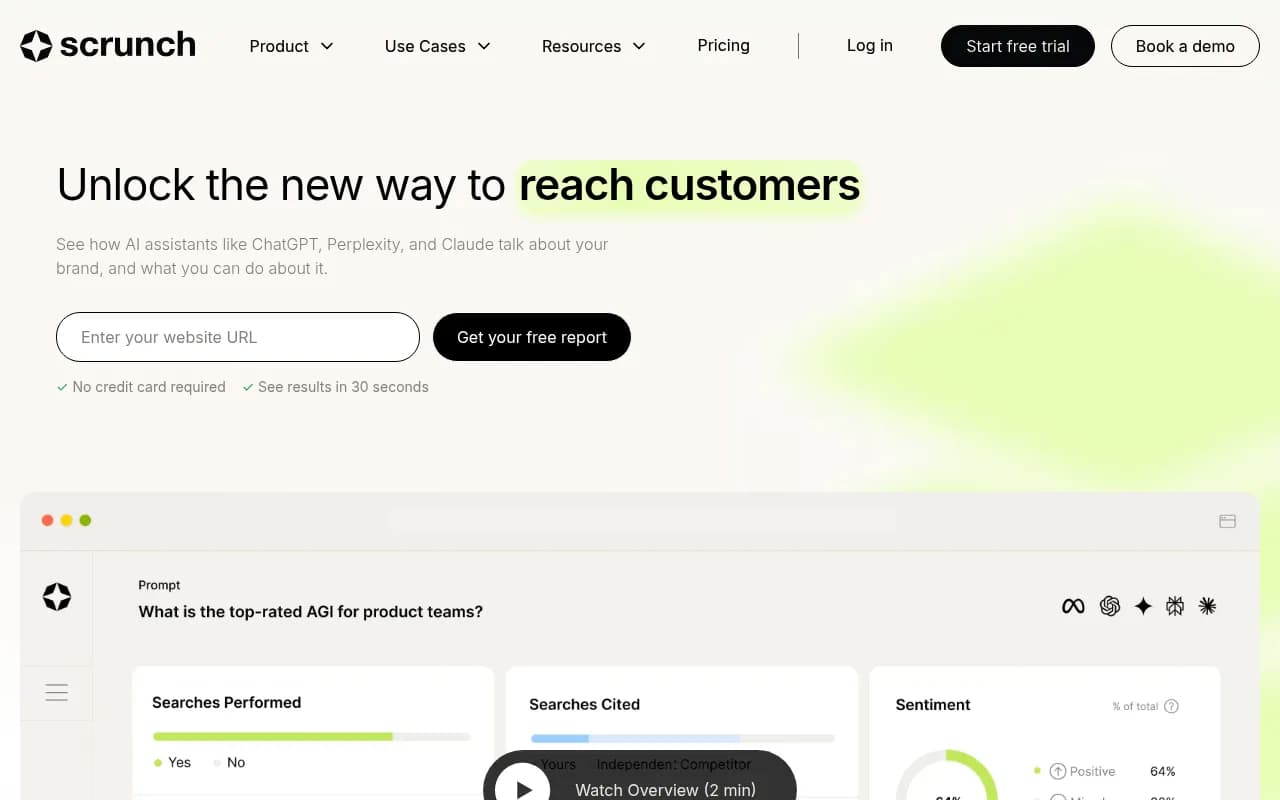
Profound built its reputation on enterprise-grade monitoring, including SOC 2 and HIPAA compliance for regulated clients, and it does meaningful entity-level work to separate a brand from similarly named entities. Scrunch AI follows a similar pattern. Both are credible on disambiguation. Where they're thinner is citation source tracing back to the crawl level, so when a mention shows up, you get solid classification of whether it's really your brand, but less visibility into exactly why the model said what it said.
Profound

Prompt trackers: good for volume, weaker on verification
Peec AI and Otterly.AI both scrape UI outputs, which is a point in their favor, but neither does deep entity disambiguation or source tracing at the level enterprise platforms do. Otterly's GEO Audit Tool checks 25+ on-page factors, which is useful for optimization, but that's a different job from verifying whether a specific mention is a true positive.

Otterly.AI

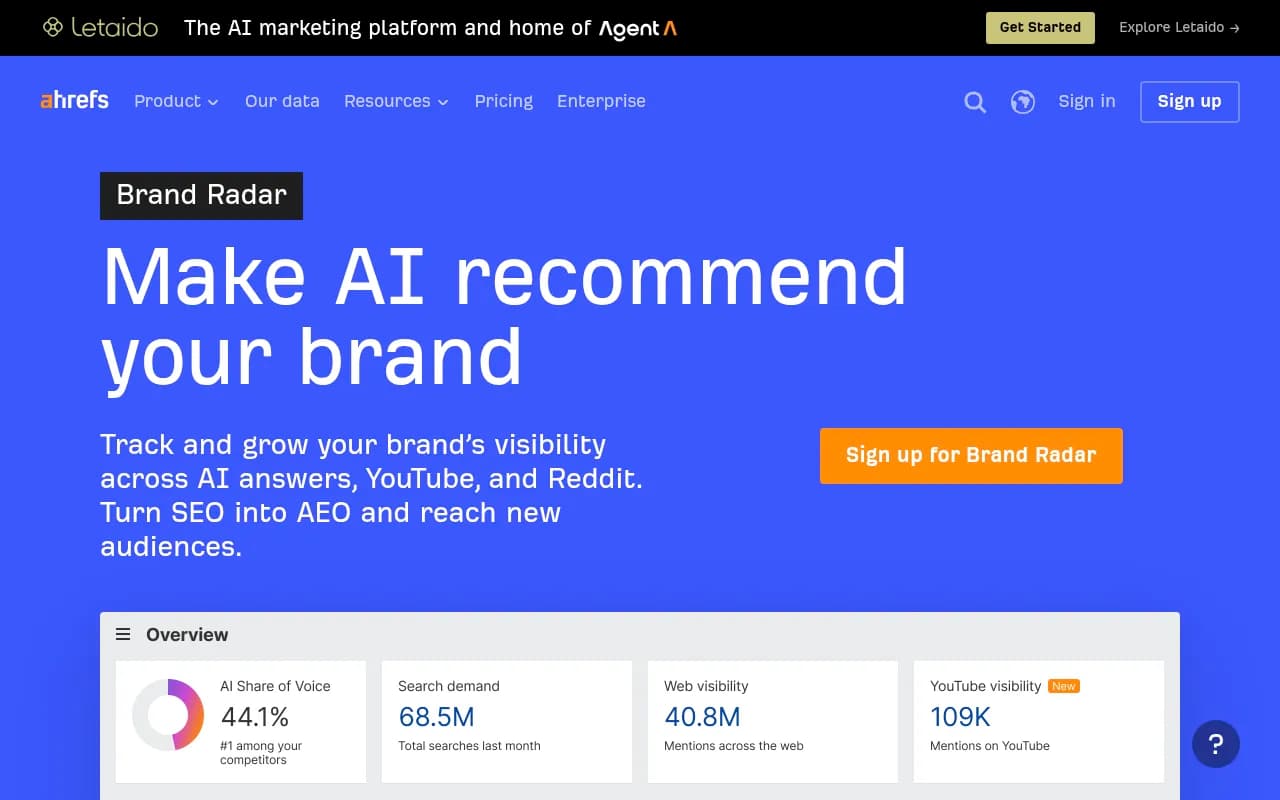
Ahrefs Brand Radar ties into Ahrefs' existing authority data, which is handy for context, but it's fundamentally API-driven, and API responses don't always match what a user actually sees in ChatGPT or Perplexity. That gap is exactly where false positives (and false negatives) tend to hide.
Goodie AI and Bluefish AI: brand safety angle
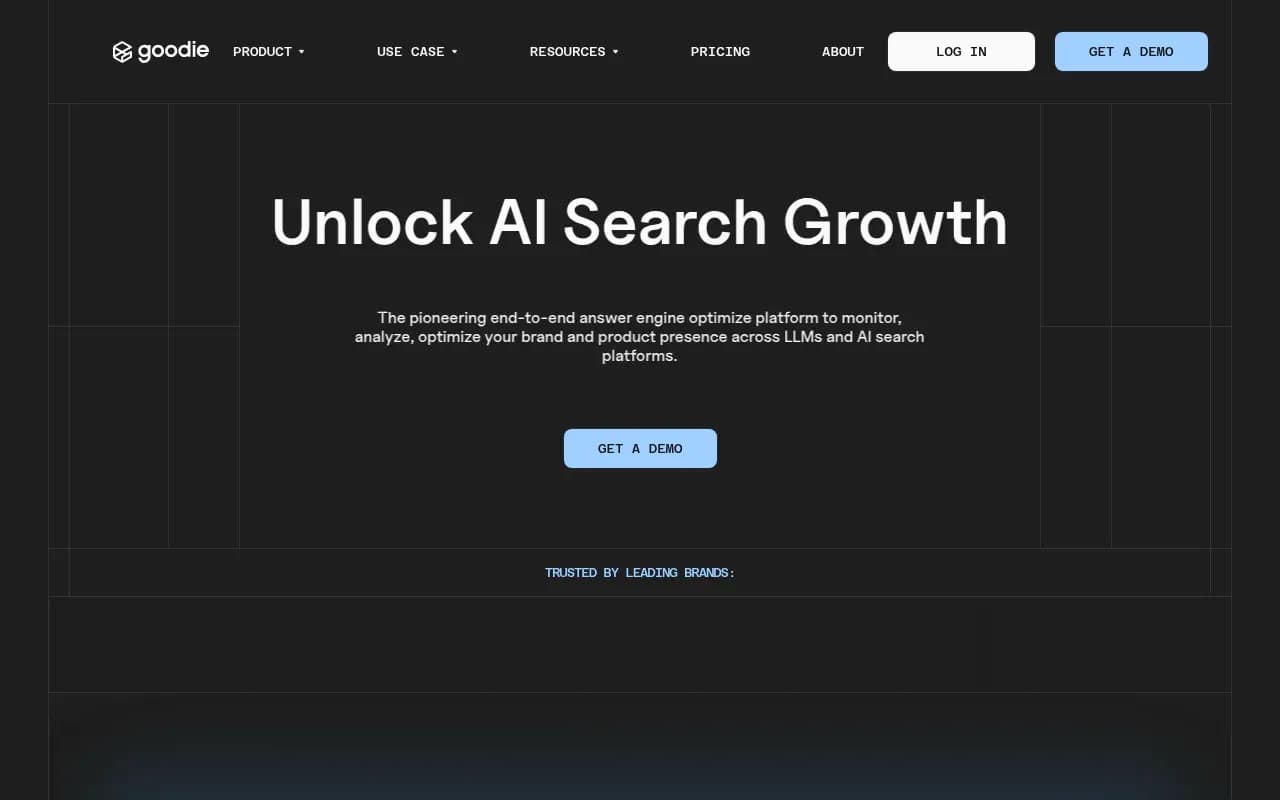
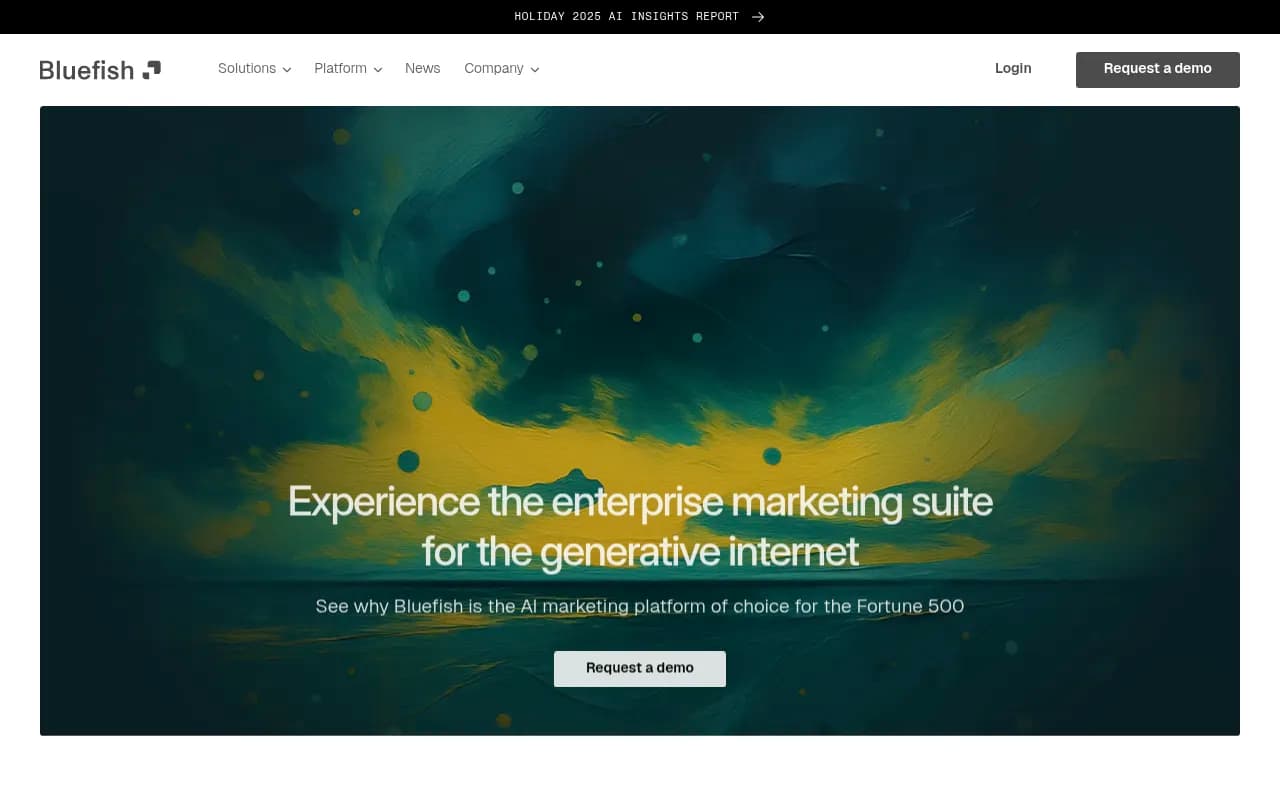
Goodie AI positions itself specifically around hallucination management and brand safety, which is directly relevant to this topic. It's built to flag when a model says something about your brand that isn't grounded in reality, which is a narrower but genuinely useful lens. Bluefish AI takes a brand-control angle too, aimed at managing how brands show up in LLM answers and running targeted AI ad campaigns, but its disambiguation depth is lighter than Goodie's.
Practical steps to reduce false positives regardless of tool
No platform will get this perfect, because the underlying AI models themselves are inconsistent. Promptwatch's research on the ChatGPT citation drop after the GPT-5.3 rollout shows that average citations per response can shift sharply after a single model update, which means your baseline mention counts can move for reasons that have nothing to do with your brand's actual visibility. A few things help regardless of which tool you pick:
- Set up a brand alias list (your company name, common misspellings, product names, old names if you rebranded) and feed it into whatever tool you use, rather than relying on default keyword matching.
- Spot-check a sample of flagged mentions manually, at least monthly. If 1 in 10 is wrong, that's a signal to tighten filters or switch tools.
- Prioritize tools that show you the actual cited source, not just a sentiment score. A citation you can click through and verify is worth more than ten you have to trust blindly.
- Watch for sudden spikes. A jump in mentions right after a model update is more likely an artifact of the update than a real change in how AI perceives your brand.
Where to go from here
If accuracy on brand disambiguation is your top priority, Promptwatch's Brand Book and crawler-log citation tracing are built specifically to address it, and the platform's broader stack (content gap analysis, automated publishing, Agent Chat) means you're not just measuring the problem, you're also set up to fix the content gaps that cause genuine negative or absent mentions in the first place. For a side-by-side look at how 21 GEO and AI visibility platforms stack up more broadly, the comparison at promptwatch.com/best-geo-and-ai-visibility-platforms-compared-2026 is worth a look, and the GEO software directory at bestgeosoftware.com is a good place to browse alternatives if your use case is narrower than full enterprise monitoring.