Key takeaways
- AI search engines typically name only 2-3 brands per answer, so if you're not being cited, you're invisible to buyers who never scroll past the AI response
- Effective monitoring starts with building a prompt set that mirrors real buyer language, not keyword lists
- You need to track at minimum: mention rate, citation rate, share of voice, and sentiment across the platforms your buyers actually use
- Dedicated AI visibility tools do this automatically at scale -- manual checks are fine to start but don't hold up over time
- Monitoring without acting on the data is wasted effort; the goal is to find gaps and fix them
Traditional SEO gave you a ranked list of ten blue links. AI search gives buyers a paragraph. Maybe two. It names a handful of brands and moves on. There's no page two, no position six to fall back on -- you're either in the answer or you're not.
That's a pretty significant shift in how brand discovery works, and most marketing teams are still treating it like a side project. This guide walks you through setting up a real AI search monitoring workflow: one that gives you consistent data, surfaces gaps, and actually helps you do something about them.
Why AI search monitoring is different from traditional brand monitoring
Traditional brand monitoring tools scan social media, news sites, and forums for mentions of your name. That's still useful. But it misses the place where buying decisions increasingly start: inside a generated AI answer.
When someone asks ChatGPT "what's the best project management software for remote teams?" or asks Perplexity "which CRM is easiest to set up for a 10-person sales team?", the model synthesizes an answer from its training data and live sources. It names brands. It characterizes them ("good for enterprise", "better for beginners", "expensive but worth it"). And the person reading that answer often doesn't click through to verify -- they just act on it.
Research from Siftly's 2026 monitoring data found that when brands first connect to an AI visibility platform, they're often shocked by what the models are actually saying about them. Wrong characterizations, missing from categories they should own, cited for things that aren't even accurate. You can't fix what you can't see.
The other thing that makes AI monitoring distinct: the answer varies by model, by phrasing, by region, and over time. ChatGPT might recommend you; Perplexity might not. Google AI Overviews might cite your competitor's blog post instead of yours. Monitoring one platform gives you a partial picture at best.
Step 1: Define the prompts that matter
This is where most teams go wrong. They build a list of brand keywords instead of a list of buyer questions. Those are very different things.
AI models respond to conversational prompts. Your monitoring set should reflect how your actual customers talk when they're in research mode, not how your marketing team describes the product.
Start with customer language. Pull from:
- Sales call transcripts and discovery call notes
- Support tickets and live chat logs
- Reddit threads and forum posts in your category
- The "People Also Ask" boxes in Google results
- Your own customer interviews
You're looking for the specific questions buyers ask when they're trying to solve a problem your product addresses. "What's the best tool for X?" "How do I Y?" "Which platform is better for Z?"
Build prompt categories. A solid monitoring set usually covers:
- Category/comparison prompts ("best [category] tools", "[your product] vs [competitor]")
- Problem-based prompts ("how to [solve the problem you solve]")
- Feature-specific prompts ("which tool has [specific capability]")
- Brand-direct prompts ("what is [your brand]", "is [your brand] good for [use case]")
Start with 20-50 prompts. That's enough to get meaningful data without drowning in noise. You can expand once you have a baseline.
Be specific about personas. "What's the best CRM?" means something different to a solo founder than to a VP of Sales at a 500-person company. If you have distinct buyer segments, build prompt variants for each. The AI's answer will often differ significantly based on how the question is framed.
Step 2: Choose which AI platforms to monitor
There are now more than a dozen AI search engines with meaningful user bases. You don't need to monitor all of them -- you need to monitor the ones your buyers actually use.
As of mid-2026, the platforms with the most commercial search relevance are:
| Platform | Best for | Notes |
|---|---|---|
| ChatGPT | B2B and B2C, broad categories | 500M+ weekly active users; shopping recommendations growing |
| Perplexity | Research-heavy buyers, tech/SaaS | High citation transparency; shows sources |
| Google AI Overviews | Any brand with Google SEO presence | Shown to 60%+ of searches; huge reach |
| Google AI Mode | High-intent commercial queries | Newer; replacing traditional results for many queries |
| Gemini | Google ecosystem users | Growing fast; integrated into Google Workspace |
| Copilot | Enterprise/Microsoft users | Strong in B2B contexts |
| Claude | Research and writing use cases | Growing user base; strong reasoning |
| Grok | X/Twitter-adjacent audiences | Niche but relevant for some categories |
For most brands, starting with ChatGPT, Perplexity, and Google AI Overviews covers the majority of AI-driven discovery. Add others as your monitoring matures.
Step 3: Set up your monitoring workflow
You have two options here: manual monitoring or a dedicated tool. Both are valid starting points.
Manual monitoring (good for getting started)
Open each AI platform, paste in your prompts, and record the responses in a spreadsheet. Note:
- Was your brand mentioned? (yes/no)
- What position was it mentioned in (first, second, third)?
- Was a source/citation included? Which one?
- How was your brand described?
- Which competitors were mentioned?
Do this weekly for your top 10-15 prompts across 2-3 platforms. It takes a couple of hours but gives you a real feel for what's happening before you invest in tooling.
The problem with manual monitoring is that it doesn't scale. Prompt responses vary by time of day, by phrasing, by model version. A single snapshot isn't reliable data -- you need repeated runs over time to see trends. And once you're tracking 50+ prompts across 5+ platforms, manual checks become a full-time job.
Automated monitoring with dedicated tools
This is where purpose-built AI visibility platforms come in. They run your prompts on a schedule, aggregate the results, and surface the metrics you actually need.
Promptwatch is one of the most complete options here -- it monitors 10 AI models simultaneously, tracks mention rate, citation rate, and share of voice, and crucially goes beyond monitoring to help you act on what you find. More on that in Step 5.

For teams that want a focused monitoring tool without the full optimization layer, a few other options worth knowing:
Otterly.AI

Profound


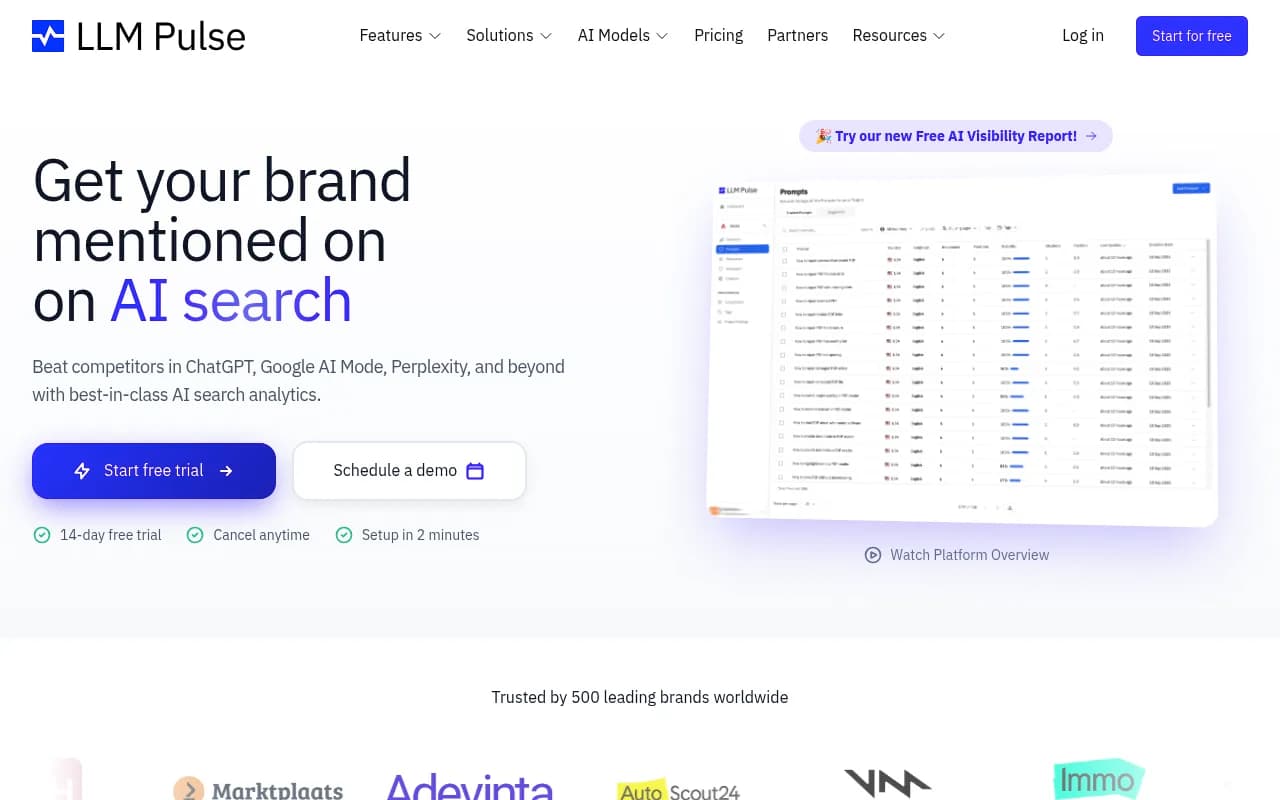
Here's a quick comparison of what to look for:
| Feature | What it tells you |
|---|---|
| Mention rate | % of prompts where your brand appears |
| Citation rate | % of mentions that include a source link |
| Share of voice | Your visibility vs competitors across same prompts |
| Sentiment tracking | How the model characterizes your brand |
| Platform breakdown | Which AI engines mention you vs which don't |
| Prompt-level data | Which specific prompts you're winning or losing |
| Historical trends | Are you improving or declining over time? |
Any tool you pick should give you at least the first five. The last two are what separate useful monitoring from vanity metrics.
Step 4: Establish your baseline
Before you start optimizing anything, you need a baseline. This is your starting point -- the number you'll measure all future progress against.
Run your full prompt set across your chosen platforms and record:
- Overall mention rate (what % of prompts include your brand)
- Share of voice vs your top 3 competitors
- Which platforms you're strongest/weakest on
- Which prompt categories you're winning vs missing
- How you're being described (positive, neutral, negative characterizations)
Do this for at least two weeks before drawing any conclusions. AI model outputs have natural variance, and a single week's data can be misleading.
Once you have a baseline, set targets. Something like: "We want to go from being mentioned in 30% of category prompts to 50% within 90 days." That gives your monitoring a purpose beyond just watching numbers.
Step 5: Identify gaps and act on them
Monitoring data is only useful if you do something with it. This is where most teams stall -- they have dashboards full of visibility scores and no clear path to improving them.
The most actionable output from AI monitoring is a gap analysis: the specific prompts where competitors are being cited and you're not. These gaps usually point to one of three problems:
- You don't have content that answers the question. The AI can't cite you if you haven't written about it.
- Your content exists but isn't being crawled or cited. Technical issues, thin content, or lack of authority.
- Third-party sources are drowning you out. Competitors have better coverage on review sites, Reddit, YouTube, or industry publications.
For each gap, the fix is different. Missing content means creating it -- specifically, content structured to answer the exact questions AI models are being asked. Crawling issues mean technical fixes. Third-party gaps mean building presence on the platforms AI models actually cite.
Promptwatch's Answer Gap Analysis is built specifically for this: it shows you which prompts your competitors are visible for that you're not, then its Content Agents can generate the articles, comparisons, and listicles designed to close those gaps. That loop -- find gap, create content, track improvement -- is what makes it an optimization platform rather than just a tracker.
Step 6: Track citations, not just mentions
There's an important distinction between being mentioned and being cited. A mention means the AI named your brand. A citation means it linked to a specific page on your site as a source.
Citations matter more for two reasons. First, they drive actual traffic -- users who click through from an AI answer are high-intent visitors. Second, cited pages tend to stay cited. Once an AI model learns to trust a specific page as a source for a specific type of question, it keeps returning to it.
Track which of your pages are being cited, how often, and for which prompts. Pages with zero citations despite being relevant are candidates for optimization. Pages with strong citation rates tell you what's working -- and you can apply those patterns elsewhere.
Some tools also track AI crawler activity directly. Promptwatch's crawler logs show you when GPTBot, ClaudeBot, and other AI crawlers hit your site, which pages they read, and whether those visits eventually result in citations. That's the kind of signal that helps you understand the full pipeline from "AI crawls page" to "AI cites page" to "user clicks through."
Step 7: Monitor competitor visibility
Your absolute visibility score matters less than your relative position. If you're mentioned in 40% of prompts but your main competitor is mentioned in 70%, you have a problem even if 40% sounds decent.
Set up competitor tracking from day one. Run the same prompt set against your competitors and record:
- Which platforms each competitor dominates
- Which prompt categories they own that you don't
- How they're being described vs how you're described
- Which external sources (review sites, Reddit threads, publications) are driving their citations
This competitive view often reveals the fastest wins. If a competitor is being cited because of a specific blog post, a Reddit thread, or a G2 review, those are concrete, actionable targets.
Step 8: Build a reporting rhythm
AI visibility data is most useful when tracked over time. Set up a weekly or biweekly reporting cadence that covers:
- Mention rate and share of voice vs previous period
- New citations gained or lost
- Prompt-level wins and losses
- Content published and its early citation performance
Monthly, do a deeper review: how has your baseline shifted, which gaps have closed, which competitors have gained or lost ground.
If you're reporting to stakeholders who aren't deep in AI search, the simplest frame is share of voice: "We're now mentioned in X% of the prompts that matter to our buyers, up from Y% three months ago." That's a number anyone can understand.
Tools worth knowing
Beyond the platforms already mentioned, here are a few more tools that fit different parts of this workflow:

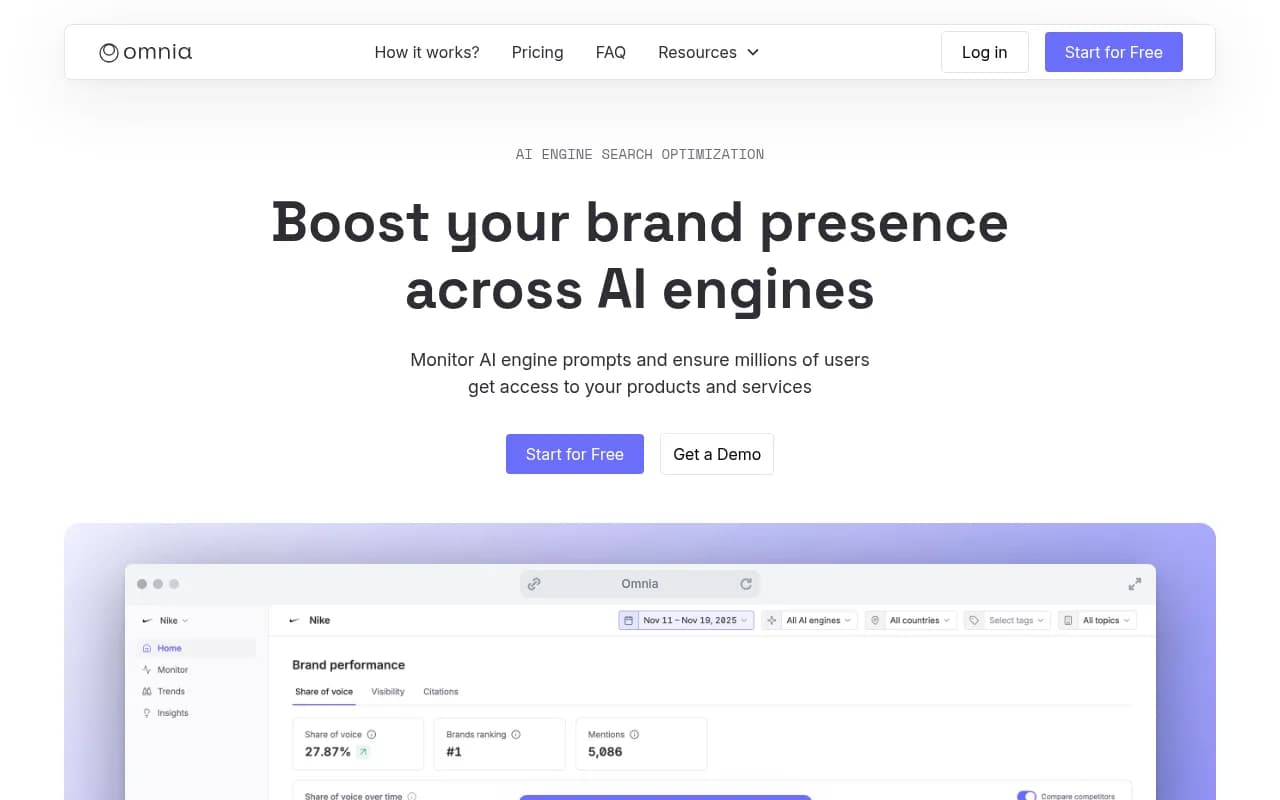

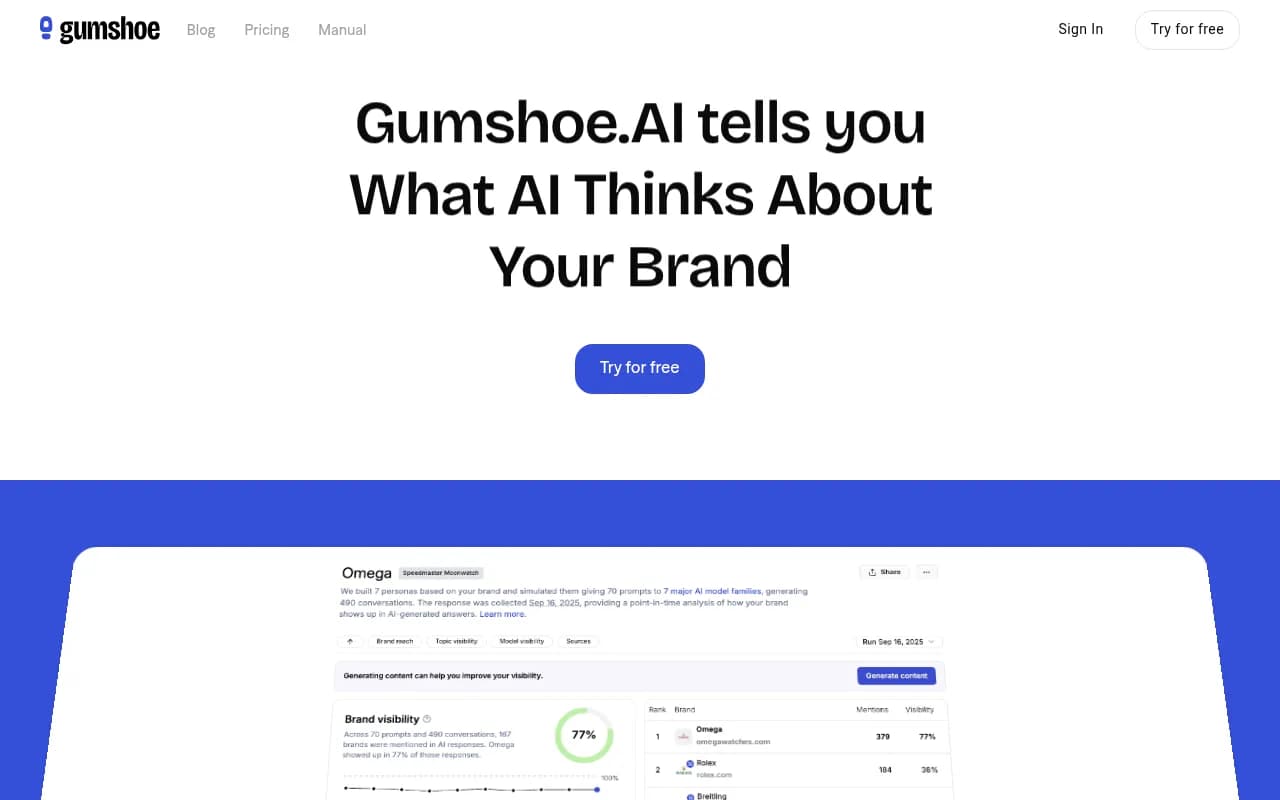
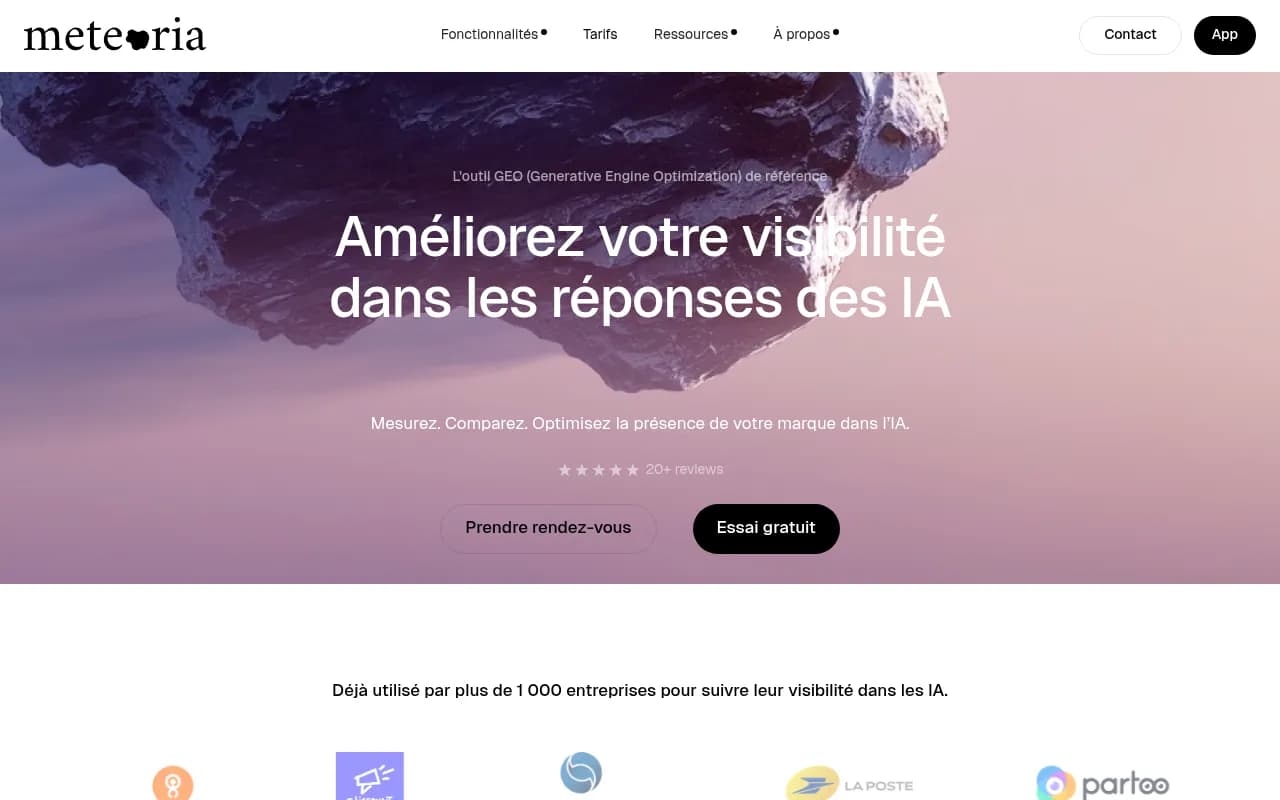
For teams that want to start with something lightweight and free before committing to a paid platform, a few basic options exist -- though they typically cover only one or two platforms and lack the trend data you need for real optimization.
Common mistakes to avoid
Tracking too many prompts too early. Start with 20-30 high-priority prompts. Broad coverage sounds good but makes it hard to act on anything.
Only monitoring one platform. ChatGPT and Perplexity often give very different answers to the same question. A brand that looks strong on one can be invisible on another.
Confusing mentions with citations. Being named in an answer is good. Being cited as a source is better. Track both separately.
Treating monitoring as a one-time audit. AI model outputs change constantly -- new training data, model updates, shifting citation patterns. Monitoring needs to be ongoing, not quarterly.
Ignoring offsite signals. AI models cite Reddit threads, YouTube videos, review sites, and industry publications heavily. Your own website is only part of the picture. Track what's being cited externally and make sure those sources represent you accurately.
Setting up AI search monitoring properly takes a few hours of upfront work -- building your prompt set, choosing your platforms, establishing a baseline. After that, the ongoing effort is mostly interpretation and action. The brands winning in AI search right now aren't doing anything magical; they just started tracking earlier and built content that answers the questions AI models are already being asked.