Key takeaways
- Keyword tools are backward-looking; they report on past search volume. Social listening captures live conversations that haven't yet become "keywords" — but are already shaping AI search responses.
- AI engines like ChatGPT and Perplexity heavily cite Reddit threads, forum discussions, and community Q&A. Social listening surfaces exactly those sources.
- The workflow isn't complicated: find the raw language people use, map it to prompts AI engines answer, then create content that matches those prompts.
- Tools like Promptwatch can show you which prompts competitors are already visible for in AI search — pairing that data with social listening creates a genuinely powerful gap-finding system.
- You don't need an enterprise budget. A combination of a mid-tier social listening tool and a basic AI visibility tracker covers most of what you need.
Why keyword tools are leaving money on the table in 2026
Traditional keyword research tools are built around one core data source: historical search volume from Google. You type in a topic, they tell you how many people searched for it last month, and you write content accordingly.
That worked fine when Google was the only game in town. It's a shakier foundation now.
ChatGPT, Perplexity, Claude, and Google's own AI Overviews don't answer questions by matching keywords. They synthesize responses from the sources they've indexed — and a lot of those sources are Reddit threads, Quora answers, YouTube comments, and community forums. Places where people talk in natural language, not keyword-optimized prose.
Here's the gap that creates: someone asks ChatGPT "what's the best project management tool for a remote team of five with no IT support?" That's not a keyword anyone has searched in volume. It's a conversational prompt. But it's exactly the kind of thing people ask AI assistants dozens of times a day. Keyword tools won't show it. Social listening will.
The conversations happening on Reddit right now, the questions being asked in Facebook groups, the complaints showing up in app store reviews — those are the raw ingredients of tomorrow's AI search prompts. If you're only doing keyword research, you're working from a map that's already out of date.
What social listening actually captures that keyword tools don't
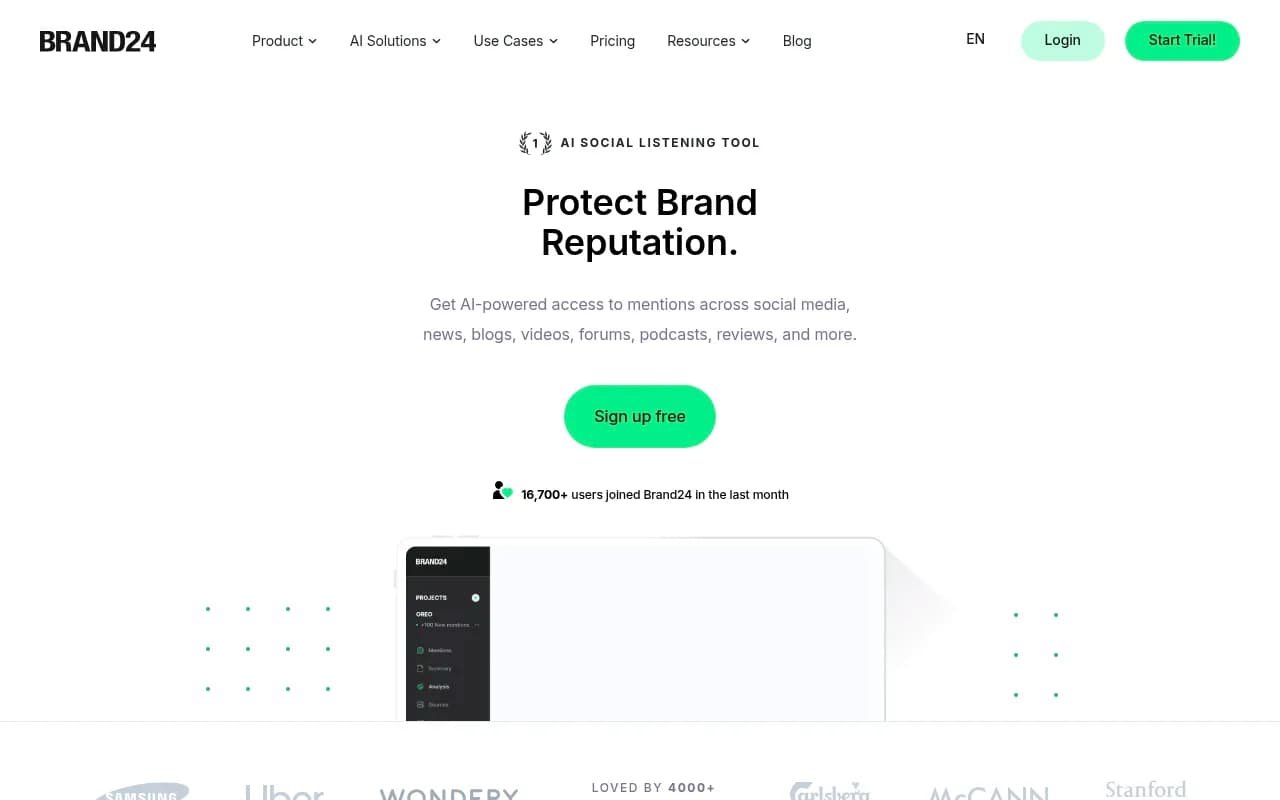
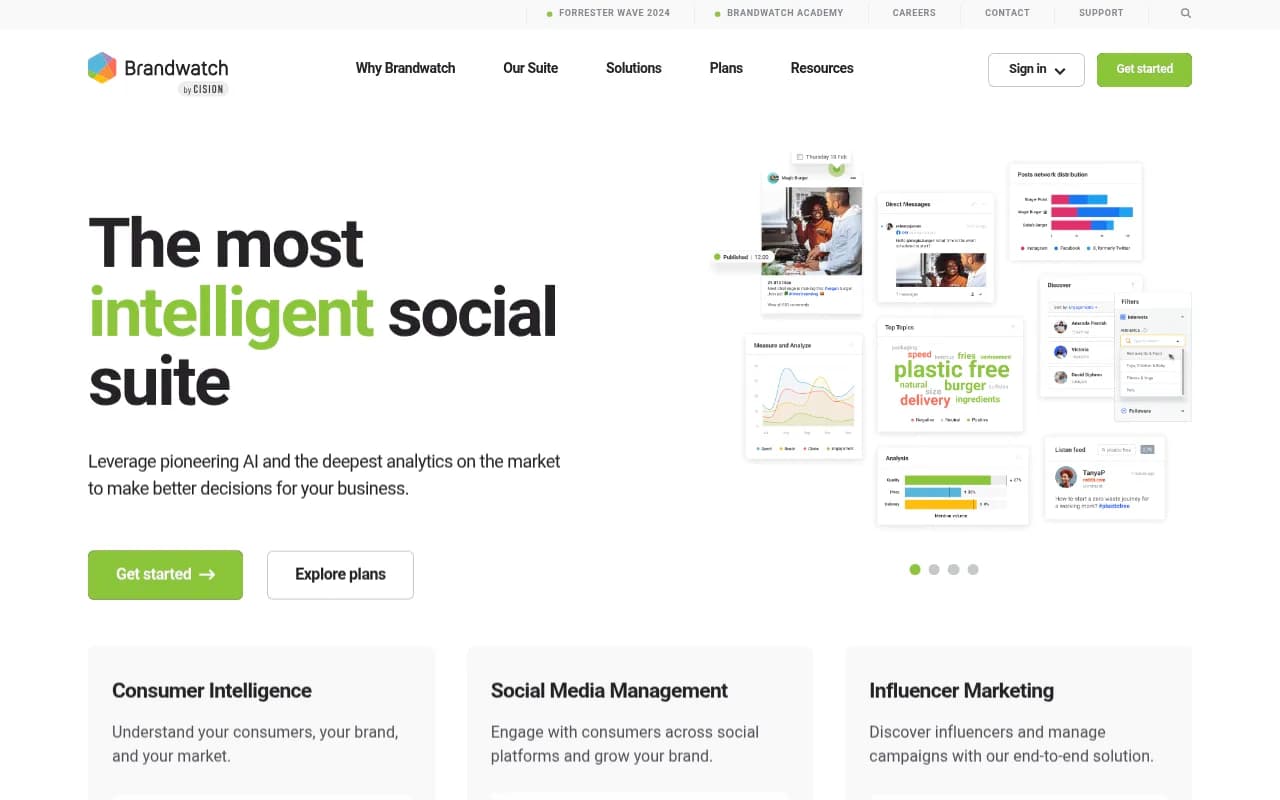
Social listening tools monitor public conversations across platforms in real time. The good ones — like Brand24 or Brandwatch — go well beyond Twitter/X and cover Reddit, news sites, blogs, review platforms, podcasts, and more.
What makes this valuable for AI search specifically:
Natural language questions. People don't type "best CRM small business 2026" into Reddit. They write "I've been using HubSpot for 6 months and I'm drowning in features I don't need — what do people actually use for a 10-person sales team?" That full sentence, or something close to it, is what someone might ask ChatGPT. If you can find those patterns at scale, you can create content that directly answers them.
Emerging topics before they have search volume. A new product category, a regulatory change, a viral complaint about a competitor — these show up in social conversations weeks or months before they register in keyword data. AI engines are already answering questions about them. You want to be the source they cite.
Competitor weak spots. Social listening surfaces what people are frustrated about with your competitors. Those frustrations become prompts: "is [competitor] worth it if you need X?" If you have content that addresses that question directly, you have a shot at being cited.
The exact vocabulary your audience uses. This one is underrated. AI engines match prompts to content partly based on semantic similarity. If your content uses the same language your audience uses, it's more likely to be retrieved. Social listening is the fastest way to learn that language.
The practical workflow: from social conversation to AI search visibility
Here's how to actually do this, step by step.
Step 1: Set up listening for the right signals
Don't just monitor your brand name. Set up keyword streams around:
- Your product category (e.g., "project management software")
- Specific pain points your product solves (e.g., "team task tracking chaos")
- Competitor names, especially combined with complaint language ("frustrated with," "switched from," "looking for alternative to")
- Question phrases: "how do I," "what's the best," "anyone tried," "is it worth"
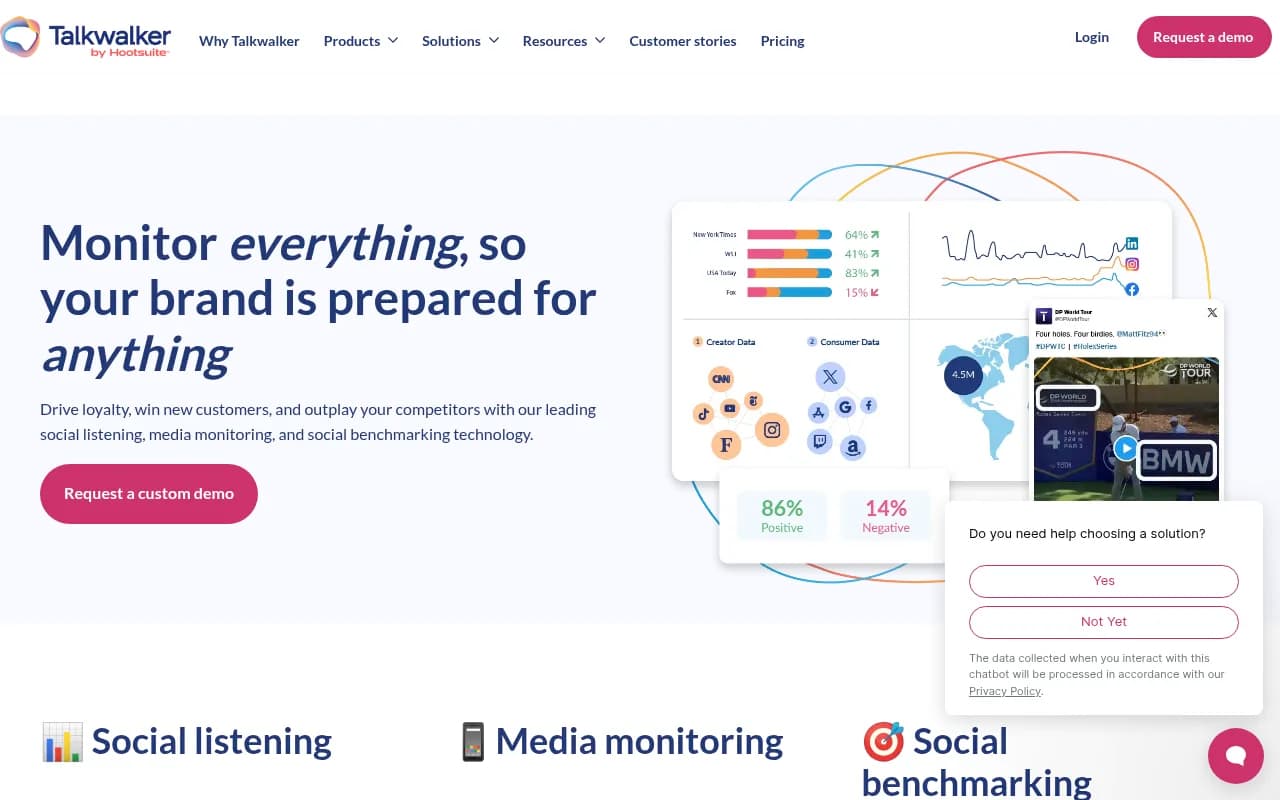
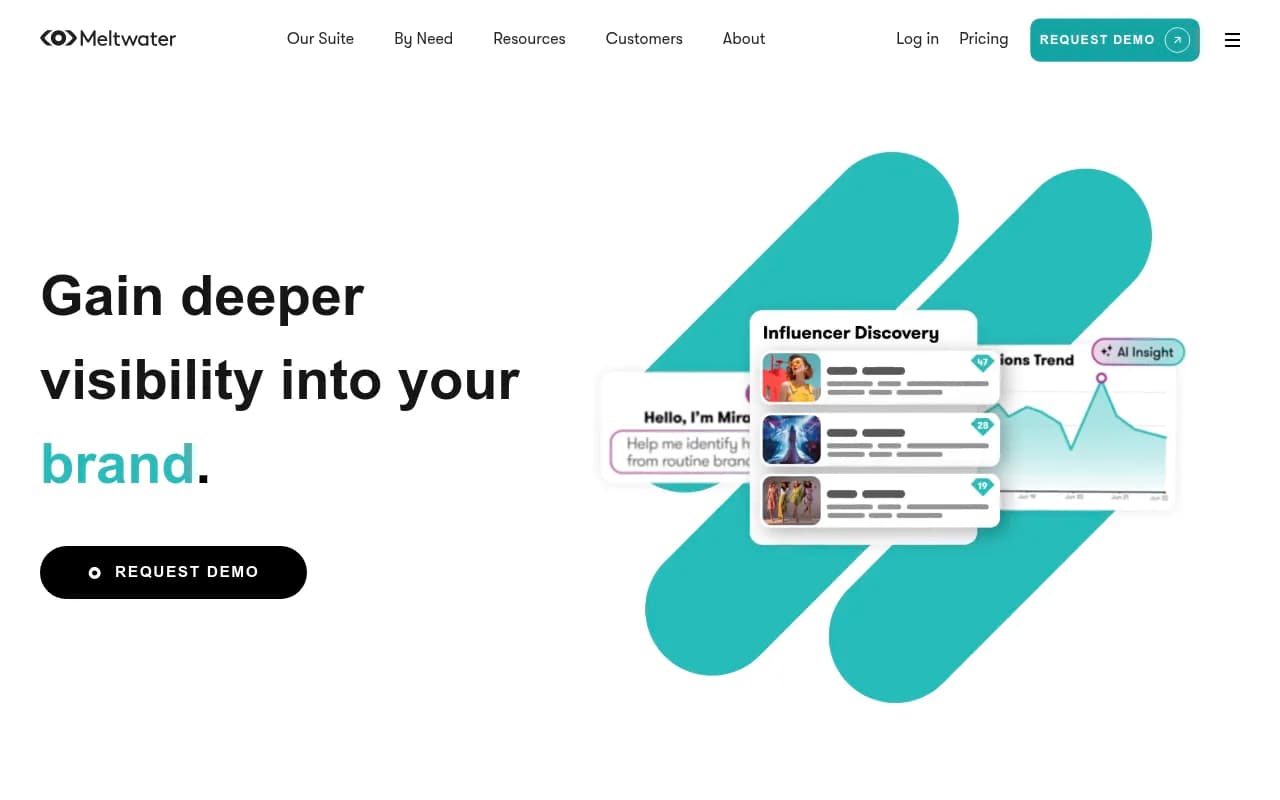
Tools like Talkwalker and Meltwater are built for this kind of multi-stream monitoring at scale.
For teams on tighter budgets, Brand24 covers a surprising amount of ground and is quick to set up. It pulls mentions from social, blogs, news, and the broader web, which matters because AI engines don't just cite Twitter — they cite everything.
Step 2: Filter for question-shaped conversations
You're not interested in every mention. You're looking for conversations that have the shape of a question someone might ask an AI assistant.
Filter your listening streams for:
- Posts that contain question words (who, what, where, when, why, how)
- Posts with high engagement — if a question got 50 replies, it's clearly something people care about
- Threads where people are comparing options or asking for recommendations
- Complaints that reveal unmet needs ("I wish there was a tool that...")
Most listening platforms let you filter by sentiment and engagement. Use both. High-engagement, neutral-to-negative posts are often the richest source of real questions.
Step 3: Map conversations to AI prompts
Take the raw questions you've found and reframe them as the kind of prompt someone would type into ChatGPT or Perplexity.
For example:
- Reddit: "Anyone know if [Tool X] works for teams that don't have a dedicated IT person?"
- Prompt equivalent: "What project management tools work well for non-technical teams?"
Do this for 20-30 conversations and you'll start to see clusters. Those clusters are your content opportunities.
Step 4: Check whether you're already visible for those prompts
Before you create anything, find out where you actually stand. This is where AI visibility tracking tools come in.
Promptwatch has an Answer Gap Analysis feature that shows you which prompts competitors are being cited for but you're not. Pair that with the prompt list you built from social listening and you get a prioritized hit list: prompts where there's real audience demand (proven by social conversations) and where you're currently invisible in AI search.

Other tools worth checking for this step:
Otterly.AI

Step 5: Create content that answers those prompts directly
This is where most guides stop at "write good content." Let me be more specific.
Content that gets cited by AI engines tends to:
- Answer the question directly in the first paragraph (AI engines often pull the opening of an article)
- Use the exact language from the social conversations you found — not keyword-stuffed, just natural
- Cover the nuances and edge cases that came up in the social threads (these are what make a source authoritative)
- Include comparisons, because AI engines love answering "X vs Y" and "best X for Y" prompts
If you found a Reddit thread where 40 people debated whether Tool A or Tool B was better for remote teams, write the definitive comparison. Use the specific concerns those 40 people raised. That's the content that earns citations.
Tool comparison: social listening for AI search opportunities
Not all social listening tools are equally useful for this specific workflow. Here's how the main options stack up:
| Tool | Reddit coverage | Question filtering | Sentiment analysis | Price range |
|---|---|---|---|---|
| Brandwatch | Yes | Yes (advanced) | Yes | Enterprise |
| Talkwalker | Yes | Yes | Yes (incl. emotions) | Enterprise |
| Brand24 | Yes | Basic | Yes | $99-$299/mo |
| Meltwater | Yes | Yes | Yes | Enterprise |
| Hootsuite Listening | Limited | Basic | Yes | Included in plans |
| Awario | Yes | Basic | Yes | $29-$299/mo |
| Mentionlytics | Yes | Basic | Yes | $49-$299/mo |
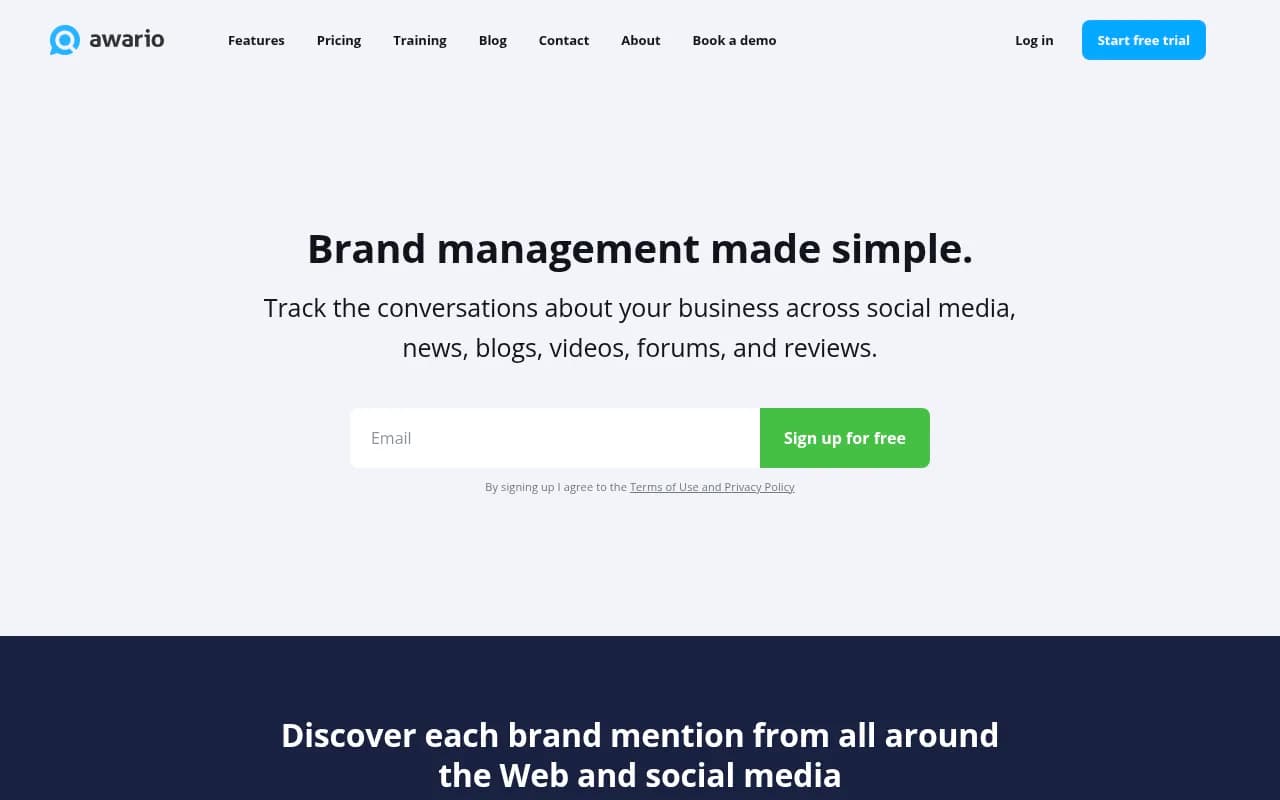
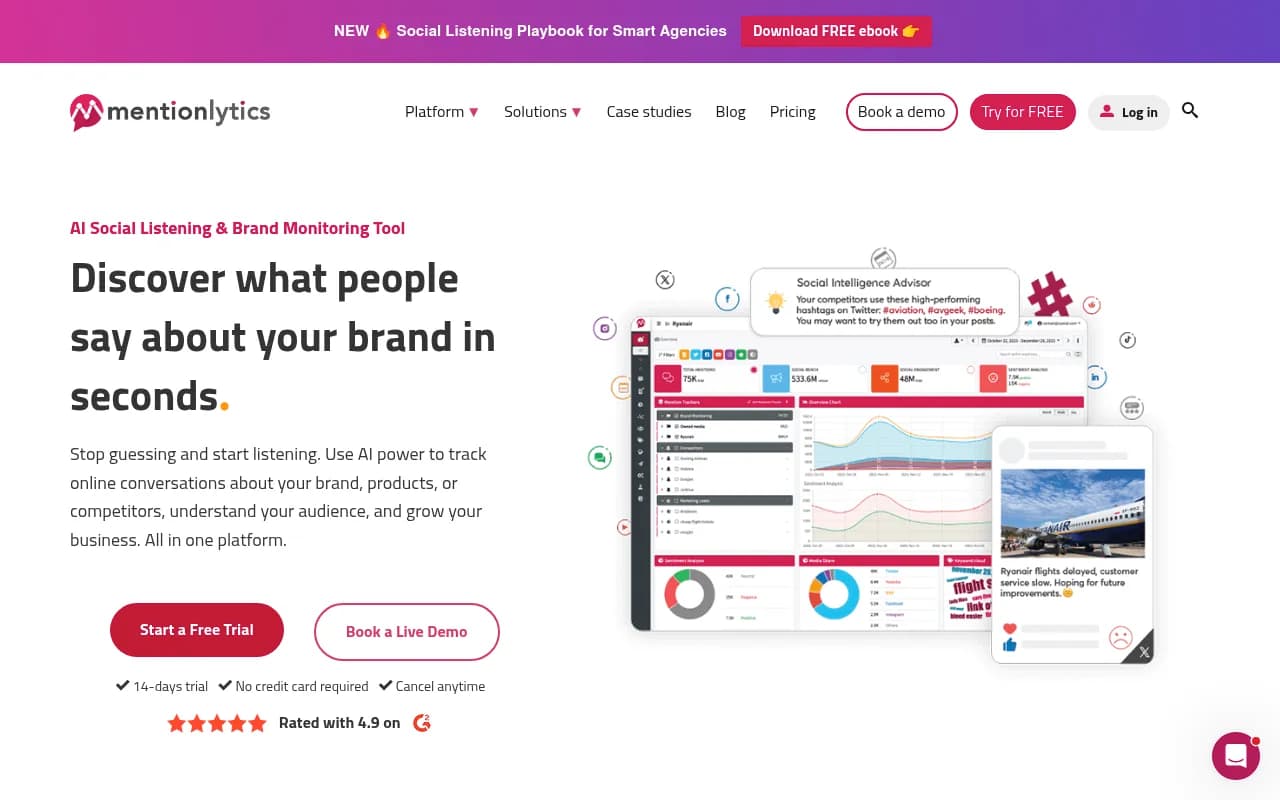
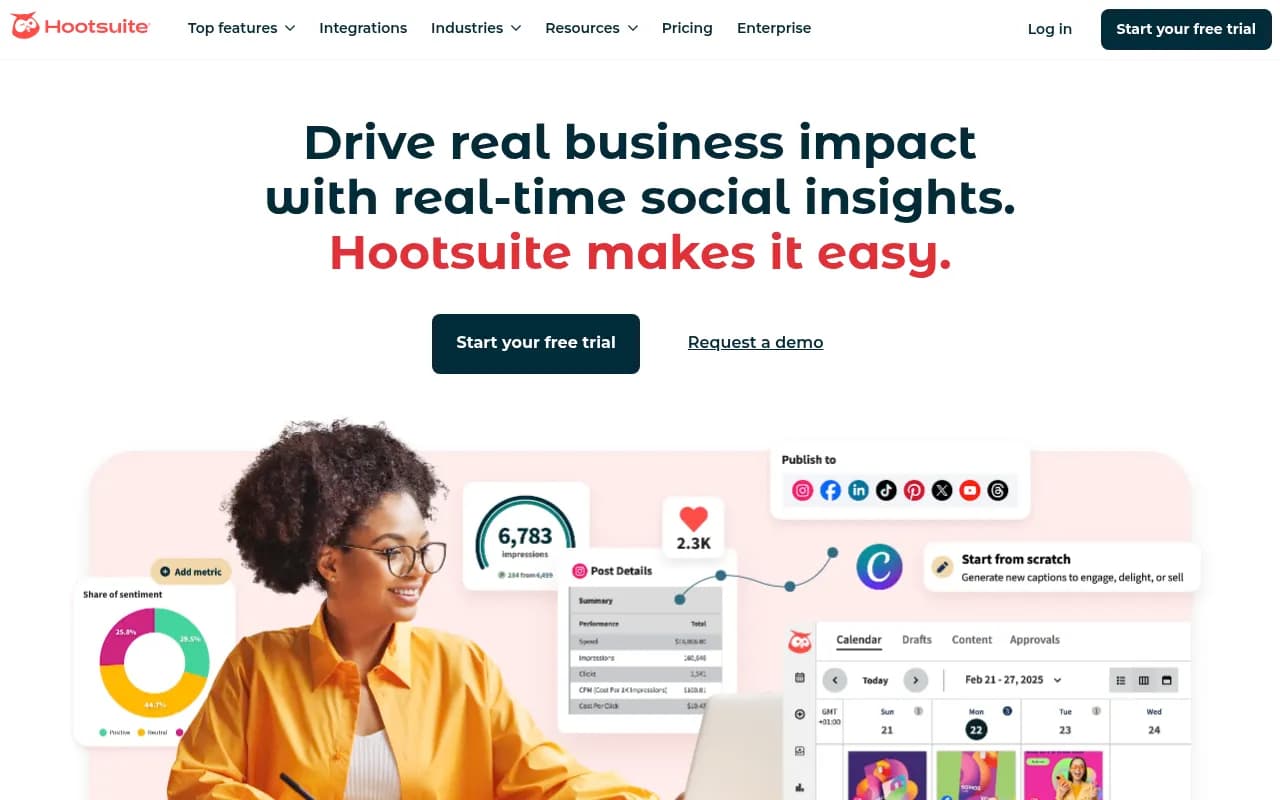
For most marketing teams, Brand24 or Awario covers the workflow described here without requiring an enterprise contract. If you're at a larger organization and need deeper Reddit and forum coverage, Brandwatch or Talkwalker are worth the investment.
Where Reddit fits in (and why it matters more than most people realize)
Reddit deserves its own section because it's disproportionately influential in AI search responses.
Perplexity, ChatGPT, and Claude all cite Reddit threads regularly. When someone asks "what's the best accounting software for a freelancer," there's a good chance the AI's response draws from a r/freelance or r/personalfinance thread. Reddit is one of the most-cited sources in AI-generated answers, full stop.
This means monitoring Reddit isn't just about brand reputation. It's about understanding the exact conversations that are shaping what AI engines say about your category.
Set up dedicated Reddit monitoring for:
- Subreddits where your target audience hangs out
- Threads that mention your product category
- "Best of" and recommendation threads in your niche
When you find a thread where your product isn't mentioned but should be — or where competitors are being recommended for reasons you could address — that's a direct content brief.
Combining social listening with AI visibility tracking
Social listening tells you what people are asking. AI visibility tracking tells you what AI engines are actually saying in response. Together they're much more powerful than either alone.
The workflow looks like this:
- Social listening surfaces 30 real questions from your audience
- You reframe them as AI prompts
- An AI visibility tool shows you who's being cited for those prompts and whether you appear at all
- You create content targeting the gaps
- You track whether your visibility improves
Promptwatch is built specifically for steps 3-5. Its Answer Gap Analysis shows you the specific prompts where competitors appear and you don't, which maps directly onto the question list you built from social listening. The built-in content generation tools can then help you create articles grounded in citation data from 880M+ analyzed citations.
Most standalone social listening tools stop at step 1. Most AI visibility trackers start at step 3. The gap between them is where the real work happens — and it's manual unless you build a process around it.
Common mistakes to avoid
A few things that trip people up when trying this approach:
Monitoring too broadly. If you're listening to every mention of your industry, you'll drown in noise. Start narrow: one or two specific pain points, one or two competitor names. Expand once you have a working process.
Treating social conversations as keywords. The point isn't to stuff the exact Reddit phrasing into your content. It's to understand the underlying question and answer it well. There's a difference.
Ignoring low-volume conversations. A Reddit thread with 15 comments might not look impressive, but if it's asking a question that nobody has answered well yet, that's a genuine opportunity. AI engines will cite the best available answer, not the most popular one.
Creating content without checking AI visibility first. You might spend a week writing a piece that already ranks well for you in AI search, or that nobody is asking AI engines about. Check the gap before you create.
Only looking at text. Hootsuite's AI listening can now detect brand mentions in images and audio. That's still niche for most use cases, but it's worth knowing that the conversation isn't always in text form.
Putting it together: a realistic weekly process
This doesn't have to be a massive time investment. Here's a lightweight version:
- Monday: Spend 20 minutes reviewing your social listening dashboard. Flag 5-10 conversations that look like AI search prompts.
- Wednesday: Run those prompts through an AI visibility tool. Note which ones you're missing from.
- Friday: Pick the highest-priority gap (high audience interest + low current visibility) and brief a piece of content around it.
Do that consistently for a quarter and you'll have a content library that's genuinely built around what your audience is asking AI engines — not what they were searching on Google six months ago.
That's the real edge here. Keyword tools are useful, but they're always a step behind. Social listening is where the signal is fresh.