Key takeaways
- Location and persona are two separate variables. Location changes where the AI thinks the question is coming from. A persona changes who it thinks is asking. Track them separately before you combine them.
- No first-party dataset I found compares local-versus-tourist answers directly, so treat any claim of a specific percentage difference with suspicion, including from vendors.
- The practical method is simple: keep the prompt text identical, run it once per persona and once per location, and compare visibility, position, and citations between runs.
- Real user answers are personalized by memory and location history. A tracking persona simulates context. It does not replicate any one person's account.
- A blended average hides the segment where a competitor wins. For local businesses and travel brands, that is usually the exact segment that matters.
The question behind the question
A bakery owner in Lisbon searches "best pastel de nata" in ChatGPT and sees her shop at the top. A tourist standing outside her door asks the same thing and gets three places she has never heard of. Both are real answers. Only one of them showed up in her tracking dashboard.
That is the problem with single-prompt, single-location tracking. It gives you one answer and calls it your visibility.
So, does a local shopper get different answers than a tourist? Almost certainly, in at least some categories. But I want to be careful here, because I could not find a published study that measures it directly. What I can say is where the differences come from, how to test for them yourself, and why most tracking setups miss them.
Why answers can differ between a local and a tourist
Three things change an AI answer, and they stack.
The words in the prompt
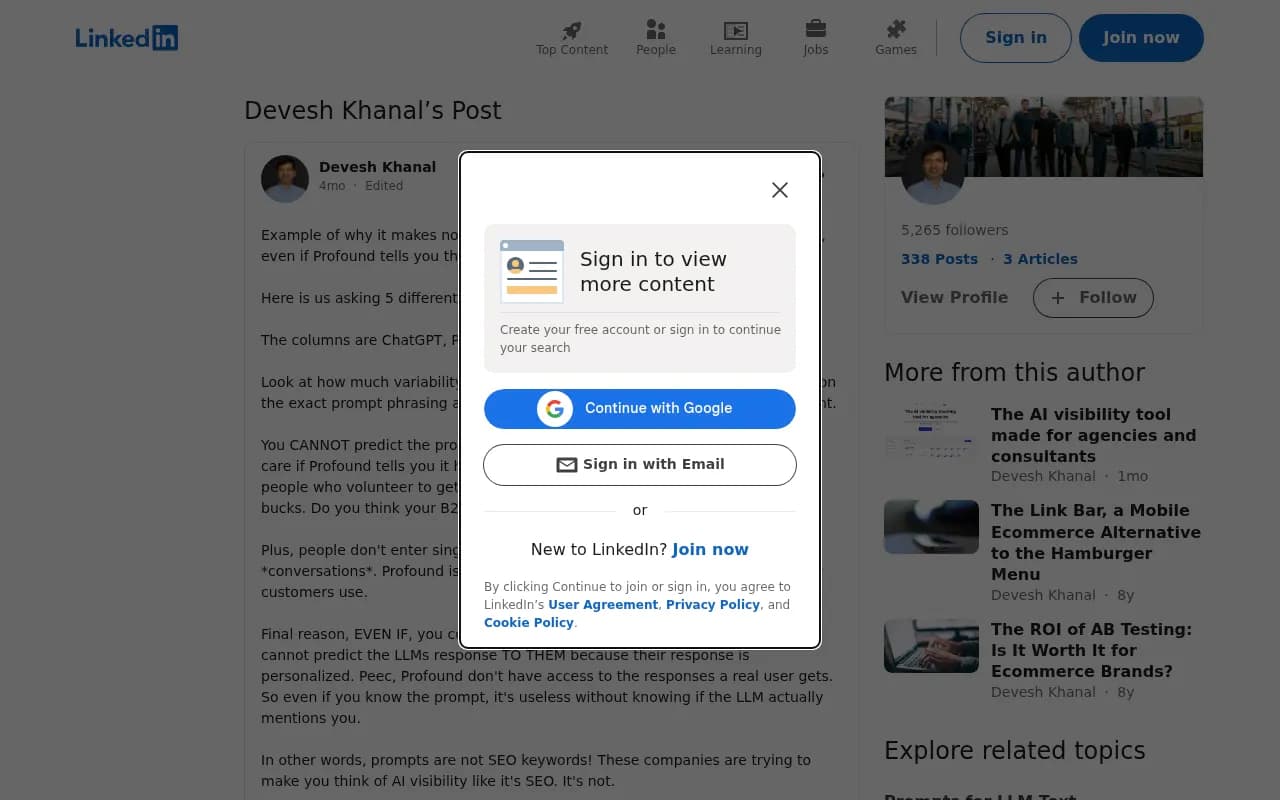
A tourist writes "where should I eat near the Colosseum". A local writes "good trattoria that isn't a tourist trap". Same city, same craving, different phrasing. Devesh Khanal of Traqer.ai showed in a July 2026 LinkedIn post that mention rates for his own agency swung widely across five phrasings and across ChatGPT, Perplexity, AI Overviews, Gemini, AI Mode, and Claude. He sells a competing tracker, so read it as opinion, but the variability point matches what most people see when they test.
The location the AI assumes
ChatGPT, Google AI Overviews, and Google AI Mode answer differently depending on where the request appears to come from. "Near me" prompts are the obvious case, but location also shifts which chains, marketplaces, and review sites get cited for plain queries.
What the AI knows about the person
In November 2025, SEO consultant Lily Ray reported that her own ChatGPT answers rarely matched what tracking tools showed, because ChatGPT rewrote her prompts with what it knew about her, including her New York City location (PPC Land coverage). Conversation history, custom instructions, and location all feed in. A tourist on a fresh device with no history is a different input than a resident with two years of chats.
Location versus persona: keep them apart
People blur these, and it makes the data muddy.
| Variable | What it changes | Example | How to set it |
|---|---|---|---|
| Location | Where the AI thinks the user is | Same prompt run from Barcelona vs. from Chicago | Country, state, city, or exact coordinates on the tracking tool |
| Persona | Who the AI thinks is asking | Resident on a weekly shop vs. visitor on a 3-day trip | A written profile wrapped around the prompt |
| Prompt wording | What was literally asked | "best tapas" vs. "authentic tapas locals eat" | Separate prompt variants |
| Account memory | What the AI remembers | Logged-in resident vs. clean session | Not controllable in tracking; simulate with personas |
If you change location and persona in the same run, you cannot tell which one moved the answer. Change one at a time first.
How persona stacking works
The cleanest approach I have seen is what Promptwatch calls persona stacking. The tracked prompt text stays identical. Only the "who is asking" context changes, wrapped around the prompt at run time. You run the same prompt set once per persona, then compare visibility, share of voice, and citations between runs.

The alternative is writing persona-flavored copies of every prompt. Promptwatch's own write-up lists the problems: a 50-prompt set becomes 200 prompts for four personas, the copies drift apart as people edit them, and you can't switch the persona off to get a baseline. I agree with that last point in particular. Without a no-persona baseline you never know whether the persona changed anything.
In Promptwatch, a monitor is a panel of prompts scoped to one country, one language, and optionally a US state or city. Personas live in the project's Brand Book and can be reused across monitors. A persona has a name, a description, an optional age range and education level, and a persona prompt. Each response is tagged with a persona card. The published example is B2B (engineer, department head, economic buyer), so the local-versus-tourist case below is my adaptation, not a documented use case.
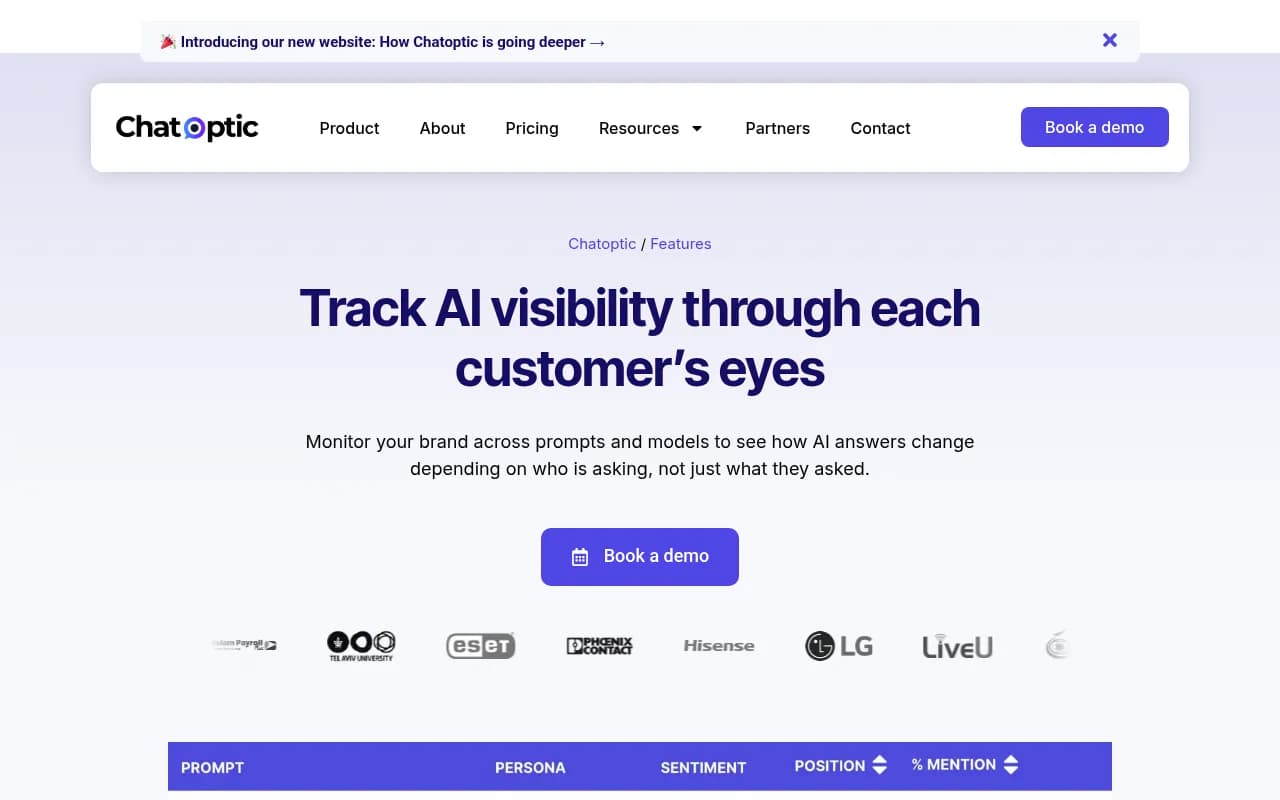
Other tools also pitch persona-based tracking. Chatoptic markets persona context for comparing brand visibility across audiences and AI models.
Building local shopper and tourist personas
Keep them short and behavioral. A persona that reads like a marketing slide produces generic answers. A persona that states a situation produces situational ones.
Local shopper persona
Write it around routine and trust:
Name: Resident regular
Description: Lives in the city, shops in the neighborhood weekly,
knows the main chains, wants fair prices, parking, and opening hours.
Prefers places with a track record over novelty.
Tourist persona
Write it around constraints and unfamiliarity:
Name: Visitor on a short trip
Description: In town for 3 days, doesn't speak the local language well,
wants well-reviewed places close to landmarks and the hotel,
and is worried about overpaying or picking a tourist trap.
A third one worth adding
The "new resident" sits between the two. They live there but don't know the area. In many categories (furniture, services, groceries) they are a bigger revenue segment than tourists, and they are usually untracked.
A practical test design
Here is a setup you can run in a week.
- Pick 15 to 25 prompts that match real purchase or visit intents, such as product searches, "best X in [city]", and comparison prompts. Remove near-duplicate phrasings, which HubSpot's prompt-tracking guide notes frees slots for prompts that cover new intents, personas, or competitors.
- Run a baseline with no persona, from your home city.
- Run the same set with the local persona. Then with the tourist persona.
- Run the baseline set again from a second location, such as the city your tourists come from, or a nearby district.
- Compare four things: whether you are mentioned, where you land in the list of brands, which domains are cited, and the tone.
- Repeat at least three times. Llmpulse's tracking guide notes that the same question can produce different answers on different runs, and that models change, sometimes weekly and without announcement. One run is an anecdote.
Read the gaps like this. If you appear for the local persona but not the tourist, you have a discovery problem with visitors, and the fix is usually content and listings that match visitor phrasing. If you appear for tourists but not locals, you may be leaning on landmark-adjacent content while neighborhood trust signals (reviews, local press) are thin.
What to expect in travel and local categories
I don't have first-party figures on local-versus-tourist answer differences, so I won't invent any. What the data does show is the shape of the citation pool in travel.
Promptwatch Data's most cited sites in ChatGPT for travel prompts (Sep 28 to Oct 4, 2026) found Skyscanner at 0.78% of all travel citations, Going at 0.52%, Tripadvisor at 0.49%, Kayak at 0.37%, and Airbnb and Reddit at 0.27% each. Booking and search sites earn 2.42% overall and reviews and advice 0.86%. Those are shares of all travel citations, not of the 17 listed domains.
Two things stand out. Booking and search sites dominate the pool. And the pool is fragmented: the top domain holds under 1%. For a small local business, that means no single directory owns the answer, so being present across several cited sources matters more than winning one. Also worth knowing from the same period: Promptwatch Data's social media citations report found ChatGPT drew only 0.46% of citations from social platforms while Google AI Overviews drew 12.2%, which suggests the surface you track changes which source types matter.
Skift Research raises a related point for destination marketers: if different models or repeated prompts produce different destination lists, AI inclusion may be too unstable to serve as a reliable budget driver by itself. That is a good reason to track ranges, not single results.
The personalization caveat you can't skip
Here is the uncomfortable part. A tracking persona simulates context. It does not replicate a specific user's memory. Real users have history, custom instructions, and sometimes a location the AI inferred from past chats. No tracker sees those answers.
Promptwatch tracks from clean, logged-out, location-matched sessions in the real ChatGPT, Gemini, Perplexity, and Google AI interfaces. That is a defensible baseline, because it is reproducible, but it is a baseline and not a mirror of what any one shopper sees. Its post on UI versus API tracking explains why the real interface matters: user-facing answers and citations can differ from API outputs.
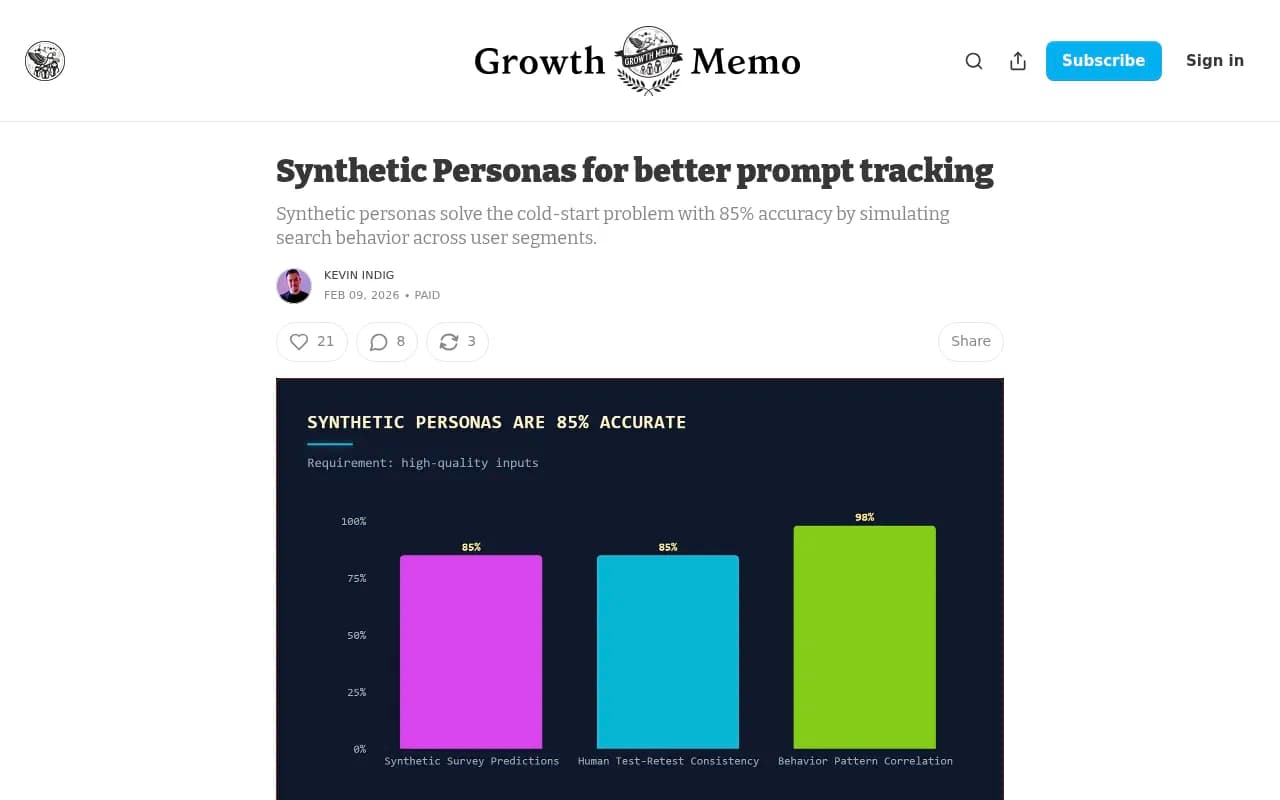
Kevin Indig's Growth Memo says synthetic personas solve the cold-start problem with 85% accuracy by simulating search behavior across user segments. The piece is paywalled, so I can't check how he defined accuracy or what it was measured against. I'd treat it as a promising claim, not a benchmark.
Khanal's alternative is to track by topic: measure how often you appear across multiple related prompts and average it. That is sensible, and it combines well with personas. Use topic-level averages for your headline number, and persona and location splits to find where the average is lying.
Tool options
The catalog has several ways to approach this. None of them removes the personalization caveat.
| Tool | Persona support (per vendor) | Location angle | Notes |
|---|---|---|---|
| Promptwatch | Persona stacking, per-persona radar and tags | Country, state, city, and exact-coordinate targeting on Business and above | Persona and location both live at the monitor level |
| Chatoptic | Persona context in prompt tracking | Not verified | Based on its own feature page |
| Peasy | Synthetic audiences for market research | Not applicable | Research tool, not a visibility tracker |
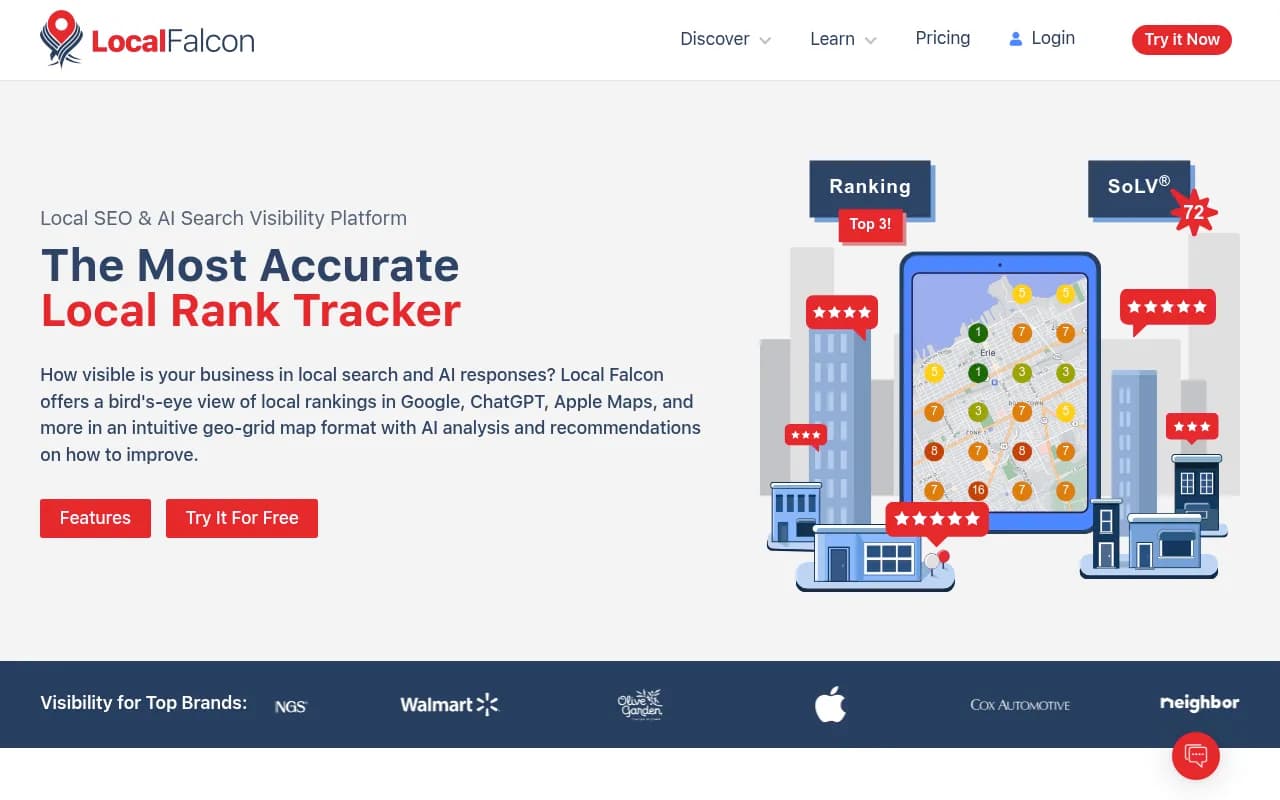
| Local Falcon | None | Geo-grid local rank tracking | Classic local pack ranking, not AI answers |
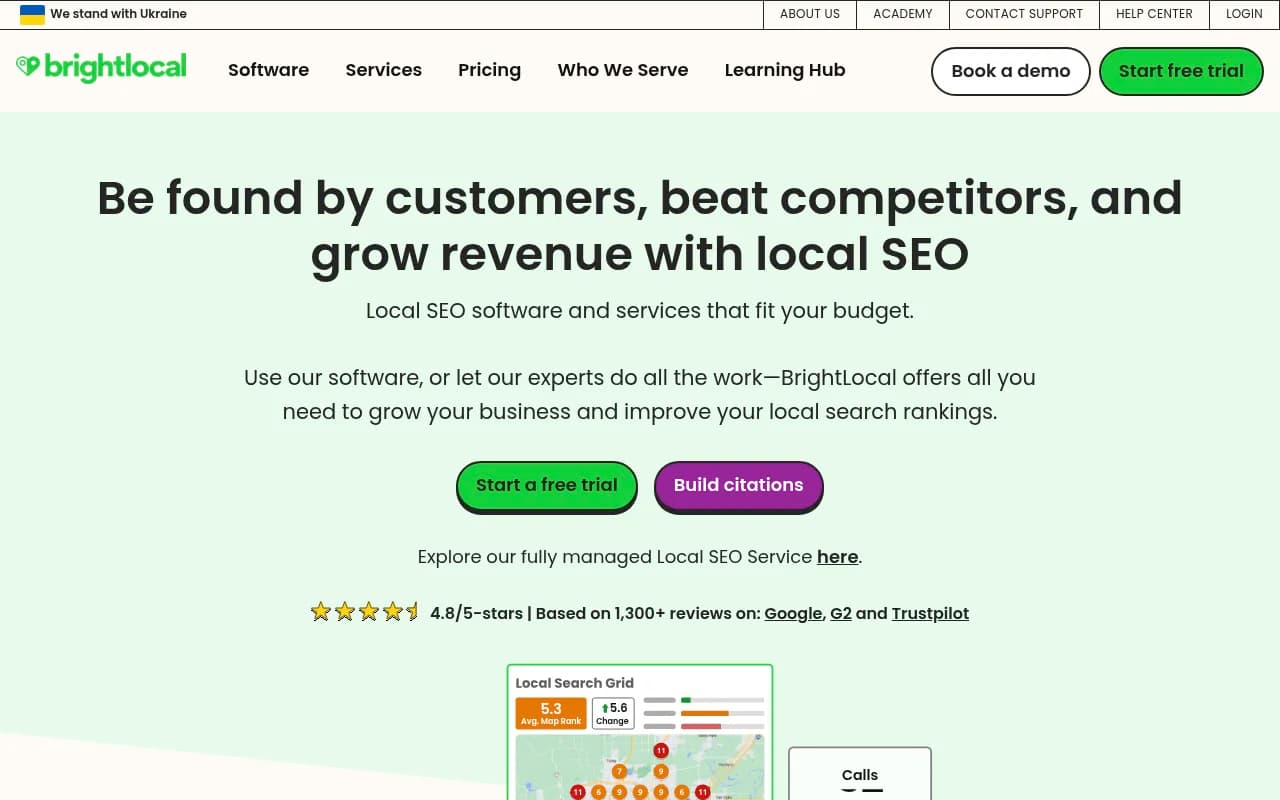
| BrightLocal | None | Multi-location local SEO | Useful for the local listings AI tends to cite |
For coordinate-level targeting, Promptwatch can pin a monitor to exact coordinates (accuracy radius 20 m to 5 km) so ChatGPT, Google AI Overviews, and Google AI Mode answer as if asked from that spot. That is available on Business, Agency Scale, and Enterprise plans, and confirm current pricing at promptwatch.com/pricing. For more options in the category, the GEO software directory lists many of the trackers.
I did not research location-specific features, pricing, or studies for the other tools, so check each vendor directly before buying.
Common mistakes
Averaging everything
One blended score hides the segment where a competitor wins. Look at the persona split before reporting a single number.
Changing too many things at once
If the persona, city, model, and prompt all differ between two runs, you have learned nothing. Hold three constant.
Treating one run as truth
Repeat runs. Variation between runs is normal, and you need the range.
Ignoring citations
Visibility without citation data tells you that you lost, not why. Look at which domains are cited for each persona. If tourists get Tripadvisor and Reddit-style sources while locals get neighborhood blogs and Google Maps-linked pages, your content work differs for each.
Forgetting the offline source
Local answers lean on listings, reviews, and maps data. If your Google Business Profile and directory listings are inconsistent, no amount of persona tracking will fix it.
What to do with the results
When the tourist persona does worse than the local one, write pages in visitor language: nearest landmark, what to order, whether English is spoken, how to get there. When the local persona does worse, invest in reviews, local press, and neighborhood-specific pages. In both cases, re-run the same persona set after publishing and compare against your baseline.
Agencies running this across many clients should look at agency plans, since persona and location splits multiply prompt counts quickly. The Promptwatch Academy covers how to read visibility, position, and share of voice once the data is in.
If you want help turning this into a content roadmap, 1001 SEO Media runs GEO and local SEO programs for brands, and it uses Promptwatch for AI visibility work.
Bottom line
A local shopper and a tourist very likely do get different answers, because location, phrasing, and account context all feed the model. The honest position is that nobody has published clean numbers on how big that gap is, and tools can only simulate, not observe, real personalized answers. So run your own test: same prompts, one variable at a time, repeated runs, baseline first. The segment where you disappear is the one worth fixing.