Summary
- Google's 2026 algorithm update caused 40-70% traffic drops across industries, fundamentally reshaping how search works
- Traditional SEO tactics alone won't restore rankings -- you need a hybrid strategy combining Google optimization with AI search visibility
- AI search engines (ChatGPT, Perplexity, Claude, Gemini) now capture a growing share of informational queries that used to go to Google
- The seven survival strategies: diversify beyond Google, optimize for AI citations, focus on high-intent keywords, build genuine authority, improve technical foundations, create conversion-focused content, and track what actually matters
- Recovery requires understanding what changed, why your site was hit, and implementing the right fixes for your specific situation
Your analytics dashboard just delivered a gut punch: organic traffic has plummeted 40% overnight. Rankings you spent months building have vanished. Pages that generated consistent leads now sit in search engine purgatory.
You're not alone. Google's latest algorithm update has decimated thousands of websites across industries, wiping out traffic, revenue, and years of SEO investment in a single algorithmic stroke. But here's what most people miss: this isn't just another algorithm update. It's a fundamental shift in how search works, and the old playbook won't save you.
What actually changed in 2026
Google rolled out a major core algorithm update over several weeks in early 2026. Unlike previous updates targeting specific issues (mobile-friendliness, page speed, thin content), this one recalibrated how Google evaluates quality, relevance, and user satisfaction across the board.
The damage:
- 40-70% traffic drops for previously high-ranking sites
- Complete deindexing of certain page types and content structures
- Daily ranking fluctuations during rollout
- Niche-specific targeting hitting certain industries disproportionately hard
- Standard optimization tactics failing to restore rankings
But the real story isn't just Google's algorithm. It's the rise of AI search engines. ChatGPT, Perplexity, Claude, Gemini, and Google's own AI Overviews are fundamentally changing where people go for answers. Informational queries that used to send traffic to your blog now get answered directly by AI models -- and if your brand isn't cited in those responses, you're invisible.

Matt Diggity, a well-known SEO strategist, put it bluntly: "Stop chasing Google's shrinking informational traffic. Start capturing AI search visitors who convert 4.4X better." The data backs this up. AI search users have higher intent, ask more specific questions, and convert at rates that make traditional blog traffic look anemic.
Strategy 1: Diversify beyond Google immediately
Relying on Google alone is a death sentence in 2026. You need visibility across multiple search engines and AI platforms.
Where to show up:
| Platform | Why it matters | Action required |
|---|---|---|
| ChatGPT | 100M+ weekly users asking product questions | Optimize content for citations, monitor GPTBot crawler |
| Perplexity | Growing share of research queries | Build authority signals, get cited in sources |
| Claude | Enterprise adoption for research | Create comprehensive, factual content |
| Google AI Overviews | Replacing traditional snippets | Target featured snippet formats |
| Gemini | Integrated with Google ecosystem | Maintain strong E-E-A-T signals |
Tools like Promptwatch can help you track where your brand appears across these AI engines and identify gaps in your visibility.

The platform shows you exactly which prompts competitors are visible for but you're not, then helps you create content that gets cited by AI models. Most competitors only monitor -- Promptwatch actually helps you fix the gaps with AI-generated content grounded in real citation data.
Strategy 2: Optimize for AI citations, not just rankings
AI search engines don't rank pages -- they cite sources. Getting cited requires a different approach than traditional SEO.
What AI models look for:
- Clear, factual statements that can be extracted and attributed
- Structured data and schema markup that makes content machine-readable
- Authority signals (backlinks, brand mentions, expert authorship)
- Comprehensive coverage of topics without fluff or promotional language
- Recent publication dates and regular content updates
Create content that answers specific questions directly. AI models prefer sources that state facts clearly without burying them in marketing copy. A sentence like "Our platform processes 1.1 billion citations monthly" is more cite-worthy than "We leverage cutting-edge technology to deliver unparalleled insights."
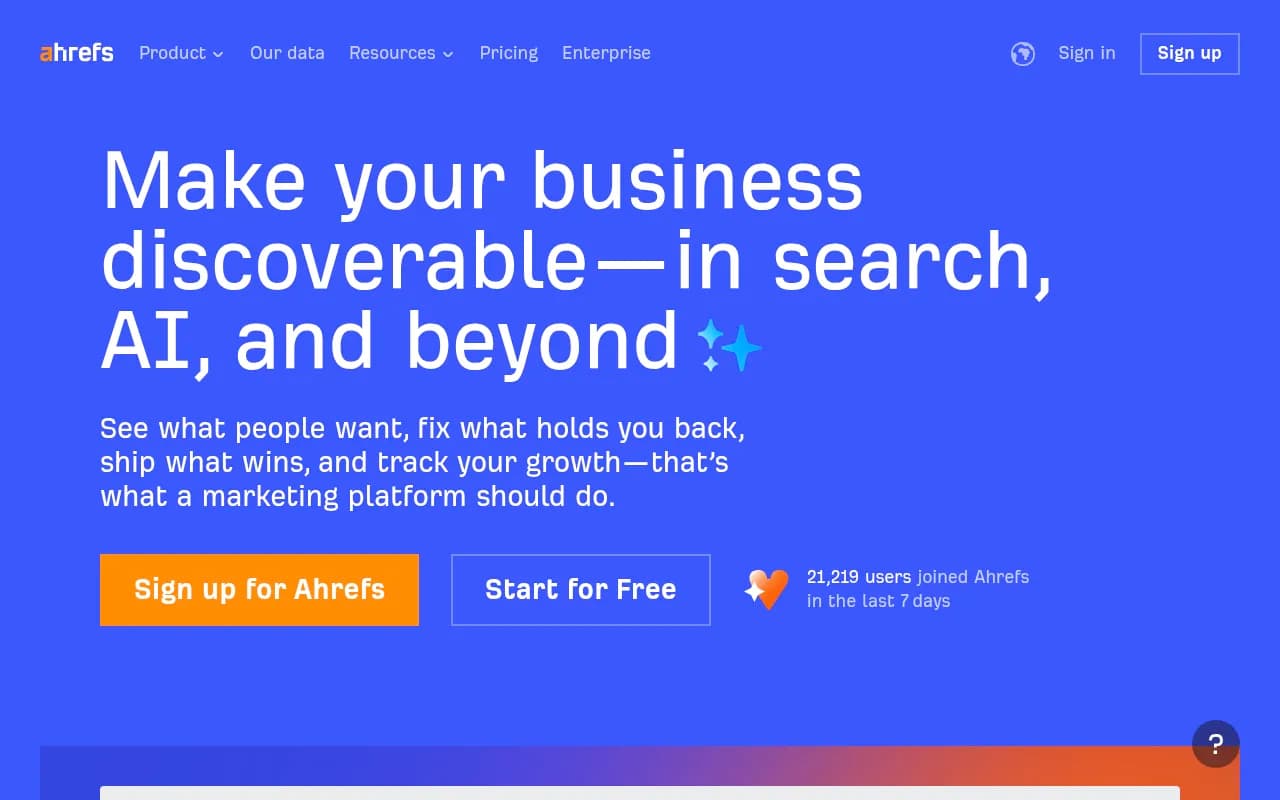
Monitor which pages AI engines actually cite. Tools like Ahrefs now include AI search tracking alongside traditional rank monitoring.
Strategy 3: Focus on high-intent, conversion-focused keywords
Google's algorithm update hit informational content hardest. Commercial and transactional queries still drive traffic -- and they convert better.
Shift your keyword strategy:
- Move away from "what is X" and "how does X work" queries
- Target "best X for Y", "X vs Y", "X alternatives", "X pricing" queries
- Focus on bottom-of-funnel keywords with clear purchase intent
- Create comparison pages, alternative pages, and buying guides
- Build tool directories and resource hubs that solve real problems
Informational traffic is shrinking because AI answers those questions directly. But when someone searches "best project management software for remote teams," they're ready to evaluate options. That's where you want to be.
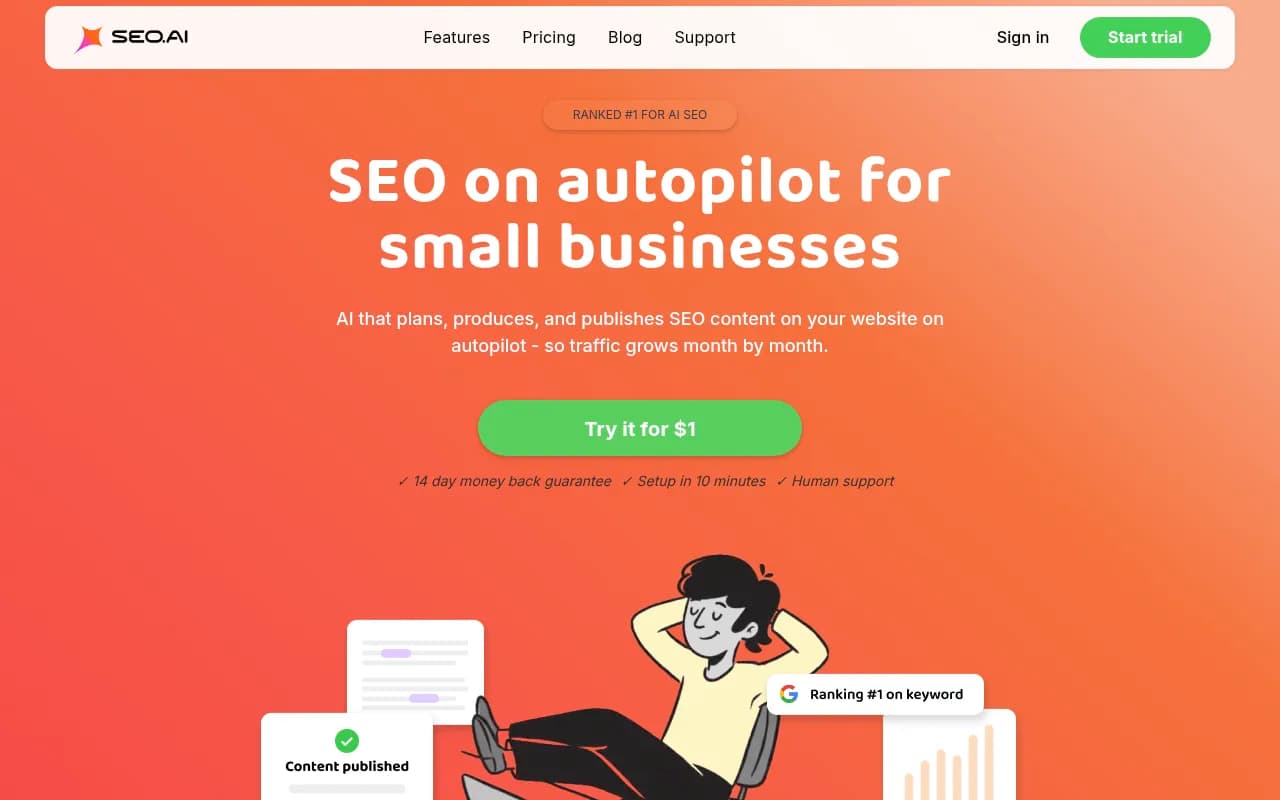
Use tools like SEO.ai to identify high-intent keywords and optimize content for both Google and AI search.
Strategy 4: Build genuine authority, not just links
Google's update punished sites with weak authority signals. Links still matter, but not all links are equal.
What actually builds authority in 2026:
- Expert authorship with real credentials and bylines
- Citations from authoritative sources (news outlets, academic papers, industry publications)
- Brand mentions across the web, even without links
- User-generated content (reviews, testimonials, case studies)
- Active presence in industry communities (Reddit, forums, social media)
- Original research and data that others cite
AI models pay attention to where information comes from. If your content is cited by reputable sources, AI engines are more likely to cite you. If you're just another blog repeating the same information, you're invisible.
Monitor brand mentions and citations using tools like Semrush, which now tracks both traditional SEO metrics and AI search visibility.
Strategy 5: Fix technical foundations that AI crawlers need
AI search engines use crawlers just like Google does. If they can't access your content, you won't get cited.
Critical technical fixes:
- Allow GPTBot, Claude-Web, PerplexityBot, and other AI crawlers in robots.txt
- Implement structured data (Schema.org markup) for all content types
- Fix JavaScript rendering issues that block crawler access
- Improve site speed and Core Web Vitals
- Ensure mobile-first design and responsive layouts
- Create XML sitemaps and submit to all major search engines
- Monitor crawler logs to see which AI bots are visiting (or not visiting)
Most sites accidentally block AI crawlers without realizing it. Check your robots.txt file right now. If you see "User-agent: GPTBot" followed by "Disallow: /", you're invisible to ChatGPT.
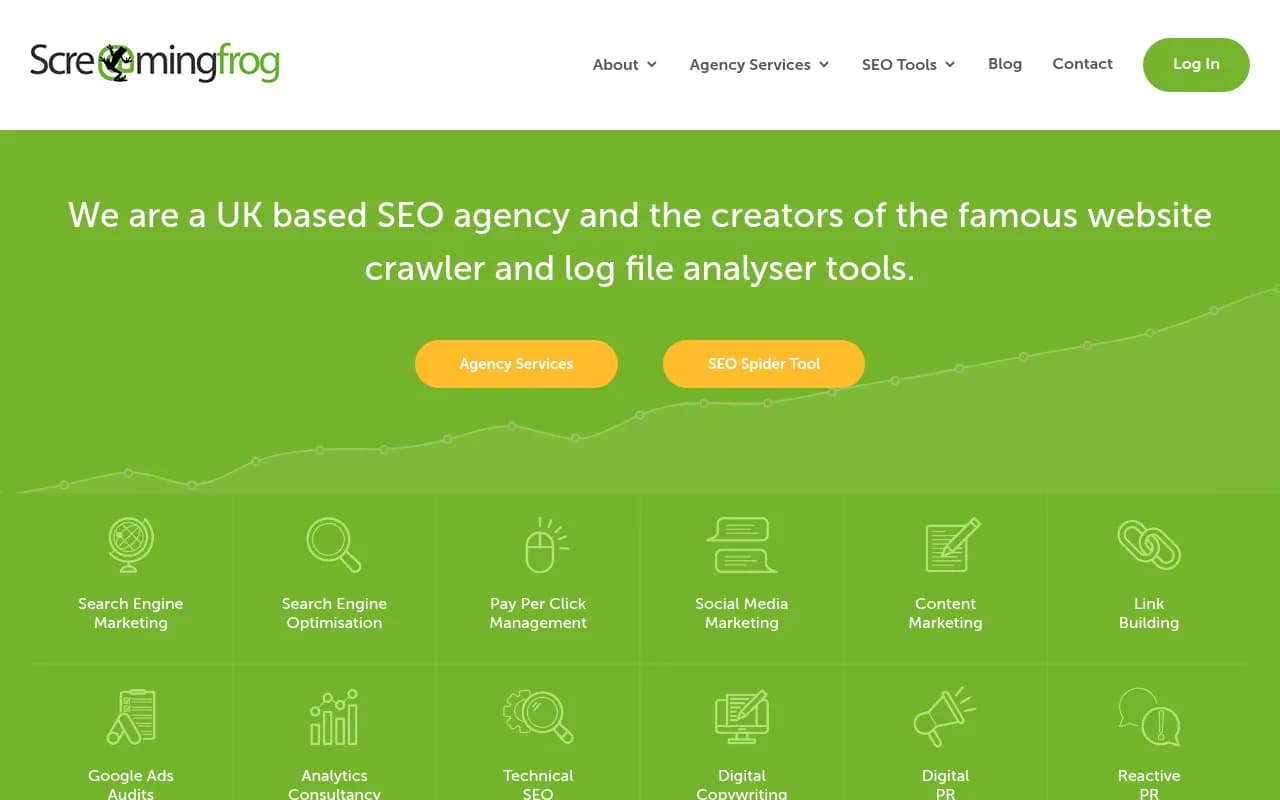
Tools like Screaming Frog can crawl your site and identify technical issues that block both Google and AI crawlers.
Strategy 6: Create content that AI models want to cite
AI search engines prefer certain content formats and structures. Optimize for what they actually use.
Content formats that get cited:
- Data-driven articles with statistics and research findings
- Step-by-step guides with clear, actionable instructions
- Comparison tables and feature breakdowns
- Expert interviews and original quotes
- Case studies with specific results and outcomes
- Tool reviews with hands-on testing and screenshots
Avoid thin content, keyword stuffing, and promotional fluff. AI models skip over marketing copy and look for substance. A 500-word article packed with facts will get cited more than a 3,000-word article full of filler.
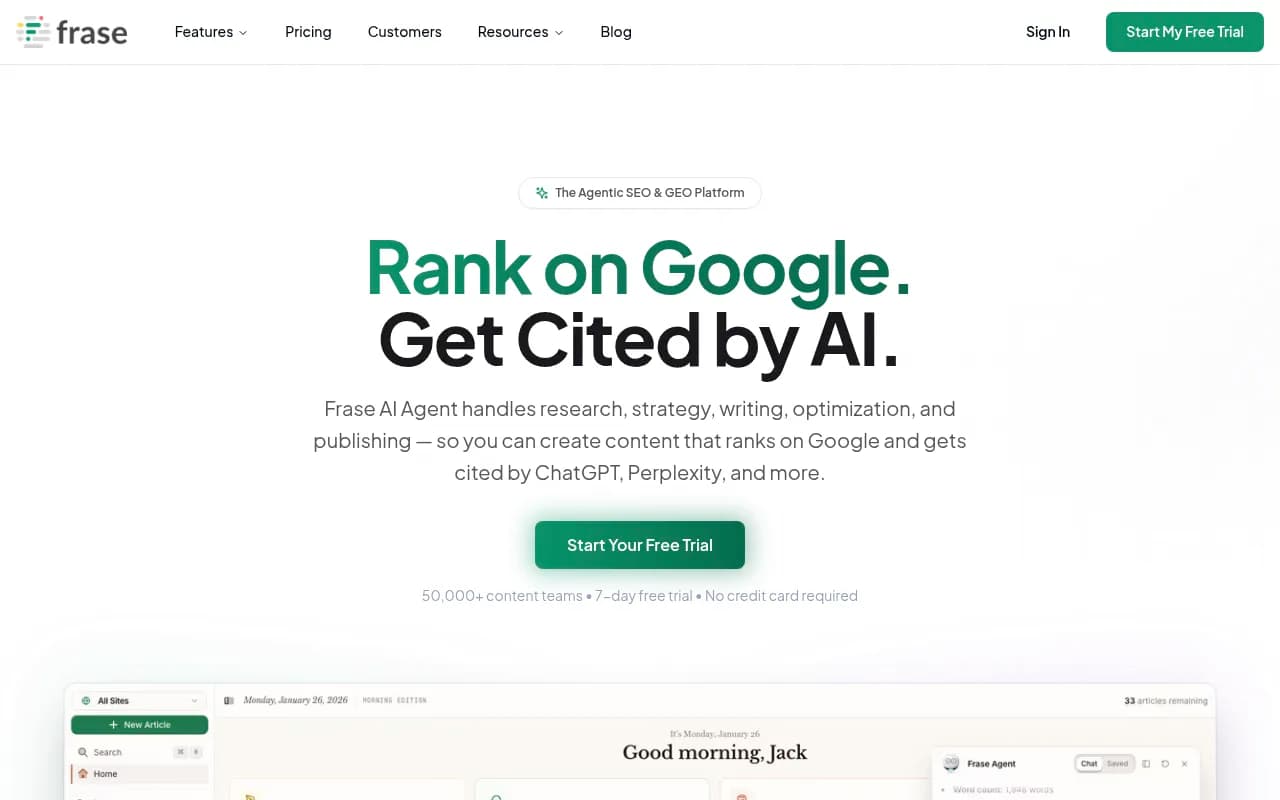
Use AI writing tools like Frase to research what competitors are covering and identify gaps in your content.
But don't just generate AI content and publish it. AI-generated content needs human editing, fact-checking, and original insights to be cite-worthy. The best approach: use AI to draft, then add your expertise and unique perspective.
Strategy 7: Track what actually matters in 2026
Traditional SEO metrics (rankings, traffic, backlinks) don't tell the full story anymore. You need to track AI visibility and attribution.
Metrics to monitor:
| Metric | Why it matters | How to track |
|---|---|---|
| AI citation rate | How often AI models cite your content | AI visibility platforms |
| Prompt coverage | Which queries you appear for in AI responses | Prompt tracking tools |
| Traffic attribution | Which channels drive actual conversions | Analytics + attribution tools |
| Brand mention volume | How often you're mentioned across the web | Brand monitoring tools |
| Crawler activity | Which AI bots are accessing your site | Server logs + crawler analytics |
Google Analytics won't show you AI search traffic. You need specialized tools that track AI visibility and tie it to actual business outcomes.
Promptwatch offers traffic attribution through code snippets, Google Search Console integration, or server log analysis. You can see exactly which AI citations drive visitors and revenue.
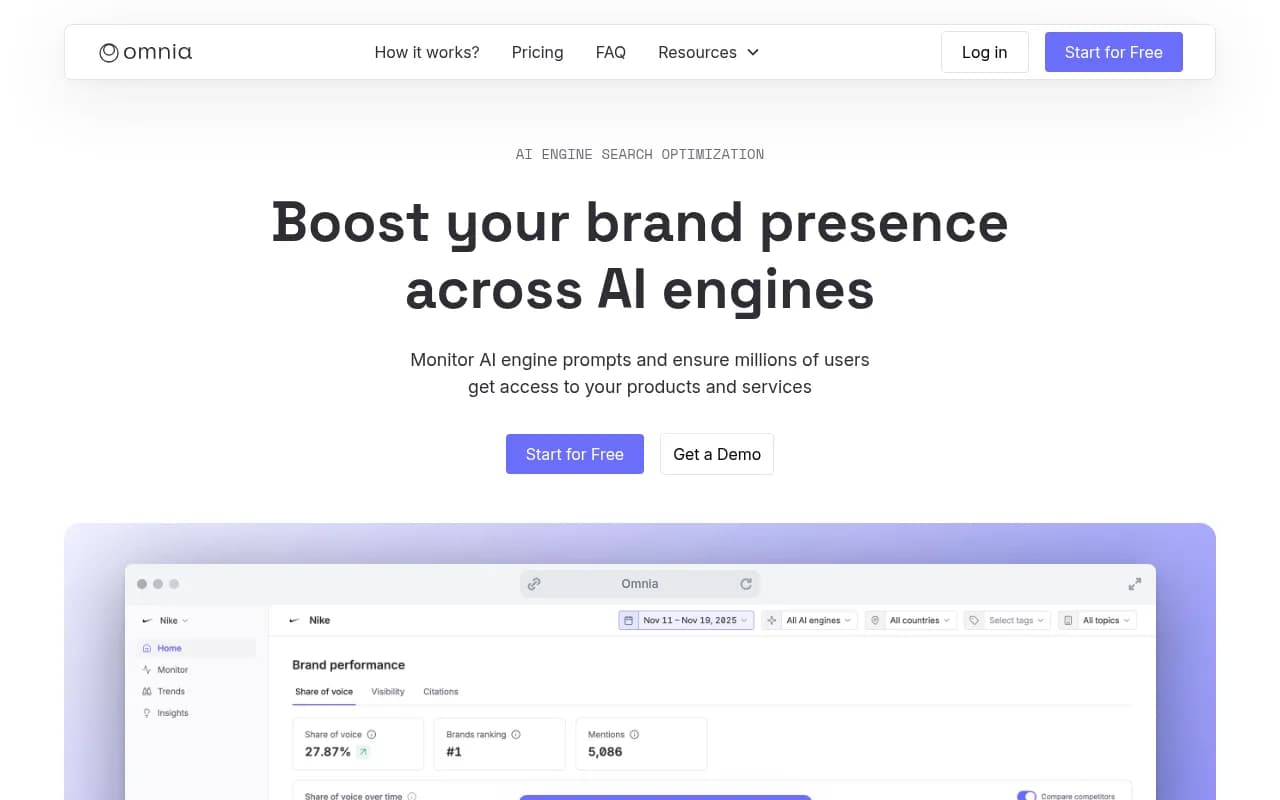
Other platforms like Rankshift and Omnia also track AI visibility, but they focus on monitoring without the content optimization and gap analysis that Promptwatch provides.

What to do right now
If your traffic dropped 40%, here's your recovery plan:
Week 1: Diagnose the damage
- Identify which pages lost rankings and traffic
- Check if you're blocking AI crawlers in robots.txt
- Audit technical issues (speed, mobile, structured data)
- Review content quality and authority signals
- Set up AI visibility tracking
Week 2-4: Fix critical issues
- Allow AI crawlers to access your site
- Fix technical SEO issues (broken links, slow pages, mobile problems)
- Update thin or outdated content
- Add structured data markup
- Improve E-E-A-T signals (author bios, credentials, citations)
Month 2-3: Build AI visibility
- Create high-intent, conversion-focused content
- Optimize existing content for AI citations
- Build genuine authority through expert content and original research
- Get cited by reputable sources
- Monitor which prompts competitors rank for and create content to fill gaps
Month 4+: Scale and optimize
- Expand content across multiple AI platforms
- Test different content formats and structures
- Track attribution and focus on what drives revenue
- Build a sustainable content engine that works for both Google and AI search
Recovery won't happen overnight. Most sites see initial improvements in 4-6 weeks, with full recovery taking 3-6 months. But the sites that adapt to this new reality will come out stronger.
The bigger picture: search is fundamentally changing
Google's 40% traffic drop isn't just an algorithm update. It's a symptom of a larger shift. People are changing how they search for information.
Informational queries are moving to AI chat interfaces. Product research is happening in ChatGPT and Perplexity. Purchase decisions are influenced by AI recommendations. And traditional SEO tactics designed for Google's 2015 algorithm won't save you.
The sites that survive and thrive in 2026 are the ones that:
- Diversify beyond Google to AI search platforms
- Create genuinely useful content that AI models want to cite
- Build real authority through expertise and original research
- Focus on high-intent keywords that drive conversions
- Track AI visibility alongside traditional SEO metrics
This isn't about gaming a new algorithm. It's about adapting to a fundamental shift in how people find and consume information online. The sooner you accept that reality and adjust your strategy, the better positioned you'll be when the next wave hits.
Because it will hit. Search is evolving faster than ever, and the only constant is change. The question isn't whether you'll need to adapt again -- it's whether you'll be ready when you do.