Key takeaways
- As of mid-2026, at least 142 AI tools have shut down or been quietly absorbed into larger platforms, and the GEO category is not immune
- Most GEO casualties shared a common flaw: they were monitoring dashboards with no path to action, which made them easy to cancel when budgets tightened
- Hall AI shut down in early 2026 after failing to differentiate from free-tier competitors and struggling to convert trial users into paying customers
- The GEO platforms still standing have moved beyond tracking into content generation, crawler intelligence, and revenue attribution
- Consolidation is accelerating -- expect more acquisitions and shutdowns through the rest of 2026
The AI startup graveyard is filling up fast. Boingboing reported in May 2026 that 142 AI tools have already shut down or been acquired and folded into something else. That number will be higher by the time you read this.
The GEO (Generative Engine Optimization) category -- tools that help brands track and improve their visibility in AI search engines like ChatGPT, Perplexity, and Google AI Overviews -- is no exception. It's a space that attracted a lot of early excitement and a lot of underfunded copycats. Now the market is sorting itself out, and the exits are getting louder.
This is a look at what happened to the tools that didn't make it, why they failed, and what the pattern tells us about which platforms are actually built to last.
Hall AI: what went wrong
Hall AI launched in late 2024 with a clean interface and a simple pitch: track your brand's mentions across ChatGPT and Perplexity, get a weekly report, know where you stand. It raised a modest seed round and got decent early traction from SEO teams curious about the AI search shift.
By Q1 2026, it was gone.
The post-mortem isn't complicated. Hall AI was a monitoring dashboard. It showed you data. It didn't help you do anything with that data. When a marketing team asked "okay, we're not showing up in Perplexity for this query -- what do we do about it?", Hall had no answer. The product stopped at the problem statement.
That's a fatal position in a market where buyers are increasingly sophisticated. Early GEO adopters were happy to pay for visibility data in 2024. By 2025, they wanted to know what to do with it. By 2026, they expected the tool to help them do it.
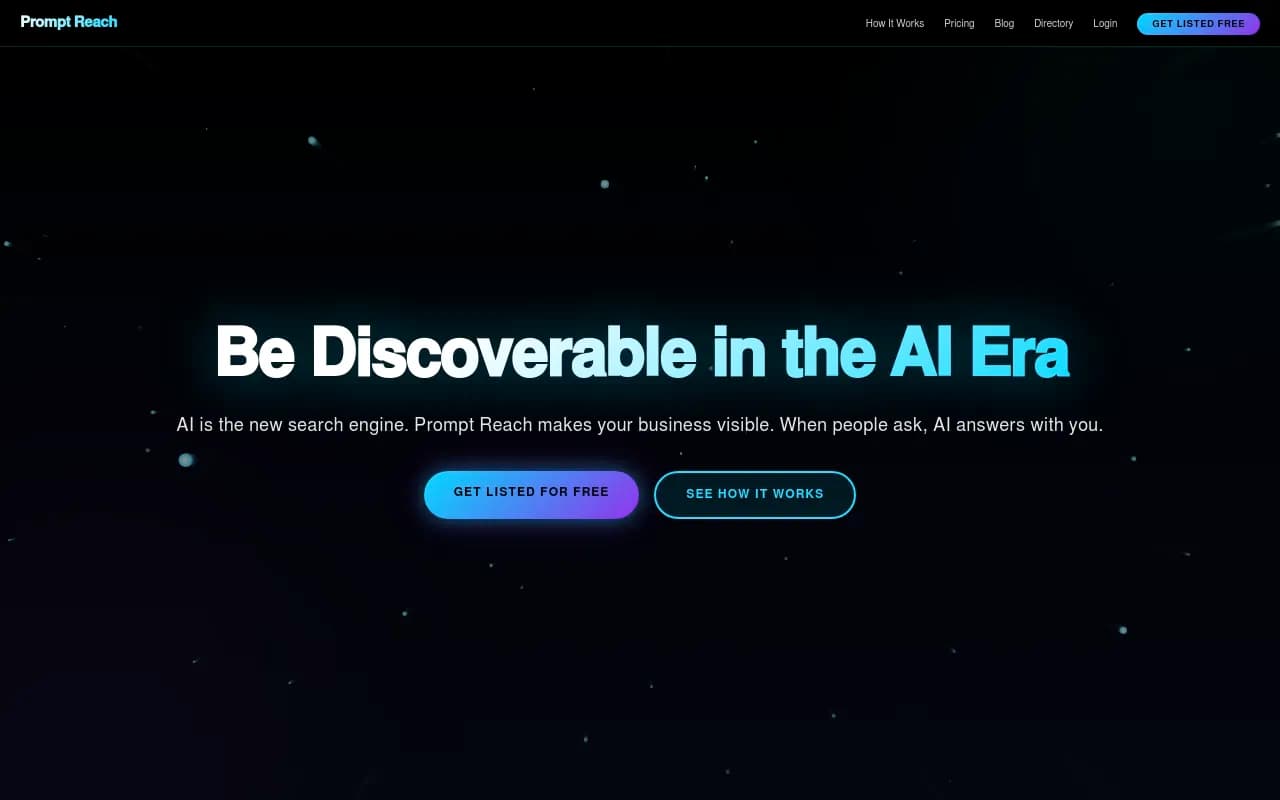
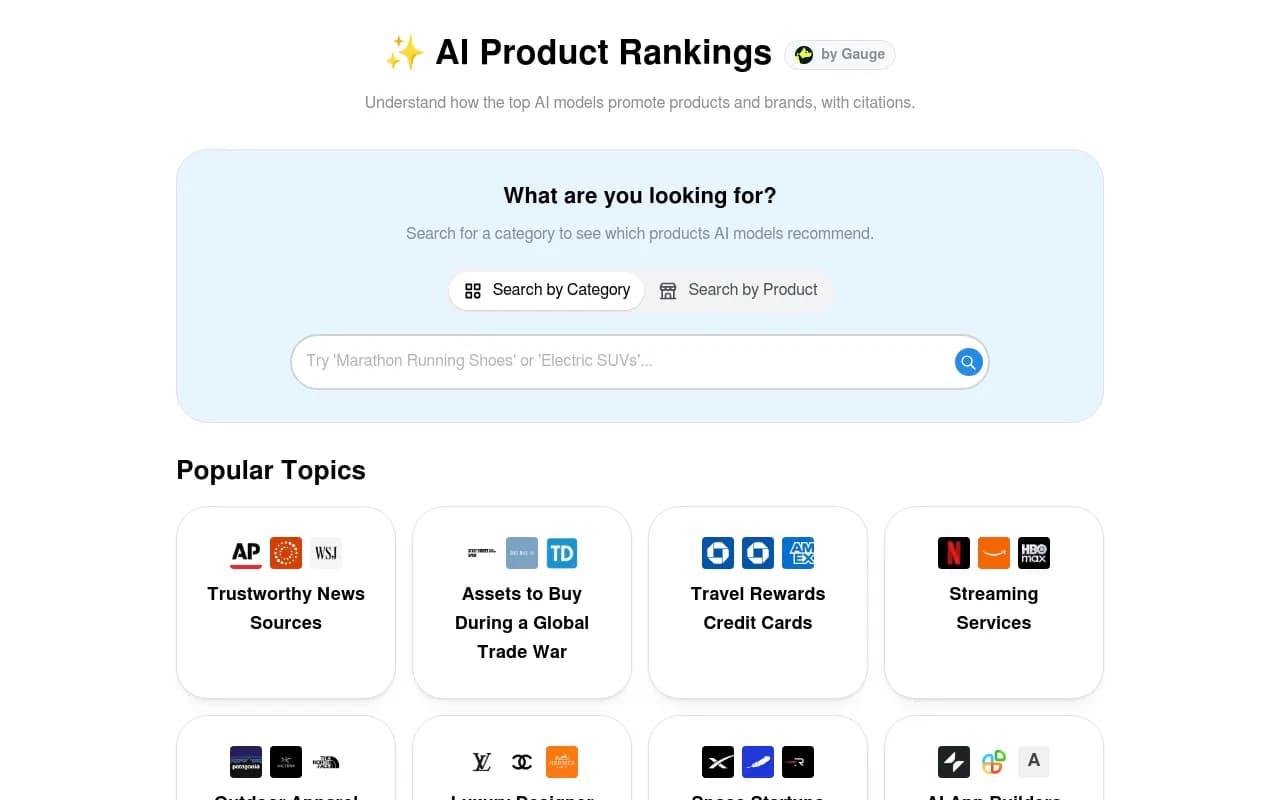
Hall also had a pricing problem. Its core feature set -- prompt tracking, mention counts, basic share-of-voice -- was functionally similar to what several free-tier tools offered. When PromptReach and ProductRank started giving away basic monitoring for free, Hall's $79/month plan became a harder sell.
The company tried to pivot toward content recommendations in late 2025, but the feature was thin -- essentially a list of topics with no generation capability, no citation data grounding it, and no way to measure whether publishing anything actually moved the needle. It felt bolted on, because it was.
Hall AI's shutdown announcement was quiet. A short email to subscribers, a 30-day data export window, and that was it.
The broader pattern: why GEO tools die
Hall AI isn't an outlier. It's a template. Most GEO platforms that have failed or are currently struggling share the same structural problems.
Monitoring without action
The first wave of GEO tools was essentially alert systems. They queried AI models with your target prompts, counted how often your brand appeared, and showed you a dashboard. That was genuinely useful in 2024, when nobody knew what was happening in AI search.
The problem is that monitoring without optimization is a feature, not a product. Once you know you're invisible in ChatGPT for "best project management software," you need to know why, what content would fix it, and whether publishing that content actually changed anything. Tools that couldn't answer those questions became expensive subscriptions that teams stopped logging into.

No differentiation from free alternatives
Several GEO tools that launched in 2024 and 2025 built their entire product on top of public LLM APIs. The problem: so did everyone else. When your core capability is "we query ChatGPT with your prompts and show you the results," you're one free Chrome extension away from irrelevance.
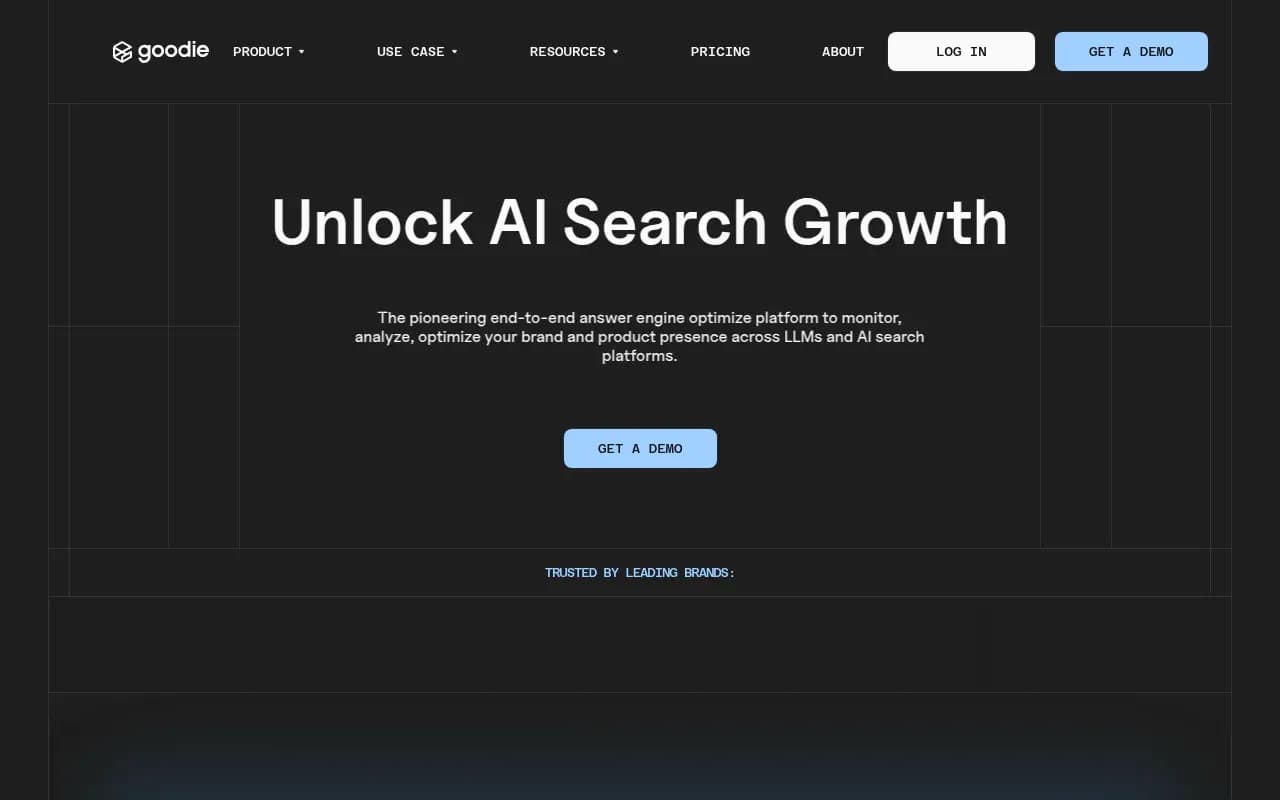
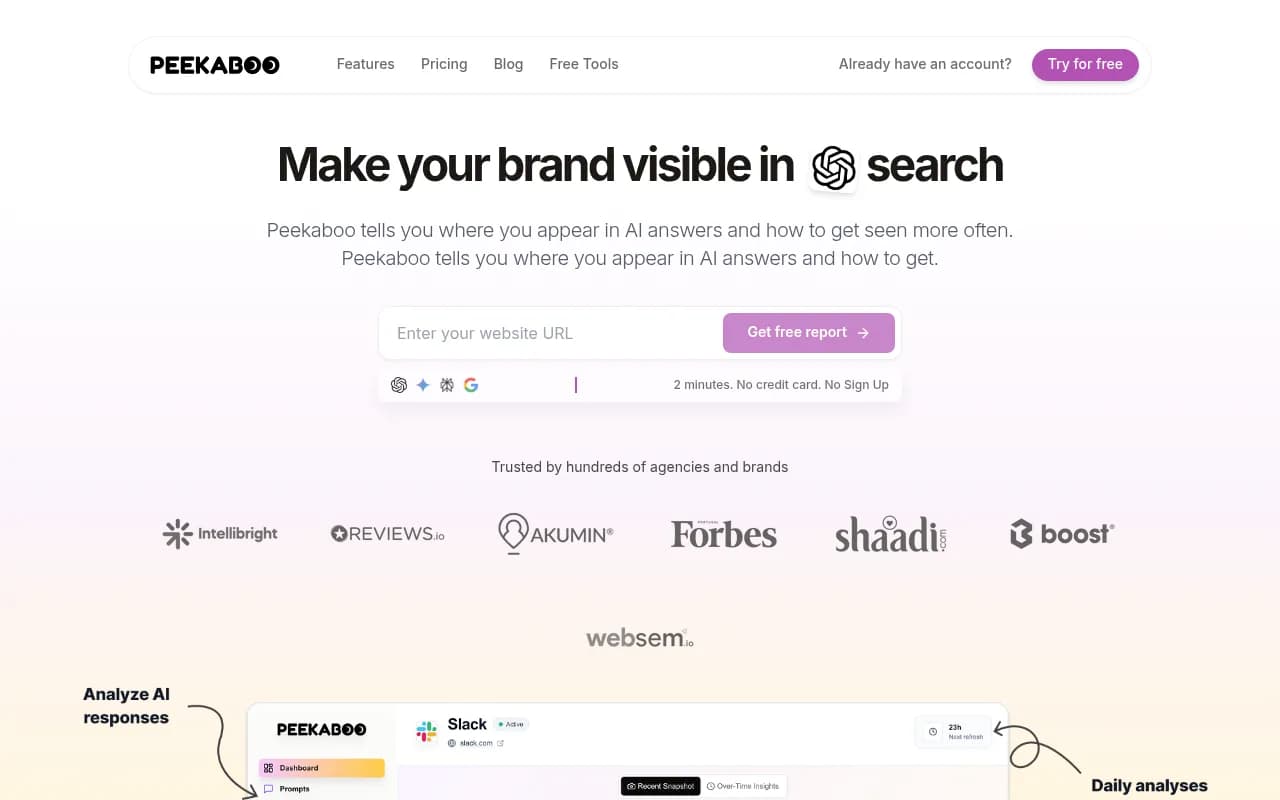
Tools like Goodie AI, AI Peekaboo, and several others in this category have survived so far, but they're operating in a precarious position. Their value proposition is thin, their switching costs are low, and their users are one budget review away from canceling.
No real prompt data
A lot of early GEO tools let you input whatever prompts you wanted to track. That sounds flexible, but it means you're tracking prompts you made up, not prompts real users are actually typing into ChatGPT. The result is visibility data that doesn't connect to actual traffic or revenue.
This is a bigger problem than it sounds. If you're optimizing for "what is the best CRM for small businesses" but your actual customers are asking "which CRM works with QuickBooks," you're measuring the wrong thing entirely.
Runway problems
Many GEO startups launched on small seed rounds with the assumption that enterprise contracts would follow quickly. Some did. Many didn't. The sales cycle for a new category of marketing software is longer than founders expect, and the churn rate for tools that don't show clear ROI is brutal.
When you combine thin differentiation, a long sales cycle, and a burn rate that assumes faster growth, you get a lot of companies that ran out of money before they figured out the product.
The tools that are still standing (and why)
The GEO platforms that have survived into mid-2026 share a few characteristics that the casualties lacked.
They moved beyond monitoring
The tools with staying power didn't stop at "here's your visibility score." They built workflows around what happens after you see the data.
Promptwatch is the clearest example of this. Rather than just showing you where you're invisible, it shows you the specific prompts your competitors rank for that you don't, generates content designed to close those gaps, and then tracks whether that content actually gets cited by AI models. That loop -- find gaps, create content, measure results -- is what separates an optimization platform from a tracker.

AthenaHQ and Profound have strong monitoring capabilities and enterprise-grade data, but they've been slower to build the content side of the equation. That's not a death sentence, but it's a gap that matters as buyers get more sophisticated.

Profound

They built on real data, not just API queries
The platforms that are winning in 2026 track how AI search engines actually behave in real user interfaces -- not just what the APIs return. This matters because the answers ChatGPT gives a real user, with all its context and memory and interface quirks, can differ meaningfully from what you get hitting the API directly.
Crawler log analysis is another differentiator. Knowing that GPTBot visited your site, which pages it read, whether it encountered errors, and whether those visits eventually turned into citations -- that's operational intelligence that monitoring-only tools simply can't provide.
They solved the "so what" problem
The best GEO platforms in 2026 can answer the question every marketing team eventually asks: "Is this actually driving traffic and revenue?" Tools that connect AI visibility to actual website visits and conversions have a much stronger retention story than tools that show you a share-of-voice chart and leave you to figure out the rest.
The current GEO landscape: a quick comparison
| Platform | Monitoring | Content generation | Crawler logs | Traffic attribution | Prompt volume data |
|---|---|---|---|---|---|
| Promptwatch | Yes | Yes | Yes | Yes | Yes |
| Profound | Yes | Limited | No | No | Limited |
| AthenaHQ | Yes | No | No | No | No |
| Otterly.AI | Yes | No | No | No | No |
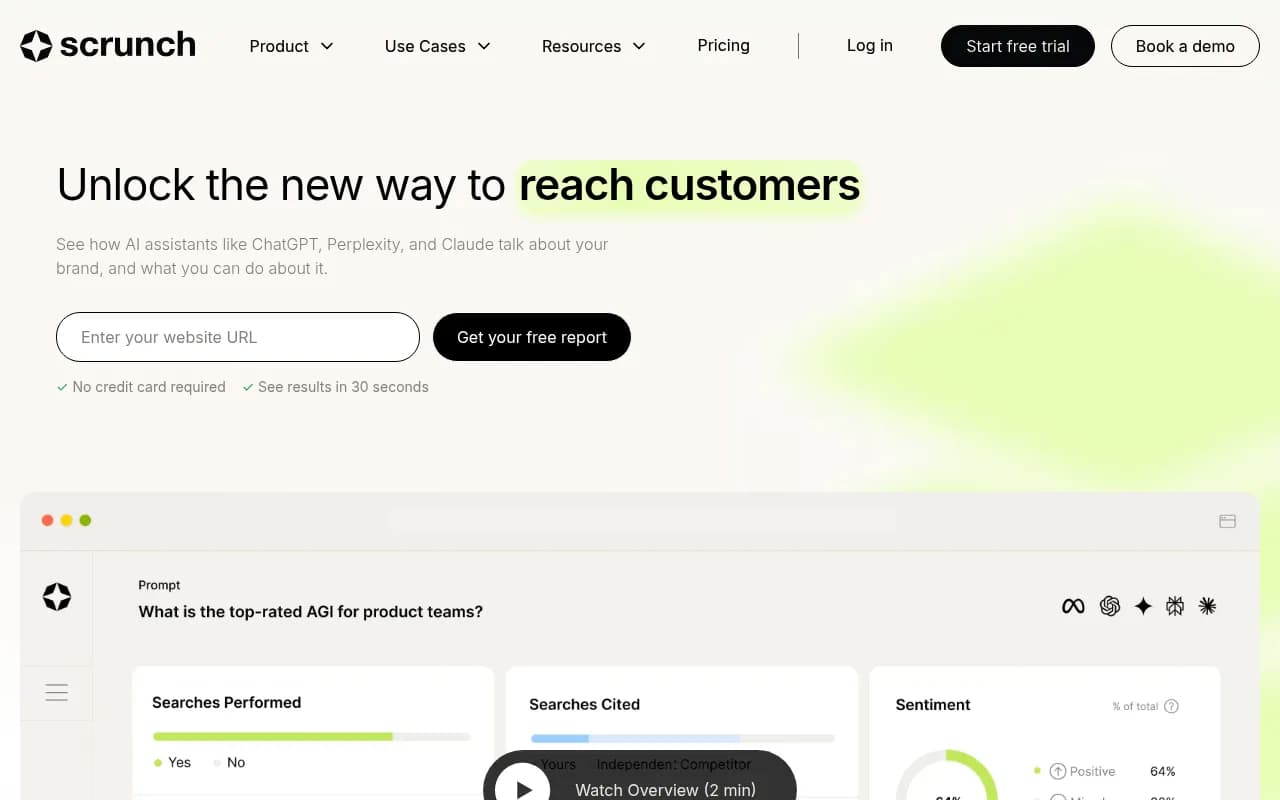
| Scrunch AI | Yes | No | No | No | No |
| Search Party | Yes | No | No | No | Limited |
| Hall AI | Shut down | No | No | No | No |
The pattern is obvious. The tools that are missing the most columns are the ones most at risk.
Otterly.AI

Search Party
What the AI startup graveyard tells us about GEO specifically
The broader AI startup mortality data is worth sitting with for a moment. Srinivas Rao's widely-read Medium piece from 2025 made the argument that most AI startups would fail not because their technology was bad, but because they were building features on top of foundation models without any durable business logic underneath.

That argument applies directly to GEO. Querying ChatGPT with a list of prompts and displaying the results is a feature. Building a system that identifies which prompts matter, generates content to win those prompts, tracks crawler behavior, and connects everything to revenue -- that's a product.
The tools that built features are the ones in the graveyard. The tools that built products are the ones still here.
Tools worth watching (and some to be cautious about)
A few platforms in the catalog are doing interesting things worth noting:
Scrunch AI has solid monitoring and a clean interface, but it's still primarily a tracker. If it doesn't add content generation or attribution capabilities soon, it'll face the same pressure Hall AI did.
Otterly.AI is popular with smaller teams because of its accessible pricing, but it's missing crawler logs, visitor analytics, and content generation. It's a good starting point, not a long-term solution.
AthenaHQ has enterprise ambitions and a strong feature set on the monitoring side, but it hasn't closed the loop to content optimization. Worth watching to see if it builds or acquires that capability.
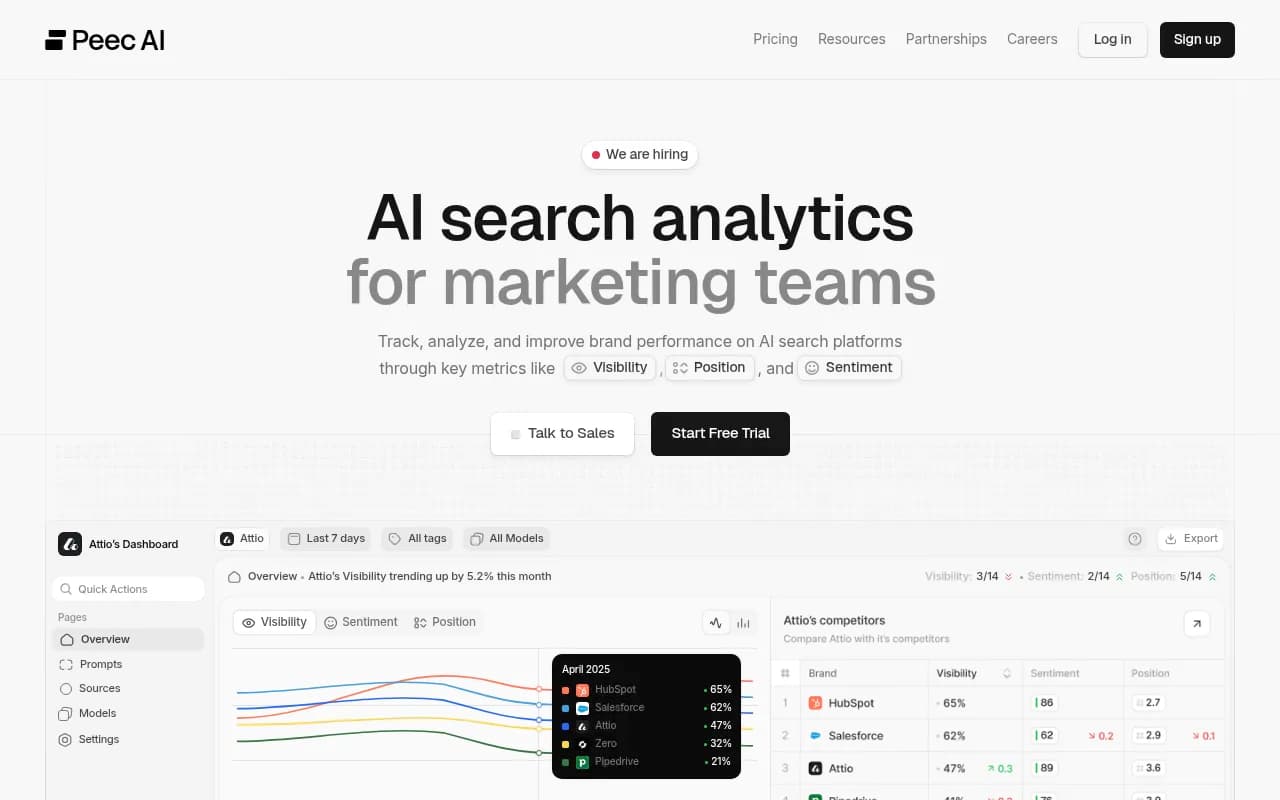
Peec AI is a solid monitoring tool for marketing teams that want clean, straightforward visibility data. The question is whether "clean and straightforward" is enough when competitors are offering full optimization workflows.
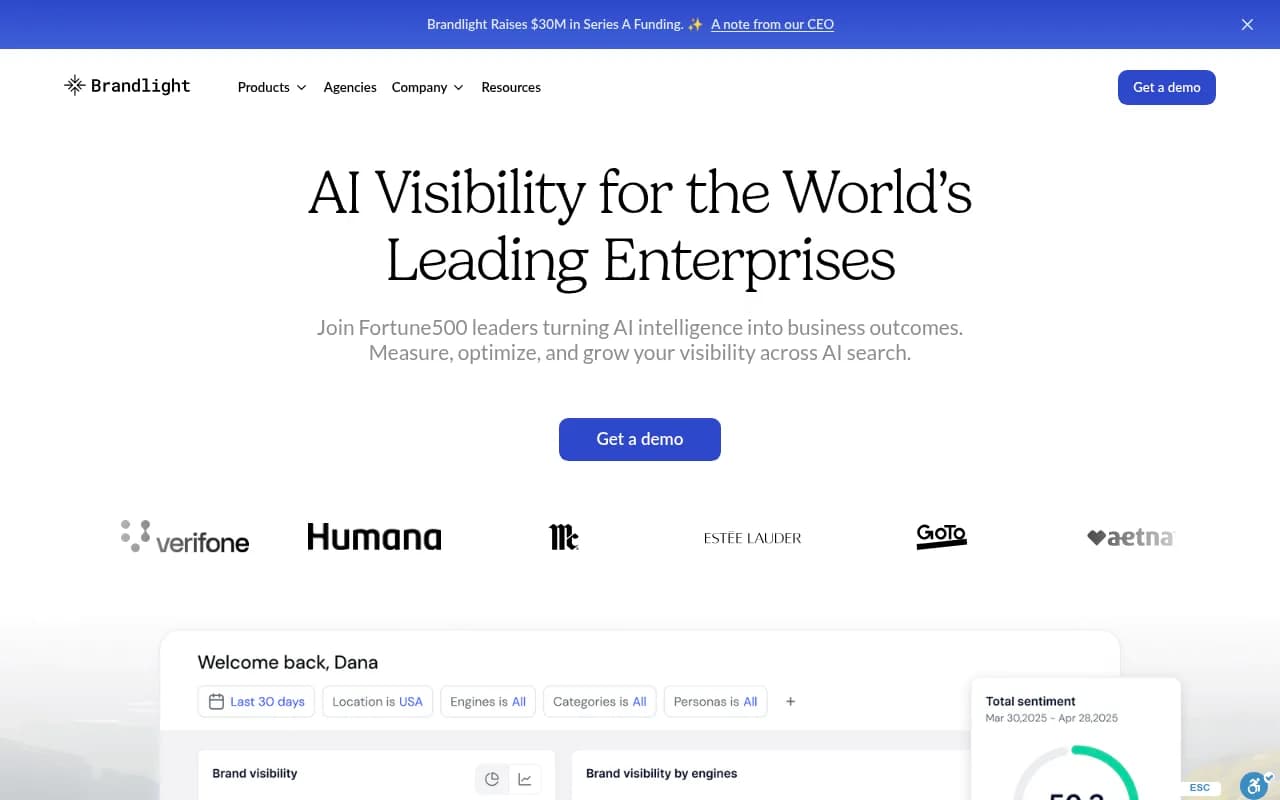
Brandlight.ai is one of the more interesting smaller players -- it's tracking offsite citations and external brand mentions in AI responses, which is a genuinely useful angle that most tools ignore.
What to look for when evaluating a GEO platform in 2026
Given the casualty rate in this space, here's a practical checklist before you commit to any GEO tool:
Does it track real user interface behavior, or just API outputs? The gap between these can be significant, especially for tools like ChatGPT that behave differently in different contexts.
Can it tell you what content to create? If the answer is "here's a list of prompts you're missing" but nothing more, that's a monitoring tool, not an optimization platform.
Does it have crawler log analysis? Knowing that AI crawlers are visiting your site but not citing it is actionable. Knowing your visibility score went down is not.
Can it connect AI visibility to traffic and revenue? If you can't show your CMO that GEO work is driving actual results, the budget will eventually go somewhere else.
How long has the company been operating, and what's their customer base? In a space with this many shutdowns, longevity and named customers matter more than usual.
The consolidation is just getting started
The GEO category is going to look very different by the end of 2026. The monitoring-only tools that haven't added optimization capabilities will either get acquired by larger SEO platforms looking to add AI search features, or they'll shut down quietly like Hall AI did.
The traditional SEO platforms -- Semrush, Ahrefs -- are adding AI search features, but they're doing it slowly and with fixed prompt sets that don't reflect how real users actually query AI engines. That leaves a window for purpose-built GEO platforms to establish themselves before the incumbents catch up.
The tools that will still be here in 2027 are the ones that can answer a simple question: "We're invisible in AI search for our most important queries -- what do we do about it?" Not just "here's the data," but the whole path from diagnosis to fix to measurement.
That's a harder product to build. It's also the only kind of product that survives long enough to matter.