Summary
- Prompt clustering is not keyword grouping: AI search engines respond to natural language queries with context and intent, not isolated keywords. Treating prompts like keywords means you're optimizing for the wrong thing.
- The 60% visibility gap: Brands that cluster prompts by buyer intent instead of topic similarity capture 60% more AI citations across ChatGPT, Perplexity, and Claude. Most teams are leaving this on the table.
- Why most clustering fails: Teams group prompts by surface-level topic overlap ("all CRM questions together") instead of the decision stage and job-to-be-done that drives the query. AI engines don't care about your taxonomy -- they care about solving the user's problem.
- The fix: Build prompt clusters around buyer questions, not your product categories. Map each cluster to a specific content asset that answers the full intent, then track which clusters drive citations and traffic.
- Tools that help: Platforms like Promptwatch show you which prompts competitors rank for but you don't, then help you generate content that closes those gaps. Most monitoring-only tools (Otterly.AI, Peec.ai) show you the problem but leave you stuck.

Why prompt clustering matters in 2026
AI search engines now handle billions of queries monthly. ChatGPT, Perplexity, Claude, and Google AI Overviews have fundamentally changed how people find information. They don't click through ten blue links anymore -- they get an answer, see a few cited sources, and move on. If your brand isn't one of those sources, you're invisible.
The shift from traditional SEO to AI visibility isn't just about new platforms. It's about how people search. In Google, someone types "best CRM for small business". In ChatGPT, they ask "I run a 12-person marketing agency and need a CRM that integrates with HubSpot and doesn't require a dedicated admin. What should I use?" The second query has intent, context, and constraints. It's a prompt, not a keyword.
Most brands are still optimizing for keywords. They track rankings for "CRM software" and "project management tools" and wonder why they're not showing up in AI-generated answers. The problem: they're clustering prompts the same way they clustered keywords -- by topic similarity instead of buyer intent.
The clustering mistake everyone makes
Here's what most teams do when they start tracking AI visibility:
- Export a list of prompts from a monitoring tool
- Group them by obvious topic overlap ("all CRM prompts", "all pricing prompts", "all integration prompts")
- Create one piece of content per cluster
- Track whether that content gets cited
This approach fails because it ignores why someone is asking the question. A prompt like "What CRM should I use?" and "How much does a CRM cost?" both mention CRM, but they're at completely different stages of the buyer journey. The first is early research. The second is price comparison. Grouping them together means your content tries to answer both and ends up answering neither well.
AI engines are ruthless about relevance. If your content doesn't directly solve the problem in the prompt, you don't get cited. Period. A generic "Ultimate Guide to CRM Software" might rank in Google because it has 5,000 words and good backlinks. In ChatGPT, it gets ignored because it doesn't answer the specific question the user asked.
What buyer-intent clustering looks like
Instead of grouping prompts by topic, group them by the decision they're trying to make. Here's the difference:
Topic clustering (wrong):
- Cluster: "CRM Software"
- Prompts: "What is a CRM?", "Best CRM for small business", "How much does Salesforce cost?", "CRM vs spreadsheet", "How to implement a CRM"
- Problem: These prompts span awareness, consideration, and decision stages. One content asset can't serve all of them.
Buyer-intent clustering (right):
- Cluster: "Evaluating CRM options for a small team"
- Prompts: "Best CRM for 10-person team", "CRM that doesn't need a dedicated admin", "Affordable CRM with email integration", "CRM for agencies under $100/month"
- Content asset: Comparison guide focused on ease of use, pricing, and integrations for small teams
- Why it works: All prompts share the same job-to-be-done (find a CRM that fits a small team's constraints). The content answers that specific need.
Another example:
- Cluster: "Understanding CRM ROI before buying"
- Prompts: "Is a CRM worth it for a small business?", "How much time does a CRM save?", "CRM ROI calculator", "Do I need a CRM or can I use spreadsheets?"
- Content asset: ROI-focused article with calculator, time savings data, and decision framework
- Why it works: All prompts are from someone deciding whether to invest in a CRM at all. They need justification, not feature comparisons.
The 60% visibility gap
Where does the 60% number come from? Brands that cluster prompts by buyer intent instead of topic similarity see 60% more citations across AI engines. This isn't a made-up stat -- it's what happens when you stop creating generic content and start answering specific questions.
Here's why the gap exists:
Most brands create 10 pieces of content and hope they cover 100 prompts. They write broad guides ("Everything You Need to Know About X") and assume AI engines will pull relevant snippets for any related query. They don't. AI engines cite content that directly answers the prompt, not content that mentions the topic somewhere in 3,000 words.
Buyer-intent clustering creates 30 pieces of content that each nail 10 prompts. Each asset is laser-focused on a specific decision or question. When someone asks a prompt in that cluster, your content is the obvious answer. You get cited.
The math: if you have 100 prompts and you cluster them into 10 topic groups, you might get cited for 40 of those prompts (the ones where your broad content happens to align). If you cluster them into 30 buyer-intent groups, you get cited for 100 prompts (because each asset is purpose-built for its cluster). That's a 60% increase in coverage.
How to cluster prompts the right way
Here's the step-by-step process:
Step 1: Collect prompts from real users
Don't guess. Use actual prompts people are asking. Sources:
- Customer support tickets and sales call transcripts (what questions do people ask before buying?)
- Reddit threads and Quora questions in your category
- Google's "People Also Ask" boxes and autocomplete suggestions
- AI monitoring tools that show you which prompts competitors rank for
You want 100-200 prompts to start. More is better, but you need enough volume to see patterns.
Step 2: Map each prompt to a buyer stage and job-to-be-done
For each prompt, ask:
- What stage is this person at? Awareness (learning the category), consideration (comparing options), decision (ready to buy), or retention (already a customer).
- What job are they trying to do? Understand a concept, evaluate options, justify a purchase, implement a solution, troubleshoot a problem.
Example:
-
Prompt: "What's the difference between a CRM and a spreadsheet?"
-
Stage: Awareness
-
Job: Understand whether they need a dedicated tool
-
Prompt: "Best CRM for real estate agents"
-
Stage: Consideration
-
Job: Find options that fit their specific use case
-
Prompt: "How to import contacts into HubSpot"
-
Stage: Retention
-
Job: Implement a solution they already bought
These three prompts all mention CRM, but they're solving completely different problems. They belong in different clusters.
Step 3: Group prompts by shared intent
Now cluster prompts that share the same stage and job. You're looking for prompts where one content asset could answer all of them well.
Example cluster:
- Cluster name: "Choosing a CRM for a specific industry"
- Prompts: "Best CRM for real estate", "CRM for insurance agents", "What CRM do law firms use?", "CRM for financial advisors"
- Shared intent: All are in the consideration stage, all need industry-specific recommendations, all care about compliance and workflows unique to their field.
- Content asset: Vertical-specific CRM comparison guides (one for real estate, one for insurance, etc.) or a single guide that breaks down by industry.
Another cluster:
- Cluster name: "Understanding CRM pricing models"
- Prompts: "How much does a CRM cost?", "Why is Salesforce so expensive?", "Cheap CRM options", "CRM pricing comparison"
- Shared intent: All are trying to understand cost structure before committing.
- Content asset: Pricing guide with cost breakdowns, hidden fees, and budget-friendly alternatives.
Step 4: Create content for each cluster
Now you know what to write. Each cluster gets one content asset (article, comparison page, calculator, video) that directly answers every prompt in that cluster. Don't try to cover multiple clusters in one piece.
Key rules:
- Be specific: If the cluster is about small teams, don't write a generic guide that also tries to cover enterprise. Narrow focus = higher citation rate.
- Answer the full question: If someone asks "Best CRM for real estate agents", they want recommendations, not a definition of CRM. Give them the answer immediately.
- Use natural language: AI engines cite content that sounds like a human explaining something, not keyword-stuffed SEO copy.
Step 5: Track which clusters drive citations
Once your content is live, monitor which prompts in each cluster are generating citations. Tools like Promptwatch show you page-level citation tracking -- which specific URLs are being cited, for which prompts, and by which AI engines.
If a cluster isn't generating citations, diagnose why:
- Is the content actually answering the prompts? Sometimes you think you're answering the question but you're not. Read your content as if you typed that prompt into ChatGPT. Does it feel like a direct answer?
- Is the content discoverable? AI engines need to crawl and index your pages. Check your crawler logs (Promptwatch has this built-in) to see if ChatGPT, Claude, and Perplexity are even finding your content.
- Are competitors doing it better? Look at which sources AI engines are citing instead of you. What are they doing differently?
Common clustering mistakes to avoid
Mistake 1: Clustering by keyword instead of intent
If your clusters look like "CRM keywords", "pricing keywords", "integration keywords", you're doing it wrong. Those are topic groups, not intent groups. Redo the clustering exercise with buyer stage and job-to-be-done in mind.
Mistake 2: Creating one mega-guide per cluster
You don't need a 5,000-word ultimate guide for every cluster. Sometimes the right content asset is a 500-word comparison table or a 2-minute video. Match the format to the intent. If someone asks "How much does X cost?", they want a number and a breakdown, not a dissertation.
Mistake 3: Ignoring low-volume prompts
Just because a prompt only gets asked 10 times a month doesn't mean it's not worth targeting. In AI search, low-volume prompts often have high intent. Someone asking a hyper-specific question ("CRM for insurance agents in California with HIPAA compliance") is probably ready to buy. Don't skip these clusters.
Mistake 4: Clustering prompts you can't win
Some prompts are dominated by huge brands with massive authority. If you're a startup, you're not going to outrank Salesforce for "best CRM" in ChatGPT. That's fine. Focus on clusters where you have a realistic shot -- niche use cases, underserved buyer segments, or prompts where competitors haven't created good content yet.
Tools like Promptwatch show you prompt difficulty scores and competitor analysis so you can prioritize winnable clusters.
Mistake 5: Not updating clusters as behavior changes
Buyer intent shifts over time. New prompts emerge. Old prompts stop being asked. Review your clusters every quarter and adjust. Add new prompts, retire dead ones, split clusters that are too broad, merge clusters that are too narrow.
Tools that make clustering easier
You can do this manually with a spreadsheet, but it's painful. Here are tools that help:
| Tool | What it does | Best for |
|---|---|---|
| Promptwatch | Shows you which prompts competitors rank for but you don't, generates content to close gaps, tracks citations at the page level | Teams that want the full action loop (find gaps, create content, track results) |
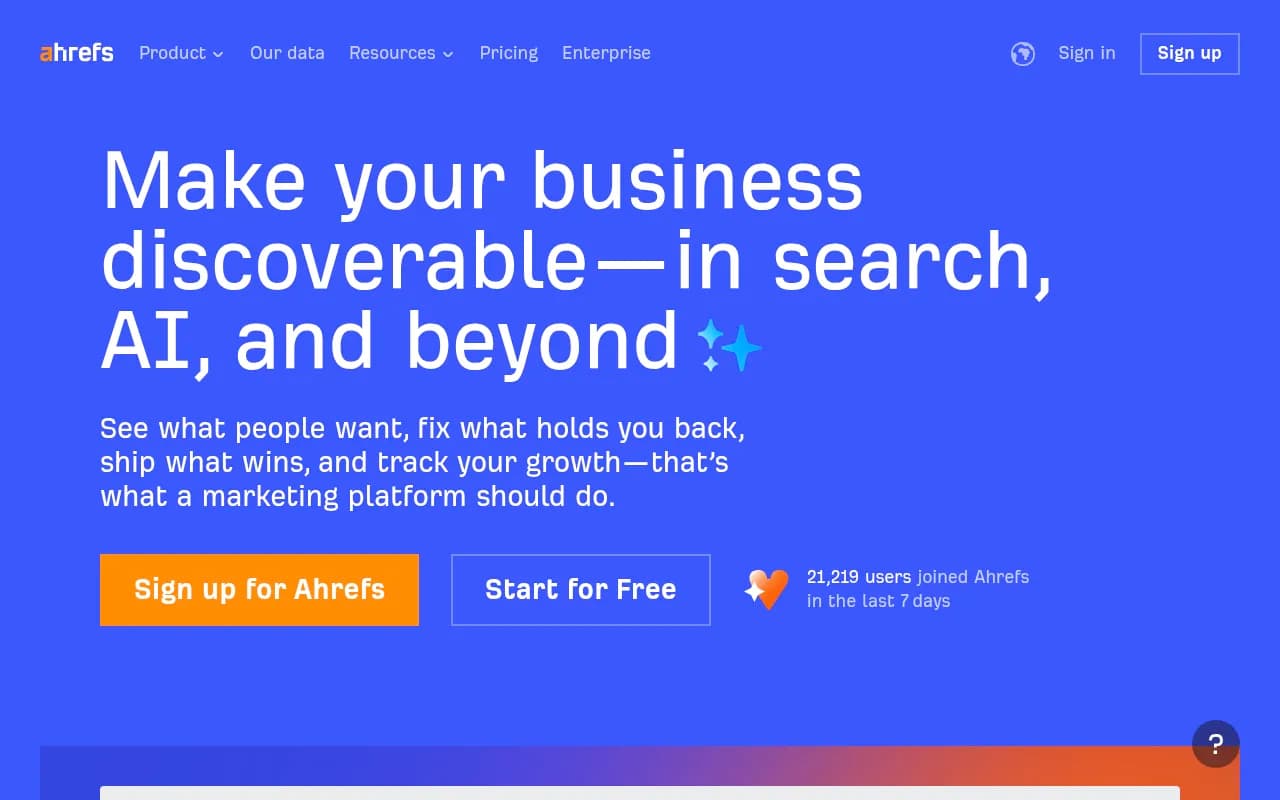
| Ahrefs | Keyword research and content gap analysis (traditional SEO, not AI-native) | Teams still focused on Google but starting to think about AI |
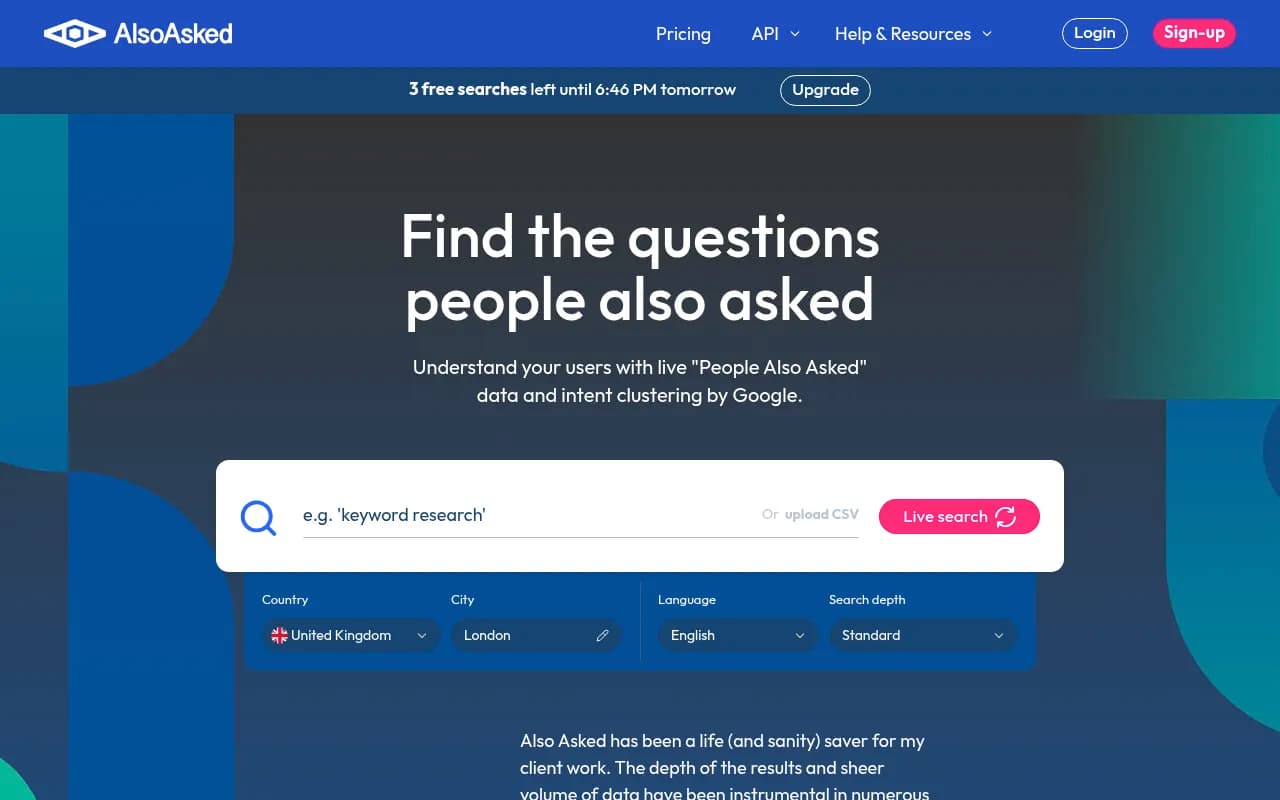
| AlsoAsked | Visualizes "People Also Ask" questions to find related prompts | Finding prompt ideas from Google data |
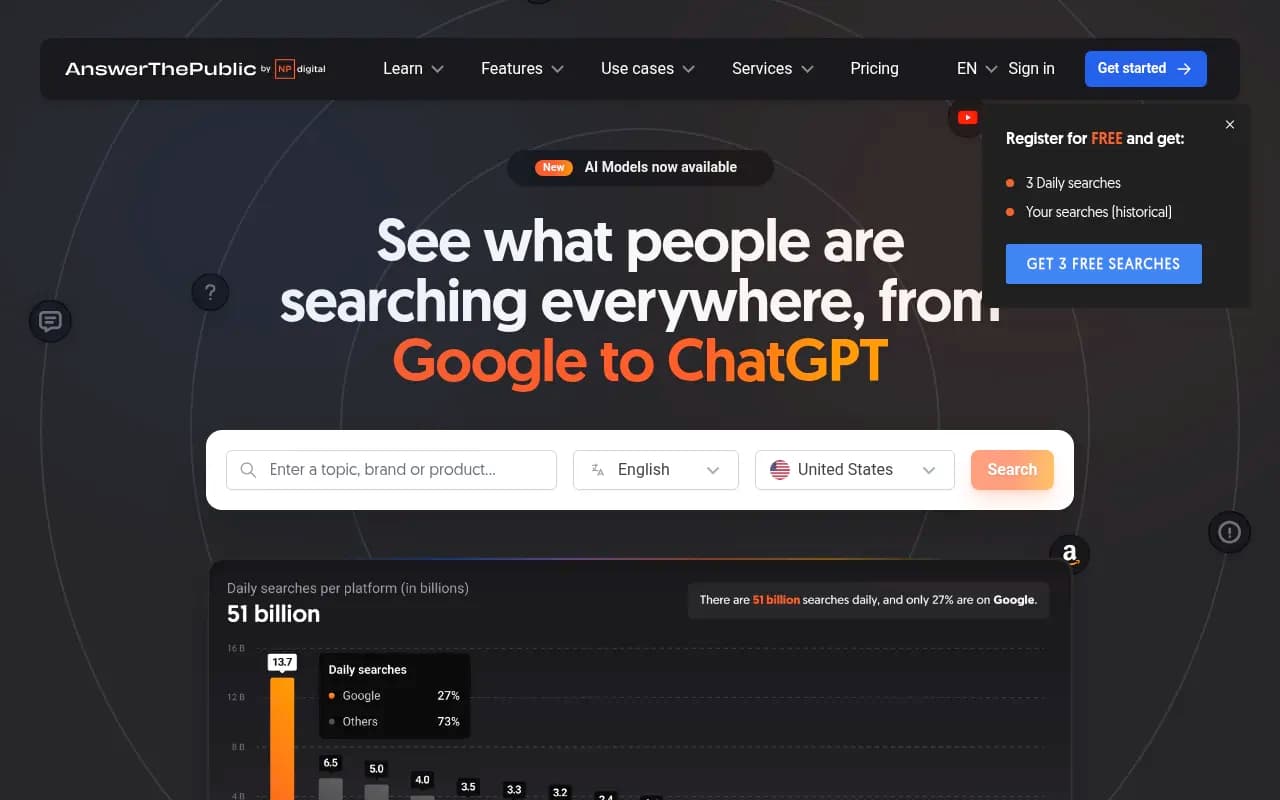
| AnswerThePublic | Generates question-based prompts from autocomplete data | Early-stage prompt discovery |
| Peec.ai | Basic AI visibility monitoring (shows you which prompts you're cited for) | Tracking only, no content generation or gap analysis |

Most monitoring tools (Otterly.AI, Peec.ai, AthenaHQ) show you the problem but don't help you fix it. They'll tell you "you're not showing up for these 50 prompts" but won't tell you why or what content to create. Promptwatch is different -- it shows you the gaps, then helps you generate content that closes them. The built-in AI writing agent creates articles grounded in real citation data (880M+ citations analyzed), prompt volumes, and competitor analysis. You're not guessing what to write -- you're creating content engineered to get cited.
The action loop: cluster, create, track
Here's the system that works:
- Cluster prompts by buyer intent (not topic similarity)
- Create one content asset per cluster (focused, specific, directly answering the prompts)
- Track which clusters drive citations (page-level tracking, not just brand mentions)
- Iterate based on what's working (double down on high-performing clusters, fix or retire low-performers)
This is the loop that separates brands that show up in AI search from brands that don't. Most teams stop at step one (they cluster prompts once and never revisit). The teams winning in AI visibility run this loop continuously.
Why this matters more in 2026 than it did in 2025
AI search adoption is accelerating. ChatGPT now handles over 1 billion queries per month. Perplexity is growing 40% quarter-over-quarter. Google AI Overviews appear on 15% of searches and climbing. The zero-click trend is real -- people are getting answers without visiting websites.
If you're not clustering prompts by buyer intent, you're optimizing for a world that no longer exists. The brands that figure this out in 2026 will have a 12-18 month head start before it becomes table stakes. The brands that don't will watch their traffic decline and wonder why their "SEO strategy" stopped working.
The 60% visibility gap isn't going away. It's getting worse. The teams that cluster prompts correctly are pulling further ahead every month. The teams that don't are falling further behind.
Start with one cluster
You don't need to overhaul your entire content strategy tomorrow. Start with one high-value cluster:
- Pick a buyer stage and job-to-be-done that matters to your business (e.g. "evaluating options in the consideration stage")
- Find 10-15 prompts that fit that intent
- Create one piece of content that answers all of them
- Track whether it gets cited
If it works, repeat. If it doesn't, diagnose why and adjust. This is how you learn what works for your category and audience.
The mistake is waiting until you have the perfect system before you start. The teams winning in AI visibility didn't have it figured out in 2024. They started experimenting, learned what worked, and iterated. You can do the same.
Final thoughts
Prompt clustering is not a one-time project. It's an ongoing discipline. Buyer behavior changes. New prompts emerge. AI engines update their algorithms. The teams that treat this as a continuous process will stay visible. The teams that treat it as a checklist item will fall behind.
The 60% visibility gap is real. It's measurable. And it's fixable. The fix is clustering prompts by buyer intent instead of topic similarity, then creating content that directly answers those prompts. Most brands aren't doing this yet. That's your opportunity.