Key takeaways
- AI search visibility measures how often your brand, content, or products appear in answers generated by AI engines like ChatGPT, Perplexity, Gemini, and Google AI Overviews.
- Traditional SEO metrics (rankings, clicks, impressions) don't capture this -- you need different tools and a different mindset.
- AI engines don't just match keywords; they evaluate topical authority, content structure, and trustworthiness before deciding what to cite.
- Improving AI visibility requires finding the gaps (what prompts are competitors winning that you're not?), creating content that answers those gaps, and tracking whether AI models start citing you.
- A growing category of dedicated GEO (Generative Engine Optimization) platforms now exists to help marketers do exactly this.
The problem with "just doing SEO" in 2026
Here's a scenario that's playing out across marketing teams right now. You check your Google Search Console numbers and traffic looks fine. Rankings are holding. Then someone on your team asks ChatGPT "what's the best [your category] tool for [your use case]?" -- and your brand isn't mentioned. Not once.
That's the gap AI search visibility is trying to address.
The way people find information has changed. A meaningful share of searches now happen inside AI interfaces -- ChatGPT, Perplexity, Google's AI Mode, Gemini, Claude, and others. These tools don't show a list of ten blue links. They synthesize an answer and cite a handful of sources. If you're not in those sources, you don't exist for that query.
Traditional SEO tracks your position in a ranked list. AI search visibility tracks whether you're in the answer at all.
What "AI search visibility" actually means
AI search visibility refers to how frequently and prominently your brand, content, or products appear in AI-generated responses across platforms like ChatGPT, Perplexity, Google AI Overviews, Gemini, Claude, Grok, and others.
It's not a single number. It's a combination of:
- How often you're cited when relevant prompts are asked
- Which AI models cite you (and which don't)
- What position or prominence your brand has in those responses
- Whether the AI is saying positive, neutral, or inaccurate things about you
- Which specific pages on your site are being referenced
Think of it like share of voice, but for AI answers instead of search results pages.
The term "GEO" (Generative Engine Optimization) has emerged to describe the practice of improving this visibility -- the AI-era equivalent of SEO.
Why AI engines work differently from Google
Google's traditional algorithm is largely about links, keywords, and on-page signals. You rank because enough authoritative sites link to you, and your page matches what someone typed.
AI engines work differently. They don't retrieve a ranked list -- they generate a synthesized response. To do that, they pull from training data, real-time web retrieval (in some cases), and their internal understanding of which sources are trustworthy and relevant.
What this means practically:
Topic authority matters more than individual keywords. If your site comprehensively covers a subject from multiple angles, AI models are more likely to treat you as a go-to source. A single optimized page won't cut it.
Content structure affects extractability. AI models need to be able to pull clean, specific answers from your content. Dense paragraphs with buried answers are harder to cite than content with clear headings, direct answers, and well-structured information.
Trust signals extend beyond backlinks. E-E-A-T (Experience, Expertise, Authoritativeness, Trustworthiness) matters here too -- but AI models also look at things like whether your brand is mentioned on trusted third-party sites, Reddit discussions, YouTube, and review platforms.
The prompt matters, not just the keyword. Someone asking "what CRM should a 10-person SaaS startup use?" is expressing a very specific intent. AI models try to match that intent holistically, not just match the words "CRM" and "startup."
How AI engines decide what to cite
This is where it gets interesting -- and where most marketers are flying blind.
AI engines don't publish their citation criteria the way Google publishes ranking guidelines. But based on what's observable across platforms, a few patterns emerge:
Your content needs to be findable first. AI crawlers (GPTBot, ClaudeBot, PerplexityBot, and others) need to be able to access your pages. If you're blocking them in your robots.txt, or your JavaScript-heavy site isn't rendering properly for bots, you're invisible before the conversation even starts.
Your content needs to directly answer the question. Vague, keyword-stuffed content doesn't get cited. Specific, well-structured answers do. If someone asks "how long does it take to implement [software]?" and your page has a clear, honest answer to that, you're more likely to be cited than a competitor whose page buries the answer in marketing copy.
Your brand needs to exist in the broader ecosystem. AI models don't just read your website. They've been trained on -- and in some cases retrieve from -- Reddit threads, YouTube videos, review sites, industry publications, and forum discussions. If your brand is only visible on your own site, that's a weak signal.
Recency matters for some queries. For time-sensitive topics, AI engines that do real-time retrieval will favor recently published, updated content over old pages.
The metrics that actually matter
If you're used to tracking organic traffic, keyword rankings, and click-through rates, you'll need to add a new set of metrics to your dashboard:
Citation rate: How often does your brand appear when relevant prompts are asked? This is the core metric -- your "AI share of voice."
Model coverage: Are you visible on ChatGPT but not Perplexity? Visible on Gemini but not Claude? Different models have different training data and retrieval behaviors, so your visibility can vary significantly across them.
Prompt coverage: Which specific questions or prompts trigger citations of your brand? And which ones are going to competitors instead?
Sentiment in citations: When AI engines mention you, what are they saying? Accurate, positive mentions are the goal. Inaccurate or negative mentions are a problem worth knowing about.
Page-level citations: Which specific pages on your site are being cited? This tells you what's working and where to invest.
AI-driven traffic: Are visitors actually clicking through from AI citations to your site? Some platforms are starting to track this separately from organic traffic.
The gap most marketers are missing
Here's the thing most teams don't realize until they start looking: your competitors are probably being cited for prompts you should be winning.
There are prompts out there -- "best tools for X," "how to solve Y," "what's the difference between A and B" -- where AI engines are confidently recommending your competitors and not mentioning you at all. You don't know this is happening because you're not tracking it.
This is what's called an "answer gap" -- a prompt where you have relevant expertise and content, but AI models aren't citing you. Finding these gaps is the first step to fixing them.
Promptwatch has built its platform around this idea. Its Answer Gap Analysis shows you exactly which prompts competitors are visible for that you're not -- the specific questions AI models are answering without citing your content. From there, you can create content that directly addresses those gaps, then track whether your citation rate improves.

Tools for tracking AI search visibility
The market for AI visibility tracking has grown fast. Here's a practical overview of what's available:
| Tool | Best for | Monitoring | Content help | Crawler logs |
|---|---|---|---|---|
| Promptwatch | End-to-end GEO: track, create, optimize | Yes | Yes (AI content agents) | Yes |
| Profound | Enterprise monitoring across 9+ AI engines | Yes | No | No |
| Otterly.AI | Basic brand monitoring | Yes | No | No |
| Peec AI | Marketing team monitoring | Yes | No | No |
| AthenaHQ | Monitoring-focused teams | Yes | No | No |
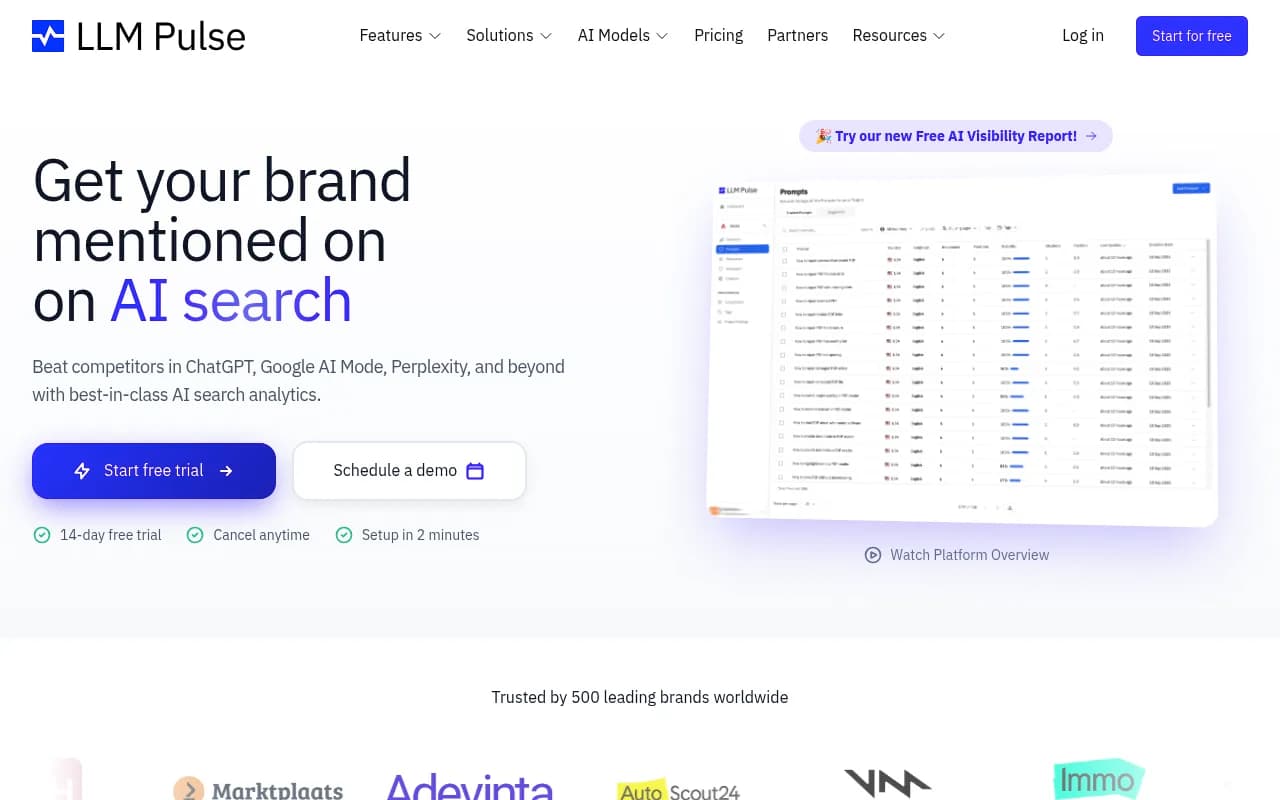
| LLM Pulse | Lightweight tracking | Yes | No | No |
| Rankshift | Brand visibility across ChatGPT, Perplexity | Yes | No | No |
| Semrush | Traditional SEO + emerging AI features | Partial | Partial | No |
Most of these tools will show you a number -- your visibility score, your citation rate, your rank among competitors. That's useful. But knowing you're ranked 37th doesn't tell you what to do next.
Profound

Otterly.AI



The tools that go further -- helping you identify what content to create and tracking whether that content actually gets cited -- are more valuable for teams that want to move the needle, not just measure it.
How to actually improve your AI search visibility
Monitoring is step one. Here's what comes after.
Audit what AI engines can actually see
Before worrying about content, make sure AI crawlers can access your site. Check your robots.txt file -- are you accidentally blocking GPTBot, ClaudeBot, or PerplexityBot? Is your site heavily JavaScript-rendered in a way that makes it hard for bots to read?
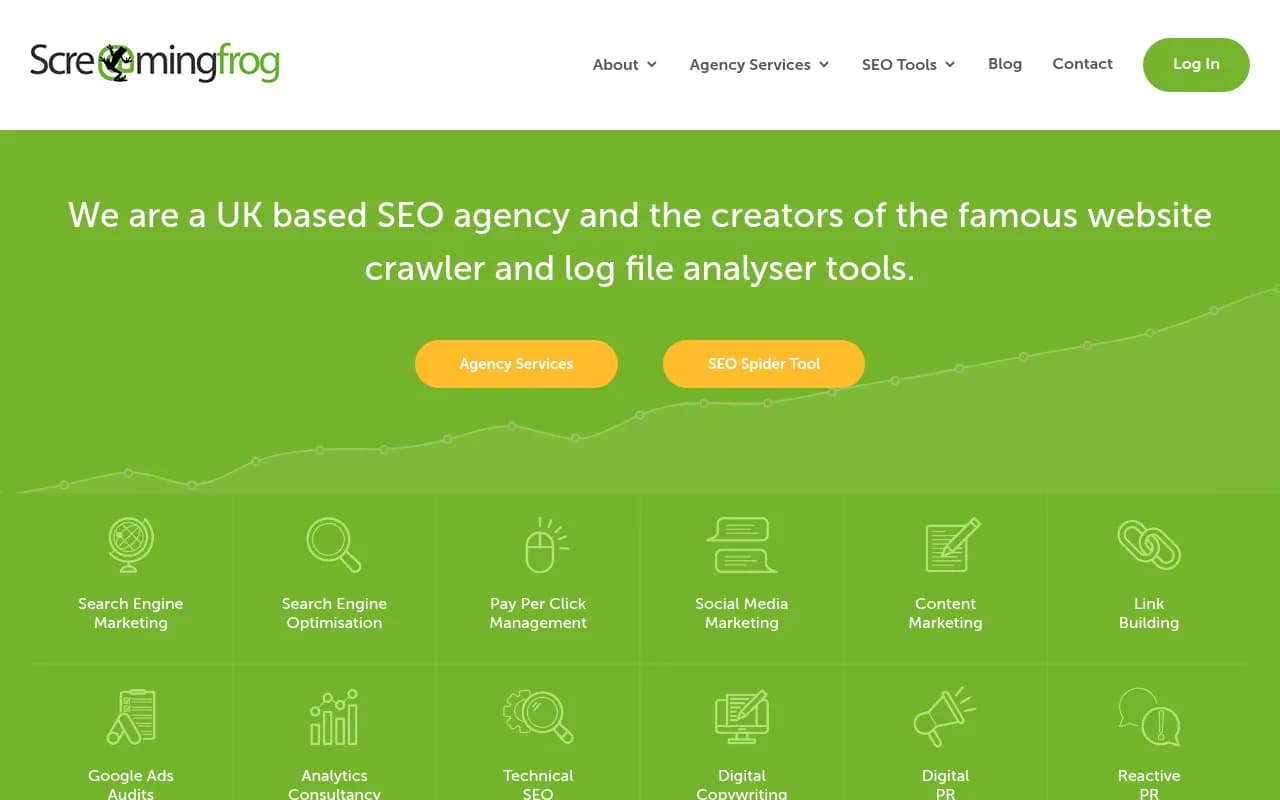
Tools like Screaming Frog SEO Spider can help you audit crawlability. Promptwatch's crawler logs go further, showing you in real time which AI crawlers are hitting your pages, which pages they're reading, and where they're hitting errors.
Build genuine topic authority
Pick the topics where you have real expertise and go deep. Not one blog post -- a cluster of content that covers the topic from multiple angles: the overview, the how-to, the comparison, the FAQ, the case study. AI models are more likely to treat you as a reliable source when your site comprehensively covers a subject rather than touching it lightly.
This is a shift from keyword targeting to topic ownership. The goal isn't to rank for a phrase -- it's to become the site that AI models associate with a subject.
Structure content for extraction
AI models need to be able to pull specific answers from your content. That means:
- Clear headings that signal what each section covers
- Direct answers near the top of sections (don't make the model dig)
- FAQ sections with specific questions and concise answers
- Schema markup where relevant (FAQ schema, HowTo schema, Article schema)
- Avoid burying your actual answer in three paragraphs of preamble
The Pod Digital team put it well: "Content structure is the new link building." If an AI model can't extract a clean answer from your page, it'll find one it can.
Get your brand mentioned in the right places
Your website is just one data source. AI models also pull from third-party publications, Reddit, YouTube, review sites, and industry directories. If your brand is only visible on your own domain, that's a weak signal.
Practical moves here: get listed on relevant comparison sites and directories, encourage genuine reviews on G2 or Trustpilot, participate in or sponsor content on industry publications, and look at whether there are Reddit communities or YouTube channels that AI models are pulling from for your category.
Track which content is actually getting cited
Once you've created content, you need to know if it's working. Page-level citation tracking shows you which specific pages are being referenced by AI models -- and which ones aren't. This tells you where to double down and where to revisit.
The timeline from "published" to "crawled" to "cited" can take weeks. Having visibility into that timeline (rather than just checking your overall score once a month) helps you understand what's actually driving results.
A note on measurement: this is still early
One honest thing to say: measuring AI search visibility is harder than measuring traditional SEO, and the tools are still maturing. Different platforms use different methodologies -- some track a fixed set of prompts, others let you define your own, some use API outputs while others track real user-facing responses (which can differ).
Real user-facing responses matter more for most brands. The answer ChatGPT shows in its actual interface can differ from what the API returns, especially for shopping recommendations and local queries.
When evaluating tools, ask: how are they generating the prompts they track? Are they tracking real UI responses or API outputs? How often do they refresh data? Can you define your own prompts, or are you stuck with a fixed set?
Putting it together
AI search visibility isn't a replacement for SEO -- it's an extension of it. The fundamentals still apply: create genuinely useful content, build real authority, make your site technically sound. But the measurement layer has changed, and the optimization tactics have shifted.
The marketers who are ahead of this in 2026 are the ones who've started tracking their AI citation rates, identifying the prompts they're losing to competitors, and creating content specifically designed to fill those gaps. The ones who are behind are still looking at their Google rankings and wondering why leads feel harder to come by.
Start by understanding where you stand. Pick a handful of prompts that matter to your business and ask ChatGPT, Perplexity, and Gemini what they say. See if your brand comes up. That's your baseline -- and from there, you have something to work with.