Key takeaways
- Gemini (including Google AI Overviews and Google AI Mode) is now one of the highest-traffic AI search surfaces, making citation tracking there genuinely important for most brands
- Most platforms monitor Gemini but differ significantly in what they do with that data — monitoring-only tools leave you stuck, while optimization platforms help you act on gaps
- Promptwatch is the only platform in this comparison that closes the full loop: find gaps, generate content, track results
- Profound is the strongest enterprise option if you need deep analytics and don't need content generation
- Peec AI and Otterly.AI are solid entry points for teams that just want monitoring without complexity
Why Gemini citations specifically matter in 2026
Google's AI surfaces — Gemini, AI Overviews, and the newer AI Mode — now appear on a huge share of searches. Unlike ChatGPT or Perplexity, where users actively switch to a different app, Gemini responses show up inside the Google search results page that billions of people already use every day.
That makes Gemini citation tracking different from tracking other AI engines. If Gemini doesn't cite your brand when someone searches a relevant question, you're invisible at the exact moment someone is already on Google and ready to act. Traditional rank tracking doesn't catch this. A page can rank #3 organically and still never appear in the AI Overview above it.
The platforms in this guide all claim to track Gemini. But "tracking" means very different things depending on the tool. Some just tell you your citation rate. Others tell you why you're not being cited and help you fix it.
Here's how the four main contenders stack up.
The four platforms compared
Promptwatch
Promptwatch covers all three Google AI surfaces: AI Overviews, AI Mode, and Gemini. What separates it from the others isn't the monitoring — it's what happens after you see the data.
The Answer Gap Analysis feature shows you exactly which prompts competitors are being cited for that you aren't. Not just "your visibility is 34% for this topic" but the specific questions, the specific pages your competitors have that you don't, and the content angles AI models are drawing from. That's genuinely useful information.
From there, Content Agents generate articles, comparisons, and briefs built around that gap data. The output is grounded in real prompt volumes, citation patterns, and competitor analysis — not generic SEO filler. And once you publish, page-level tracking shows you when AI crawlers visit, when they start citing the new content, and how that translates to traffic.
Promptwatch also has AI Crawler Logs, which most competitors don't offer at all. You can see when Googlebot (and other AI crawlers) hit your pages, what errors they encounter, and how frequently they return. For Gemini specifically, this matters because Google's crawling behavior directly affects what gets surfaced in AI Overviews.
Pricing starts at $99/month (Essential), with the Professional plan at $249/month adding crawler logs and city-level tracking.

Profound
Profound is the enterprise pick. It has strong analytics, crawler logs, and solid multi-engine coverage including Gemini. Where it shines is in the depth of its reporting — enterprise teams that need to present AI visibility data to leadership will find Profound's dashboards more polished than most.
The gap versus Promptwatch is on the optimization side. Profound shows you the data well but doesn't generate content to fix what's missing. It also doesn't have Reddit or YouTube tracking, which matters because those sources heavily influence what AI models cite. If your competitors are winning Gemini citations partly because they're being discussed on Reddit, Profound won't surface that.
For large organizations that already have content teams and just need better visibility data, Profound is a serious option. For teams that need the full loop from gap to content to result, it falls short.
Profound

Peec AI
Peec AI tracks brand visibility, citation position, and sentiment across ChatGPT, Perplexity, and Google AI Overviews. The interface is clean and the setup is fast — you can get a working dashboard in under an hour.
The limitations are real though. There are no crawler logs, no content generation, and no Reddit or YouTube insights. Competitor benchmarking exists but is fairly surface-level. The API access is limited compared to Promptwatch or Profound.
Where Peec AI makes sense: smaller teams or agencies that want a quick read on AI visibility across engines without a complex setup or a high price point. It's a monitoring tool, not an optimization platform. If you know that going in, it's a reasonable choice.

Otterly.AI
Otterly.AI has been around longer than most in this space and has a reasonably broad feature set. It covers multiple AI engines including Gemini, has citation analysis, and offers competitor benchmarking. The MCP server integration is a genuinely interesting differentiator — it lets AI-native teams query their brand data without leaving their workflow.
The honest assessment: Otterly.AI is a strong monitoring tool. The GEO content audit feature adds some optimization value, but it doesn't go as far as Promptwatch's Content Agents in terms of generating ready-to-publish content grounded in real gap data. Crawler logs are in beta, which means they're not production-ready for teams that need to rely on them.
For teams that want solid monitoring with good analytics and don't need content generation, Otterly.AI is a legitimate option. It's positioned more as a "monitoring + analysis" platform than a full optimization stack.
Otterly.AI

Side-by-side comparison
| Feature | Promptwatch | Profound | Peec AI | Otterly.AI |
|---|---|---|---|---|
| Gemini / AI Overviews tracking | Yes | Yes | Yes | Yes |
| Google AI Mode tracking | Yes | Partial | No | Partial |
| Crawler logs | Yes (Pro+) | Yes | No | Beta |
| Answer gap analysis | Yes | Partial | No | Yes |
| Content generation | Yes | No | No | No |
| Reddit & YouTube insights | Yes | No | No | No |
| ChatGPT Shopping tracking | Yes | No | No | No |
| Competitor heatmaps | Yes | Yes | Yes | Yes |
| Prompt volume & difficulty | Yes | No | No | No |
| Multi-language / multi-region | Yes | Yes | Limited | Yes |
| API access | Yes | Yes | Limited | Yes |
| Starting price | $99/mo | Higher | Lower | Mid-range |
| Free trial | Yes | Yes | Yes | Yes |
What to actually look for when evaluating these tools for Gemini
Real UI tracking vs. API-only. Gemini's user-facing responses can differ from what you get through the API. Tools that only query the API may miss how AI Overviews actually appear to real users. Promptwatch tracks real user-interface behavior, which matters for accurate Gemini data.
AI Overviews vs. AI Mode vs. Gemini app. These are three distinct surfaces. AI Overviews appear in standard Google search. AI Mode is Google's dedicated AI search experience. The Gemini app is a separate product. Not all platforms distinguish between them. If you care about a specific surface, check which one the tool actually tracks.
Crawler log access. For Gemini and AI Overviews specifically, Google's crawling behavior is the upstream cause of what gets cited. If Googlebot isn't crawling your pages properly, no amount of content optimization will help. Crawler logs let you diagnose this. Profound and Promptwatch both offer this; Peec AI and Otterly.AI (currently) don't.
Prompt volume data. Knowing your citation rate for a prompt is useful. Knowing that prompt gets 40,000 monthly queries and your competitor appears in 80% of them while you appear in 12% is actionable. Promptwatch's prompt intelligence layer adds this context; most competitors don't.
Content gap vs. content generation. Several tools will tell you there's a gap. Fewer will help you fill it. If your team has strong content writers who just need direction, a gap analysis tool is enough. If you want to move faster, content generation matters.
Which platform is right for your situation
You're a marketing team at a mid-size company and you want to improve Gemini visibility, not just measure it. Promptwatch is the right call. The gap analysis plus content generation means you can go from "we're invisible for these prompts" to "we have published content targeting those gaps" in the same workflow.
You're an enterprise with a dedicated SEO team and complex reporting needs. Profound deserves a serious look. The analytics depth and crawler logs are strong, and if you have content resources in-house, the lack of content generation isn't a dealbreaker.
You're an agency that needs to monitor AI visibility for multiple clients without a huge per-seat cost. Peec AI's unlimited-seats model makes it attractive for agencies. The monitoring is solid even if the optimization features are thin.
You want solid monitoring with good analytics and an MCP integration for AI-native workflows. Otterly.AI is worth evaluating. The feature set is honest about what it is — a monitoring and analysis tool — and the MCP server is a real differentiator for teams building AI-native workflows.
The monitoring-only trap
One thing worth naming directly: most teams that start with a monitoring-only tool eventually hit the same wall. They can see they're not being cited. They can see competitors are. But the tool doesn't tell them what to do about it, and the gap between "we have data" and "we improved our visibility" turns out to be much wider than expected.
This isn't a knock on monitoring tools specifically — knowing where you stand is genuinely valuable. But if your goal is to actually appear more often in Gemini responses, you need a path from insight to action. That's the core reason Promptwatch's approach of combining gap analysis, content generation, and result tracking in one platform is worth the higher price point for most teams.
The alternative is stitching together a monitoring tool, a content brief tool, and a content writer — which works, but adds coordination overhead and makes it harder to close the loop between what you publish and what improves.
A note on the broader landscape
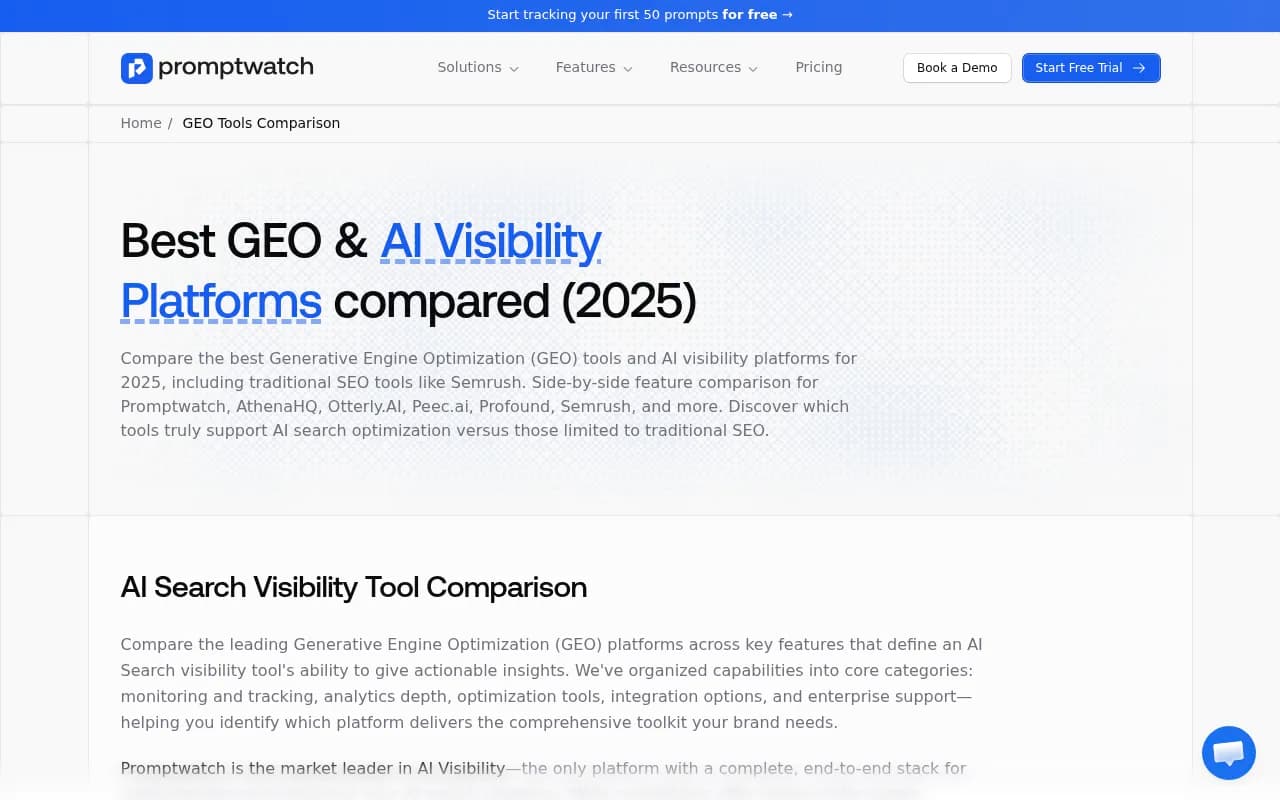
The GEO monitoring space has grown fast in 2026. There are now well over a dozen tools claiming to track AI visibility, and the quality varies enormously. Some are genuinely useful platforms. Others are thin dashboards that query a handful of prompts and call it "AI visibility monitoring."
For Gemini specifically, the bar is higher than for some other engines. Google's AI surfaces are more complex — multiple distinct products, tight integration with traditional search, and crawling behavior that directly affects what gets cited. Tools that treat Gemini as just another API endpoint to query will give you incomplete data.
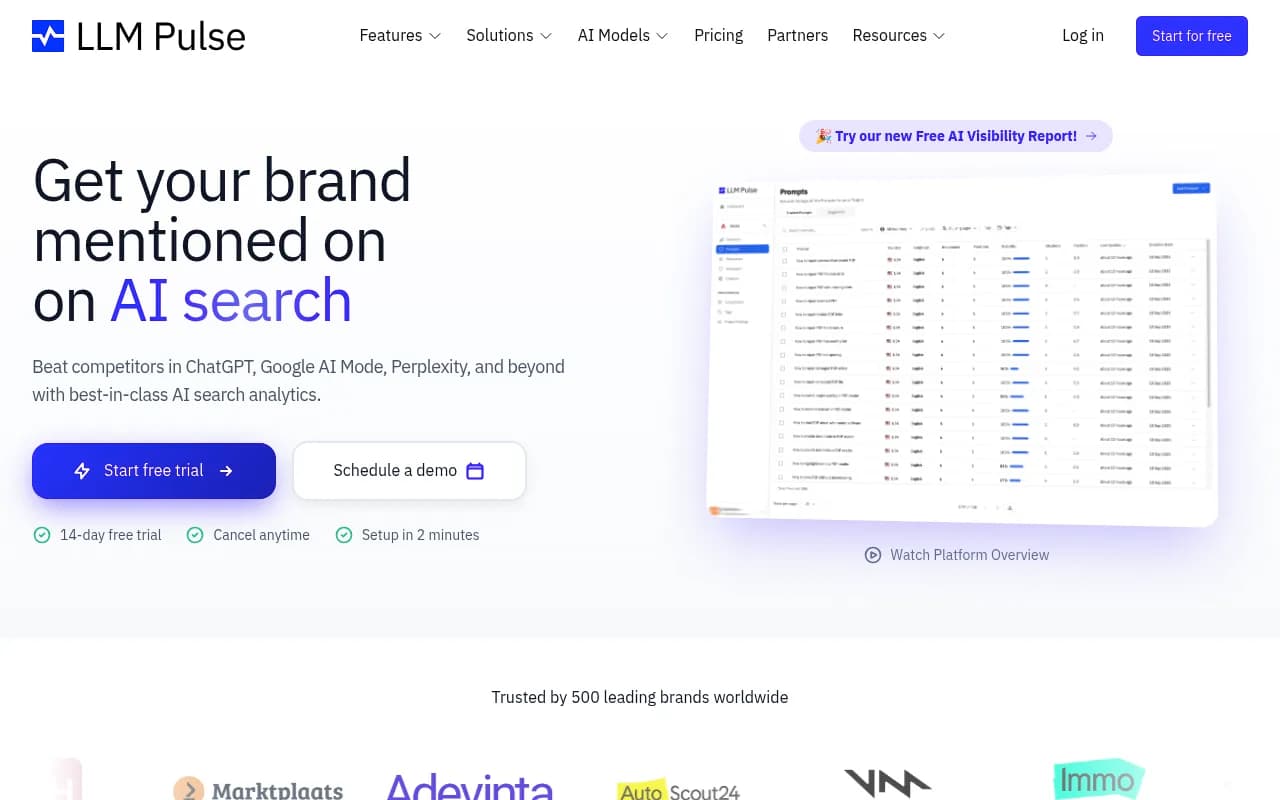
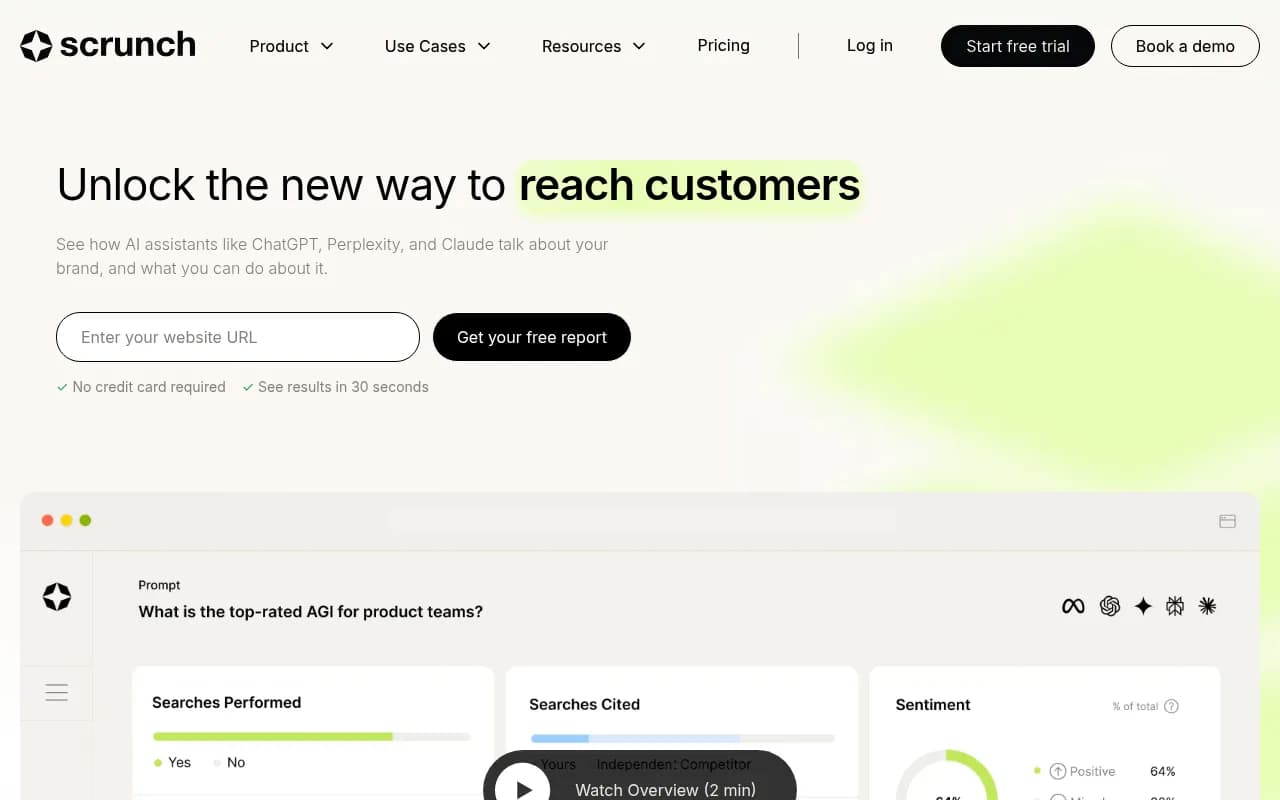
The four platforms in this guide are among the most serious options in the market. But if you want to explore further, tools like LLM Pulse, ScrunchAI, and AthenaHQ are also worth a look depending on your specific needs.

The bottom line: if Gemini citations matter to your business (and for most brands, they should), you need a platform that goes beyond showing you a number. You need one that helps you understand why you're not being cited and gives you a clear path to fixing it.