Key takeaways
- Scrunch AI's Core plan costs $250/mo but limits you to 4 LLMs -- Claude, Gemini, Meta AI, and Grok all require an Enterprise contract
- Most Scrunch alternatives are also monitoring-only dashboards; only a handful actually help you create content that gets cited
- The biggest gap in this category isn't tracking -- it's the jump from "here's your visibility score" to "here's what to do about it"
- Platforms like Promptwatch and AirOps close that loop with content gap analysis and AI writing tools built on real citation data
- If budget is the primary constraint, several alternatives (Peec AI, Otterly.AI, LLM Pulse) offer solid monitoring at a fraction of Scrunch's price
Scrunch AI raised $15M+, landed customers like Lenovo and Crunchbase, and built one of the more recognizable brand names in AI visibility tracking. Its AXP (Agent Experience Platform) -- which delivers AI-optimized content directly to AI crawlers, reportedly reducing page size by up to 98% -- is genuinely interesting and unlike anything else in the category.
But there's a gap between what Scrunch promises and what most users actually get. The Core plan is $250/mo and covers only ChatGPT, Perplexity, Google AI Overviews, and Copilot. Claude, Gemini, Meta AI, and Grok are Enterprise-only. The AXP feature -- the most compelling part -- is also locked behind Enterprise. And reviewers on G2 (where Scrunch sits at 4.6/5 across 50+ reviews) consistently flag that prompt credits deplete fast, there's no report generation, and optimization guidance is thin.
That last point is the real issue. Knowing you're invisible in AI search is step one. Knowing what to do about it is where most platforms -- including Scrunch -- leave you stranded.
This guide covers 10 alternatives worth considering in 2026, with honest takes on what each does well and where it falls short.
What to look for in a Scrunch alternative
Before jumping into the list, it's worth being clear about what "better than Scrunch" actually means for your situation. The category splits into two types of tools:
Monitoring platforms track your brand mentions, citation rates, and visibility scores across AI engines. They're useful for reporting and benchmarking. Most tools in this space fall here.
Optimization platforms go further -- they identify what content you're missing, help you create it, and track whether that content actually gets cited. These are rarer and generally more expensive, but they're the ones that move the needle.
The right choice depends on what you're trying to accomplish. If you need a dashboard to show stakeholders how your AI visibility compares to competitors, a monitoring tool is fine. If you're trying to actually improve your visibility, you need something that helps you act on the data.
With that in mind, here's how the main alternatives stack up.
Quick comparison
| Platform | LLMs monitored | Content generation | Crawler logs | Starting price |
|---|---|---|---|---|
| Promptwatch | 10 | Yes (built-in AI writer) | Yes | $99/mo |
| Profound | 9+ | No | No | ~$250/mo |
| AthenaHQ | 6+ | Limited | No | Custom |
| Peec AI | 5+ | No | No | ~$49/mo |
| Otterly.AI | 5+ | No | No | ~$49/mo |
| AirOps | Varies | Yes | No | Custom |
| SE Ranking | Google AIO focus | No | No | $52/mo |
| LLM Pulse | 6+ | No | No | ~$39/mo |
| Scrunch AI | 4 (Core) / 10+ (Enterprise) | No | No | $250/mo |
| Ahrefs Brand Radar | Limited | No | No | Add-on |
| Semrush AI Toolkit | Limited | No | No | Add-on |
The 10 best Scrunch AI alternatives in 2026
1. Promptwatch
Promptwatch is the most complete alternative if you want to move beyond monitoring into actual optimization. It covers 10 AI models -- ChatGPT, Perplexity, Claude, Gemini, Google AI Overviews, Google AI Mode, Meta/Llama, DeepSeek, Grok, Mistral, and Copilot -- at price points that undercut Scrunch's Core plan.
The thing that sets it apart is the action loop. Answer Gap Analysis shows you exactly which prompts competitors are visible for that you're not -- not just "you're missing coverage here" but the specific topics and questions AI models want answered that your site doesn't address. Then the built-in AI writing agent generates content grounded in 880M+ citations analyzed, prompt volume data, and competitor analysis. It's not generic content; it's engineered to get cited.
On top of that: real-time AI crawler logs (which pages ChatGPT, Claude, and Perplexity are actually reading, and how often), ChatGPT Shopping tracking, Reddit and YouTube citation monitoring, and traffic attribution via GSC integration or server log analysis. The Professional plan ($249/mo) includes crawler logs, city/state tracking, and 15 articles per month. That's more than Scrunch's Core plan covers, at roughly the same price.

2. Profound
Profound is the enterprise-grade option for teams that care about share-of-voice and brand perception across AI engines. It covers 9+ AI platforms, has a clean interface, and is well-regarded for competitive benchmarking.
Where it falls short: there's no content generation, no crawler logs, and no Reddit/YouTube tracking. It's a monitoring platform with strong reporting, not an optimization tool. Pricing starts around $250/mo for the Starter tier, which puts it in direct competition with Scrunch's Core plan -- so the decision usually comes down to which platform covers the LLMs you care about and whose UI your team prefers.
Profound

3. AthenaHQ
AthenaHQ takes a broader approach than most monitoring tools, with coverage across 6+ AI engines and a credit-based system for optimization workflows. It's a reasonable choice for teams that want more than a dashboard but aren't ready to commit to a full optimization platform.
The limitation is that optimization features are credit-gated, which creates friction when you're trying to act on data quickly. And like Profound, there's no content generation built in -- you still need to figure out what to write and where to publish it.

4. Peec AI
Peec AI is a lightweight monitoring tool that covers ChatGPT, Perplexity, Claude, and a few others. It's significantly cheaper than Scrunch (around $49/mo) and does the basics well: prompt tracking, citation monitoring, competitor comparisons.
The honest limitation: it's monitoring only. No content gap analysis, no writing tools, no crawler logs. If you're a smaller team that just needs to track visibility and report on it, Peec AI is a reasonable choice. If you need to improve visibility, you'll hit a ceiling quickly.

5. Otterly.AI
Otterly.AI covers ChatGPT, Perplexity, and Google AI Overviews with a clean, approachable interface. It's popular with smaller marketing teams and agencies that want to get started with AI visibility tracking without a steep learning curve or a steep price.
Like Peec AI, it's fundamentally a monitoring tool. The data is useful; the platform doesn't help you act on it. But at its price point (~$49/mo), that's a reasonable trade-off for teams that are still figuring out their AI search strategy.
Otterly.AI

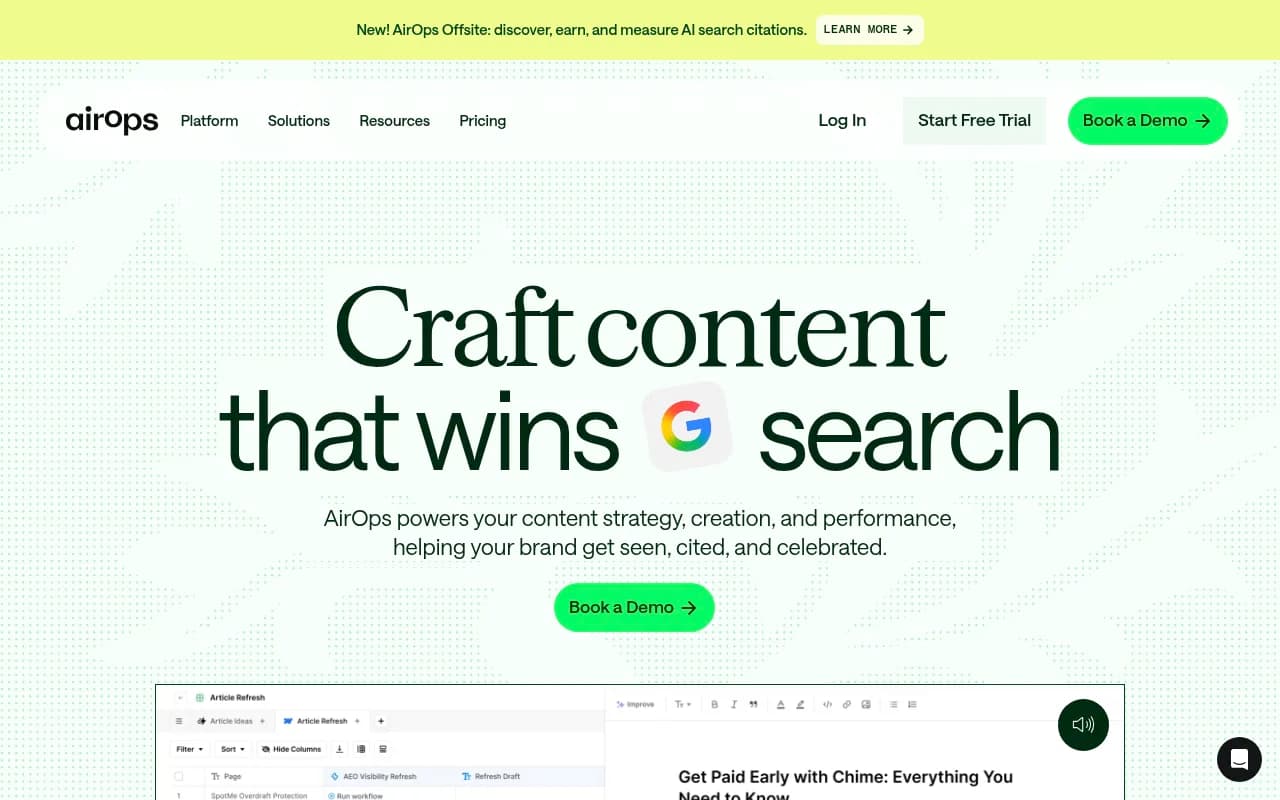
6. AirOps
AirOps takes a different angle -- it's primarily a content engineering platform that helps teams create content optimized for AI search, with monitoring layered in. If your main bottleneck is content production rather than tracking, it's worth a look.
The trade-off is that it's more of a workflow tool than a pure AI visibility platform. You'll get strong content capabilities but less depth on the monitoring side compared to dedicated trackers.
7. SE Ranking
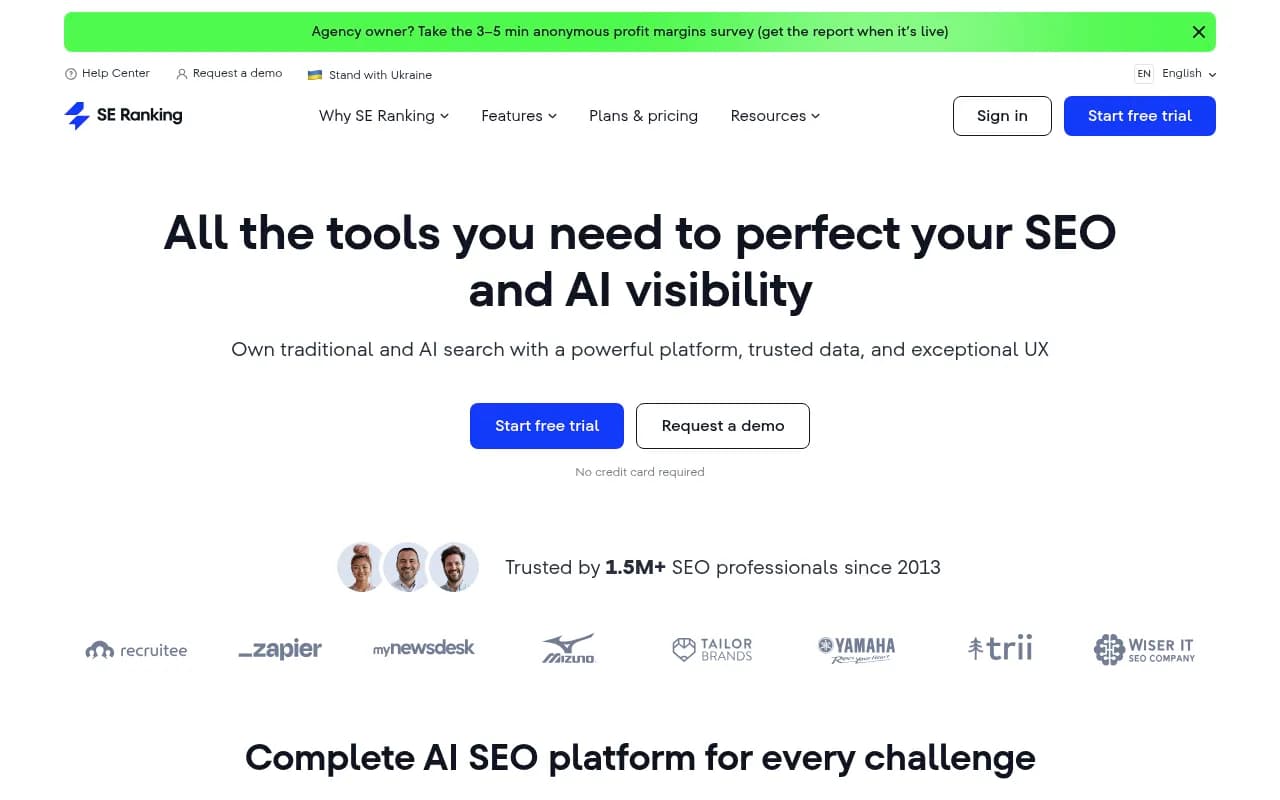
SE Ranking is a traditional SEO platform that added Google AI Overviews tracking, making it a reasonable option for teams that already use it for classic rank tracking and want to add some AI visibility coverage without switching tools.
The limitation is obvious: it's primarily built for Google, and AI Overviews is the only AI engine it covers in any depth. If you care about ChatGPT, Perplexity, Claude, or Gemini visibility, SE Ranking isn't the right tool.
8. LLM Pulse
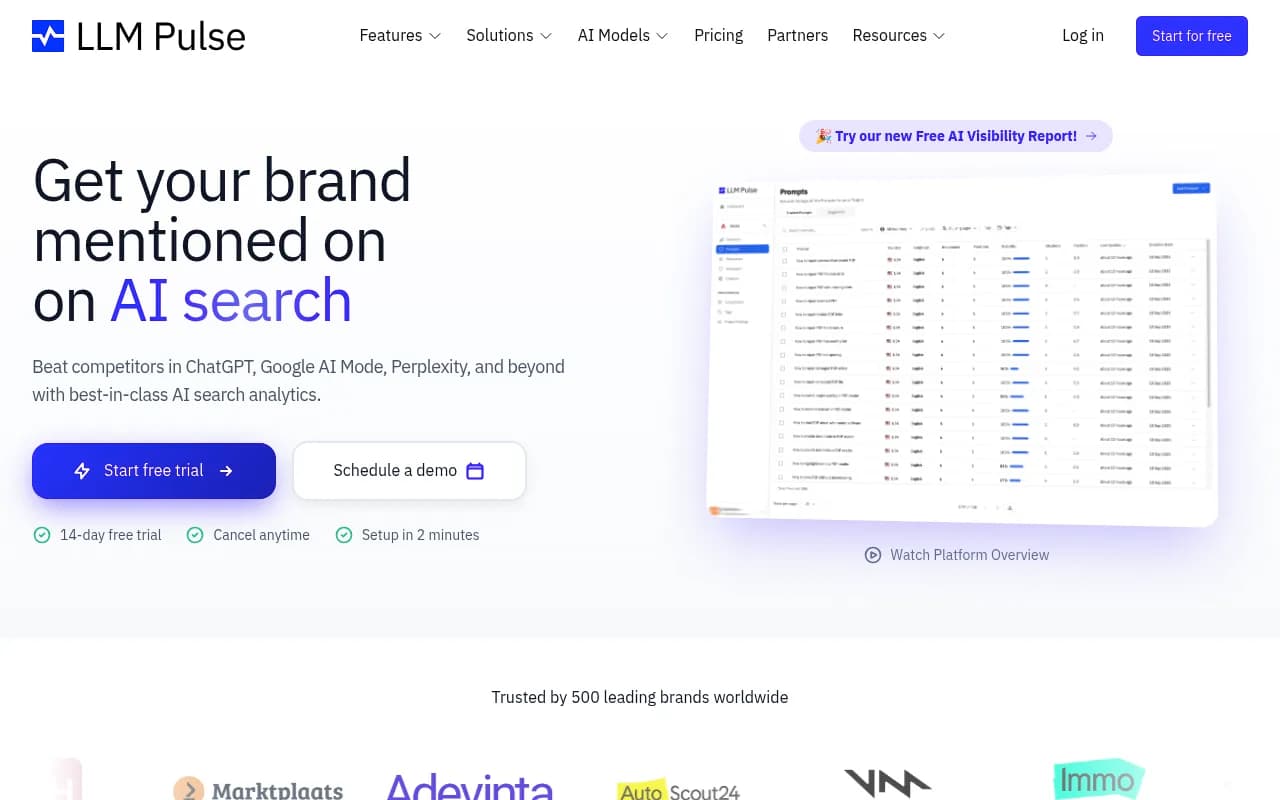
LLM Pulse is a newer entrant focused on tracking brand visibility across ChatGPT, Perplexity, and several other AI engines. It's affordable, straightforward, and useful for teams that want basic monitoring without the complexity of a full platform.
It's early-stage compared to Scrunch or Profound, which means the feature set is thinner -- but the pricing reflects that. Worth watching as the platform matures.
9. Ahrefs Brand Radar
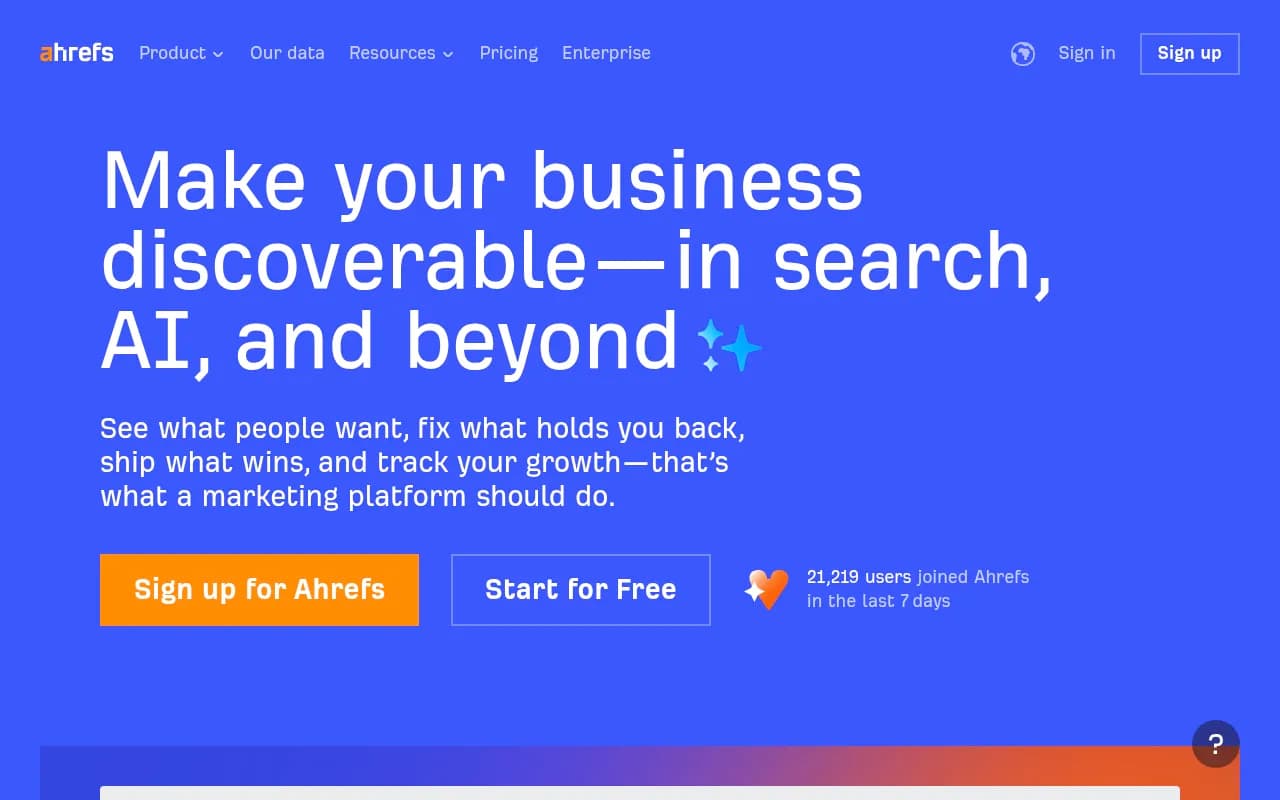
Ahrefs added Brand Radar as an extension of its existing SEO platform, giving existing Ahrefs users a way to track AI visibility without switching tools. The competitive intelligence angle is strong -- Ahrefs has deep data on backlinks and domain authority that can inform your AI visibility strategy.
The downsides: fixed prompts (you can't customize what you're tracking), no AI traffic attribution, and coverage that's narrower than dedicated AI visibility tools. It's a useful add-on for Ahrefs power users, not a standalone AI visibility solution.
10. Semrush AI Toolkit
Similar story to Ahrefs: Semrush added AI visibility features to its existing platform, making it convenient for teams already in the Semrush ecosystem. The AI Toolkit covers some prompt monitoring and citation tracking, but uses fixed prompts and lacks the depth of dedicated platforms.
If you're a Semrush shop and want basic AI visibility data without adding another tool, it's a reasonable starting point. For anything more serious, you'll want a dedicated platform.
Honorable mentions
A few other tools worth knowing about depending on your specific situation:
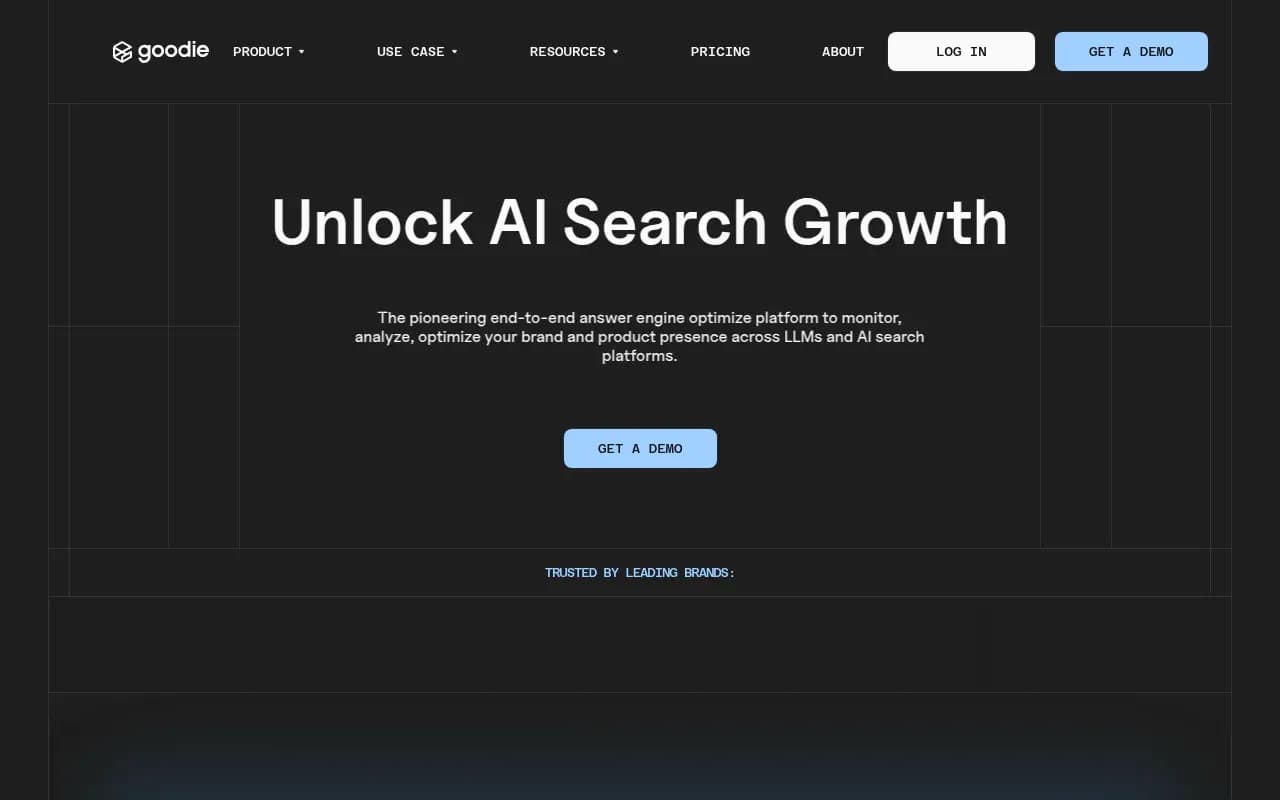
Goodie AI covers multiple AI engines and has a structured approach to AEO programs. Good for teams that want a methodical framework.
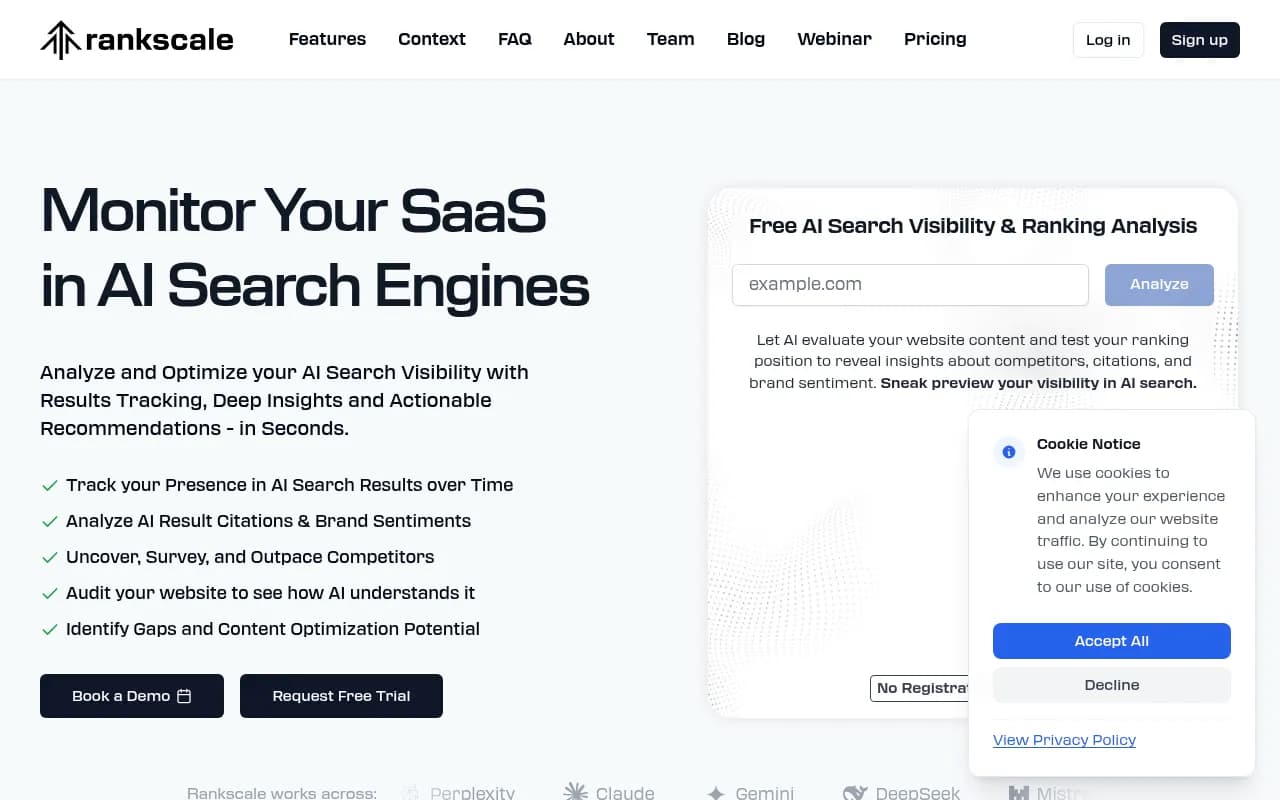
Rankscale is agency-focused with solid multi-client management. If you're running AI visibility programs for multiple clients, it's worth evaluating.
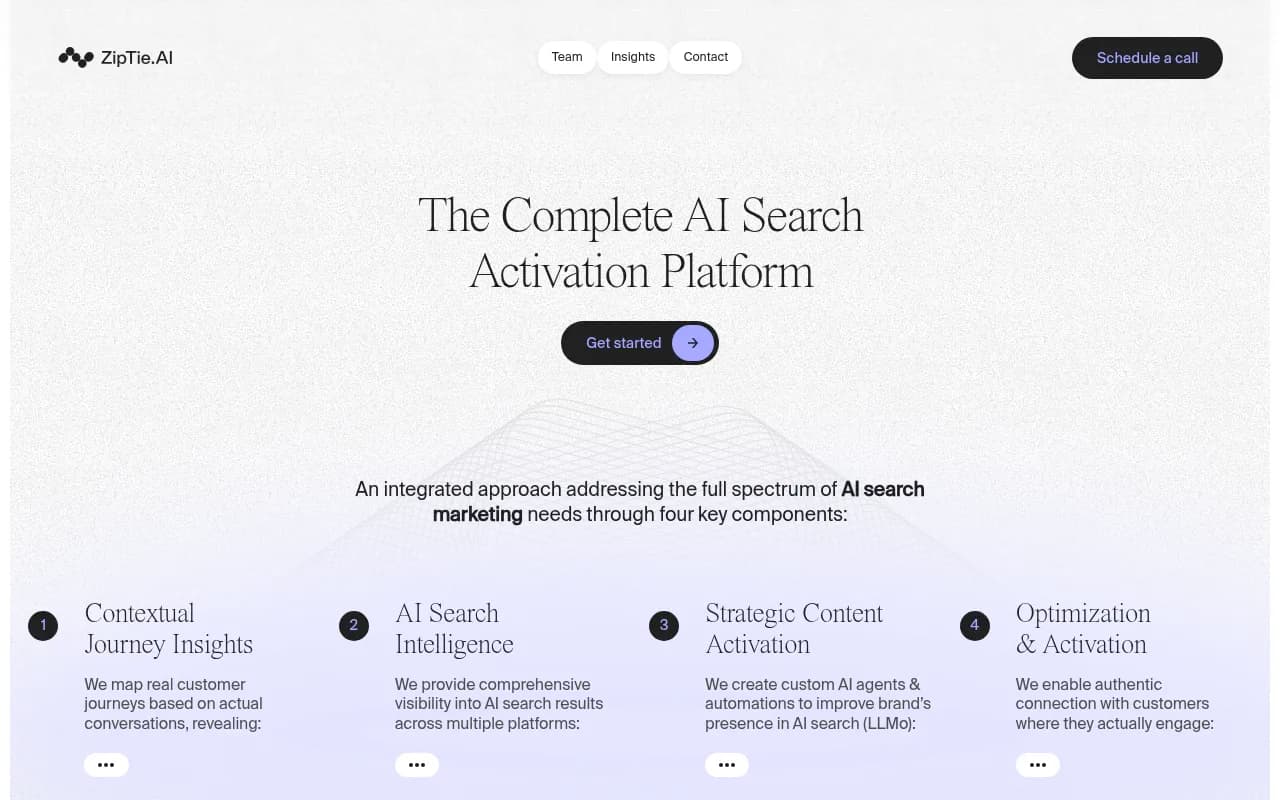
ZipTie offers deep analysis capabilities with strong competitive intelligence features. Worth testing if you're doing detailed prompt-level research.
How to choose
The honest answer is that the right tool depends on where you are in your AI visibility journey.
If you're just starting out and need to understand your current visibility before investing in optimization, a cheaper monitoring tool (Peec AI, Otterly.AI, LLM Pulse) makes sense. Get the data, understand the landscape, then upgrade when you know what you're trying to fix.
If you're already tracking visibility and frustrated that the data isn't translating into results, you need a platform with optimization built in. That's a short list -- Promptwatch is the most complete option, AirOps is strong on the content production side, and a few others are getting there.
If you're at enterprise scale with a large team and complex reporting needs, Profound or AthenaHQ are worth evaluating alongside Promptwatch's Business or Agency tiers.
One thing worth being direct about: most tools in this category are monitoring dashboards dressed up as optimization platforms. The gap between "here's your visibility score" and "here's how to improve it" is where most platforms stop. Before committing to any tool, ask specifically: does this platform help me create content that gets cited, or does it just show me that I'm not getting cited? The answer will tell you a lot about whether it's actually useful.
The AI search landscape is moving fast. Brands that are visible in ChatGPT, Perplexity, and Claude today built that visibility by publishing content those models want to cite -- not by watching dashboards. The tools that help you do the former are the ones worth paying for.