Key takeaways
- Most AI visibility tools track ChatGPT, Perplexity, Gemini, Claude and Google AI Overviews. Meta AI and Alexa coverage is rare, so check it before you buy.
- Promptwatch monitors the real interfaces of Meta AI and Amazon Alexa (including Alexa product results), which makes it the clearest option for personal-assistant coverage. Knowatoa also has a dedicated Meta AI page.
- I found no verified tool that monitors Siri. Treat any vendor claim about Siri as unproven until you see a demo.
- Classic social listening tools (Brandwatch, Talkwalker, BrandMentions) scan the web and social text. They do not tell you what an assistant says about you.
- You can fill gaps with a manual prompt routine plus referrer tracking, though referrals only show clicks, not mentions.
Why personal assistants are a different problem
Tracking your brand in ChatGPT is a solved-enough problem. Dozens of tools run a prompt set on a schedule and log whether you show up. Personal assistants are messier. Meta AI lives inside Instagram, WhatsApp and Messenger. Alexa answers by voice, often with a single recommendation and no list of sources. Siri is closed to nearly everyone.
That matters because the answers differ by surface. A brand can be recommended in ChatGPT and invisible in Meta AI, since the two pull from different indexes. Promptwatch's data shows Meta-WebIndexer going from about 2% to nearly 38% of tracked AI crawler requests between mid-July and August 9, 2026. Meta is clearly building its own web index, so Meta AI visibility is worth taking seriously now rather than later.
Citation behaviour also varies a lot by engine. Promptwatch's average-sources data shows ChatGPT citing about 5 sources per web-search answer, while Google AI Overviews and Perplexity sit near 10. That report has no figures for Meta AI, Alexa or Siri, which tells you how thin public data is for these assistants. Measure each assistant separately and don't assume ChatGPT results carry over.
How brand tracking in assistants actually works
The generic method is simple. You define a set of prompts, submit them to each assistant on a schedule, record whether your brand appears, classify the sentiment and position, and trend the results. This is different from social listening, which scans web and social text for mentions of your name.
The hard part is the second step. Tools that call model APIs are cheap, but the user-facing answer in an assistant app can differ from the API output. Tools that capture the real interface are closer to what customers see. When you evaluate anything on this list, ask one question first: does it read the actual Meta AI or Alexa interface, or does it just query a model through an API and label it as that assistant?
Tools that cover Meta AI and Alexa
Promptwatch
Promptwatch is the one platform I would start with if Meta AI and Alexa are on your list. It monitors the real user interfaces of Meta AI and Amazon Alexa, including Alexa product results, alongside ChatGPT, Google AI Overviews, Google AI Mode, Gemini, Perplexity, Microsoft Copilot and Claude. You can pin monitors by country and language, so you see what a French or Dutch user gets rather than a US default.
The tracking is only half the story. It shows why you are or aren't visible, using IP-verified crawler logs (including Meta-WebIndexer and Meta-ExternalAgent), and then helps fix it with content gap analysis, the Content Agent and the Action Board. For e-commerce brands, the AI Shopping module covers Alexa product results, and you can upload a catalog to track your own products.
Pricing starts at a free Explore plan (ChatGPT only), with paid plans from $95/month that unlock all models. Confirm the current numbers at promptwatch.com/pricing.

Knowatoa
Knowatoa has a dedicated Meta AI brand monitoring page. It says it tracks brand mentions, rankings, competitor share of voice, citations, accuracy, and the questions that trigger each one. It also pitches tracking of shopping-related mentions across Instagram and WhatsApp. That focus on Meta surfaces is unusual. I could not verify pricing, and I found no evidence of Alexa coverage, so request a trial before committing.
Tools that mostly stop at the big six
The rest of the market tracks ChatGPT, Perplexity, Gemini, Claude, Grok and AI Overviews. Meta AI and Alexa are rarely mentioned in their documentation. That is not a knock if you only need the major engines, but it is a deal-breaker if assistants are the point. Peec AI, for example, gets strong marks for enterprise features like SSO and source-level analysis, but I did not find Meta AI or Alexa coverage in the sources I reviewed.

Otterly.AI

Profound


Brand Radar is a sensible pick if you already live in Ahrefs, and Semrush's AI toolkit fits teams already in that suite. Both are built around search engines and chat assistants rather than voice or messaging assistants. Smaller trackers like [tool:rankshift], [tool:llm-pulse], [tool:ziptie] and [tool:athenahq] follow the same pattern: monitoring first, personal-assistant coverage unclear. Always check the model list on the pricing page, not the marketing copy.
Comparison table
| Tool | Meta AI | Alexa | Siri | Beyond monitoring |
|---|---|---|---|---|
| Promptwatch | Yes, real interface | Yes, including product results | Not verified | Crawler logs, content agent, action board |
| Knowatoa | Yes, dedicated page | Not verified | Not verified | Share of voice, accuracy, citations |
| Peec AI | Not verified | Not verified | Not verified | Source-level analysis, SSO |
| Brand Radar (Ahrefs) | Not verified | Not verified | Not verified | Fits existing Ahrefs workflow |
| Otterly.AI | Not verified | Not verified | Not verified | Tiers tied to prompt volume |
| Classic social listening | No | No | No | Web and social mentions only |
"Not verified" means I couldn't find confirmation in the sources reviewed, not that the tool definitely lacks it. Ask the vendor directly.
What about Siri?
No tool I found has verified Siri monitoring. Siri is the hardest of the three because answers happen on-device or through Apple's own routing, with no public interface to query at scale. If a vendor claims Siri tracking, ask for a sample export showing the actual responses and how they were collected. If they can't produce one, assume it isn't real.
Where traditional social listening fits
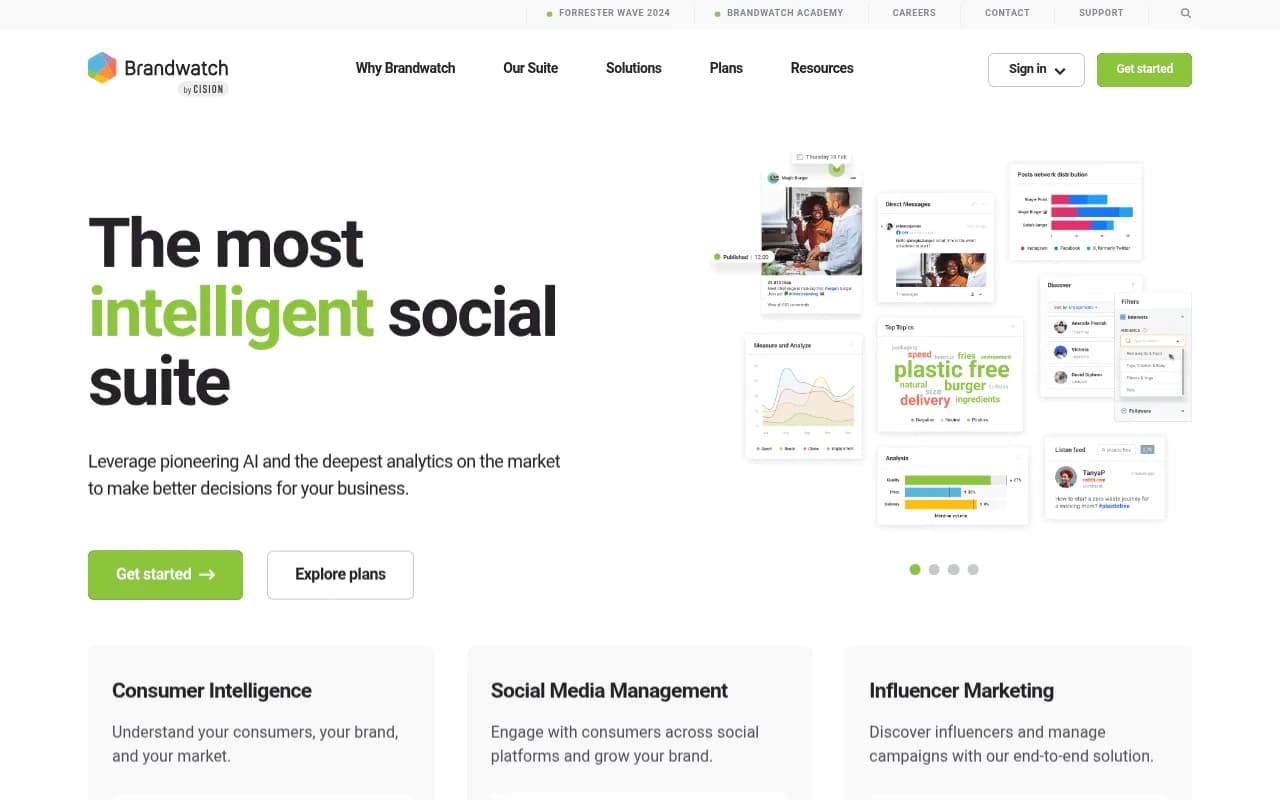
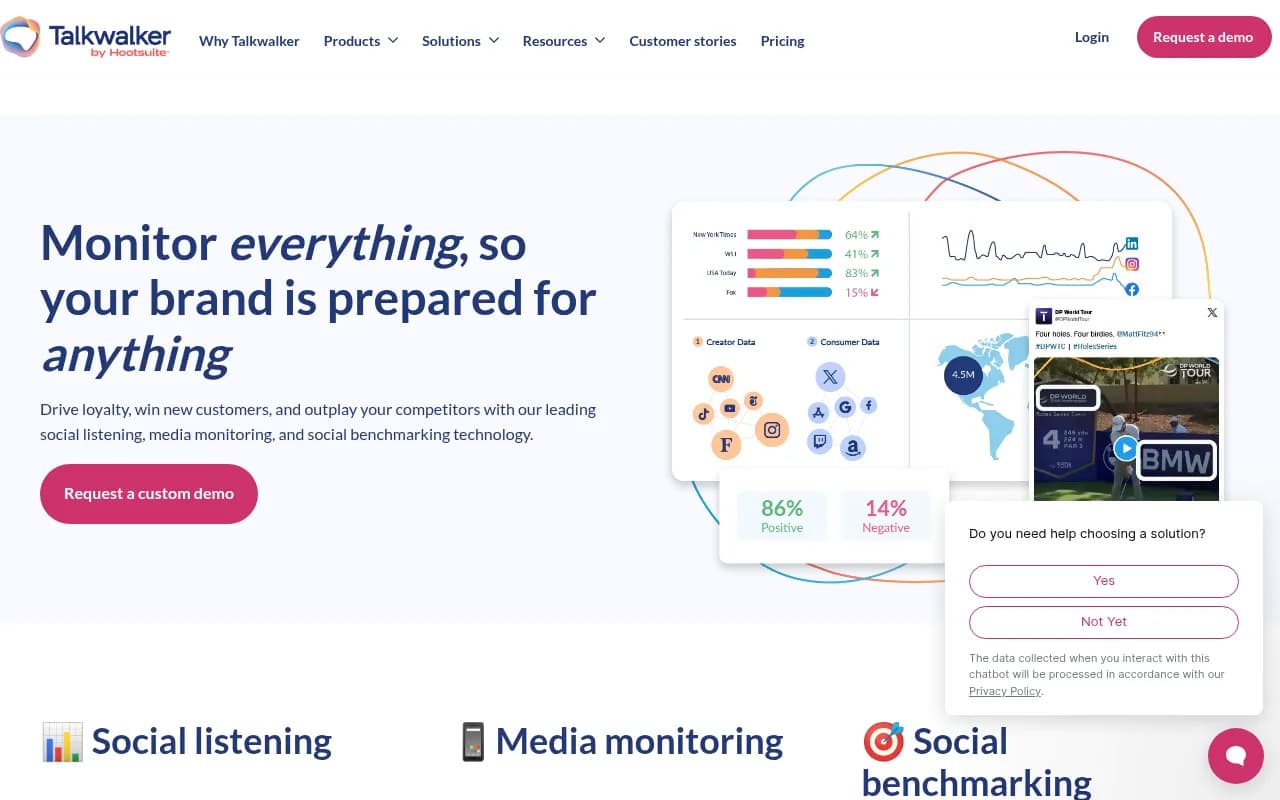
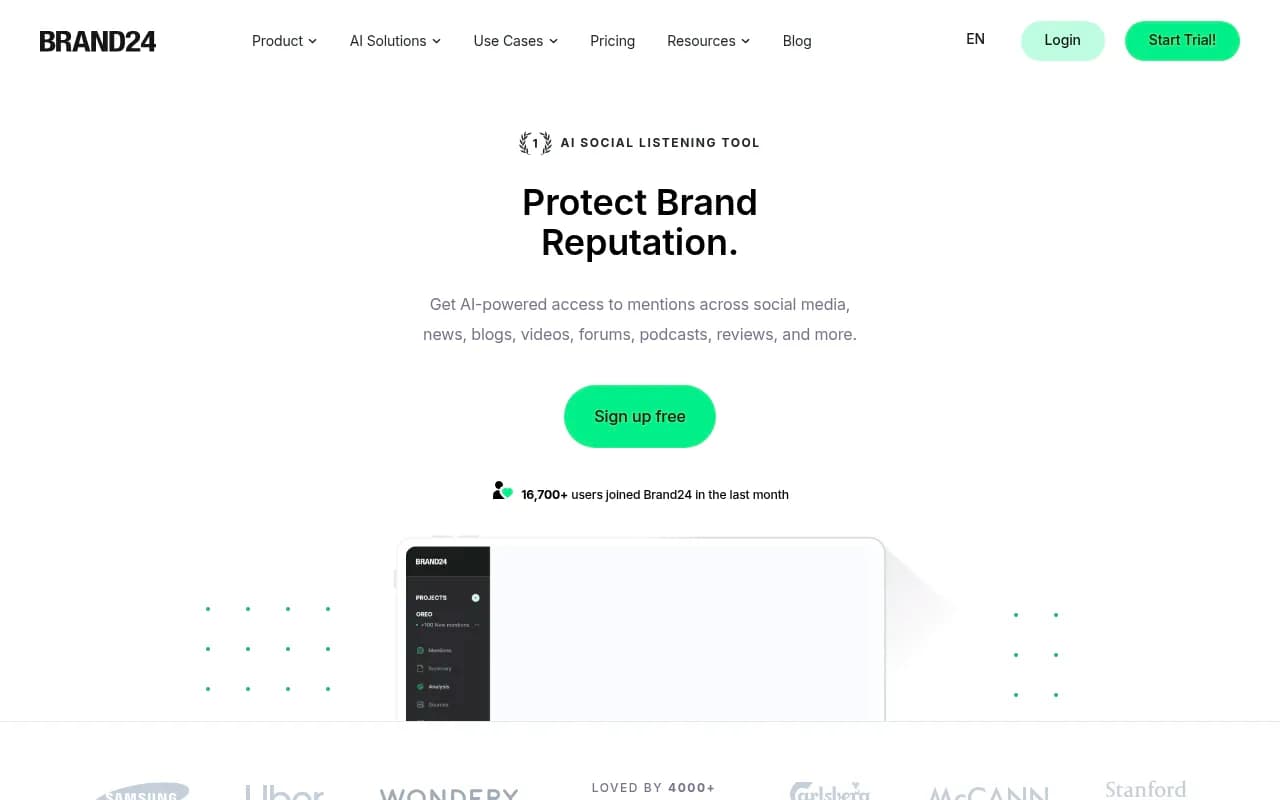
Social listening tools still matter, just for a different job. Brandwatch, Talkwalker, Brand24, Awario and Mentionlytics scan the open web and social platforms for mentions of your brand. That tells you what people are saying, which is part of what feeds assistants, but it does not tell you what an assistant says back to a customer.
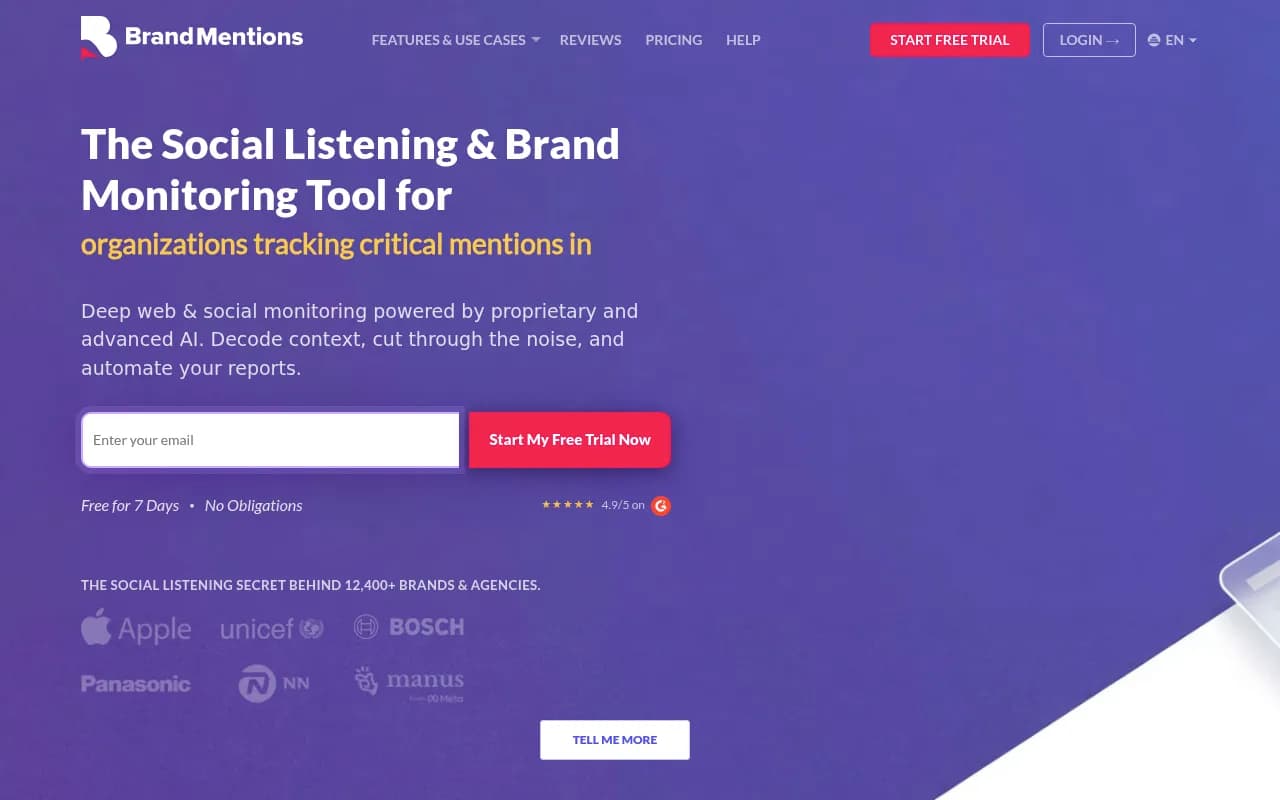
BrandMentions is a typical example. It claims 12,400+ brands and agencies and a 4.9/5 G2 rating, and offers a 7-day free trial, though those are vendor claims. It is a reasonable way to catch web and social mentions in real time. Just don't buy it expecting Meta AI output.
One useful overlap: if your social mentions are negative, that sentiment tends to show up later in assistant answers. Running a listening tool alongside an AI tracker gives you cause and effect, which neither does alone.
A manual routine when the tools fall short
If your budget is zero or your assistant isn't covered, a manual routine gets you surprisingly far. It's slow, but it is honest data.
- Write 15 to 25 prompts that real customers would ask. Mix generic category questions, comparison questions and brand-specific ones.
- Run each in a fresh chat or session, in the same language and region as your customers. For Meta AI, use the in-app assistant inside Instagram or WhatsApp. For Alexa, ask out loud and write down the exact reply.
- Log whether you appear, whether you are recommended, your position, and whether the facts are right.
- Repeat monthly and compare. Wrong facts are the easiest wins, because you can usually fix them by updating the page the assistant is pulling from.
The weakness is scale and consistency. Answers vary run to run, so a single check proves little. Repeat each prompt a few times before you draw a conclusion.
Referrer tracking
In analytics, watch referrers such as perplexity.ai, gemini.google.com and android-app://com.openai.chatgpt. This tells you which assistants send clicks. It does not show mentions that never produce a click, and voice assistants like Alexa generally don't send referrals at all. Treat it as a supplement, not a measure of visibility. Google Analytics works fine for this.
Make sure assistants can read your site
Tracking tells you the score. Crawlability decides whether you can change it. Promptwatch's AI crawler traffic report found OpenAI at 79.8% of verified AI crawler requests in the week of Aug 31 to Sept 6, 2026, down from 94.8% in early June. The share is shifting toward other providers, including Meta. The report's advice is practical: check that robots.txt, CDN and WAF rules don't block any major AI crawler, then compare your own logs to that mix. If a provider is large in the report but near zero in your logs, you are probably blocked.
For Meta, that means checking for Meta-WebIndexer and Meta-ExternalAgent in your logs. If you block them, don't expect Meta AI to know much about you.
How to choose
- You care about Meta AI and Alexa specifically: start with Promptwatch, and add Knowatoa if you want a Meta-focused second opinion.
- You sell physical products: Alexa and ChatGPT shopping results matter most, so pick a tool that tracks product visibility, not just text mentions.
- You are already deep in Ahrefs or Semrush: use their AI modules for the major engines, and accept the gap on personal assistants.
- You have no budget: run the manual routine above and watch referrers.
- You need to know what people say about you on the open web: add a classic social listening tool.
For wider browsing, the GEO software directory at bestgeosoftware.com lists far more trackers than fit here, and it's worth filtering by supported engines.
The honest summary
Personal assistants are the least instrumented corner of AI search. Meta AI has a couple of dedicated options. Alexa is covered by very few tools. Siri is, as far as I can verify, not covered at all. Buy based on a proven model list, run a monthly manual check for anything the tool misses, and make sure the crawlers behind these assistants can reach your site. That combination beats any single dashboard.