Key Takeaways
- Content gap analysis has evolved beyond keyword research — in 2026, it means analyzing what AI models cite, which prompts competitors rank for, and what topics your audience searches but your site doesn't cover
- The workflow is now a closed loop — modern platforms connect gap discovery → content generation → publication → performance tracking in a single system, cutting production time by 60-80%
- Prompt intelligence is the new keyword research — understanding prompt volume, difficulty, and query fan-outs helps you prioritize which content gaps to fill first
- AI writing agents create citation-worthy content — tools like Promptwatch and Averi AI generate articles grounded in real citation data from 880M+ analyzed sources, not generic SEO filler
- Tracking closes the loop — page-level visibility monitoring shows which new articles get cited by ChatGPT, Claude, and Perplexity, proving ROI and informing the next content cycle
What Content Gap Analysis Actually Means in 2026
Content gap analysis used to be simple: find keywords your competitors rank for but you don't, write articles targeting those keywords, wait for Google to notice. That playbook is dead.
In 2026, search is fragmented across traditional SERPs, social platforms, Reddit threads, YouTube videos, and — most importantly — AI-generated answers from ChatGPT, Perplexity, Claude, Gemini, and Google AI Overviews. A content gap isn't just a missing keyword anymore. It's a missing answer to a prompt your audience is asking AI models, a topic competitors are cited for but you're not, or a question your existing content addresses poorly compared to what AI engines expect.
The shift is fundamental: you're no longer optimizing for algorithms that crawl and rank pages. You're optimizing for AI models that read your content, synthesize it with other sources, and decide whether to cite you in their responses. This is called Generative Engine Optimization (GEO), and it changes everything about how you identify and fill content gaps.
The Three Types of Content Gaps in 2026
1. Prompt Gaps
These are queries your target audience asks AI models — ChatGPT, Perplexity, Claude — where competitors get cited but you don't. Traditional keyword tools won't show you these because they're not typed into Google. They're conversational, multi-turn prompts like "compare project management tools for remote teams under $50/month" or "what's the best CRM for real estate agents who hate Salesforce."
Tools like Promptwatch surface these gaps by analyzing 1.1 billion+ citations and showing exactly which prompts competitors are visible for but you're not. You see the specific questions AI models want answers to but can't find on your site.
2. Citation Gaps
Your content might rank on Google, but if AI models don't cite it when answering related prompts, you have a citation gap. This happens when your content lacks the structure, depth, or authoritative signals AI engines look for. Content updated quarterly, structured with clear headings and FAQs, and backed by data sees 2.8x more AI citations than static, unstructured pages.
3. Topic Gaps
These are entire subject areas your audience cares about but your content library ignores. In 2026, topic gap analysis goes beyond competitor keyword lists. It includes Reddit discussions that influence AI recommendations, YouTube videos cited in AI responses, and emerging queries that don't have high search volume yet but are growing fast in AI prompts.
The End-to-End Content Gap Workflow
The best content teams in 2026 don't treat gap analysis as a one-time audit. They run it as a continuous loop: find gaps → prioritize → create content → publish → track results → find new gaps. Here's how each phase works.
Phase 1: Gap Discovery
This is where you identify what's missing. The process combines traditional SEO research with AI-specific intelligence.
Step 1: Run a competitor prompt analysis
Use a platform like Promptwatch to see which prompts your competitors get cited for across ChatGPT, Perplexity, Claude, and other AI models. The Answer Gap Analysis feature shows exactly which prompts competitors are visible for but you're not, along with the specific content angles and topics your site is missing.

Step 2: Analyze citation sources
Look at which pages, Reddit threads, YouTube videos, and domains AI models cite when answering prompts in your niche. This reveals what types of content AI engines trust and what formats they prefer. If competitors get cited for listicles and comparison articles but you only publish long-form guides, that's a format gap.
Step 3: Check traditional keyword gaps
Don't ignore Google entirely. Tools like Semrush, Ahrefs, and SE Ranking still surface keyword opportunities competitors rank for but you don't. The difference in 2026 is you're not just chasing keywords — you're using them to inform what prompts and topics to prioritize.
Step 4: Surface Reddit and YouTube insights
AI models increasingly cite Reddit discussions and YouTube videos in their responses. Platforms like Promptwatch track these sources and show which threads and videos influence AI recommendations in your space. If your audience is asking questions on Reddit that your content doesn't answer, that's a gap.
Phase 2: Prioritization
Not all gaps are worth filling. In 2026, prioritization is driven by three metrics:
1. Prompt volume — how many people are asking this question or variations of it
2. Difficulty score — how competitive the prompt is (how many authoritative sources already cover it well)
3. Business relevance — does this prompt align with your product, service, or target audience
Promptwatch provides volume estimates and difficulty scores for each prompt, plus query fan-outs that show how one prompt branches into sub-queries. This lets you prioritize high-value, winnable prompts instead of guessing.
Phase 3: Content Creation
This is where the workflow gets automated. In 2026, the best teams don't manually write every article from scratch. They use AI writing agents that generate content grounded in real citation data, competitor analysis, and prompt intelligence.
The AI content generation process:
- Feed the AI agent the prompt or topic — e.g. "best CRM for real estate agents"
- The agent analyzes 880M+ citations to see what AI models cite when answering similar prompts
- It pulls in competitor angles — what topics, examples, and data points competitors include that get them cited
- It generates a draft — not generic SEO filler, but content engineered to get cited by ChatGPT, Claude, Perplexity, and other AI models
- Human editors refine — adjust tone, add brand voice, fact-check, and polish
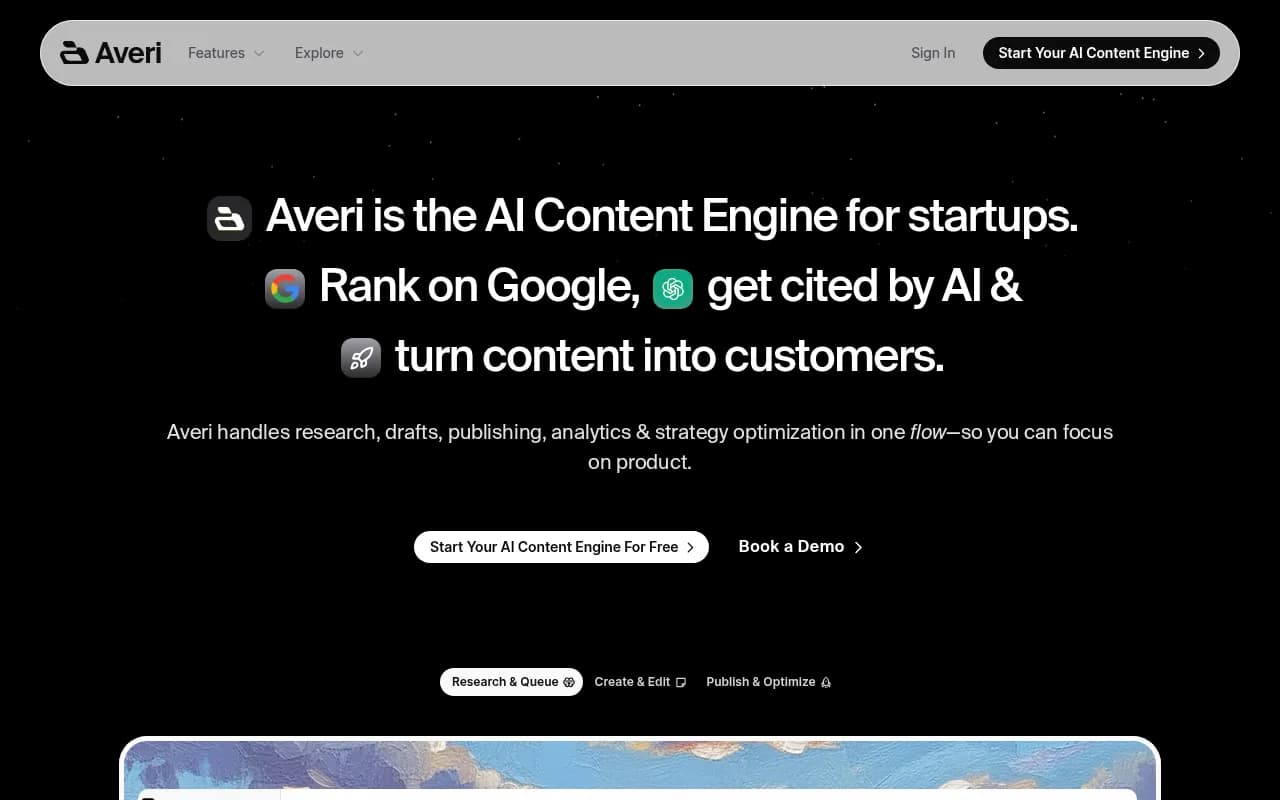
Platforms like Promptwatch and Averi AI offer built-in AI writing agents that handle this entire process. Averi's "Synapse" system even develops a persistent brand memory, learning from your edits and performance data to ensure future content aligns more closely with your brand's voice.
Why this works:
AI-generated content that's grounded in citation data performs better because it includes the specific elements AI models look for: clear structure, authoritative data, direct answers to common questions, and the right depth of coverage. It's not about gaming the system — it's about understanding what AI engines need to confidently cite your content.
Phase 4: Publication and Optimization
Once the content is created, publication isn't just hitting "publish" and moving on. In 2026, optimization happens at the page level:
- Add structured data — schema markup that helps AI models understand your content
- Optimize for featured snippets — clear, concise answers to common questions
- Include FAQs — AI models love FAQ sections because they map directly to how people prompt
- Update quarterly — content that's refreshed regularly gets 2.8x more AI citations
- Internal linking — connect new content to existing pages to build topical authority
Phase 5: Tracking and Attribution
This is where most teams fail. They publish content but never close the loop by tracking whether it actually gets cited by AI models or drives traffic.
What to track:
- AI visibility scores — how often your brand or content appears in AI-generated answers
- Page-level citations — which specific pages get cited, how often, and by which AI models
- Prompt rankings — which prompts you're now visible for that you weren't before
- Traffic attribution — connect AI visibility to actual website traffic and conversions
Promptwatch provides all of this in a single dashboard. You see your visibility scores improve as AI models start citing your new content. Page-level tracking shows exactly which pages are being cited, how often, and by which models. Traffic attribution (via code snippet, Google Search Console integration, or server log analysis) connects visibility to actual revenue.
Phase 6: Close the Loop
Once you've tracked results, you feed that data back into the next content cycle. Which prompts drove the most citations? Which content formats performed best? Which competitors are still outranking you for high-value prompts? Use this intelligence to refine your next round of gap analysis and content creation.
This is the action loop that separates optimization platforms from monitoring-only dashboards. Most competitors (Otterly.AI, Peec.ai, AthenaHQ, Search Party) stop at tracking. They show you the data but leave you stuck. Platforms like Promptwatch close the loop by showing you what's missing, helping you create content that fixes it, and tracking the results so you can prove ROI.
Tools That Power the Workflow
The best content gap workflows in 2026 are built on platforms that integrate multiple capabilities instead of forcing you to stitch together five different tools.
End-to-End Platforms
Promptwatch — The only platform rated as a "Leader" across all GEO categories in a 2026 comparison of 12 competitors. It combines gap discovery (Answer Gap Analysis), content generation (AI writing agent grounded in 880M+ citations), and performance tracking (page-level visibility, traffic attribution, AI crawler logs). Pricing starts at $99/month for the Essential plan.
Averi AI — AI-powered content operations platform that handles strategy, creation, and publishing in a unified system. The "Synapse" agent learns your brand voice and automates routine tasks like social captions and competitor analysis while flagging complex decisions for human oversight. Reduces production time by 60-80%.
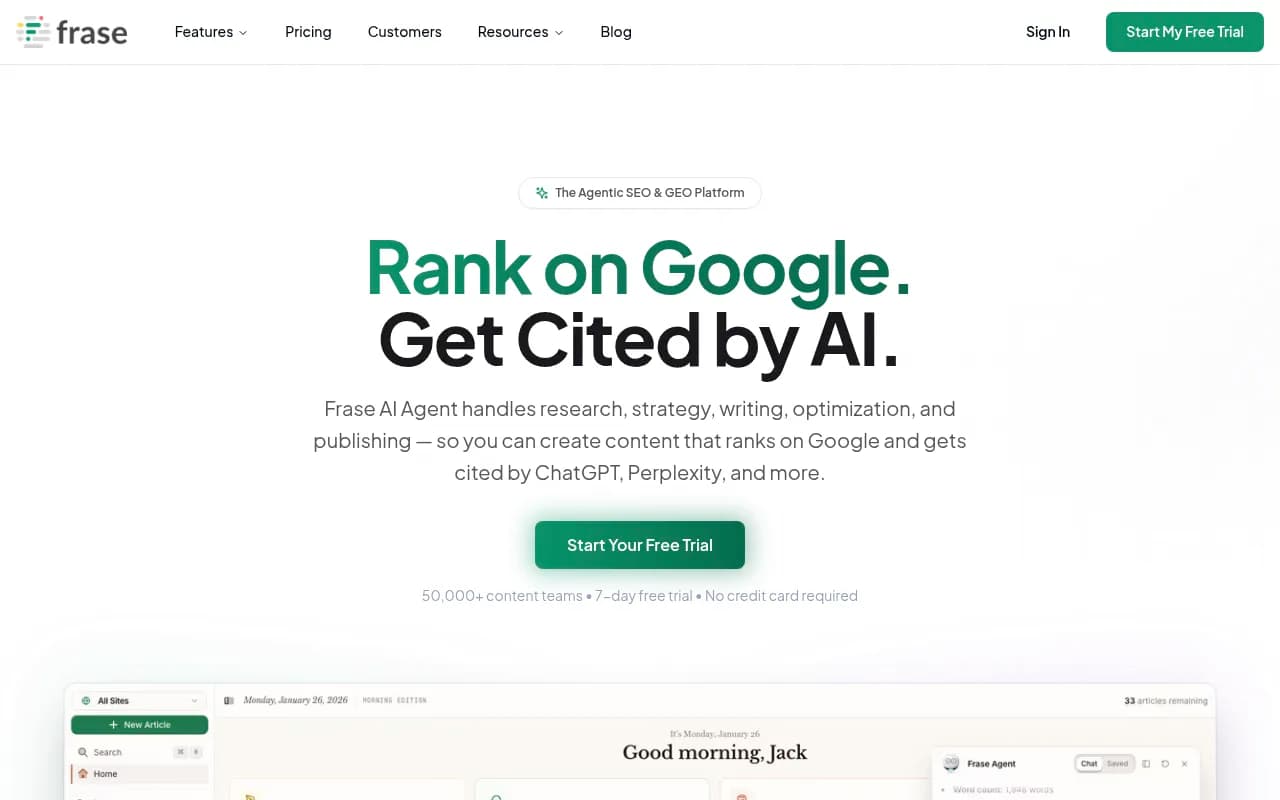
Frase — AI-powered SEO content research and writing tool that helps you identify gaps, generate briefs, and optimize drafts. Strong for traditional SEO workflows but lacks AI-specific prompt intelligence and citation tracking.
Specialized Gap Analysis Tools
Semrush — The Content Gap tool shows keywords competitors rank for but you don't. Useful for traditional SEO but limited for AI search — it uses fixed prompts and doesn't track citations or AI visibility.
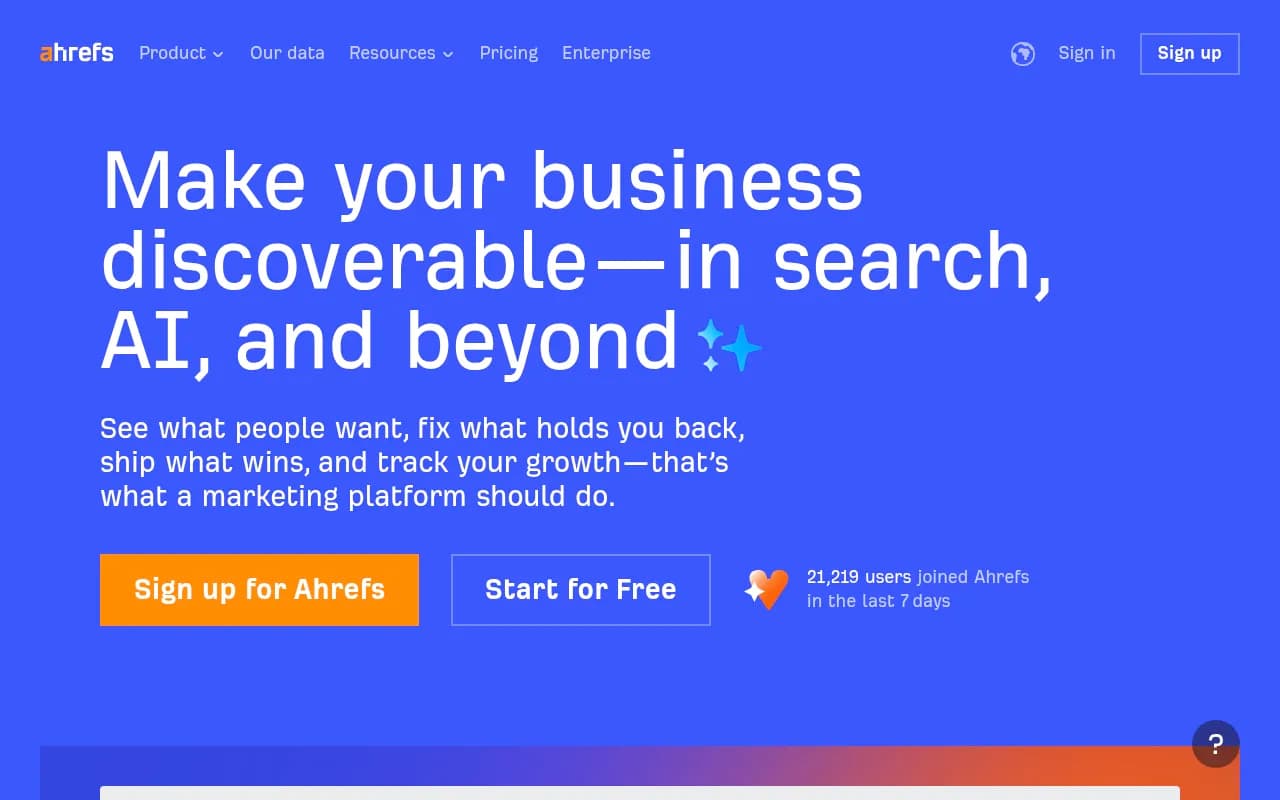
Ahrefs — Content Gap feature compares your site to competitors and surfaces keyword opportunities. Like Semrush, it's strong for Google SEO but doesn't support AI search monitoring in depth. Ahrefs Brand Radar has fixed prompts and no AI traffic attribution.
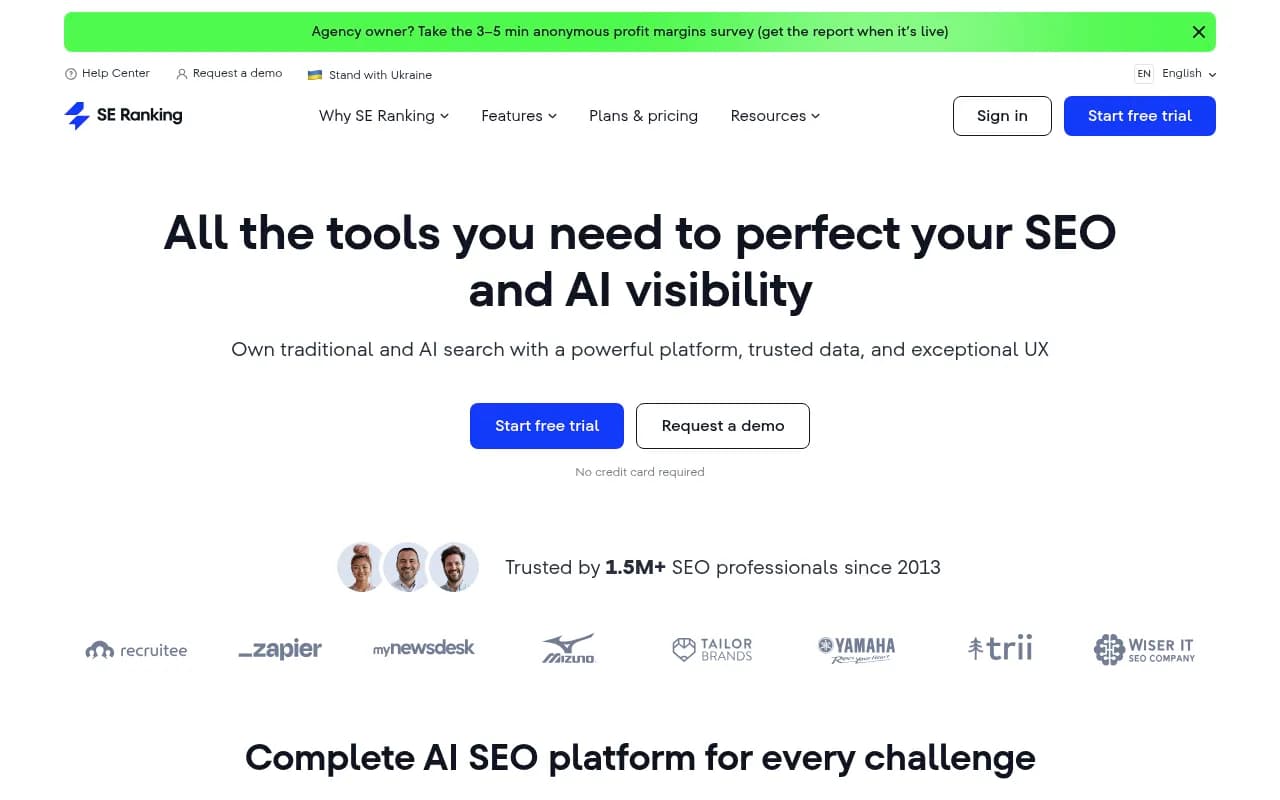
SE Ranking — All-in-one SEO platform with competitive analysis and keyword gap tools. Affordable but lacks AI-specific features like prompt volume estimates or citation tracking.
AI-Specific Monitoring Tools
Otterly.AI — Tracks brand mentions across ChatGPT, Perplexity, and Google AI Overviews. Basic monitoring only — no crawler logs, no visitor analytics, no content generation. Shows you the gaps but doesn't help you fix them.
Otterly.AI

Peec.ai — Similar to Otterly — monitors AI search visibility but lacks content optimization and generation capabilities. Monitoring-focused, not action-oriented.

AthenaHQ — AI visibility tracking across multiple models. Monitoring-focused, lacks content gap analysis and generation features.

Content Generation Tools
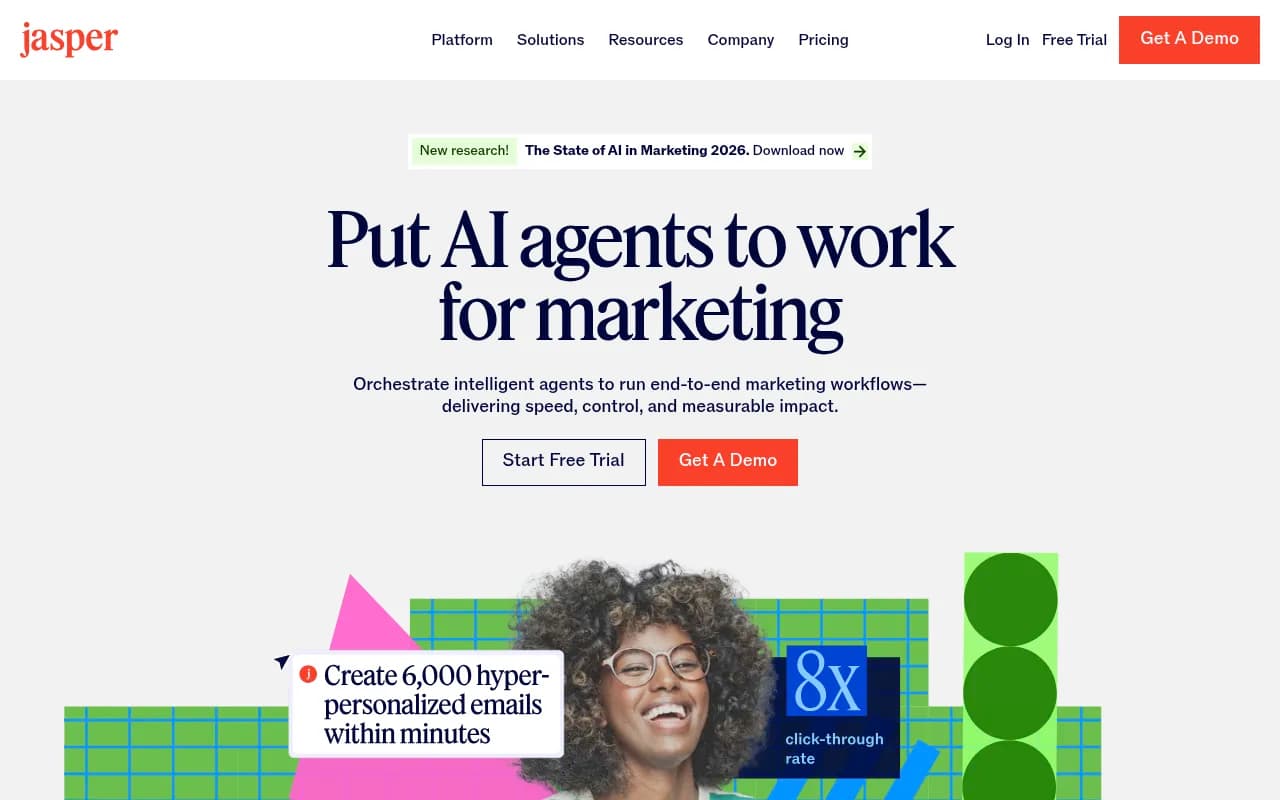
Jasper — AI-powered marketing platform with agents and content pipelines. Strong for generating drafts at scale but doesn't integrate gap analysis or AI citation data. You'd need to combine it with a separate tool like Promptwatch to know what to write.
Copy.ai — Fast, versatile AI copywriting for marketing content. Good for short-form content and social posts but lacks the depth and citation grounding needed for long-form articles that rank in AI search.

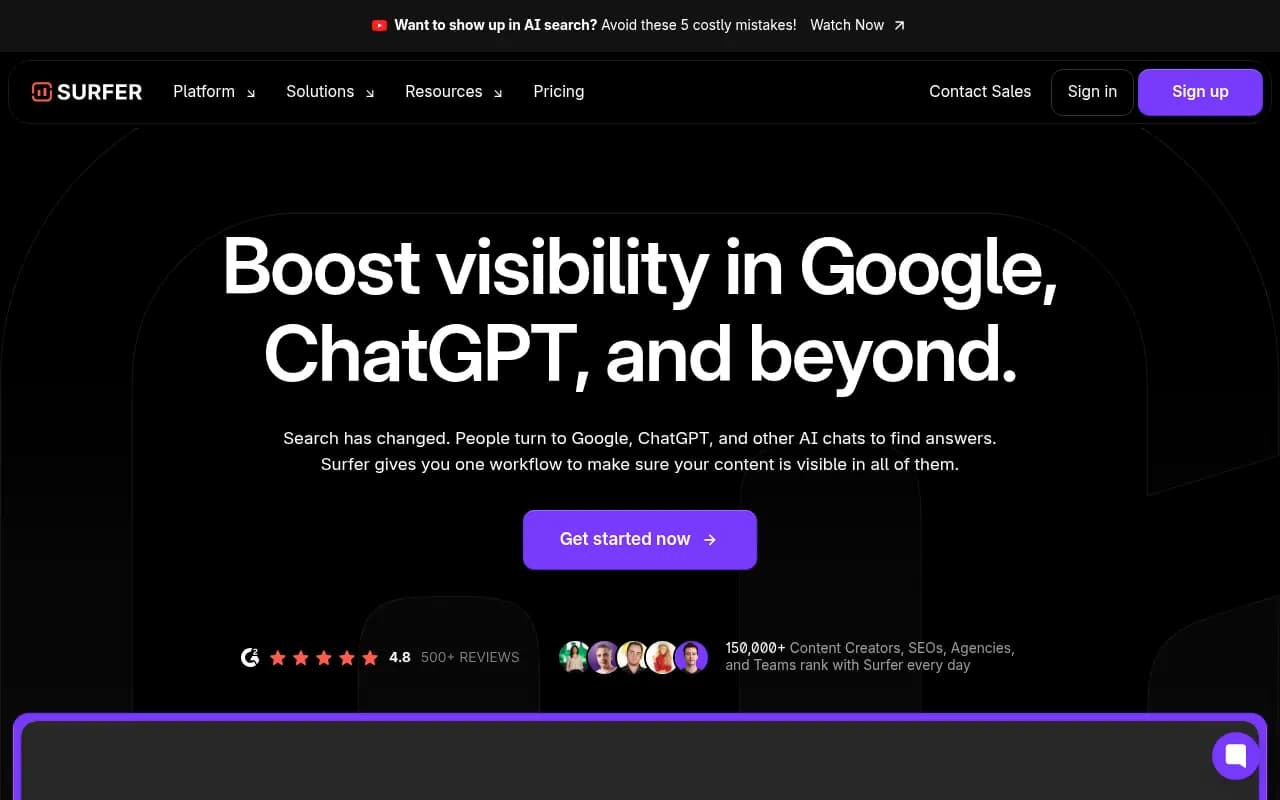
Surfer SEO — AI-driven SEO content optimization platform. Excellent for traditional Google SEO but doesn't optimize for AI citations or track prompt visibility.
Workflow Automation Strategies
The teams that win in 2026 automate as much of the workflow as possible without sacrificing quality. Here's how:
1. Automated Gap Discovery
Set up weekly or monthly automated reports that surface new prompt gaps, citation opportunities, and competitor movements. Promptwatch's API lets you export data for custom reporting or build automated workflows that trigger alerts when competitors gain visibility for high-value prompts.
2. AI-Assisted Content Briefs
Instead of manually researching every topic, use AI agents to generate content briefs that include:
- Target prompt or keyword
- Competitor analysis (what angles they cover, what they miss)
- Citation data (what AI models cite when answering this prompt)
- Recommended structure (headings, FAQs, examples)
- Internal linking opportunities
This cuts brief creation time from hours to minutes.
3. Batch Content Generation
Once you have briefs, generate multiple drafts in parallel using AI writing agents. Platforms like Averi AI and Promptwatch can produce 10-15 articles per month per user, all grounded in citation data and optimized for AI visibility.
4. Automated Publishing and Optimization
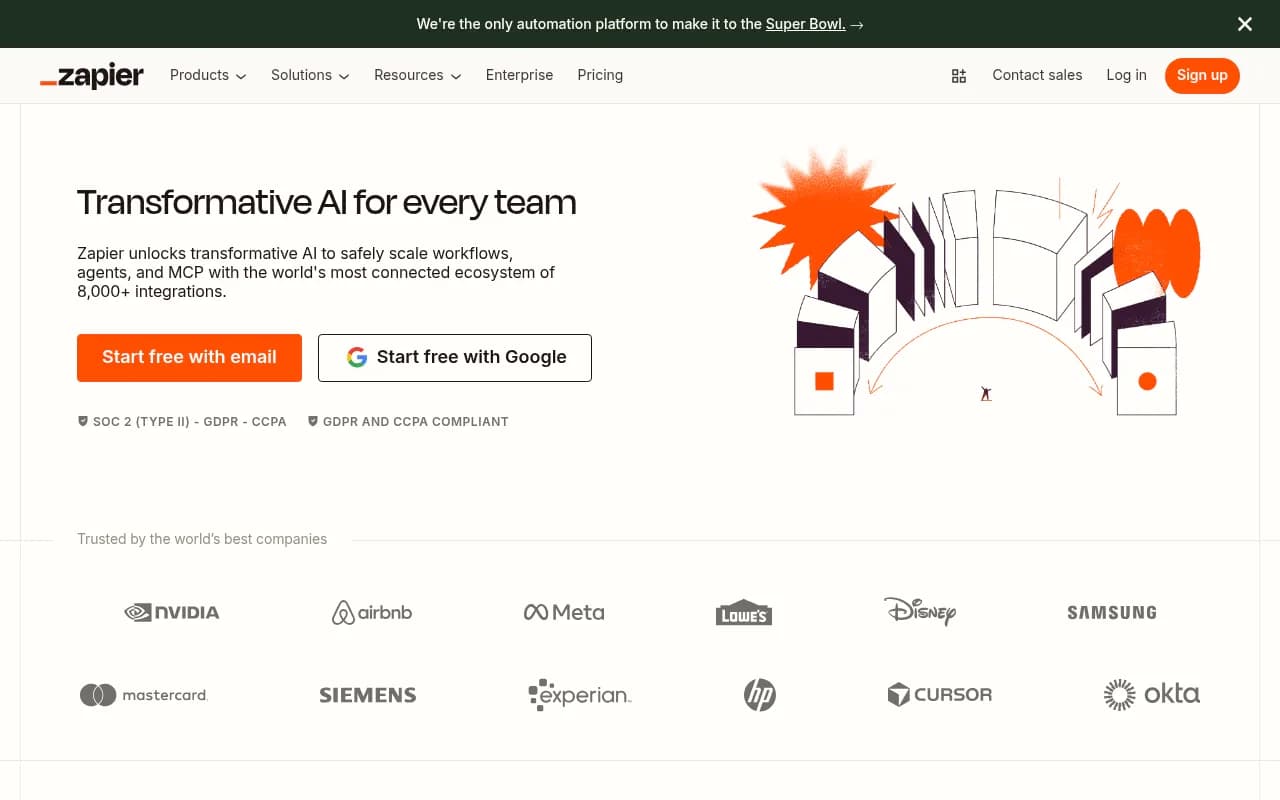
Integrate your content platform with your CMS (WordPress, Contentful, Sanity, etc.) to automate publishing. Use tools like Zapier to trigger automated tasks:
- Publish draft to CMS
- Add structured data
- Submit to Google Search Console
- Share on social media
- Add to internal linking queue
5. Continuous Tracking
Set up dashboards that automatically track AI visibility, page-level citations, and traffic attribution. Promptwatch's Looker Studio integration lets you build custom reports that update in real-time, so you always know which content is performing and which gaps still need filling.
Common Mistakes and How to Avoid Them
Mistake 1: Treating Gap Analysis as a One-Time Audit
Content gaps change constantly. New prompts emerge, competitors publish new content, AI models update their algorithms. If you only run gap analysis once, you'll miss opportunities and fall behind.
Solution: Build gap discovery into your regular workflow. Run automated reports weekly or monthly and adjust your content calendar based on what you find.
Mistake 2: Ignoring AI-Specific Gaps
Most teams still focus exclusively on Google keyword gaps and ignore what's happening in AI search. This is a massive blind spot — by some estimates, 30-40% of search queries now happen in AI interfaces, not traditional search engines.
Solution: Use tools like Promptwatch that track AI-specific visibility and citation gaps. Prioritize prompts that have high volume and low difficulty, even if they don't show up in traditional keyword research.
Mistake 3: Generating Content Without Citation Data
AI-generated content that's not grounded in real citation data is just generic SEO filler. It won't get cited by AI models because it doesn't include the specific elements they look for.
Solution: Use AI writing agents that analyze 880M+ citations and competitor content before generating drafts. Platforms like Promptwatch do this automatically.
Mistake 4: Publishing Without Tracking
If you don't track whether your new content gets cited by AI models or drives traffic, you have no idea if your workflow is working. You're flying blind.
Solution: Set up page-level tracking and traffic attribution from day one. Promptwatch provides code snippets, Google Search Console integration, and server log analysis to connect visibility to revenue.
Mistake 5: Trying to Do Everything Manually
Manual workflows don't scale. If you're manually researching every topic, writing every article from scratch, and tracking performance in spreadsheets, you'll never keep up with competitors who've automated their workflows.
Solution: Invest in platforms that integrate gap discovery, content generation, and tracking in a single system. The upfront cost is offset by the 60-80% reduction in production time and 3-5x increase in output.
Measuring Success
How do you know if your content gap workflow is working? Track these metrics:
1. AI Visibility Score
Your overall visibility across AI models (ChatGPT, Perplexity, Claude, Gemini, etc.). This should increase steadily as you fill gaps and publish new content.
2. Prompt Coverage
The percentage of high-value prompts in your niche where you're cited. If you identify 100 priority prompts and you're cited in 30 of them, your coverage is 30%. Aim to increase this over time.
3. Page-Level Citations
How many of your published pages get cited by AI models, and how often. This shows which content is performing and which needs optimization.
4. Traffic from AI Search
Actual website traffic attributed to AI search visibility. Use Promptwatch's traffic attribution features to connect citations to conversions.
5. Content Production Velocity
How many articles you publish per month. Teams using AI-assisted workflows typically 3-5x their output compared to manual processes.
6. Time to Publication
How long it takes to go from gap discovery to published article. Best-in-class teams reduce this from weeks to days using automated workflows.
The Future of Content Gap Workflows
By 2027, expect these trends to accelerate:
- AI models will cite more diverse sources — Reddit, YouTube, podcasts, and niche communities will become as important as traditional websites
- Prompt intelligence will replace keyword research — understanding query fan-outs, difficulty scores, and prompt volume will be table stakes
- Real-time optimization will become standard — AI agents will automatically update content based on performance data and competitor movements
- Attribution will get more sophisticated — platforms will connect AI visibility not just to traffic but to specific revenue, leads, and conversions
- The gap between leaders and laggards will widen — teams that build end-to-end workflows will dominate, while those stuck in manual processes will fall further behind
The opportunity is clear: build a content gap workflow that connects prompt analysis to actual articles, automate as much as possible, and track results obsessively. The teams that do this will own AI search visibility in their niches. The teams that don't will become invisible.
Getting Started
If you're ready to build a content gap workflow that actually works in 2026, here's your roadmap:
Week 1: Set up tracking
Sign up for a platform like Promptwatch (free trial available) and connect your website. Start tracking your current AI visibility and identifying prompt gaps.
Week 2: Run your first gap analysis
Use the Answer Gap Analysis feature to see which prompts competitors are cited for but you're not. Prioritize 10-15 high-value, winnable prompts.
Week 3: Generate your first batch of content
Use the AI writing agent to create drafts for your priority prompts. Have human editors refine and publish.
Week 4: Track results and iterate
Monitor which articles get cited, which drive traffic, and which prompts you're now visible for. Use this data to inform your next content cycle.
Repeat this process monthly. Within 90 days, you'll see measurable improvements in AI visibility, traffic, and conversions. Within six months, you'll have a content engine that consistently outperforms competitors and scales without burning out your team.
The workflow is simple. The tools exist. The only question is whether you'll build it before your competitors do.