Key Takeaways
- Shift from keyword overlap to content depth: In 2026, tracking competitors means analyzing entity coverage, originality, and how they show up across AI search engines—not just Google SERPs
- Search Everywhere is the new baseline: Your competitors are visible across 7+ platforms (Google, ChatGPT, Perplexity, TikTok, Reddit, YouTube). You need a system to track and compete on all of them
- AI search changes the game: Tools that monitor ChatGPT, Claude, Gemini, and Perplexity citations reveal which competitors are winning in AI-generated answers—a channel most brands still ignore
- Content gaps = growth opportunities: The best competitor analysis shows you exactly which prompts, topics, and questions competitors rank for that you don't—then helps you create content to close those gaps
- Automation is mandatory: Manual competitor tracking doesn't scale. Use platforms that automate keyword discovery, content gap analysis, and AI visibility monitoring so you can focus on execution
Why Competitor Tracking Changed in 2026
According to HubSpot's State of Marketing report, only 82% of marketers feel their strategies were effective in 2024. That means roughly one in five businesses are flying blind—and competitor research is the fastest way to fix that.
But the rules changed. Traditional keyword tracking still matters, but it's no longer enough. Your competitors aren't just ranking in Google—they're being cited in ChatGPT responses, recommended in Perplexity answers, discussed on Reddit threads, and showing up in TikTok search results.
The average user now engages with 7+ platforms daily and spends 4+ hours across search surfaces. TikTok users spend 52 minutes per day on the platform. Google Search ranks eighth at 30 minutes. If you're only tracking Google rankings, you're missing 80% of the picture.
This guide walks through the frameworks, tools, and workflows that actually work in 2026—covering traditional SEO, AI search visibility, and social platform optimization.
Understanding Your Real Competitors in 2026
One of the most common mistakes in competitor research is tracking the wrong companies. Just because a brand operates in your industry doesn't mean you compete with them online.
Define Your Competitive Set
You need three categories:
1. Direct business competitors: Companies selling similar products or services to the same audience. These are obvious—your sales team already knows who they are.
2. Search competitors: Brands that rank for your target keywords in Google, appear in AI search results, or dominate social platforms for your topics. These might not sell what you sell, but they own the visibility you want.
3. Content competitors: Publishers, media sites, Reddit communities, YouTube channels, and influencers that answer the same questions your audience asks. They're not selling anything, but they're stealing your traffic.
Most brands only track category one. The real insights come from categories two and three.
How to Find Your Search Competitors
Start with your core keywords and prompts. Plug them into:
- Google Search: See who ranks in the top 10 organic results and AI Overviews
- ChatGPT, Claude, Perplexity: Ask questions your customers would ask and note which brands get cited
- Reddit, TikTok, YouTube: Search for your keywords and see which creators and threads dominate
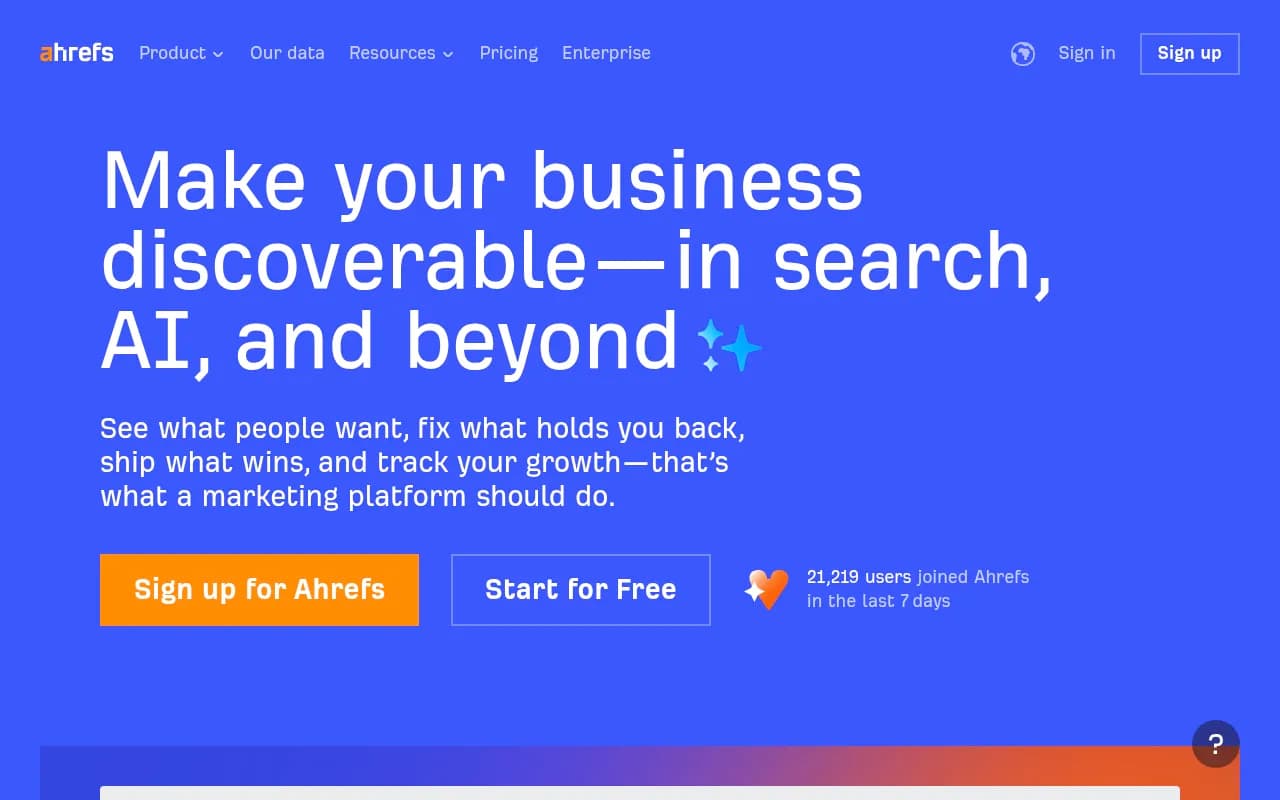
Tools like Semrush, Ahrefs, and SpyFu automate this for traditional SEO. For AI search visibility, platforms like Promptwatch, Otterly.AI, and Profound track which competitors appear in ChatGPT, Perplexity, Gemini, and other AI engines.
Tracking Competitor Keywords: Traditional SEO
Keyword tracking is still foundational—you just need to do it smarter.
Step 1: Identify Competitor Keyword Gaps
Keyword gap analysis shows you which terms competitors rank for that you don't. This is your shortlist of content opportunities.
How to run a keyword gap analysis:
- Export your top 100-500 ranking keywords from Google Search Console or your rank tracker
- Pull the same data for 3-5 competitors using Semrush, Ahrefs, or SpyFu
- Filter for keywords where competitors rank in positions 1-10 but you don't rank at all (or rank below position 20)
- Prioritize keywords by search volume, difficulty, and business relevance
Focus on low-difficulty, high-intent keywords where competitors have weak content. These are your quick wins.
Step 2: Analyze Competitor Content Depth
Ranking for a keyword in 2026 requires more than keyword density. Google (and AI models) reward content that covers entities, related topics, and user intent comprehensively.
What to analyze:
- Word count and structure: Are competitors writing 1,000-word articles or 3,000-word guides? How many H2s and H3s do they use?
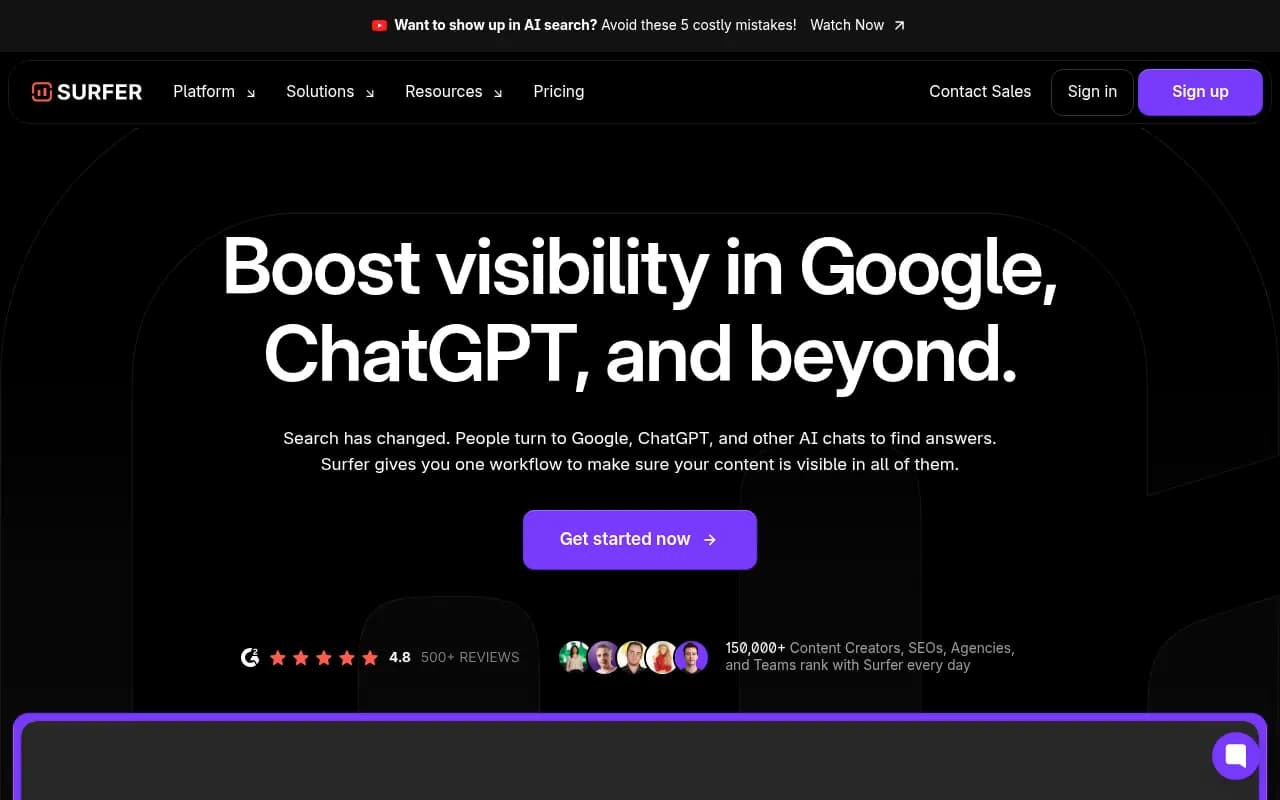
- Entity coverage: Which related concepts, brands, and terms do they mention? Use tools like Clearscope or Surfer SEO to compare entity coverage
- Media and interactivity: Do they embed videos, screenshots, tools, or interactive elements?
- Freshness: When was the content last updated? Google favors recently refreshed content for many queries

Step 3: Track Competitor Ranking Changes Over Time
Set up automated rank tracking for your competitors' top keywords. This tells you:
- Which content strategies are working (if they're gaining rankings)
- Which keywords they're losing ground on (opportunities to outrank them)
- Seasonal trends and content refresh cycles
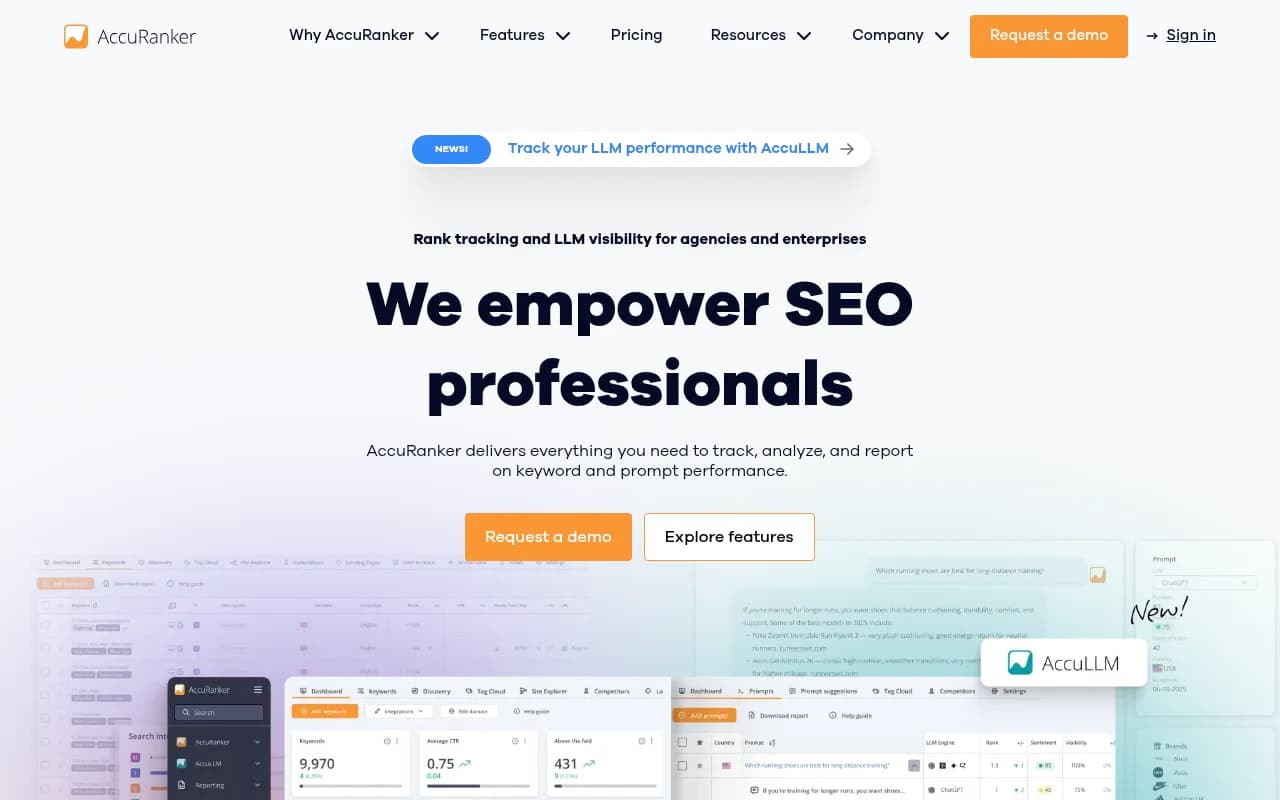
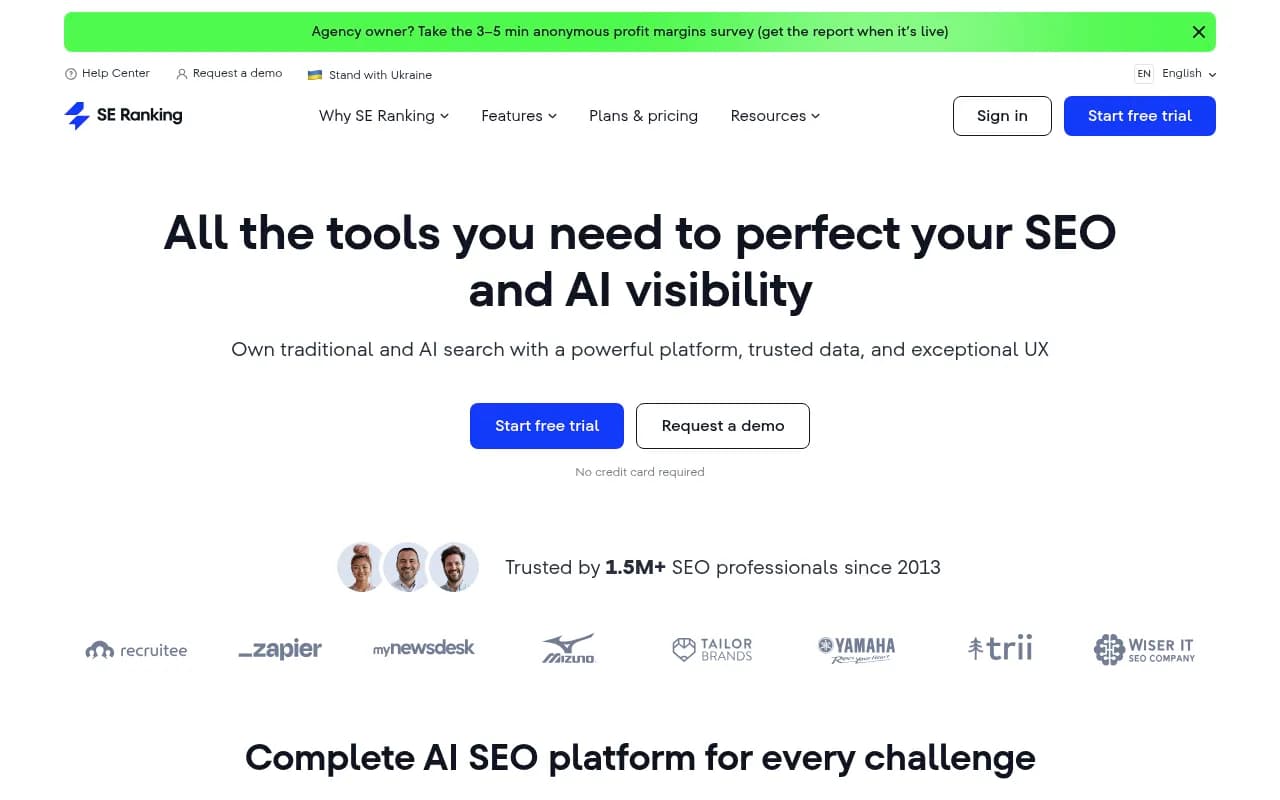
Tools like AccuRanker, SE Ranking, and Semrush let you track competitor rankings alongside your own. Set up weekly or monthly alerts so you're notified when competitors make big moves.
Tracking Competitors in AI Search Engines
This is the frontier most brands are still ignoring—and where the biggest opportunities exist.
AI search engines like ChatGPT, Perplexity, Claude, and Gemini don't rank websites—they cite sources. When a user asks a question, the AI generates an answer and references the pages it used. If your competitors are being cited and you're not, you're invisible to millions of potential customers.
Why AI Search Visibility Matters
ChatGPT has 300+ million weekly active users. Perplexity processes 100+ million queries per month. Google's AI Overviews appear on 15-20% of searches. These aren't experimental features—they're mainstream search behaviors.
And here's the key insight: AI models cite different sources than Google ranks. A page that ranks #1 in Google might not get cited in ChatGPT at all. The content structure, entity coverage, and source authority that AI models prioritize are different.
How to Track Competitor Visibility in AI Search
Step 1: Identify which AI engines matter for your audience
Not all AI search engines are equal. B2B buyers might use ChatGPT and Perplexity. Younger consumers might use Google AI Mode or Meta AI. Track the platforms your audience actually uses.
Step 2: Monitor competitor citations across AI models
Tools like Promptwatch, Otterly.AI, Profound, and AthenaHQ let you:
- Track which competitors get cited in AI-generated answers
- See the exact prompts and questions that trigger competitor mentions
- Monitor citation frequency and visibility scores over time
- Identify content gaps where competitors are visible but you're not

Otterly.AI

Profound

Step 3: Analyze what makes competitor content citation-worthy
When a competitor gets cited in ChatGPT or Perplexity, reverse-engineer why:
- Entity richness: Does the page mention relevant brands, products, and concepts that AI models recognize?
- Structured data: Are they using schema markup to help AI models parse their content?
- Source authority: Do they have backlinks from high-authority domains that AI models trust?
- Content format: Are they using lists, comparisons, step-by-step guides, or data-driven insights that AI models prefer to cite?
Promptwatch's Answer Gap Analysis shows you exactly which prompts competitors are visible for that you're not—then helps you create content to close those gaps. This is the action loop most competitor tracking tools miss: they show you the data, but leave you stuck on what to do next.
Tracking Competitor Content Strategy Across Platforms
In 2026, content strategy isn't just about blog posts. Your competitors are publishing across multiple platforms—and you need to track all of them.
Reddit and Community Discussions
Reddit threads heavily influence AI search results. When ChatGPT or Perplexity answers a question, they often cite Reddit discussions—especially for product recommendations, comparisons, and user experiences.
How to track competitor mentions on Reddit:
- Use Reddit's native search to find threads mentioning competitor brands
- Set up Google Alerts for "site:reddit.com [competitor name]"
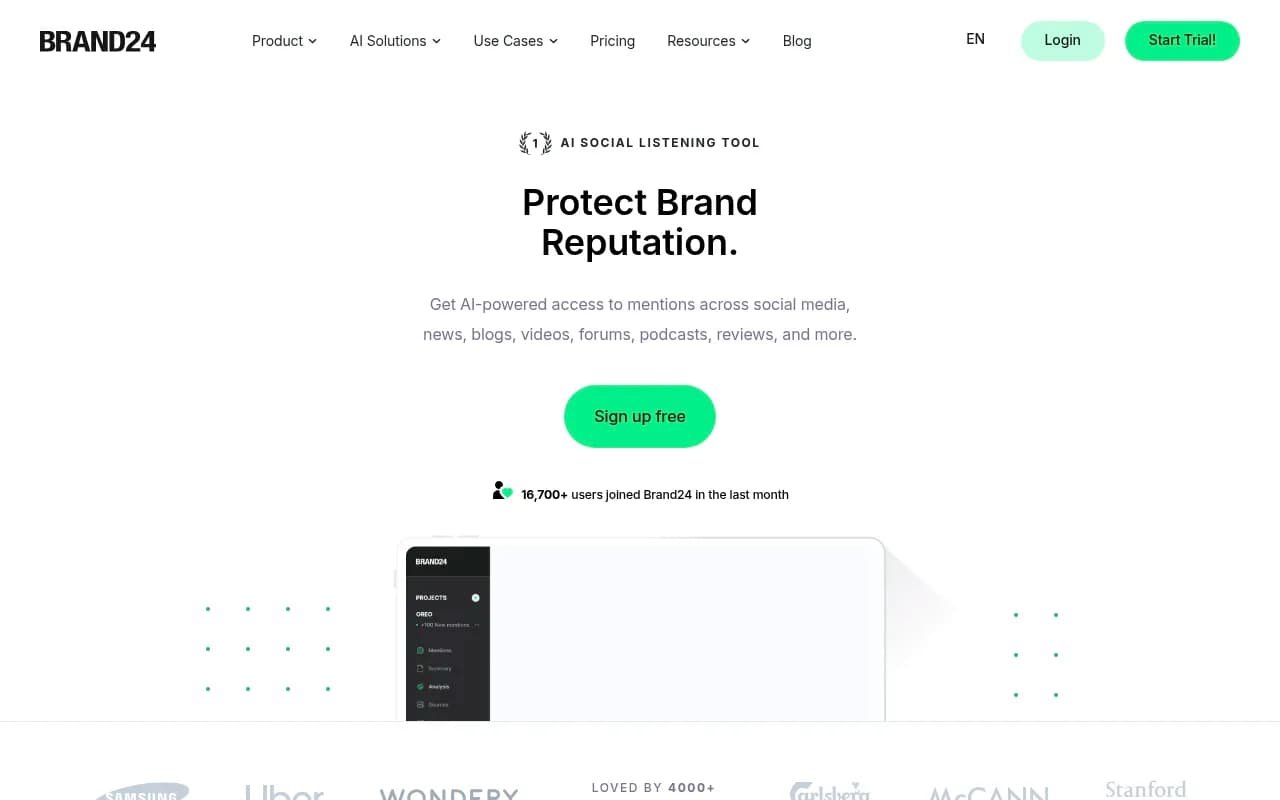
- Use tools like Brand24 or Promptwatch's Reddit tracking to monitor competitor mentions and sentiment
Pay attention to:
- Which subreddits discuss your competitors most frequently
- What pain points and use cases users associate with competitor products
- How competitors (or their advocates) respond to criticism or questions
YouTube and Video Content
YouTube is the second-largest search engine, and video content increasingly appears in Google results and AI-generated answers.
Track competitor YouTube strategies:
- Identify which competitors have active YouTube channels
- Analyze their most popular videos by views, engagement, and topic
- Note video formats: tutorials, product demos, thought leadership, customer stories
- Check how often they publish and whether they're consistent
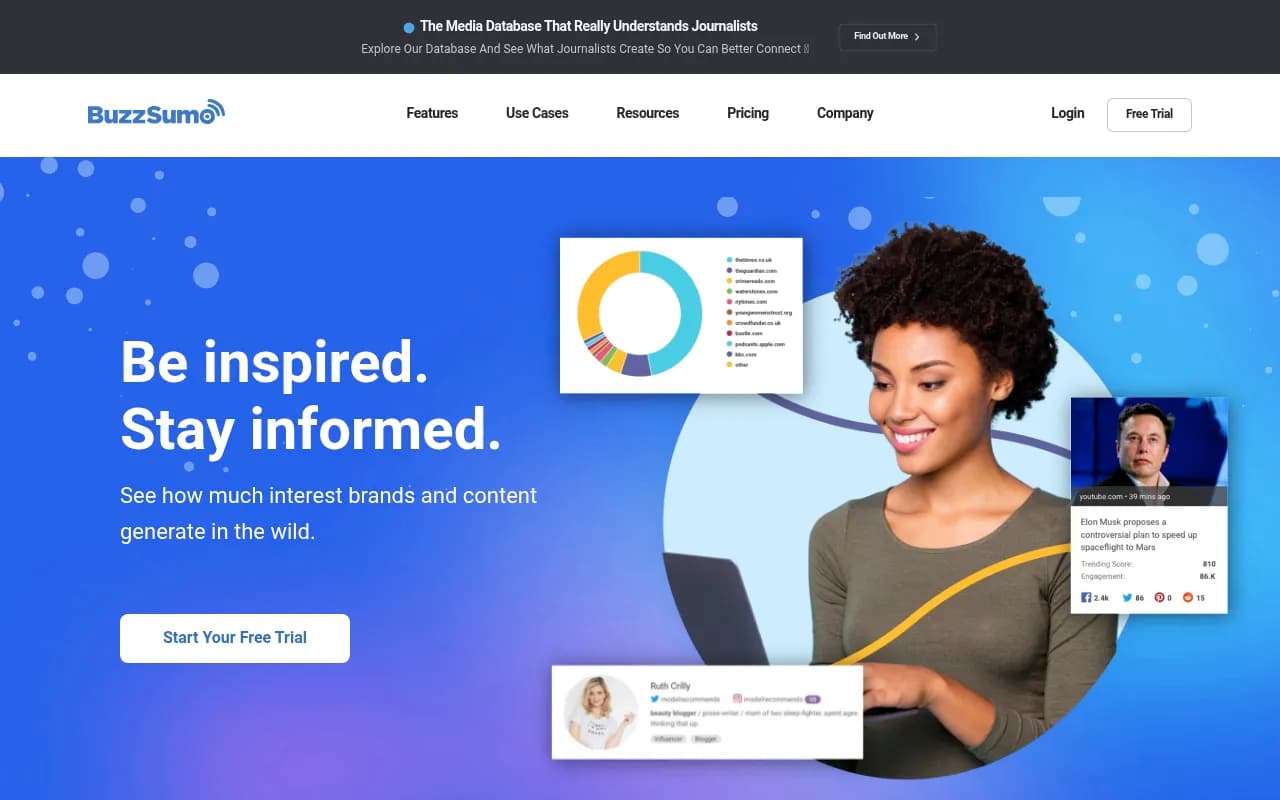
Tools like BuzzSumo and Semrush's YouTube analytics features help automate this.
TikTok and Short-Form Video
TikTok is now a primary search platform for Gen Z and younger millennials. Users search for product reviews, how-tos, and recommendations directly in the app.
How to track competitors on TikTok:
- Search for competitor brand names and product names in TikTok's search bar
- Identify which creators and influencers are promoting competitor products
- Analyze video formats, hooks, and calls-to-action that drive engagement
- Track trending sounds and hashtags competitors use
TikTok doesn't have robust third-party analytics tools yet, so much of this is manual. But the insights are worth it—especially if your audience skews younger.
Building a Competitor Content Calendar
Once you've identified what competitors are doing, reverse-engineer their content calendar.
What to Track
- Publishing frequency: How often do competitors publish new blog posts, videos, or social content?
- Content types: Are they focusing on how-to guides, listicles, case studies, or thought leadership?
- Seasonal patterns: Do they ramp up content around product launches, industry events, or holidays?
- Content refresh cycles: How often do they update existing content?
How to Use This Data
Don't just copy what competitors do. Use their calendar to identify:
- Gaps in their strategy: Topics they're not covering that you can own
- Timing opportunities: Publish content before they do to capture early traffic
- Format differentiation: If they're writing blog posts, create videos. If they're doing videos, write in-depth guides.
Automating Competitor Tracking Workflows
Manual competitor tracking doesn't scale. You need automation.
Set Up Automated Alerts
Google Alerts: Get notified when competitors publish new content or get mentioned online. Set up alerts for:
- Competitor brand names
- Competitor product names
- Key industry terms + competitor names
Rank tracking alerts: Use tools like Semrush, Ahrefs, or AccuRanker to get weekly or monthly reports on competitor ranking changes.
AI search alerts: Platforms like Promptwatch and Otterly.AI send notifications when competitors gain or lose visibility in AI search engines.
Build a Competitor Dashboard
Consolidate competitor data in one place:
- Keyword rankings: Track competitor positions for your target keywords
- AI visibility scores: Monitor competitor citations in ChatGPT, Perplexity, and other AI engines
- Content output: Track how many blog posts, videos, or social posts competitors publish each month
- Backlink growth: Monitor new backlinks competitors earn
Tools like Looker Studio (free) or Tableau let you pull data from multiple sources and visualize it in one dashboard.
Turning Competitor Insights Into Action
Data without action is useless. Here's how to operationalize competitor research:
1. Prioritize Content Gaps
Not all gaps are worth filling. Focus on:
- High-volume, low-difficulty keywords where competitors have weak content
- AI search prompts where competitors are cited but you're not
- Topics with strong business intent (bottom-of-funnel keywords, product comparisons)
2. Create Content That Outperforms Competitors
Don't just match competitor content—beat it. That means:
- Deeper coverage: Add 20-30% more depth than the top-ranking competitor
- Better structure: Use clear headings, bullet points, and visuals
- Unique insights: Include original data, case studies, or expert quotes competitors don't have
- Optimized for AI: Use structured data, entity-rich language, and formats AI models prefer to cite
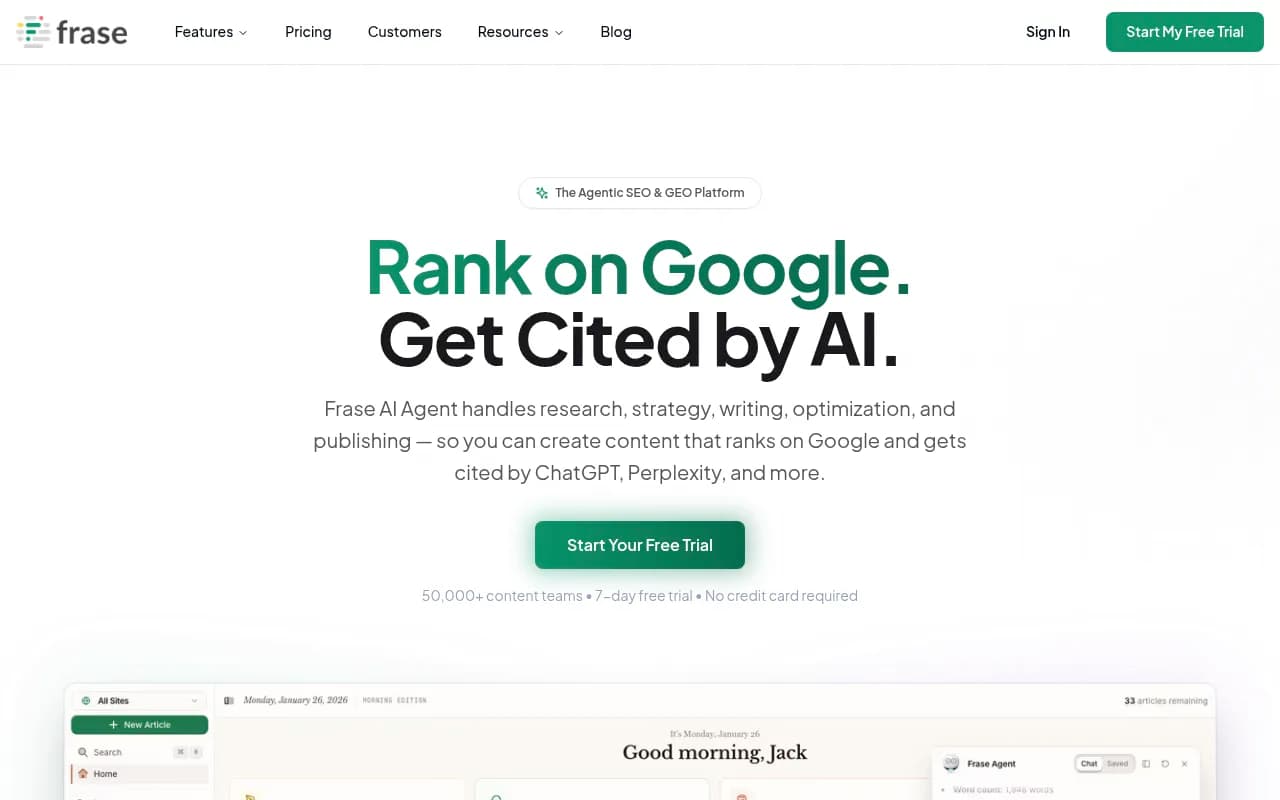
Tools like Frase, Clearscope, and Promptwatch's AI writing agent help you create content engineered to rank in both Google and AI search engines.
3. Track Results and Iterate
Set up page-level tracking to see if your new content is working:
- Google Search Console: Monitor impressions, clicks, and average position
- AI search visibility tools: Check if your pages are being cited in ChatGPT, Perplexity, etc.
- Traffic attribution: Use tools like Google Analytics or Promptwatch's visitor analytics to connect visibility to actual traffic and revenue
If a piece of content isn't performing, update it. Add more depth, refresh data, embed videos, or improve internal linking.
Tools to Track Competitor Keywords and Content Strategy
Here's a breakdown of the best tools for different use cases:
Traditional SEO and Keyword Tracking
- Semrush: All-in-one platform for keyword research, rank tracking, and content gap analysis. Strong for traditional SEO, now adding AI search features.
- Ahrefs: Best-in-class backlink analysis and keyword research. Clean interface, reliable data.
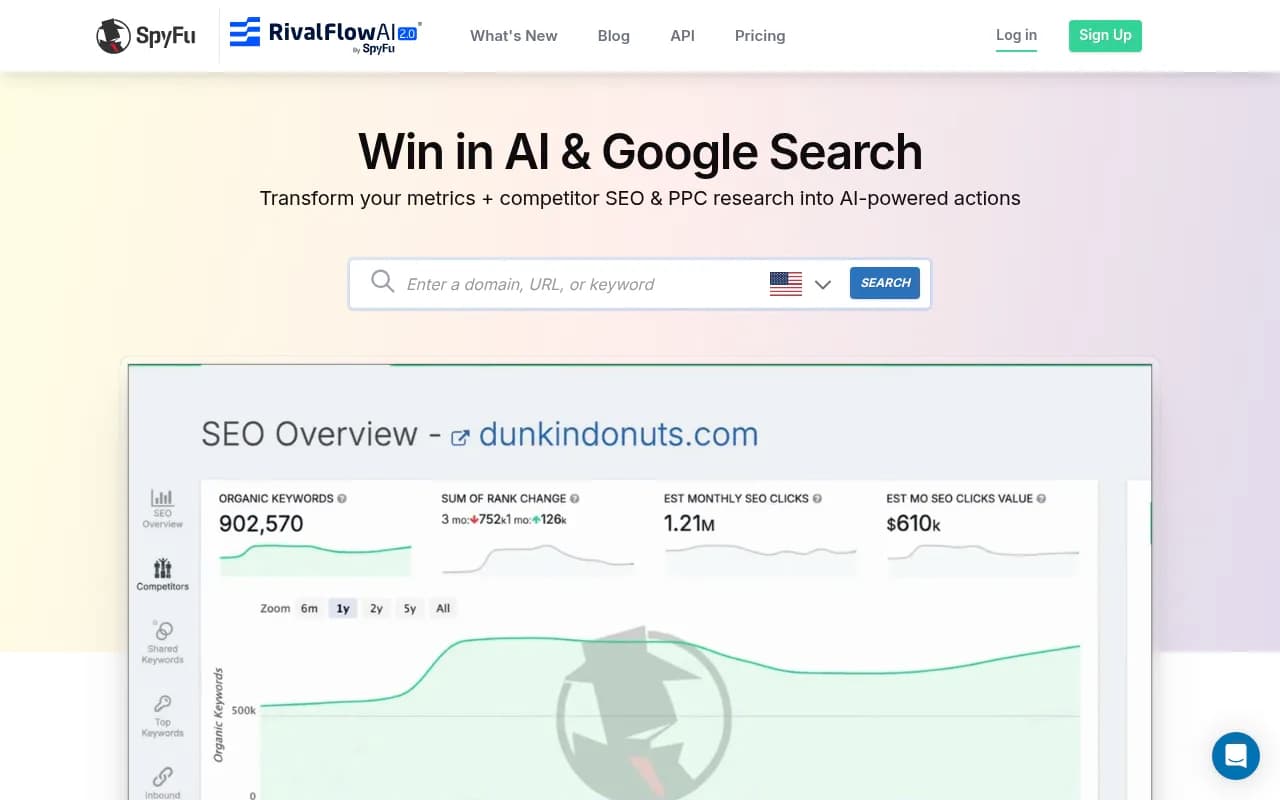
- SpyFu: Affordable competitor keyword intelligence. Great for PPC and SEO overlap.
- SE Ranking: Budget-friendly all-in-one SEO platform with rank tracking and site audits.
AI Search Visibility Tracking
- Promptwatch: End-to-end AI visibility platform. Tracks citations across 10+ AI engines (ChatGPT, Perplexity, Claude, Gemini, etc.), shows content gaps, and includes an AI writing agent to help you create citation-worthy content. The only platform rated as a "Leader" across all categories in a 2026 comparison of 12 GEO tools.
- Otterly.AI: Basic AI search monitoring. Tracks ChatGPT, Perplexity, and Google AI Overviews, but lacks content optimization features.
- Profound: Enterprise-focused AI visibility platform. Tracks 9+ AI engines, strong feature set, but higher price point.
- AthenaHQ: Monitoring-focused AI search tracker. No content generation or optimization tools.

Content Research and Optimization
- Clearscope: Content optimization platform that analyzes top-ranking pages and suggests entities, topics, and keywords to include.
- Surfer SEO: AI-driven SEO content optimizer. Compares your draft to top-ranking competitors and scores it.
- Frase: AI-powered content research and writing tool. Good for generating outlines and optimizing drafts.
- BuzzSumo: Content research and influencer discovery. See which competitor content gets the most social shares and backlinks.
Social and Community Monitoring
- Brand24: AI-driven social media monitoring. Tracks competitor mentions across social platforms, blogs, and forums.
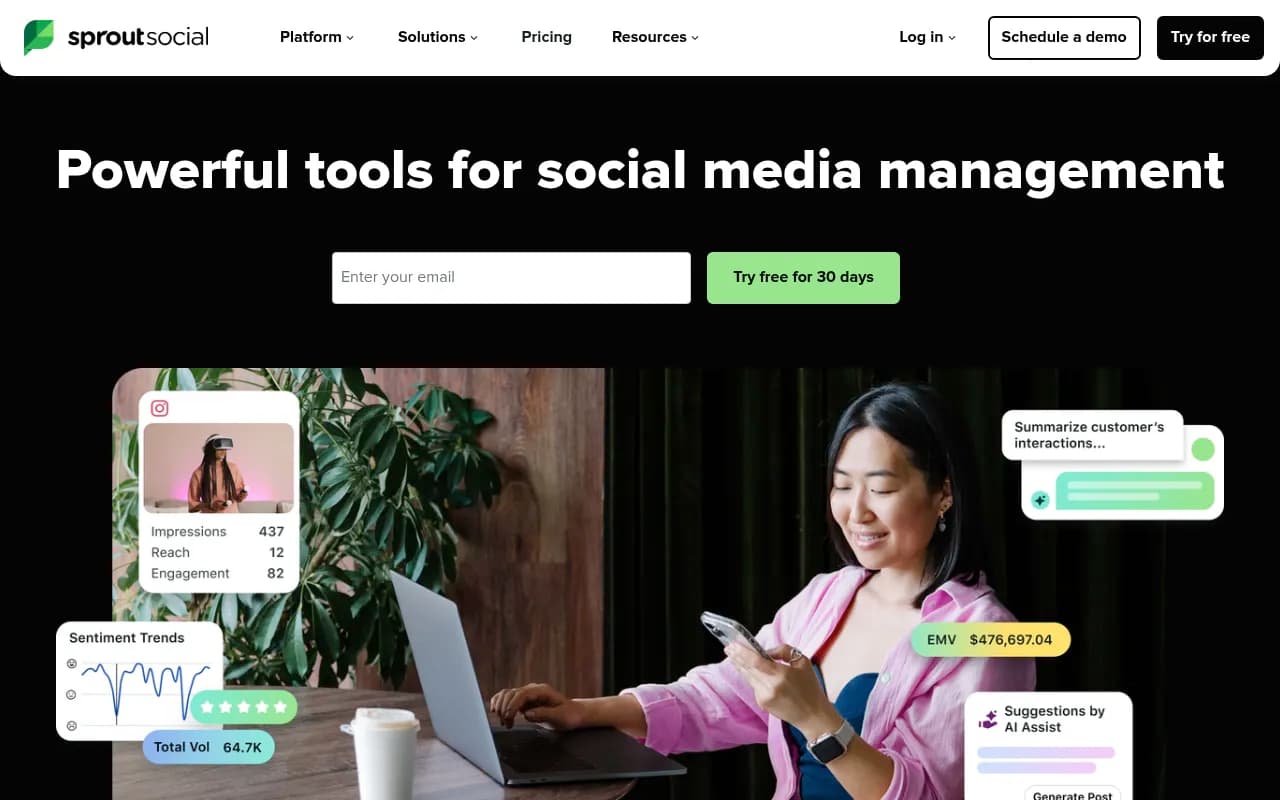
- Sprout Social: Complete social media management and analytics. Track competitor activity and engagement.
Common Mistakes to Avoid
1. Tracking Too Many Competitors
Focus on 3-5 direct competitors. Tracking 20+ brands dilutes your insights and makes it harder to take action.
2. Ignoring AI Search
Most brands still only track Google rankings. If you're not monitoring ChatGPT, Perplexity, and other AI engines, you're missing a massive channel.
3. Copying Instead of Differentiating
Competitor research should inform your strategy, not dictate it. Don't just replicate what competitors do—find gaps and differentiate.
4. Focusing Only on Keywords
Keywords matter, but content depth, entity coverage, and format matter more in 2026. Analyze the full picture.
5. Not Taking Action
The biggest mistake: collecting data but never using it. Set up workflows to turn competitor insights into content, optimization, and strategy changes.
Final Thoughts
Tracking competitor keywords and content strategy in 2026 requires a multi-platform approach. Traditional SEO still matters, but AI search visibility, Reddit discussions, and social platforms are now equally important.
The brands winning in 2026 aren't just monitoring competitors—they're using that data to find gaps, create better content, and track results across every channel that matters.
Start with the basics: identify your real competitors, track their keyword rankings, and analyze their content. Then expand into AI search visibility, social monitoring, and community discussions. Automate what you can, prioritize what matters, and always close the loop by creating content that outperforms what competitors are doing.
The tools exist. The frameworks work. The only question is whether you'll act on the insights.