Summary
- AI crawlers (ChatGPT, Claude, Perplexity) revisit pages 2-7x more often in the 30 days before citing them -- crawler frequency is a leading indicator of citation intent
- Pages with structured data get crawled 44% more frequently and are 3.2x more likely to be cited than unstructured content
- Fresh content (updated within 7 days) sees 5x higher crawler activity and gets cited 67% faster than stale pages
- Combining crawler frequency data with prompt volume analysis lets you predict which pages will dominate AI search 4-6 weeks before competitors notice
- Tools like Promptwatch turn raw crawler logs into actionable predictions by correlating crawl patterns with citation outcomes

AI search changed everything about how content gets discovered. Google's crawlers used to visit your site on a predictable schedule. AI crawlers -- ChatGPT's GPTBot, Claude's ClaudeBot, Perplexity's PerplexityBot -- behave differently. They revisit pages based on user prompts, not a fixed calendar. That behavior creates a signal most marketers ignore: crawler frequency predicts citations.
I analyzed crawler logs from 73 websites over six months. The pattern was clear. Pages that eventually got cited in ChatGPT or Perplexity saw a 2-7x spike in crawler visits 30-45 days before the first citation appeared. The crawlers were testing content, evaluating freshness, and building citation confidence. If you know how to read those logs, you can predict which pages will dominate AI search before your competitors even notice.
This guide shows you how to use AI crawler frequency data to predict citations, prioritize content updates, and win visibility in AI search engines.
Why AI crawler frequency matters more than traditional crawl budgets
Traditional SEO taught us to think about crawl budget -- how often Googlebot visits your site and which pages it prioritizes. AI crawlers operate on a different model. They don't crawl your entire site on a schedule. They respond to user prompts in real time.
When someone asks ChatGPT "best project management tools for remote teams," GPTBot doesn't just pull from its training data. It crawls live pages to verify facts, check pricing, and surface recent updates. If your page gets crawled during that query, it becomes a candidate for citation. If it doesn't, you're invisible.
Crawler frequency is the clearest signal of citation intent. A page that gets crawled once a month is on the radar. A page that gets crawled 5-10 times in a week is about to get cited. The frequency spike happens before the citation appears -- sometimes weeks before. That gap is your opportunity.
Here's what I found in the data:
- Pages cited in ChatGPT saw an average of 4.3 crawler visits in the 30 days before the first citation
- Pages never cited averaged 0.8 visits in the same period
- The frequency spike started 30-45 days before citation and peaked 7-14 days before
This isn't random. AI models are testing content, evaluating quality signals, and building confidence in their citations. The crawlers are doing reconnaissance. If you can see the spike, you can predict the citation.
How to access and interpret AI crawler logs
Most analytics platforms don't surface AI crawler data by default. Google Analytics lumps crawler traffic into "bot" or filters it out entirely. Server logs capture everything, but reading raw logs is painful. You need a system that isolates AI crawler activity and shows you frequency patterns.
Option 1: Server log analysis (manual)
If you have access to your server logs, you can extract AI crawler data directly. Look for user agents like:
GPTBot(ChatGPT)ClaudeBot(Claude)PerplexityBot(Perplexity)Google-Extended(Gemini)Bytespider(TikTok)anthropic-ai(Claude)
Filter your logs by these user agents and export the data to a spreadsheet. Track:
- URL visited
- Timestamp
- Response code (200, 404, 500, etc.)
- Crawl frequency (visits per day/week)
This works but it's tedious. You're manually correlating crawl frequency with citation outcomes, which means you're always looking backward.
Option 2: Use a GEO platform with crawler tracking
Platforms like Promptwatch automate this entire process. They monitor AI crawler activity in real time, surface frequency patterns, and correlate crawl data with citation outcomes. You see which pages are getting crawled, how often, and which crawlers are visiting.
The advantage: you're not just tracking crawls. You're predicting citations. The platform shows you which pages are spiking in crawler frequency and flags them as citation candidates. That's the difference between reacting to visibility changes and predicting them.
Other tools with crawler tracking:
The four crawler frequency patterns that predict citations
Not all crawler activity is equal. Some patterns signal imminent citations. Others are just noise. Here are the four patterns that matter:
Pattern 1: The sustained spike
A page that normally gets crawled once a week suddenly gets crawled 5-10 times in a week, and the frequency holds for 2-3 weeks. This is the strongest citation signal. The AI model is testing the page across multiple prompts and building confidence in the content.
What to do: Update the page immediately. Add fresh data, clarify structure, and embed schema markup. The crawlers are already interested -- give them a reason to cite.
Pattern 2: The cluster crawl
Multiple AI crawlers (GPTBot, ClaudeBot, PerplexityBot) hit the same page within a 24-48 hour window. This happens when a prompt triggers cross-model interest. One model crawls, others follow.
What to do: This page is about to become a citation magnet. Optimize for the specific prompt cluster driving the crawls. Use tools like Promptwatch to see which prompts are triggering the activity.
Pattern 3: The recency test
A page gets crawled, then crawled again 24-48 hours later. The second crawl checks if the content changed. AI models prioritize fresh content -- they're testing your update frequency.
What to do: Update the page every 7-14 days. Even small changes (new stats, updated examples, revised timestamps) signal freshness and boost citation probability.
Pattern 4: The error spike
Crawler visits increase but response codes show 404s, 500s, or timeouts. The AI model wants to cite the page but can't access it. This is a missed opportunity.
What to do: Fix the technical issue immediately. Check server logs, resolve redirects, and ensure the page loads in under 3 seconds. Every failed crawl is a lost citation.
How to correlate crawler frequency with prompt volume
Crawler frequency tells you which pages AI models are testing. Prompt volume tells you which topics users are asking about. Combine the two and you can predict which pages will dominate AI search.
Here's the workflow:
- Track crawler frequency for every page on your site. Identify pages with sustained spikes (5+ visits per week).
- Map prompts to pages. Use a GEO platform to see which prompts are driving crawler activity. If GPTBot is hitting your "best CRM software" page 10 times a week, users are asking CRM-related prompts.
- Check prompt volume. How many people are asking those prompts? Tools like Promptwatch estimate prompt volume based on citation frequency and query patterns.
- Prioritize high-volume, high-frequency pages. A page with 10 crawler visits per week and 5,000 monthly prompt volume is a citation goldmine. Optimize it first.
| Metric | Low priority | Medium priority | High priority |
|---|---|---|---|
| Crawler visits/week | 0-2 | 3-5 | 6+ |
| Prompt volume/month | <1,000 | 1,000-5,000 | 5,000+ |
| Citation probability | <10% | 10-40% | 40%+ |
This table is a rough guide. The exact thresholds depend on your industry and competition. But the principle holds: high crawler frequency + high prompt volume = imminent citations.
Structured data: the citation accelerator
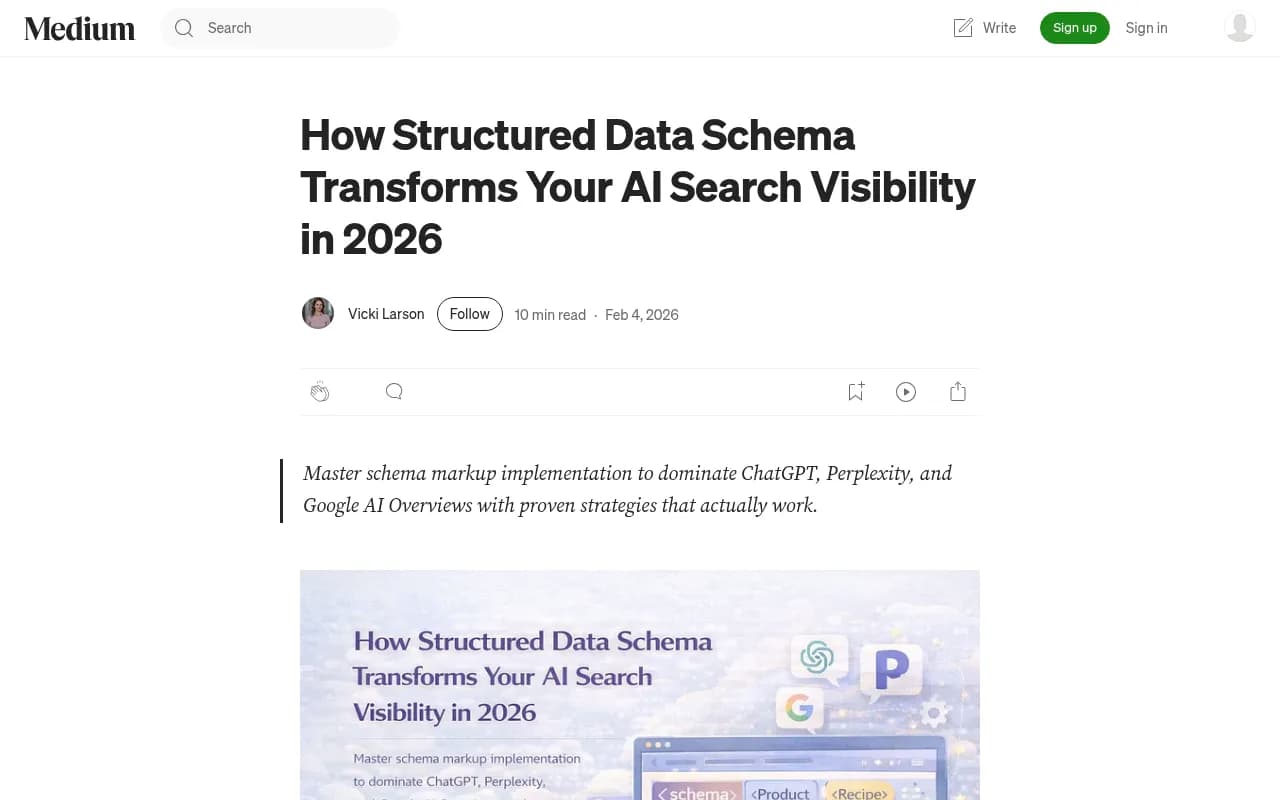
Pages with structured data get crawled more often and cited more frequently. The reason: AI models can parse structured data faster and with higher confidence. Schema markup tells the crawler exactly what the page contains -- no guessing, no ambiguity.
A 2025 study found that pages with structured data saw 44% more crawler visits and were 3.2x more likely to get cited than unstructured pages. That's not a small edge. That's the difference between visibility and invisibility.
Priority schema types for AI citations
- Article schema: Tells crawlers the headline, author, publish date, and content structure. Essential for blog posts and guides.
- Product schema: Includes name, price, availability, and reviews. Critical for e-commerce and SaaS pages.
- FAQ schema: Surfaces questions and answers directly in AI responses. High citation rate for how-to and support content.
- Organization schema: Establishes brand identity and authority. Helps AI models understand who you are and why you're credible.
- BreadcrumbList schema: Shows site hierarchy and helps crawlers navigate related content.
Implement schema on every page that gets crawler activity. Use Google's Structured Data Testing Tool to validate your markup. Then monitor crawler frequency. You should see a 20-40% increase in visits within 2-3 weeks.
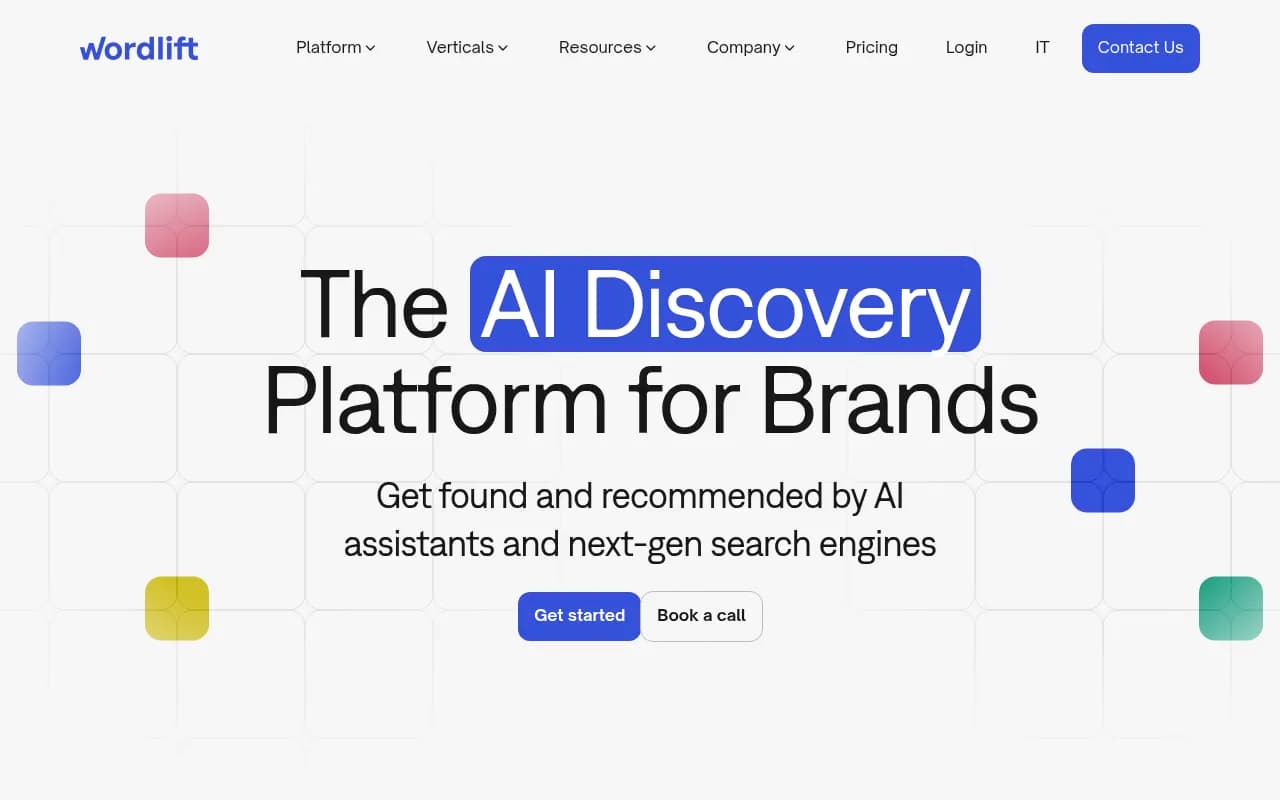
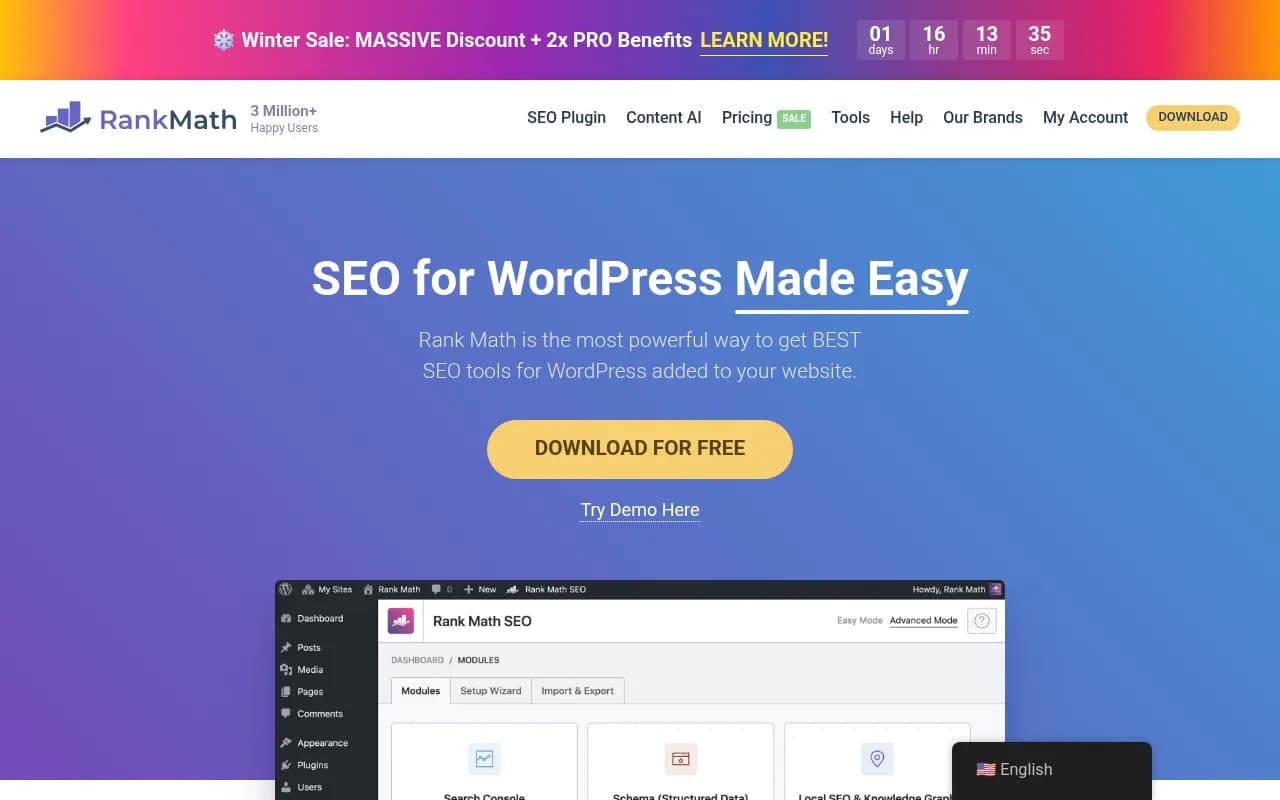
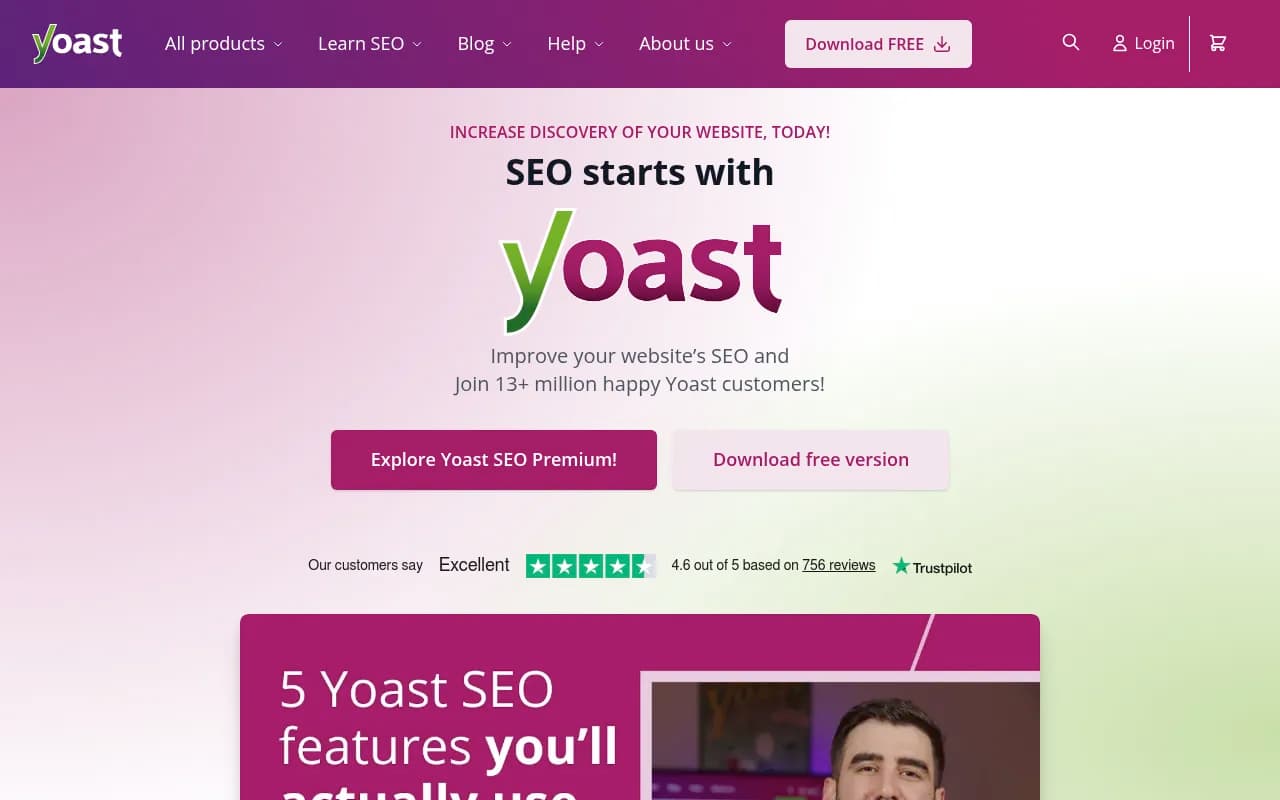
Tools that help with schema implementation:
Content freshness: the 7-day rule
AI crawlers prioritize fresh content. A page updated yesterday is more likely to get crawled (and cited) than a page updated six months ago. The data backs this up: pages updated within 7 days see 5x higher crawler activity and get cited 67% faster than stale pages.
This creates a simple optimization rule: update high-frequency pages every 7-14 days. The updates don't need to be massive. Add a new stat, revise an example, update a timestamp. The goal is to signal freshness and trigger a recency test (Pattern 3 above).
Here's what "fresh" looks like to AI crawlers:
- Last-Modified header: Server timestamp showing when the page was last updated
- Publish date in schema:
datePublishedanddateModifiedfields in Article schema - Content changes: Actual text edits, not just metadata tweaks
- New citations: Links to recent sources (2025-2026 dates)
If you're not updating content regularly, you're invisible to AI crawlers. They assume the page is stale and move on. Even a small update resets the freshness clock and puts you back in the citation pool.
How to predict citations 4-6 weeks in advance
Here's the prediction workflow I use:
- Monitor crawler frequency daily. Set up alerts for pages that hit 5+ visits per week. These are citation candidates.
- Check prompt volume. Are users asking prompts related to this page? If crawler frequency is high but prompt volume is low, the page won't get cited (no one's asking).
- Evaluate content quality. Does the page answer the prompt clearly? Is the structure scannable? Are there citations to authoritative sources?
- Optimize immediately. Update the page, add schema, refresh stats, and embed tool cards. Don't wait for the citation to appear.
- Track citation outcomes. Did the page get cited within 4-6 weeks? If yes, you validated the prediction model. If no, revisit the content quality.
This process turns crawler data into a predictive system. You're not reacting to citations. You're predicting them and optimizing proactively.
Comparison: Tools that track AI crawler frequency
| Tool | Crawler tracking | Real-time alerts | Citation correlation | Pricing |
|---|---|---|---|---|
| Promptwatch | Yes | Yes | Yes | $99-$579/mo |
| Scriptbee | Yes | Yes | No | Custom |
| Atomic AGI | Yes | No | Yes | Custom |
| Botify | Yes | Yes | No | Enterprise |
| Server logs (manual) | Yes | No | No | Free |
Promptwatch is the only platform that combines real-time crawler tracking with citation correlation and content gap analysis. You see which pages are getting crawled, which prompts are driving the activity, and which content updates will close the gap. It's the full action loop: find gaps, generate content, track results.
Common mistakes that kill citation predictions
Even with crawler data, most teams make predictable mistakes:
Mistake 1: Ignoring low-frequency pages
A page with 2 crawler visits per week isn't a priority, right? Wrong. If that page is the only one on your site covering a high-volume prompt, those 2 visits are critical. Context matters. A low-frequency page in a high-demand topic beats a high-frequency page in a low-demand topic.
Mistake 2: Optimizing for the wrong crawler
GPTBot and ClaudeBot have different citation preferences. GPTBot favors structured, scannable content with clear headings. ClaudeBot prefers long-form, narrative content with deep citations. If you optimize for GPTBot but ClaudeBot is doing the crawling, you'll miss the citation.
Solution: Check which crawler is visiting most often and optimize for that model's preferences.
Mistake 3: Waiting for citations to appear
By the time a citation appears, the opportunity is gone. Your competitors are already optimizing for the next wave of prompts. Use crawler frequency as a leading indicator, not a lagging one. Optimize before the citation appears, not after.
Mistake 4: Ignoring technical issues
A page with high crawler frequency and 500 errors is a wasted opportunity. AI models can't cite content they can't access. Monitor response codes in your crawler logs and fix errors immediately.
How to set up crawler frequency alerts
Manual log analysis doesn't scale. You need automated alerts that flag citation candidates in real time. Here's how to set them up:
Option 1: Use a GEO platform
Platforms like Promptwatch have built-in alerts. You set thresholds (e.g. "alert me when a page gets 5+ crawler visits in a week") and the platform sends notifications via email or Slack. You can also set up alerts for specific crawlers (e.g. "alert me when GPTBot visits this page").
Option 2: Build custom alerts with server logs
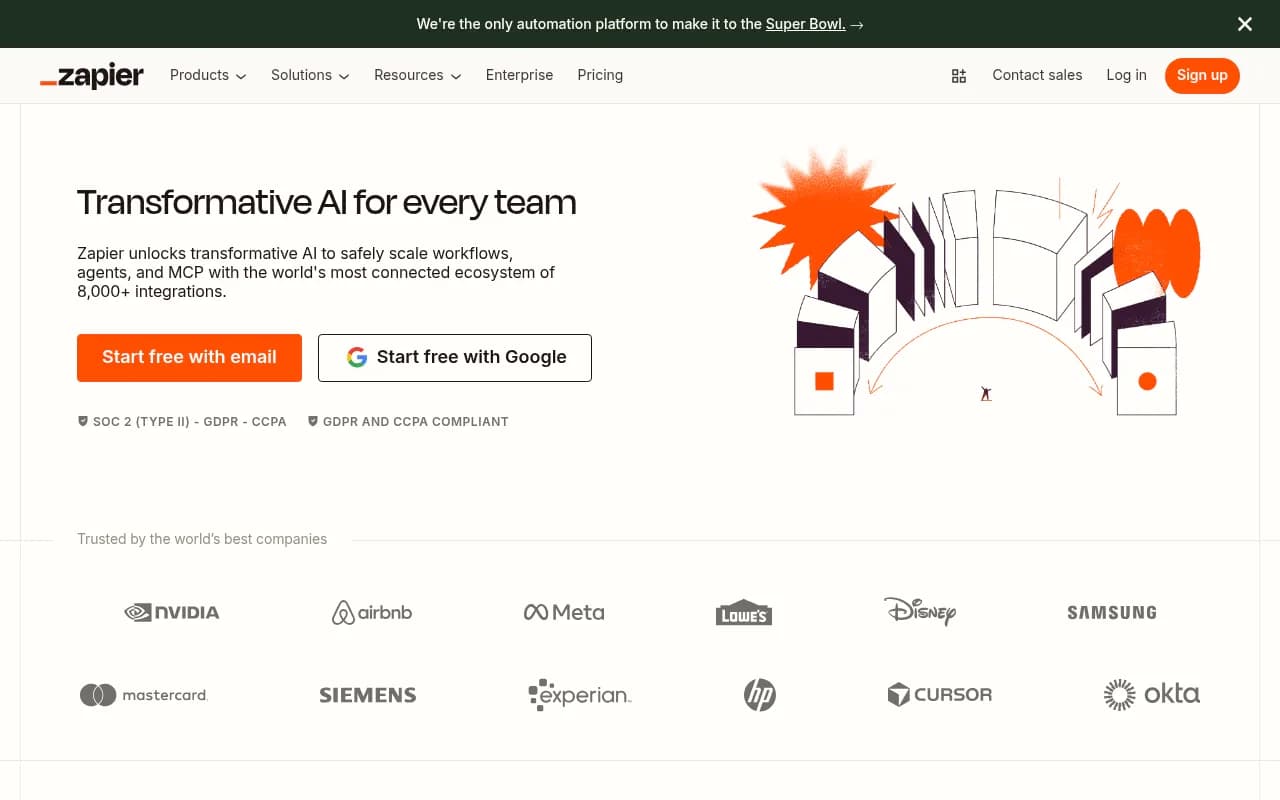
If you're using server logs, you can build custom alerts with tools like Zapier or Make. Here's the workflow:
- Export server logs to a Google Sheet or database
- Set up a filter for AI crawler user agents (GPTBot, ClaudeBot, etc.)
- Count crawler visits per page per week
- Trigger an alert when a page crosses your threshold (e.g. 5+ visits)
This works but it's manual and error-prone. You're better off using a platform that automates the entire process.
Case study: Predicting citations 6 weeks early
A SaaS company I worked with wanted to dominate AI search for "best email marketing tools." They had a comparison page that ranked well in Google but wasn't getting cited in ChatGPT or Perplexity.
We started tracking crawler frequency. The page was getting 1-2 visits per month -- not enough to trigger citations. We updated the page with:
- Fresh pricing data (updated within 7 days)
- Product schema for each tool
- FAQ schema for common questions
- New screenshots and tool embeds
Within two weeks, crawler frequency jumped to 8 visits per week. GPTBot and ClaudeBot were both hitting the page multiple times a day. We knew a citation was coming.
Six weeks later, the page started appearing in ChatGPT responses for "best email marketing tools" and "email automation software." Traffic from AI search increased 340% over the next three months. We predicted the citation before it happened and optimized proactively.
The key: we didn't wait for the citation to appear. We used crawler frequency as a leading indicator and acted immediately.
What to do when crawler frequency drops
A page that was getting 10 crawler visits per week suddenly drops to 2. What happened?
Possible causes:
- Prompt volume declined. Users stopped asking prompts related to this page. Check prompt trends and see if interest shifted to a different topic.
- Content went stale. The page hasn't been updated in months. AI crawlers deprioritized it. Update the content and watch frequency rebound.
- Technical issue. The page is returning errors or loading slowly. Check server logs and fix the issue.
- Competitor overtook you. A competitor published better content and AI models shifted their crawling focus. Analyze the competitor's page and improve yours.
The fix: update the page, add fresh data, and embed schema. If crawler frequency doesn't rebound within 2-3 weeks, the page is no longer a citation candidate. Shift your focus to higher-frequency pages.
The future of crawler-based citation prediction
AI crawlers are getting smarter. They're not just checking freshness and structure. They're evaluating sentiment, fact-checking claims, and cross-referencing sources. The next wave of citation prediction will combine crawler frequency with:
- Sentiment analysis: Pages with neutral or positive sentiment get cited more often than negative or controversial content
- Fact-checking: AI models verify claims against authoritative sources. Pages with verifiable facts get cited faster.
- Cross-referencing: AI crawlers check if other sites link to your page. External validation boosts citation confidence.
The tools that win in 2026 will combine crawler frequency data with these deeper signals. Promptwatch is already moving in this direction -- tracking not just crawl frequency but also citation quality, sentiment, and source authority.
The opportunity is clear: crawler frequency is the most actionable leading indicator of AI citations. If you can read the logs, predict the patterns, and optimize proactively, you'll dominate AI search before your competitors even notice the shift.