Key takeaways
- Otterly.AI is a solid monitoring tool, but monitoring only answers "was my brand mentioned?". Crawler logs answer "can AI bots reach my pages?" and traffic attribution answers "does any of this send visitors?".
- Crawler logs and AI traffic attribution are different data sources. You need both to separate an access problem from a content problem.
- Promptwatch is the option here that combines IP-verified crawler logs, AI visitor analytics and content tooling in one product. Profound covers GA4 and crawler-log attribution at enterprise pricing. Siteline AI, Bear AI and xSeek lean toward the crawler or agent-traffic side.
- Verify vendor claims before you buy. Some tools ingest CDN logs, others only infer crawler visits, and the numbers are not interchangeable.
- Test any shortlist on your own site for at least a few weeks. Compare the tool's crawler numbers against your raw server logs.
Why monitoring alone stops being enough
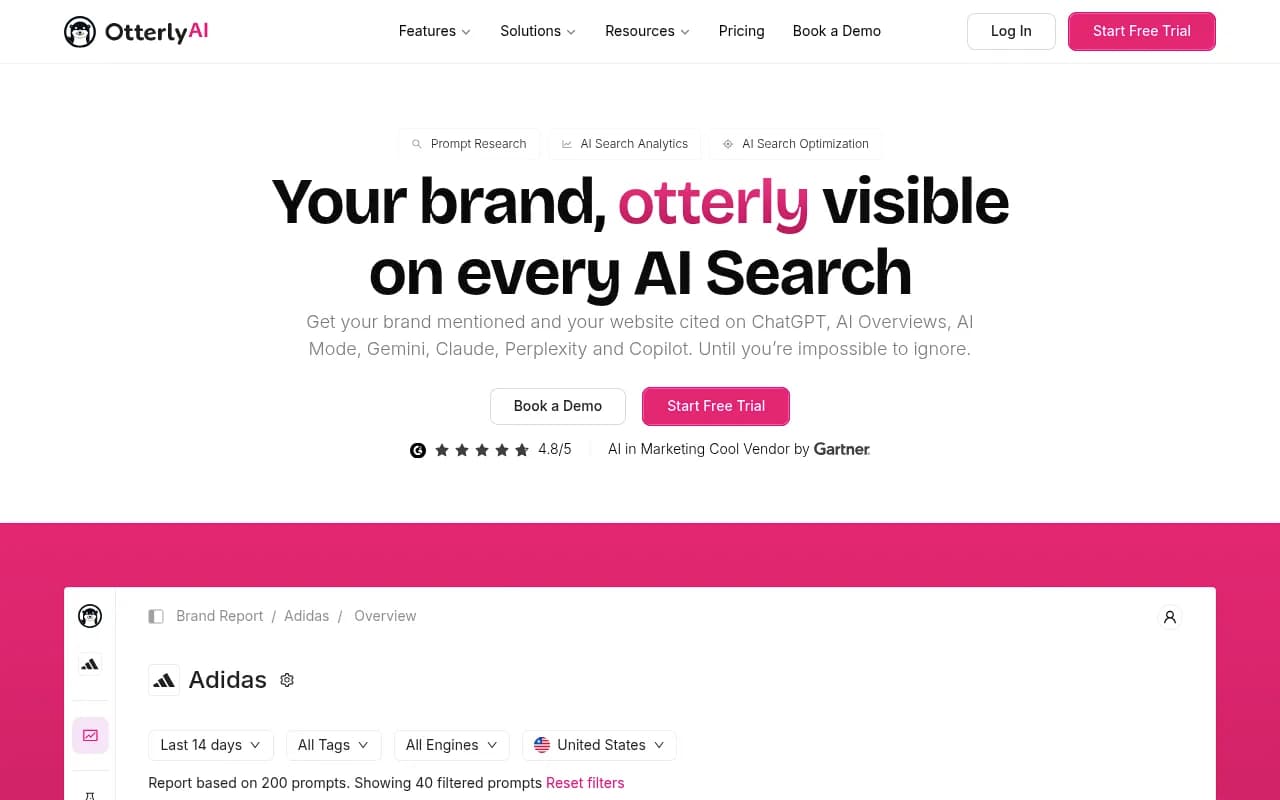
Otterly.AI earned its reputation by automating something marketers were doing by hand: running prompts in ChatGPT, screenshotting answers, pasting them into a spreadsheet. According to a review on Am I Cited, it starts at $29/month, serves over 15,000 marketing professionals, and was named a Gartner Cool Vendor in 2025. Its own site shows a 4.8/5 rating on G2. Those are real strengths.
The limit shows up the moment someone asks a harder question. Your brand is missing from a ChatGPT answer. Is that because your content is weak, or because GPTBot or OAI-SearchBot gets a 403 from your CDN? A visibility dashboard can't tell you. Only server-side data can.
The second question comes from finance: is any of this producing visits and conversions? That needs attribution, meaning AI-referred sessions tied to pages and outcomes.
This guide is about tools that answer those two questions. For a broader category view, the GEO software directory at bestgeosoftware.com lists most of the players.
What crawler logs and AI traffic attribution actually are
People mix these up constantly, so it's worth being precise.
Crawler logs
Crawler logs record requests that AI bots make to your server: GPTBot, OAI-SearchBot, ChatGPT-User, ClaudeBot, PerplexityBot, Google-Agent, meta-webindexer and others. They tell you which pages bots read, how often, and which requests fail. This is the diagnostic layer.
Two details matter a lot. First, IP verification. Anyone can fake a user agent string, so a serious tool checks the source IP against each operator's published ranges. Second, the distinction between training crawls and answer-time fetches. A provider's total can blend both.
Promptwatch Data shows why this is not academic. In its AI crawler traffic report (June 8 to September 6, 2026), OpenAI made up 79.8% of verified AI crawler requests in the week of August 31 to September 6, down from 94.8% in the week of June 8 to 14. The mix shifts fast. Its Meta-WebIndexer report found that bot going from about 2.2% of tracked AI crawler requests in mid-July to 37.8% on August 9, 2026. If your logs show nothing from a provider that is large in the benchmark, you are probably blocked or unreachable for it.
AI traffic attribution
Attribution is the other side: visitors who arrive from ChatGPT, Perplexity, Gemini, Claude or Copilot, which pages they land on, and whether they convert. Methods include a tracking script, a Google Tag Manager template, a CMS plugin, GA4 channel grouping, or CRM tagging. HubSpot's guidance on connecting AI visibility to revenue starts the same way: tag AI-sourced traffic, contacts and deals first.
There is a wrinkle in 2026. Referrers are getting unreliable. ChatGPT stopped sending a referrer on October 8, 2026, so tools now rely on utm_source tagging for part of that traffic. If a vendor's attribution doesn't handle that, its ChatGPT numbers will undercount. The Promptwatch Academy guide on attributing AI traffic walks through the options.
Does Otterly.AI have crawler logs?
This is murky, and I'd rather say so than guess. A Reddit comparison of six AI visibility tools claims Scrunch and Otterly ingest real server or CDN crawler logs, and that the tools produce numbers that can't be compared directly. A LinkedIn roundup describes Otterly as having an AI traffic tracker that detects crawler visits. I could not confirm the depth of this on Otterly's own site, which positions the product around prompt research, AI search analytics and optimization, with a GEO audit.
So treat it as something to check in a trial: ask whether it ingests CDN or server logs, whether bot IPs are verified, and whether you get per-page crawl failures. If the answer to any of those is vague, you have your reason to look elsewhere.
Otterly.AI

Otterly.AI alternatives with crawler logs and attribution
Promptwatch
Promptwatch is the one I'd test first if both crawler logs and traffic attribution are the requirement, because they sit in the same product as the visibility tracking. The AI crawler logs (called Agent Analytics) record IP-verified visits from GPTBot, OAI-SearchBot, ChatGPT-User, ClaudeBot, Claude-User, PerplexityBot, Google-Agent, Meta crawlers and others, with plain-language explanations of crawl failures. Setup goes through Cloudflare, AWS CloudFront, Fastly, Vercel, Netlify, Akamai, Google Cloud CDN, a custom HTTP endpoint, or the WordPress plugin.
It also shows a crawl-to-citation path per page, which is the useful bit: you can tell whether a page was never read, was read but not cited, or was cited. Visitor analytics covers AI-referred sessions and conversions from ChatGPT, Perplexity, Gemini, Claude, Copilot and DeepSeek, with a setting that counts utm_source=chatgpt.com visits as ChatGPT traffic. Search Console and Bing data can be overlaid, so you can ask which pages rank in Google but never get cited.
Then it goes past diagnosis. The Action Board prioritizes fixes, and the Content Agent can write and publish pages to WordPress, Webflow or Framer. Crisp reported 2x higher conversion rates from AI traffic versus other channels, and TreeHouse (Pararius) reached roughly 25% of organic conversions from AI search after fixing crawler access. The TreeHouse case study is the closest match to this guide's topic.
Pricing from promptwatch.com/pricing: Essential $95/mo (no crawler logs), Professional $245/mo (25M crawler logs, 1M visitor events), Business $579/mo (100M crawler logs, Content Agent, faster tracking). Agency plans start at $199/mo and include crawler logs. Confirm current numbers on the pricing page, and note the 7-day free trial on monthly billing. There is a head-to-head page if you are comparing directly: Promptwatch vs Otterly.

Profound
Profound is the enterprise pick. A listing on Am I Cited (dated October 19, 2026) says it offers GA4 and crawler-log attribution, tracks up to nine AI engines, and has a 7-day free trial with custom Enterprise pricing. I could not verify those details on Profound's own site, so confirm in a demo. Expect a higher price than the rest of this list and, per Promptwatch's own comparison, no Reddit tracking or ChatGPT Shopping coverage. See Promptwatch vs Profound for that side of the argument.
Profound

Scrunch AI
Scrunch shows up in the Reddit thread as a tool that ingests real server or CDN logs. That makes it relevant here, but the same thread warns that its numbers differ from other tools'. If you pick it, benchmark against your own logs rather than against another vendor's dashboard.

Siteline AI, Bear AI and xSeek
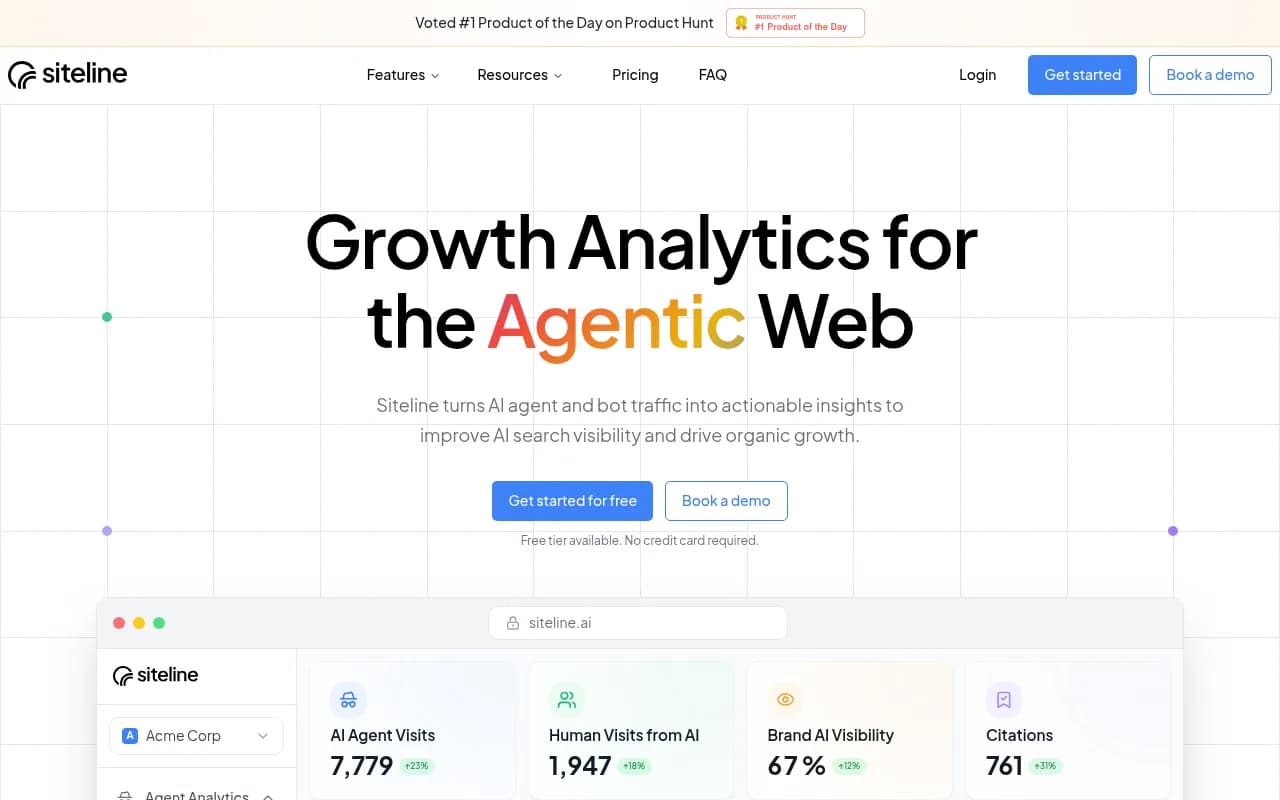
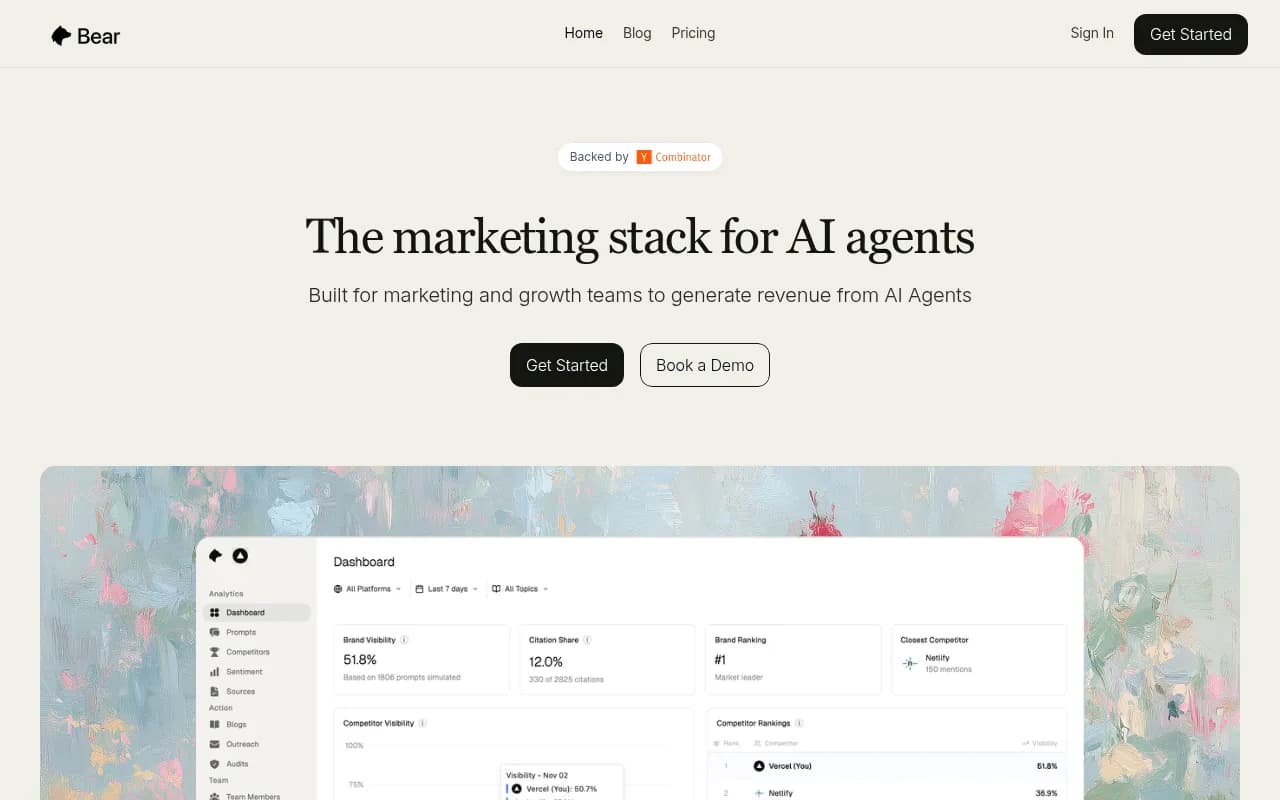
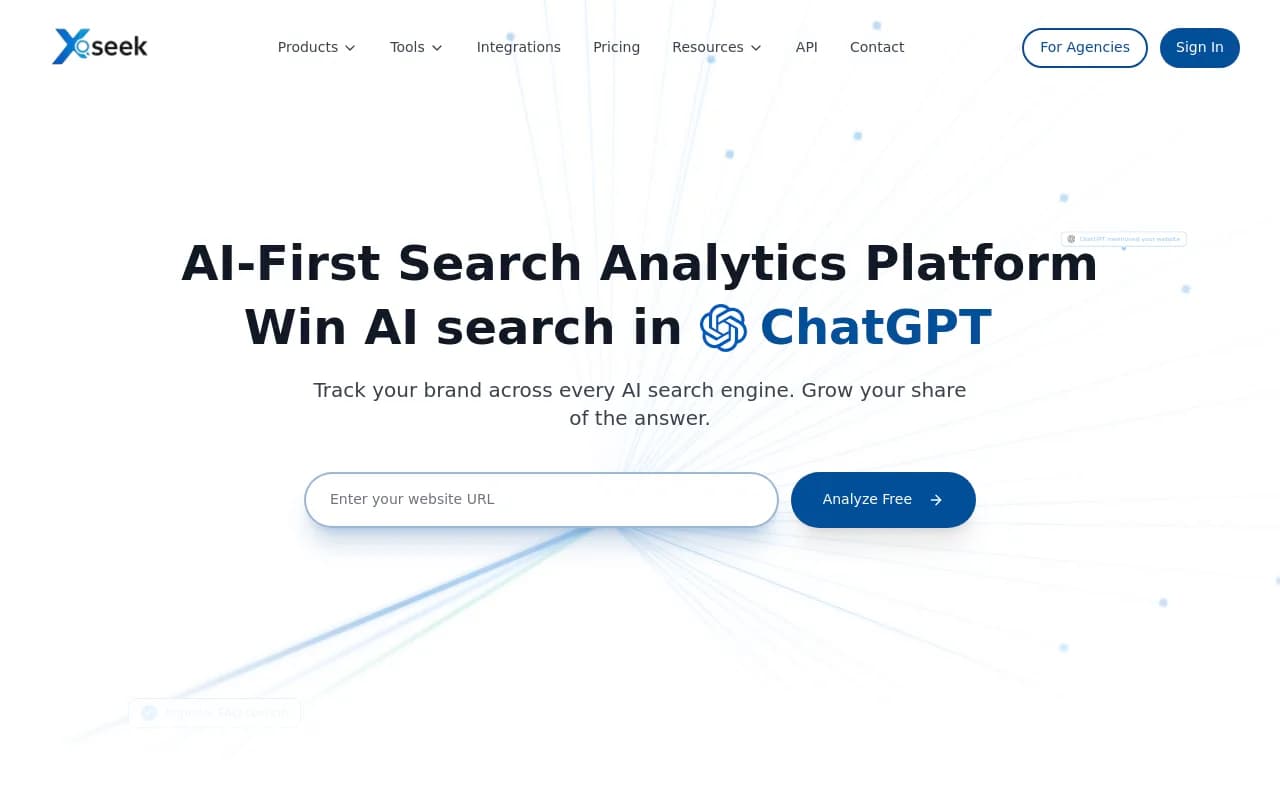
Three narrower options sit closer to the agent-traffic end. Siteline AI is described as AI agent traffic analytics, Bear AI as turning AI agent traffic into revenue with visibility tracking and conversion tools, and xSeek as ChatGPT rank tracking with GPTBot crawler monitoring. They make sense if the crawler and traffic side is your main gap and you already have a prompt tracker. They are less of a full replacement for Otterly.
Peec AI and SE Visible
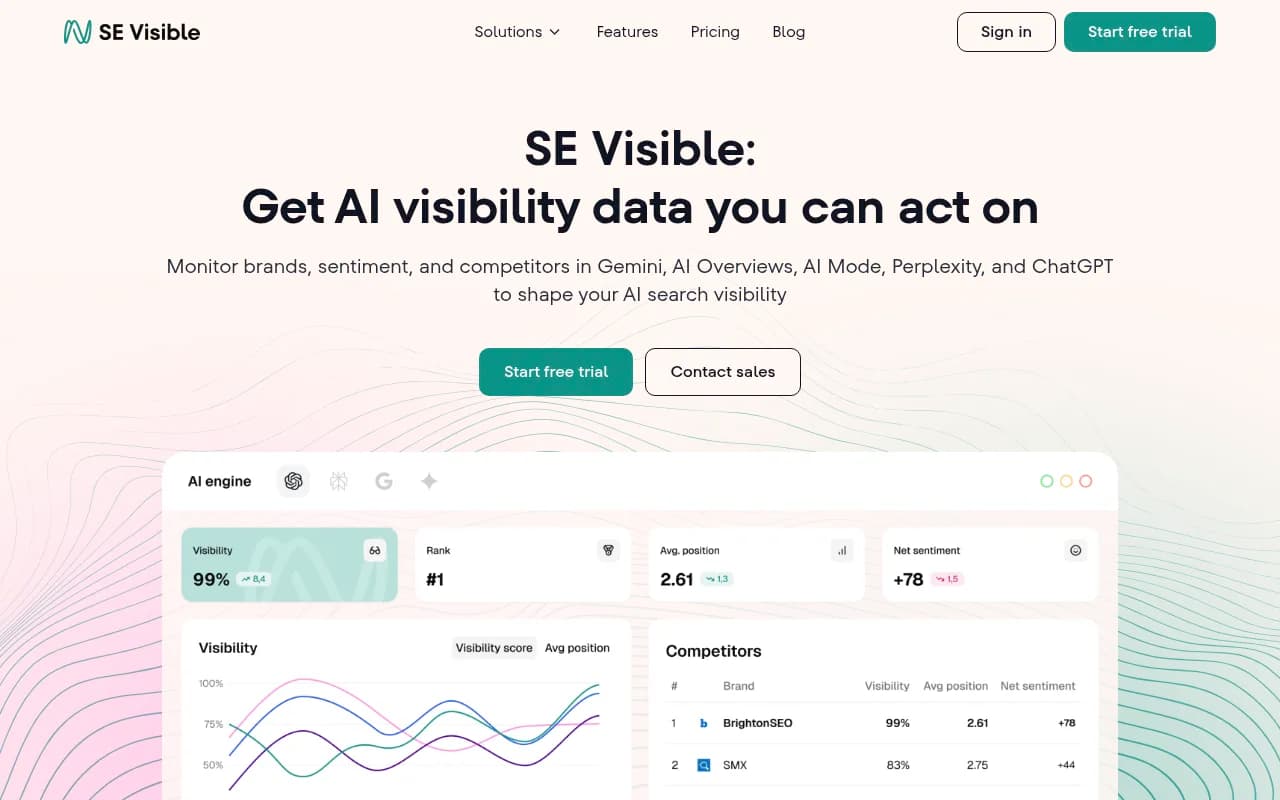
Peec AI has unlimited seats and is popular with agencies, but it is a monitoring tool. SE Visible, from SE Ranking, adds SEO-suite context but is described as tracking mentions without the tools to fix them. Neither is a clear answer to the crawler-log requirement, though both are worth a look if reporting and price matter more.

Comparison table
Crawler and attribution claims below come from vendor positioning and third-party reviews in the research for this article. Items marked verify need confirmation in a trial.
| Tool | Crawler logs | AI traffic attribution | Content tooling | Best for |
|---|---|---|---|---|
| Otterly.AI | Reported by third parties, verify | Reported by third parties, verify | GEO audit | Small teams, basic monitoring |
| Promptwatch | IP-verified, CDN and plugin setup | Visitor analytics, GA-style script, GTM, WordPress | Content Agent, CMS publishing | Teams that want diagnosis plus fixes |
| Profound | Reported, verify | GA4 reported, verify | Content generation | Enterprise |
| Scrunch AI | Server and CDN logs reported | Verify | Verify | Teams comfortable benchmarking vendors |
| Siteline AI | Agent traffic analytics | Yes, focus of product | No | Adding a traffic layer |
| Bear AI | Agent traffic | Conversion tools | Limited | Revenue tie-in |
| xSeek | GPTBot monitoring | Verify | No | ChatGPT-focused tracking |
| Peec AI | No | No | No | Agencies on a budget |
How to choose
Questions to ask every vendor
- Do you ingest CDN or server logs, or infer crawler visits some other way?
- Are bot visits verified against operator IP ranges?
- Can I see failures per page, with a reason?
- How do you attribute ChatGPT visits now that the referrer is gone?
- Does attribution connect to GA4, a CRM, or only your own script?
- Does the tool tell me what to do, or just report?
Run a two-week test
Pick two tools. Install both. Compare their crawler counts to your raw access logs for the same period, then check that AI-referred sessions roughly match what GA4 shows. Differences of a few percent are fine. Big gaps tell you the method is different, and you need to know which one before you trust a trend line.
If your numbers show a big provider with near-zero requests to your site, fix robots.txt, WAF and CDN rules first. The free AI crawler URL inspector and robots.txt generator for AI help with that, and the Agentic Readiness Check shows which crawlers can currently read you.
What the third-party comparisons get right and wrong
Most "best Otterly alternatives" posts rank on price, engine count and interface. Those matter, but they say little about crawler access or attribution. Am I Cited's list, for example, picks its own product as best overall and frames the verdict around pricing and recommendations. OGTool's roundup mentions Promptwatch as worth a trial if crawler visibility is your main gap, but didn't score it because its test window didn't cover a full refresh cycle. Read these as leads, not verdicts.

For rank-tracking style tools more broadly, the AI rank tools directory at ai-rank-tools.com is a useful second source.
Final recommendation
If you only need cheap mention tracking, stay with Otterly.AI. If your question is "why aren't we cited, and is it sending traffic?", you need server-side data. Start a trial of Promptwatch for the combined crawler logs, attribution and content workflow, use Profound if you are an enterprise buyer who wants a sales-led process, and add Siteline AI or xSeek only if you have a prompt tracker you like and just need the traffic layer. Whatever you pick, check its crawler numbers against your own logs before you build a report on them.
If you'd rather have specialists handle the setup, 1001 SEO Media runs GEO programs for brands and uses Promptwatch as its AI visibility platform.