Key takeaways
- Most AI search visibility platforms are monitoring-only dashboards — they show you where you're invisible but don't help you fix it.
- The features that actually matter in 2026 go beyond rank tracking: gap analysis, content generation, crawler logs, prompt intelligence, and traffic attribution are what separate action platforms from passive ones.
- Only a handful of platforms cover all 10 features. Most cover 3-5 at best.
- Promptwatch is the only platform rated "Leader" across all categories in a 2026 comparison of 12 GEO tools — because it's built around an action loop, not just a dashboard.
- If you're evaluating platforms, use this list as a checklist. Any tool missing more than 2-3 of these features will leave you with data and no path forward.
The AI search market has exploded. ChatGPT now has over 900 million weekly active users. Google's AI Mode launched at I/O 2026 with agentic search capabilities that let users complete tasks just by asking a question. Perplexity is eating into traditional search traffic for research-heavy queries. And brands that aren't visible in these AI-generated answers are simply not being found.
So naturally, a whole category of "AI search visibility" platforms has emerged. The problem is that most of them are glorified dashboards. They'll tell you your brand appeared in 12% of relevant prompts last month. They'll show you a competitor appeared in 34%. And then they'll leave you completely alone to figure out what to do about it.
That's not a platform. That's a report.
In 2026, the bar for what an AI search platform should actually do is much higher. Here's what the 10 features look like when a platform is built to help you take action — not just observe.
1. Multi-model tracking across real user interfaces
The obvious starting point: a platform needs to track your brand's visibility across the AI engines that actually matter. ChatGPT, Perplexity, Google AI Overviews, Google AI Mode, Claude, Gemini, Grok, DeepSeek, Copilot, Meta AI — these are where your customers are getting answers.
But here's the thing most platforms get wrong: they query models through APIs and call it tracking. The problem is that what an AI model returns through an API can differ meaningfully from what a real user sees in the interface. Shopping recommendations, citation carousels, featured answers — these often only appear in the user-facing product.
A platform worth using in 2026 tracks how AI search engines behave in actual user interfaces, not just API outputs.

Otterly.AI

Profound

2. Answer gap analysis
This is where most platforms fall short. Tracking your current visibility is table stakes. What you actually need to know is: which prompts are your competitors appearing in that you're not?
Answer gap analysis maps competitor citations against your own, then surfaces the specific prompts where you're invisible. Not vague topic clusters — the actual questions and queries where AI models are recommending your competitors instead of you.
This is the feature that turns a monitoring dashboard into a strategy tool. Without it, you're looking at a score with no idea how to improve it.
3. Prompt intelligence: volume, difficulty, and query fan-outs
Not all prompts are equal. Some get asked thousands of times a day. Some are highly competitive with established brands dominating citations. Some branch into dozens of sub-queries that each represent their own visibility opportunity.
A platform that just shows you a list of prompts you're missing isn't enough. You need:
- Volume estimates so you can prioritize high-traffic prompts
- Difficulty scores so you know which gaps are actually winnable
- Query fan-outs that show how one prompt branches into related sub-queries
Without this, you're guessing at what to work on. With it, you can build a prioritized roadmap.
4. AI content generation grounded in real data
This is the feature that separates action platforms from monitoring tools. Once you know which prompts you're missing, you need to create content that fills those gaps. But not generic content — content engineered specifically to answer the questions AI models are already exposing.
The best platforms generate articles, listicles, comparisons, and content briefs that are grounded in:
- Real prompt data and citation patterns
- Competitor analysis
- Prompt volume and difficulty scores
- Brand guidelines and tone
- Screenshots, news context, and uploaded knowledge-base files
This isn't the same as a generic AI writer. It's content built to rank in AI search, informed by the exact gaps the data reveals.
5. AI crawler logs and agent analytics
This one is almost completely absent from most platforms, which is baffling given how important it is.
AI engines like ChatGPT, Perplexity, and Claude send crawlers to your website before they cite you. If those crawlers are hitting errors, getting blocked, or not returning to re-index updated content, your pages won't be cited — no matter how good the content is.
Crawler log analysis shows you:
- Which AI crawlers are visiting your site and how often
- Which pages they're reading vs. ignoring
- Errors they're encountering
- The timeline from crawl to citation (when does a page go from "crawled" to "cited"?)
This is technical infrastructure for AI search, and it's the kind of insight that explains why a page with great content still isn't getting cited.
6. Page-level citation tracking
Aggregate visibility scores are useful for executive reporting. They're useless for actually improving your rankings.
Page-level tracking shows you exactly which pages on your site are being cited, by which AI models, and how often. This lets you:
- Identify your highest-performing pages and understand why they work
- Find pages that should be getting cited but aren't
- See the impact of content updates on citation frequency
- Connect specific pages to specific prompts
Without page-level data, you're optimizing blindly.
7. Offsite citation and source analysis
Your AI search visibility isn't just about your own website. AI models cite Reddit threads, YouTube videos, third-party review sites, industry publications, and listicles. If those external sources mention your competitors but not you, you're invisible in a significant portion of AI-generated answers.
A complete platform tracks:
- Which external domains AI models cite most frequently in your category
- Which Reddit discussions and YouTube videos influence recommendations
- Where your brand appears (or doesn't) in third-party content
- Which external citations are driving the most AI visibility
This tells you where to publish, where to earn mentions, and where your competitors are winning outside their own websites.
8. ChatGPT shopping and entity tracking
ChatGPT's shopping recommendations and product carousels are a distinct visibility channel from standard text citations. If you sell products, appearing in ChatGPT's shopping results is increasingly important — and it works differently from appearing in a text response.
Entity tracking is related: AI models build internal representations of brands, products, and people. Understanding how your brand is represented as an entity (not just whether you appear in responses) gives you a deeper picture of your AI search presence.
Most platforms don't track either of these. The ones that do have a meaningful advantage for e-commerce and product-focused brands.
9. Traffic attribution: connecting AI visibility to revenue
This is the feature that makes AI search visibility a business metric, not just a marketing vanity score.
If you can't connect your AI search citations to actual website traffic, leads, or revenue, you can't justify the investment in GEO — and you can't prove that your content improvements are working.
Traffic attribution for AI search requires:
- Connecting AI crawler activity to actual visitor sessions
- Attributing traffic from AI referrals to specific pages
- Showing the revenue impact of visibility improvements over time
Platforms that offer this (through integrations with Cloudflare, Vercel, server logs, or tracking snippets) give you a closed loop from visibility to business outcome.
10. Multi-language, multi-region, and persona tracking
AI search behavior varies significantly by language, country, and the type of user asking the question. A prompt about "best project management software" asked by a French-speaking enterprise buyer in Belgium will get different AI responses than the same prompt asked by a startup founder in the US.
A platform that only tracks in English, in one region, with one generic persona is giving you an incomplete picture. The best platforms let you:
- Monitor AI responses in any language and from any country
- Set up custom personas that match how your actual customers prompt
- Track city or state-level variations for location-sensitive categories
For global brands and agencies managing multiple clients across markets, this isn't optional.
Which platforms actually have all 10?
Here's where it gets honest. Most platforms in this space cover a subset of these features. Many are strong on monitoring but weak on action. A few are strong on content but lack the tracking infrastructure to measure results.
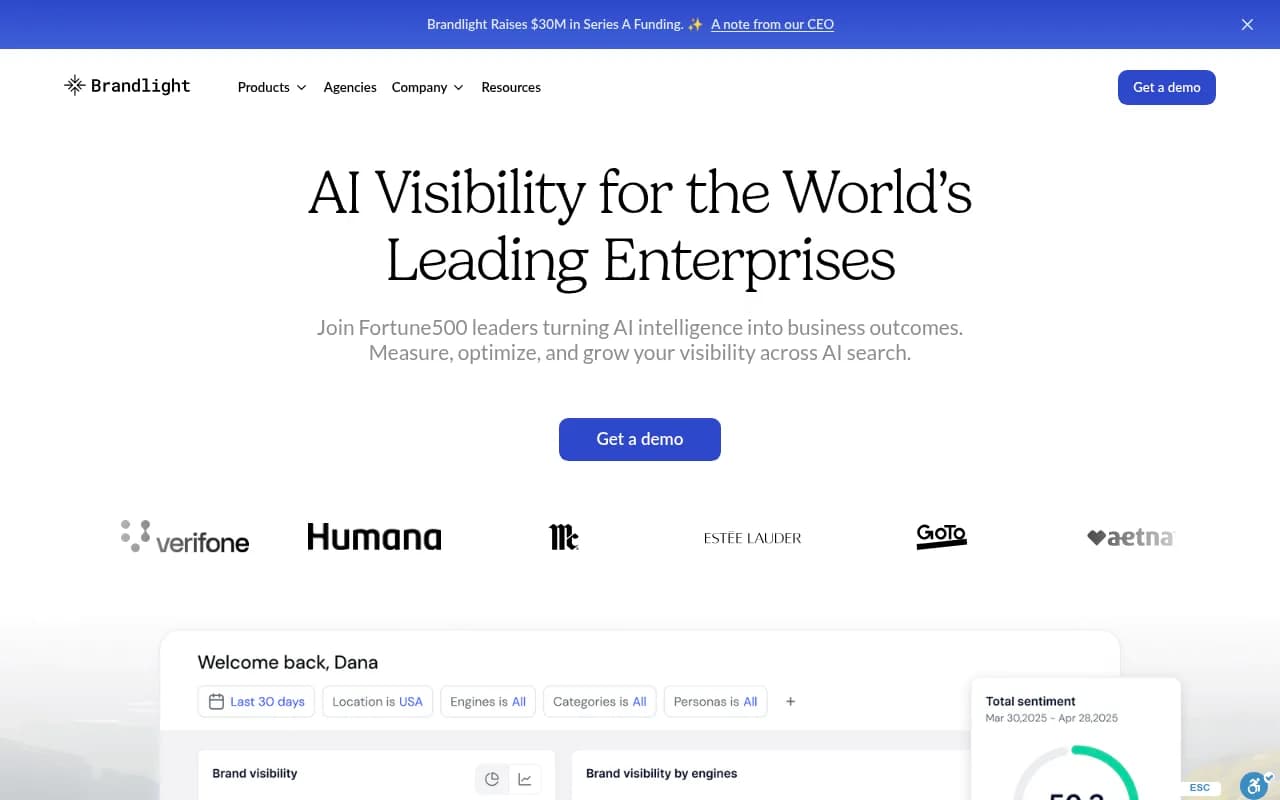
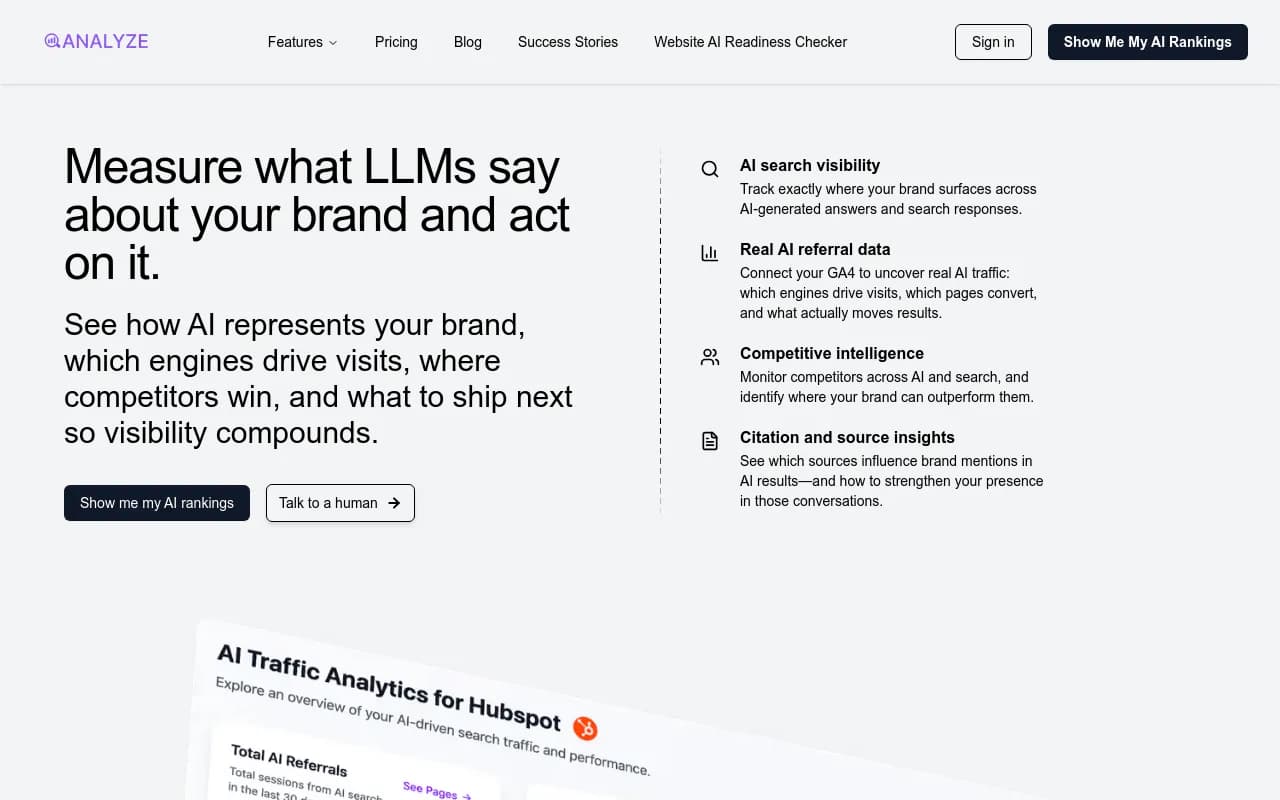
| Feature | Promptwatch | Profound | Otterly.AI | AthenaHQ | Searchable | Semrush |
|---|---|---|---|---|---|---|
| Multi-model tracking (real UI) | Yes | Partial | Yes | Yes | Yes | Partial |
| Answer gap analysis | Yes | Partial | No | Partial | Partial | No |
| Prompt intelligence (volume/difficulty) | Yes | No | No | No | No | No |
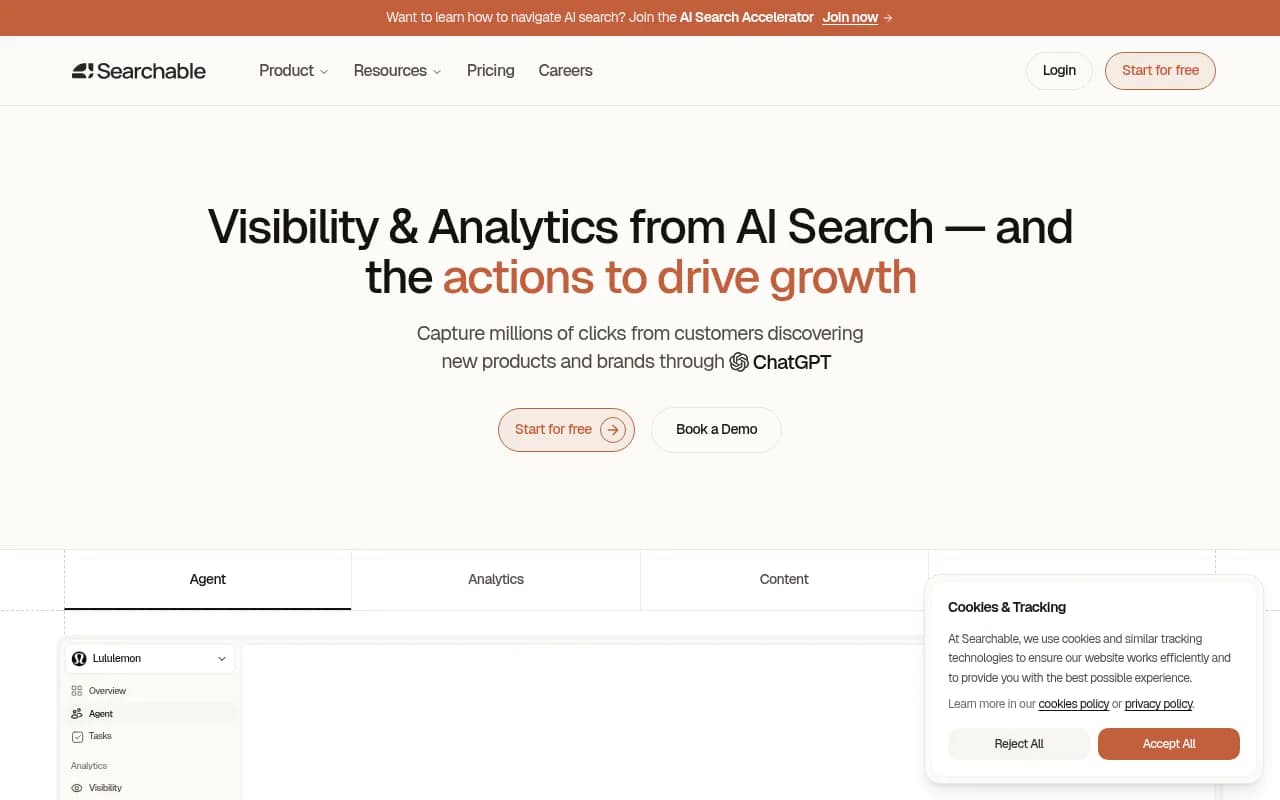
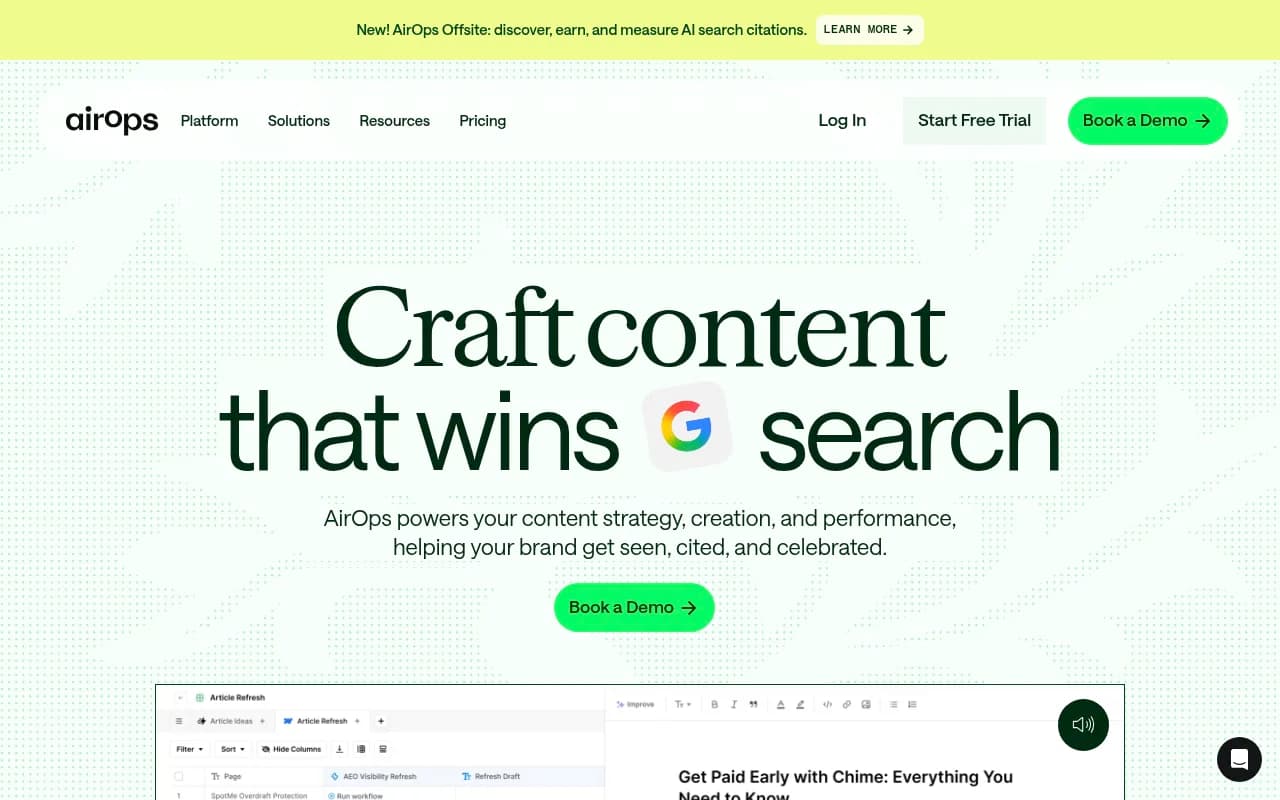
| AI content generation | Yes | No | No | No | Yes | Partial |
| AI crawler logs | Yes | No | No | No | No | No |
| Page-level citation tracking | Yes | Yes | No | No | No | No |
| Offsite citation analysis | Yes | Partial | No | No | No | No |
| ChatGPT shopping tracking | Yes | No | No | No | No | No |
| Traffic attribution | Yes | No | No | No | No | No |
| Multi-language/persona tracking | Yes | Partial | No | No | No | No |
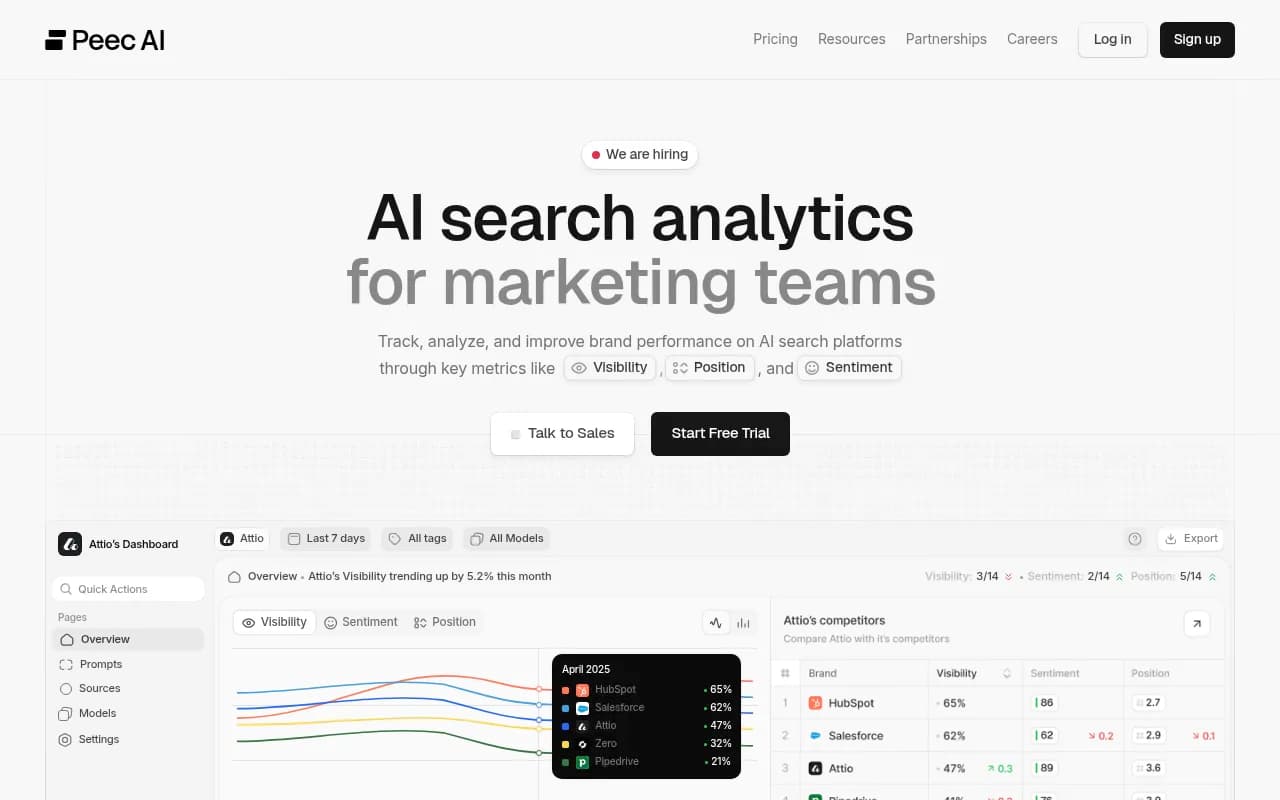
The pattern is clear. Monitoring-only platforms (Otterly.AI, AthenaHQ, Peec.ai) cover the first feature well and fall off quickly after that. Enterprise platforms like Profound have stronger tracking but still lack the action layer. Traditional SEO tools like Semrush have added some AI monitoring but haven't rebuilt their core product around it.

Promptwatch is the only platform in the 2026 comparison of 12 GEO tools rated as a "Leader" across all categories. The reason is structural: it's built around a find-gaps, create-content, track-results loop rather than a monitoring dashboard with some features bolted on.
The monitoring trap
There's a specific failure mode worth naming. A lot of marketing teams buy an AI visibility platform, get excited about the data for a few weeks, and then realize they have no idea what to do with it. The platform shows them they're invisible for 80% of relevant prompts. It shows them competitors are winning. It generates a report.
And then nothing changes, because the platform doesn't help them take action.
This is the monitoring trap. It's not that the data is wrong — it's that data without a path to action is just anxiety with a dashboard.
The features on this list are specifically the ones that break out of that trap. Gap analysis tells you what's missing. Prompt intelligence tells you what to prioritize. Content generation helps you create the right content. Crawler logs tell you if AI engines can actually find it. Page-level tracking and traffic attribution show you if it's working.
That's a loop. That's what an optimization platform looks like.
How to evaluate a platform against this list
If you're currently evaluating AI search visibility tools, here's a practical approach:
Ask for a demo that specifically shows answer gap analysis, not just a visibility score. If the platform can't show you the specific prompts your competitors are winning that you're not, it's a monitoring tool.
Ask whether content generation is grounded in prompt data or just a generic AI writer. The difference matters enormously for whether the content actually improves your AI search rankings.
Ask about crawler logs. If the platform doesn't track AI crawler activity on your site, you're missing a critical piece of the technical picture.
Ask how traffic attribution works. If the answer is "we don't do that," you won't be able to prove ROI.
The platforms that can answer all four of these questions clearly are the ones worth your time.
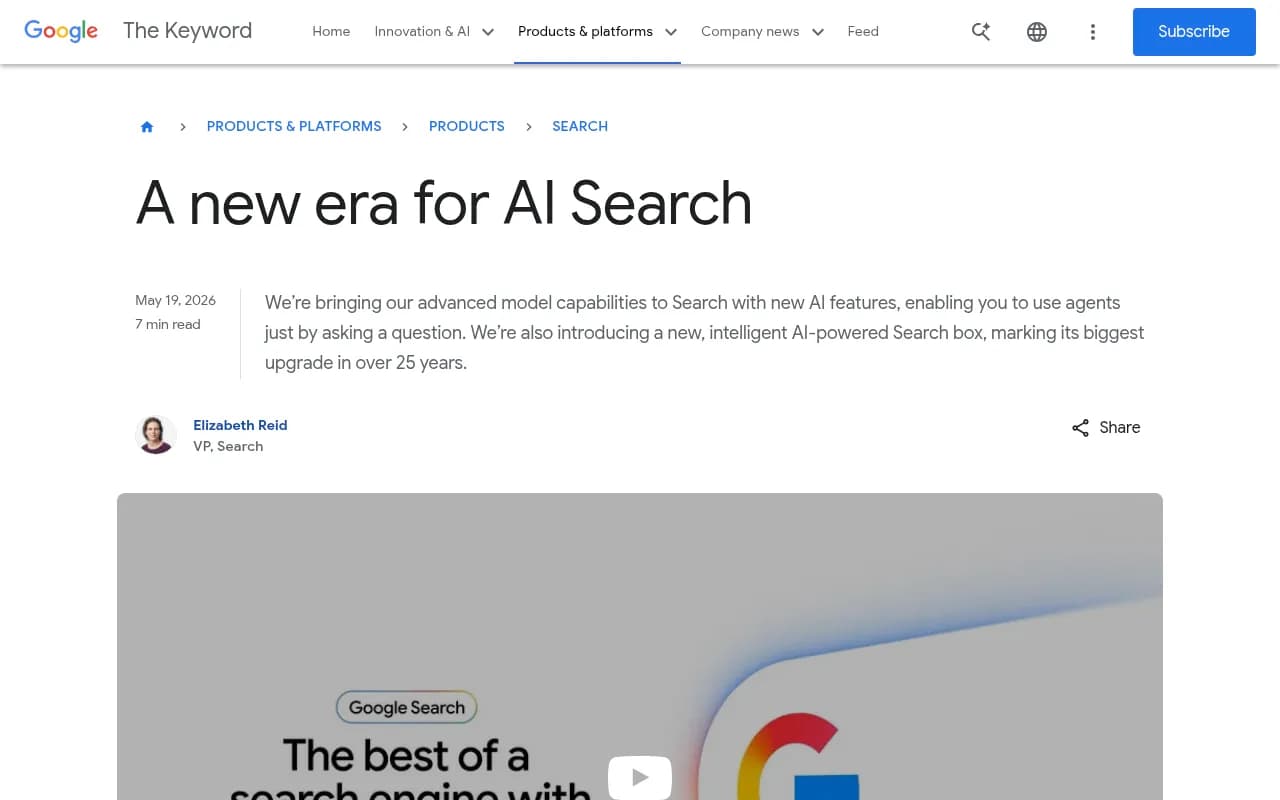
Google's I/O 2026 announcement made clear that AI search is no longer a feature — it's the primary interface. Brands that aren't optimizing for it now are already behind.
The 10 features above aren't a wishlist. They're the minimum viable toolkit for competing in AI search in 2026. Any platform missing more than two or three of them is leaving you with a partial picture and no clear path to improving it.