Key takeaways
- Most AI search monitoring tools stop at showing you competitor data -- they don't help you act on it.
- The tools that matter most in 2026 combine competitor gap analysis with content generation grounded in real prompt data.
- Platforms like Promptwatch, AirOps, and Search Atlas are among the few that close the loop from "here's what rivals win" to "here's the content to beat them."
- Traditional SEO tools (Semrush, Ahrefs) have added AI tracking features, but their competitor gap workflows weren't built for AI search -- they're retrofits.
- The right tool depends on where you are: pure monitoring, content optimization, or full-cycle GEO with action features.
There's a frustrating pattern in the AI search visibility space right now. You sign up for a tool, run a competitor analysis, and get a beautiful dashboard showing all the prompts your rivals appear in that you don't. Then the tool asks: "Now what?"
That's the gap nobody talks about. Seeing what competitors win is the easy part. Doing something about it -- creating the right content, in the right format, targeting the right prompts -- is where most platforms leave you on your own.
This guide focuses specifically on that action layer: which tools actually help you close competitor gaps in AI search, not just identify them.
Why competitor gap analysis in AI search is different from traditional SEO
In traditional SEO, a content gap is straightforward. Your competitor ranks for a keyword you don't. You write a page targeting that keyword. You wait.
AI search doesn't work that way. When someone asks ChatGPT "what's the best project management tool for remote teams," the model isn't crawling your site in real time. It's drawing on training data, retrieval-augmented sources, and citation patterns it has built up over time. Getting cited means being the kind of source AI models trust -- which means your content needs to answer questions directly, authoritatively, and in a format models can parse and reference.
So a competitor gap in AI search isn't just "they rank for this keyword." It's "when users ask this question, the AI cites them and not you." The fix isn't just publishing a page -- it's publishing the right kind of page, structured to answer that specific prompt, with enough authority signals that AI models start pulling from it.
That's a fundamentally different workflow. And it's why most traditional SEO competitor gap tools don't translate cleanly to AI search.
The three things a real competitor gap action tool needs to do
Before reviewing specific platforms, it's worth being clear about what "action features" actually means. There are three things a tool needs to do to be genuinely useful here:
- Show you which prompts competitors appear in that you don't -- with enough context to understand why (what they're saying, which pages are getting cited, which AI models are citing them).
- Help you understand what content you'd need to create to compete for those prompts -- not just "write about this topic" but what angle, structure, and depth AI models want.
- Actually help you create that content, or at least generate a brief that's grounded in the gap data rather than generic SEO signals.
Most tools do step one. A handful do step two. Very few do all three.
Tools that go beyond monitoring
Promptwatch
Promptwatch is the clearest example of a platform built around the full action loop. The Answer Gap Analysis feature shows you exactly which prompts competitors appear in that your site doesn't -- not as a vague keyword list, but as specific questions with the actual AI responses, the pages being cited, and the models doing the citing.
What separates it from monitoring-only tools is what happens next. Content Agents generate articles, listicles, comparisons, and briefs grounded in that gap data -- using real prompt volumes, citation patterns, persona targeting, and competitor analysis. The output isn't generic AI content. It's content engineered to answer the specific questions AI models are already exposing as gaps on your site.
The tracking side closes the loop: page-level citation tracking shows when new content starts getting cited, which models pick it up first, and how visibility scores shift over time. The AI Crawler Logs feature shows when GPTBot, ClaudeBot, and Perplexity's crawler actually hit your pages -- so you can see the timeline from publish to crawl to citation.
Promptwatch monitors 10 AI models including ChatGPT, Perplexity, Google AI Overviews, Claude, Gemini, Grok, DeepSeek, and Copilot. Pricing starts at $99/month for the Essential plan (1 site, 50 prompts, 5 articles), with Professional at $249/month adding crawler logs and city-level tracking.

AirOps
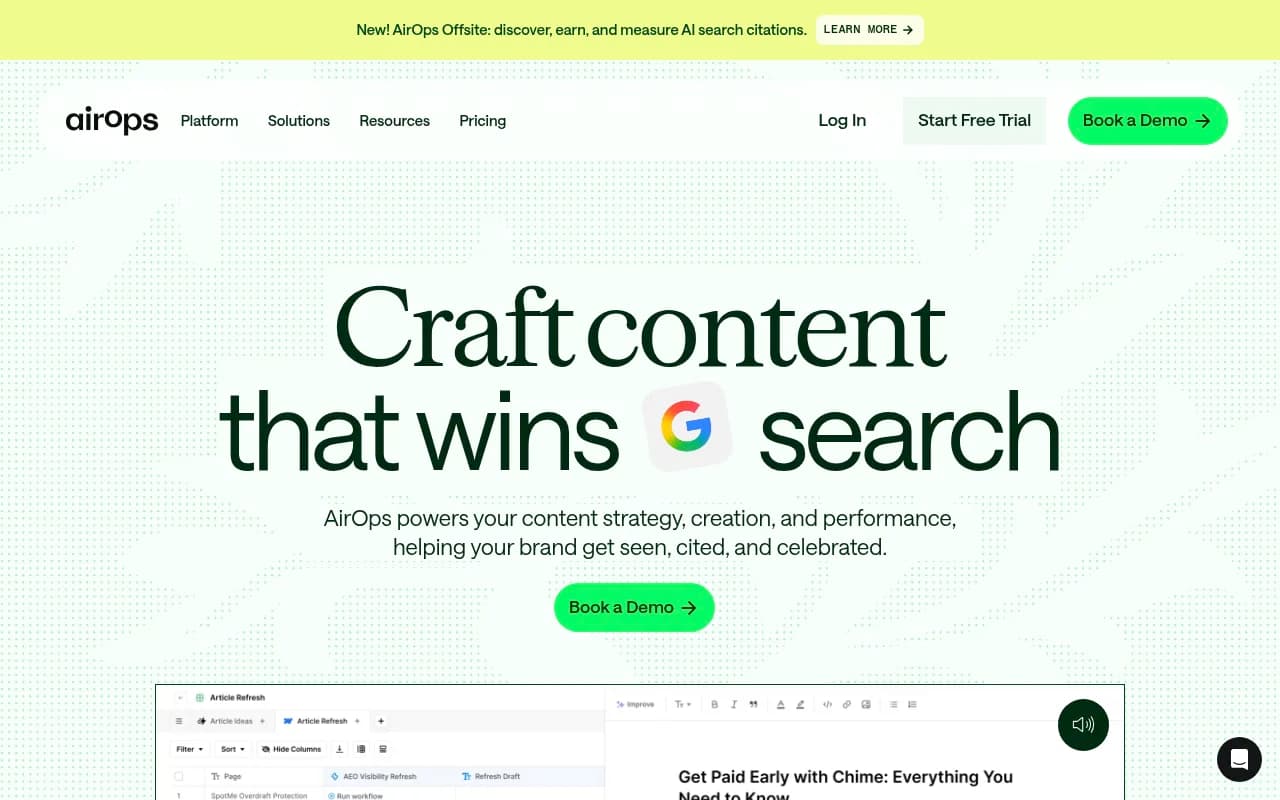
AirOps takes a content engineering approach to AI search. The platform is built around workflows that combine competitor research, prompt data, and content generation -- with a focus on creating content that ranks in both traditional search and AI search simultaneously.
The competitor gap features let you map your content against what's being cited in AI responses, then generate structured briefs and full articles targeting those gaps. It's particularly strong for teams that want to build repeatable content workflows rather than one-off pieces.
Search Atlas
Search Atlas combines traditional SEO competitor analysis with AI search tracking and content generation. The gap analysis features show you where competitors are winning in both Google and AI search, and the platform can generate optimized content to target those gaps.
It's a good option for teams that want a single platform covering both traditional and AI search competitor analysis, though the AI-specific features are less deep than dedicated GEO platforms.

Relixir
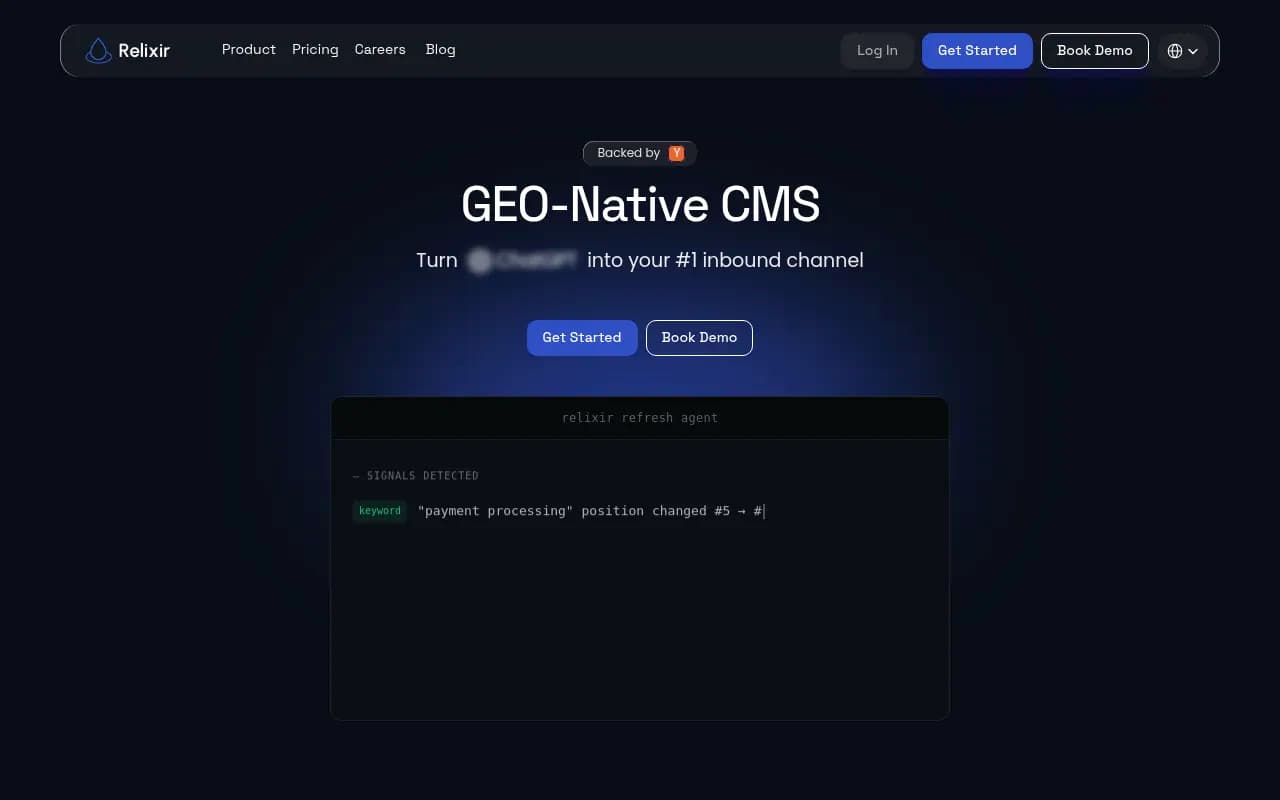
Relixir is an enterprise-focused GEO platform with strong competitor gap analysis. It's built for larger brands that need to track visibility across multiple AI models and generate content at scale. The platform includes answer gap analysis and content optimization features, though it's positioned more toward enterprise budgets.
Tools that do monitoring well but stop there
These platforms are genuinely useful for understanding where competitors are winning in AI search -- but they don't help you create content to close those gaps. Worth knowing about, but be clear on what you're getting.
Profound
Profound has strong competitor visibility tracking across 9+ AI search engines and good data on which sources are being cited. The gap analysis shows you where competitors appear and you don't. But the platform is primarily a monitoring and analytics tool -- it shows you the problem without providing the content solution.
Profound

AthenaHQ
AthenaHQ focuses on AI search monitoring with solid competitor comparison features. You can see how your brand visibility stacks up against competitors across different AI models and prompt categories. Like Profound, it's a monitoring-first platform without content generation capabilities.

Otterly.AI
Otterly.AI tracks brand mentions across ChatGPT, Perplexity, and Google AI Overviews. The competitor comparison features are useful for understanding relative visibility, but the platform doesn't have content gap analysis or generation features.
Otterly.AI

Peec AI
Peec AI offers AI search visibility tracking with competitor benchmarking. Clean interface, reasonable pricing, but monitoring-only -- no content workflow to act on what you find.

Traditional SEO tools with AI search features
Semrush
Semrush has added AI search tracking to its platform, and the competitor analysis features are extensive for traditional SEO. The content gap tool is mature and well-designed. The limitation for AI search specifically is that Semrush uses fixed prompts rather than tracking real user queries, and the AI tracking features feel like additions to an SEO platform rather than something built for AI search from the ground up.
That said, for teams already in the Semrush ecosystem, the combination of traditional competitor gap analysis plus the AI tracking layer is useful -- especially if you're using ContentShake AI for content generation alongside it.
Ahrefs
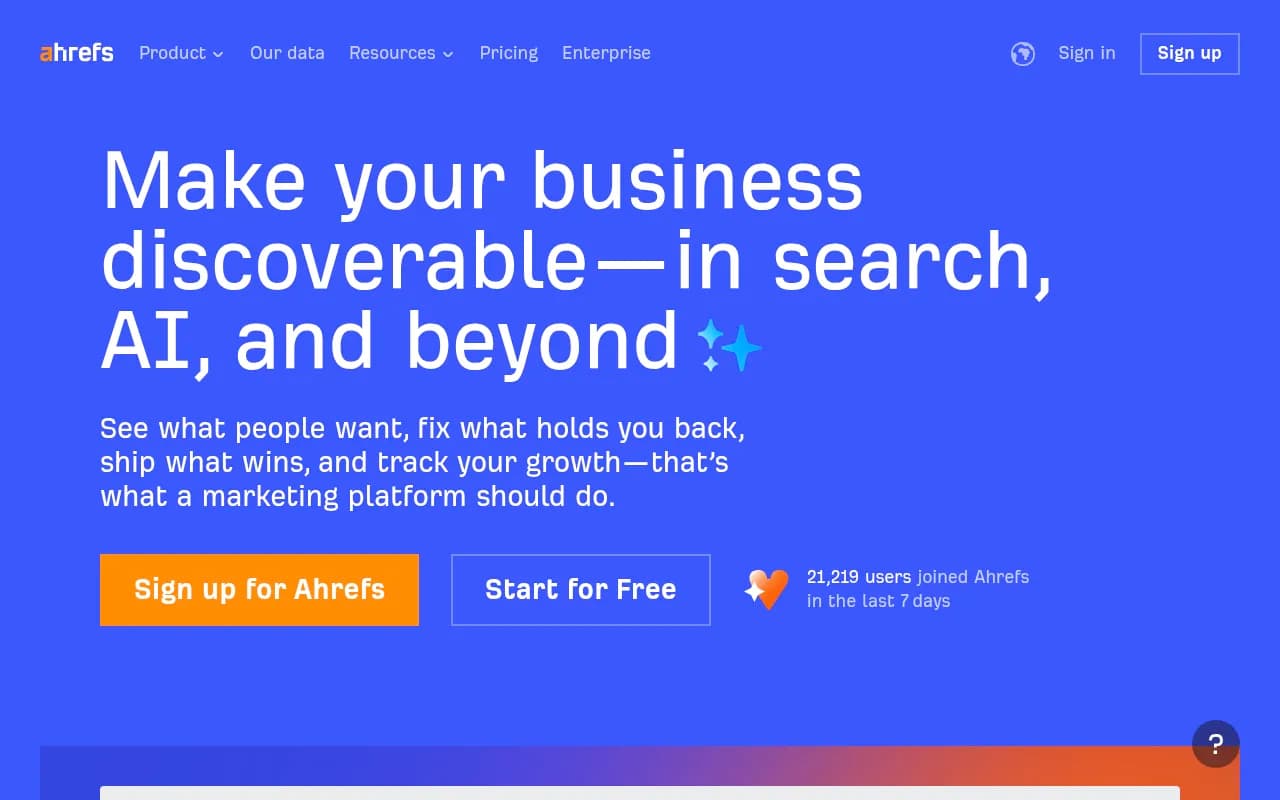
Ahrefs Brand Radar added AI visibility tracking, and the core competitor analysis features remain among the best in traditional SEO. The content gap tool is solid. Similar limitations to Semrush for AI search: fixed prompts, no AI traffic attribution, and the AI features are add-ons rather than core functionality.
SE Ranking
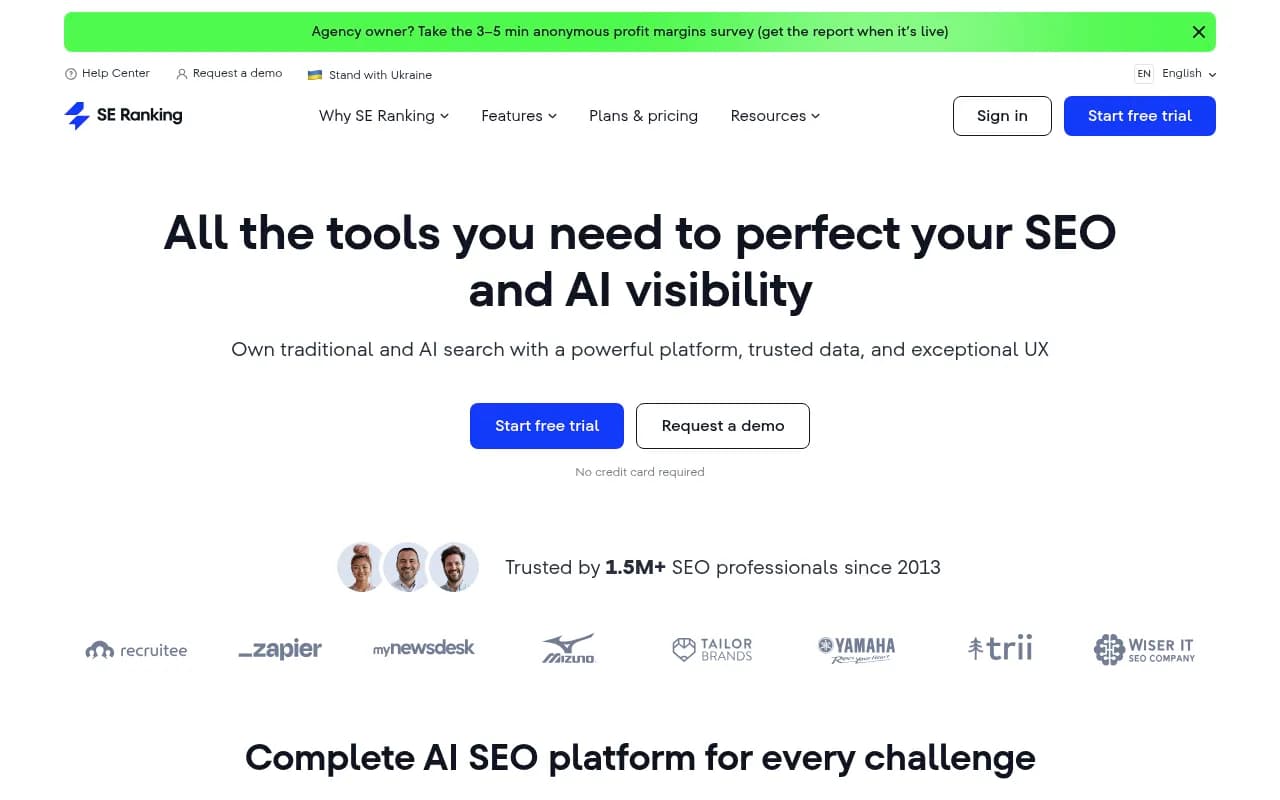
SE Ranking has built out AI search tracking alongside its traditional SEO features. The competitor gap analysis covers both traditional and AI search, and the content editor helps optimize for both. A reasonable mid-market option for teams that want coverage across both search types without enterprise pricing.
Comparison: which tools actually help you act on competitor gaps
| Tool | Competitor gap analysis | Content generation from gap data | AI crawler logs | Prompt volume data | Price range |
|---|---|---|---|---|---|
| Promptwatch | Yes -- prompt-level, multi-model | Yes -- Content Agents with real prompt data | Yes | Yes | $99-$579/mo |
| AirOps | Yes | Yes -- workflow-based | No | Limited | Custom |
| Search Atlas | Yes | Yes | No | Limited | From ~$99/mo |
| Relixir | Yes | Yes | No | Yes | Enterprise |
| Profound | Yes | No | No | Limited | Enterprise |
| AthenaHQ | Yes | No | No | No | From ~$500/mo |
| Otterly.AI | Basic | No | No | No | From ~$99/mo |
| Peec AI | Basic | No | No | No | From ~$49/mo |
| Semrush | Yes (traditional + AI) | Yes (ContentShake) | No | No (fixed prompts) | From $139/mo |
| Ahrefs | Yes (traditional + AI) | Limited | No | No (fixed prompts) | From $129/mo |
| SE Ranking | Yes | Limited | No | No | From $65/mo |
What to look for when evaluating these tools
Real prompt data vs. fixed prompts. Some platforms track real user queries and their AI responses. Others use a fixed set of prompts they've decided are representative. The difference matters: fixed prompts miss the long-tail questions where a lot of AI search traffic actually lives, and they can't surface emerging gaps that your competitors are winning right now.
Which AI models are covered. ChatGPT and Perplexity get the most attention, but Google AI Overviews drives significant traffic for many categories, and Gemini, Claude, and Grok are growing. A platform that only tracks two or three models gives you an incomplete picture of where competitors are winning.
Content generation quality. There's a big difference between "generate an article about this topic" and "generate an article that specifically addresses this answer gap, targeting this prompt, for this persona, based on what AI models are currently citing in this space." The latter requires the platform to actually understand the gap data and use it to shape the content -- not just pass a keyword to a generic AI writer.
Crawler log access. Knowing that GPTBot visited your page is genuinely useful -- it tells you whether AI models are even seeing your content, and whether new pages are getting discovered. Most platforms don't offer this. It's a meaningful differentiator for teams that want to understand the full pipeline from content creation to citation.
Attribution. Can the tool connect AI visibility to actual traffic and revenue? This is still early for most platforms, but it matters for justifying investment and prioritizing which gaps to close first.
How to run a competitor gap workflow in practice
Here's a practical workflow for teams using a tool with full action features:
-
Set up your competitor list (typically 3-5 direct competitors) and define the prompt categories relevant to your business -- the questions your target customers are actually asking AI models.
-
Run a gap analysis to see which prompts your competitors appear in that you don't. Look at which AI models are citing them, which specific pages are getting cited, and what those pages say.
-
Prioritize gaps by prompt volume and difficulty. High-volume prompts where competitors are winning but where you have relevant content or expertise are the best starting points.
-
Generate content briefs or full articles targeting those gaps. The brief should include the specific prompt, the angle competitors are taking, what's missing from their coverage, and the structure that AI models seem to prefer for this type of question.
-
Publish and monitor. Track when AI crawlers visit the new pages, and watch for citation appearances in the target prompts. Adjust based on what's working.
The whole cycle -- find gaps, create content, track results -- typically takes 4-8 weeks to show meaningful movement in AI citations, depending on how competitive the space is and how often AI models refresh their retrieval sources.
The bottom line
The monitoring-only tools have their place -- if you just need to understand the competitive landscape in AI search, Otterly.AI, Peec AI, or Profound will give you that picture. But if you want to actually move the needle, you need a platform that connects the gap data to content creation.
Promptwatch is the most complete option for teams that want the full action loop: find the gaps, generate the content, track the results. AirOps and Search Atlas are worth considering for teams with specific workflow needs. Traditional SEO tools like Semrush and Ahrefs are useful if you're already in those ecosystems and want AI tracking layered on top, but they weren't built for this.
The question to ask any vendor: "After I see which prompts my competitors win that I don't, what does your platform actually do to help me fix that?" The answer tells you everything.