
Key takeaways
- Treat GEO as a four-quarter program: baseline and technical fixes in Q1, content build in Q2, off-site and channel mix in Q3, scale and re-plan in Q4.
- Each quarter gets one goal and one number. A plan with ten priorities has none.
- Citation behavior shifts fast. Reddit's share of ChatGPT citations fell from about 4% to 0.5% in August 2026, so a roadmap needs a monthly review loop, not a once-a-year bet.
- Match content to intent. Product and landing pages make up 39% of ChatGPT citations, so your commercial pages matter more than your blog.
- Measure the whole chain: crawl, citation, visit, conversion. Mention counts alone will not tell you what to fix.
Why plan GEO by quarter at all
Annual marketing plans have a habit of turning into 60-slide documents that nobody opens after January. GEO makes that worse, because the underlying behavior changes in weeks. ChatGPT began using the site: operator at scale on August 8, 2026, jumping from about 0.4% to about 17% of fan-out queries overnight, according to Promptwatch Data. Reddit vanished from ChatGPT citations six days later. Nobody's annual plan survived that.
Quarters are the right unit. Long enough to ship real work (a technical fix, a content cluster, a review program), short enough to change course. The structure below borrows from the quarterly goal-setting advice in the research I read: start from the business number, work backward, give every quarter one goal and one metric.
One caveat on the numbers floating around. AirOps, in a November 2, 2026 post, says 51% of B2B buyers now start research with AI chatbots, up from 29% in April 2025, and attributes it to a G2 report. I haven't verified that figure, so treat it as directional. The direction is hard to argue with, though.
The roadmap at a glance
| Quarter | Theme | One goal | One number |
|---|---|---|---|
| Q1 | Baseline and access | AI crawlers can read your money pages, and you know where you stand | Visibility Score and share of voice on a fixed prompt set |
| Q2 | Content build | Fill the gaps AI answers expose | Citation rate on new and refreshed pages |
| Q3 | Off-site and channels | Get named where AI looks beyond your site | Third-party citations and mentions |
| Q4 | Scale and re-plan | Turn visibility into pipeline, then plan 2028 | AI-referred conversions |
Before Q1: set the business target
Start with revenue, not with impressions. If the company needs a set number of new customers, work back to the leads, then to the share of leads you expect AI search to influence. It will be a rough guess. Write it down anyway, because it is what stops GEO becoming a vanity project.
Then do the honest look backward that most planning guides recommend. Which channels drove leads in 2026, and at what cost? Where are you spending time you cannot tie to a result? Most plans improve more from cutting than from adding.
Assign owners now. GEO touches SEO, content, PR, product marketing and web development. If nobody owns the cross-team part, Q3 will stall.
Q1: baseline, access and measurement
The goal for January to March is boring and essential. Find out what AI says about you, and make sure it can actually read your site.
Build a prompt set that mirrors buyers
Pick 50 to 150 prompts across four types: category questions ("best X for Y"), brand questions, competitor comparisons, and problem-led questions. Add personas if your buyers differ by role. Keep the set stable all year so quarter-over-quarter numbers mean something, and add new prompts in a separate group.
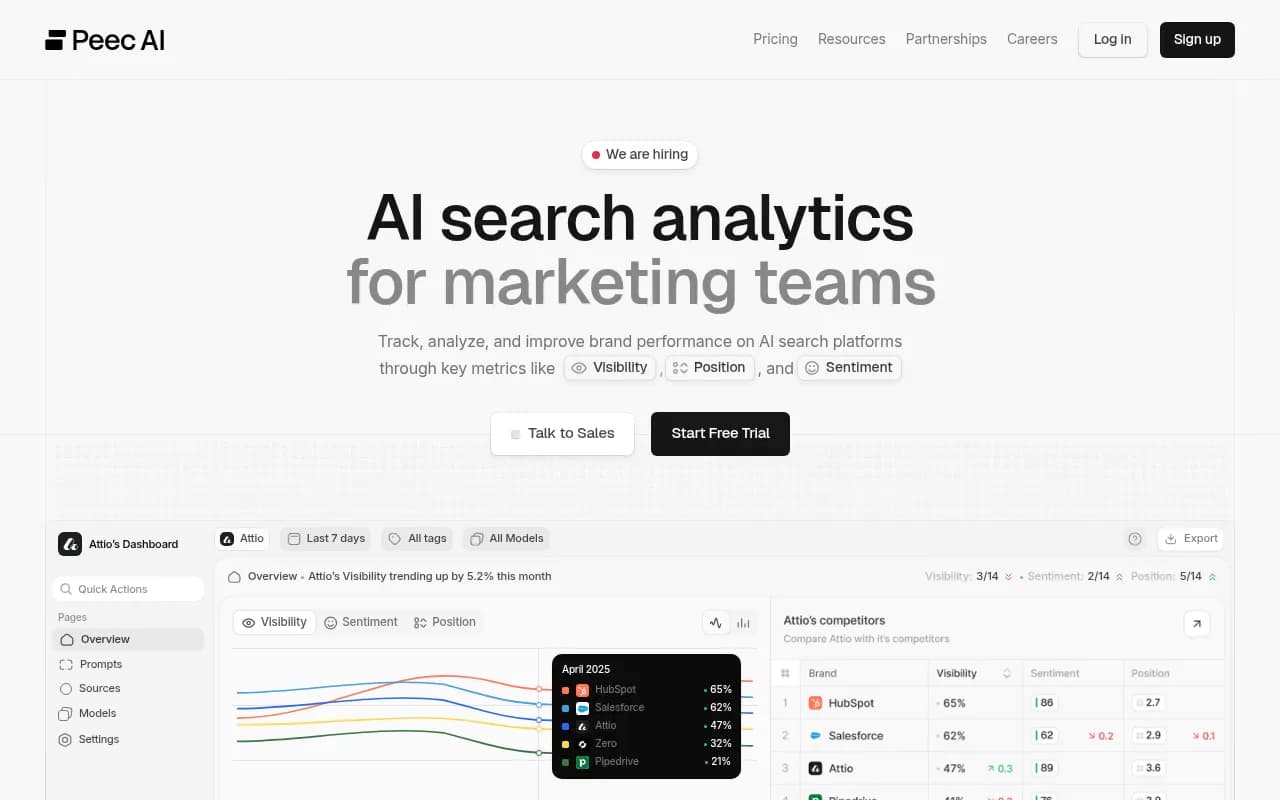
Prompt tracking has to use the real interfaces, not just APIs, because user-facing answers and citations can differ from API output. Tools in this space include Promptwatch, Profound, Otterly.AI and Peec AI.

Profound

Otterly.AI

If you want a wider look at the field, the GEO software directory at bestgeosoftware.com lists far more options than this guide can cover.
Fix crawler access first
This is the cheapest win on the whole roadmap. Check robots.txt, CDN and bot-protection rules, and JavaScript rendering. A page AI crawlers cannot fetch will not be cited, whatever its quality. The free Agentic Readiness Check shows which AI crawlers can reach your site, and IP-verified AI crawler logs show which pages bots actually read and where they hit errors.
Crawler behavior moves too. Meta-WebIndexer went from about 2% to nearly 38% of tracked AI crawler requests between mid-July and August 9, 2026 (Promptwatch Data). If your robots.txt was written in 2025, it probably has gaps.
Skip markdown-for-bots projects for now. Markdown files are 0.05% of AI search citations (Promptwatch Data). It serves agents, not AI search.
Set up attribution
AI traffic is easy to lose. ChatGPT stopped sending a referrer on October 8, 2026, so a chunk of it now lands as direct. Tag what you can with UTMs, use visitor analytics that recognize AI sources, and read Google Search Console and Bing Webmaster Tools next to your AI data. The attribution guide in the Promptwatch Academy walks through the setup.
Q1 deliverables
- Locked prompt set and baseline Visibility Score, share of voice and sentiment
- Crawler access audit with fixes shipped
- Weekly site audit running
- Attribution in place
- A list of your top 20 content gaps
Q2: build and refresh content that AI cites
Now you have gaps. Fill them, in the formats AI actually cites.
Map content to intent
Promptwatch Data for September 28 to October 4, 2026 shows how ChatGPT citations split by content type (full report):
| Content type | Share of ChatGPT citations |
|---|---|
| Product pages | 22.4% |
| Landing pages | 16.8% |
| Listicles | 13.6% |
| How-to guides | 8.7% |
| Documentation | 7.5% |
| Comparisons | 5.9% |
| News | 5.7% |
| FAQ pages | 3.3% |
| Reviews | 1.7% |
For commercial prompts, product pages, landing pages, listicles and comparisons add up to almost 70% of citations. The practical reading: your product and landing pages are your most important GEO assets. Make them comparable, with clear pricing, specs and audience. Keep docs public and crawlable. Add FAQ pages. Do not pour the whole quarter into blog posts.
Freshness matters differently by type. In Promptwatch's content half-life study, landing pages and docs stayed cited longest, while news lost half its pages within 36 days. Plan refreshes for evergreen pages and do not expect news-style posts to keep paying.
Write for fan-outs and structure
Almost half of ChatGPT responses cite 10 or more unique domains (Promptwatch Data), and each response fans out into several searches. So a page does not need to win one keyword. It needs to answer one of the sub-questions clearly. Use the ChatGPT Query Fan-Out Generator to see the sub-queries behind a prompt, then answer each under its own heading, in the first lines.
A structure that works: key takeaways at the top, each heading answered immediately, a FAQ at the end.
Pick your production setup
You have three realistic options: write in-house, use a general content tool, or use something wired to your visibility data. Generic writers do not know which prompts you are missing.
| Approach | Examples | Strength | Weakness |
|---|---|---|---|
| Visibility-grounded content agent | Promptwatch Content Agent | Writes against measured gaps, publishes to WordPress, Webflow or Framer, tracks citations afterward | Business plan and up |
| Content engineering platform | AirOps | Flexible workflows for content teams | Needs separate visibility data |
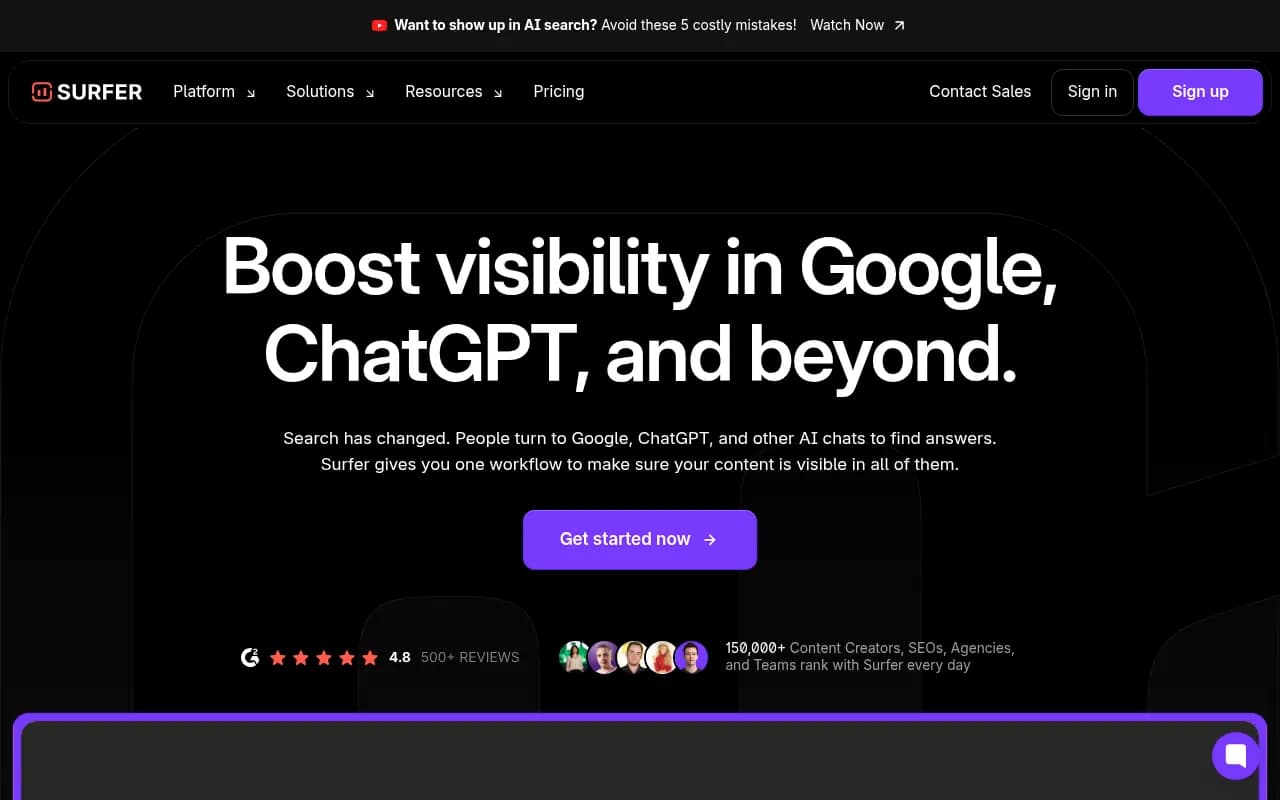
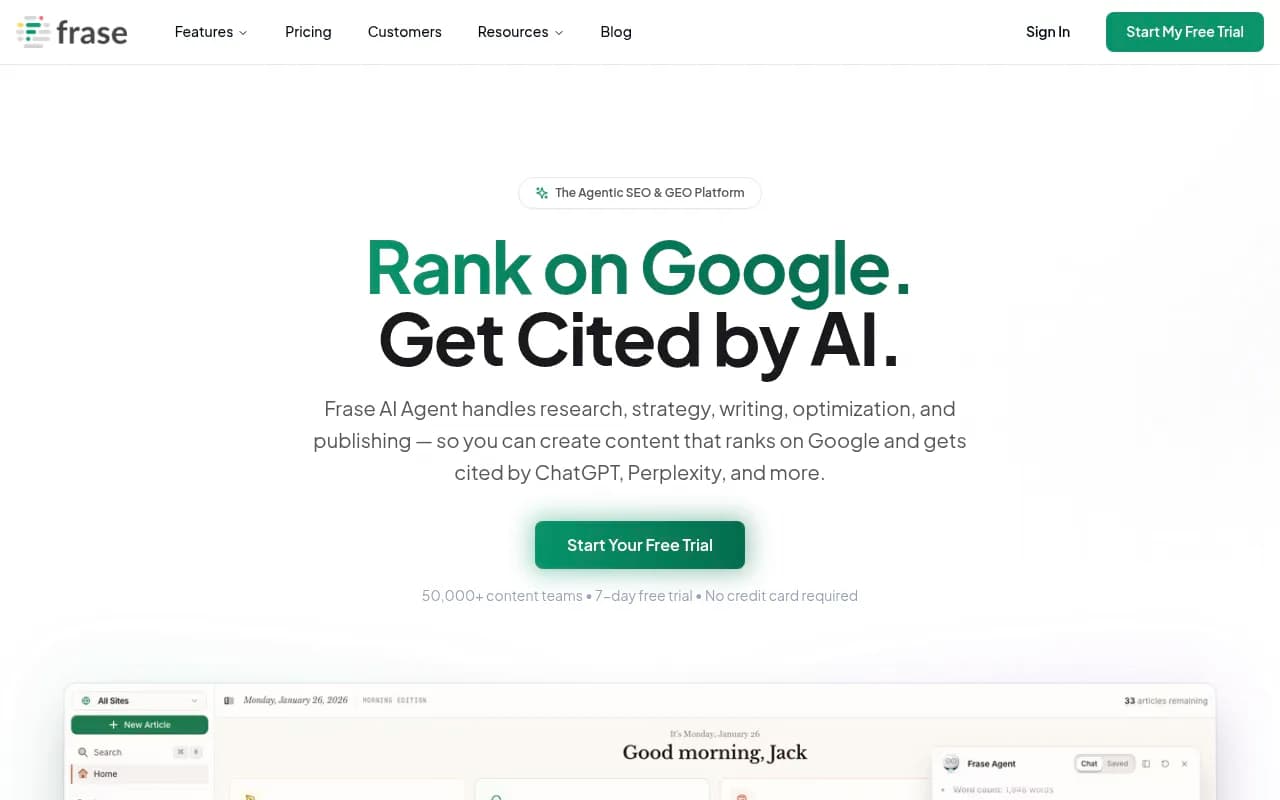
| SEO content optimizers | Surfer SEO, Clearscope, Frase | Strong on-page guidance | Built for Google rankings first |
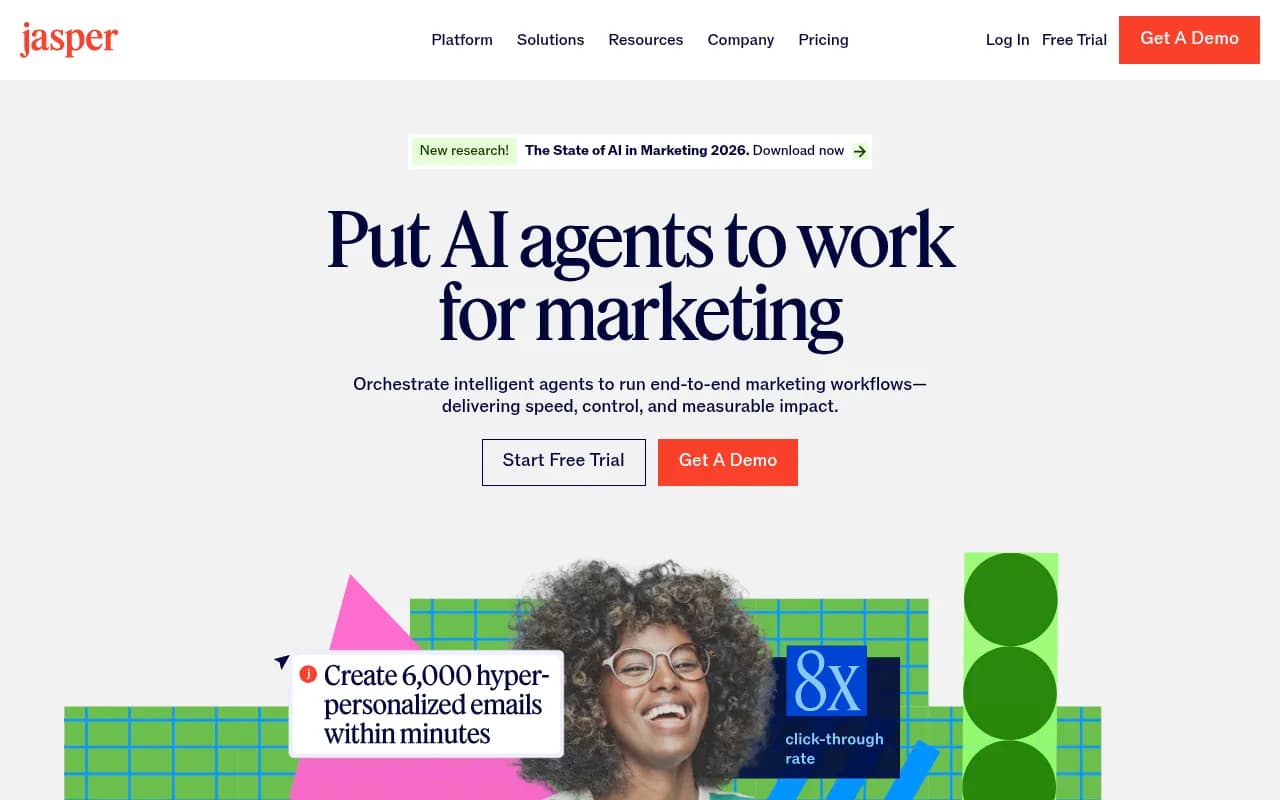
| General AI writers | Jasper, Copy.ai | Fast drafts | No citation or crawler data to ground them |

Promptwatch's Content Agents plan, write and publish against your visibility gaps, then follow each published page through crawls, citations and traffic. That closed loop is the reason I would put it ahead of tools that only draft. Pricing is on promptwatch.com/pricing; the Content Agent starts on the Business plan.
Q2 deliverables
- 15 to 30 new or refreshed pages tied to specific prompt gaps
- Product and landing pages rewritten for comparability
- Public docs and FAQ pages live
- Citation rate tracked per page
Q3: off-site presence and channel mix
On-site work only gets you so far. AI engines lean on third parties, and AirOps claims third-party sources drive 85% of AI brand discovery (unverified, but consistent with what I see in citation data).
Reviews and listings first
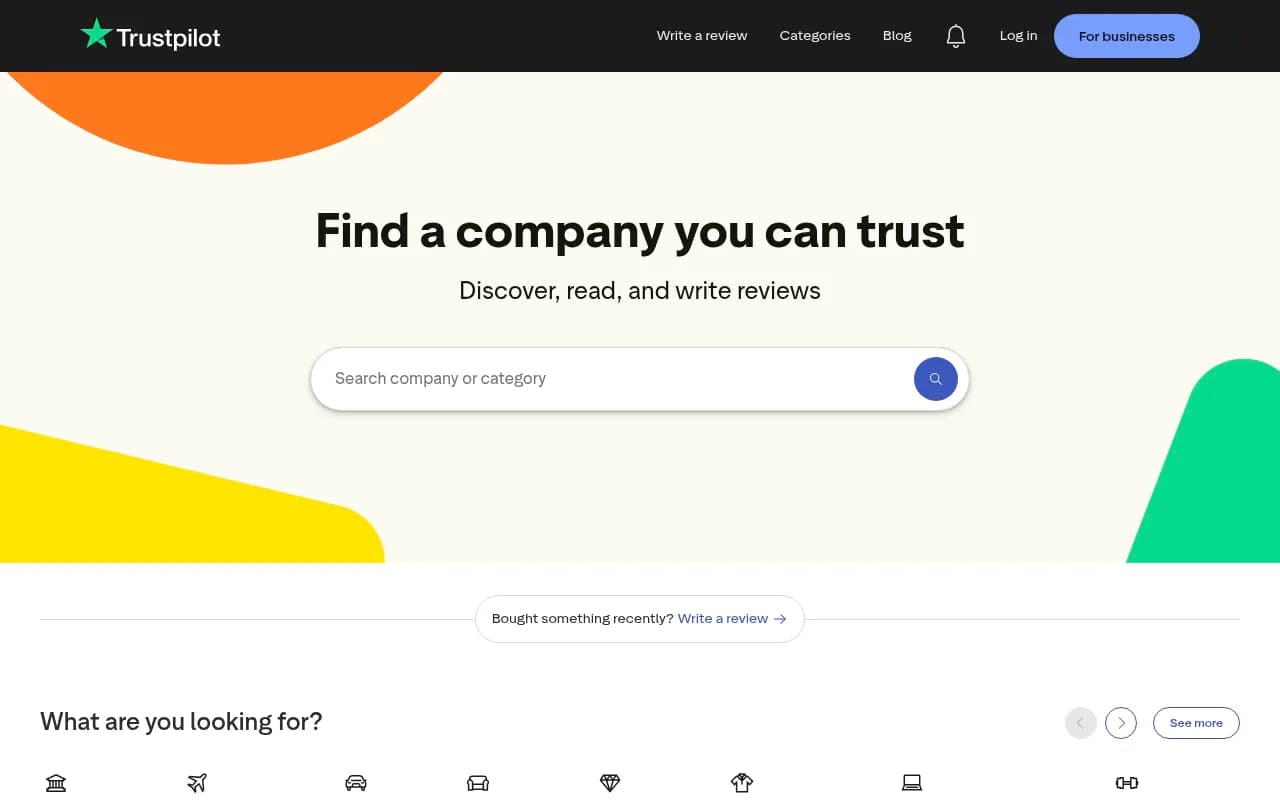
Promptwatch's ChatGPT citation share for November 2026 (November 1 to 25) shows review sites holding 5 of the top 10 spots: G2, Gartner, BBB, Capterra and Trustpilot. Reddit is the most cited popular site at only 0.23%, and Wikipedia has dropped to 0.03% from 0.56% in June. The top 20 popular sites together earn under 2% of citations, so the long tail of ordinary domains is where most of the action is.
The advice that follows: get listed and reviewed on G2, Capterra, Gartner and Trustpilot, publish answers on your own site, and do not build a ChatGPT plan around Reddit.
Pick social channels per engine
Social matters very differently by engine. From October 11 to November 9, 2026 (Promptwatch Data):
| Engine | Social share of citations | What leads |
|---|---|---|
| Google AI Overviews | 13.16% | YouTube at 6.71% |
| Perplexity | 1.94% | Reddit 0.82%, LinkedIn 0.66% |
| ChatGPT | 0.64% | Reddit 0.40%, LinkedIn 0.20% |
So: YouTube first if your buyers use Google. Reddit and LinkedIn for Perplexity. For ChatGPT, do not rely on social posts. Keep X out of AI search plans entirely. The earlier Reddit drop report is a good reminder of why you should not over-invest in any one platform.
Authority is not required
The median cited domain is DR 56 or 57 in ChatGPT, Perplexity, AI Overviews and AI Mode (November 3 to 16, 2026). But DR 100 sites take 13.7% of AI Overviews citations versus 0.3% of ChatGPT's (Promptwatch Data). Mid-authority sites can win in ChatGPT. Do not delay publishing while you chase links.
Q3 deliverables
- Review profiles complete and a review-request process running
- Offsite mentions reviewed and the best opportunities pitched
- A channel plan per engine, with owners
- Sentiment and Brand Narrative reviewed for wrong claims about you
That last item is worth a day of someone's time. When AI repeats a wrong claim about your pricing or features, find the page it learned it from and fix that page.
Q4: scale what worked, then plan 2028
By October you have three quarters of data. Use it.
Tie visibility to revenue
Report the whole chain: crawled, cited, visited, converted. Crisp reported 2x higher conversion rates from AI traffic than from traditional channels (case study), which is the sort of number that gets budget approved. Your own number matters more than anyone's benchmark, so measure it.
Run a pruning pass
Sort pages into four groups: cited and converting (protect), cited but not converting (fix the page), crawled but never cited (improve content), never crawled (fix access). Cut or merge what does not move.
Check commercial surfaces
If you sell products, review AI shopping carousels. If you bid on search, check whether ads are appearing on your prompts. Promptwatch's ChatGPT ads data and shopping usage data give context on how often these show up.
Write the 2028 plan
Re-run your prompt set with 30% new prompts, compare against the January baseline, and set Q1 2028 targets. Expect to change at least one assumption. That is normal.
A monthly rhythm that runs under all four quarters
- Week 1: review visibility, position and sentiment movement
- Week 2: review crawler errors and the site audit
- Week 3: review new citations and lost citations
- Week 4: ship the next batch of fixes and update the action list
A prioritized action list helps here. Promptwatch's Action Board generates one from your data, and Agent Chat can run ad-hoc analysis. If you prefer to assemble your own stack, pair a tracker with a crawler and a BI tool.
Metrics to put on the dashboard
| Metric | What it tells you | Typical fix when low |
|---|---|---|
| Share of voice | Coverage across prompts | Publish for uncovered topics |
| Position | Prominence in the answer | Strengthen comparison and product content |
| Self-citation rate | Whether AI cites your own pages | Content or crawlability work |
| Sentiment | Reputation in answers | Reviews, corrections, PR |
| AI-referred conversions | Business impact | Landing page and CTA work |
The Visibility Score and Share of Voice definitions are worth agreeing on across the team before Q1 starts, otherwise the dashboard turns into an argument.
Budget and team
A small team can run this. One owner, one writer, one developer for a few days a quarter, and PR or partnerships support in Q3. The largest cost is usually content production, which is why the Q2 tooling choice matters. If you lack in-house capacity, an agency can run it: 1001 SEO Media handles GEO and AI search work alongside technical SEO, and uses Promptwatch for the measurement side.
For tool costs, check Promptwatch pricing directly. Plans start at $95 per month on Essential, and the 7-day free trial on monthly billing is enough to build a Q1 baseline. Agencies running this for clients can look at the agency plans. For a structured version of the first quarter, the 90-day GEO program in the Academy is a solid companion.
Common mistakes
- Building the plan around one engine. ChatGPT, AI Overviews and Perplexity cite very different things.
- Treating a high mention count as success without checking citations, traffic and sentiment.
- Skipping the technical audit because content is more fun.
- Chasing a platform that was hot last quarter. Reddit is the cautionary example.
- Changing the prompt set every month, which makes trend lines meaningless.
- Writing 40 pages of plan and shipping nothing.
FAQ
How long before GEO work shows results?
Crawler fixes can change citations within weeks. New content usually needs a few weeks to be crawled and cited, and conversions take longer to show. Plan for a full quarter before judging a single initiative.
Should GEO replace SEO in the 2027 plan?
No. Google and Bing data still matter, and pages that rank often get cited. Run them together, and look for pages that rank but never get cited, because those are the cheapest gaps to close.
Which AI engine should come first?
Pick by where your buyers are. Google-heavy audiences start with AI Overviews and AI Mode. B2B software buyers often start with ChatGPT. Track all of them, but set a primary engine per quarter.
How many prompts do I need?
50 to 150 is enough for most brands in Q1. Add more only when you have a specific market or persona to cover.
What is the first thing to do this week?
Run a free AI visibility report, check crawler access, and write down the one number your Q1 will be judged on. The free AI visibility report takes minutes and needs no login.