Key takeaways
- AirOps is genuinely good at content workflow automation and scaling content production, but it was built primarily as a content operations tool, not a pure AI visibility platform.
- Its biggest gaps in 2026 are: shallow AI visibility insights, limited LLM coverage, no AI crawler log monitoring, no Reddit/YouTube source tracking, and steep pricing that doesn't suit smaller teams.
- Several tools fill these gaps better depending on your use case -- from deep monitoring platforms to content-generation-first alternatives.
- If you need the full loop (find gaps, create content, track results), you'll likely need to combine AirOps with other tools -- or switch to a platform that does all three natively.
AirOps has had an interesting few years. It started as a workflow automation tool, pivoted toward AI content operations, and by 2026 has positioned itself as an enterprise-grade platform for teams that want to connect AI visibility data to content production at scale. That's a compelling pitch.
But compelling pitches and actual capabilities aren't always the same thing. After digging through user reviews, competitor analyses, and hands-on accounts from teams who've used it, a clearer picture emerges: AirOps is genuinely useful for certain things, and genuinely frustrating for others.
Here are the five features it's missing -- and what to use instead.
1. Deep AI visibility insights
AirOps tracks brand mentions and citations across AI engines, but multiple independent reviews describe the visibility insights as surface-level. Profound's review of AirOps puts it plainly: "The AI visibility insights only touch the surface."
What does that mean in practice? You can see whether your brand appears in AI-generated answers, but you don't get granular data on why you appear (or don't), which specific pages are being cited, how citation frequency changes over time by model, or what content gaps are causing competitors to outrank you in AI responses.
For teams doing serious GEO work, that's a significant limitation. Knowing you have a visibility problem is not the same as knowing how to fix it.
What fills this gap
Promptwatch goes considerably deeper. It tracks citations at the page level across 10 AI models, shows you exactly which pages are being cited and how often, and includes Answer Gap Analysis that identifies the specific prompts where competitors appear but you don't. That's the kind of data that actually tells you what to do next.

Profound is another option worth considering for enterprise teams that want detailed answer engine insights, though it comes at a higher price point and lacks some of the content optimization features.
Profound

2. Meaningful LLM and regional coverage
AirOps monitors a handful of AI engines, but coverage is uneven. If your audience uses Grok, DeepSeek, Mistral, or Meta AI, you're largely flying blind. Regional coverage is similarly limited -- if you're running campaigns in non-English markets or want to see how AI models respond differently by country, AirOps doesn't give you much to work with.
This matters more than it might seem. Different AI models have different citation patterns. A brand that dominates ChatGPT responses might be invisible in Perplexity or Google AI Overviews. If you're only monitoring two or three models, you're getting an incomplete picture of your actual AI search presence.
What fills this gap
Promptwatch monitors 10 AI models: ChatGPT, Perplexity, Google AI Overviews, Google AI Mode, Claude, Gemini, Meta/Llama, DeepSeek, Grok, Mistral, and Copilot. It also supports multi-language and multi-region monitoring with customizable personas -- so you can see how AI models respond to your brand in French, German, or Spanish, from different countries, with different user intent profiles.
For teams that want solid multi-engine monitoring without the full content operations suite, Peec AI and Otterly.AI are lighter-weight options worth considering.

Otterly.AI

3. AI crawler log monitoring
This is probably the most overlooked gap in AirOps's feature set, and it's one that matters a lot if you're serious about AI search optimization.
AI crawler logs tell you which pages on your site are being crawled by GPTBot, ClaudeBot, PerplexityBot, and other AI crawlers -- how often they visit, which pages they read, and whether they're hitting errors. This data is foundational for understanding how AI models discover and index your content. If a page isn't being crawled, it won't be cited. If crawlers are hitting 404s or getting blocked, you have a technical problem that no amount of content creation will fix.
AirOps doesn't offer this. Most monitoring-only platforms don't. It's a feature that requires genuine infrastructure investment to build properly.
What fills this gap
Promptwatch includes real-time AI crawler logs as part of its Professional and Business plans. You can see exactly which AI crawlers are hitting your site, which pages they're reading, and what errors they encounter. It's one of the few platforms that connects technical crawl data to visibility outcomes.
If you're specifically looking for a tool focused on crawler monitoring and technical GEO, Prerender.io handles JavaScript rendering for AI crawlers, which is a related (though different) problem.
4. Reddit, YouTube, and third-party source tracking
Here's something most people don't think about when they start doing GEO work: AI models don't just cite your website. They cite Reddit threads, YouTube videos, review sites, forums, and third-party publications. If a Reddit discussion about your product category is consistently being pulled into AI responses, that's a distribution channel you need to know about.
AirOps doesn't surface this. Its focus is on your own content and your own domain -- which makes sense given its content operations roots, but leaves a real blind spot in understanding the full citation ecosystem around your brand.
What fills this gap
Promptwatch tracks which Reddit threads and YouTube videos are being cited by AI models in responses related to your brand and category. This tells you where to publish, where to participate, and which third-party content is shaping how AI engines perceive your brand.
For broader web mention tracking that complements AI visibility work, Brand24 and Awario are solid options for monitoring brand mentions across the open web.
5. Accessible pricing for non-enterprise teams
AirOps has moved decisively upmarket. Multiple reviews in 2026 flag the same issue: steep pricing jumps between tiers, a significant learning curve that delays time-to-value, and a pricing model that assumes you have content operations infrastructure already in place.
One analysis from Averi AI puts it directly: "AirOps Just Went Enterprise." For seed-to-Series-A startups or smaller marketing teams, the ROI calculation is genuinely difficult. You're paying enterprise prices for a platform that assumes you have the team, the workflows, and the content volume to justify it. If you don't, you're paying for capacity you'll never use.
SyncGTM's 2026 review echoes this: "The biggest downsides of AirOps are its steep pricing jumps between tiers, a significant learning curve that delays time-to-value."
What fills this gap
The alternatives here depend on what you actually need.
If you need AI visibility monitoring plus content optimization without the enterprise overhead, Promptwatch's Essential plan starts at $99/month for one site, 50 prompts, and 5 articles per month. The Professional plan at $249/month adds crawler logs, state/city tracking, and 15 articles. That's a more predictable cost structure with a clearer path to value.
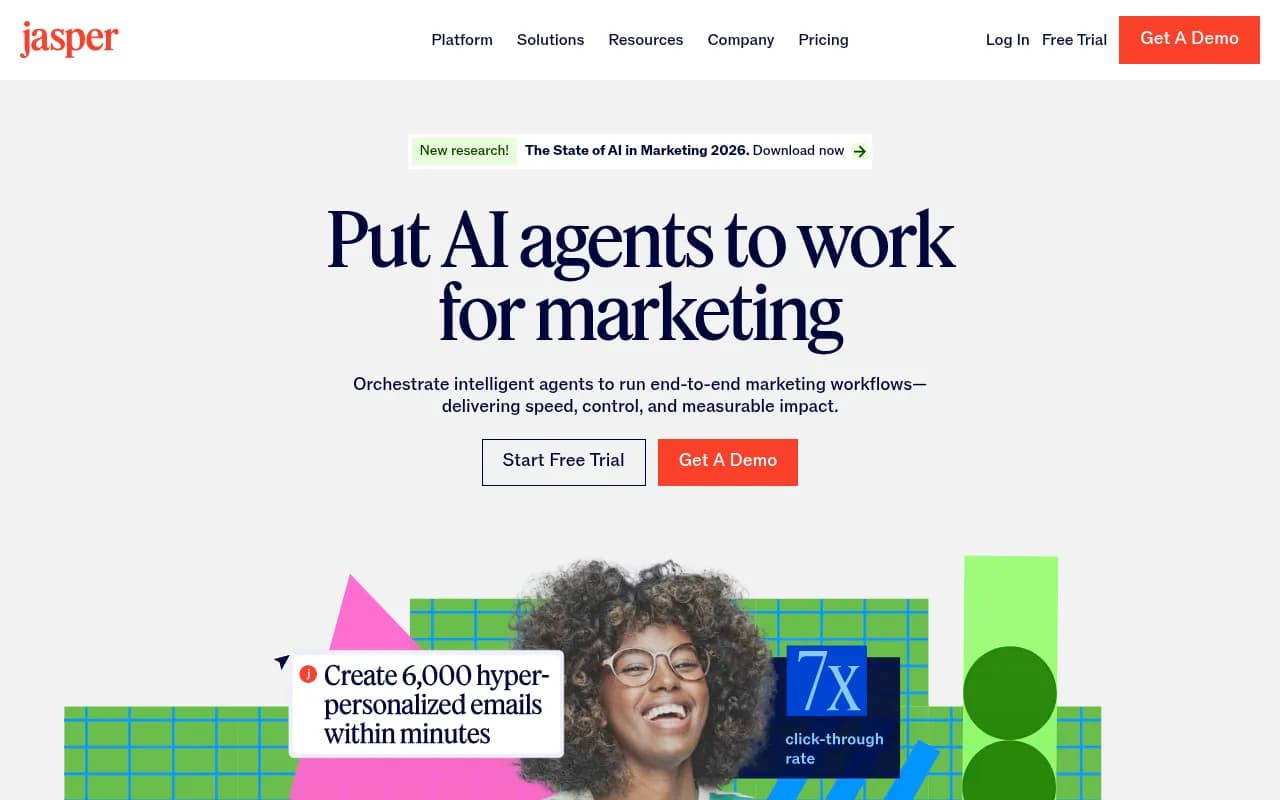
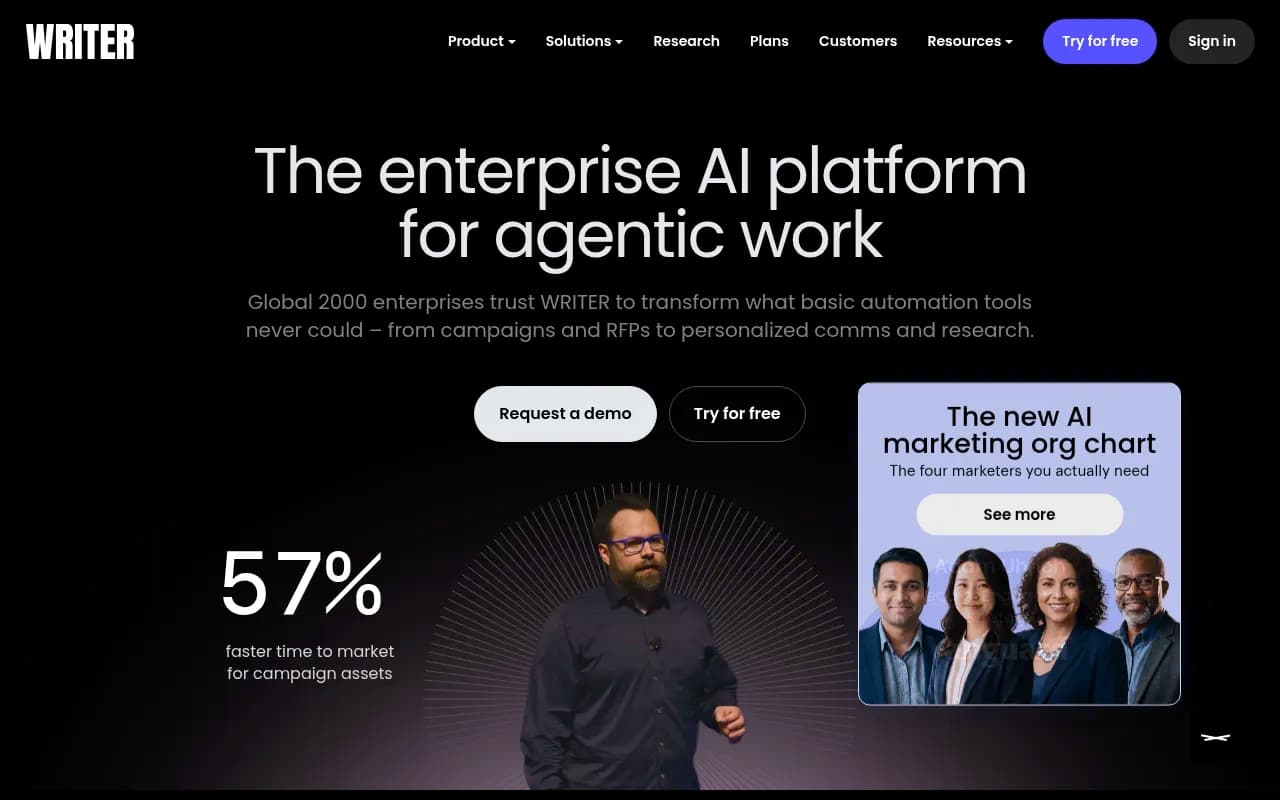
If you need content workflow automation specifically (which is AirOps's strongest suit), tools like Jasper AI and Writer handle AI content production at scale with more accessible entry points.
For teams that want a lighter-weight AI visibility tracker without the content production complexity, Peec AI and Rankshift are worth evaluating.

How AirOps compares to the alternatives
| Feature | AirOps | Promptwatch | Profound | Peec AI | Otterly.AI |
|---|---|---|---|---|---|
| AI visibility monitoring | Yes | Yes | Yes | Yes | Yes |
| LLM coverage | Limited | 10 models | 9+ models | 4-5 models | 4-5 models |
| AI crawler logs | No | Yes | No | No | No |
| Reddit/YouTube source tracking | No | Yes | No | No | No |
| Content gap analysis | Partial | Yes | Partial | No | No |
| Built-in content generation | Yes | Yes | Partial | No | No |
| ChatGPT Shopping tracking | No | Yes | No | No | No |
| Multi-language/region | Limited | Yes | Limited | Limited | No |
| Entry-level pricing | High | $99/mo | High | Lower | Lower |
| Best for | Enterprise content ops | Full GEO loop | Enterprise monitoring | Basic monitoring | Basic monitoring |
The real question: what do you actually need?
AirOps isn't a bad tool. It's a content operations platform that added AI visibility features -- and for large teams that already have content workflows in place and need to scale production, it can work well. The closed-loop between visibility data and content publishing is genuinely useful when you have the infrastructure to support it.
But if you're evaluating it as a GEO or AI visibility platform first, the gaps are real. Surface-level visibility insights, limited LLM coverage, no crawler logs, no third-party source tracking, and pricing that assumes enterprise scale -- these aren't minor quibbles. They're structural limitations that matter for teams doing serious AI search optimization work.
The alternative that covers the most ground is Promptwatch, which tracks 10 AI models, surfaces crawler data, monitors Reddit and YouTube sources, includes built-in content generation grounded in citation data, and starts at a price point that works for teams that aren't yet at enterprise scale. It's built around the full optimization loop rather than content operations with monitoring bolted on.
For teams with specific needs -- pure monitoring, content production only, or technical GEO work -- the other tools in this guide fill those narrower gaps well. The key is being honest about what you're actually trying to accomplish before committing to a platform that was built for a different problem than the one you're trying to solve.