Key takeaways
- AirOps is a workflow-first platform built for technical teams who want granular control over AI content pipelines -- it's powerful but requires significant setup time
- GetMint targets marketing teams who want faster execution with built-in GEO intelligence and less configuration overhead
- AirOps wins on customization and CMS publishing depth; GetMint wins on time-to-first-draft and AI visibility integration
- Neither platform is a pure AI search visibility tool -- if tracking citations, crawler logs, and prompt-level data matters to you, you'll need a dedicated GEO platform alongside either one
- The right choice depends almost entirely on your team's technical capacity and where you sit in the content production cycle
The AI content platform market in 2026 is crowded, and the pitches are starting to blur together. Every tool claims to "scale your content operations" and "win AI search." Most of them mean different things by both phrases.
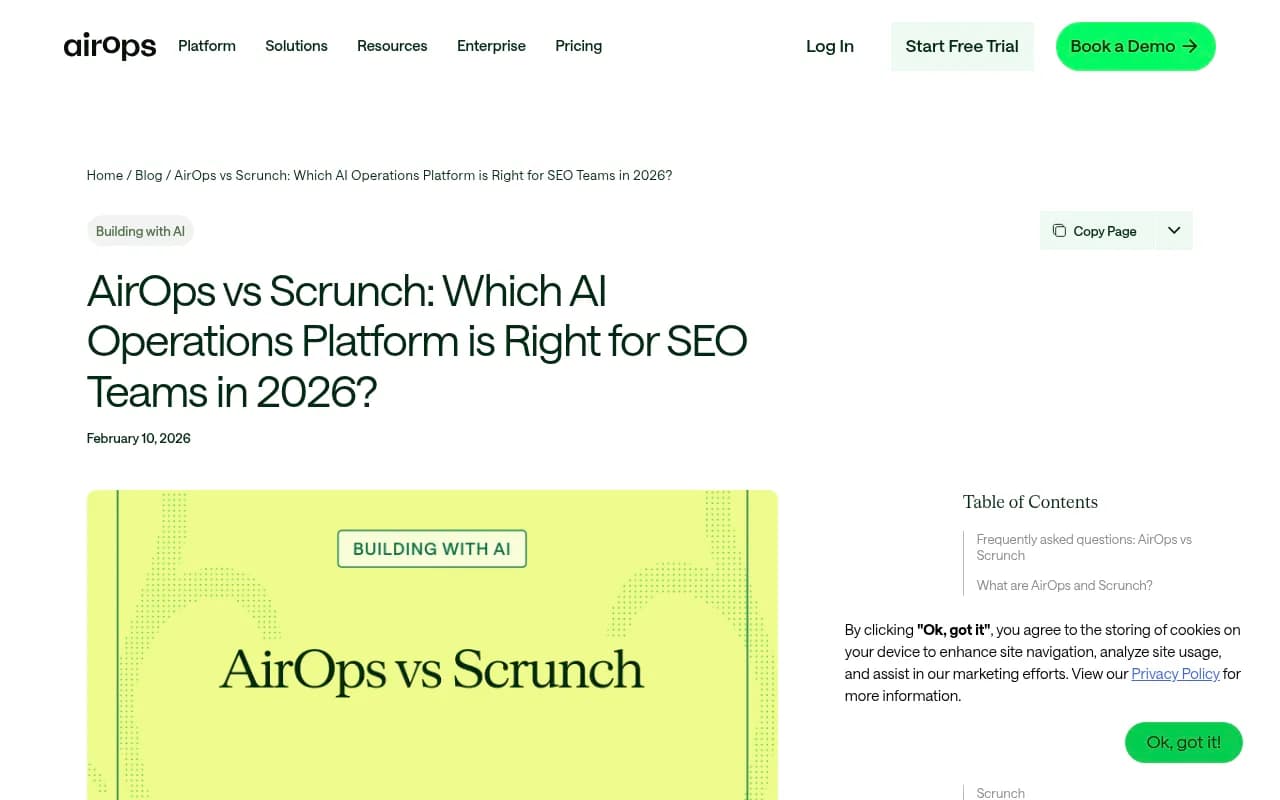
AirOps and GetMint represent two genuinely different philosophies about how content teams should work. One treats content production like an engineering problem. The other treats it like a publishing problem. Neither is wrong -- they're just built for different teams.
This guide breaks down what each platform actually does, where each one falls short, and how to figure out which one fits your situation.
What AirOps actually is
AirOps started as a no-code AI workflow builder and has evolved into what it calls a "content engineering platform." The core idea: you build reusable workflows (they call them "grids") that chain together AI steps, data sources, and publishing actions. Once a workflow is configured, you can run it at scale across hundreds of pages.
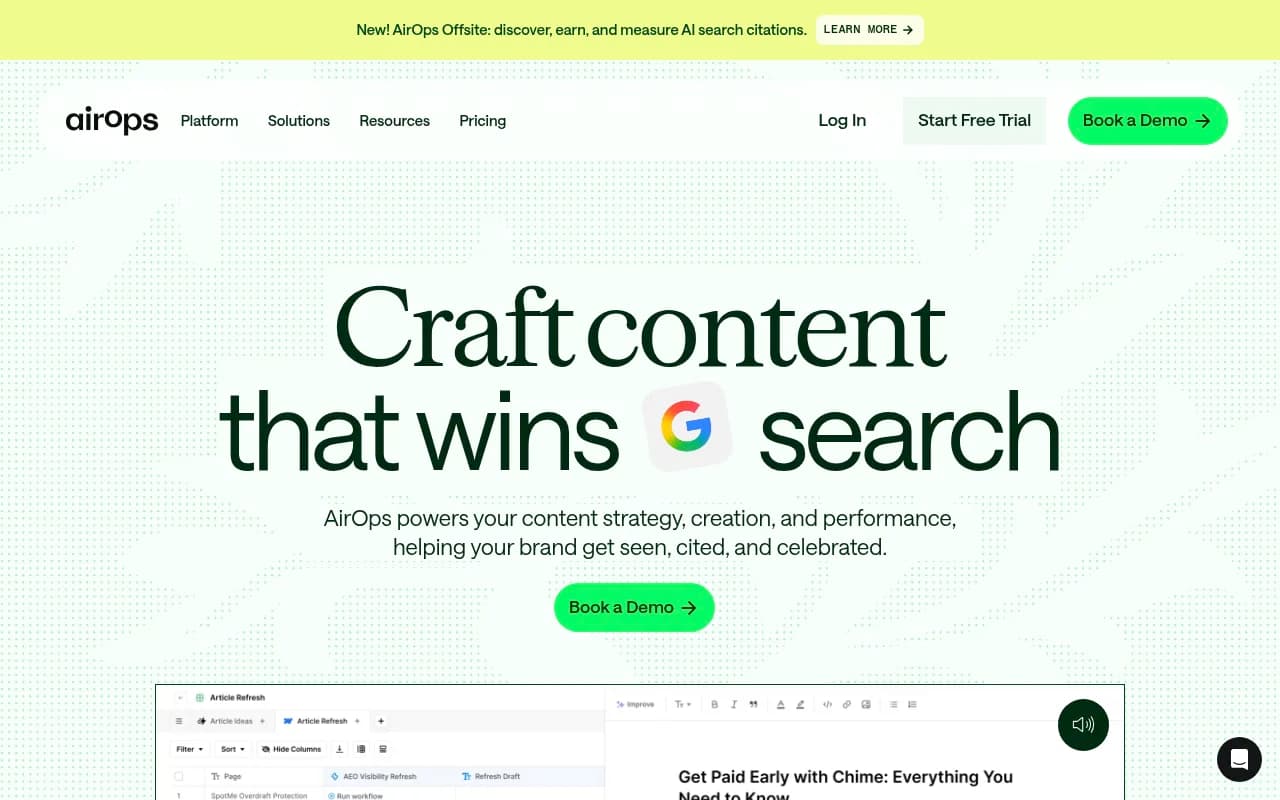
The appeal is real. If you have a large content library that needs systematic refreshes -- say, 500 product pages that all need updated comparison sections -- AirOps can automate that in a way that most tools can't. It connects to your CMS, pulls in performance data, and publishes updates without manual intervention at each step.
Where it gets complicated: building those workflows is not trivial. The platform has a learning curve that's closer to a GTM engineering tool than a content tool. You're configuring logic chains, managing data inputs, and debugging steps that don't behave as expected. For teams with a dedicated operations person or a technically-minded SEO lead, this is fine. For a three-person content team, it can feel like you're spending more time maintaining the machine than actually publishing.
The AirOps team has leaned into this positioning explicitly. Their documentation and community are oriented toward "GTM engineers" and technical marketers. That's not a criticism -- it's just honest about who the product is for.
Where AirOps excels
- Bulk content refresh at scale (hundreds of pages in a single workflow run)
- Native CMS publishing integrations
- Workflow governance -- you can build approval steps, quality gates, and human review checkpoints into the pipeline
- Connecting AI outputs to real performance signals (citation rates, traffic data) as inputs to refresh decisions
- Flexibility to use multiple AI models within a single workflow
Where AirOps falls short
- Setup time is significant. Getting a workflow production-ready takes days, not hours
- Pricing is task-based, which can get expensive fast at scale -- and the billing model isn't always transparent upfront
- The platform doesn't natively tell you which content gaps to fill. You need to bring that intelligence from elsewhere
- AI search visibility tracking is limited compared to dedicated GEO platforms
What GetMint actually is
GetMint positions itself as the simpler, faster alternative -- specifically targeting teams who feel like AirOps is overkill. The pitch is "write more, build less." Instead of configuring workflows, you get pre-built content agents that are ready to run with minimal setup.

GetMint has leaned into GEO (Generative Engine Optimization) as a core differentiator. The platform claims to connect content strategy directly to what AI models are actually surfacing, so you're not just generating content -- you're generating content aimed at specific visibility gaps.
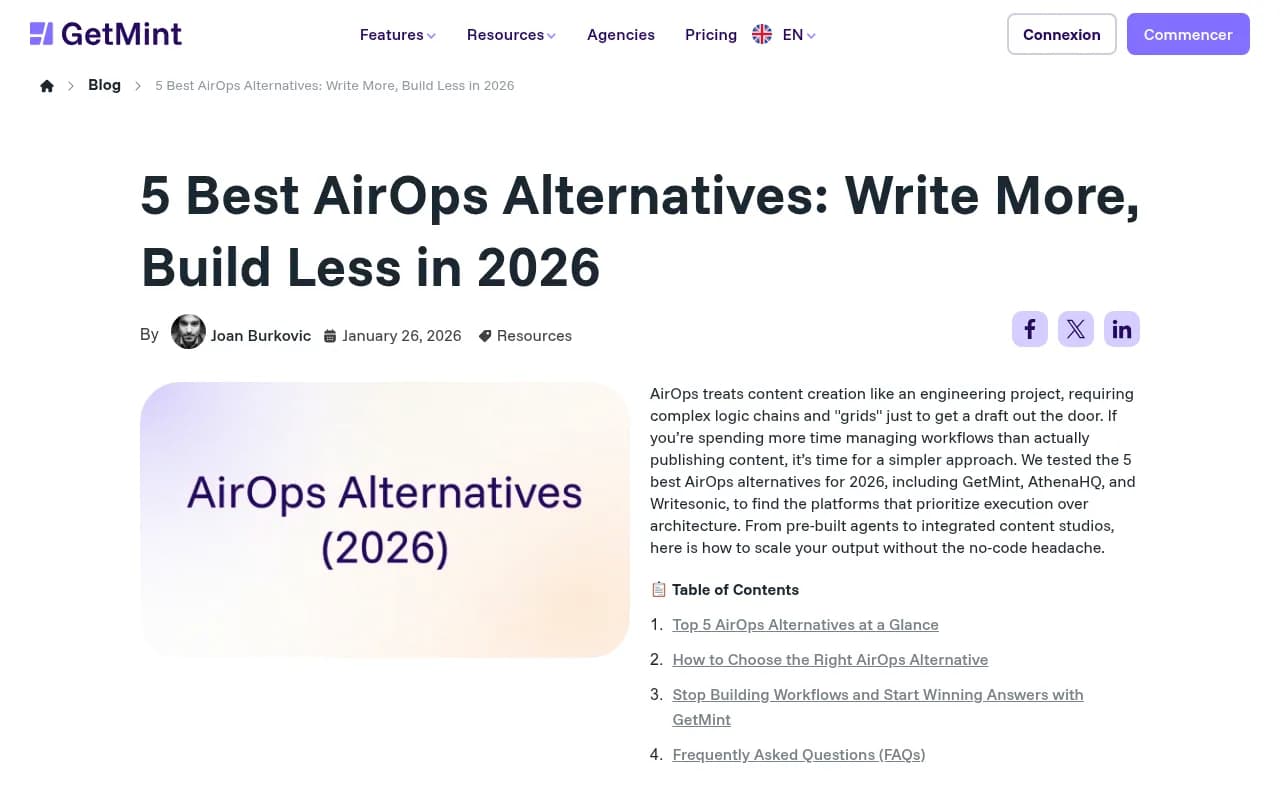
The practical difference: where AirOps asks you to design a workflow, GetMint asks you to pick a content type (blog post, listicle, comparison page) and point it at a topic. The agent handles the rest.
Where GetMint excels
- Faster time to first draft -- significantly less configuration required
- Built-in GEO intelligence that informs content decisions without requiring a separate tool
- More accessible for marketing teams without technical operations support
- Cleaner pricing model with less risk of unexpected costs at scale
Where GetMint falls short
- Less control over the content pipeline -- you can't build custom logic chains or complex multi-step workflows
- CMS publishing integrations are less mature than AirOps
- The GEO intelligence layer is useful but not as deep as dedicated AI visibility platforms
- Less suited for large-scale refresh programs where you need to process hundreds of existing pages systematically
Head-to-head comparison
| Dimension | AirOps | GetMint |
|---|---|---|
| Primary audience | GTM engineers, technical SEOs | Marketing teams, content managers |
| Setup time | Days to weeks | Hours |
| Workflow customization | Very high | Limited |
| CMS publishing | Native, mature integrations | Available, less mature |
| GEO / AI visibility | Basic, requires external data | Built-in, moderate depth |
| Bulk content refresh | Excellent | Limited |
| Pricing model | Task-based (can escalate) | Subscription-based |
| Learning curve | Steep | Gentle |
| Best content type | Systematic refreshes, structured pages | New articles, listicles, comparisons |
| Technical requirement | Medium-high | Low |
The real question: what problem are you solving?
This comparison only makes sense if you're clear on what you're actually trying to do.
If your problem is "we have hundreds of existing pages that are losing ground in AI search and we need to refresh them systematically," AirOps is the better tool. The workflow infrastructure is built for exactly that -- connecting performance signals to content updates and pushing them through a governed pipeline to your CMS.
If your problem is "we need to publish more content that's relevant to what AI models are actually surfacing, and we don't have the engineering resources to build complex workflows," GetMint is the more practical choice. You'll get content out the door faster, and the GEO intelligence layer means you're not publishing blind.
The trap is assuming one tool does everything. Neither AirOps nor GetMint is a complete AI search visibility solution. They're content production tools. Understanding where you appear in AI search, which prompts your competitors are winning, and which content gaps are actually costing you visibility -- that requires a dedicated GEO platform.
What neither tool covers: AI search visibility
This is worth being direct about. Both AirOps and GetMint help you produce content. Neither gives you the full picture of how AI models are actually discovering and citing your brand.
For that, you need something like Promptwatch, which tracks citation rates across ChatGPT, Perplexity, Claude, Gemini, and other AI engines, shows you which prompts competitors are winning that you're not, and -- critically -- helps you generate content specifically aimed at closing those gaps.

The distinction matters because content production without visibility data is guesswork. You might publish 50 articles and have no idea which ones are actually getting cited, which AI models are reading them, or whether your visibility is improving. Promptwatch's Answer Gap Analysis shows you exactly which prompts are exposing holes in your content -- then you can use AirOps or GetMint to fill them.
The workflow that actually works in 2026 looks like this: use a GEO platform to identify gaps, use a content platform to fill them, then track whether your citations improve. The tools in this comparison handle the middle step. Don't mistake them for the whole system.
Pricing reality check
AirOps pricing is task-based, which sounds reasonable until you're running large workflow batches. A detailed breakdown by Slate HQ notes that the per-task cost model can produce unexpected bills when you're refreshing content at scale, and the ROI calculation gets complicated fast. There's also a meaningful time cost in workflow setup that doesn't show up in the pricing page.
GetMint uses a more predictable subscription model, which makes budgeting easier. The tradeoff is that you're paying for a fixed set of capabilities rather than a flexible platform you can extend.
For most marketing teams with a content budget under $1,000/month for tooling, GetMint's pricing structure is easier to manage. For enterprise teams running systematic content operations at scale, AirOps' task-based model can make sense if the workflow investment pays off in volume.
Alternatives worth considering
If neither AirOps nor GetMint feels like the right fit, there are other options depending on what you're optimizing for.
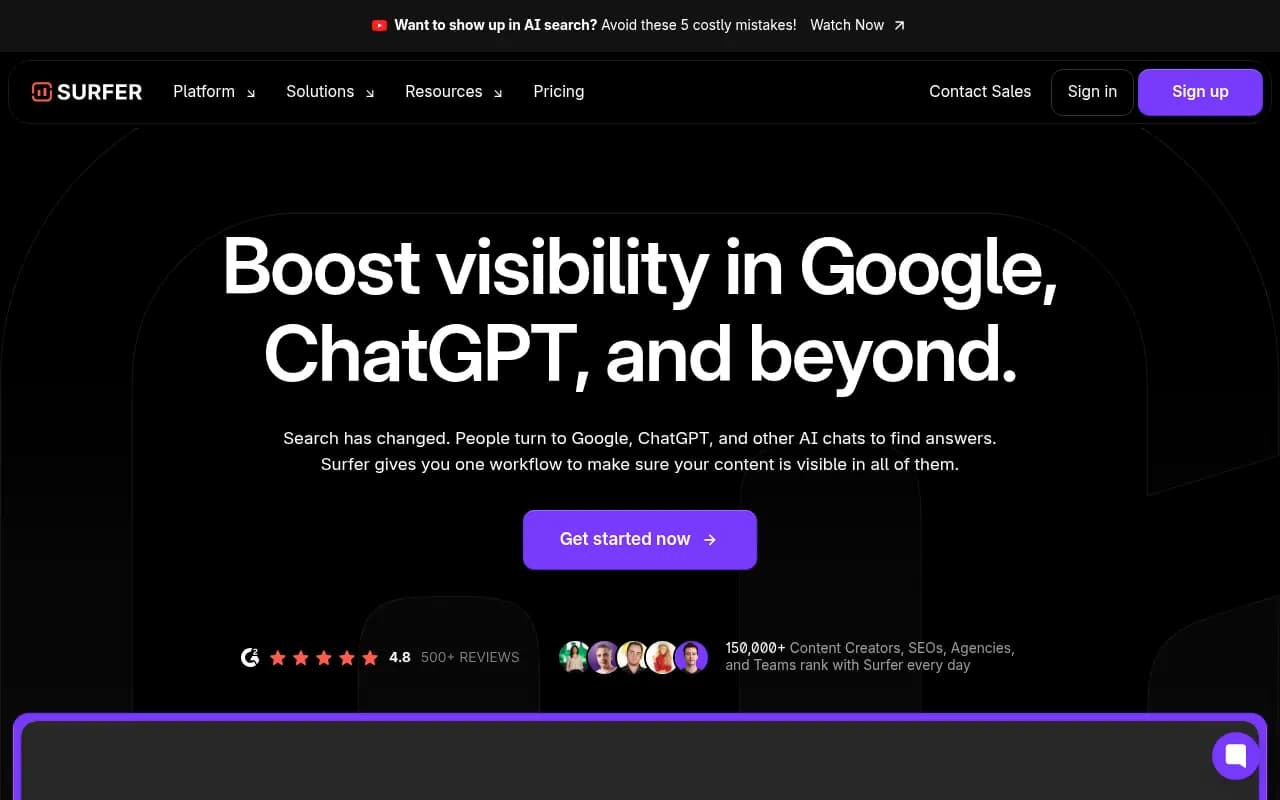
For teams that want AI content generation with strong SEO grounding:
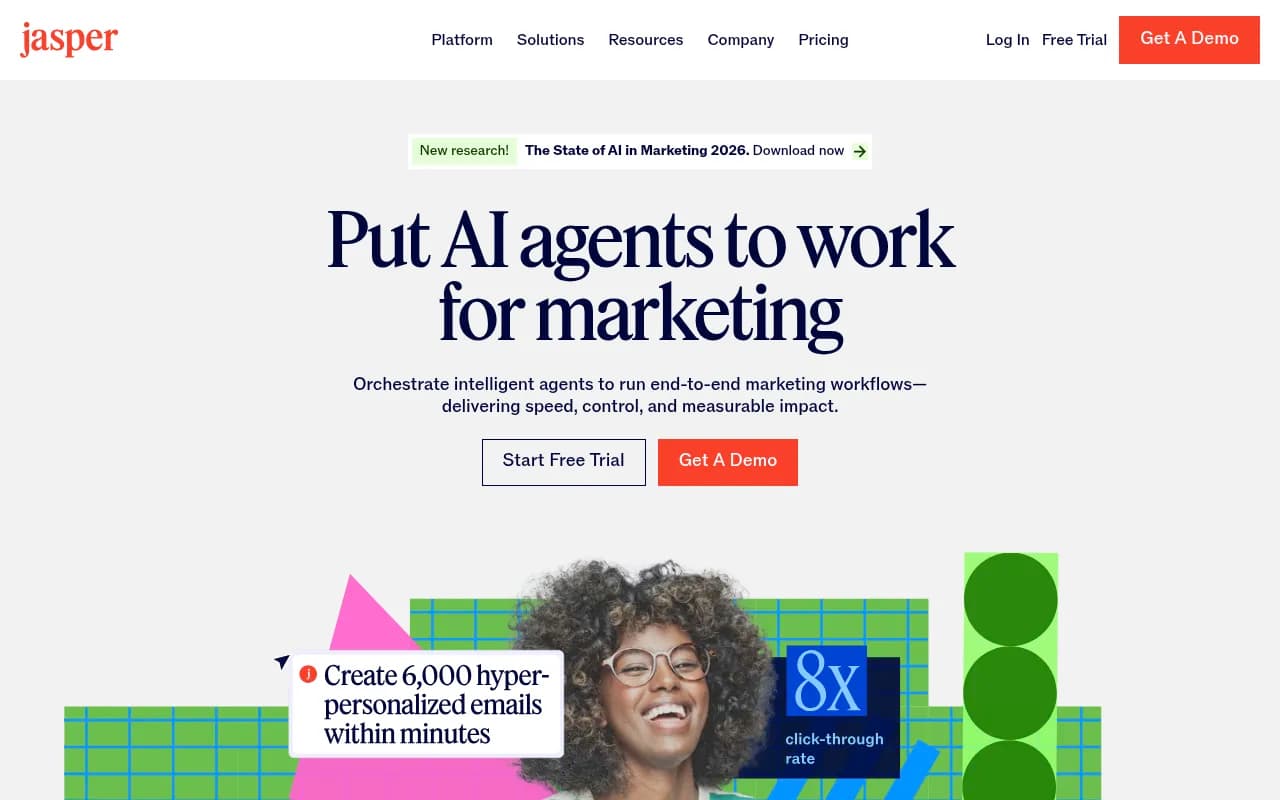

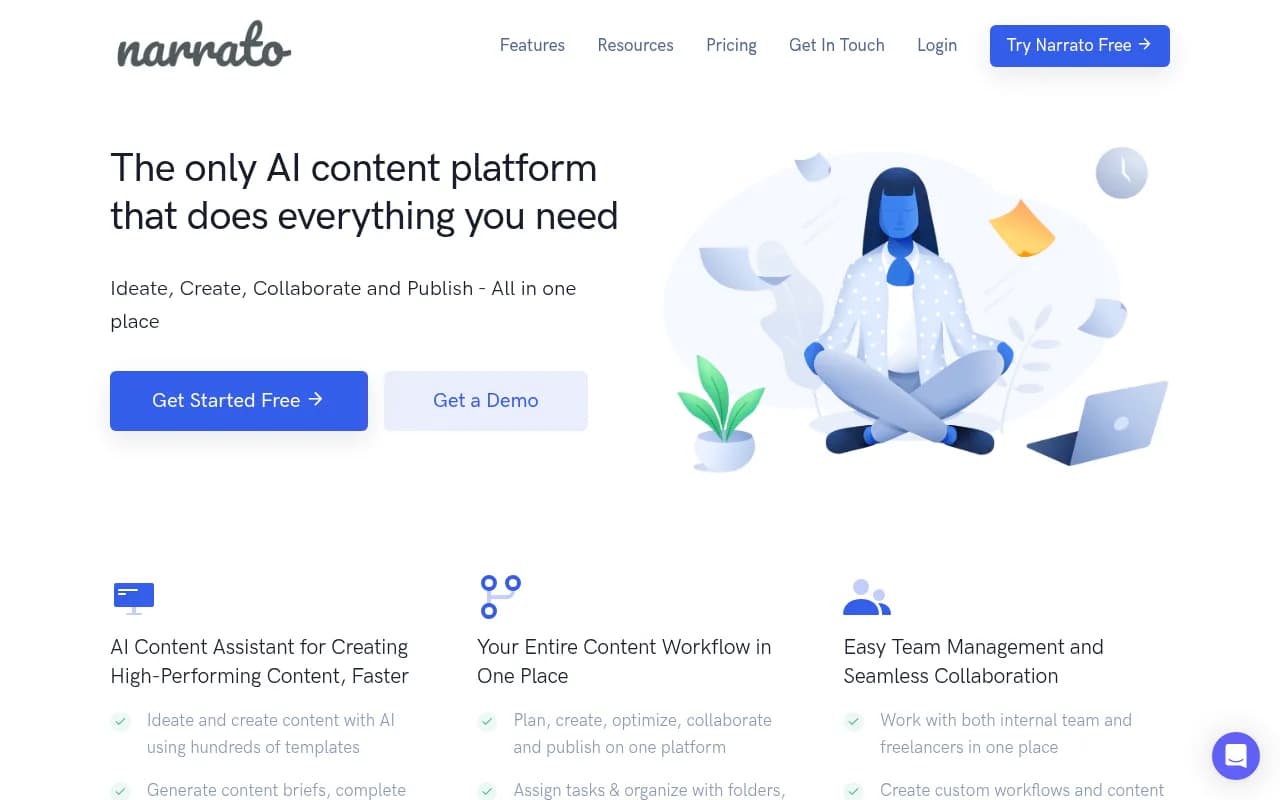
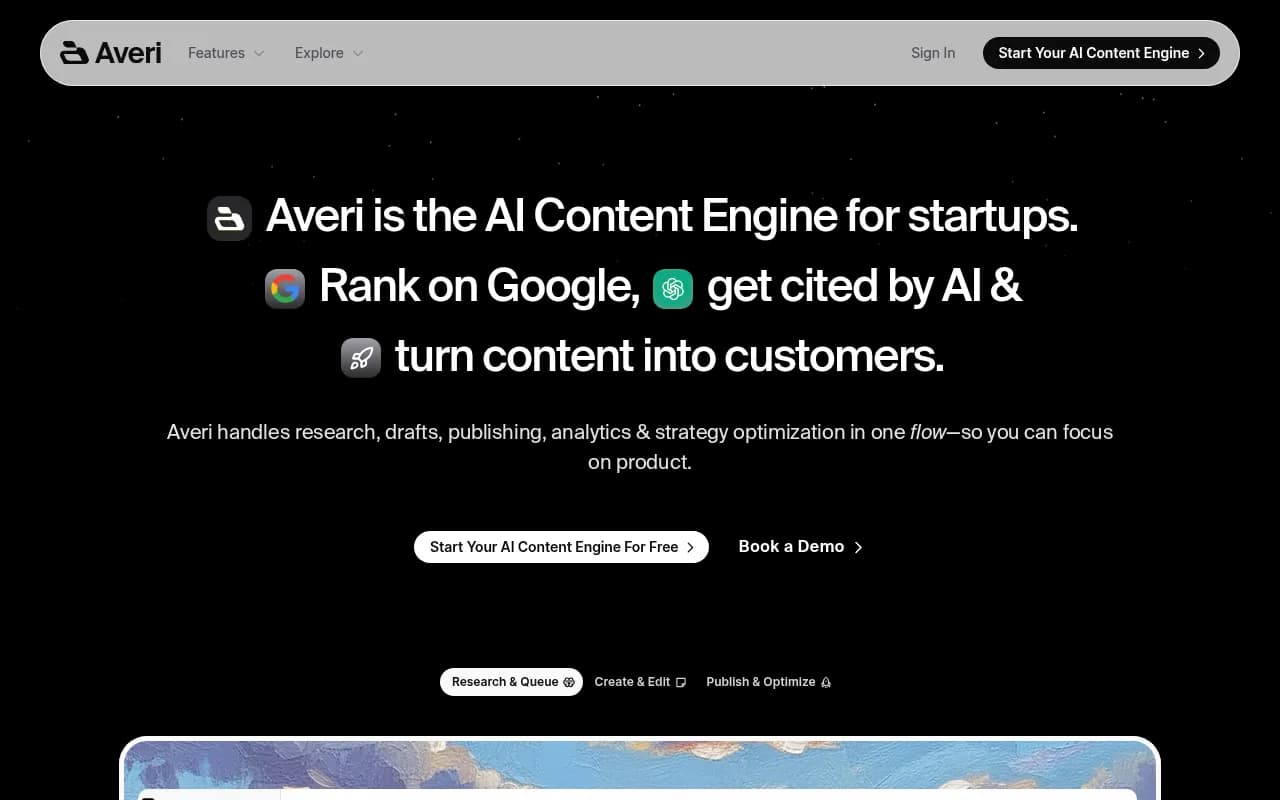
For teams that want workflow automation with more flexibility than AirOps but less complexity:
For teams that want to combine content generation with AI search visibility tracking in one place, Promptwatch's Content Agents are worth evaluating -- they generate content grounded in real prompt data and citation analysis, which is a different approach than either AirOps or GetMint.
Which one should you pick?
Here's the honest version:
Pick AirOps if you have a technical operations person on your team, you're running a large existing content library that needs systematic refreshes, and you're willing to invest setup time for long-term automation gains. It's genuinely powerful for the right use case.
Pick GetMint if you're a lean marketing team that needs to publish more content faster, you don't have the bandwidth to configure complex workflows, and you want GEO intelligence baked in without a separate tool.
Don't pick either one expecting it to solve your AI search visibility problem on its own. Content production and visibility tracking are different problems. The teams winning in AI search in 2026 are the ones who've figured out how to connect both -- finding the gaps first, then filling them with content that's actually engineered to answer what AI models are looking for.
The platform you use to produce that content matters less than having a clear picture of what to produce and whether it's working.