Key takeaways
- AI writing tools split into two camps: those that help you rank in Google (on-page optimization, keyword targeting) and those that help you appear in AI search engines like ChatGPT and Perplexity. The best setups use both.
- Tools like Surfer SEO, Frase, and Clearscope are still the workhorses for Google content optimization in 2026 — they give you data-driven guidance on what to include, how long to write, and which terms matter.
- AI search visibility is a separate problem. Getting cited by ChatGPT or Perplexity requires understanding what content gaps exist on your site, not just optimizing existing pages.
- Generic AI writers (ChatGPT, Claude, Jasper) are useful for drafts, but they don't tell you what to write or whether it will rank. You need optimization layers on top.
- If AI search visibility matters to your business, tools like Promptwatch go beyond monitoring to show you exactly which prompts you're missing and help you create content that gets cited.
The problem with most "AI SEO writing tools" in 2026
Let's be honest about something. The category "AI content writing tools for SEO" has become a dumping ground. Every tool with a text editor and a keyword field now calls itself an AI SEO writing tool. Most of them are not.
There's a real distinction between:
- Tools that help you write content that ranks in Google
- Tools that help you write content that gets cited in AI search results
- General AI writing assistants that just... generate text
The third category is the biggest and least useful for SEO. Dropping a ChatGPT draft onto your site without any optimization layer is roughly equivalent to writing a blog post with your eyes closed and hoping it ranks. Sometimes it works. Usually it doesn't.
What actually works in 2026 is pairing a capable AI writer with a tool that understands search data — keyword volumes, competitor content, semantic relevance, and increasingly, what AI models are citing when they answer questions in your niche.
This guide covers all three layers, but focuses on the tools that actually move rankings.
Layer 1: AI tools for Google SEO content optimization
These tools are built around one core idea: analyze what's already ranking, then tell you how to write something better. They're not pure AI writers — they're optimization platforms with AI writing built in.
Surfer SEO
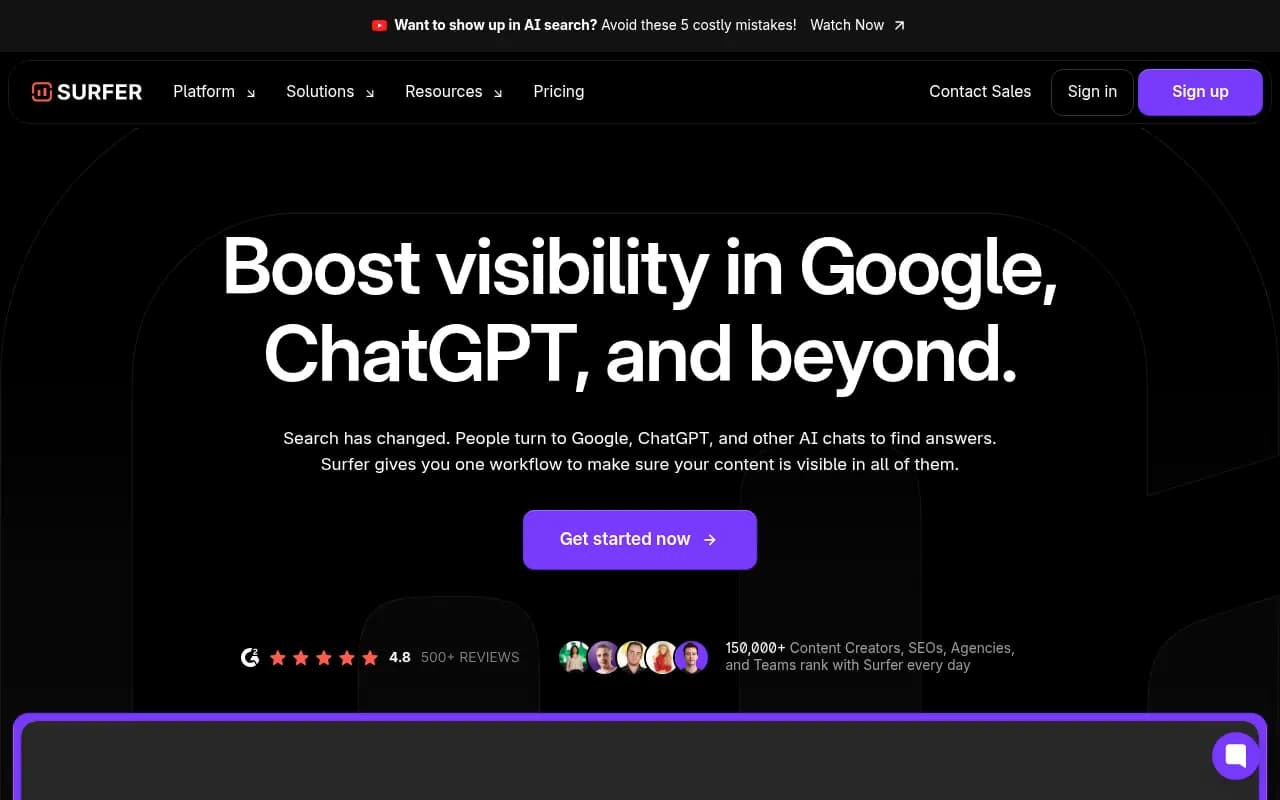
Surfer is probably the most widely used content optimization tool right now. You paste in a keyword, it analyzes the top-ranking pages, and gives you a content score based on how well your draft matches the patterns it finds — word count, NLP terms, heading structure, and so on.
The AI writing features have improved a lot. The built-in editor generates outlines and full drafts, but the real value is the real-time scoring as you write. You can see exactly which terms you're missing and where your content is thin.
It's not perfect. Surfer's scoring can push you toward over-optimization if you follow it too literally — stuffing in every suggested term regardless of whether it reads naturally. Use it as a guide, not a checklist.
Frase
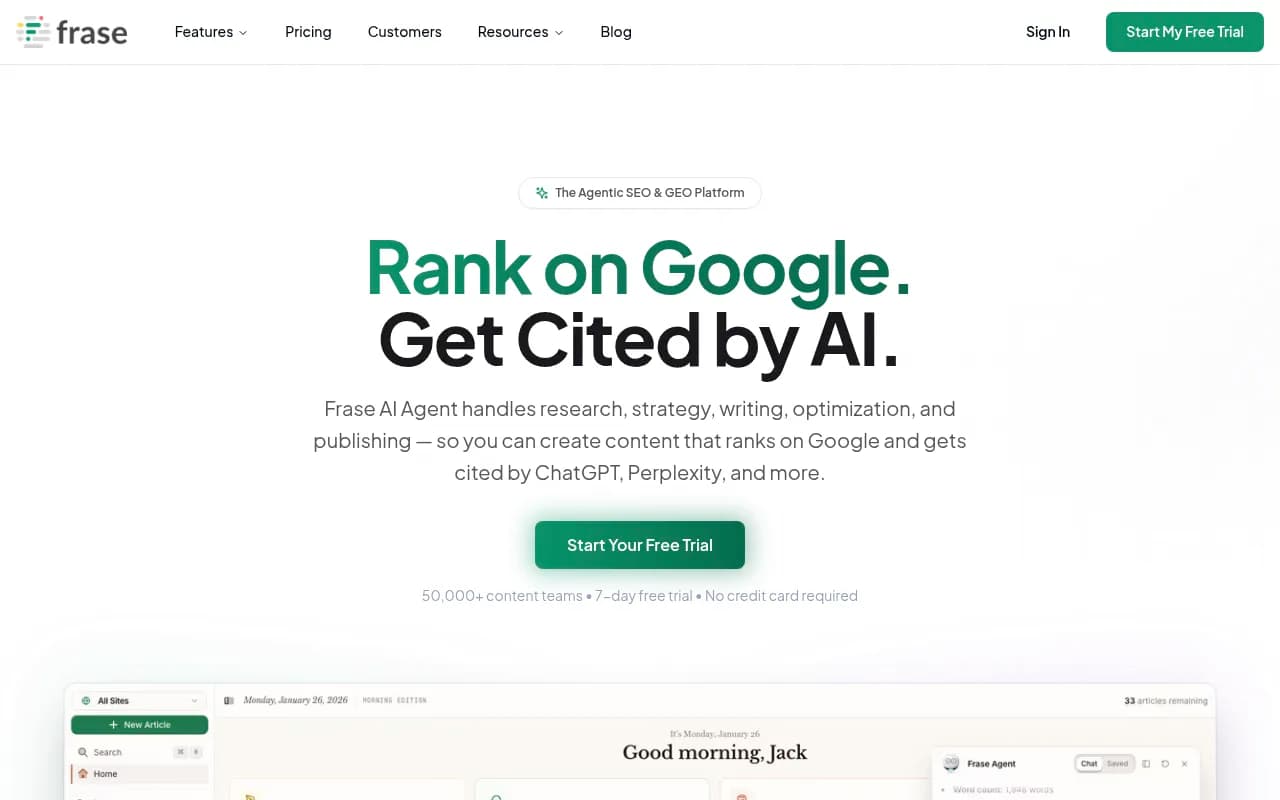
Frase takes a slightly different approach. It's more research-first: it pulls together the top-ranking pages for your query, summarizes what they cover, and helps you build a brief before you start writing. The AI writer then generates content informed by that research.
What makes Frase interesting in 2026 is that it's one of the few tools actively working on optimization for both Google and AI search platforms. According to Nightwatch's review, Frase is positioning itself as a platform that optimizes for ChatGPT, Perplexity, and Claude alongside traditional search engines. Whether that's fully baked yet is debatable, but the direction is right.
Clearscope
Clearscope is the premium option. It's more expensive than Surfer or Frase, but the content grading is cleaner and the term recommendations tend to be higher quality. It integrates directly with Google Docs and WordPress, which makes it easy to use in existing workflows.
If you're running an SEO team or agency where content quality is non-negotiable, Clearscope is worth the price. For solo bloggers or small teams, Surfer or Frase probably makes more sense.

MarketMuse
MarketMuse sits above the others in terms of strategic depth. It doesn't just optimize individual articles — it analyzes your entire site's topical authority and tells you where you have gaps, where you're strong, and which topics you should prioritize to build authority in a subject area.
For large sites with hundreds of pages, this kind of content intelligence is genuinely useful. For a 20-page site, it's overkill.
NeuronWriter
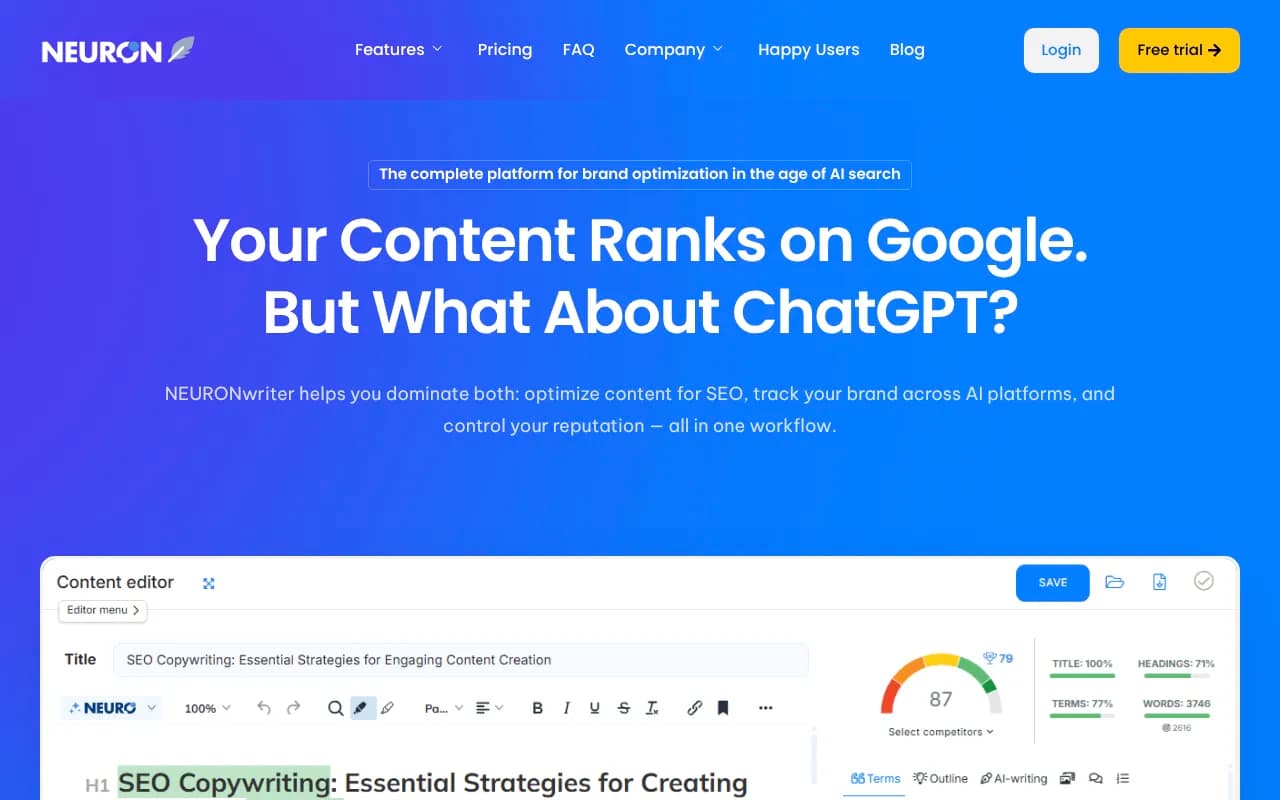
NeuronWriter is a solid mid-range option that often gets overlooked. It combines NLP-based content optimization with a built-in AI writer, and the pricing is more accessible than Clearscope. Good for content teams that want Surfer-like functionality without the Surfer price tag.
Layer 2: AI writing assistants (and how to actually use them for SEO)
General AI writers — ChatGPT, Claude, Jasper, and similar tools — are genuinely useful for content production, but not in the way most people use them. Asking ChatGPT to "write a 2000-word article about [keyword]" and publishing the output is a fast path to mediocre content.
The better approach is using these tools for specific tasks within a larger workflow:
- Generating multiple headline options
- Expanding bullet points into full paragraphs
- Rewriting sections that are too dense or too thin
- Drafting FAQs based on People Also Ask data
- Creating meta descriptions and title tags at scale
Jasper
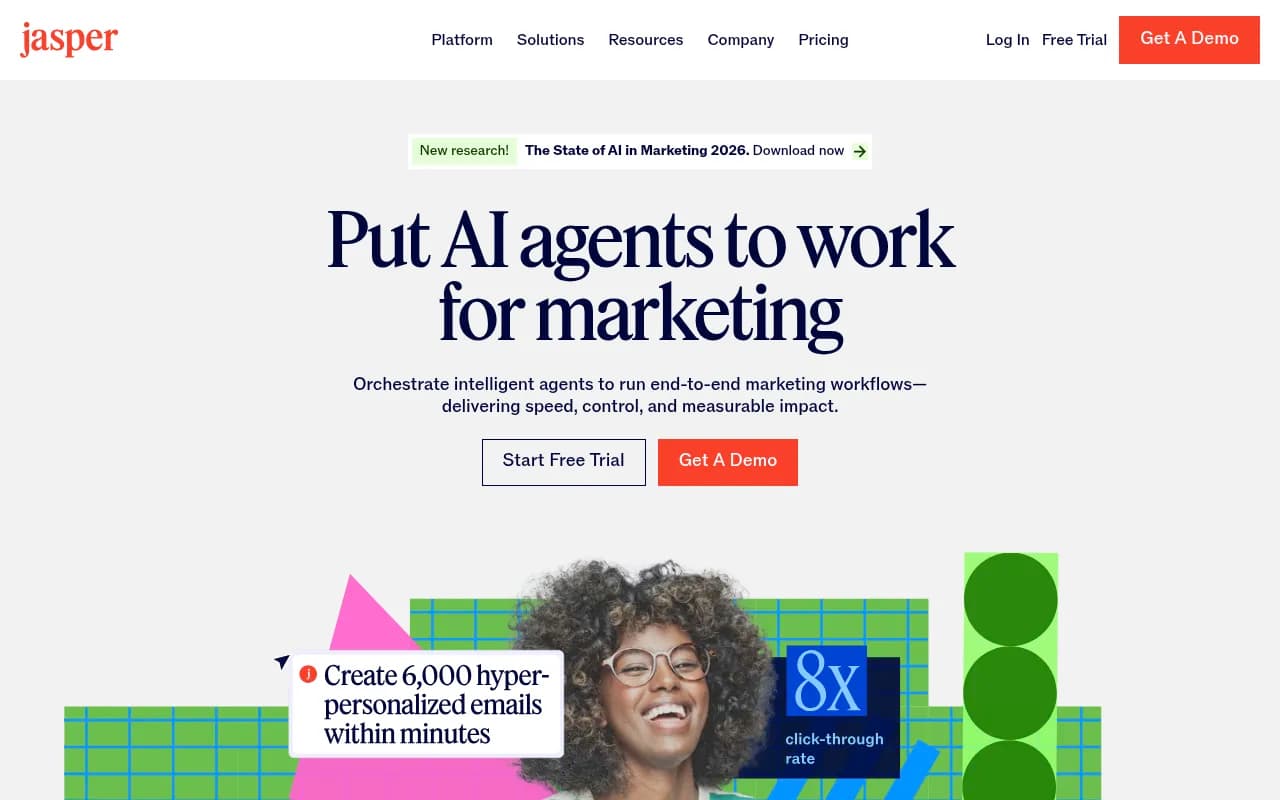
Jasper has evolved into more of a marketing platform than a pure writing tool. It has templates for different content types, brand voice controls, and integrations with SEO tools. For marketing teams producing high volumes of content across multiple formats, it's a reasonable choice.
Claude
Claude produces noticeably more natural-sounding long-form text than most AI writers. It's particularly good at maintaining a consistent voice across a long article and handling nuanced topics without going off the rails. The context window is large enough to feed it full briefs and competitor content for reference.
Writesonic
Writesonic sits in the middle ground — it has SEO-specific features (keyword targeting, SERP analysis) built into the writing workflow, which makes it more useful for SEO content than a raw ChatGPT prompt. The quality is decent, though it can be inconsistent on technical topics.

Copy.ai
Copy.ai is fast and good for shorter content — product descriptions, ad copy, social posts, email subject lines. For long-form SEO articles, it's less suited, but as part of a broader content stack it earns its place.

Layer 3: AI search visibility — the new frontier
This is where things get genuinely interesting, and where most content teams are still playing catch-up.
Google is no longer the only place your content needs to rank. ChatGPT, Perplexity, Claude, Gemini, and Google AI Overviews are now answering millions of queries that used to send traffic to websites. If your content isn't being cited in those answers, you're invisible to a growing chunk of your potential audience.
The challenge is that ranking in AI search is different from ranking in Google. AI models don't just look at backlinks and on-page optimization. They cite content that comprehensively answers specific questions — content that covers topics with enough depth and specificity that the model trusts it as a source.
This creates a new kind of content gap: prompts that users are asking AI models where your brand should appear but doesn't.
How to find and close AI content gaps
The first step is understanding which prompts are relevant to your business and which ones you're currently missing. This is harder than it sounds because you can't just check a rank tracker — you need to actually query AI models and analyze the responses.
Tools like Promptwatch are built specifically for this. The Answer Gap Analysis feature shows you which prompts competitors are visible for that you're not, and the built-in content generation tools help you create articles specifically designed to get cited. It's one of the few platforms that closes the loop between finding gaps and actually fixing them.

Semrush
Semrush has added AI visibility tracking through its AI Visibility Toolkit. If you're already a Semrush user, it's a reasonable starting point for understanding your brand's presence in AI-generated results. The limitation is that it uses fixed prompts rather than letting you define your own, which means it may miss the specific queries that matter most to your business.
SE Ranking
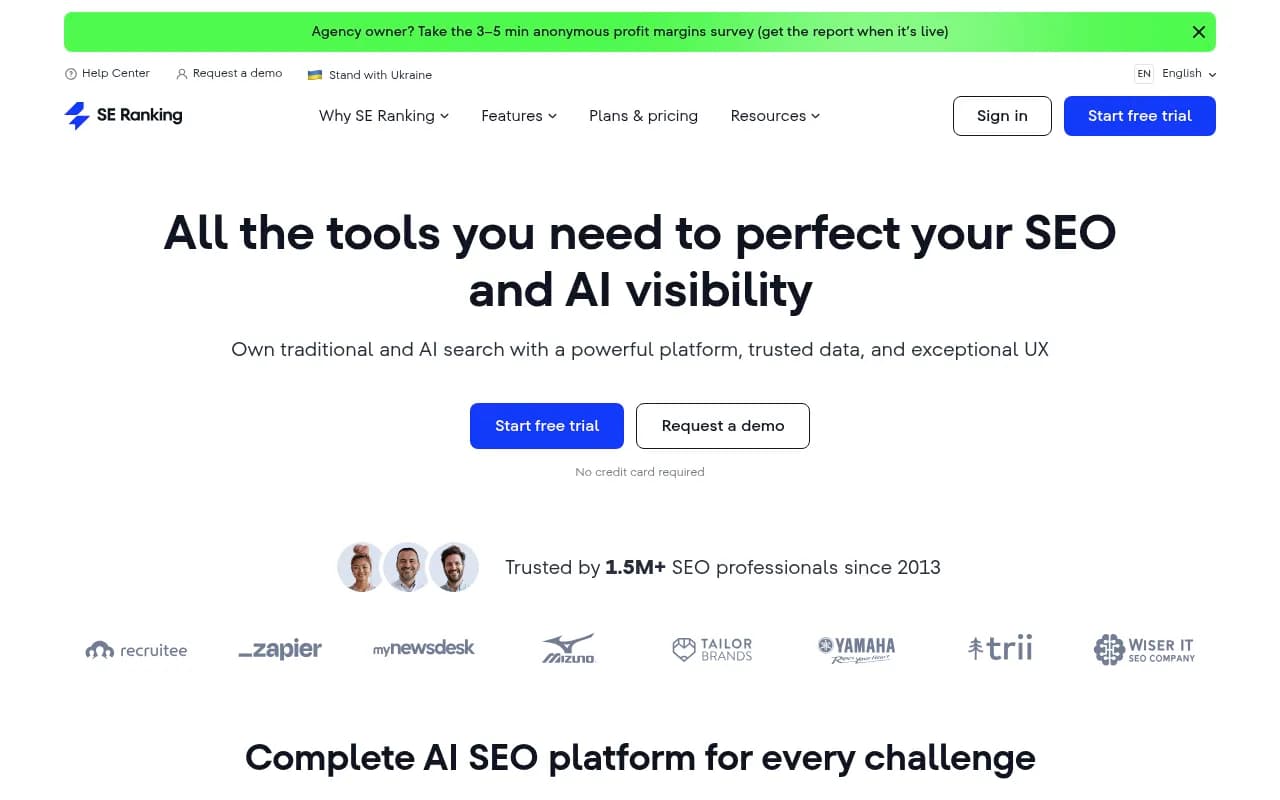
SE Ranking has been building out AI search monitoring features alongside its traditional rank tracking. It's a good all-in-one option for teams that want to manage Google rankings and AI visibility from a single platform without paying enterprise prices.
Ahrefs
Ahrefs added Brand Radar for AI search tracking. Like Semrush, it's useful if you're already in the ecosystem, but the AI tracking features are more limited than dedicated platforms — fixed prompts, no traffic attribution, and no content optimization tools.
Comparison: which tool does what
| Tool | Google SEO optimization | AI content generation | AI search visibility | Content gap analysis | Pricing |
|---|---|---|---|---|---|
| Surfer SEO | Excellent | Good | No | No | From ~$89/mo |
| Frase | Good | Good | Partial | Basic | From $45/mo |
| Clearscope | Excellent | Basic | No | No | From $189/mo |
| MarketMuse | Excellent | Good | No | Yes (Google) | From $149/mo |
| NeuronWriter | Good | Good | No | No | From $23/mo |
| Jasper | Basic | Excellent | No | No | From $49/mo |
| Semrush | Good | Good | Partial | Basic | From $140/mo |
| SE Ranking | Good | Good | Partial | No | From $65/mo |
| Ahrefs | Good | Basic | Partial | No | From $129/mo |
| Promptwatch | No | Yes (AI-cited) | Excellent | Yes (AI search) | From $99/mo |
The table makes the gap clear. Most tools are strong on one axis but weak on the other. Surfer and Clearscope are excellent for Google optimization but don't touch AI search. Promptwatch is built for AI search visibility but isn't trying to replace your on-page SEO tool.
The practical answer for most teams in 2026 is a two-tool stack: one optimizer for Google content (Surfer, Frase, or Clearscope depending on budget) and one platform for AI search visibility.
What Google actually rewards in 2026
Before you invest in any tool, it's worth being clear on what you're optimizing for.
Google's ranking signals haven't fundamentally changed, but the bar has risen. Helpful, experience-driven content that demonstrates genuine expertise still wins. What's changed is that AI-generated content is now so common that Google has gotten better at identifying thin, generic articles — and those are ranking worse than they did two years ago.
The tools that help you rank are the ones that push you toward specificity and depth. A Surfer-optimized article that covers every relevant subtopic, includes original data or perspective, and is written for a real person rather than a crawler will outperform a generic AI draft every time.
A few things that actually matter:
- Topical depth over keyword density. Covering a topic comprehensively beats stuffing in keywords.
- First-hand experience signals. Google's E-E-A-T guidelines reward content that demonstrates real experience with the subject matter.
- Structured answers. FAQ sections, numbered lists, and clear definitions help both Google featured snippets and AI citation.
- Internal linking. Building topical clusters with strong internal links still moves rankings.
Tools like MarketMuse and Frase help with the first point. The rest comes down to how you use them.
What AI search engines actually cite
AI models cite content differently from how Google ranks it. A few patterns that show up consistently:
- Comprehensive, specific answers. If someone asks "what's the best CRM for a 10-person sales team," a page that directly answers that question with specific recommendations and reasoning is more likely to be cited than a generic "top 10 CRMs" listicle.
- Authoritative domain signals. AI models do weight domain authority, but they also cite niche sites that are clearly expert on a specific topic.
- Structured data and clear formatting. Content that's easy to parse — with clear headings, concise paragraphs, and defined terms — gets cited more often.
- Recency. AI models tend to prefer recent content, especially for fast-moving topics.
The implication for content strategy is that you need to write with AI citation in mind, not just Google ranking. That means more specific, more opinionated content that directly answers the questions AI models are fielding.
Recommended stacks by team type
Solo blogger or content creator
- Frase for research and optimization
- Claude or ChatGPT for drafting
- Google Search Console to track performance
In-house SEO team
- Surfer SEO or Clearscope for content optimization
- Semrush or Ahrefs for keyword research and site audits
- Promptwatch for AI search visibility and gap analysis
Digital agency
- Clearscope or MarketMuse for content quality
- SE Ranking for rank tracking across clients
- Promptwatch for AI visibility reporting and content gap analysis across client sites
Enterprise marketing team
- MarketMuse for content strategy and topical authority
- Semrush for traditional SEO
- Promptwatch for AI search monitoring, crawler logs, and content generation at scale
The bottom line
The tools that actually help you rank in 2026 are the ones that give you data, not just output. A tool that tells you what to write, why it matters, and how it's performing is worth ten tools that just generate text.
For Google SEO, Surfer SEO and Frase are the most practical choices for most teams. For AI search visibility, the gap between monitoring-only tools and platforms that help you act on what they find is significant — and that gap is where rankings are won or lost.
The content teams pulling ahead right now aren't just producing more. They're producing content that's specifically engineered to answer the questions AI models are fielding, backed by data on what's actually being cited.